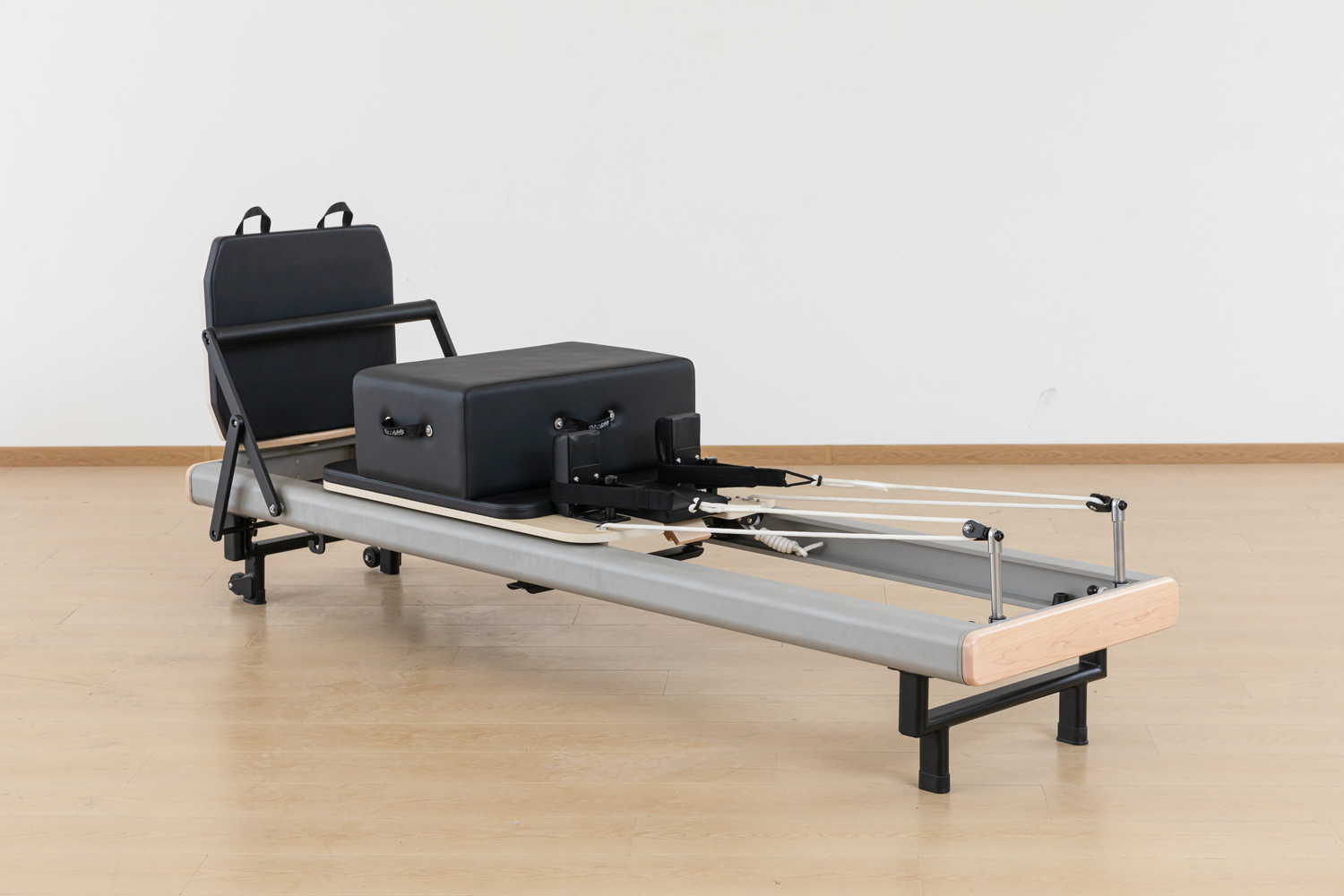
Pros and Cons of Built-in Tower Pilates Reformers for Multi-Class Studio Layouts
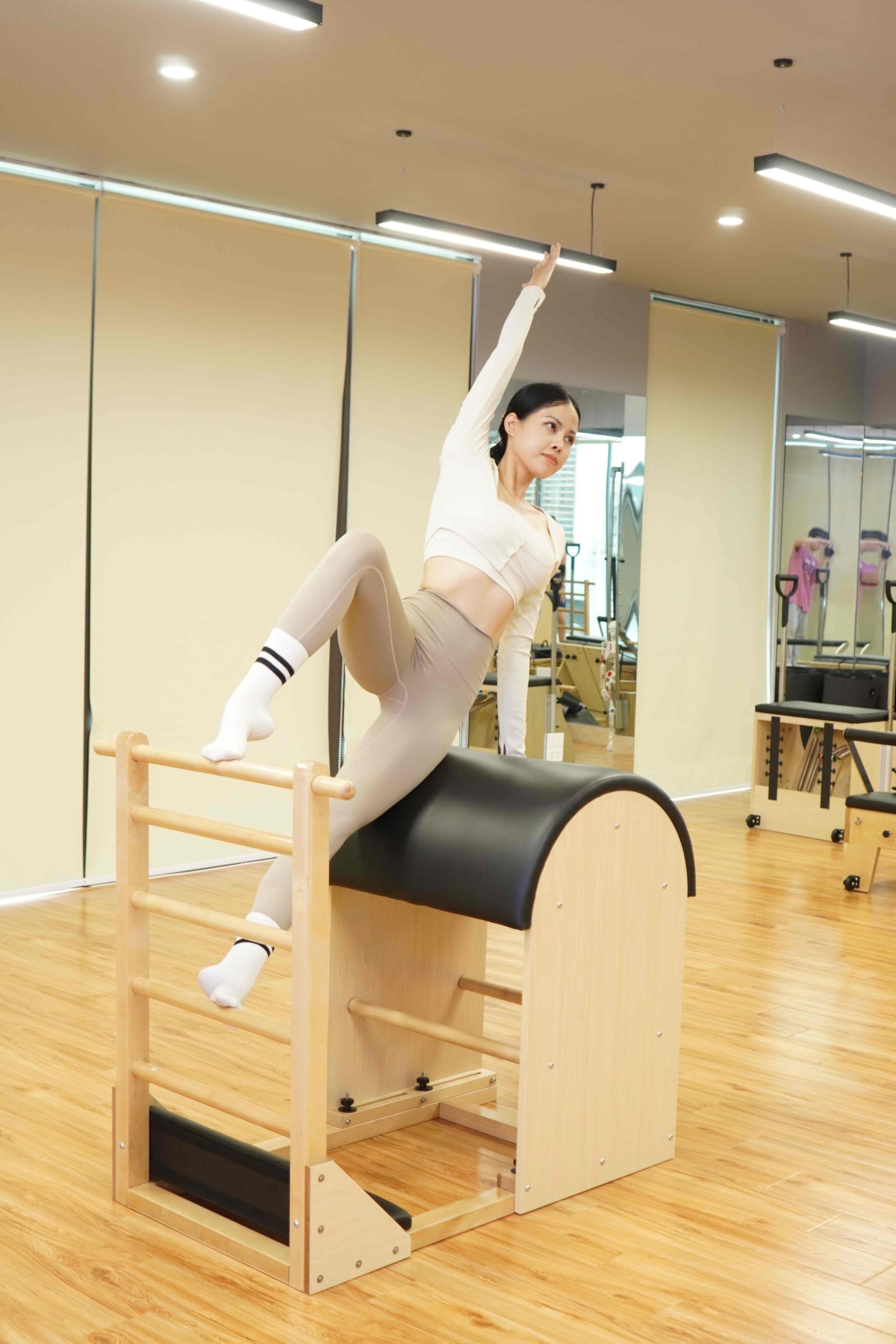
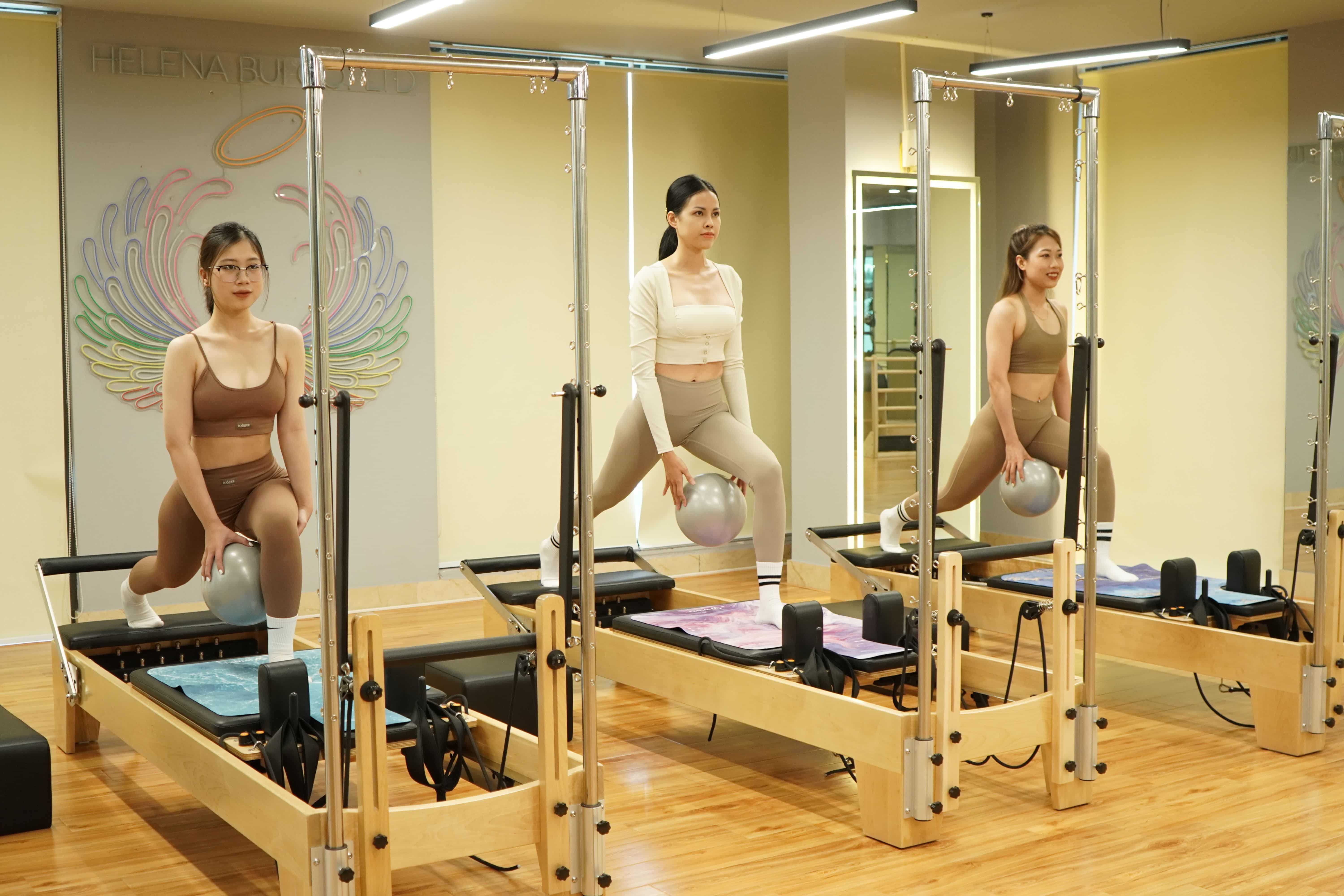
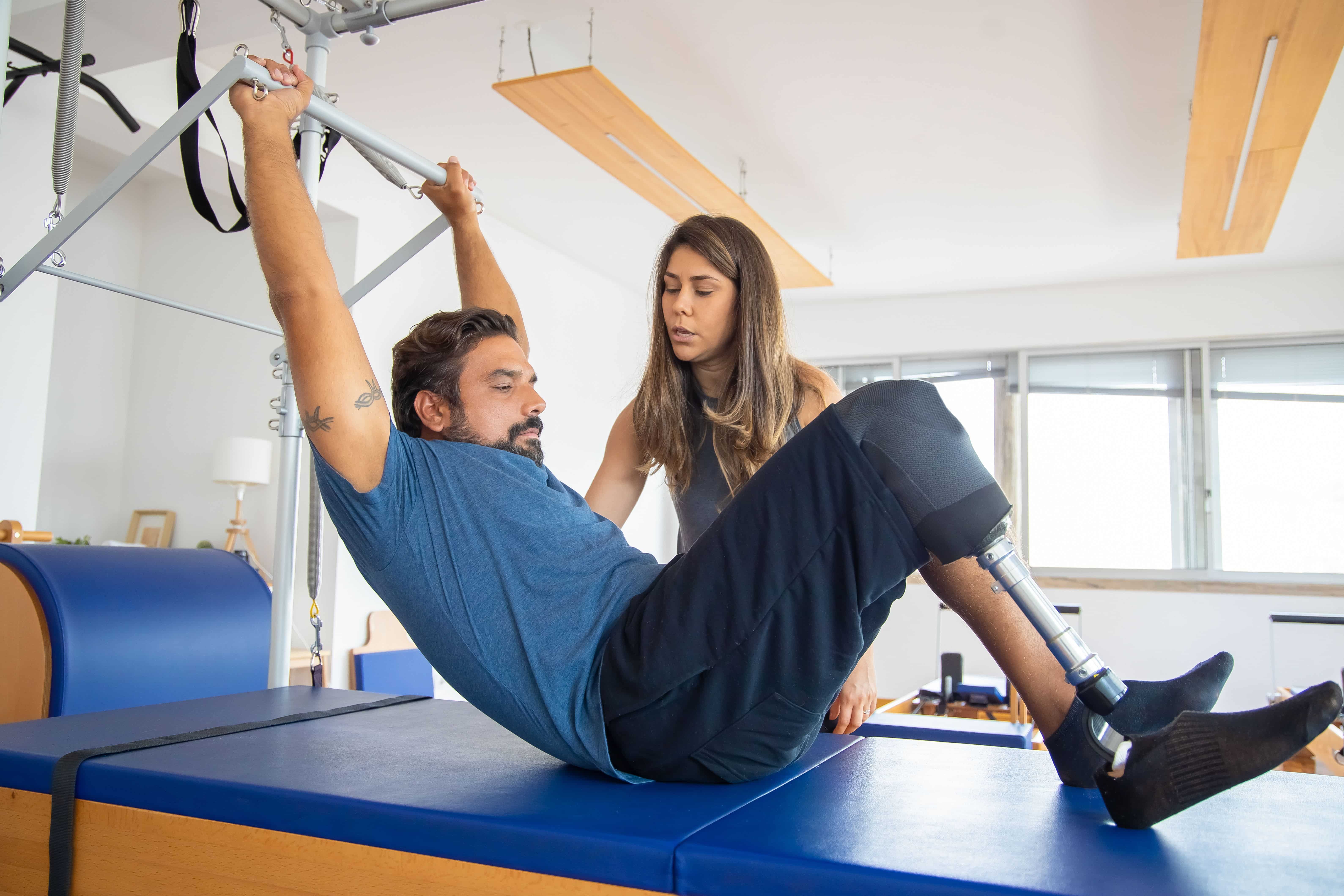
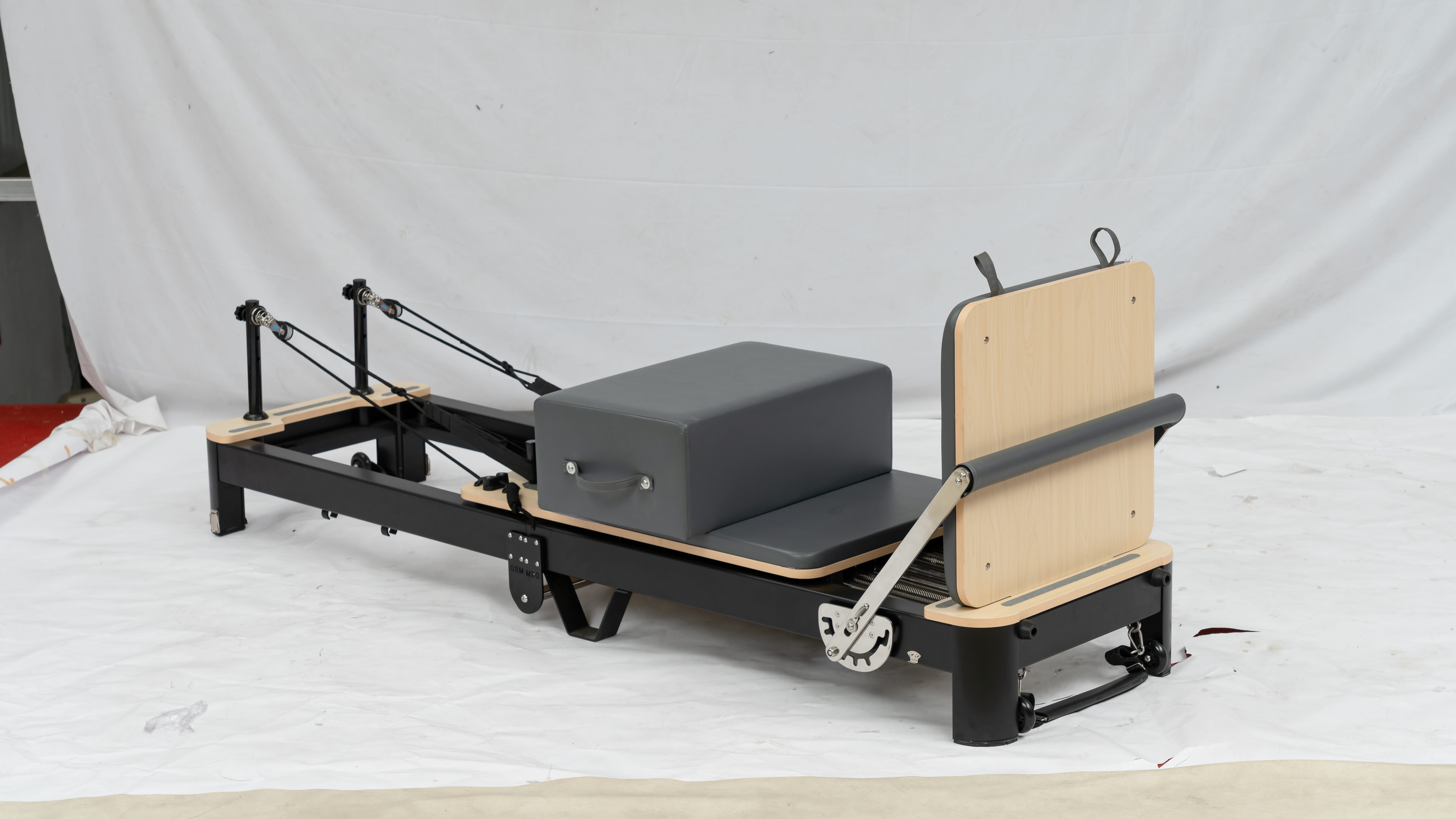
Multi-class Pilates studios balance tight floor space, mixed programming, instructor workflow and long-term ROI when selecting equipment. Built-in tower reformers integrate a vertical tower frame directly onto the reformer base, combining standard reformer sliding carriage training with tower springs, roll-down bars and push-through bar exercises. For studios running back-to-back group reformer classes, semi-private rehab sessions and advanced tower workouts, these hybrid machines change room layout planning dramatically. Before bulk purchasing for your studio or recommending them to your buyers, it is critical to weigh the key advantages and drawbacks.
Pros of Built-in Tower Reformers for Multi-Class Studio Layouts
1. Maximise usable floor space with dual-function equipment
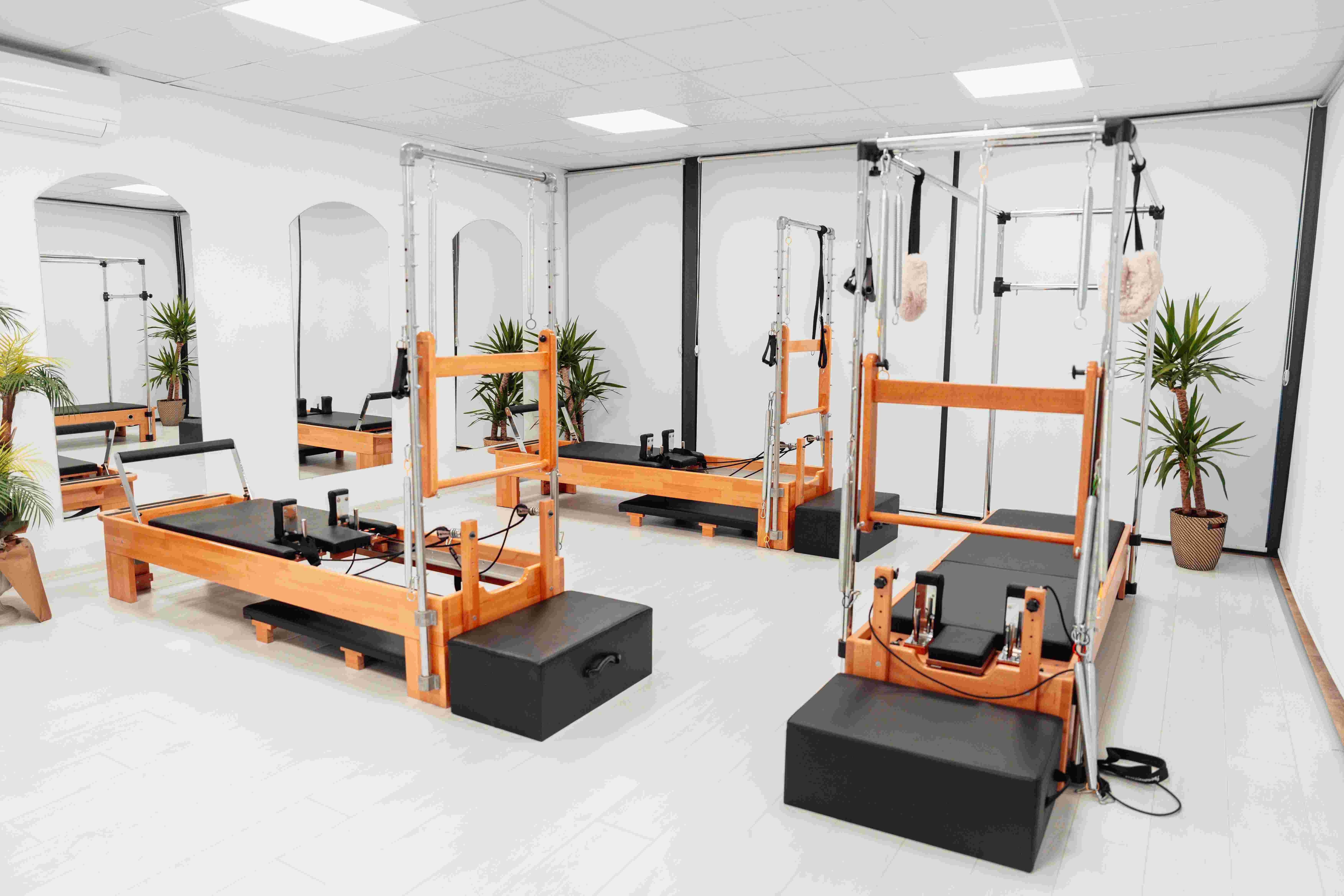
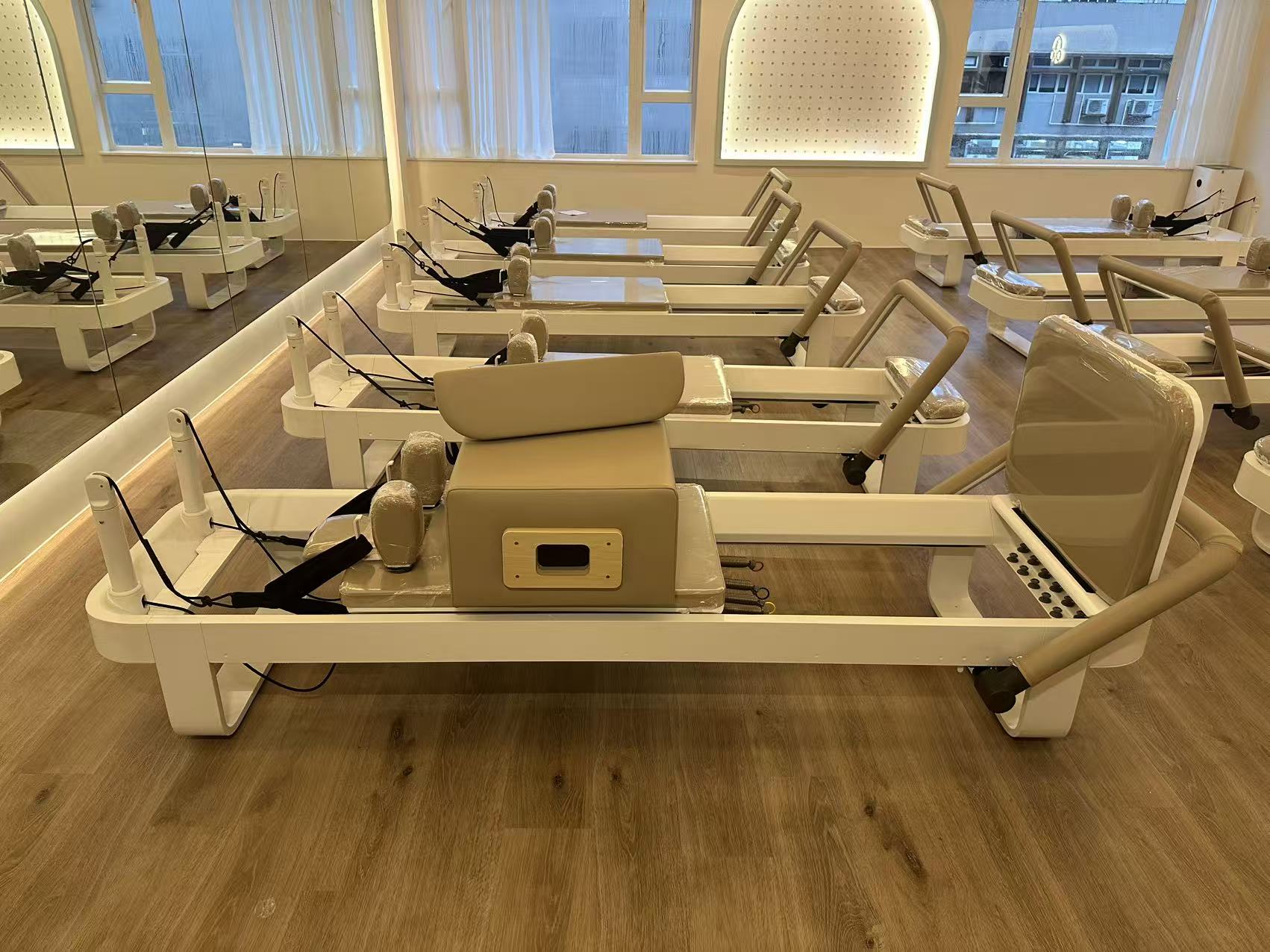
A built-in tower reformer occupies nearly the same floor footprint as a standard reformer. Instead of allocating separate zones for standalone reformers and tower units or large Cadillac tables, each station delivers two training formats in one spot. This is a huge win for multi-class studios running rotating schedules: you can host mat reformer group classes in morning slots and tower-focused private or small-group sessions in the afternoon without rearranging equipment or sacrificing extra floor area. For high-rent studio spaces, this improves revenue per square metre.
2. Flexible class programming to attract wider client groups
The integrated tower unlocks a broader exercise library. Instructors can easily switch between foundational reformer flow, upper-body spring work, spinal articulation and rehabilitation exercises on the same machine. Studios can launch tiered class offerings: beginner reformer, intermediate tower hybrid sessions, injury rehab and advanced athletic training. More class types mean higher booking rates and better client retention compared to studios limited only to basic reformer workouts.
3. Streamline class transitions between back-to-back sessions
In busy multi-class studios, fast turnaround between sessions is essential. With built-in towers, instructors do not need to attach or detach separate tower accessories before each class. All tower bars, pulleys and springs stay fixed on the unit. This cuts down setup time between consecutive classes, reduces clutter on studio floors and keeps class schedules running smoothly. Less manual equipment handling also lowers trip hazards during busy changeover periods.
4. Simplified room layout design and consistent station alignment
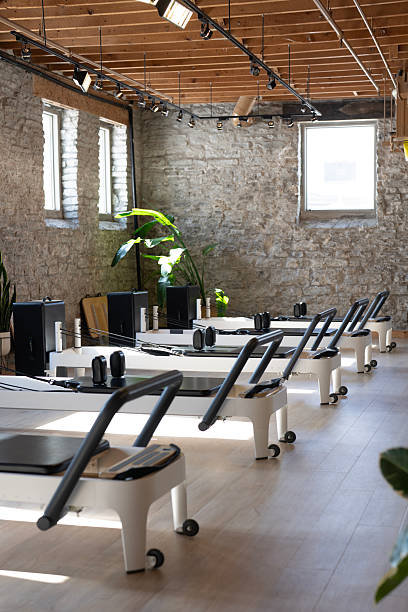
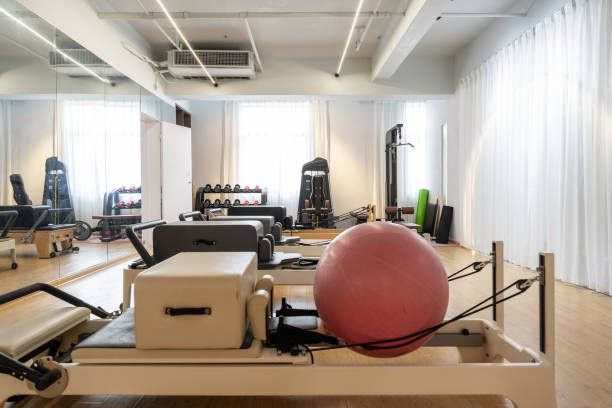
Built-in tower reformers follow a uniform linear shape, making them easy to arrange in parallel rows, perimeter wall layouts or staggered pod layouts. Unlike separate tower attachments that can shift or require repositioning, integrated tower units maintain consistent dimensions. This helps studio owners calculate aisle space, instructor walk paths and client entry/exit zones in advance. For multi-room studios or franchise locations, standardised tower reformer layouts simplify replication across sites.
5. Strong long-term asset value for resale
Commercial built-in tower reformers hold better resale value than basic reformers. When studios upgrade or relocate, all-in-one tower models appeal strongly to boutique studio buyers and rehab clinics, because they offer expanded training functions without extra space investment.
Cons of Built-in Tower Reformers for Multi-Class Studio Layouts
1. Higher upfront equipment and shipping costs
Built-in tower reformers cost more than standard reformers. The integrated tower frame adds material weight and volume, pushing up unit pricing, sea freight and container costs. When ordering in bulk for a full multi-class room, the total capital investment rises significantly. Distributors and studio owners must calculate ROI carefully, especially if most classes will only use basic reformer functions and rarely utilise tower features.
2. Requires higher ceiling clearance
The vertical tower adds height. Multi-class studios need minimum ceiling clearance, generally around 2.7m (9ft), to safely perform full tower movements. Low-ceiling rooms cannot support built-in tower reformers. This limits layout flexibility: you cannot place these machines in every room of your studio. Unlike detachable tower add-ons, the vertical frame is permanent and cannot be removed to fit low-ceiling spaces.
3. Wider safety clearance required between stations
Even though the floor footprint length stays similar, the vertical tower bars extend outward. You need extra side clearance between adjacent machines to prevent clients’ arms, bars and straps from overlapping during group classes. In tight rooms, you may need to fit fewer machines per row than you could with standard reformers. This can reduce total class capacity and offset some of the space-saving benefits.
4. Heavier, less mobile and harder to reconfigure
Built-in tower reformers weigh substantially more than basic reformers. While many include transport wheels, the rigid tower frame makes moving machines slower and less convenient. If your multi-class studio regularly rearranges the room for yoga, mat work or workshops, fixed tower units become a constraint. They are not easy to stack or store away when you need an open floor plan.
5. Increased ongoing maintenance and wear points
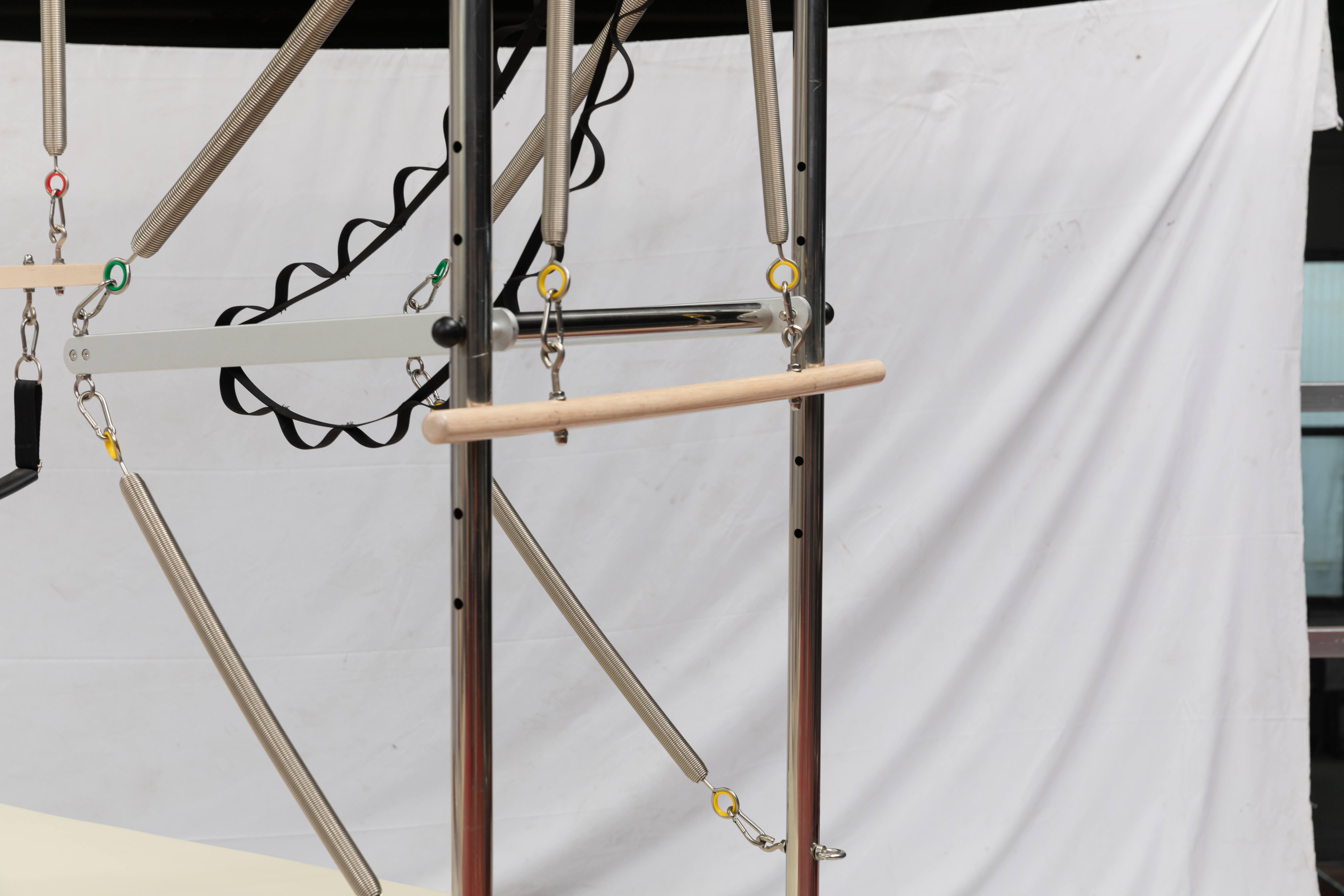
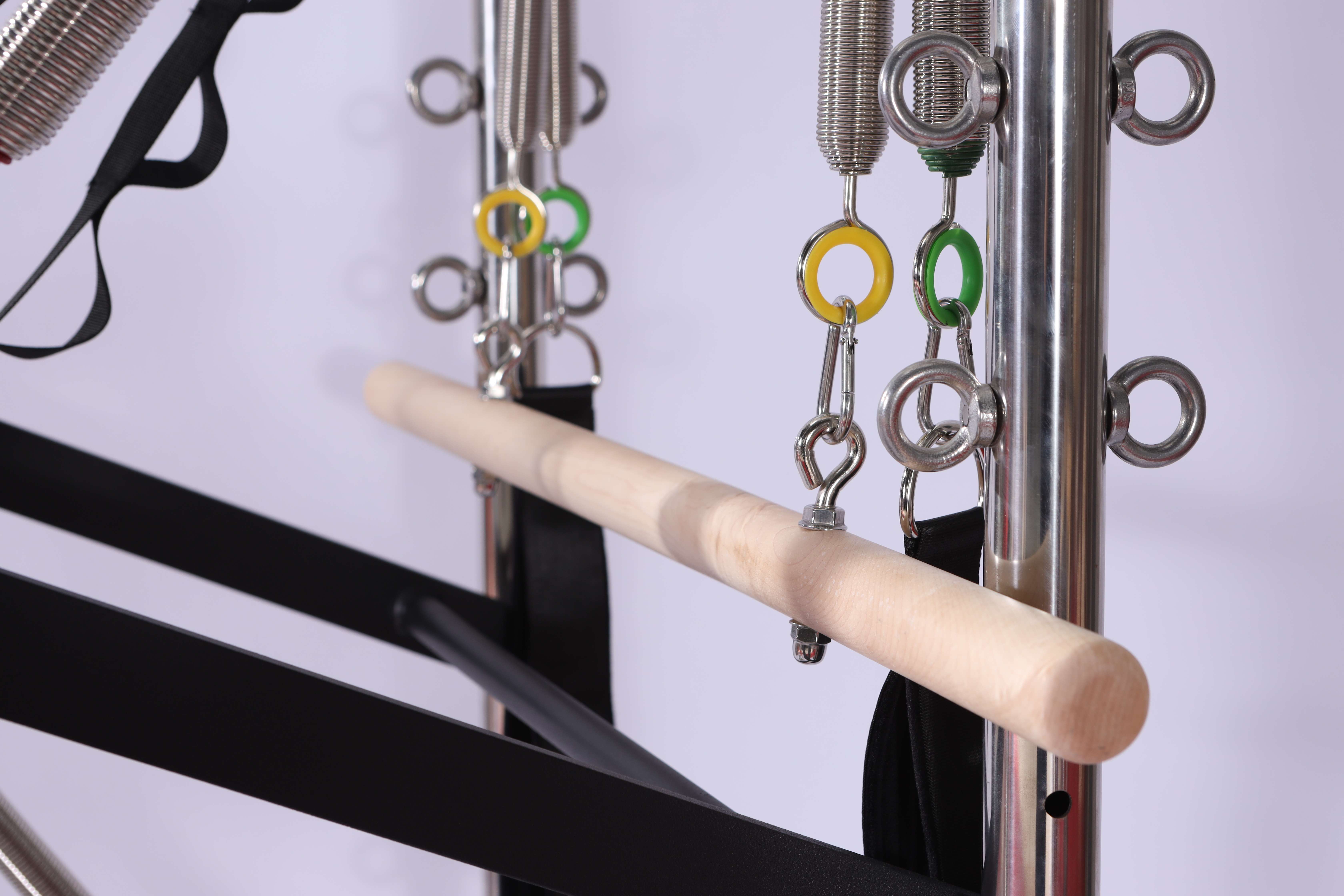
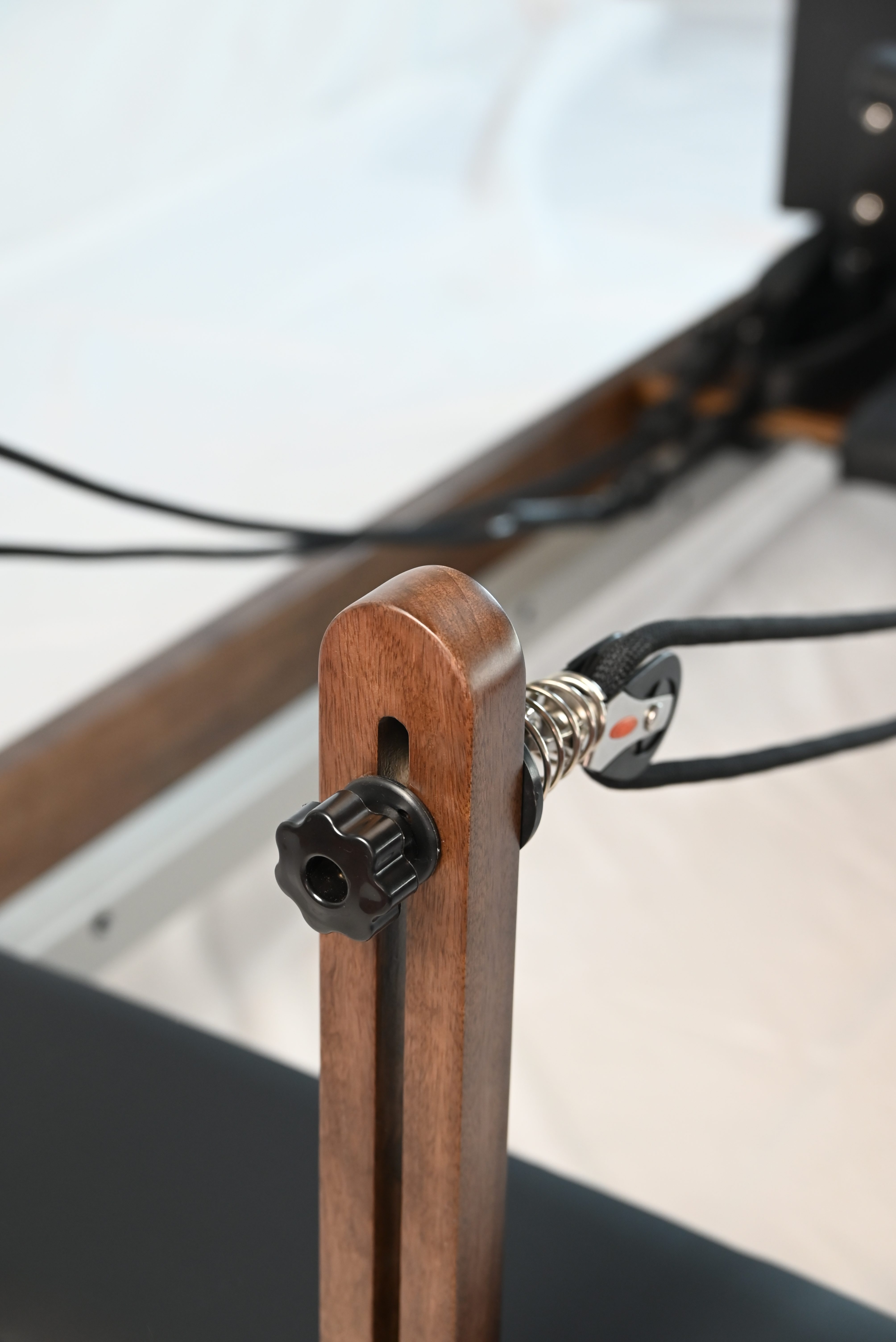
Built-in tower systems add extra springs, pulleys, bars, carabiners and connection joints. More moving parts mean more regular inspection and maintenance for high-usage multi-class studios. With back-to-back daily classes, tower springs, straps and upholstery wear faster. Studios need a scheduled spare parts kit and maintenance routine to avoid machine downtime between classes.
Who Should Choose Built-in Tower Reformers for Multi-Class Layouts?
Built-in tower reformers are best suited for boutique multi-class studios that:
- Run a mix of group reformer, semi-private and rehab sessions
- Have adequate ceiling height and enough side aisle clearance
- Want to expand class offerings without buying Cadillacs
- Plan to keep equipment in fixed long-term room layouts
They are less ideal for studios with low ceilings, very narrow rooms, frequently changing floor plans, or studios whose schedule is 100% beginner reformer classes with zero tower programming.
Final Takeaway
Built-in tower reformers are a powerful asset for multi-class Pilates studios, delivering unmatched programming flexibility and space efficiency. However, they come with higher upfront cost, stricter ceiling and clearance requirements, and extra maintenance workload. When planning your studio layout, map your class mix, measure ceiling height and aisle space, and compare projected revenue gains against equipment, shipping and maintenance expenses. For wholesale buyers and distributors, helping studio clients understand these trade-offs leads to better purchasing decisions and fewer post-installation layout headaches.