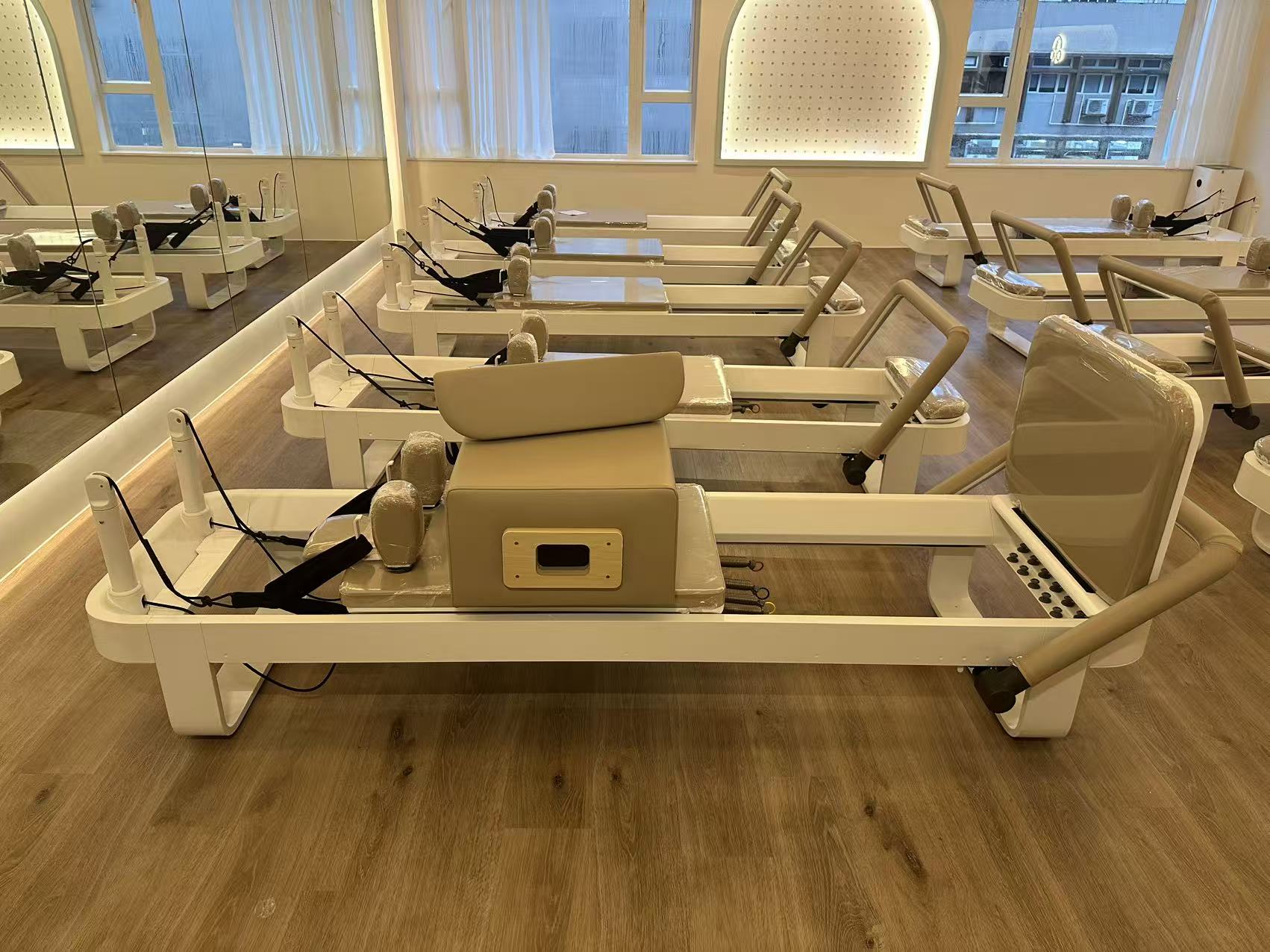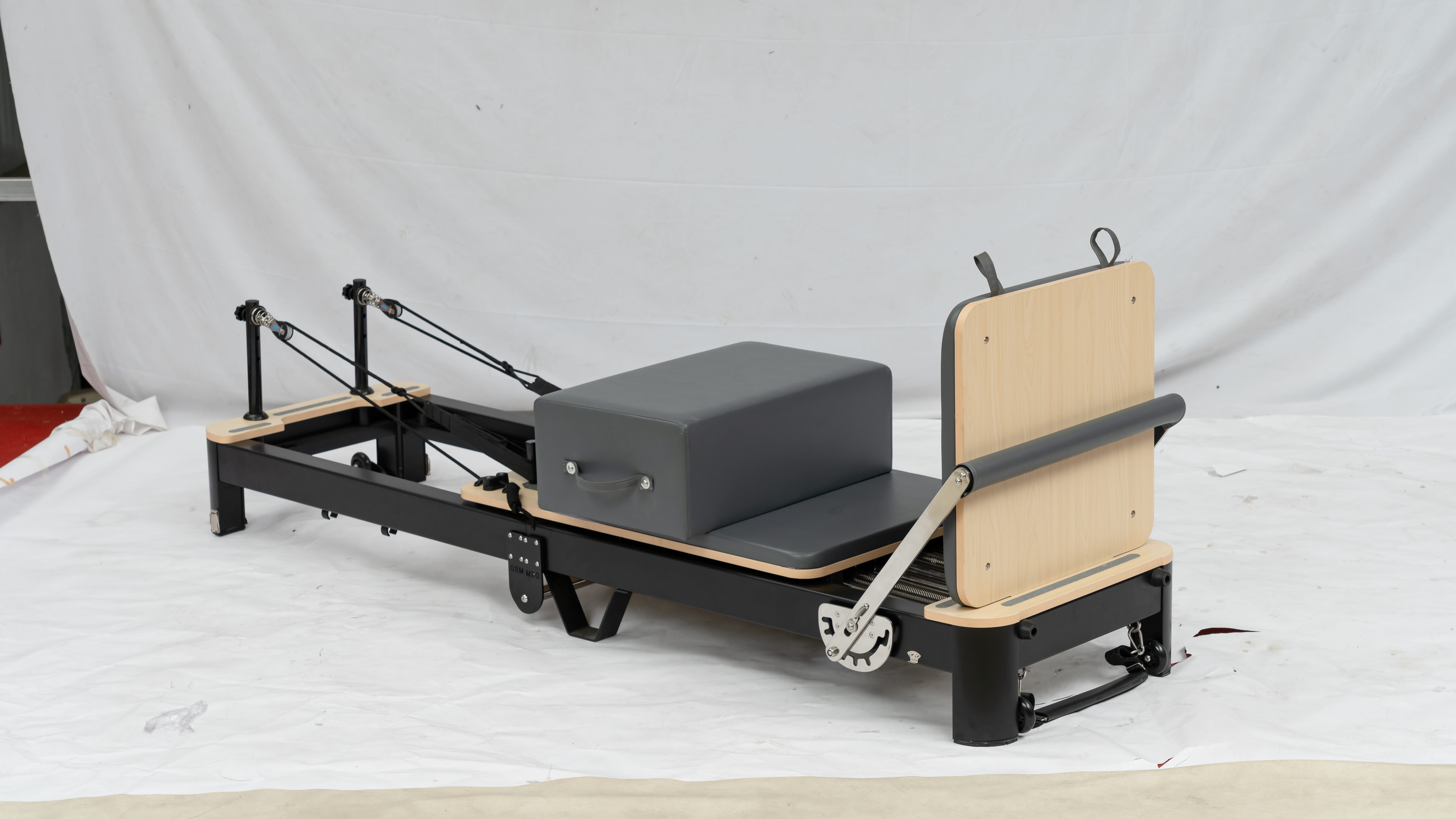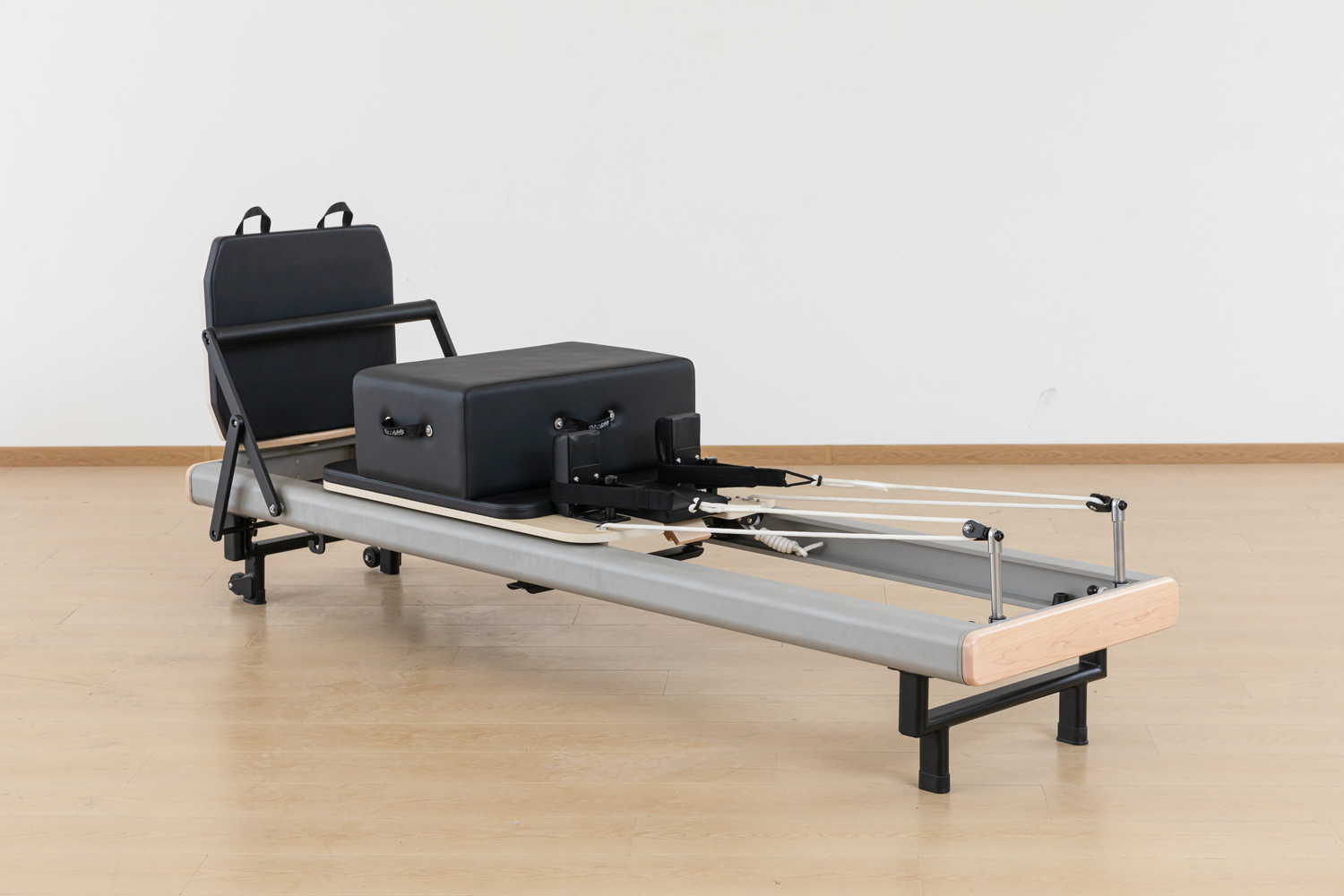
What Spring Tension Options Work Best for Rehab-Focused Pilates Studio Clients
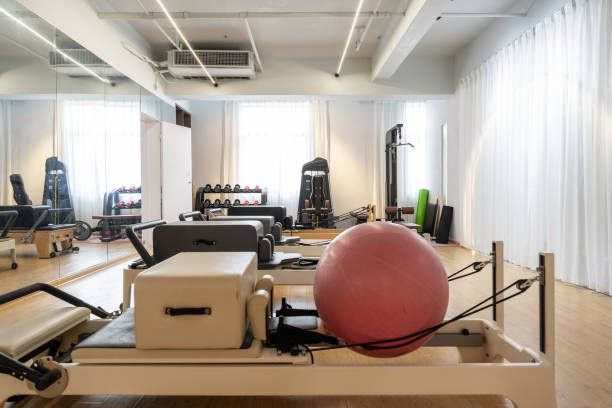
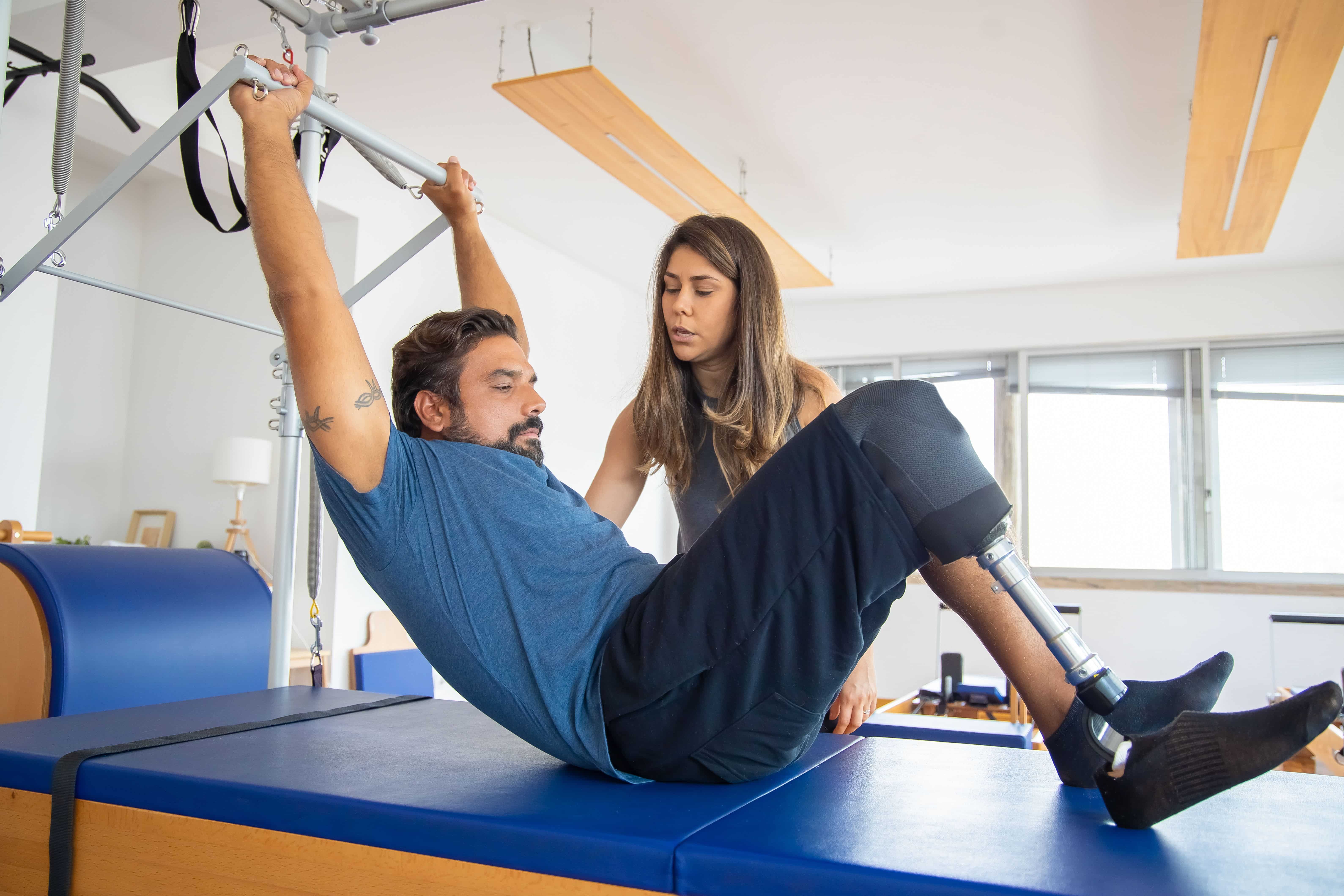
Rehab-focused Pilates studios serve a unique group of clients: individuals recovering from injury, managing chronic pain, working on post-surgical rehabilitation, or living with limited mobility. Unlike fitness studios that prioritise high-intensity strength training, rehab Pilates relies heavily on controlled, low-load movement. The spring tension on your Pilates Reformer is the core variable that determines whether an exercise supports safe recovery or creates unnecessary strain. Selecting the right spring tension range is critical for protecting vulnerable clients and delivering predictable, gentle rehabilitation outcomes.
How Pilates Spring Tension Impacts Rehab Users
Pilates reformer springs create variable resistance: lighter tension supports assisted movement, while heavier tension adds load to build strength. For rehabilitation clients, the goal is not maximum resistance. Instead, springs must allow clients to move with proper form, without compensating through tight or injured muscles and joints.
Light spring tension reduces the effort required to lift limbs or move the carriage. This is ideal for clients with muscle weakness, nerve sensitivity, or those in early recovery stages. Medium tension introduces gentle resistance to activate deep stabilisers such as the transverse abdominis, pelvic floor and glutes, once the client can maintain neutral alignment. Heavy spring tension is rarely used in rehab sessions, and should only be introduced gradually for clients who have advanced through their recovery plan.
Recommended Spring Tension Setups for Common Rehab Cases
1. Ultra-Light Tension: Early Injury Recovery & Mobility Work
Best for: Post-surgery rehab, acute back pain, shoulder impingement, neurological weakness, clients with limited range of motion.
Typical setup: 1 light spring only.
This minimal tension assists movement rather than resisting it. It helps clients re-establish mind-body connection without straining sensitive tissues. Therapists use this setup for gentle carriage glides, arm work and pelvic tilts, focusing on breathing and controlled alignment. No heavy loading is permitted at this rehab stage.
2. Light Tension: Core Activation & Gentle Stabilisation
Best for: Chronic lower back pain, mild hip dysplasia, post-natal rehab, clients rebuilding foundational strength.
Typical setup: 1 light + 1 medium spring.
This is the most widely used spring combination in rehab Pilates. It offers subtle resistance to engage deep core muscles while remaining forgiving if the client fatigues. Instructors can adjust movement range to avoid pain triggers, and the spring load stays low enough to prevent over-recruitment of larger compensatory muscles.
3. Medium Tension: Progressive Strength for Late-Stage Rehab
Best for: Clients past acute injury phase, recovering from strains, preparing to return to daily activity or light sport.
Typical setup: 2 medium springs.
Medium tension builds muscular endurance gradually. It is suitable only when clients can complete movements pain-free and maintain neutral spine alignment consistently. Rehab instructors will still limit exercise complexity here, prioritising quality over repetitions. Heavy springs are not recommended unless the physiotherapist or rehab specialist approves.
4. Heavy Tension: Not for Primary Rehab
Heavy springs are designed for fitness-focused strength training. For rehab clients, heavy tension often triggers compensation patterns, increases joint compression and can aggravate old injuries. Keep heavy springs reserved for clients who have fully completed their rehabilitation programme and transitioned into general fitness Pilates.
Key Features to Look for When Selecting Springs for Rehab Studios
- Smooth, silent spring performance: Jerky or sticky spring tension creates sudden load spikes that can hurt sensitive clients. Rehab reformers need consistent, seamless resistance throughout the full movement range. Silent spring systems also help keep the studio calm and reduce client distraction.
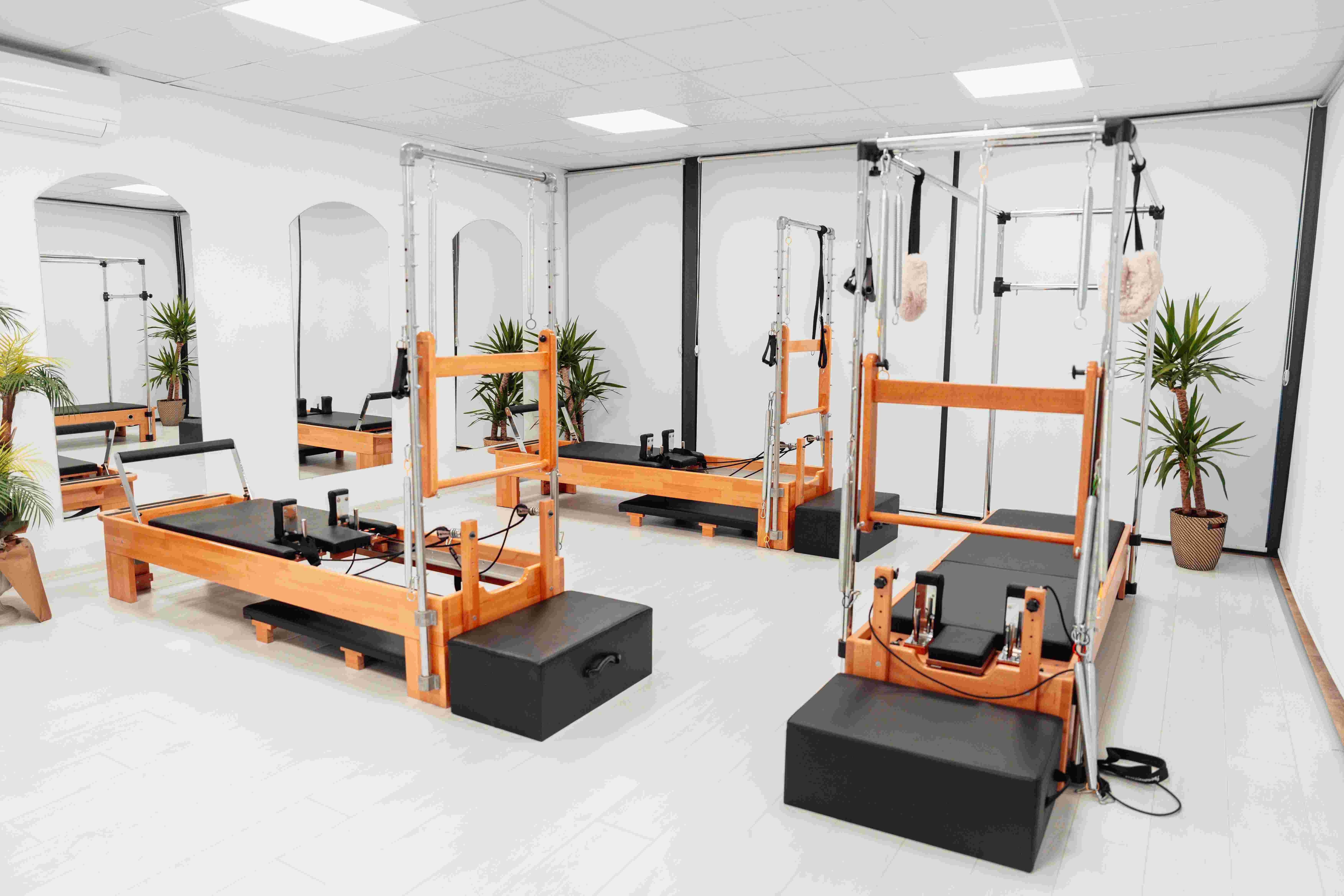
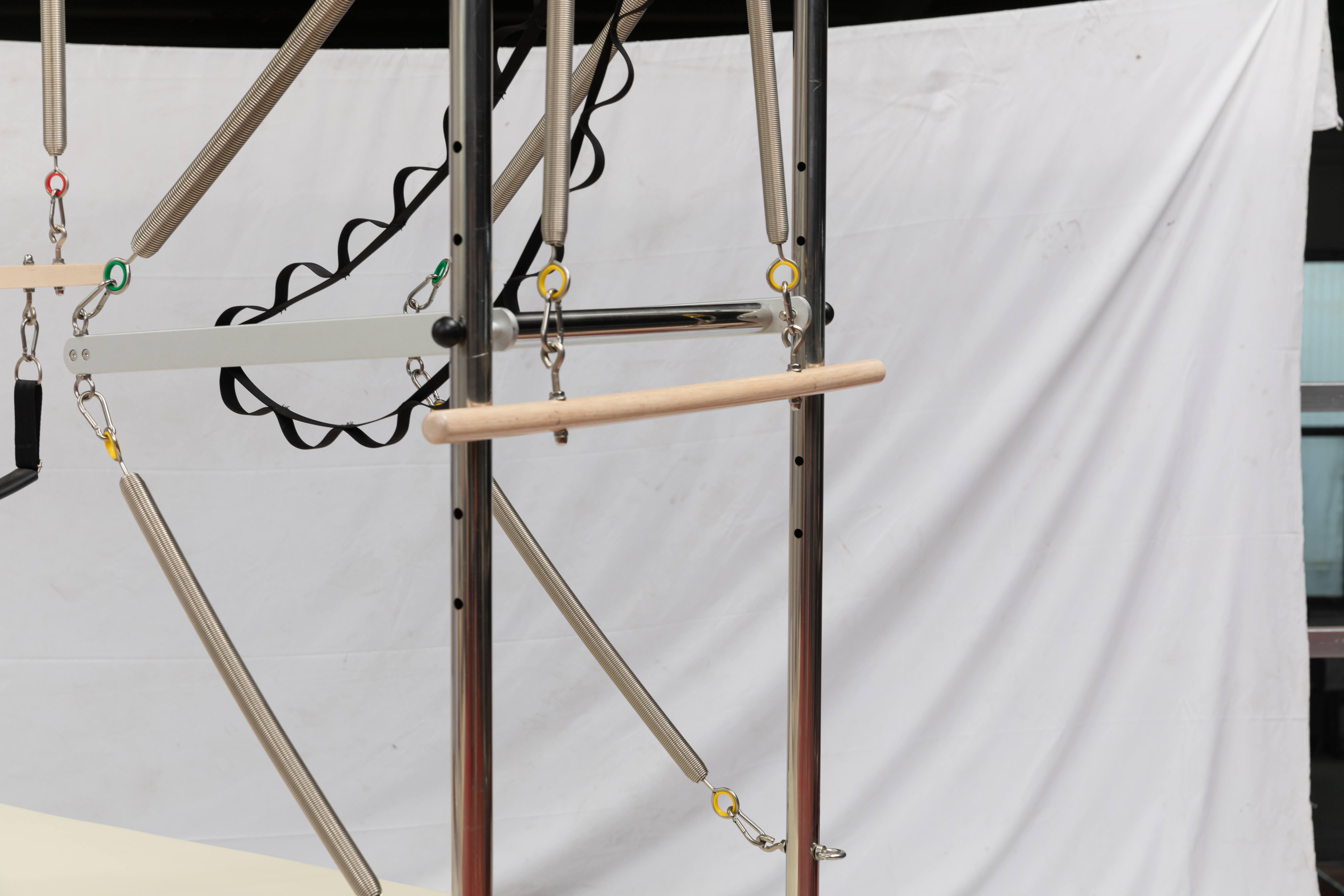
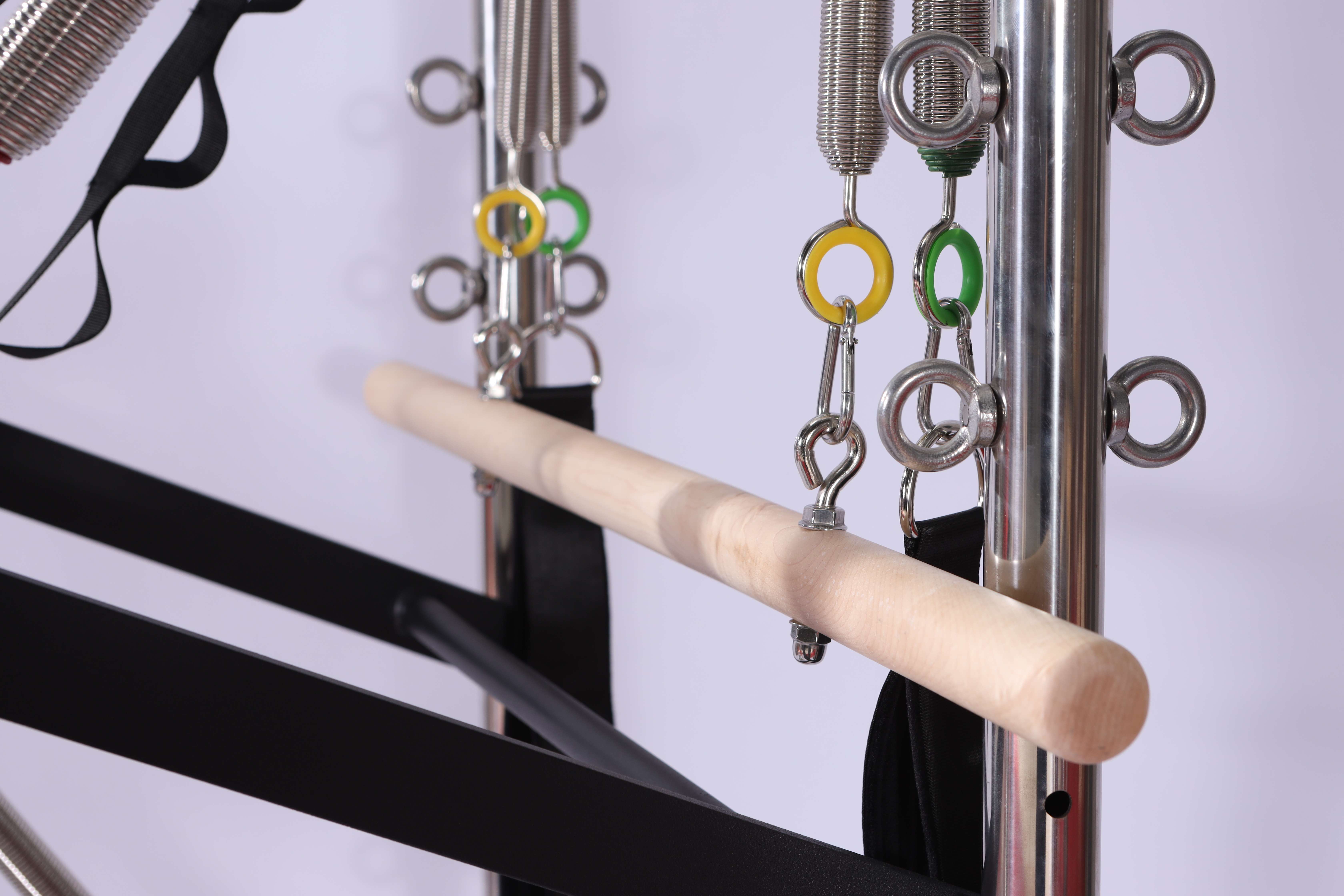
- Clear, easy tension marking: Colour-coded springs help instructors quickly identify and swap tension levels between clients, saving time during one-on-one rehab sessions.
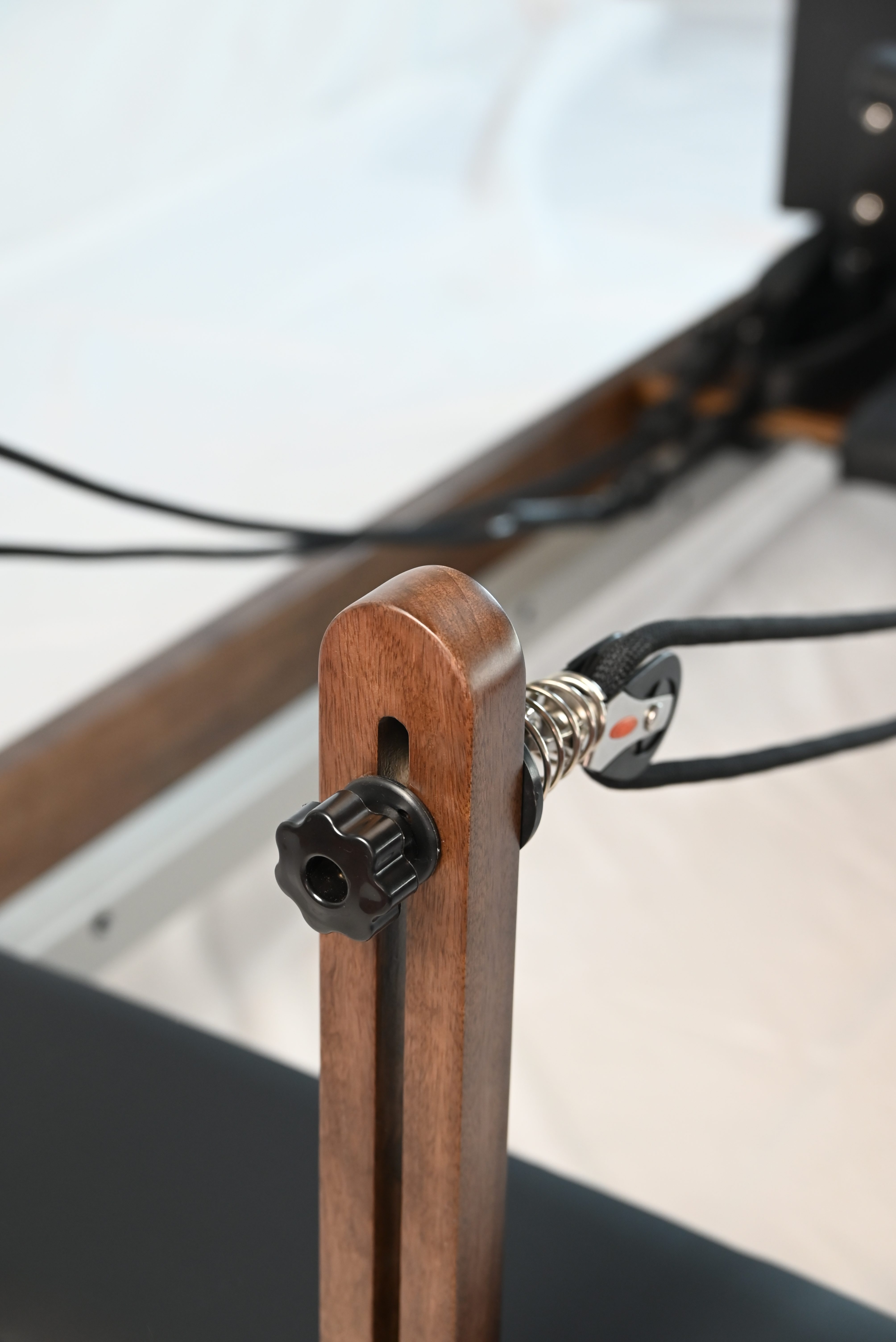
- Modular spring configuration: A reformer that lets instructors attach or remove one spring at a time offers maximum flexibility. This fine adjustment capability is essential to tailor resistance for each individual rehab client.
- Long service life: Worn-out springs lose tension consistency over time. Weak or fatigued springs deliver unpredictable resistance, which creates safety risks for rehab users. Plan regular spring inspection and replacement schedules.
Common Mistakes Rehab Studios Make With Spring Tension
The most frequent error is starting clients with too much spring load. Many new instructors assume stronger resistance equals faster progress, but rehab prioritises controlled neuromuscular re-education. Pain during any movement is a clear sign the spring tension should be reduced immediately.
Another mistake is using a fixed spring setup for all clients. Two people with the same diagnosis may have completely different strength levels and pain thresholds. Rehab Pilates requires personalised tension adjustment for every session.
Final Thoughts
For rehab-focused Pilates studios, spring tension selection is the foundation of safe, effective client care. Ultra-light and light spring combinations handle most early and mid-stage rehabilitation work, while medium tension serves progressive recovery. Heavy springs have limited use within rehab programming.
When sourcing bulk Pilates reformers for your rehab studio, confirm your supplier offers reliable, colour-coded spring sets with consistent tension ratings. Discuss spring durability and spare part availability in your order negotiation, so your equipment can support safe client rehabilitation for years.