How to Handle Product Returns and Defect Claims for Wholesale Pilates Apparatus
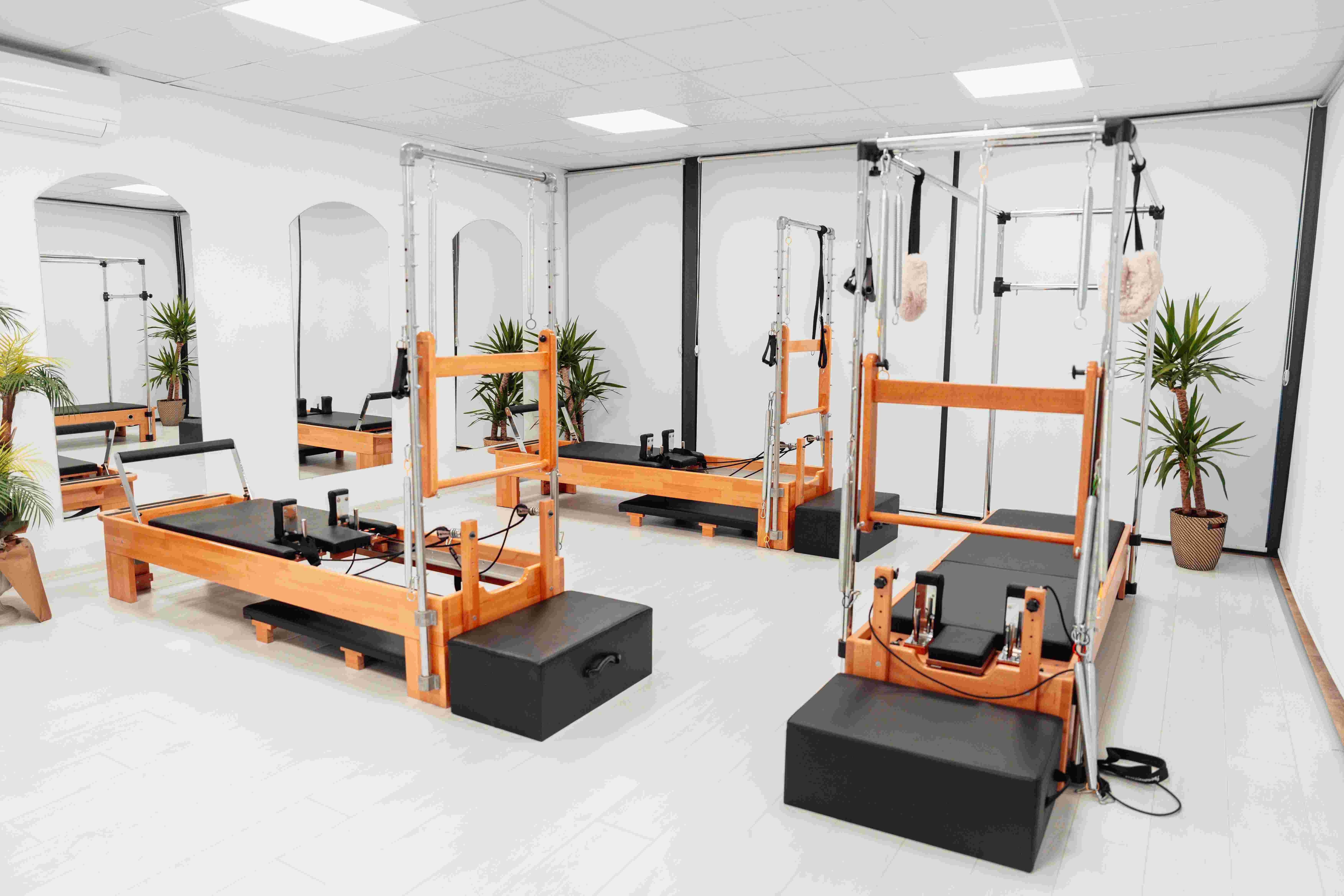
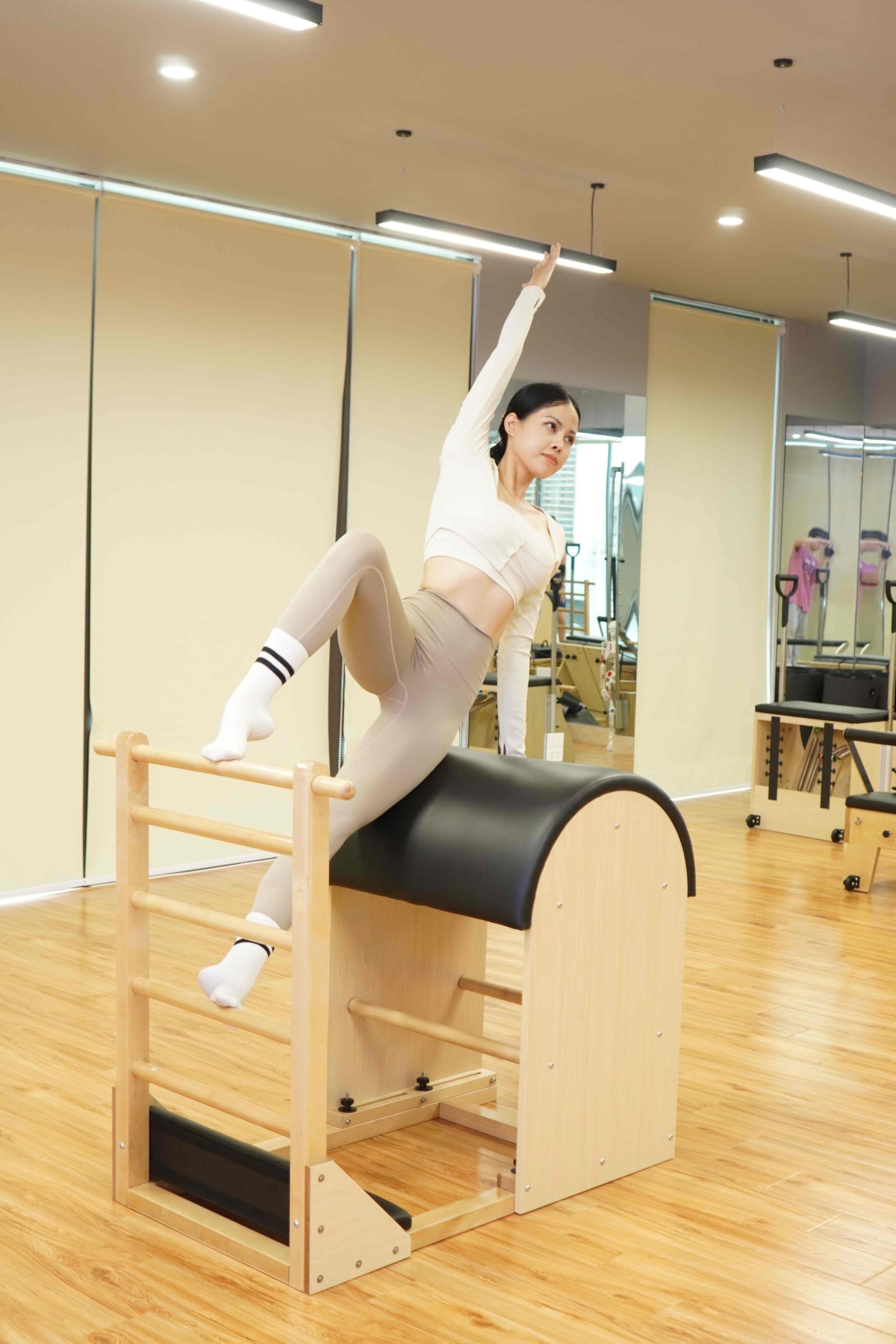
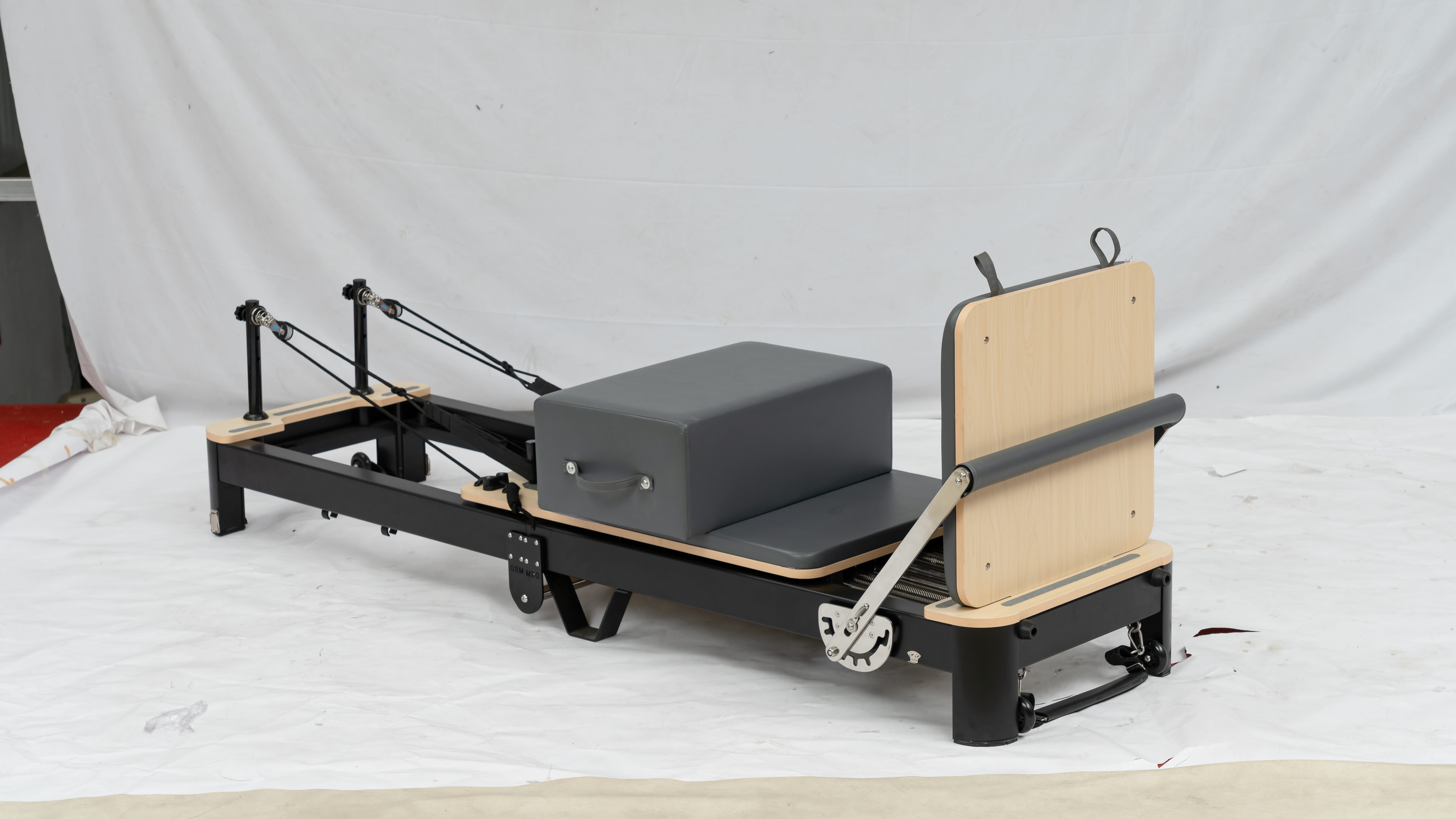
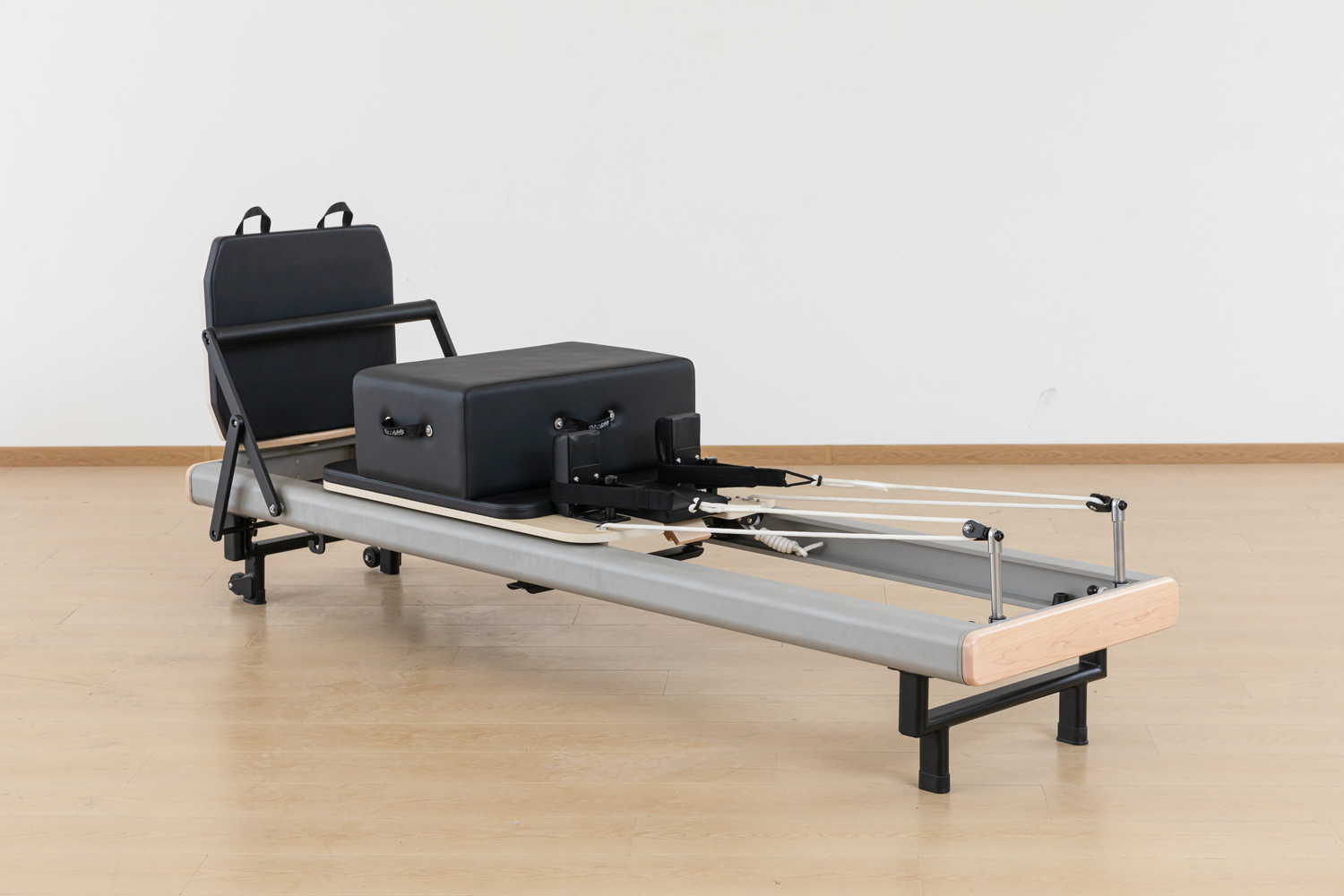
Wholesale buyers of Pilates equipment face unique challenges when managing returns and defect claims. Unlike small consumer goods, Pilates apparatus such as Reformers, Wunda Chairs, Arc Barrels and Cadillac frames are large, heavy, custom-finished, and costly to ship internationally. For distributors and studio owners, poorly managed defect claims can hurt cash flow, delay studio openings, damage client trust and strain supplier relationships. A clear, documented claim and return workflow protects both buyers and manufacturers, reduces disputes, and keeps wholesale partnerships stable.
1. Set Clear Terms Before Order Confirmation
The best claim resolution starts before production and shipment. All wholesale contracts and proforma invoices should define return rules, warranty coverage, claim timelines and liability boundaries.
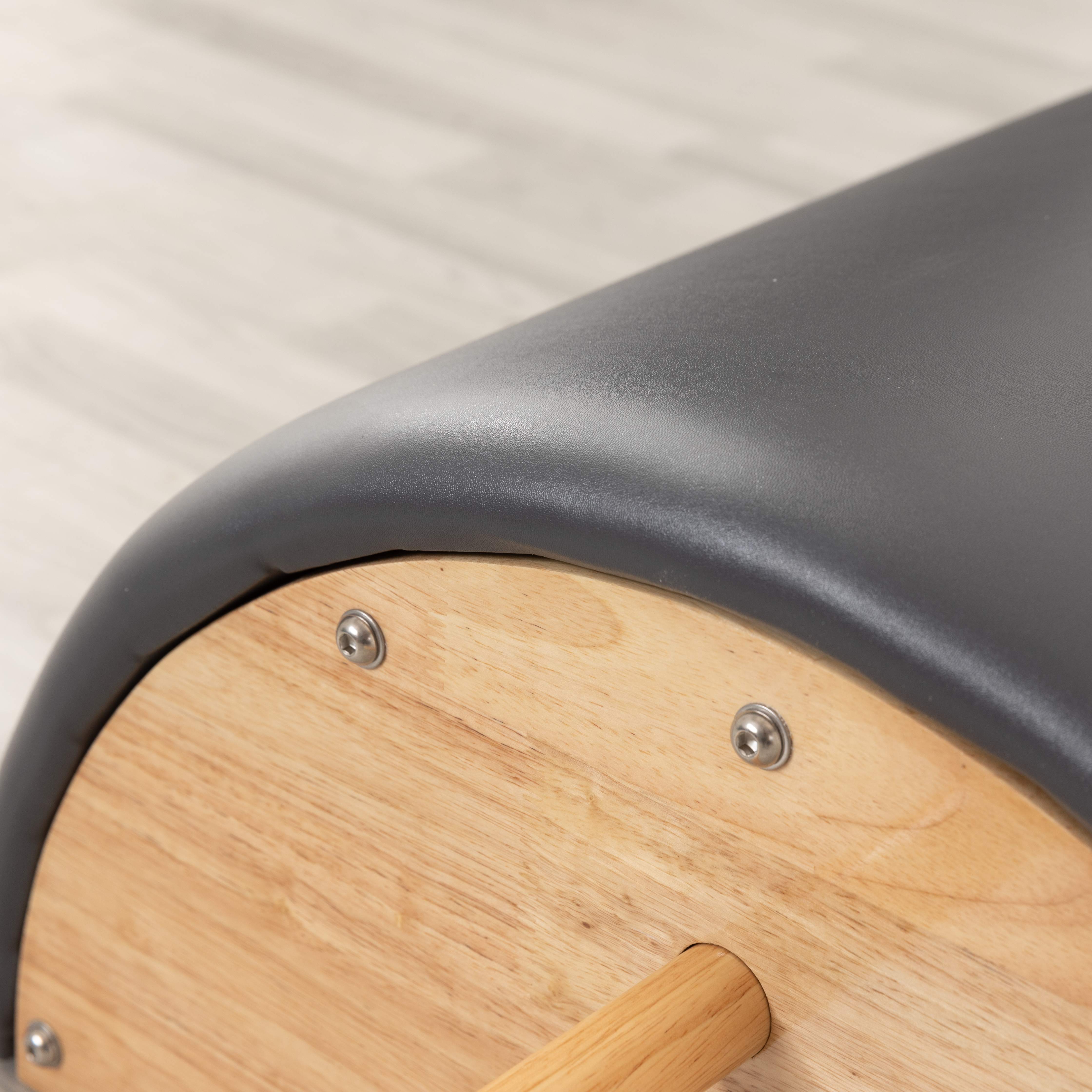
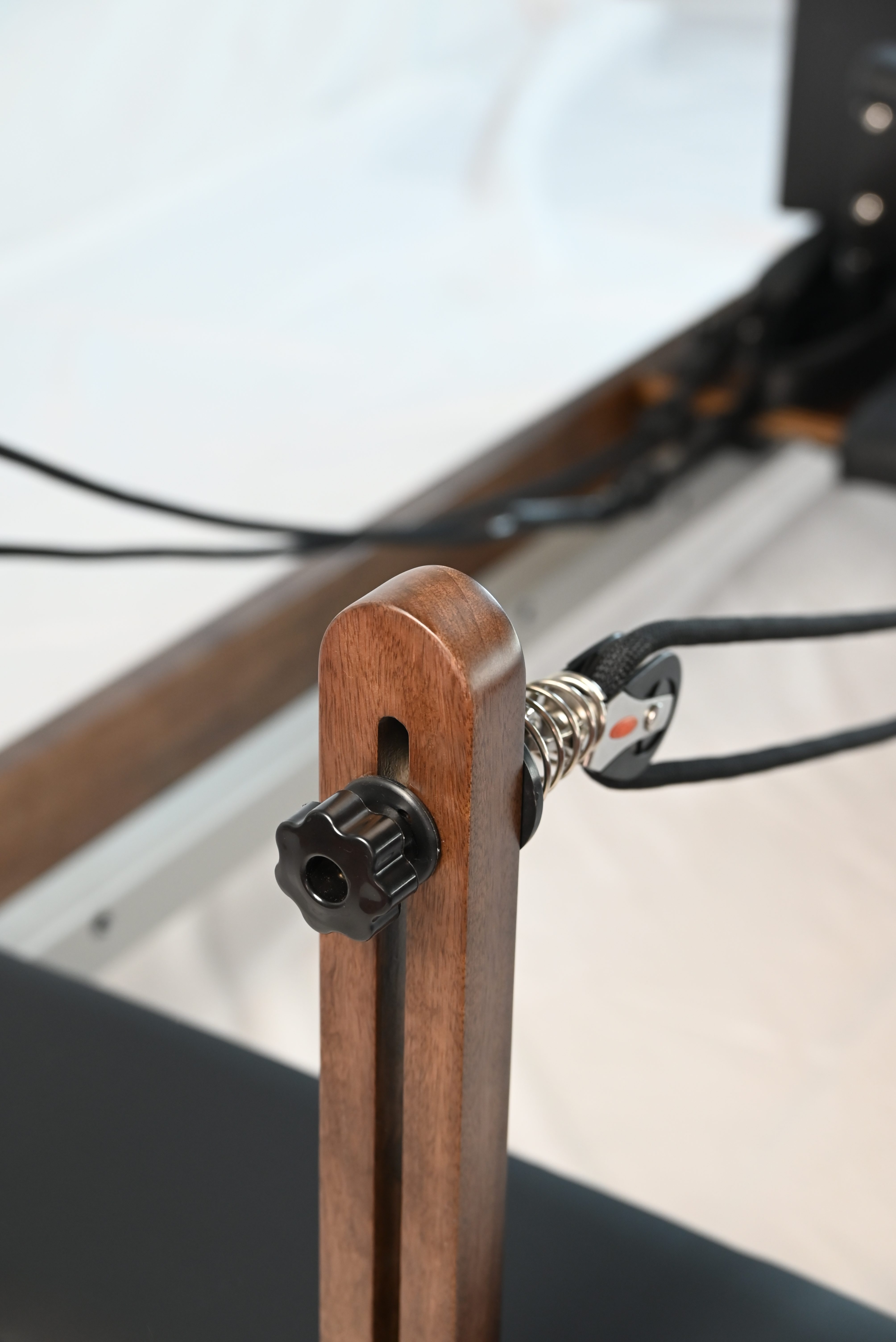
- Separate manufacturing defects from transit damage and normal wear: Manufacturing defects include frame welding flaws, broken pulleys, uneven PU upholstery, faulty spring tension, or missing hardware. Shipping damage happens during sea freight, container loading or local delivery. Normal wear covers stretched straps, scuffs from daily studio use, and upholstery fading, which are not covered for return or free replacement.
- Define notification deadlines: Agree that buyers must report visible damage or defects within 48–72 hours after container unloading. Delayed claims are harder to verify, especially after equipment is assembled and used in classes.
- Clarify custom orders: Custom upholstery colors, branded laser logos and modified frame dimensions usually cannot be returned for simple “change of mind”. This clause is critical for bulk Pilates equipment wholesale, as custom units have almost no resale value.
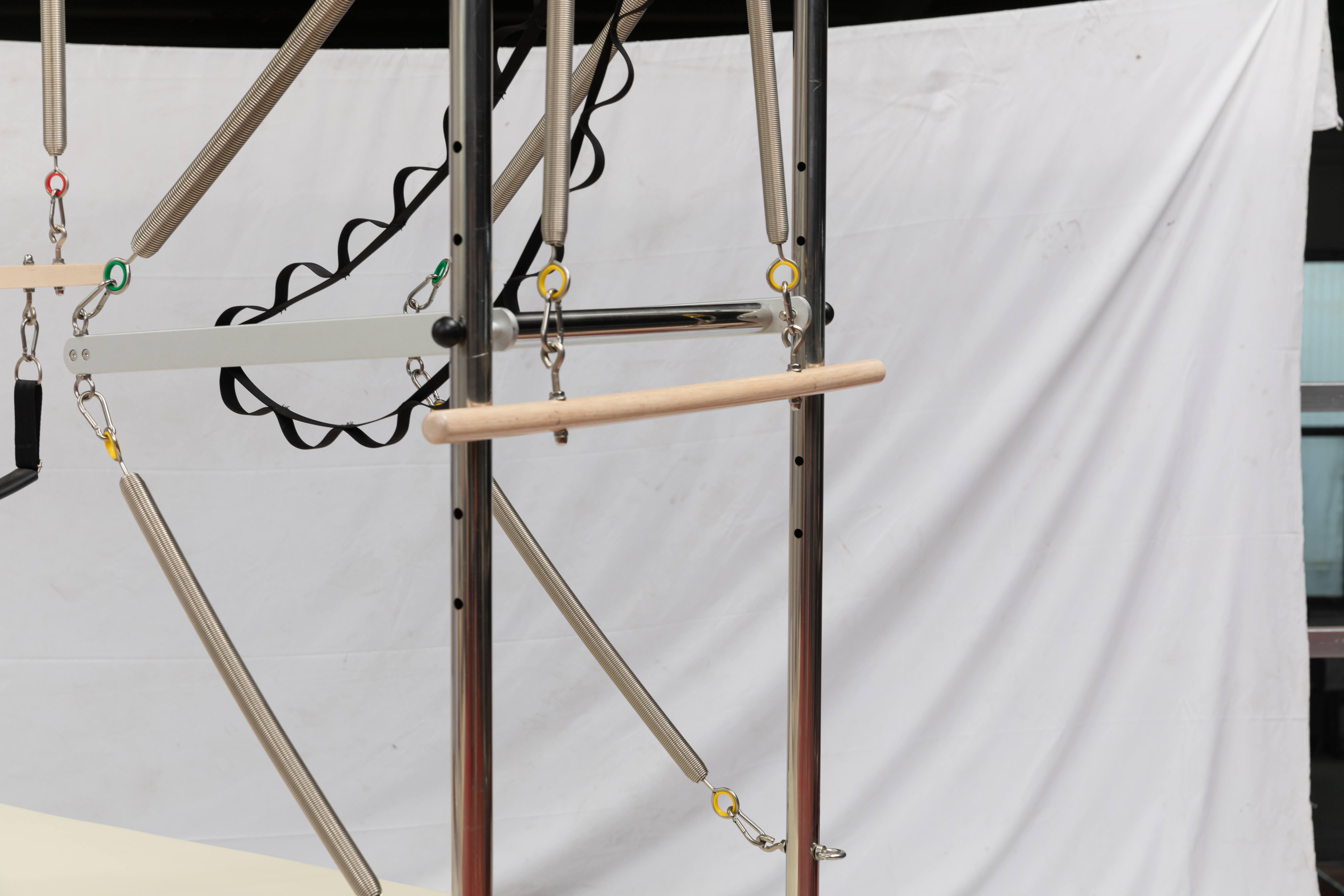
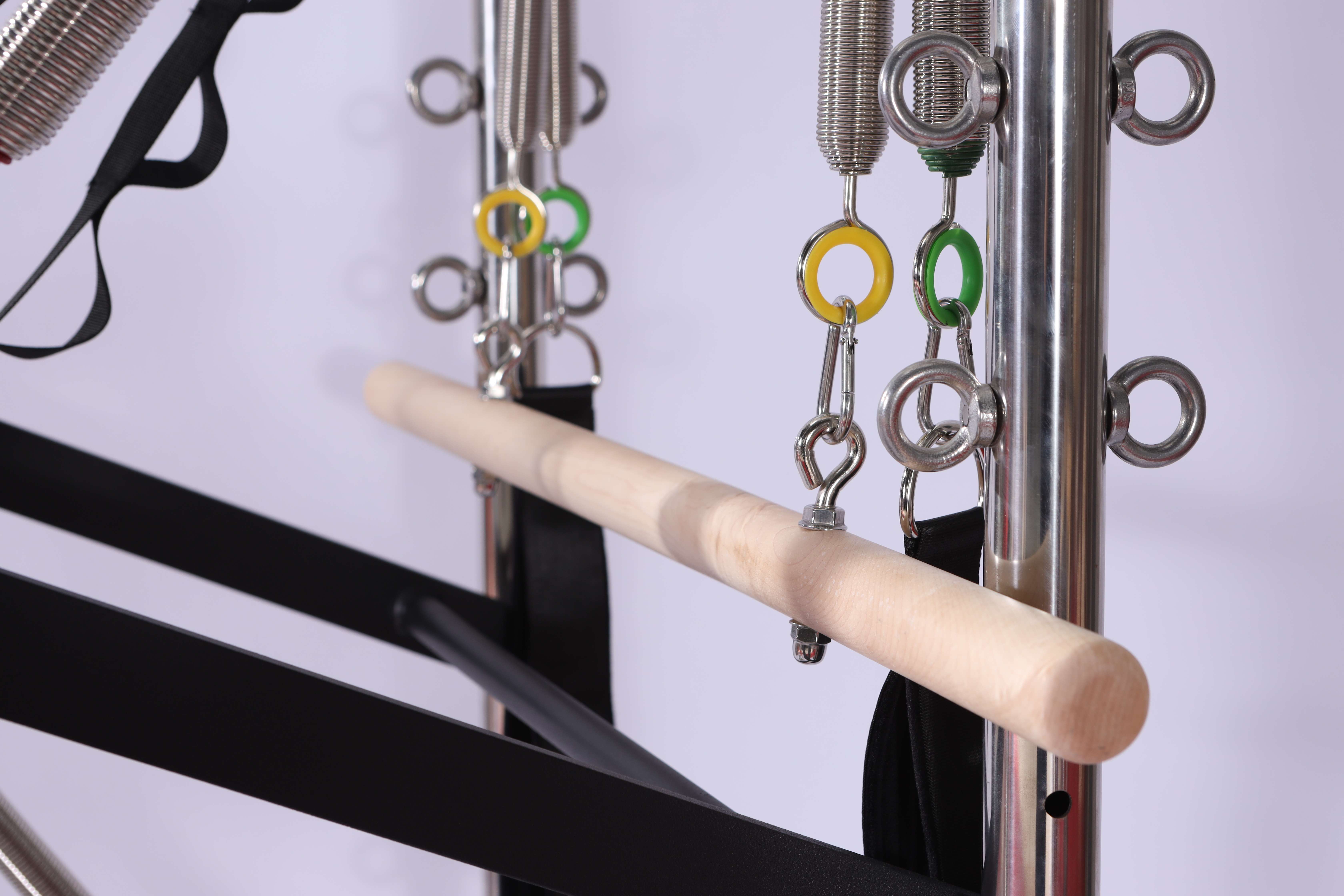
- Warranty breakdown by part: Commercial Pilates equipment typically has tiered warranty: long coverage for aluminium or solid wood main frames, shorter terms for springs, ropes, pulleys, upholstery and small hardware wear parts.
2. Standard Evidence Collection for Defect Claims
Suppliers will require complete evidence to validate a wholesale claim. Train your receiving team to collect these materials immediately once issues are found:
- Order number, packing list and commercial invoice
- Full unboxing video showing carton condition before opening
- Wide photos of the whole machine plus close-up shots of the defective area
- Photos of shipping cartons, wooden crates and packaging marks for transit damage
- Quantity list of affected units and description of how the defect impacts studio use
For large bulk shipments, buyers should inspect a sample percentage first. Documented proof avoids he-said-she-said arguments and speeds up resolution. Without photos and videos, many manufacturers cannot approve replacement parts or compensation.
3. Choose the Right Resolution Option for Pilates Wholesale
Because international return shipping for heavy Pilates machines is extremely expensive, full physical product return is rarely the preferred solution. Negotiate these practical remedies in your agreement:
Option A: Send spare replacement parts
This is the most common and cost-effective solution. If springs, straps, pulleys, foot bars or upholstery panels are defective, the manufacturer ships spare parts by courier. The local distributor or studio technician completes on-site replacement. This avoids paying ocean freight to send entire machines back to the factory.
Option B: Partial credit on the next wholesale order
For minor cosmetic defects that do not affect safety and function, both parties may agree on a discount applied to future purchases. This works well for small blemishes on wood finish or slight colour variation on PU upholstery.
Option C: Full machine replacement
Only suitable for serious structural defects such as cracked frames or major assembly faults that cannot be repaired. The supplier will arrange a new unit, while both sides negotiate who covers freight costs.
Option D: Return Merchandise Authorization (RMA)
If full return is required, buyers must obtain an official RMA number before shipping anything back. Goods sent without RMA may be refused by the factory warehouse. Clearly assign responsibility for ocean freight, customs duties and insurance in the contract.
4. Differentiate Between Supplier Liability and Buyer Liability
Many wholesale disputes arise from misallocated responsibility:
- Supplier liability: Manufacturing defects, wrong model shipped, missing accessories, non-compliance with agreed specifications.
- Carrier liability: Dents, broken parts caused during sea transport or container loading. Buyers need to file insurance claims with freight or cargo insurance.
- Buyer liability: Damage from improper assembly, misuse, overloading, incorrect maintenance, accidental scratches, or changing order requirements after production starts. These are not eligible for free replacement or refund.
For EU imports, also remember CE, EN 957 and POPs compliance issues are separate from physical defects. Compliance document claims need a different workflow than hardware damage claims.
5. Build an Internal Claim Workflow for Distributors
Distributors handling multiple studio clients should create a repeatable process:
- Receive defect notice from studio customer
- Request and review photos, videos and order information
- Classify: manufacturing defect, transit damage, or wear & tear
- Submit formal claim to manufacturer with all evidence
- Agree resolution plan and timeline
- Communicate updates to the studio buyer
- Keep all records stored for warranty audits and future reference
Keeping your studio customers updated reduces complaints and preserves your brand reputation. Delayed replies often turn small quality issues into lost long-term clients.
6. Prevent Future Defect & Return Issues
Claims management is not only reactive. Use these steps to reduce the frequency of problems:
- Conduct factory pre-shipment inspection (PSI) before container loading for large bulk orders
- Confirm colour samples, upholstery swatches and technical drawings before mass production
- Include spare parts kits with each container shipment, as pre-negotiated in your wholesale contract
- Provide studios with assembly guides and routine maintenance manuals
- Train studio instructors to check springs, straps and frame fittings regularly and report small faults early
Final Takeaway
Return and defect claim management for wholesale Pilates apparatus relies on clear pre-order contracts, complete evidence capture, and practical remedies instead of automatic full machine returns. For distributors, separating manufacturing defects, shipping damage and normal wear eliminates most conflicts. When both buyer and manufacturer follow agreed RMA and notification rules, claims are resolved faster, studio downtime is minimised, and long-term wholesale partnerships stay profitable.