What Factors Affect the Price of a Pilates Reformer?
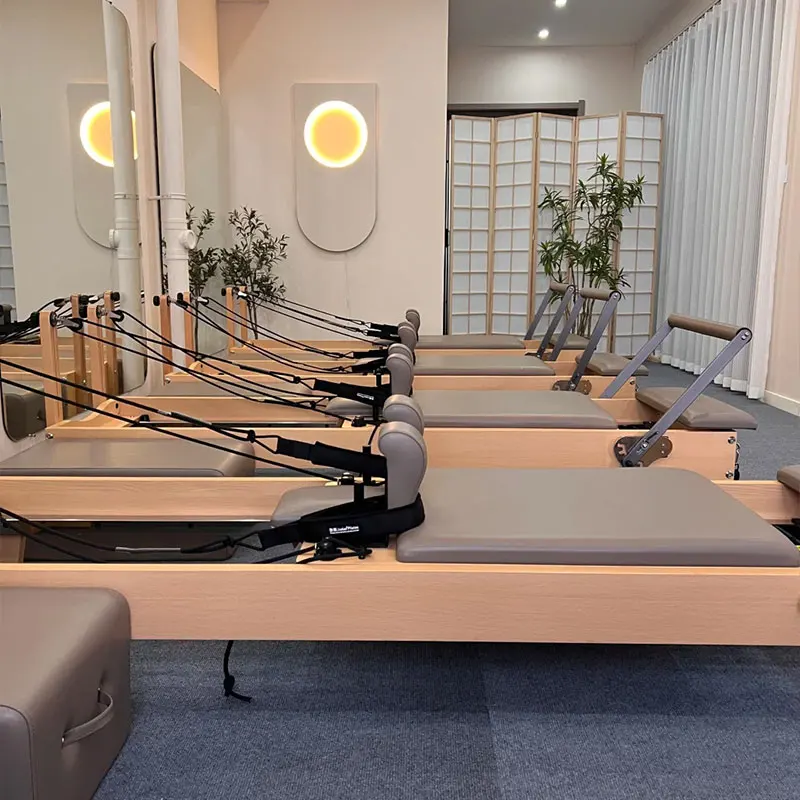
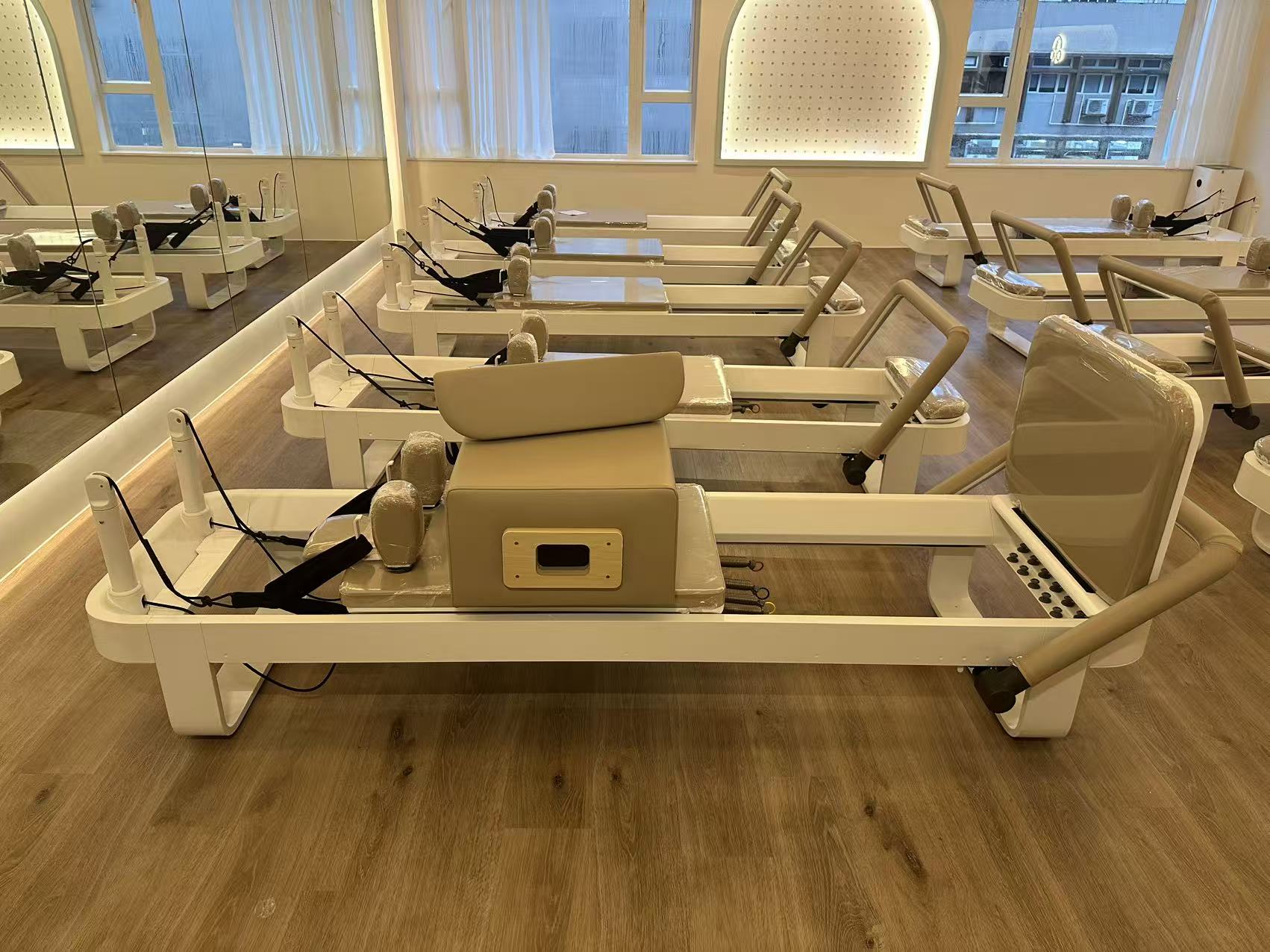
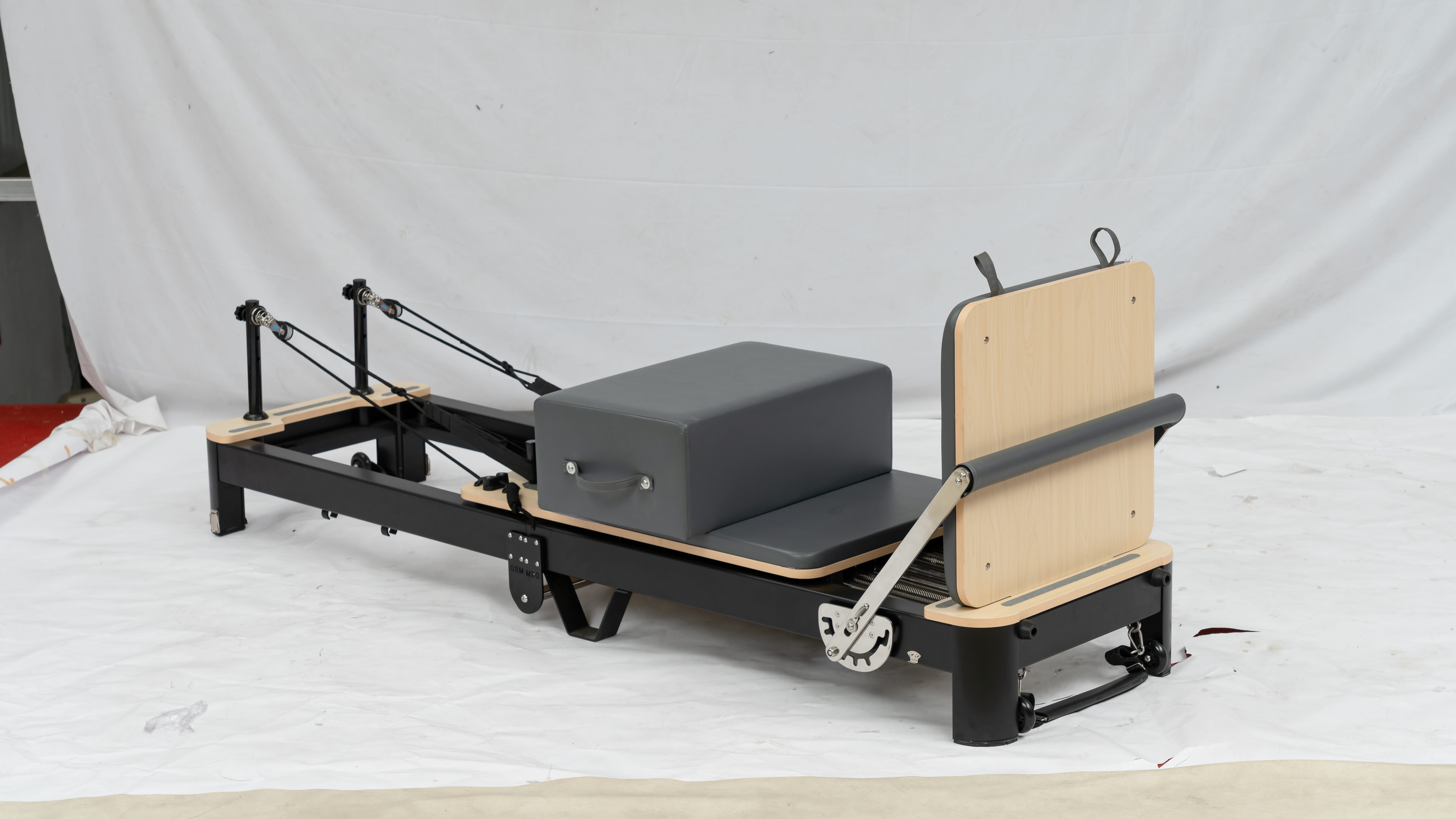
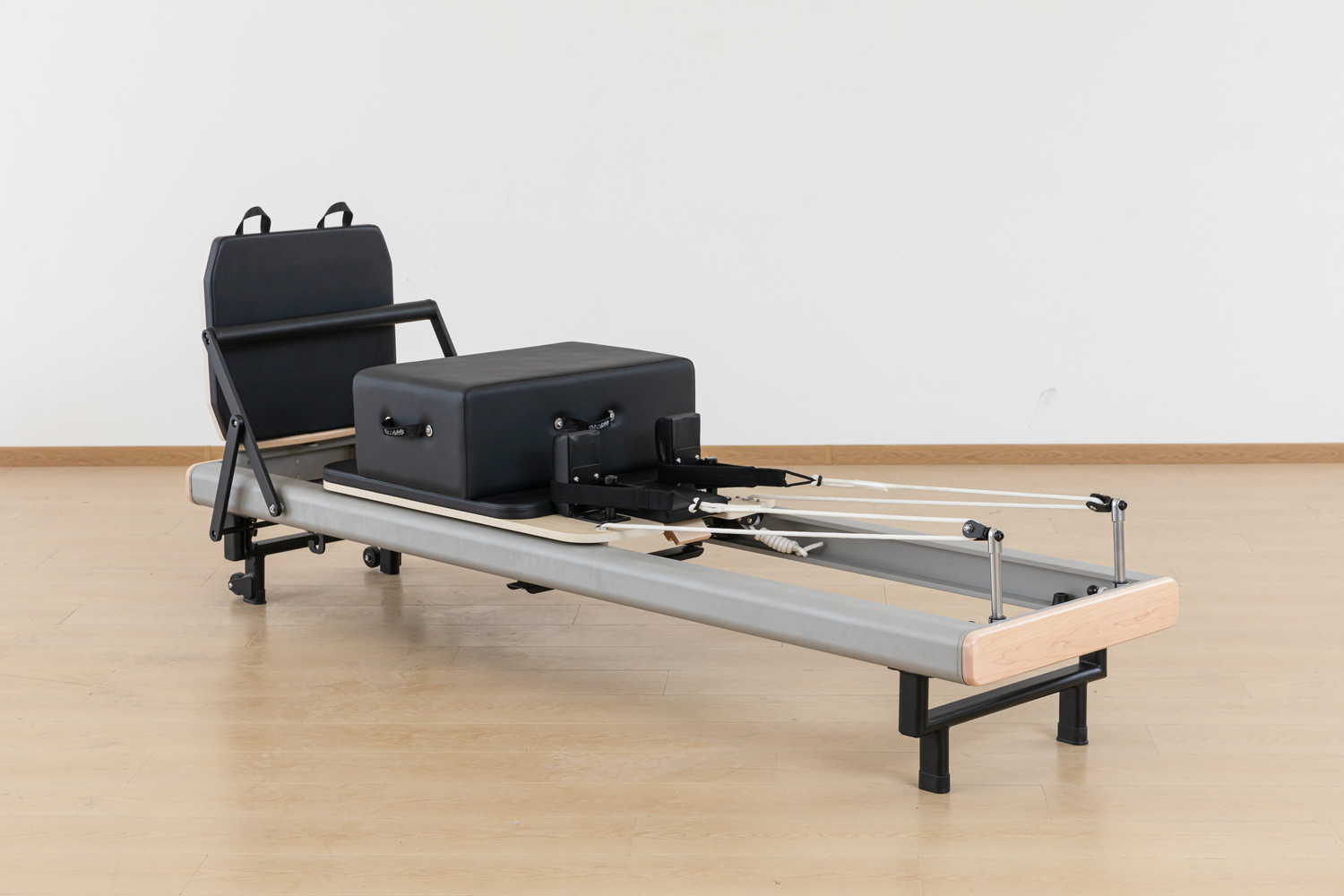
The Reformer is the centerpiece of any Pilates studio and typically the largest single item in a procurement budget. However, prices for comparable models vary dramatically — from a few thousand to over a hundred thousand yuan. Behind these price differences lie multiple factors: materials, craftsmanship, brand, functionality, and service. This article systematically breaks down ten core dimensions influencing Reformer pricing, helping you understand "what you're paying for" and "where you can save."
I. Material Costs: The "Genetic" Difference in Quality
Materials are the primary determinant of baseline cost and the area most susceptible to cost-cutting.
1. Frame Material
Standard Carbon Steel: Moderate strength, prone to rust, entry-level use; relatively low price.
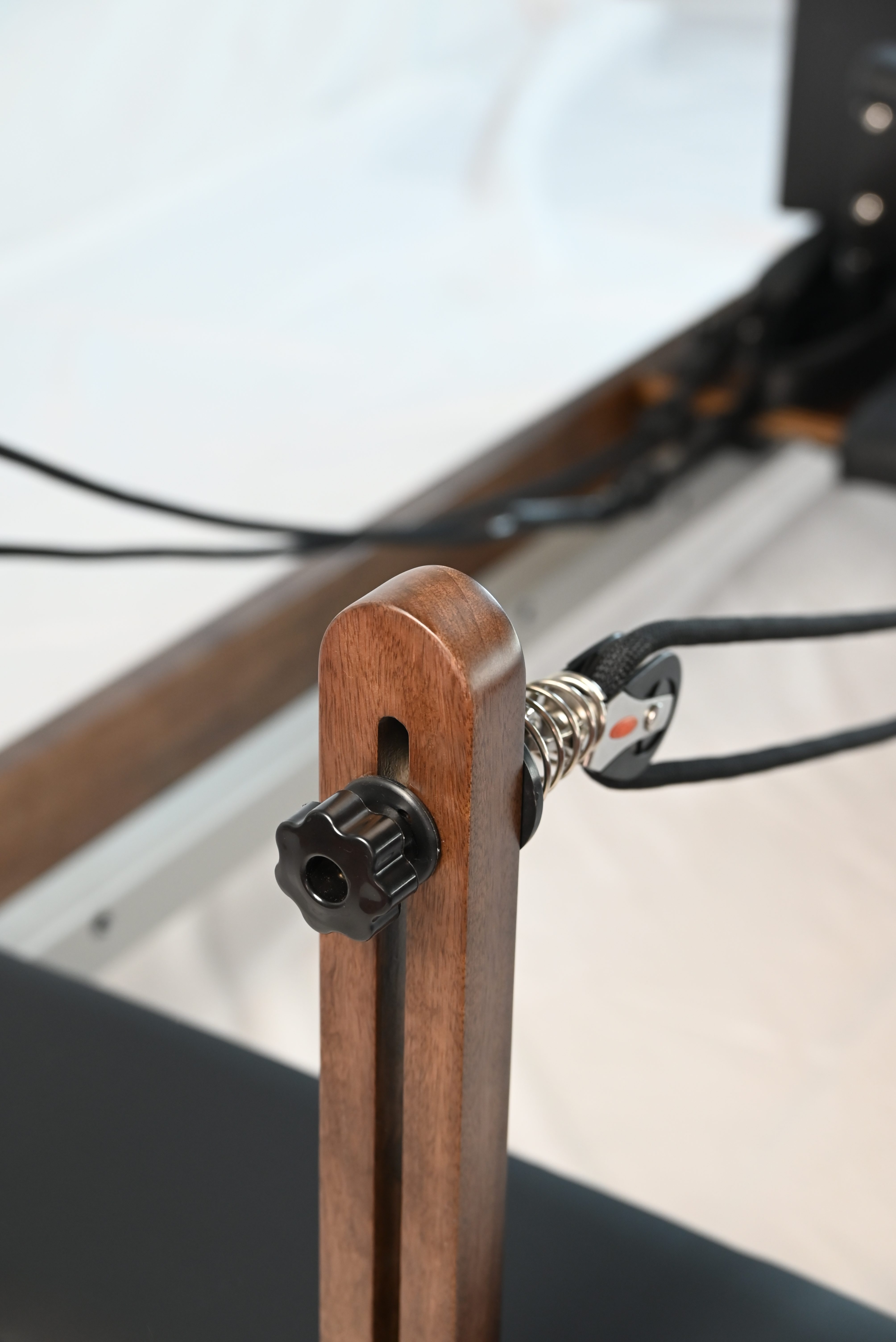
Aviation-grade Aluminum: Lightweight (30% weight reduction), corrosion-resistant; suitable for high-end home or portable use; relatively high price.
Solid Wood (Maple/Oak): Aesthetic appeal, vintage texture, good shock absorption; requires strict humidity control, prone to warping; high price (imported wood).
Price Difference: For the same model, aluminum frames cost 40-60% more than carbon steel; solid wood frames can be 2-3x more depending on grade and kiln-drying process.
2. Spring System
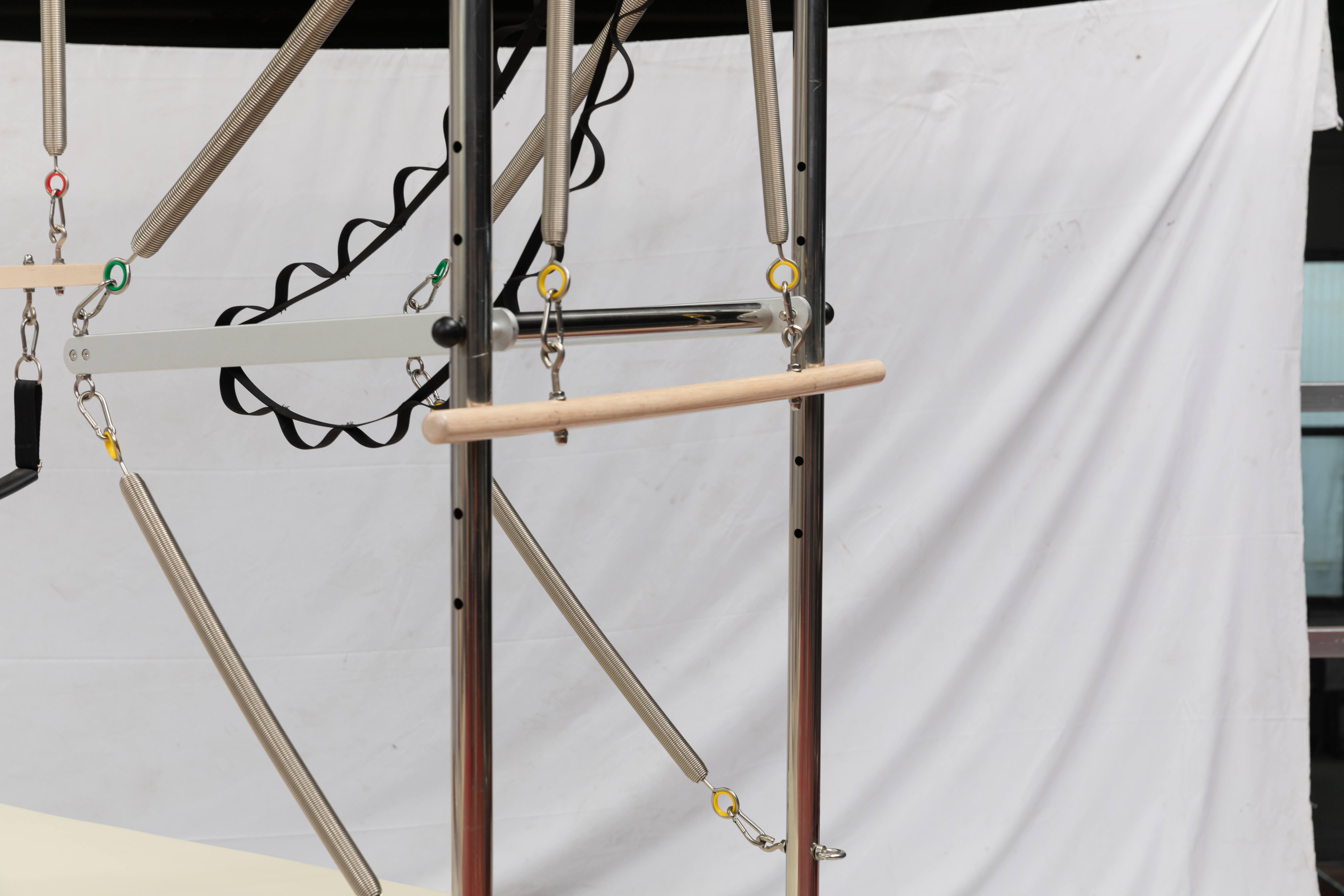
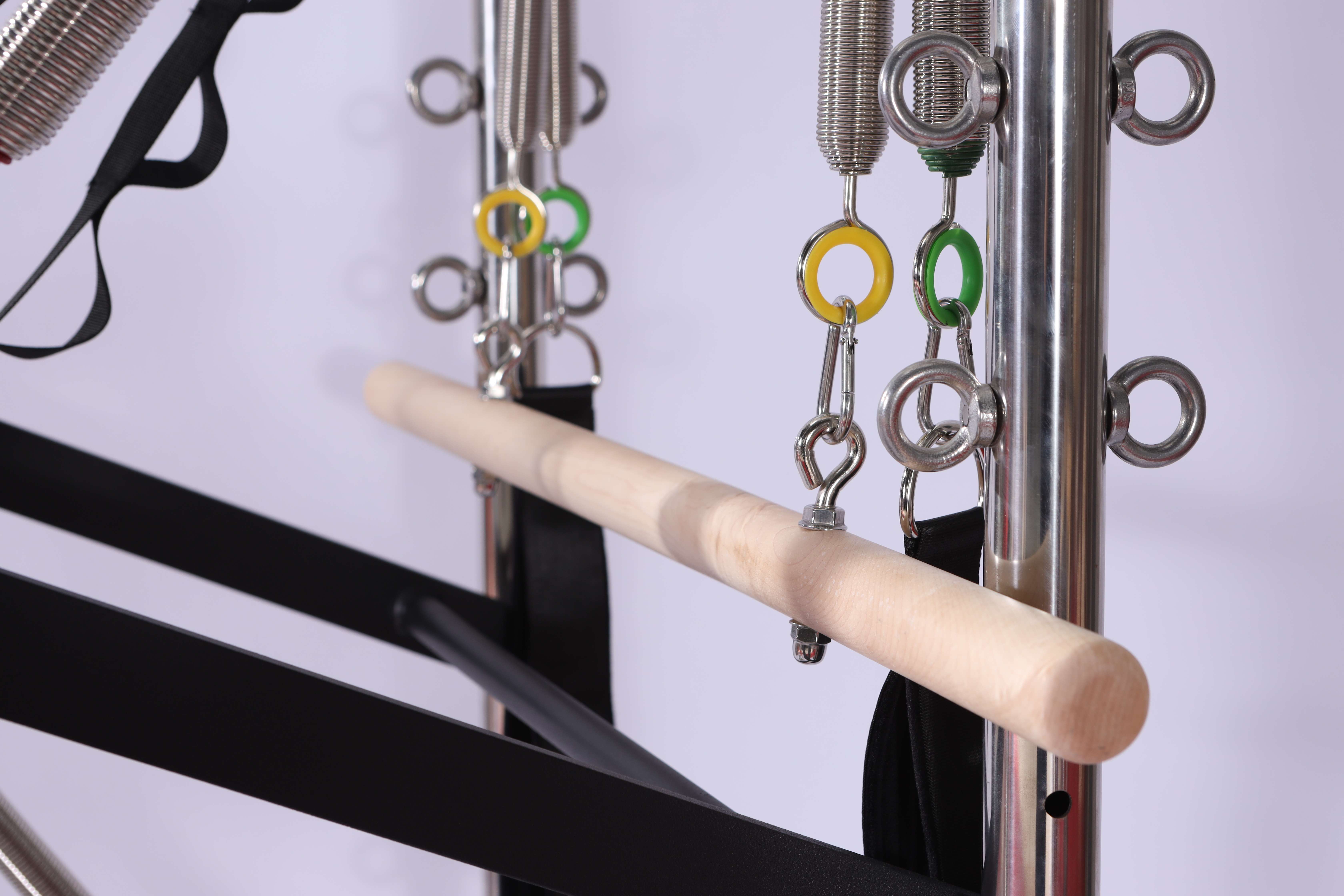
Springs are the "power heart" of the Reformer, directly impacting user feel and training effectiveness.
·Standard Carbon Steel Springs: ~100,000-200,000 cycle life, rapid force degradation — common in low-end products
·Piano Wire Springs (German/Korean Import): 800,000-1,000,000 cycle life, consistent force output, linear rebound feel
·Heat Treatment: Premium springs undergo stress-relief heat treatment with reinforced hooks to prevent breakage
Price Difference: An imported music wire spring set costs 3-5x more than standard springs.
3. Pulleys & Rails
Pulley Material:
Entry-level:Standard Nylon
High-end:POM (Engineering Plastic) or with sealed bearings
Rail Surface
Entry-level:Standard coating
High-end:Anodized/Chrome-plated for smoothness and wear resistance.
Rail Precision
Entry-level:±0.5mm
High-end:±0.1mm with precision bearings — silent sliding
4. Upholstery & Foam
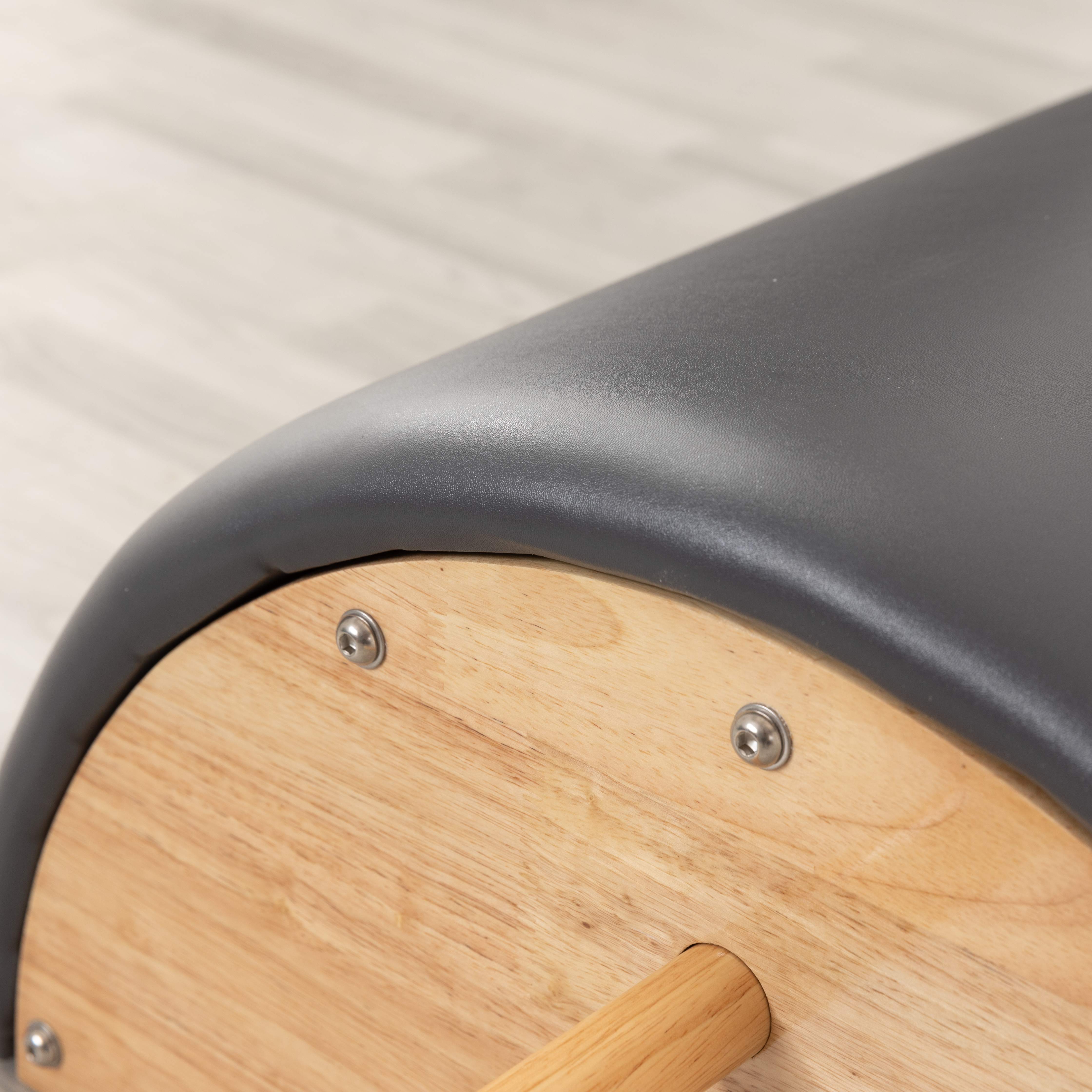
Leather: PVC (Martindale <10,000 cycles) vs. High-wear PU (Martindale >50,000 cycles) — price per unit varies by 4-6x
Foam: Density from 28kg/m³ (prone to collapse) to 45kg/m³+ (high rebound); eco-grade from standard to odor-free/low-VOC — costs vary significantly
II. Craftsmanship & Manufacturing Precision
Welding Quality
·Manual spot welding + grinding: Lower cost, but visible weld marks and potential for weak joints
·Robotic welding + 100% inspection: Uniform, strong welds with refined appearance — higher equipment investment
Surface Finishing
·Single-layer paint: Prone to scratching and peeling
·Three-layer coating (phosphate + primer + topcoat) or electrostatic powder coating: Strong adhesion, scratch/corrosion-resistant — process adds 30-50% cost
Assembly Precision
Premium brands perform "fit tolerance" assembly on every unit — ensuring rail parallelism, consistent spring tension, and synchronized shoulder rests. Low-cost alternatives often take an "if it fits, it ships" approach, resulting in inconsistent user experience.
III. Functionality & Adjustability
More features and finer adjustment mechanisms increase both R&D and material costs.
Feature Configuration-Cost Impact
Standard 5 springs-Base configuration
7+ springs / micro-adjustment-More springs plus additional adjustment mechanisms — adds 15-25% cost
Multi-position footbar (3-5 settings)-More complex mechanical structure; more settings = higher cost
Quick-lock headrest/shoulder rests-Additional locking mechanisms; higher mold costs
Foldable/portable design-Requires hinges and casters; structural strength demands increase
Add-on accessories (jumpboard/tower/pulley system)-Accessories add cost plus require compatible interface design
IV. Brand Premium & Market Positioning
Brand is the "softest" but most visible factor in pricing.
·Top International Brands (Balanced Body, Gratz, Stott): Long brand history, heavy R&D investment, extensive educational resources, and certification systems — premiums can reach 200-300%
·Top Domestic Brands: Quality comparable to international standards with more moderate brand premiums — better value-for-money
·OEM/White-Label: No brand investment — lowest price, but questionable quality and service consistency
Worth Considering: Brand premium buys not just a "logo," but also R&D testing standards, quality control systems, after-sales networks, and educational support.
V. Customization Level
Non-standard customization significantly impacts price:
·Color customization: Separate paint mixing and additional batch runs
·Logo customization: Custom molds/pad printing/laser engraving
·Size customization: Structural redesign — highest cost increase
·Packaging customization: Branded boxes, manuals, labels
VI. Packaging & Logistics Costs
As bulky heavy goods, packaging and freight account for a significant portion of total cost.
Packaging Type:Carton vs. fully enclosed wooden crate (impact-resistant, moisture-proof, required for ocean freight) — difference of ¥100-200/unit
Shipping Distance:Domestic trucking vs. international sea/air freight — costs vary by multiples
LCL vs. FCL:Full container lowers per-unit freight but requires larger order quantity
VII. After-Sales Service & Warranty
Service commitments are built into the price:
·1-year vs. 3-5-year warranty: Longer warranty means higher reserve provisions
·Remote guidance vs. on-site engineer dispatch: The latter adds significant cost
·Parts inventory levels: Larger safety stock ties up capital, reflected in pricing
VIII. The "Value-for-Money" Trap
Many buyers chase "low price with high specs" — but in manufacturing, this rarely works. Approach rationally:
·"Same configuration" ≠ "Same quality" — material grades, process precision, and QC standards vary tremendously
·Over-aggressive bargaining may lead to hidden cost-cutting — suppliers may reduce quality in invisible areas (foam density, coating layers)
·Consider "total cost of ownership" rather than "lowest unit price" — factor in service life, maintenance frequency, and resale value
Summary: Reformer pricing reflects the sum of materials, craftsmanship, features, brand, service, and market positioning. Before purchasing, clearly define your use case and core needs — commercial/high-frequency use prioritizes durability and after-sales; home/private spaces prioritize quietness and finish quality. Don't blindly chase top-tier specifications, but don't make price your only criterion either. You get what you pay for — that's an enduring rule in manufacturing.