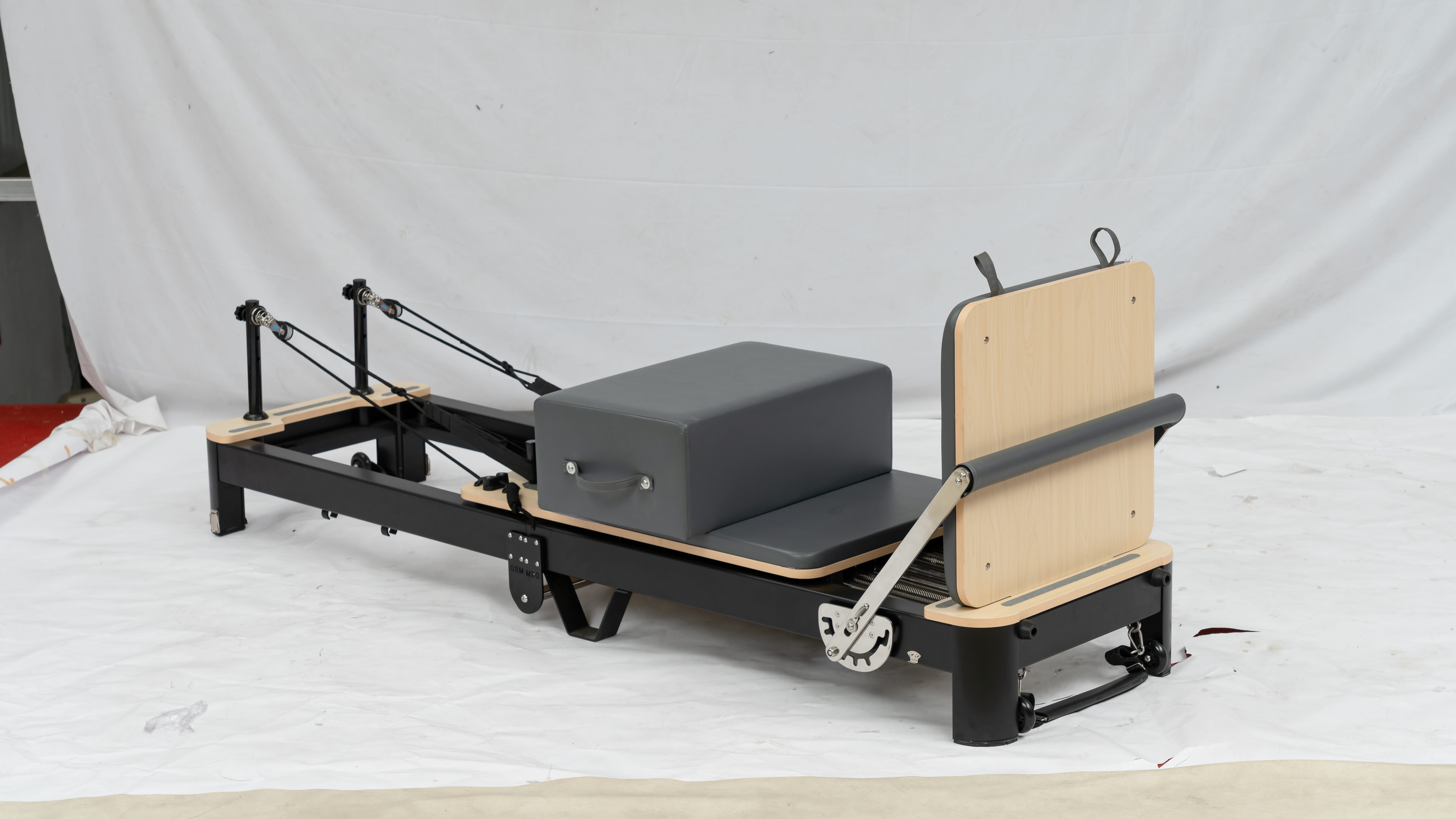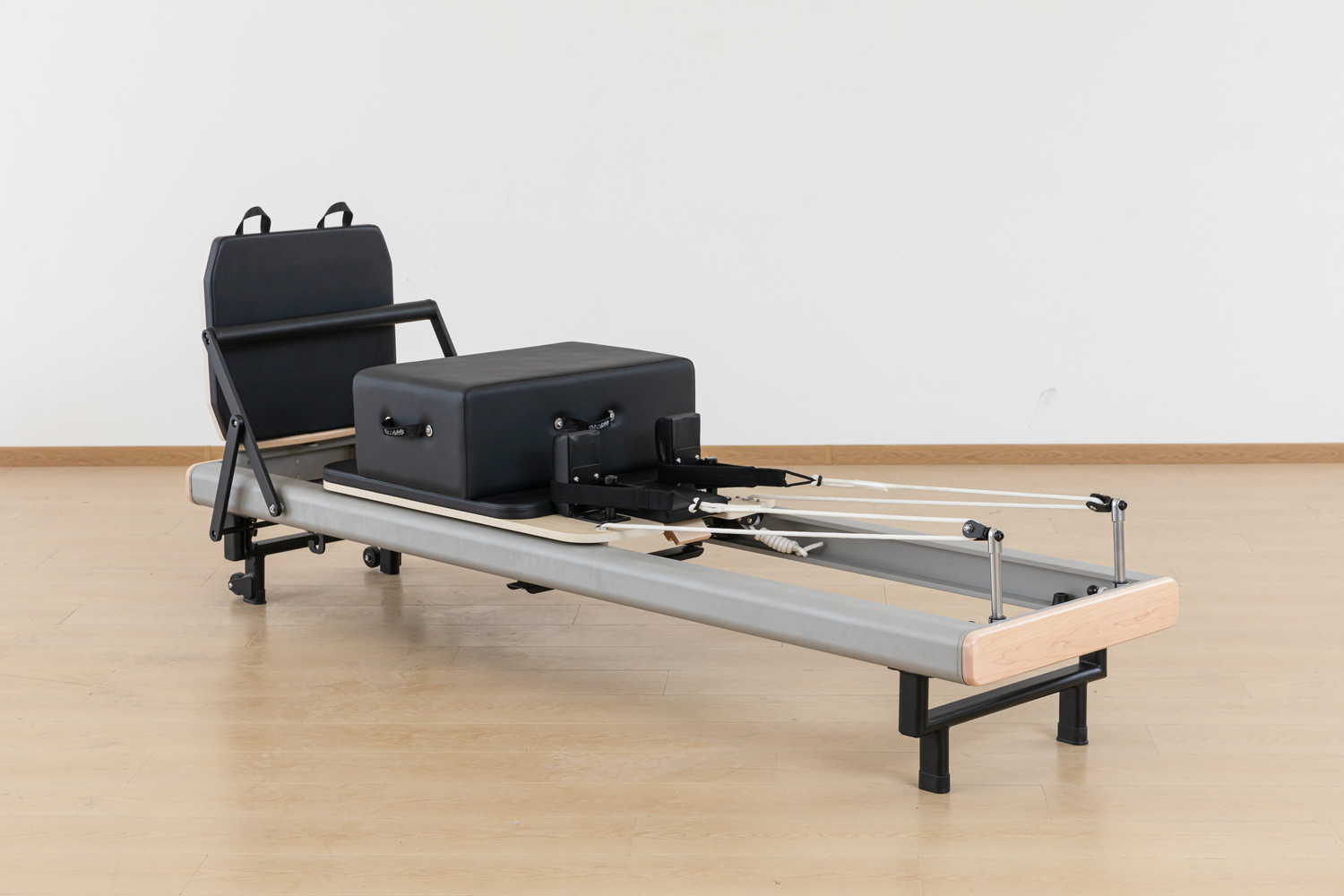
What Is the Difference Between Commercial and Home Pilates Reformers?
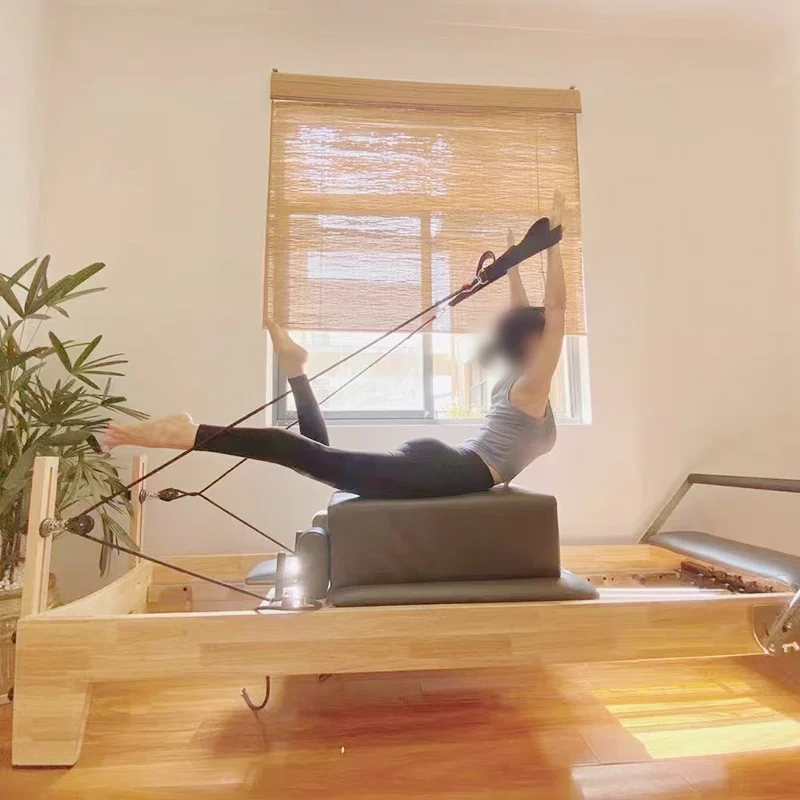
The Pilates Reformer is one of the most essential pieces of equipment in the Pilates method. When purchasing, many people are easily confused by the visually similar appearances of commercial and home models. In reality, the differences beneath the surface are profound. Below is an in-depth analysis from eight dimensions.
I. Design Philosophy and Intended Usage Scenarios
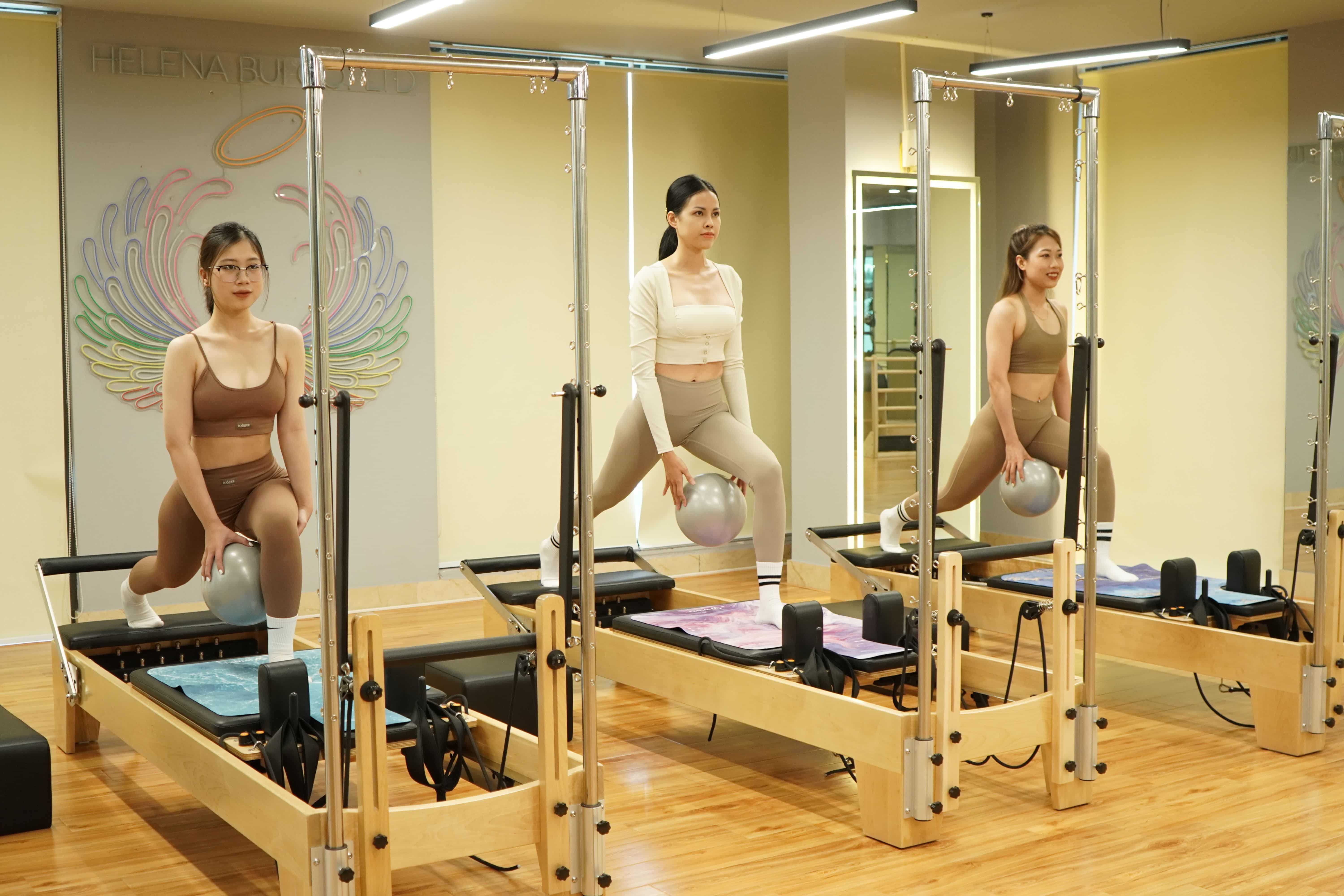
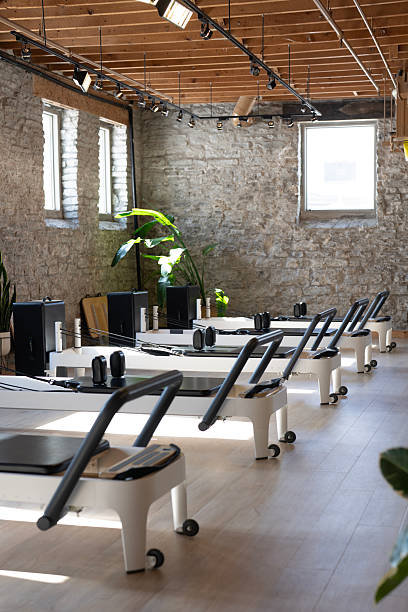
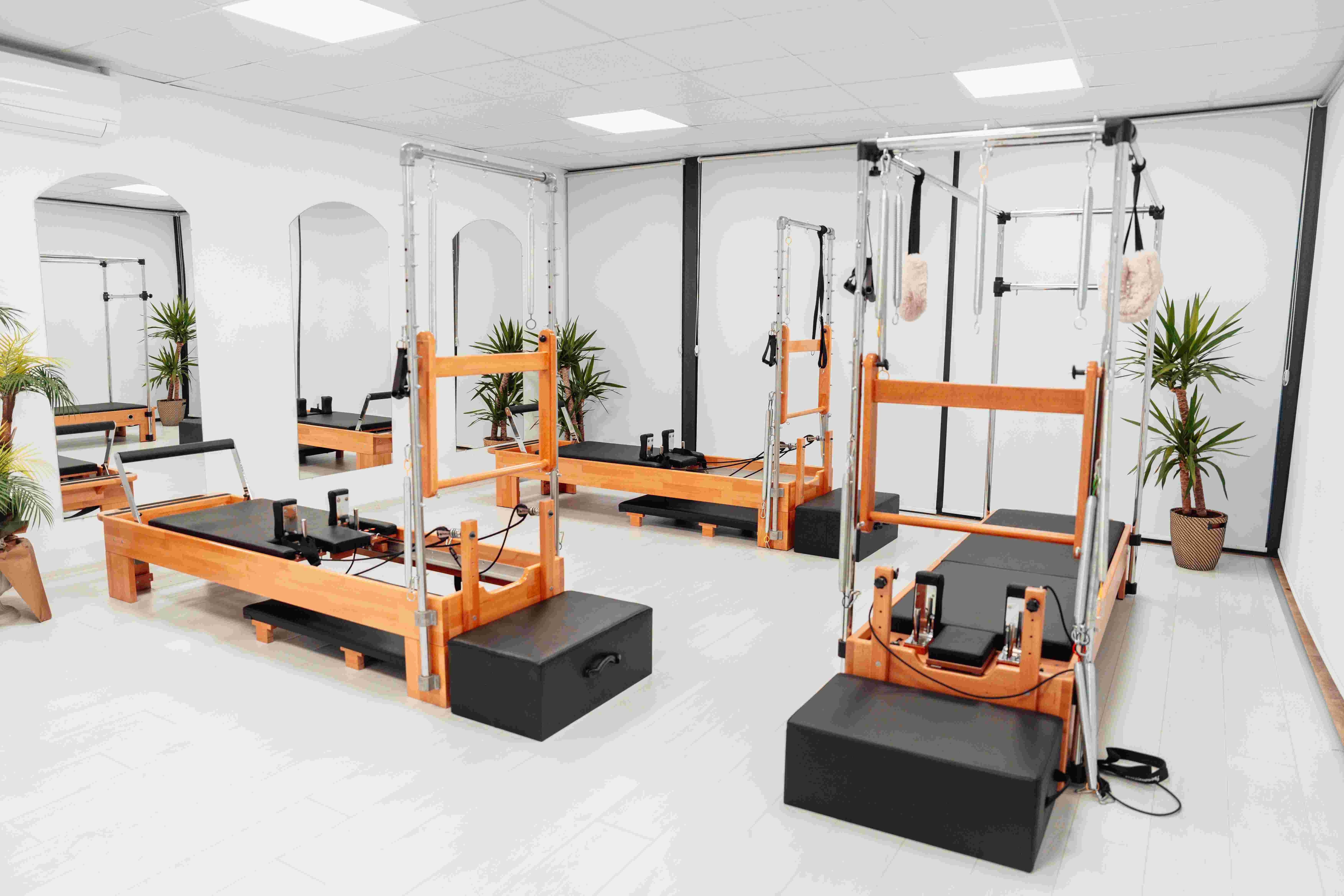
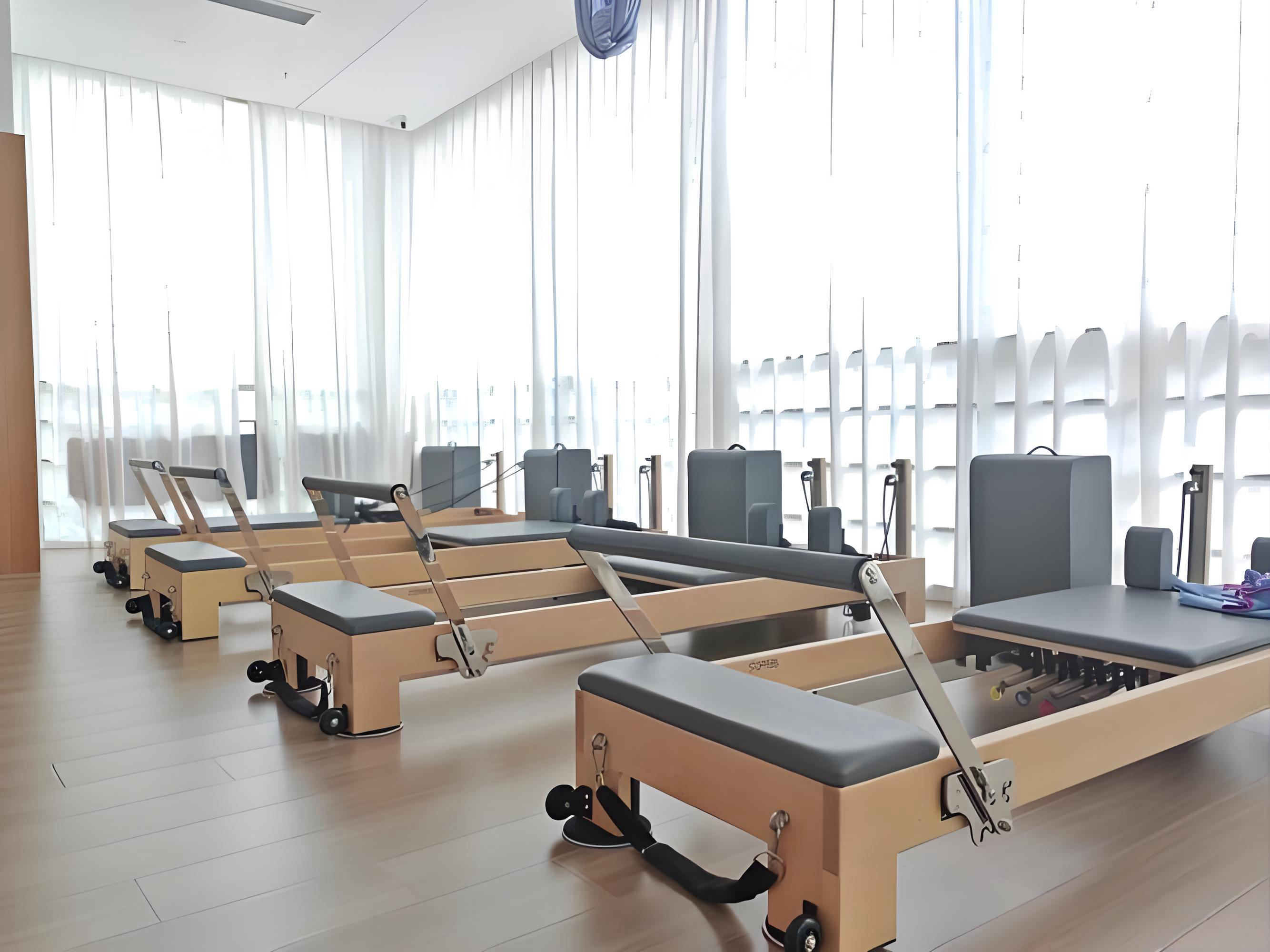
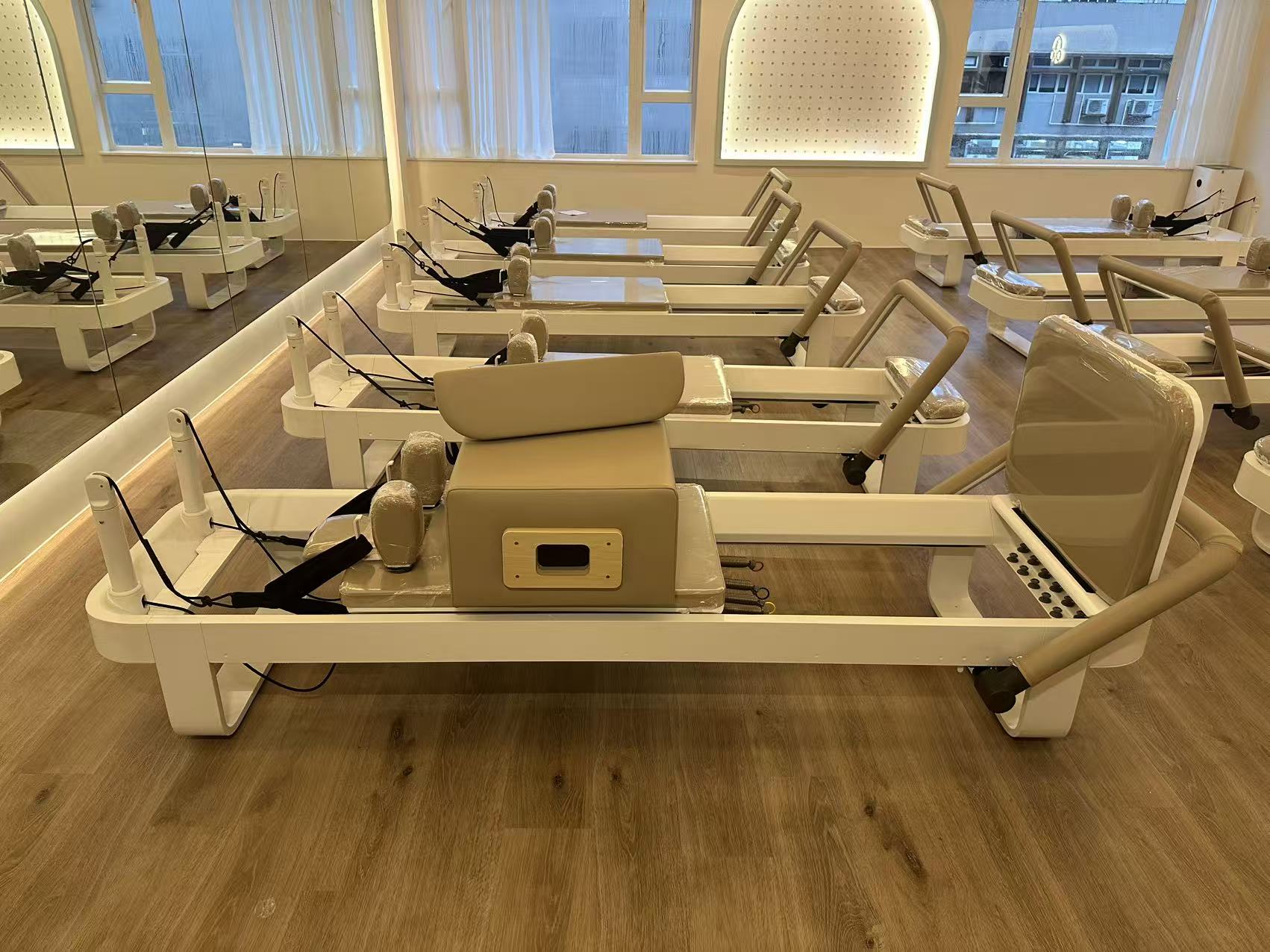
Commercial Reformers are designed from the ground up for "high intensity, high frequency, and multiple users." They are deployed in professional studios, boutique group class rooms, rehabilitation centers, and premium fitness clubs, where they may run through dozens of classes daily, facing users of varying body types and ability levels. Thus, the design must prioritize "durability" and "universal adaptability."
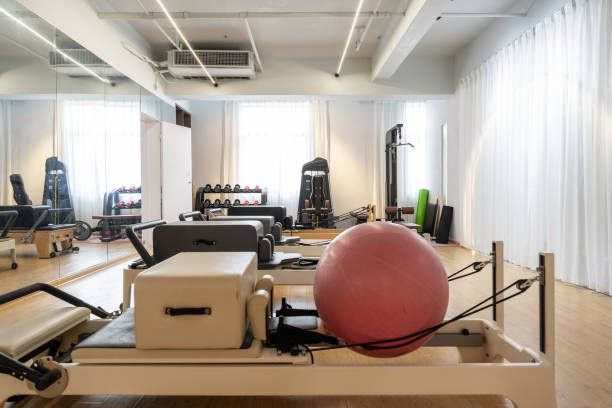
Home Reformers are designed for "personal, low-frequency, space-constrained" use. They target home practitioners who work out 3 to 5 times per week, typically with only 1 to 2 users taking turns. Therefore, the design emphasizes "convenience" and "space adaptability" over absolute extreme durability.
II. Frame Structure and Materials
Commercial models typically use aviation-grade aluminum extrusions or thickened stainless steel square tubes as the main frame. These materials offer extremely high torsional and bending strength, capable of withstanding repeated impact loads. Frame joints are secured by TIG welding or high-strength bolt locking, rather than simple screw fastening, ensuring no play or squeaking develops over long-term use. Top-tier commercial brands often apply anodizing or electrostatic powder coating to enhance corrosion resistance.
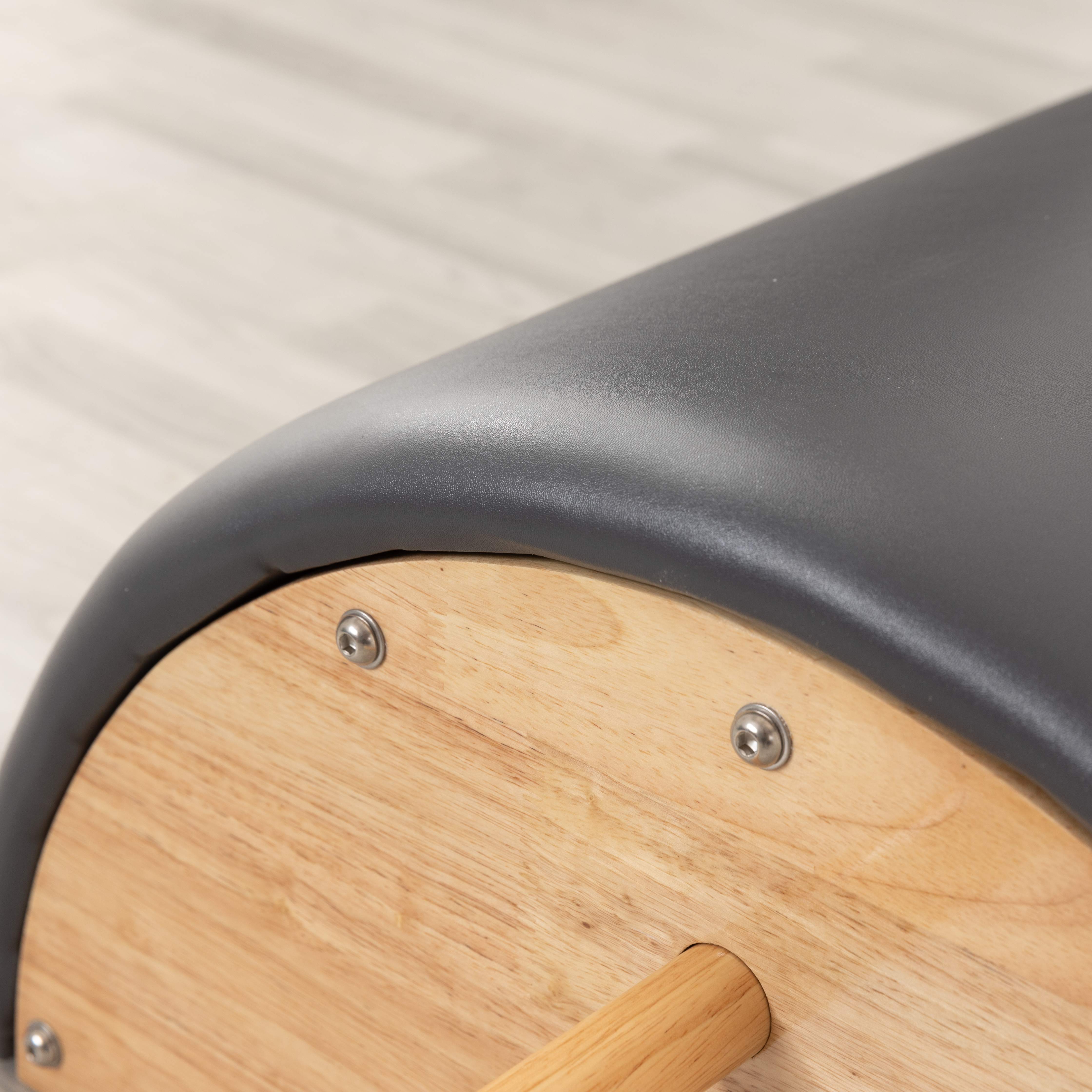
Home models use more varied frame materials. Common options include solid wood (e.g., maple, birch) , multi-layer plywood, and light-gauge cold-rolled steel tubes. Wooden frames offer a warm aesthetic suitable for home environments, but carry risks of warping or cracking under long-term humidity fluctuations. Lightweight steel tube frames are easier to move but generally weaker in torsional rigidity compared to commercial-grade profiles. Some foldable models reduce material thickness in key load-bearing areas to save weight.
III. Rail System and Glide Smoothness
The rails are the "soul channel" of the Reformer, determining the smoothness and linearity of the Carriage's movement.
Commercial models feature precision-ground stainless steel round rails or linear guide rail systems, with surface roughness typically below Ra 0.4, paired with high-molecular self-lubricating sliders (e.g., POM or PTFE), achieving a near-zero-resistance gliding experience. This design ensures that no matter how fast the speed or heavy the load, the carriage never sticks, jumps, or swings laterally. Additionally, commercial rails are secured with through-bolt locking to prevent alignment shifts under long-term high-frequency use.
Home models more commonly use ordinary stainless steel tubes or chrome-plated steel rails, with lower surface finish and roundness accuracy. Slider materials are often standard nylon or plastic, resulting in higher friction coefficients—especially noticeable during rapid spring-back actions, where a slight "stickiness" may be felt. Foldable or portable models, due to segmented rail connections, inevitably have minor steps at the joints, affecting overall carriage smoothness.
IV. Precision of the Spring System
Springs are the "power heart" of the Reformer, directly determining the quality of the resistance curve.
Commercial spring systems have three defining characteristics:
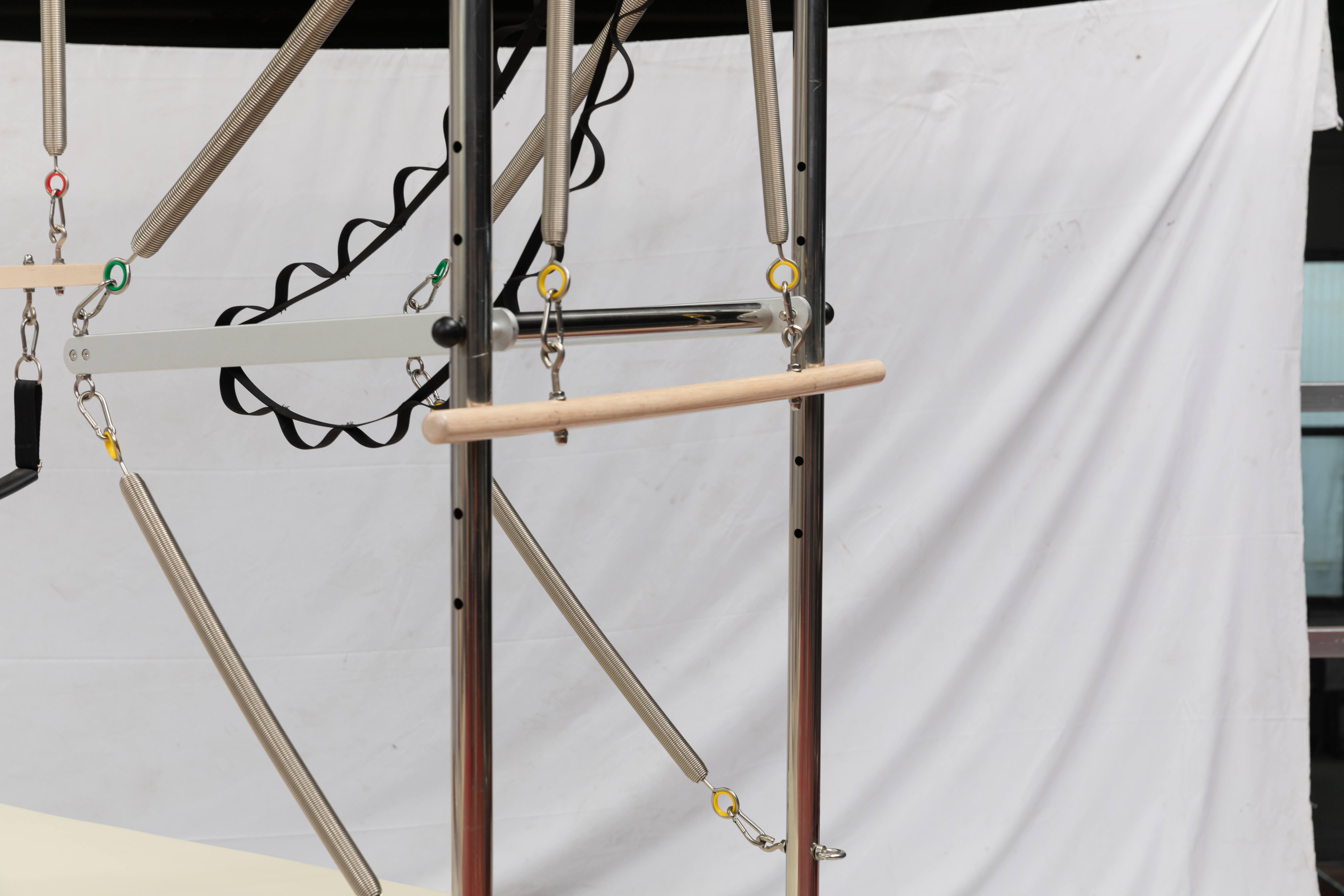
1.Fine resistance gradation: Typically equipped with 5 or 6 springs, each precisely calibrated with distinct poundage, forming a progressive sequence (e.g., 1.0, 1.5, 2.0, 2.5, 3.0 lbs). Users can combine them to achieve a nearly continuously adjustable resistance gradient.
2.Material and process: Made from high-carbon piano wire or oil-tempered chrome-silicon alloys, with vacuum heat treatment and pre-stressing to eliminate initial internal stress, ensuring less than 5% tension loss after tens of thousands of compression-extension cycles.
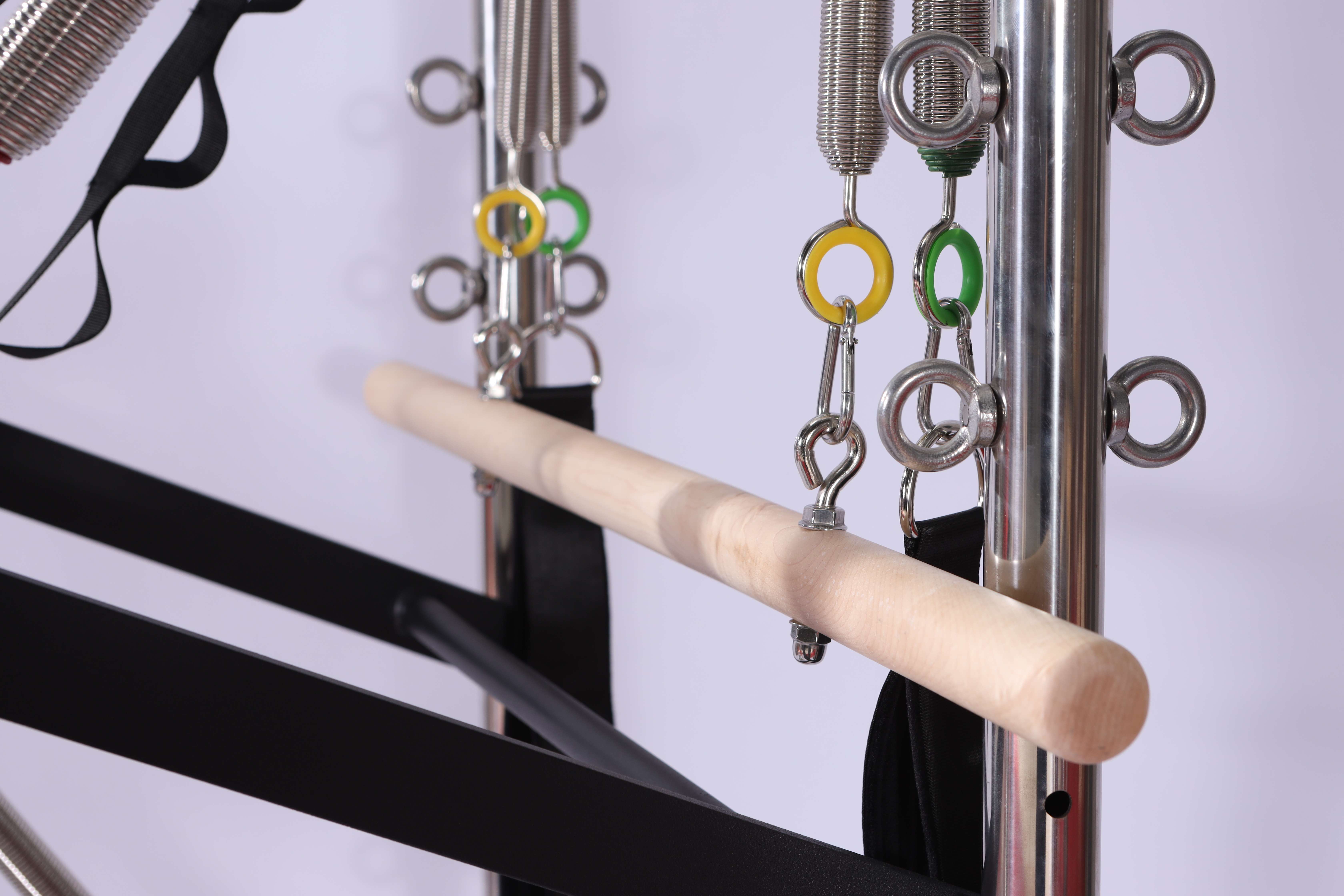
3.Spring hook design: Multi-position adjustment slots with optimized hook depth and angle to prevent dislodging during movement, while minimizing metal-on-metal friction noise.
Home spring systems are relatively simplified. They usually have 4 or 5 springs with larger poundage gaps, leading to awkward intervals where "this one is too light, the next one is too heavy." Materials are typically standard spring steel with basic heat treatment, prone to uneven tension loss over time, resulting in asymmetric resistance between left and right sides. Lower-priced home models may use simple bent-wire hooks that can produce slight wobble and noise during fast movements.
V. Weight Capacity and Dynamic Stability
Commercial models are dynamically rated for 150 kg to 180 kg, and this figure represents a safety threshold under dynamic impact, not a static limit. To achieve this, the chassis width and length are optimized for mechanics, equipped with large adjustable non-slip feet, with the entire bed often weighing over 60 kg. During high-speed jumps or explosive push-pull actions, the bed remains completely stable—a critical factor for instructors leading group classes.
Home models typically have dynamic weight capacities of 100 kg to 130 kg. To facilitate moving and storage, total bed weight is usually kept between 30 and 45 kg. The trade-off for lightweight construction is a higher center of gravity, which may cause slight tipping or lateral displacement during large-amplitude lateral movements or rapid direction changes. In foldable models, even after unfolding, the locking mechanisms cannot fully eliminate minor structural flex.
VI. Rope and Pulley System
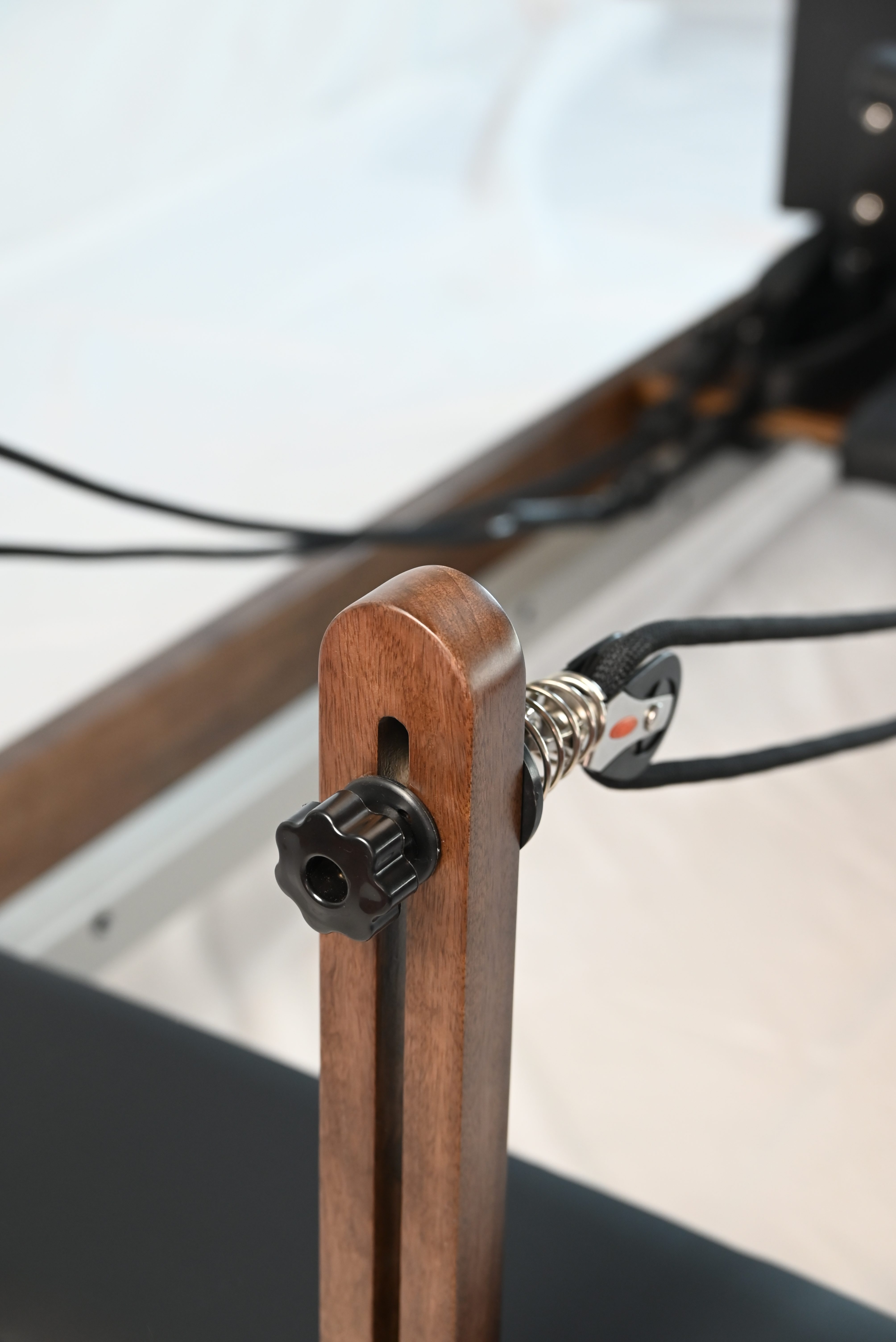
Commercial models use high-tenacity polyester braided ropes or coated steel cables with high tensile strength and minimal stretch, ensuring force transmission is "instant" and "lossless." Pulleys are precision bearing pulleys (ball bearings or ceramic bearings), with grooves optimized so ropes run with virtually no friction loss or deflection, while producing minimal noise.
Home models often use standard nylon ropes or cotton-core ropes, which can develop slight elongation over time, causing a time lag between left and right strap tensions. Pulleys are typically simple metal or plastic guide wheels with plain (non-ball) bearings, offering higher rotational resistance. As usage time accumulates, worn grooves may generate friction noise.
VII. Adjustability and Accessory Compatibility
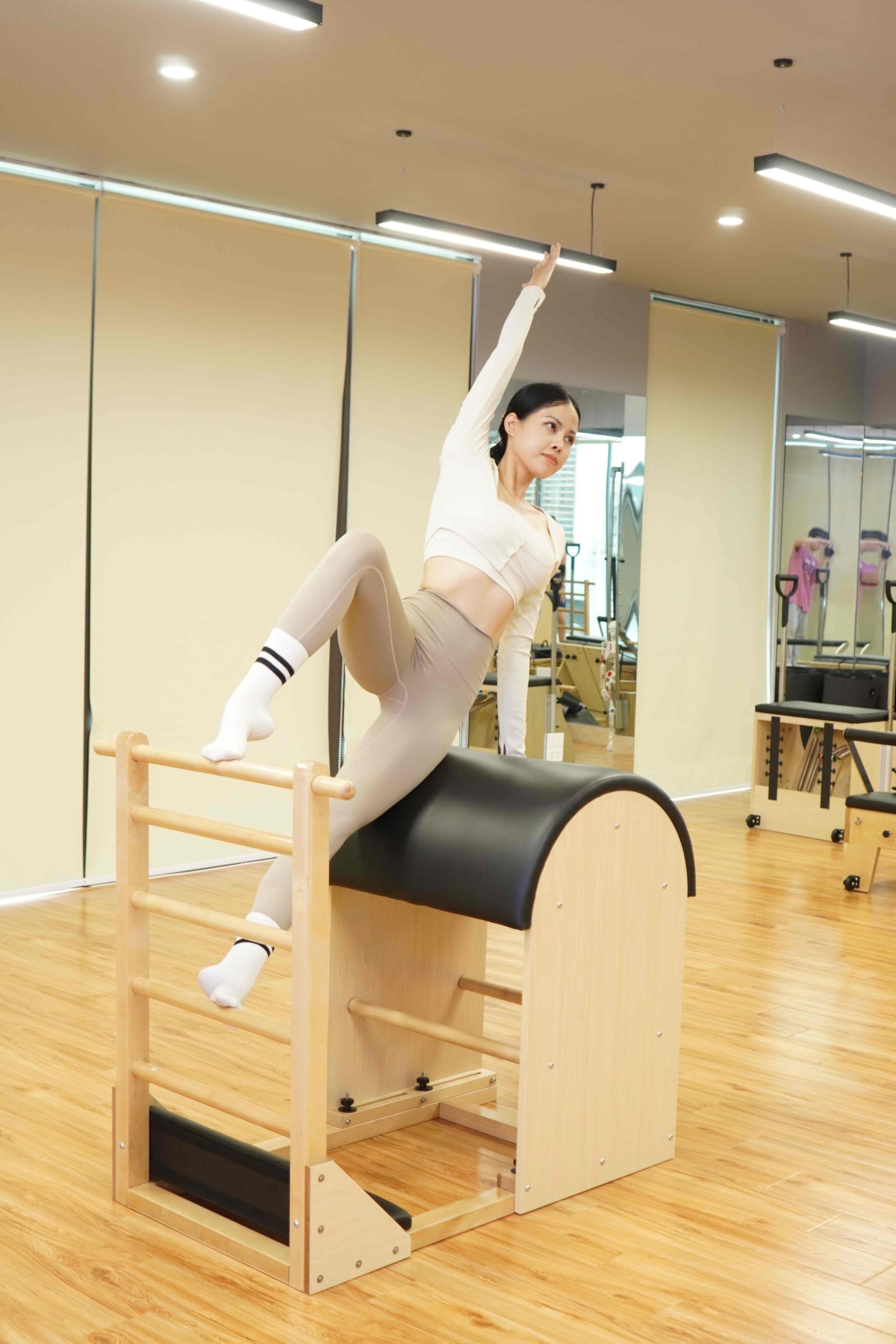
Commercial models offer extensive adjustment options: headrest angles with multiple positions, shoulder rests with height and width adjustments, and footbars with multiple vertical and horizontal settings, often using rack-and-pinion mechanisms. All adjustments can be made tool-free and quickly, accommodating users of different heights, leg lengths, and training goals. Commercial models also universally support a wide range of add-on accessories such as Jump Boards, Boxes, Long Boxes, and Spine Correctors, offering exceptional expandability.
Home models have relatively limited adjustability. Headrests and shoulder rests are often fixed or offer only 2–3 positions, while footbar adjustment ranges are narrower. Most home models do not feature accessory interfaces, or only support a few brand-specific proprietary accessories, resulting in lower versatility.
VIII. Maintenance Costs and Lifecycle
Commercial models, despite higher initial investment, feature modular designs for core components (frame, rails, springs). Springs can be replaced individually, sliders can be swapped independently, and pulley bearings are serviceable. This means that over an 8-to-10-year lifecycle, maintenance is "predictable and manageable," with genuine spare parts readily available on the market.
Home models often use integrated or non-standard custom components. Springs and rails are usually not offered as separate retail items. Once springs degrade or rails wear out, the entire carriage assembly may need replacement—or the unit may be rendered obsolete. Although home models perform well in the first 2–3 years, performance decline accelerates after year 4, resulting in a shorter overall lifecycle, with repair costs disproportionately high relative to the original equipment price.
Final Summary: How to Decide?
·If you are operating a professional studio, serving multiple clients of varying body types daily, with class types ranging from beginner rehabilitation to advanced explosive training, then the commercial Reformer is non-negotiable infrastructure. Its stability, precision, and durability directly determine teaching quality and client safety.
·If you are an individual practitioner with a dedicated home practice space, using the equipment 3–5 times per week with a consistent set of users, then a well-built home Reformer is entirely sufficient. Your focus should be on rail smoothness, spring feel, and comfort—rather than extreme durability metrics.
·Most importantly—whether commercial or home, the straightness of the rails and the consistency of the springs are the core indicators of a Reformer's quality. Whenever possible, test the equipment in person: feel the carriage's smoothness at different speeds and check whether the left and right spring tensions are symmetrical. This hands-on experience is more convincing than any spec sheet.