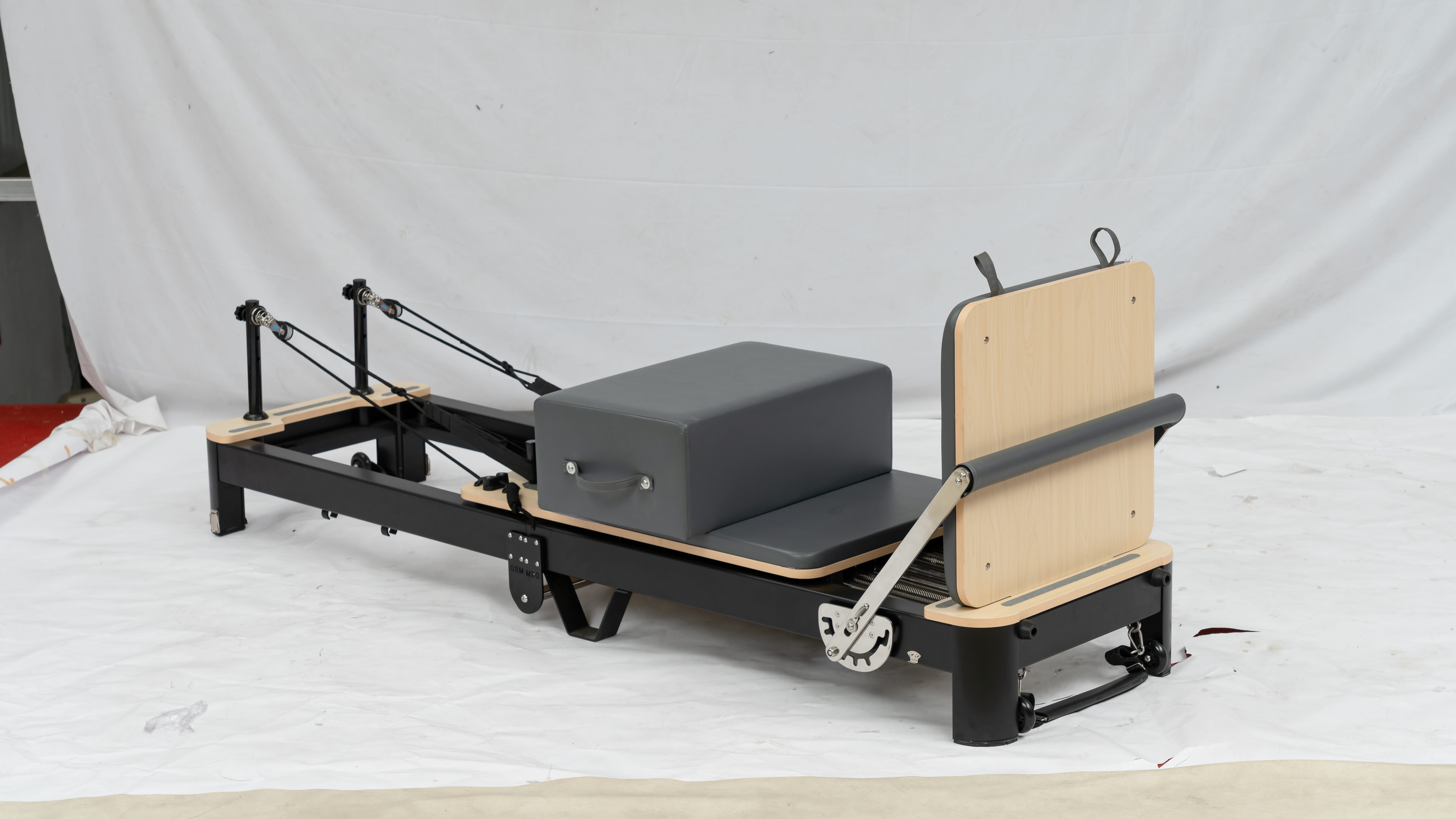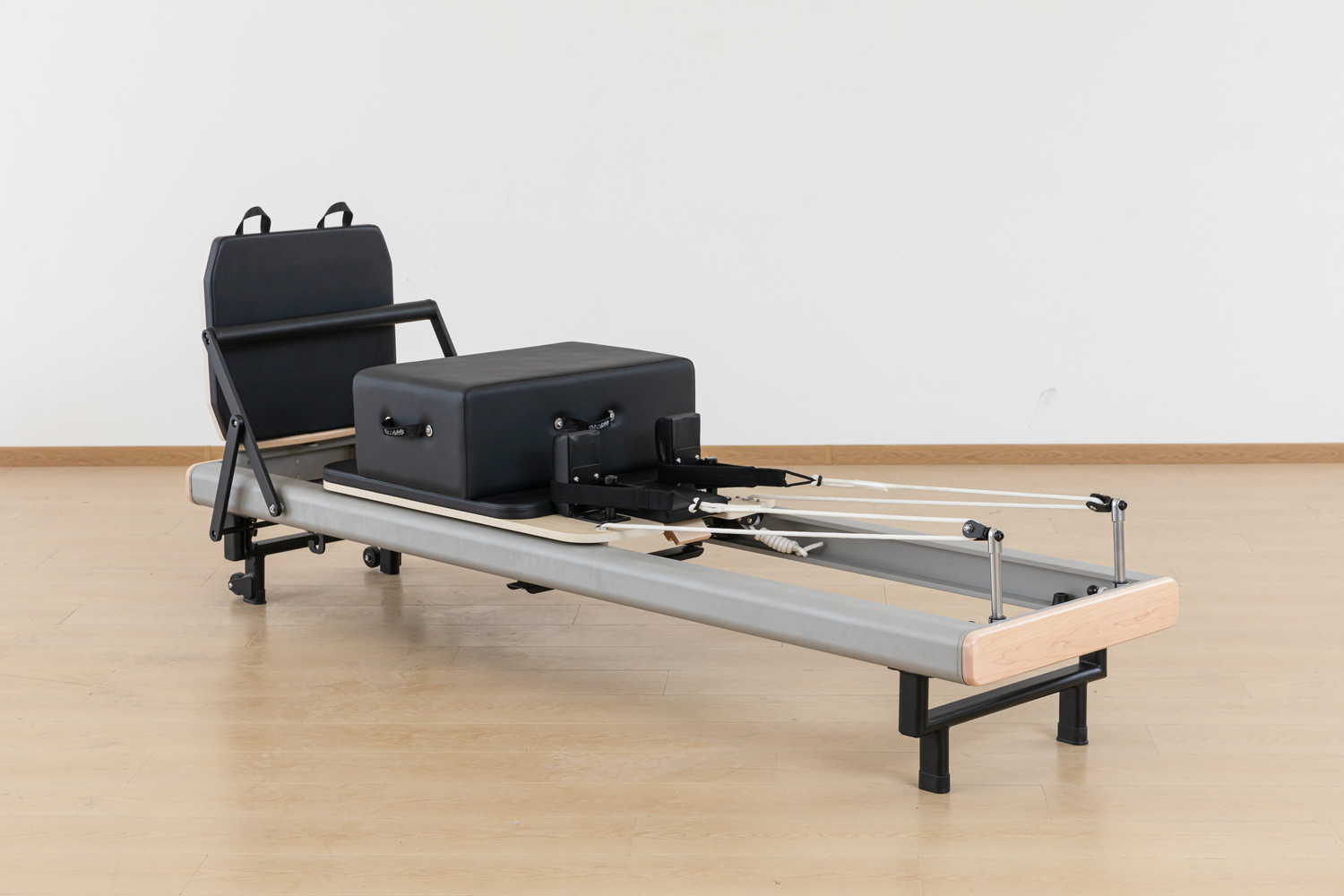
OEM Pilates Equipment Production Process
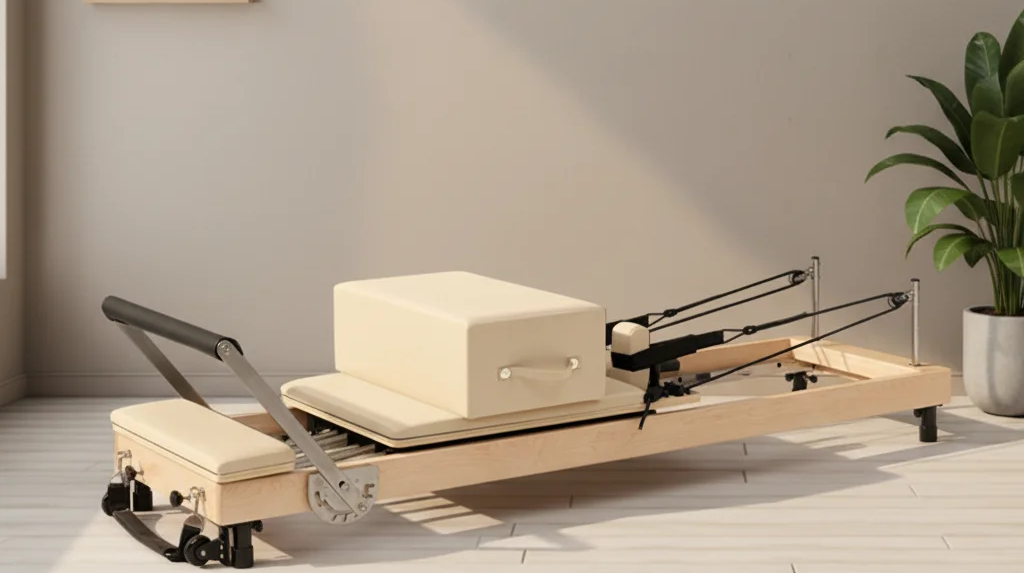
OEM (Original Equipment Manufacturer) plays a pivotal role in the Pilates equipment industry — behind many globally recognized Pilates brands and studio chains lies a specialized OEM factory providing product design and manufacturing support. For entrepreneurs looking to build their own brands, or distributors seeking to expand their product lines, understanding the complete OEM process from initial consultation to final delivery is essential for making informed procurement decisions.
This article systematically outlines the six core stages of OEM Pilates equipment production.
I. Demand Analysis & Feasibility Assessment
The first step of any OEM partnership is reaching consensus on product specifications.
Core Communication Topics:
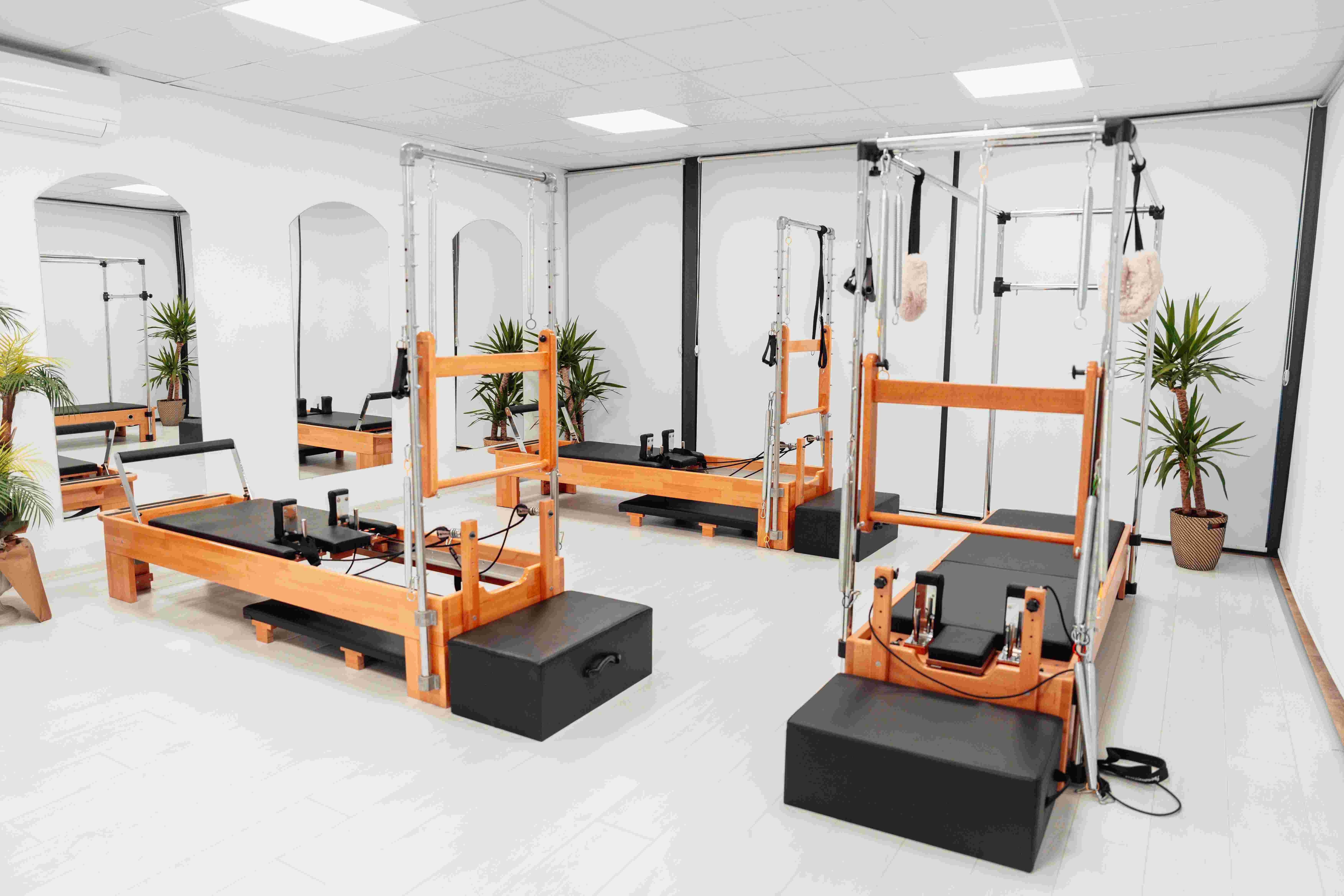
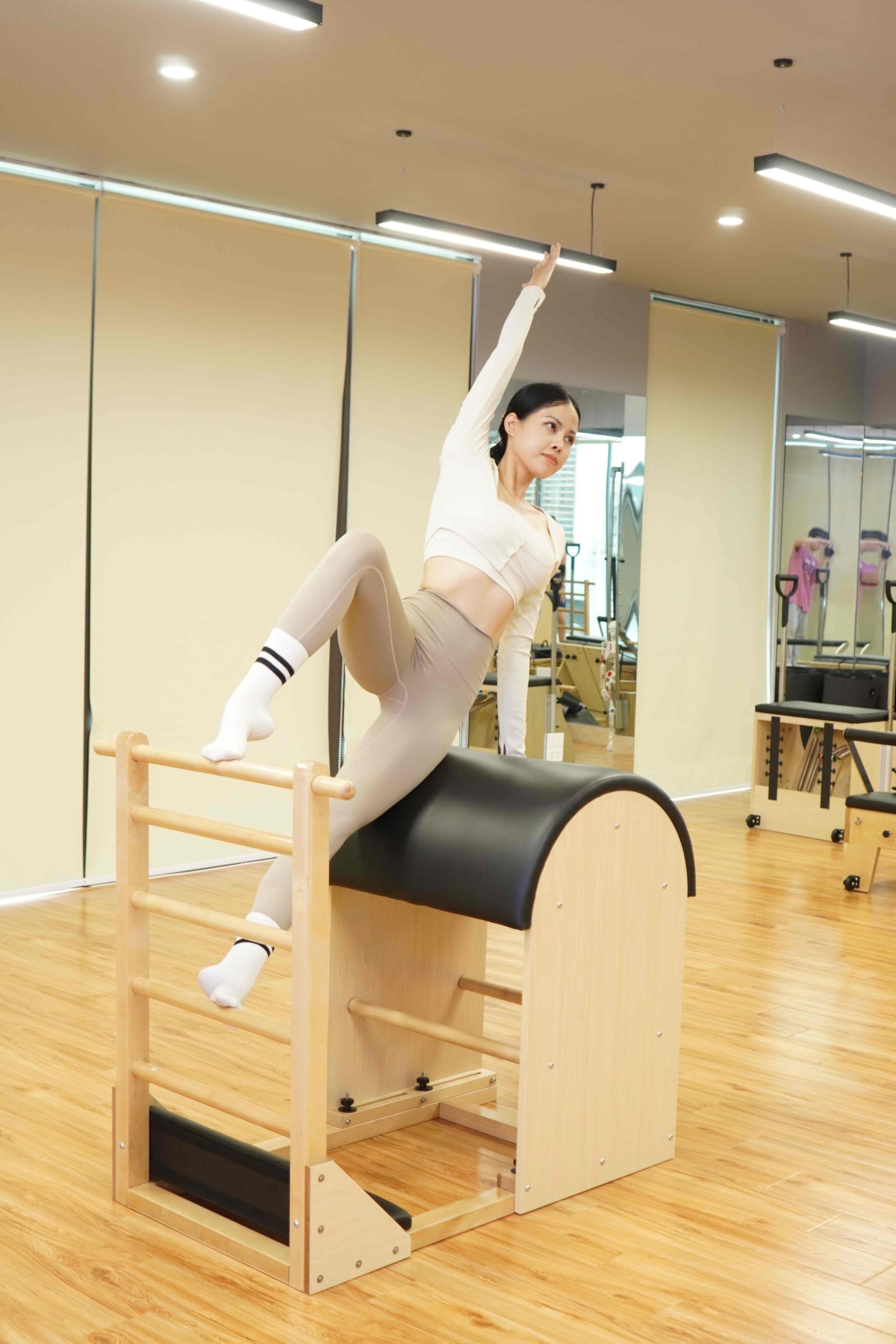
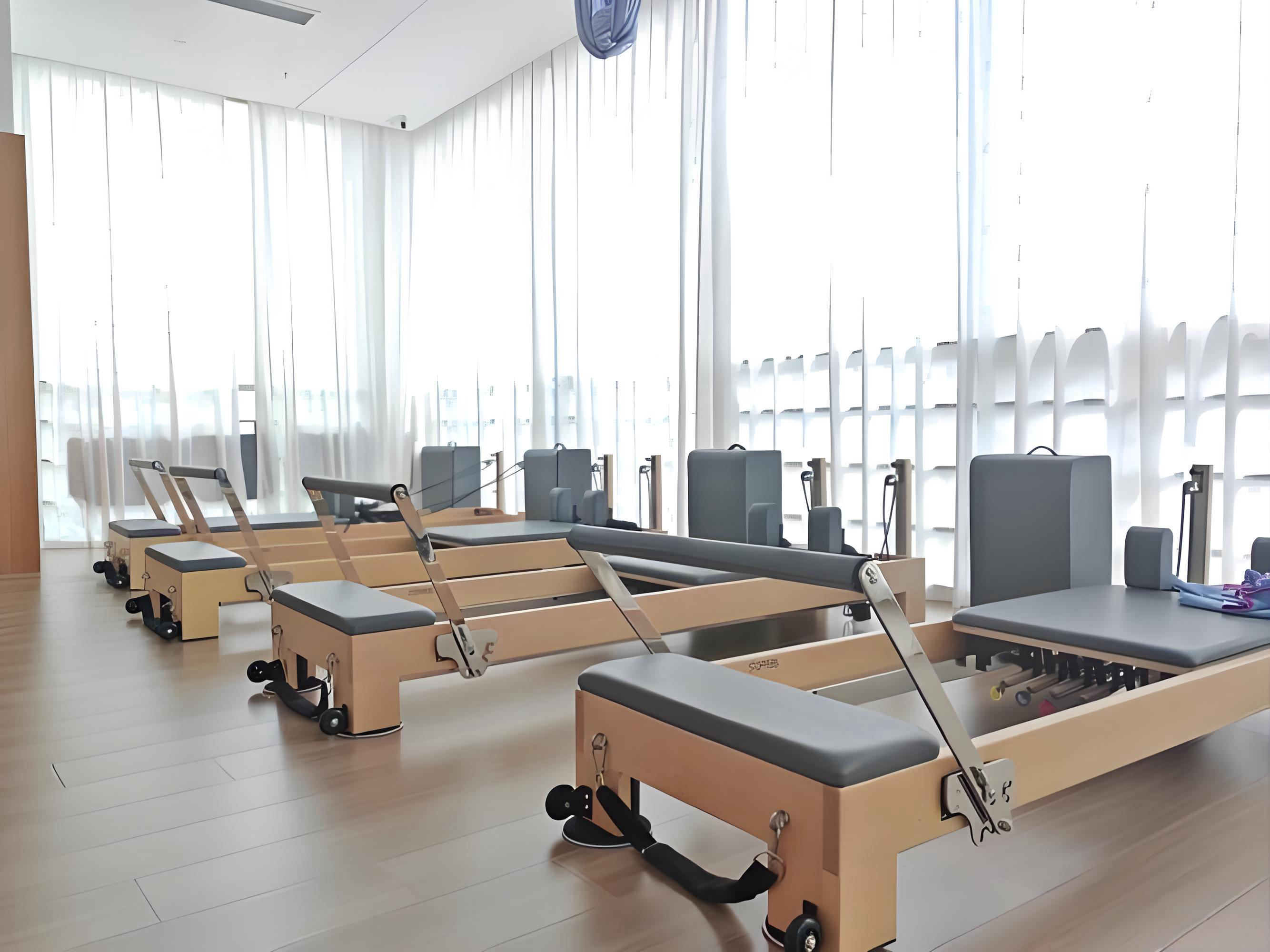
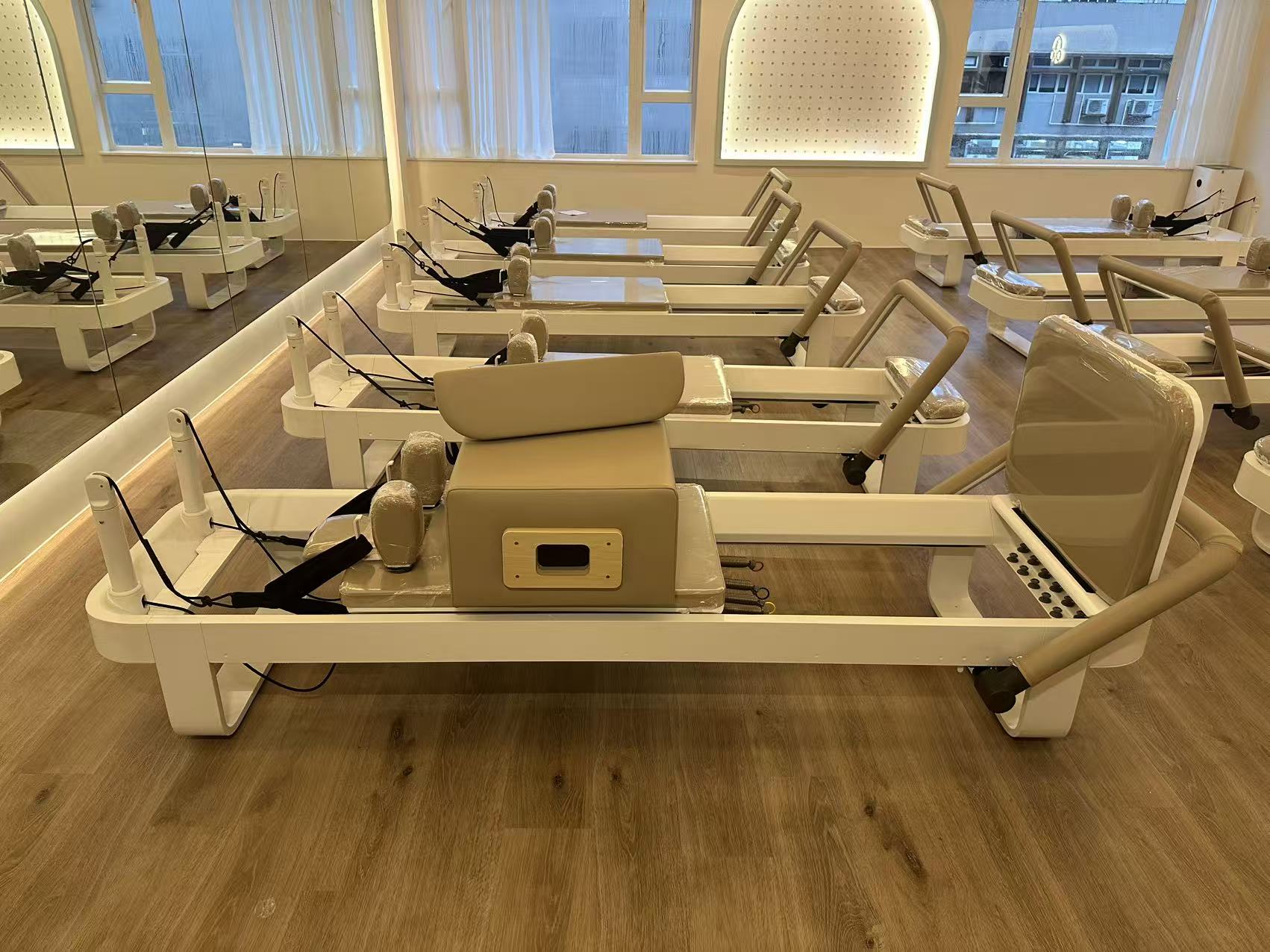
·Product type: Reformer, Cadillac, Wunda Chair, Ladder Barrel, Spine Corrector, etc.
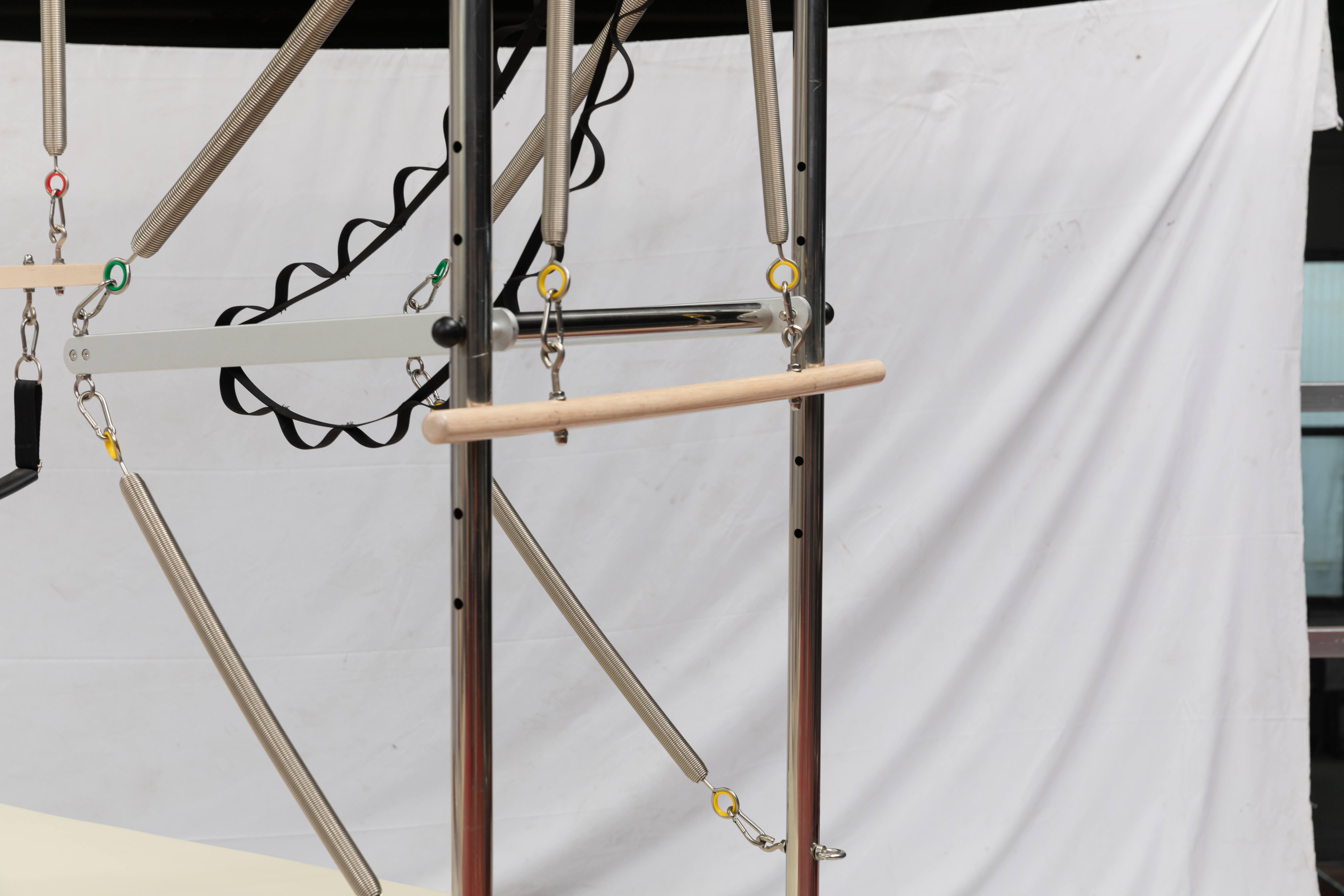
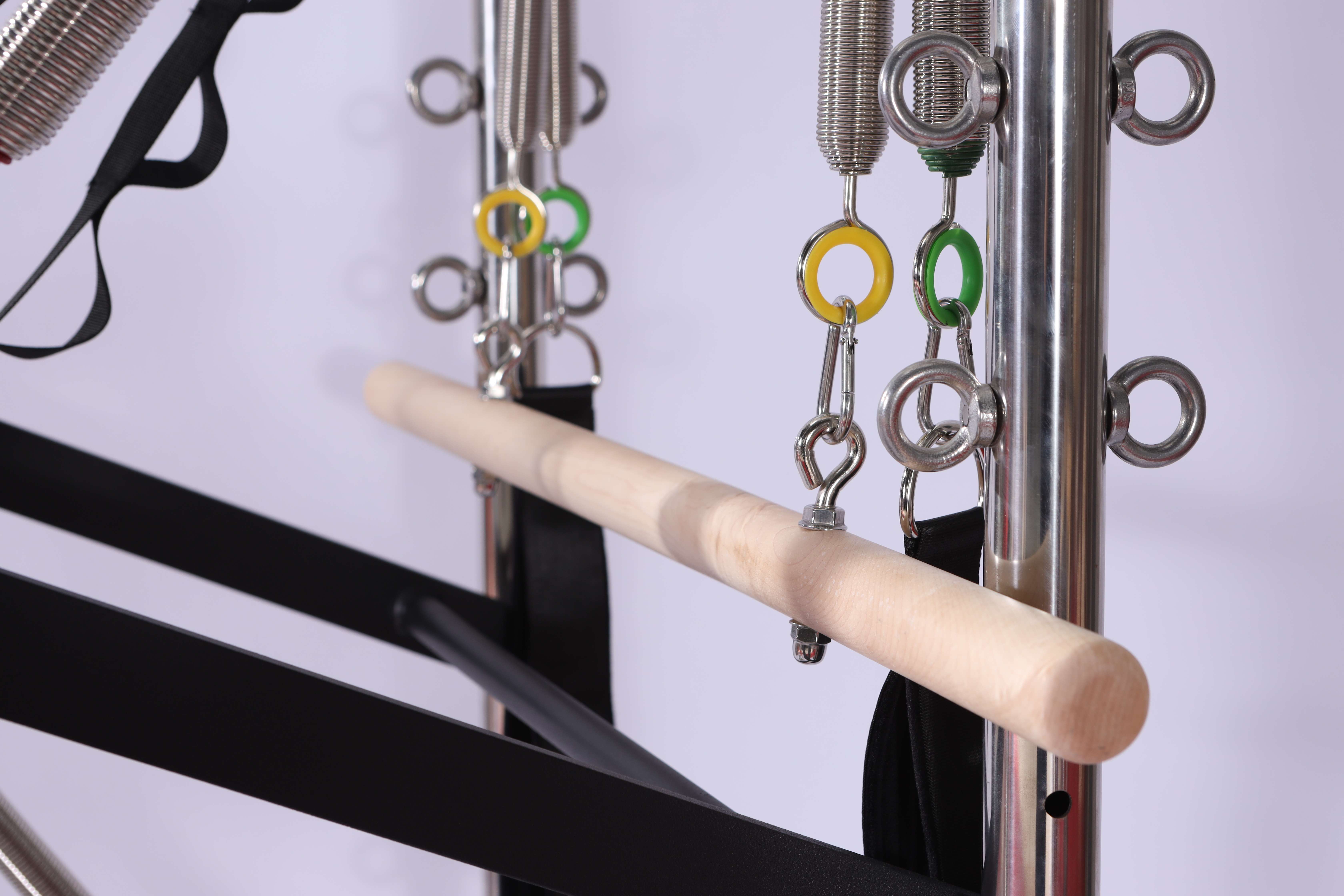
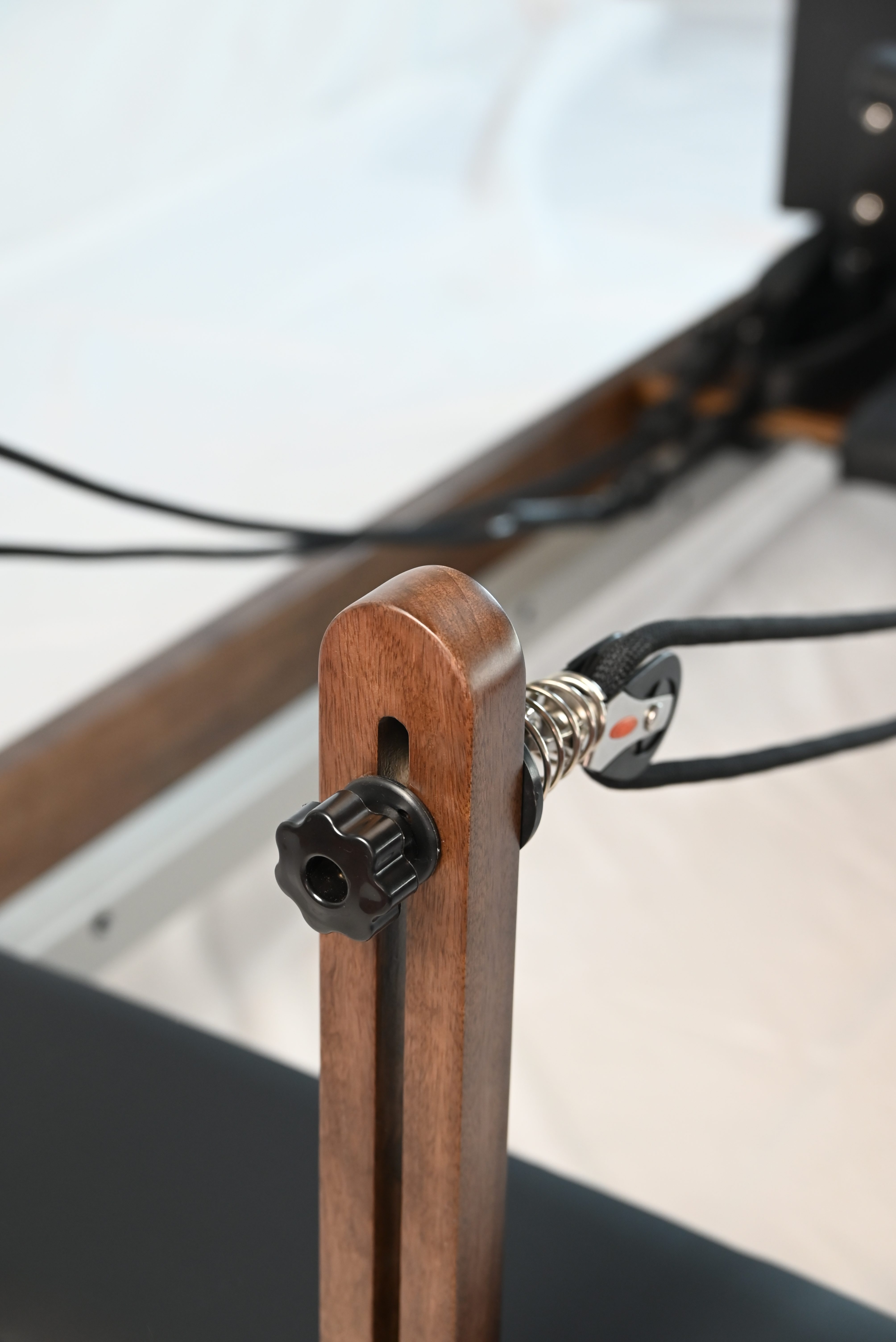
·Functional requirements: Spring count and resistance configuration, carriage travel length, adjustment positions
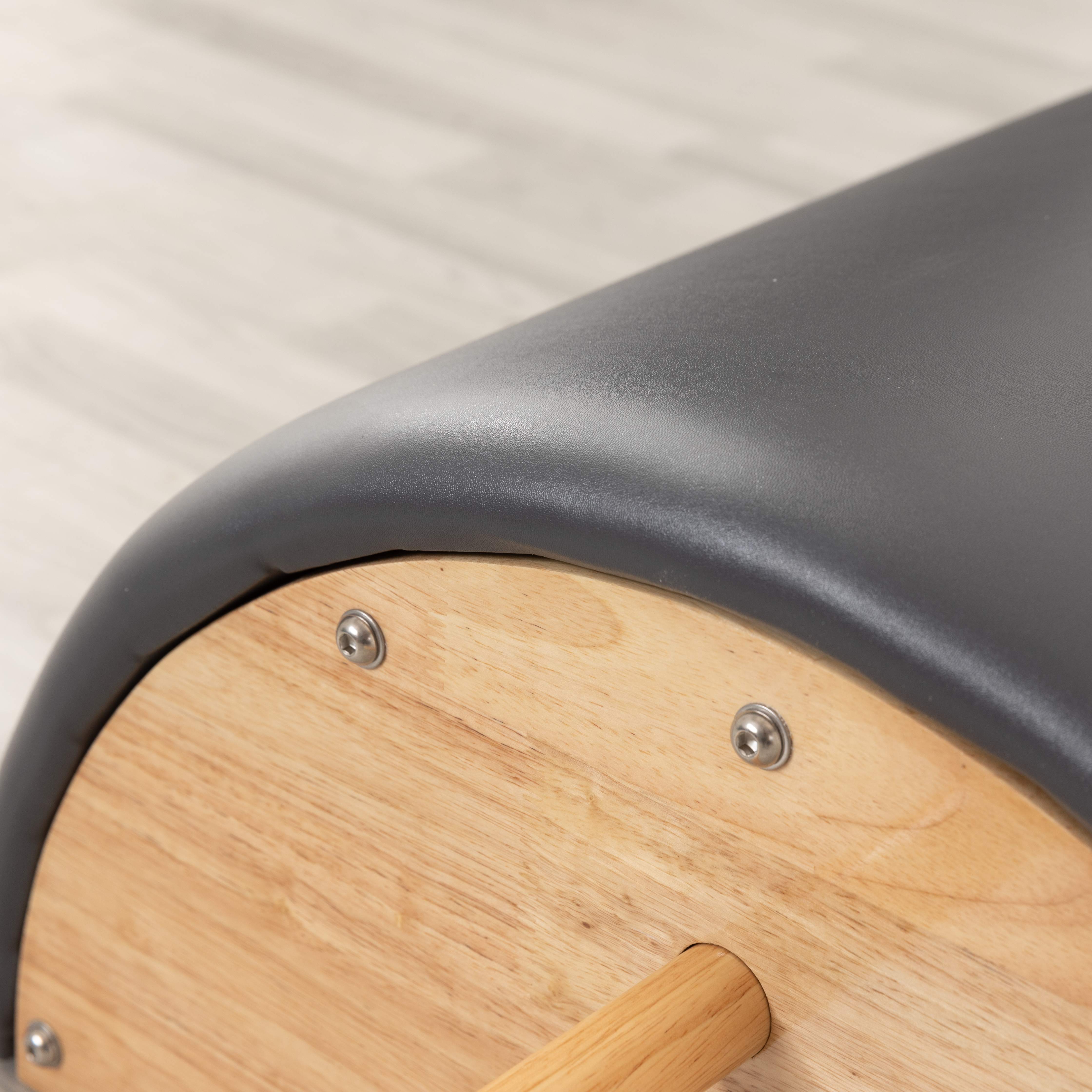
·Material preferences: Frame material (wood/aluminum/carbon steel), leather color and grade, foam density
·Branding: LOGO placement and process (laser engraving/pad printing/embroidery)
·Packaging: Branded boxes, manuals, labels
Feasibility Assessment: The factory evaluates whether the requirements fall within production capacity, and provides preliminary cost estimates and lead times. High-end ODM projects (new designs from scratch) typically require longer evaluation cycles and higher minimum order quantities.
II. Product Design & Development
Once requirements are confirmed, the design phase begins. This stage differs significantly between OEM and ODM models:
OEM Mode (customization based on existing models): The factory selects a base model from its product library and adjusts colors, LOGO, and accessories per client specifications. Sample lead time is relatively short, typically 2-4 weeks.
ODM Mode (new development from scratch): The R&D team creates design sketches and 3D engineering drawings based on the client's market positioning and functional needs, completing structural calculations and spring parameter design. After design approval, functional prototypes are built and tested. This stage takes longer, typically several weeks to months.
III. Sample Making & Confirmation
Samples serve as the "physical contract" for clients to judge product quality.
Sample Making Process:
1.Build 1-2 functional prototypes per approved designs
2.Conduct functional testing: carriage smoothness, spring force consistency, locking mechanism reliability
3.Visual inspection: coating quality, leather fit, stitching workmanship
4.Ship samples to client for physical confirmation
Key Client Check Points:
·Actual feel matches expectations (spring resistance, sliding quietness)
·Branding effect
·Material texture and color accuracy
Adjustments are made based on client feedback until the Sample Confirmation is signed, after which mass production begins. Sample fees are typically partially or fully deductible upon bulk order confirmation.
IV. Raw Material Preparation & In-Process QC
After receiving the deposit, the factory initiates mass production. The core of this stage is "full-chain quality control."
Incoming Quality Control (IQC):
·Steel: Spectrometer analysis for grade verification; calipers for thickness
·Wood: Moisture content testing (must be <8%) to prevent warping
·Leather: Martindale abrasion testing; REACH/ROHS environmental compliance verification
·Springs: Wire diameter and force value spot checks
In-Process Quality Control (IPQC): Quality checkpoints at every critical production step:
·Machining: Laser cutting precision, drilling tolerances
·Welding: Weld uniformity, absence of cold shuts or cracks (some factories use robotic welding for consistency)
·Coating: Thickness and adhesion testing
·Upholstery: Foam density, leather fit, double-stitching strength
·Assembly: Component fit tolerances, carriage-rail parallelism
V. Finished Product Inspection & Performance Testing
After production, finished units enter Outgoing Quality Control (OQC) — the final checkpoint ensuring every unit meets standards.
Standard Inspection Items:
·Visual inspection: Scratches, color variation, coating defects, stitching flaws
·Functional testing: All adjustments lock smoothly; carriage slides without abnormal noise
·Dimensional inspection: Key mounting holes, component dimensions within tolerance
·Noise testing: Sliding noise under load below 50 dB
Durability Testing (Type Testing):
·Spring fatigue testing: Simulated repeated stretching — commercial standard requires 500,000+ cycles
·Dynamic load testing: Tens of thousands of cycles under rated load to verify structural stability
·Static load testing: 1.5× maximum rated load for 5 minutes to verify frame rigidity
Factories with stable quality control achieve first-pass yield rates of 98%+, with return rates well below industry averages.
VI. Packaging & Logistics
Approved units proceed to packaging.
Packaging Options:
·Commercial exports typically use fully enclosed wooden crates (ISPM-15 certified) with internal cushioning
·Accessories (springs, ropes, manuals, etc.) individually packed inside
·Shipping marks printed per client specifications (destination port, contract number, gross/net weight)
Logistics Arrangements: The factory coordinates with shipping companies or freight forwarders for sea/air freight, providing complete export documentation (commercial invoices, packing lists, bills of lading, etc.). Some factories support drop-shipping or LCL (Less than Container Load) to lower MOQ barriers for smaller clients.
Summary: OEM Pilates equipment production is a systematic process encompassing demand communication, design development, sample confirmation, mass production, quality inspection, and logistics delivery. Choosing a factory with full-chain quality control capability — from IQC raw material inspection and IPQC in-process control to OQC finished product inspection — is the foundation for ensuring consistent product quality and reliable delivery. When partnering with a factory, it is advisable to define acceptance criteria at each stage and contractually agree on quality consistency requirements after sample approval, to safeguard the long-term interests of both parties.