Pilates Equipment Export Packaging Process
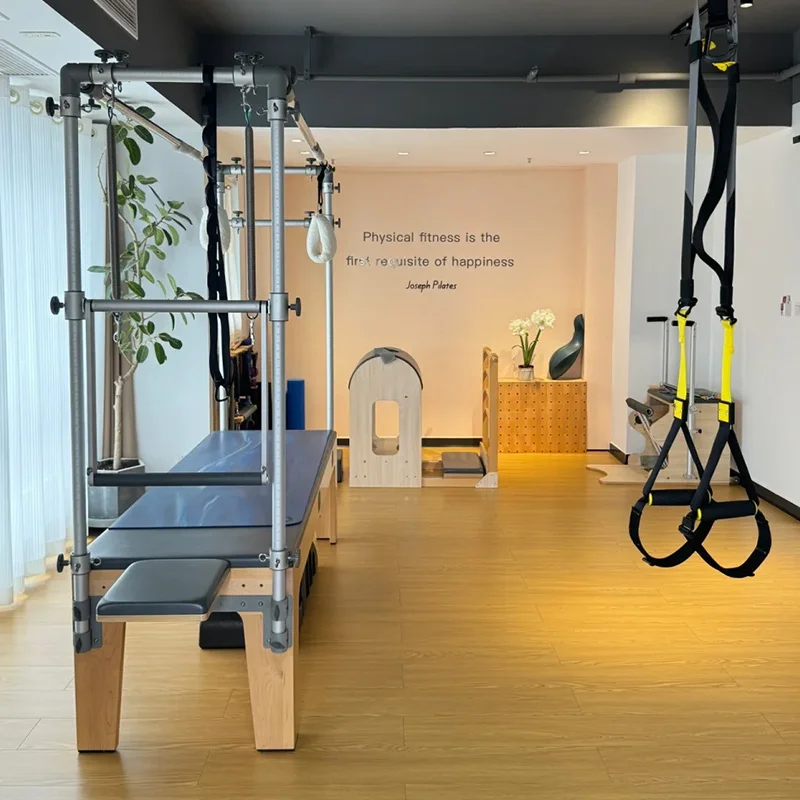
Pilates equipment is bulky, heavy, and precision-engineered — its export packaging is far more complex than simply finding a box. A complete packaging process serves as the first line of defense against damage during long ocean voyages, while also meeting the quarantine and receiving standards of destination countries. This article systematically outlines the full export packaging process for Pilates equipment, from finished product to container loading.
I. Pre-Packaging Preparation: Cleaning, Disassembly, and Protection
Before packaging begins, every finished unit must undergo thorough cleaning and inspection. Each Reformer, after passing final quality checks, is wiped clean of fingerprints and dust from metal surfaces, with coating and leather inspected for any blemishes.
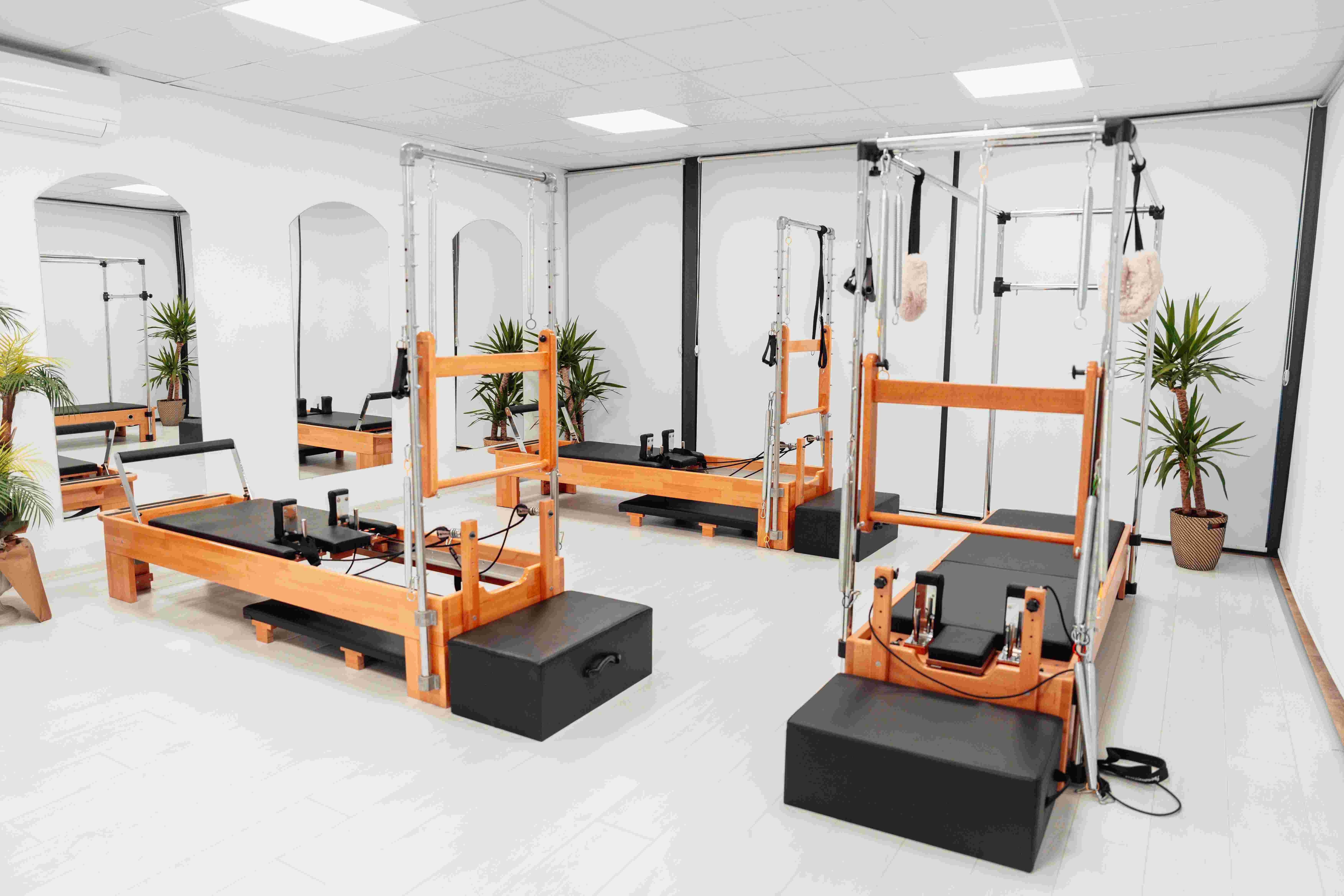
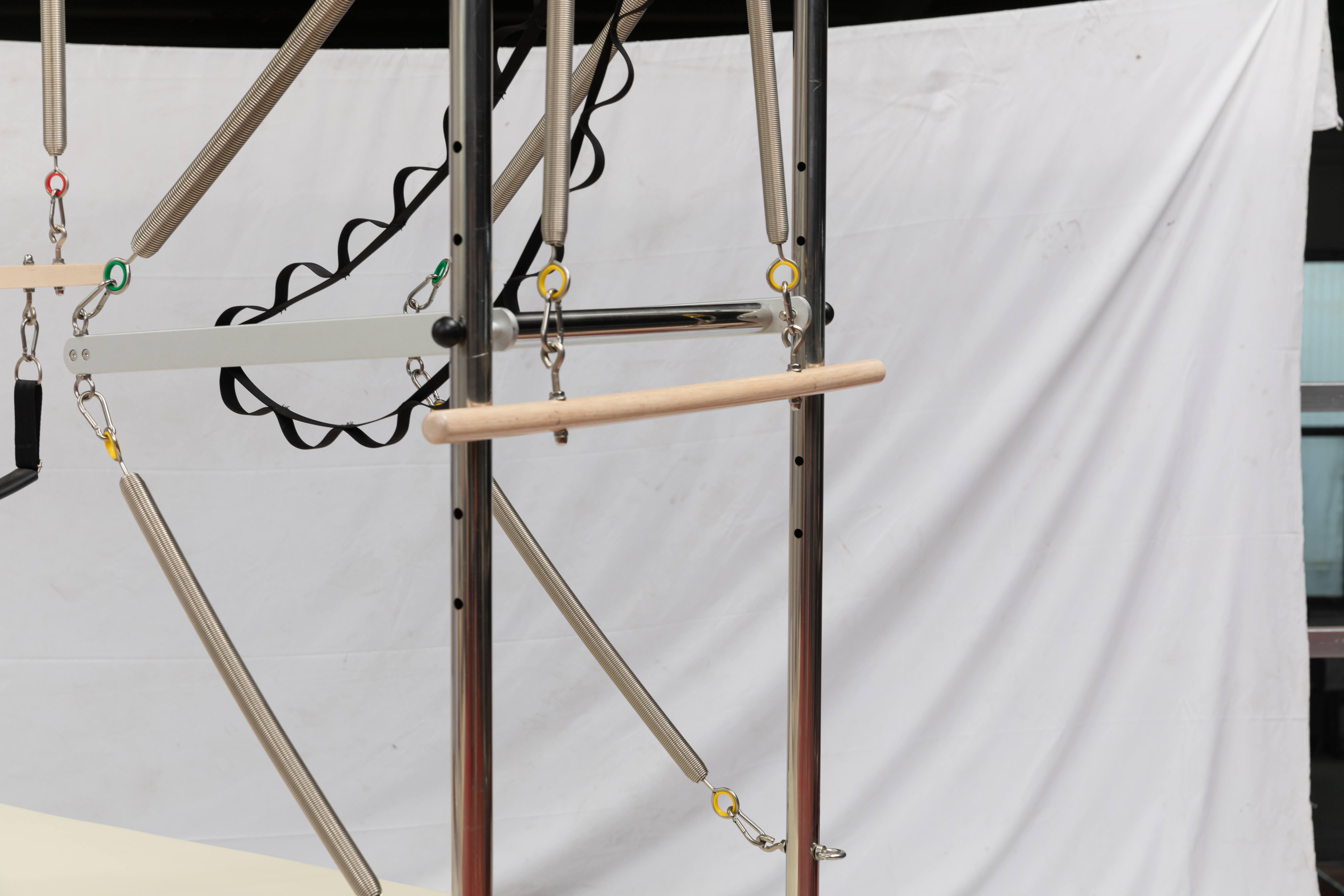
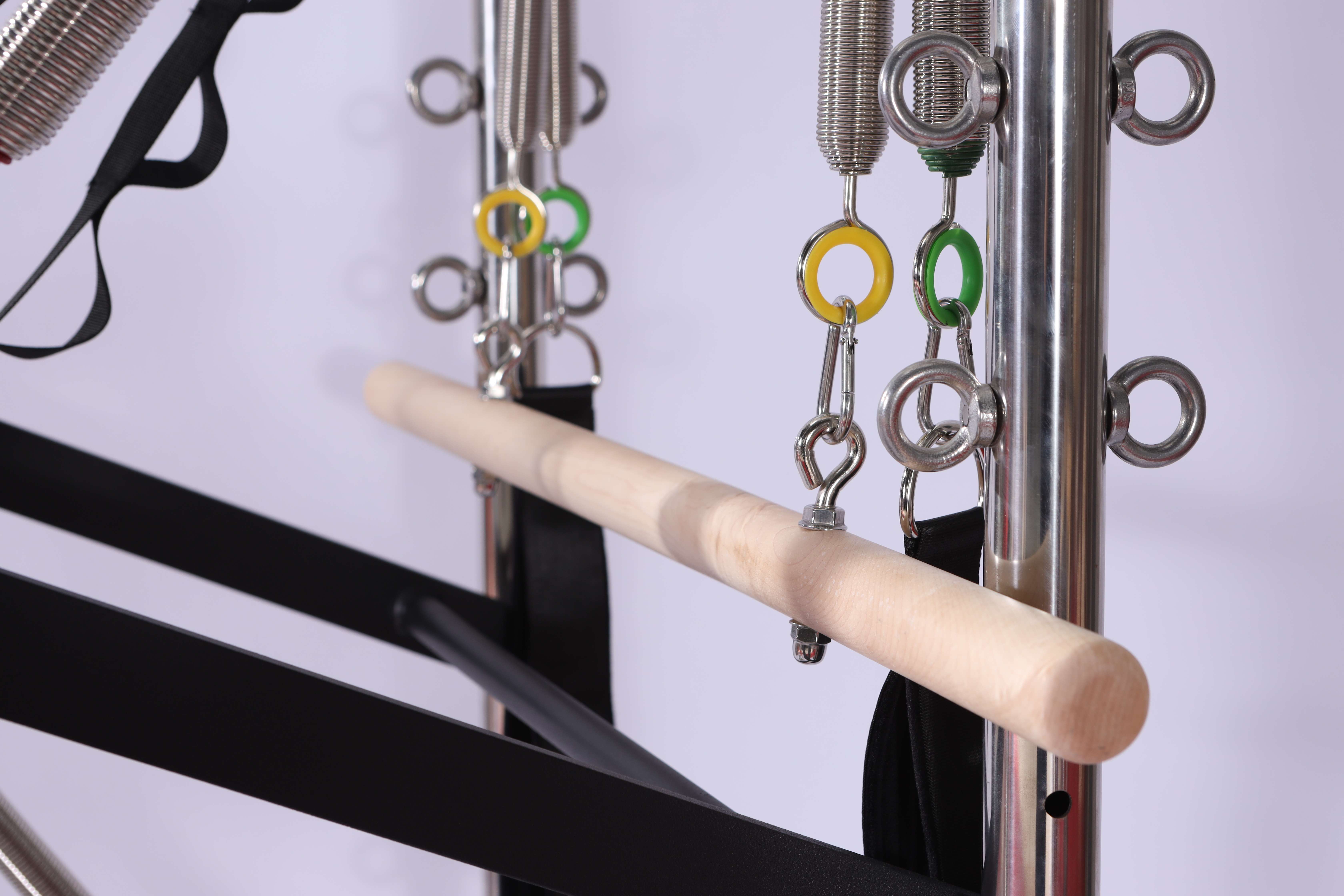
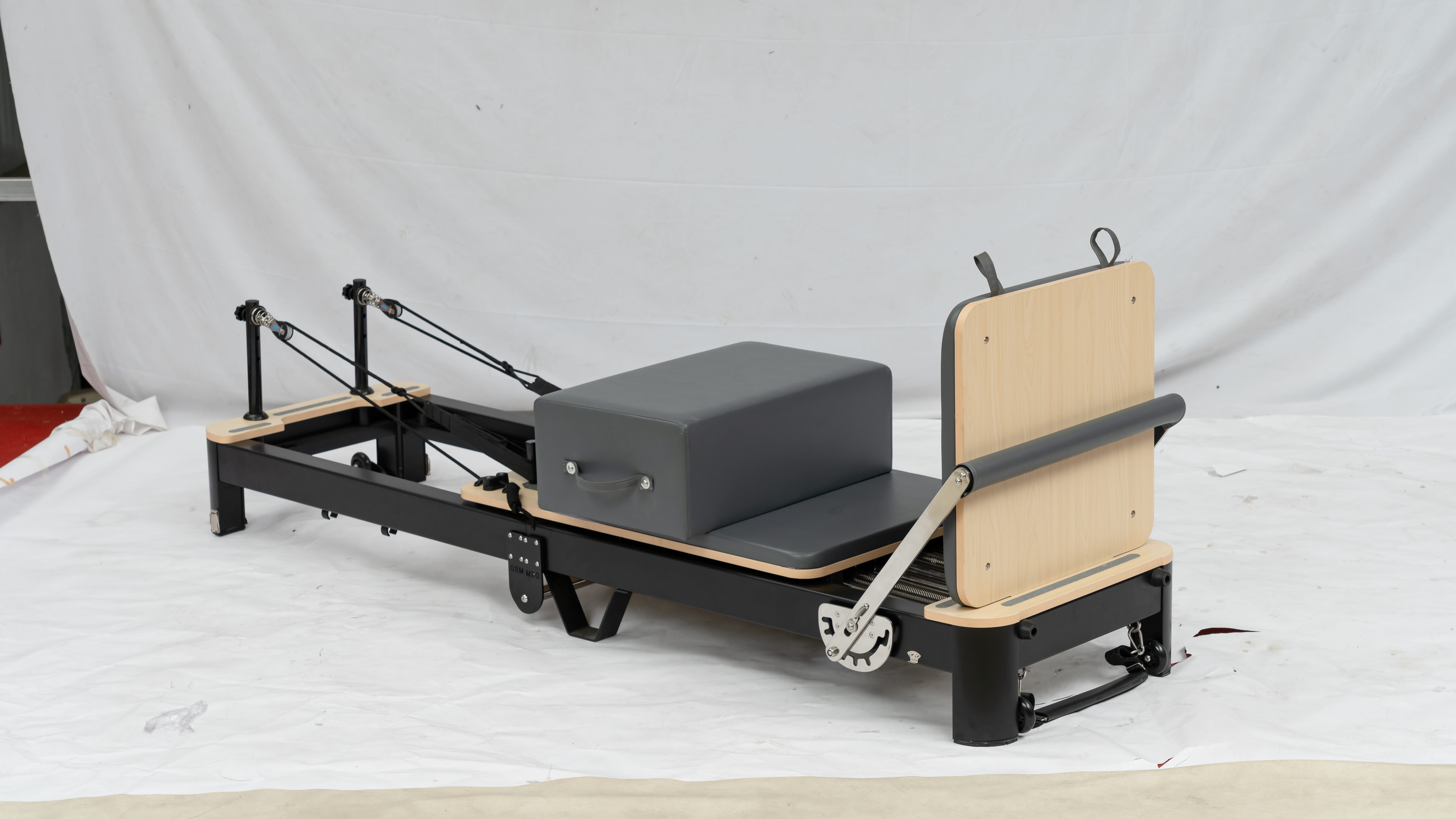
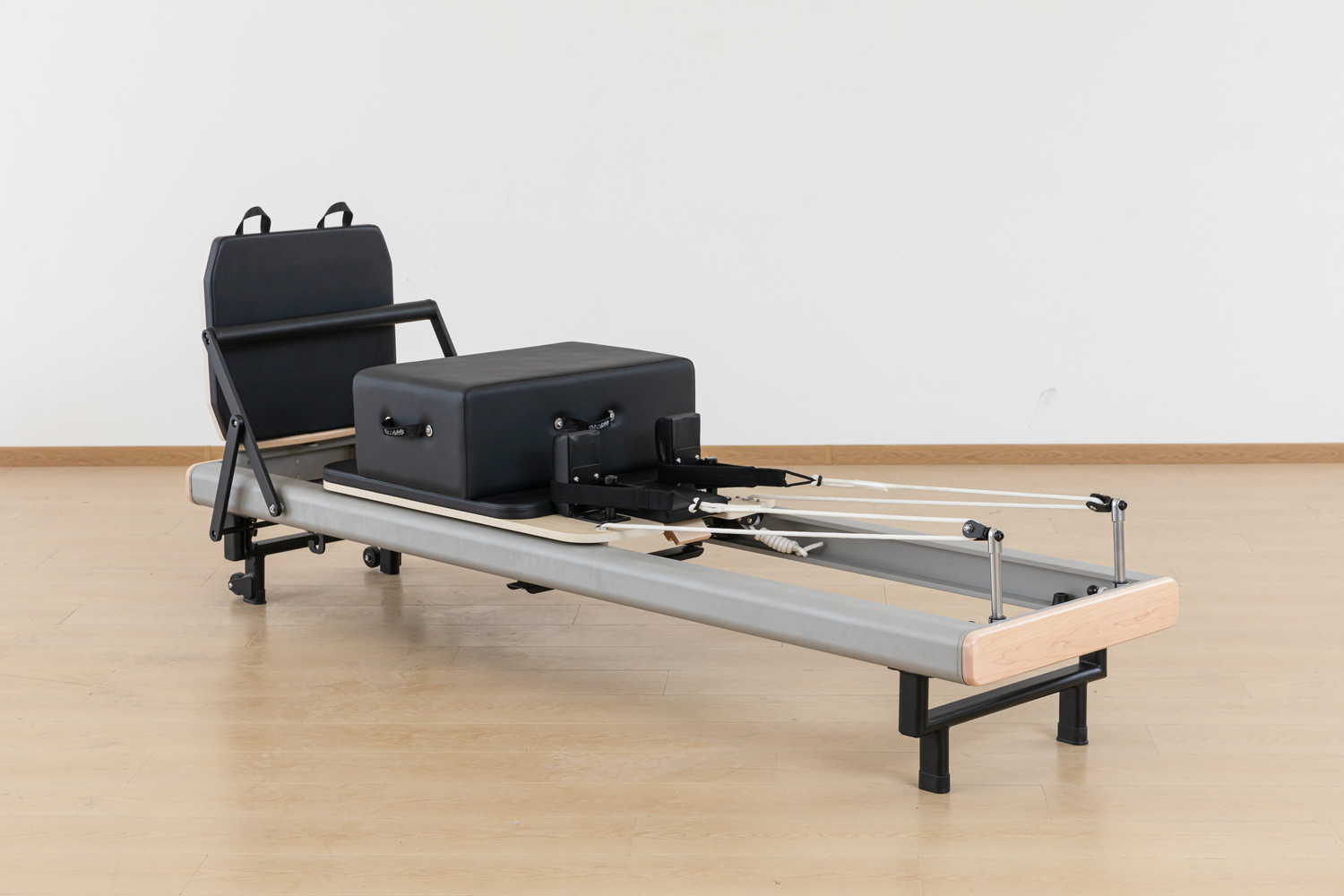
For large equipment requiring disassembly — Reformers and Cadillacs in particular — disassembly must follow the designed plan. Removable components such as footbars, shoulder rests, headrests, ropes, and spring sets are individually detached and packed separately. Each small part should be placed in an independent sealed plastic bag, labeled with its corresponding product model and installation position, to prevent loss or confusion during transit.
Rust prevention for metal components is critical. Ocean shipping environments are highly corrosive — exposed metal surfaces rust easily. All metal parts must be wrapped with moisture-proof paper or vapor-phase rust-inhibiting film, with rust-preventive oil applied where necessary. Precision sliding parts like rails and wheels require additional protective covers or cushioning to prevent impact damage during transport.
II. Internal Cushioning Packaging
Cushioning is the core layer that protects equipment from vibration and impact during transit. Given the size and uneven weight distribution of Pilates equipment, the cushioning solution must be tailored to each machine's structure.
The main body is first wrapped with multiple layers of bubble wrap or EPE (expanded polyethylene) foam. EPE is soft, provides excellent cushioning, and produces no dust — making it ideal for wrapping leather and coated surfaces. For frame edges and protruding parts — such as footbar mounts and spring hook areas — additional corner protectors or foam blocks are applied for localized reinforcement.
All detachable accessories, ropes, and spring sets, after separate packaging, should be secured to a safe position on the main body with position labels inside the carton. Accessories must not move freely inside the box to avoid impacting the equipment body.
If the equipment includes electronic components — such as smart Reformers with Bluetooth or screens — circuit boards, wiring, and display panels require additional anti-static and moisture-proof measures.
III. Outer Packaging Options: Cartons, Wooden Crates, or Pallets
The choice of outer packaging depends on equipment size, shipping method, and destination country requirements. Pilates equipment typically uses one of three packaging forms.
Heavy-duty corrugated cartons are suitable for single units under 100 kilograms and shorter shipping distances. Double-wall or triple-wall reinforced cartons must be used, with stacking strength capable of withstanding three or more layers of stacking. All gaps between the carton walls and equipment must be fully filled with foam, air cushion bags, or corrugated dividers to prevent movement inside the box.
Fully enclosed wooden crates are the most common packaging form for Pilates equipment exports, especially for long ocean voyages. Crates are constructed from 9mm to 15mm plywood or solid wood, with frame structures capable of bearing the equipment's weight and stacking pressure. The crate base typically includes a wooden skid for forklift handling. Moisture-proof film must be laid inside the crate, with sufficient desiccant packs placed inside to address condensation that may form inside shipping containers.
Pallet packaging is suitable for consolidated shipments or bulk orders. Equipment is first secured to the pallet with cartons or stretch film, then reinforced with strapping bands and corner protectors. Pallet selection is subject to strict requirements: for equipment exported to the United States, GMA standard pallets (48"×40") are typically required, with intact structure and no cracks, to comply with U.S. warehouse receiving standards.
IV. Wood Packaging Fumigation and IPPC Marking
This is the most common compliance pitfall in export packaging, and the one most likely to result in penalties at the destination port.
Any use of solid wood pallets, solid wood crates, or solid wood dunnage requires treatment under international phytosanitary standards — either fumigation or heat treatment. After treatment, each piece of wood packaging must bear a clear IPPC mark indicating the treatment method code and the plant protection authority code of the exporting country.
Lack of IPPC marking or illegible marks on wooden packaging will result in forced destruction or return of the goods in destinations such as the US, Europe, and Australia, incurring substantial additional costs. This is a "red line" requirement in export packaging.
Plywood, MDF, OSB, and other engineered wood products manufactured through gluing or high-temperature pressing are not considered solid wood and do not require fumigation — though mill certificates should be retained for inspection purposes.
V. Labels and Shipping Marks
Labels and shipping marks on outer packaging are essential for identification, handling, and customs clearance at the destination port. Marks must be clear, durable, waterproof, and placed in visible positions on the outer packaging.
Mandatory information includes consignee name and address, shipper details, product model, quantity, gross and net weight, carton dimensions, and destination port. For palletized shipments, each pallet must also bear a pallet number and HS code.
Transport warning marks include internationally recognized symbols such as "Fragile," "This Way Up," "Keep Dry," "Stacking Limit," "Center of Gravity," and "Sling Point." Oversized or overweight items require additional markings for total weight and lifting instructions.
If the customer has branding requirements, the outer packaging must also feature the brand LOGO, barcodes, or specific color markings per the design specification.
VI. Container Loading and Securing
After outer packaging is completed, the final step is container loading. Pilates equipment is typically shipped via 20-foot or 40-foot high-cube containers. The loading process directly determines whether equipment arrives safely at its destination.
Loading principle: Same model, same specification equipment should be loaded together. Heavy items go at the bottom, lighter accessories on top, preventing heavy goods from crushing lighter ones.
Gap filling: All gaps between container walls and cargo, and between cargo layers, must be filled and supported with air cushions, corrugated board, or wooden bracing. Excessive gaps allow cargo to shift and collide during rough seas and sudden braking.
Securing and strapping: All pallets and crates must be secured with container-specific strapping belts and anti-slip buckles. Large heavy cargo requires multiple securing points to prevent displacement during vessel rolling and port handling.
Container condition: Before loading, inspect the container interior for cleanliness, dryness, odor, and sharp protrusions. No debris, dust, or water stains are permitted before loading begins.
VII. Packaging Documentation and Compliance
The final step in the packaging process is preparing and submitting complete packaging-related documents. These are essential for export declaration and customs clearance at the destination.
The packing list details each carton or pallet's product name, model, quantity, gross weight, net weight, and volume. The packing list must correspond exactly with the physical cargo — any data inconsistency can trigger customs inspection and detention.
The packaging declaration must specify the types of packaging materials used — particularly whether wooden packaging has been fumigated and bears IPPC marks. Some markets also require environmental compliance declarations for packaging materials, such as compliance with EU packaging waste directives.
If dangerous goods are included — for example, smart control modules containing lithium batteries — a dangerous goods declaration and UN38.3 test report must also be provided.
Summary: Pilates equipment export packaging is a systematic process encompassing cleaning and protection, cushioning wrapping, outer packaging selection, fumigation and IPPC marking, label application, container securing, and documentation. Wood packaging fumigation and IPPC marking represent the most common compliance pitfalls, while packing list data accuracy is the key to customs clearance efficiency. Partnering with a factory experienced in professional export packaging helps avoid transit risks and clearance obstacles at the source, ensuring equipment reaches overseas customers in perfect condition.