How to Choose Between a Wood and Aluminum Pilates Reformer?
When investing in a Pilates reformer, the frame material is one of the most important decisions you'll make. It affects not only the look of your space but also performance, maintenance, and long-term durability. Currently, the two mainstream options are wood and aluminum. Neither is inherently superior—the right choice depends on your usage scenario, aesthetic preferences, and budget. This guide breaks down the key differences to help you decide.
I. Wood Reformers
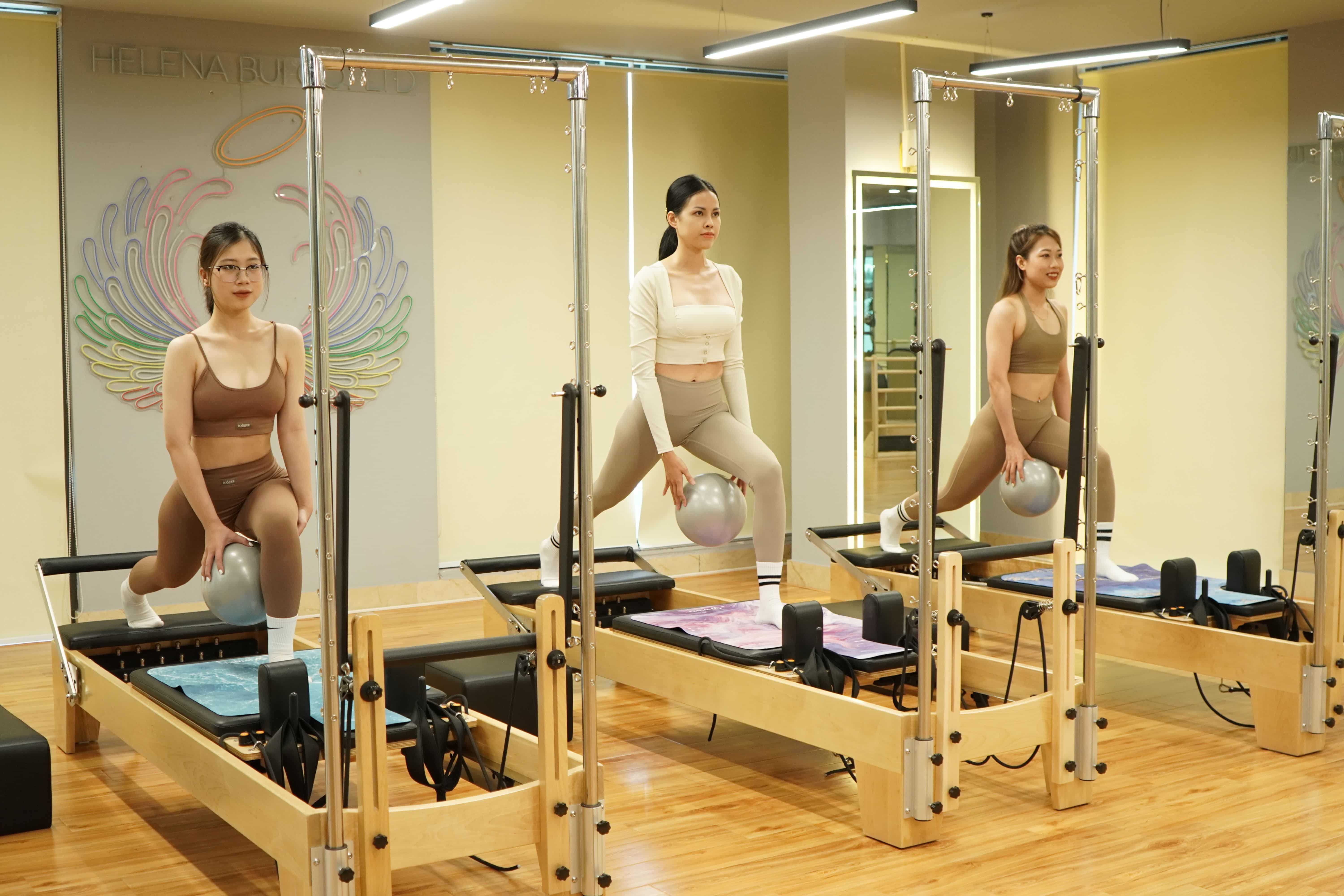
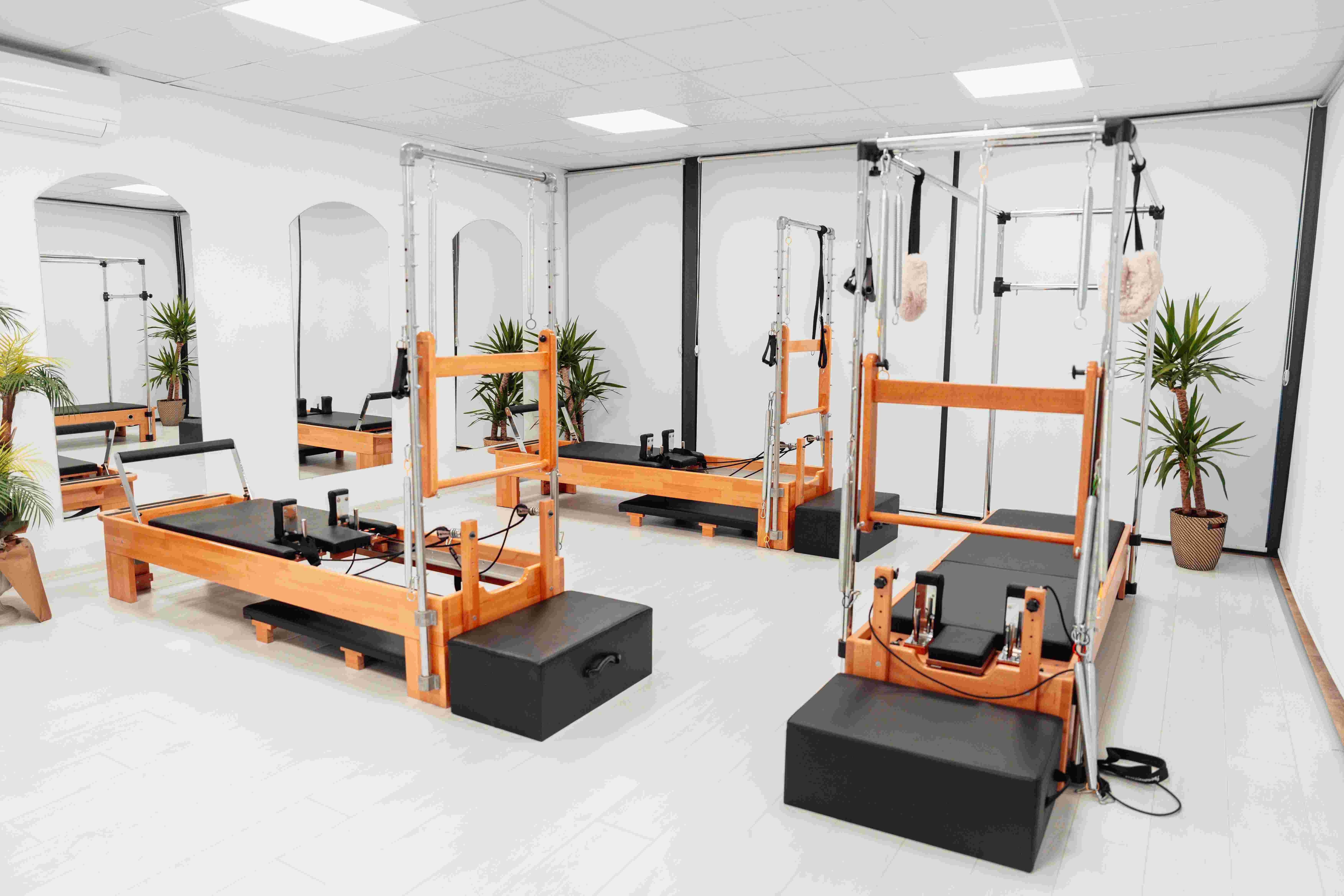
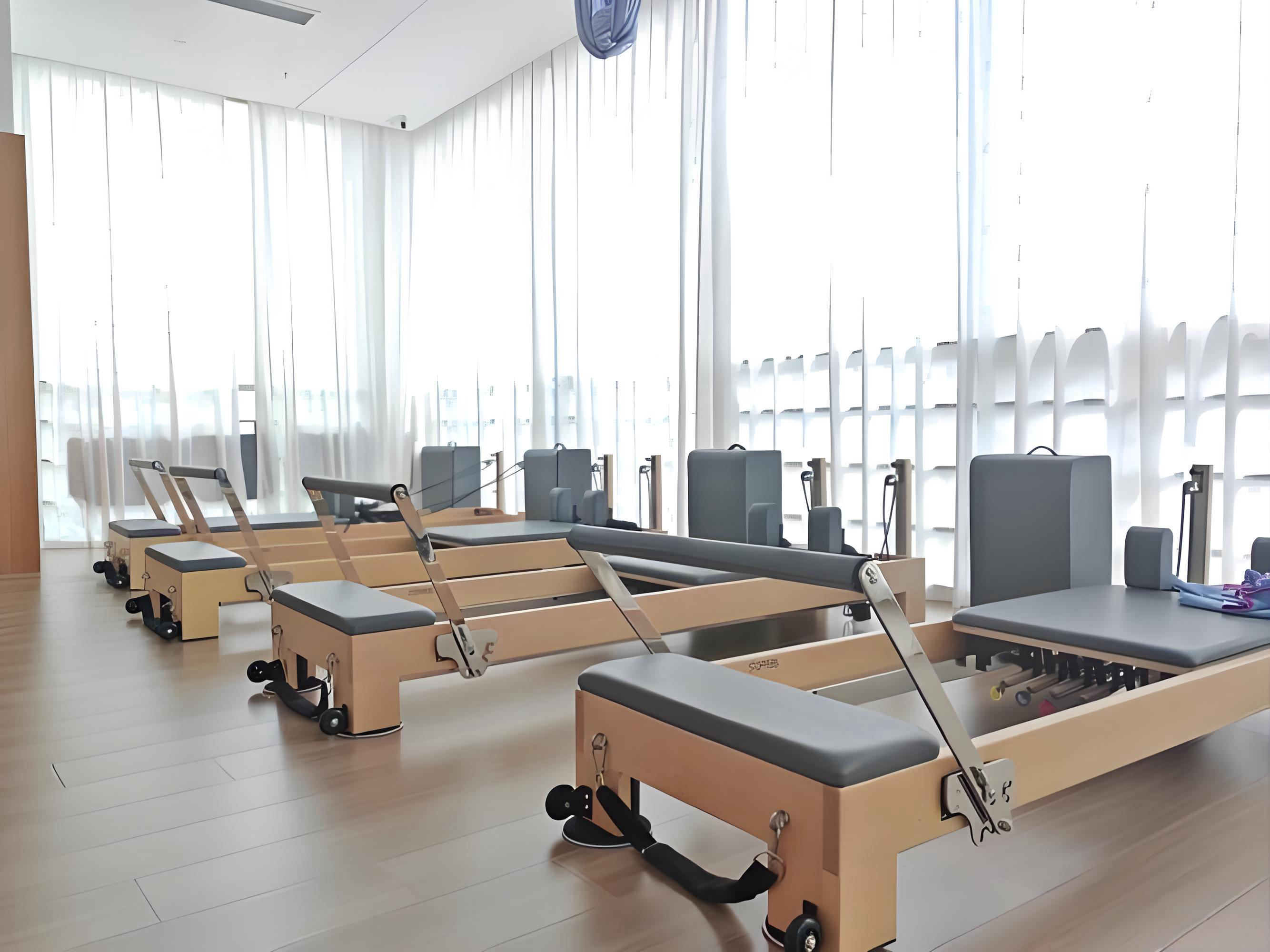
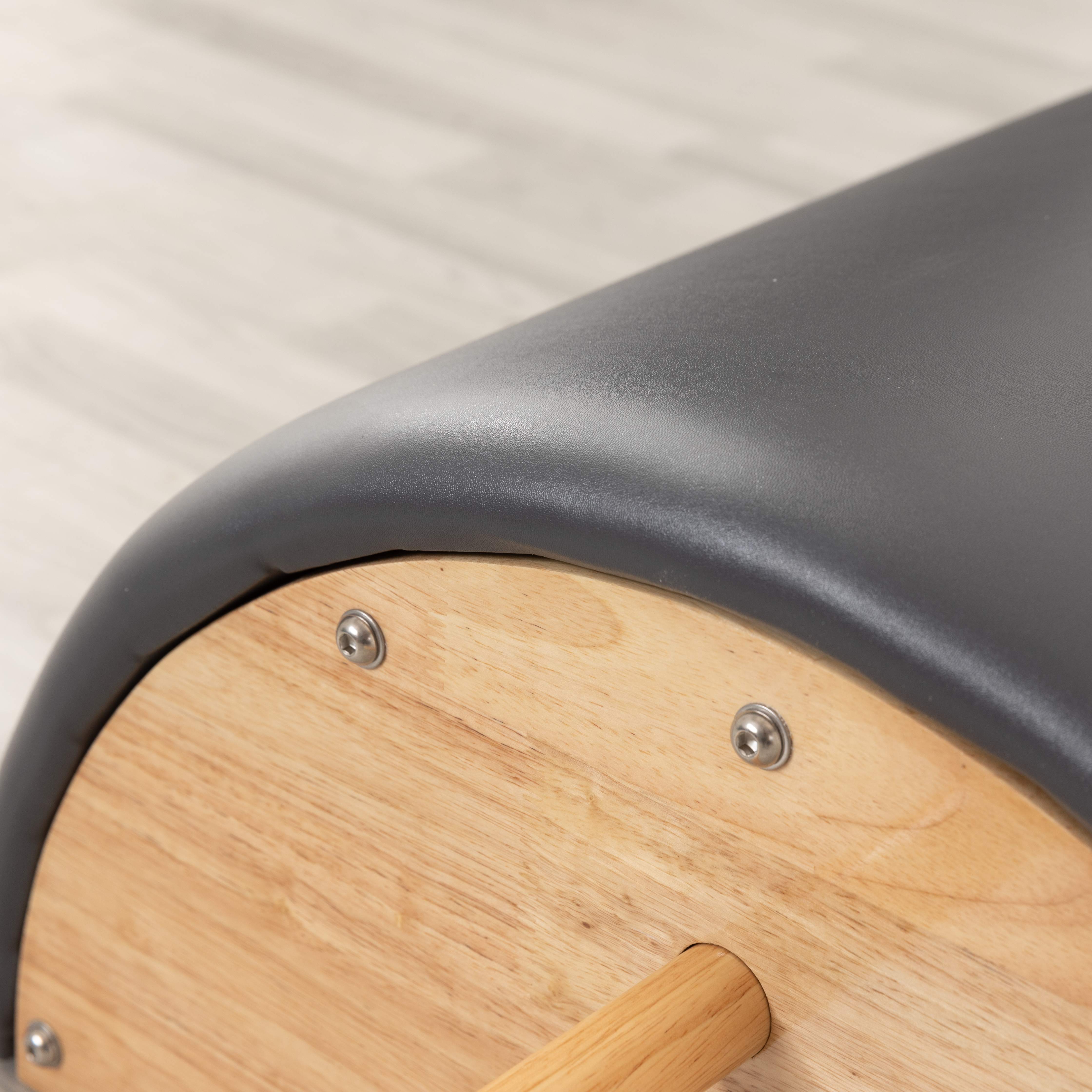
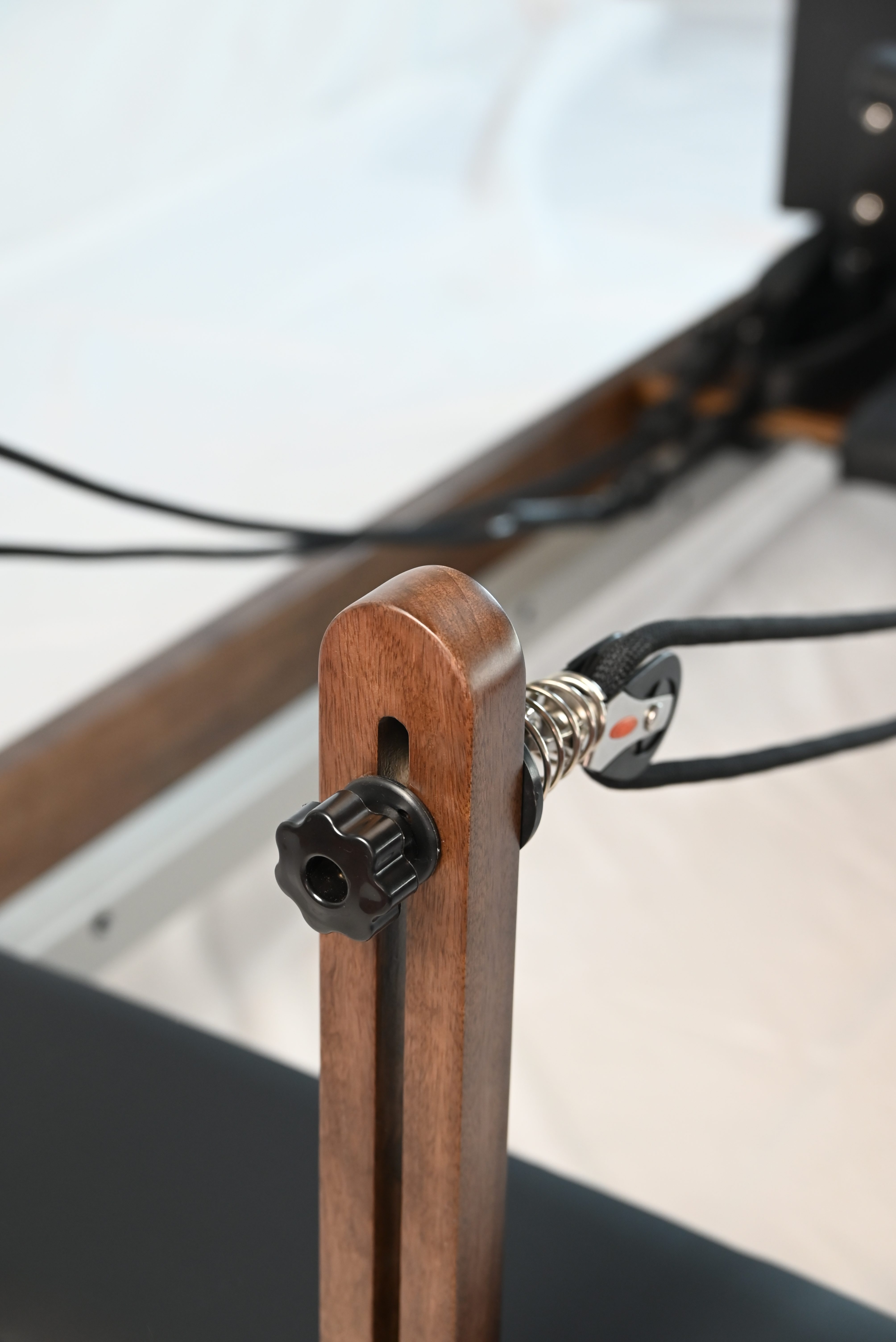
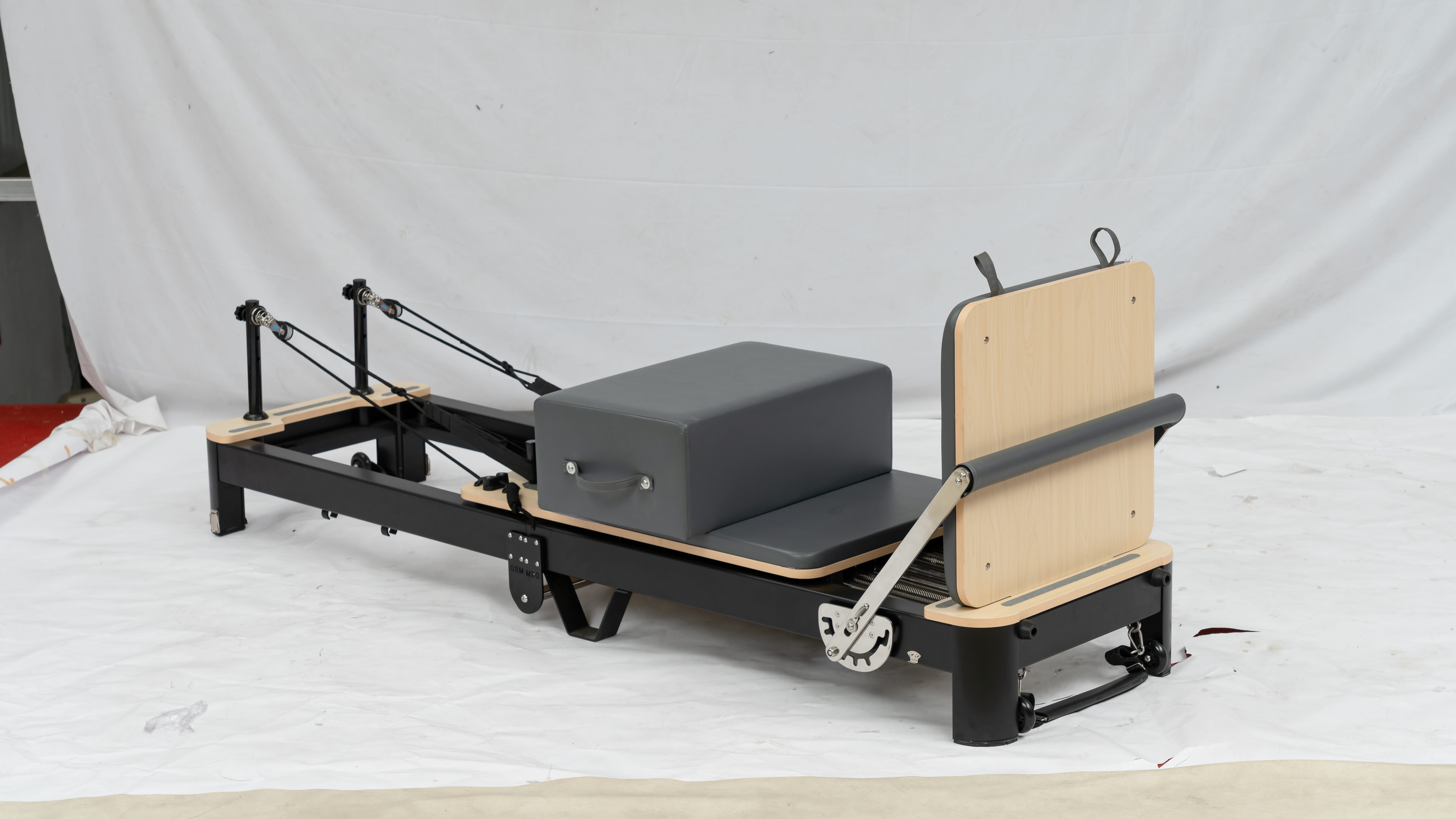
Wood reformers are the traditional choice, rooted in Joseph Pilates' original design principles. Today's wood reformers are built from premium hardwoods including maple, beechwood, and oak.
Advantages:
·Superior aesthetics: Wood frames offer a warm, natural look that blends beautifully into home studios and wellness spaces, creating a calm, boutique-style environment. Fine maple grain can even look like a piece of art in your living space.
·Quieter operation: Wood absorbs small vibrations, making the carriage movement feel smoother and quieter. Maple's dense fiber structure minimizes tremors during movement.
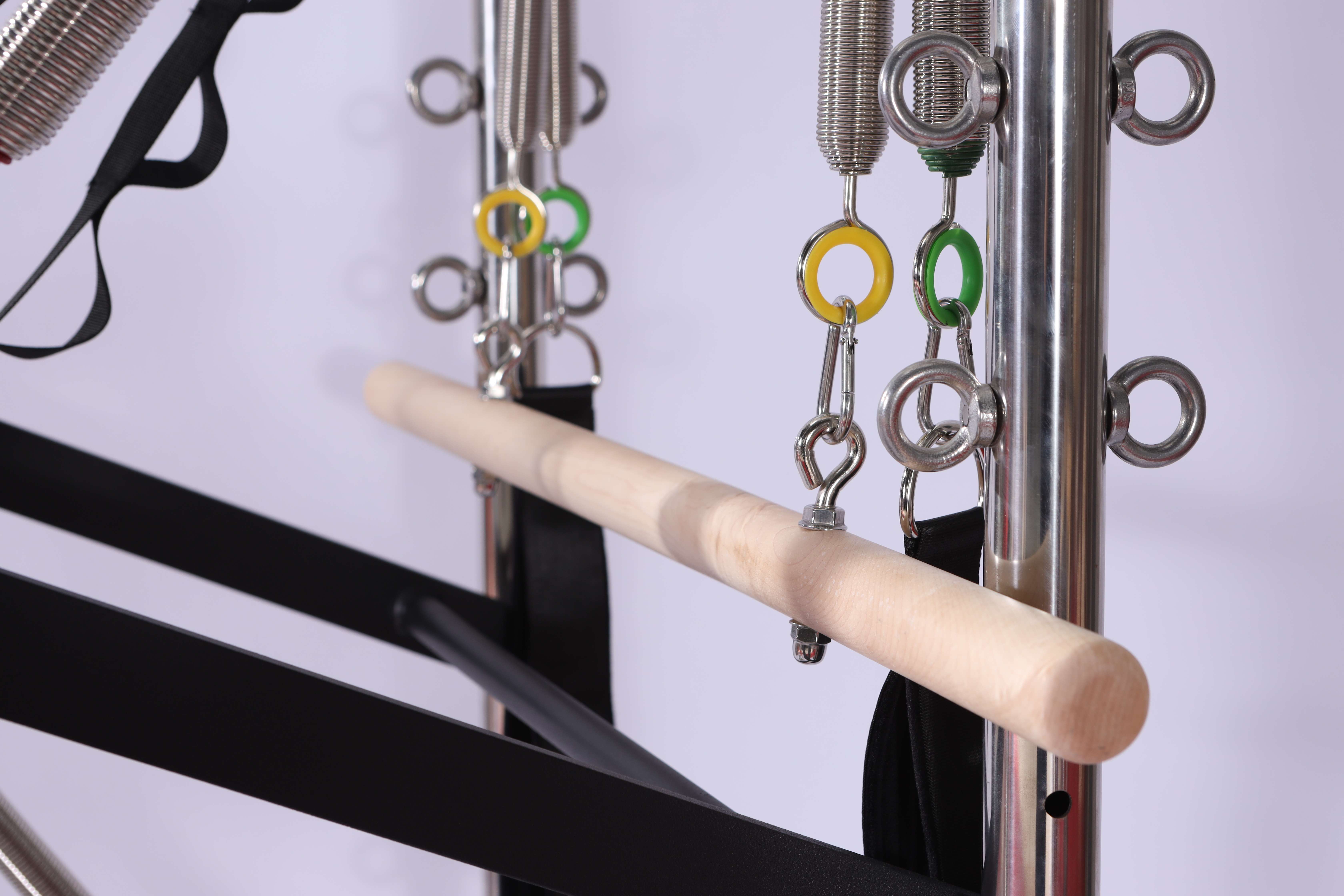
·Comfortable underfoot: Wooden footbars feel warmer and more comfortable against bare feet than cold metal, especially in cooler climates.
·Excellent stability: The heavier weight gives wood reformers a grounded presence on the floor, providing solid stability during dynamic exercises.
·Long lifespan: Quality hardwood reformers can last for decades with proper maintenance.
Disadvantages:
·Humidity sensitivity: Wood naturally responds to changes in humidity and can expand or contract depending on the climate. In humid environments, improper moisture content can lead to warping or cracking.
·Heavier weight: Wood reformers are typically heavier and less portable than aluminum alternatives.
·Higher price point: Premium hardwood models command a higher price due to the craftsmanship involved.
·More maintenance: Wood requires occasional care to maintain its finish and protect it from environmental changes.
II. Aluminum Reformers
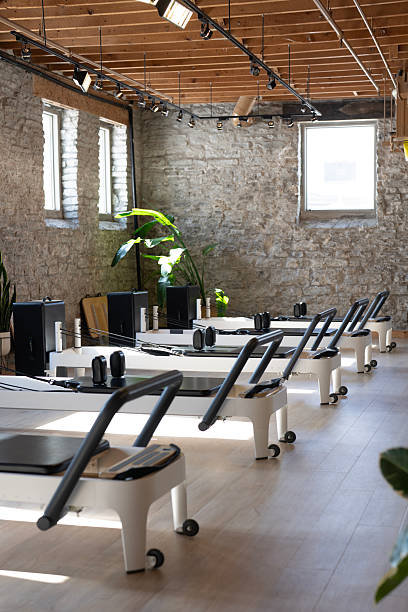
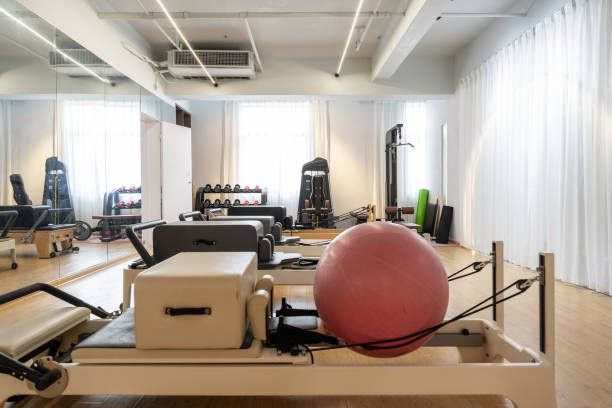
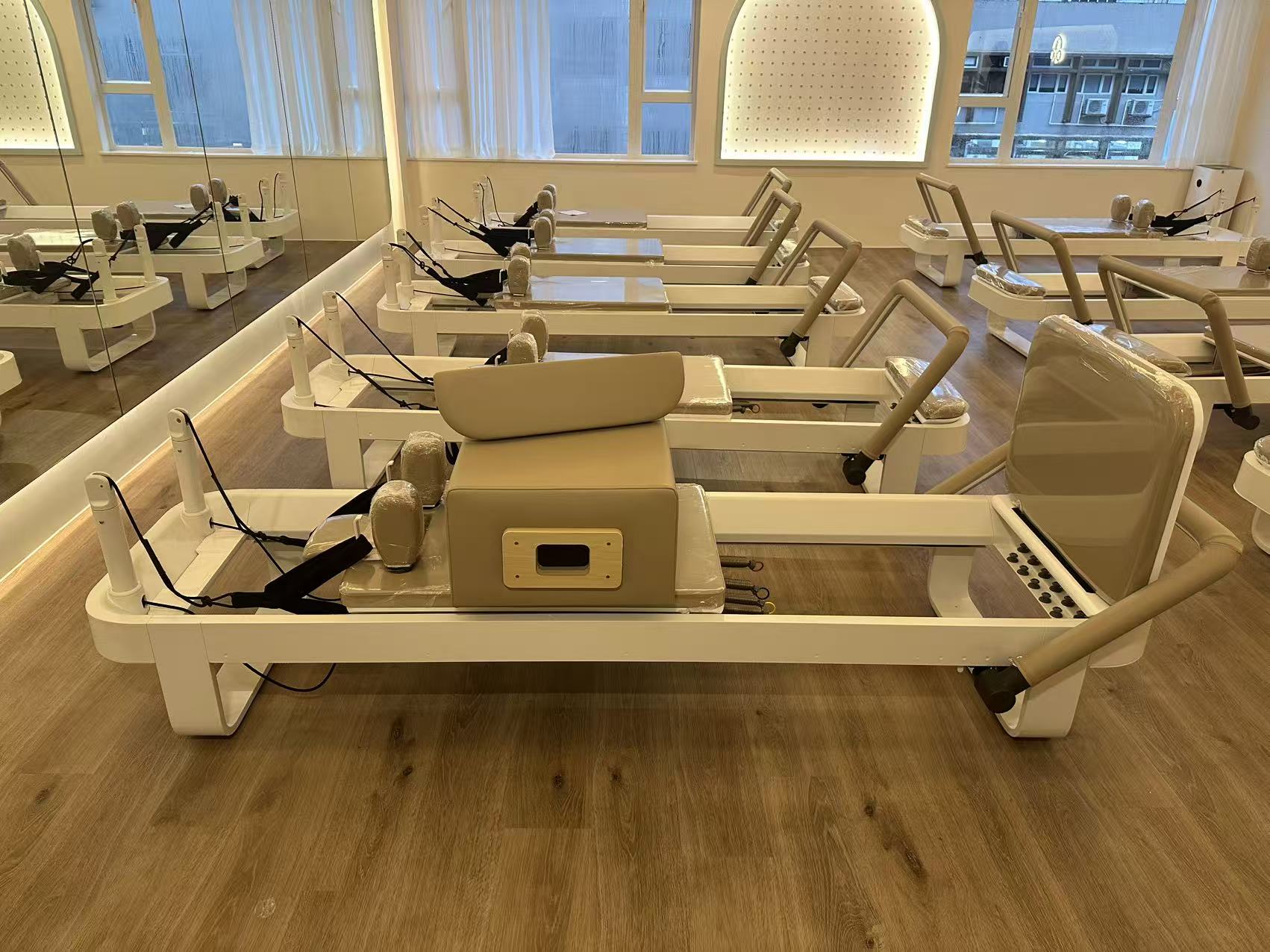
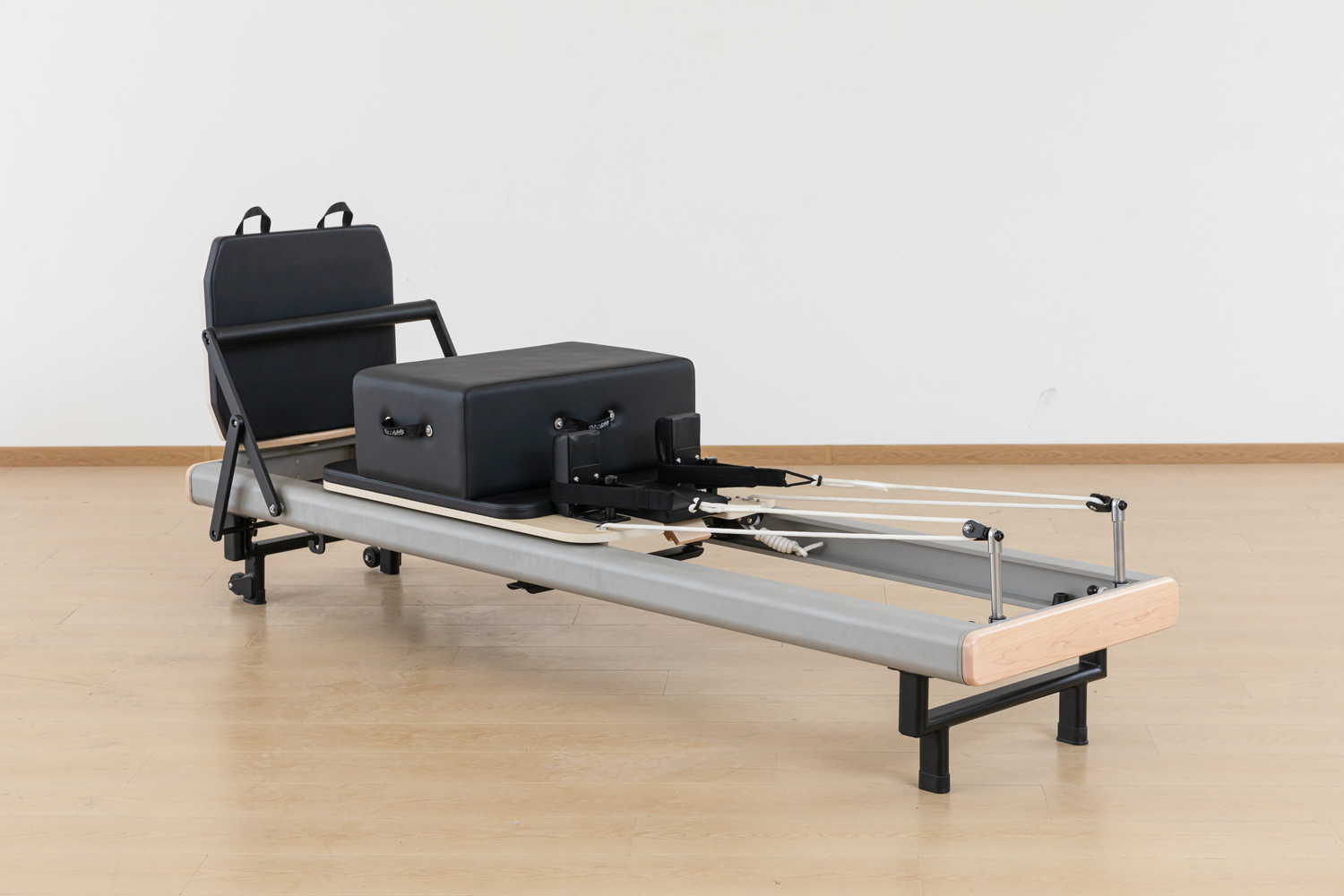
Aluminum reformers represent modern industrial design and are commonly found in high-traffic commercial studios.
Advantages:
·Lightweight and portable: Aluminum's low density makes reformers significantly lighter than wood—easy for one person to move. Ideal for studios that frequently reconfigure space or for home users who need to fold and store equipment.
·Rust and corrosion resistant: Aluminum is highly durable, resistant to moisture and sweat, ensuring a long service life. For balconies or sun-exposed areas, aluminum is the more reliable choice.
·Resists warping: High-quality aluminum frames resist warping and can tolerate heavy daily use without noticeable changes in alignment. For studios running 8-10 classes daily, aluminum is the top recommendation.
·Low maintenance: Smooth metal surfaces are easy to wipe clean between sessions, requiring no complex care.
·Modern aesthetic: Clean lines and a sleek, minimalist appearance suit contemporary fitness spaces.
Disadvantages:
·Cooler aesthetic: The industrial look of aluminum lacks the warmth of wood and may feel out of place in cozy home environments.
·Cold underfoot: Metal footbars can feel cold and less forgiving against bare feet.
·Potentially harder to repair: Some users report that aluminum reformers are more troublesome to repair when issues arise.
III. Key Comparison
The differences between wood and aluminum reformers can be broken down across several practical dimensions:
·Aesthetics: Wood frames offer a warm, natural, and premium appearance that blends seamlessly into home and boutique settings. Aluminum, in contrast, delivers a modern, minimalist, industrial look that suits contemporary fitness spaces.
·Weight and stability: Wood reformers are heavier, with a lower center of gravity, providing rock-solid stability during dynamic exercises. Aluminum reformers are significantly lighter and easier to move by hand, making them ideal for studios that frequently reconfigure layouts.
·Environmental adaptability: Wood responds to humidity changes and requires climate control to prevent warping or cracking. Aluminum is inherently rustproof and moisture-resistant, performing reliably in humid climates or on balconies without special care.
·Noise level: Wood's dense fiber structure absorbs vibrations, resulting in a smoother, quieter carriage glide. Aluminum tends to produce a crisper, slightly more metallic sound during movement.
·Foot comfort: Wooden footbars feel warmer and more pleasant against bare feet, especially in cooler environments. Metal footbars can feel cold and less forgiving underfoot.
·Maintenance: Wood requires occasional surface care to protect its finish from humidity. Aluminum is practically maintenance-free—simply wipe down with a damp cloth after each use.
·Price: Premium hardwood reformers command higher prices due to craftsmanship. Aluminum models in the same quality tier are generally more affordable, often offering better value for the budget.
·Ideal use cases: Wood is best suited for home studios and boutique spaces where aesthetics and ambiance matter most. Aluminum excels in high-traffic commercial studios, small apartments, and scenarios where portability and frequent rearrangement are priorities.
Ultimately, neither material is universally superior—your choice should reflect your environment, usage frequency, and personal design preferences.
IV. Which One Should You Choose?
Choose wood if you:
·Primarily use it at home and value aesthetic warmth and ambiance
·Prefer a quiet, smooth carriage glide
·Want a comfortable barefoot experience
·Can control environmental humidity (e.g., with air conditioning or dehumidifiers)
·Have the budget for premium craftsmanship
Choose aluminum if you:
·Run a commercial studio with high daily usage
·Need to move, fold, or reconfigure your space frequently
·Live in a humid area or plan to place the reformer on a balcony
·Have limited space and prioritize lightweight storage
·Prefer a modern, minimalist design aesthetic
V. Buying Tips
·For wood: Look for premium hardwoods like white maple, which offers higher density and stability than beech or rubberwood. Check the frame's edge thickness and watch for visible knots or defects.
·For aluminum: Pay attention to the thickness and width of the frame material—these directly affect quality and stability.
·Try before you buy: The smoothness of the springs and the feel of the carriage glide are best experienced in person. If that's not possible, request a video demonstration.
·Consider long-term value: A quality reformer is a long-term investment. Don't just look at the upfront price—consider durability and lifespan.
Final Thoughts
Both wood and aluminum reformers can support a strong Pilates practice. Wood offers timeless beauty, quiet operation, and a warm, grounded feel—perfect for home environments and boutique studios. Aluminum delivers commercial-grade durability, portability, and low maintenance—ideal for busy studios and modern spaces. The best choice ultimately depends on your environment, usage level, and design preference. Choose the one that makes you excited to step onto the carriage every day.