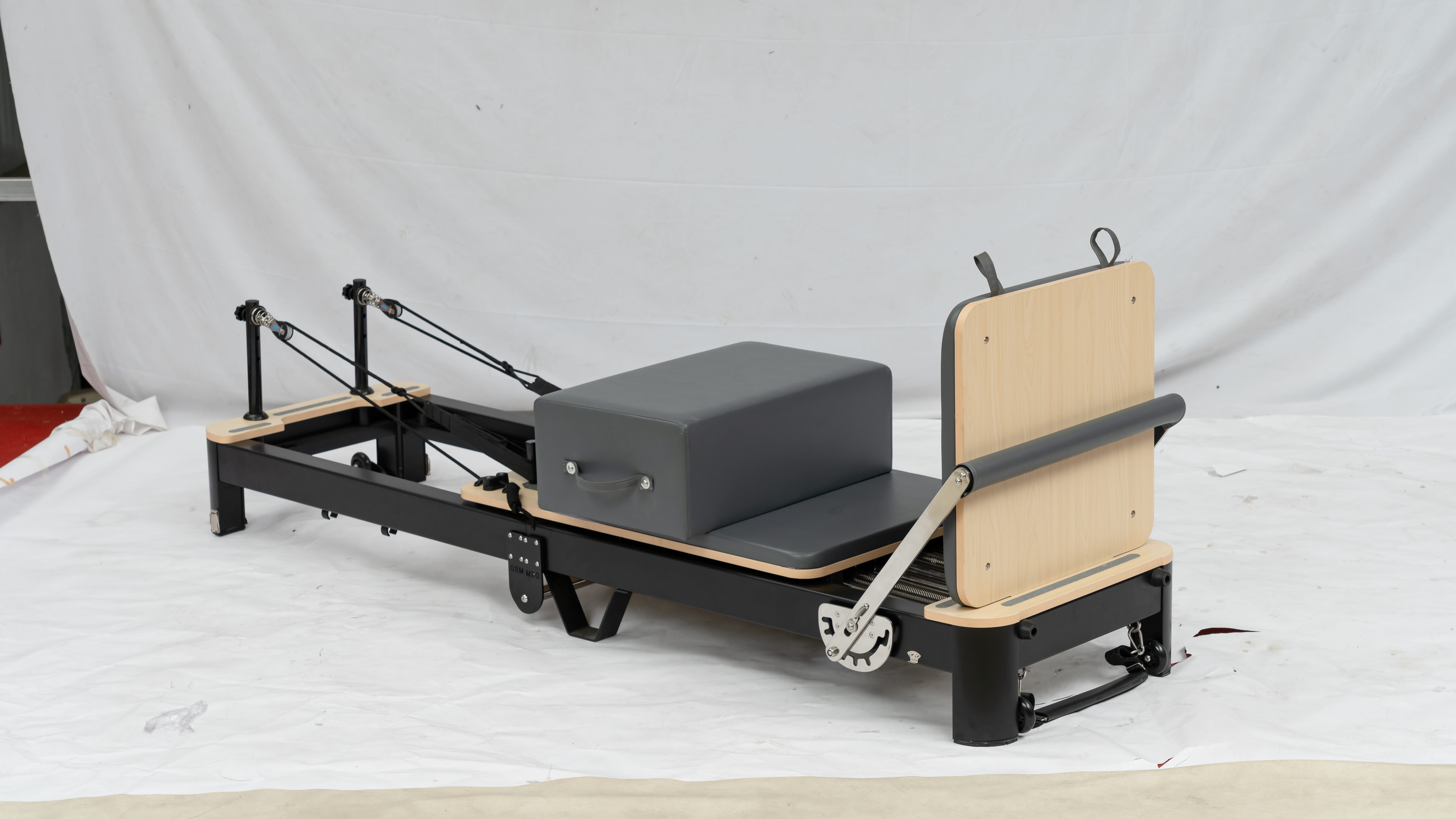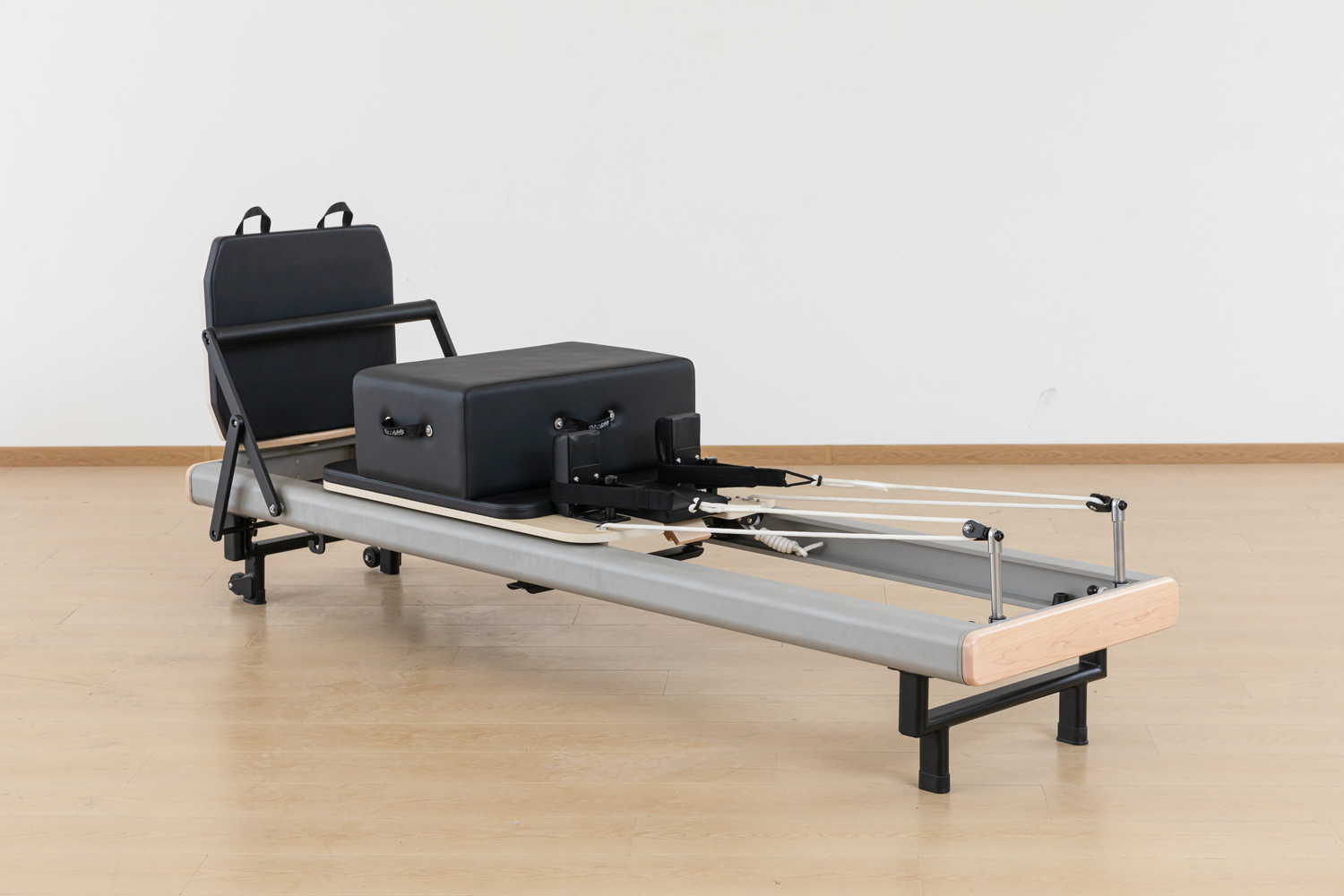
Why Do High-End Pilates Reformers Use Beechwood?
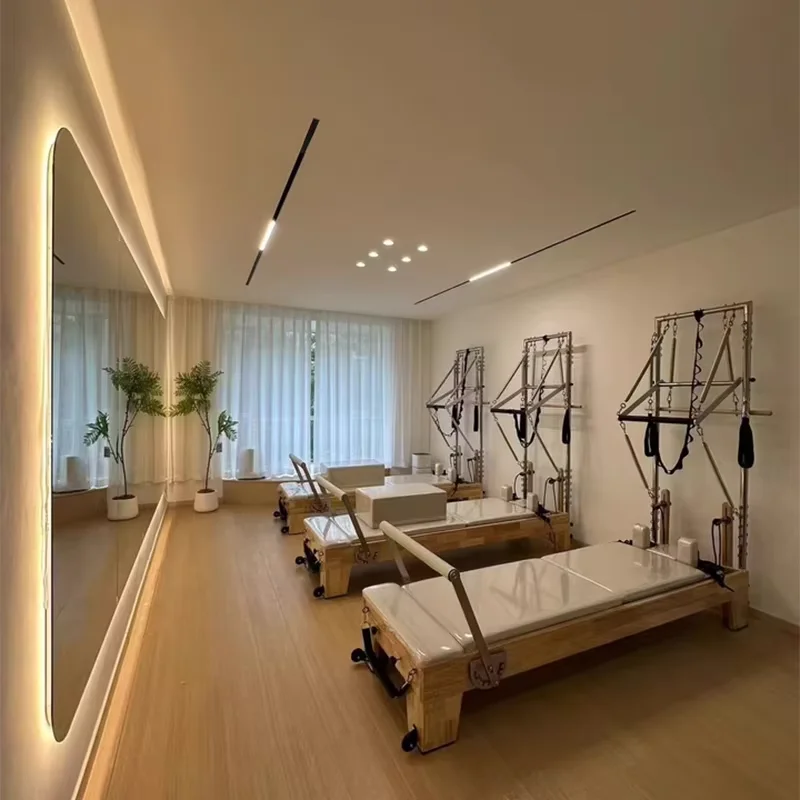
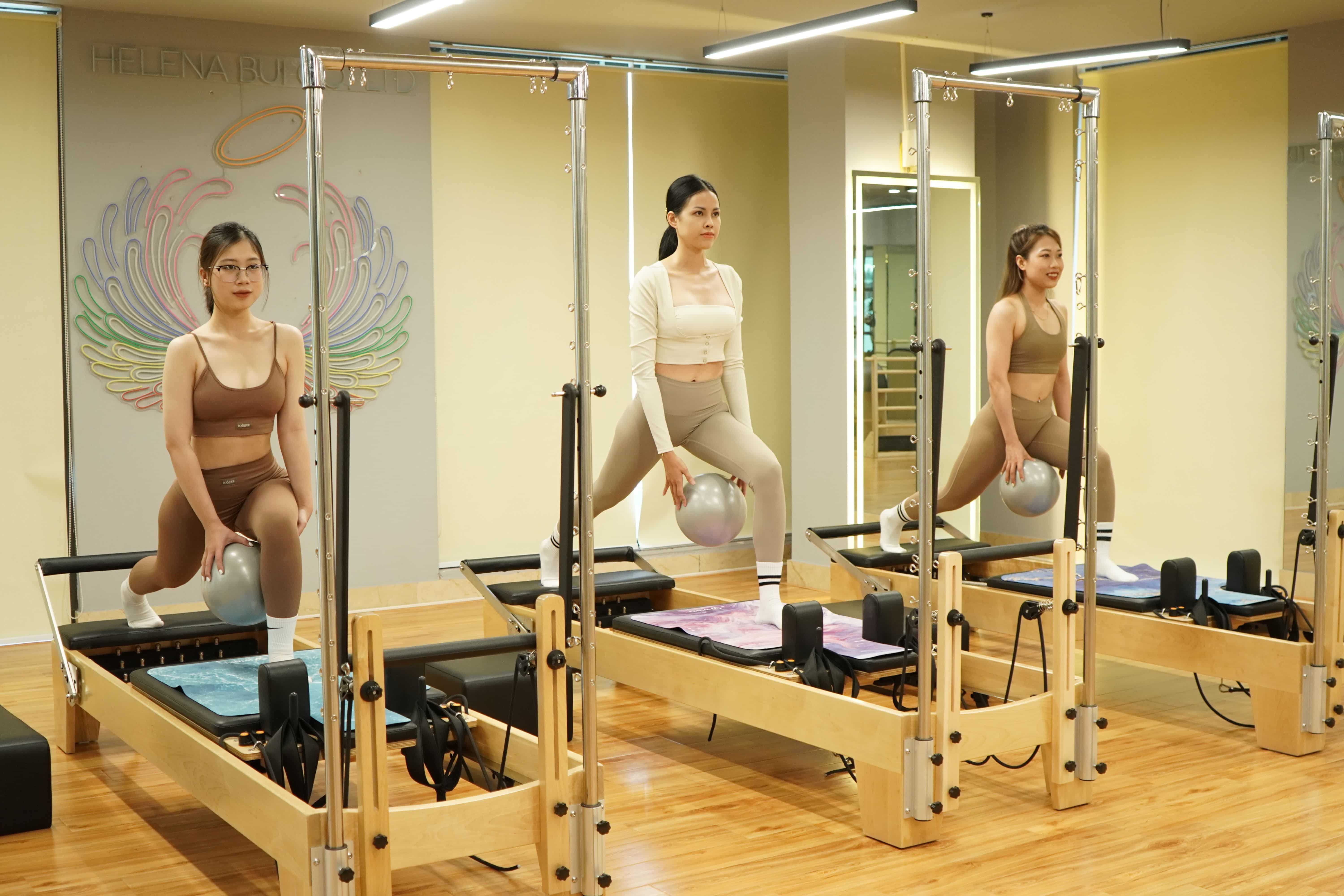
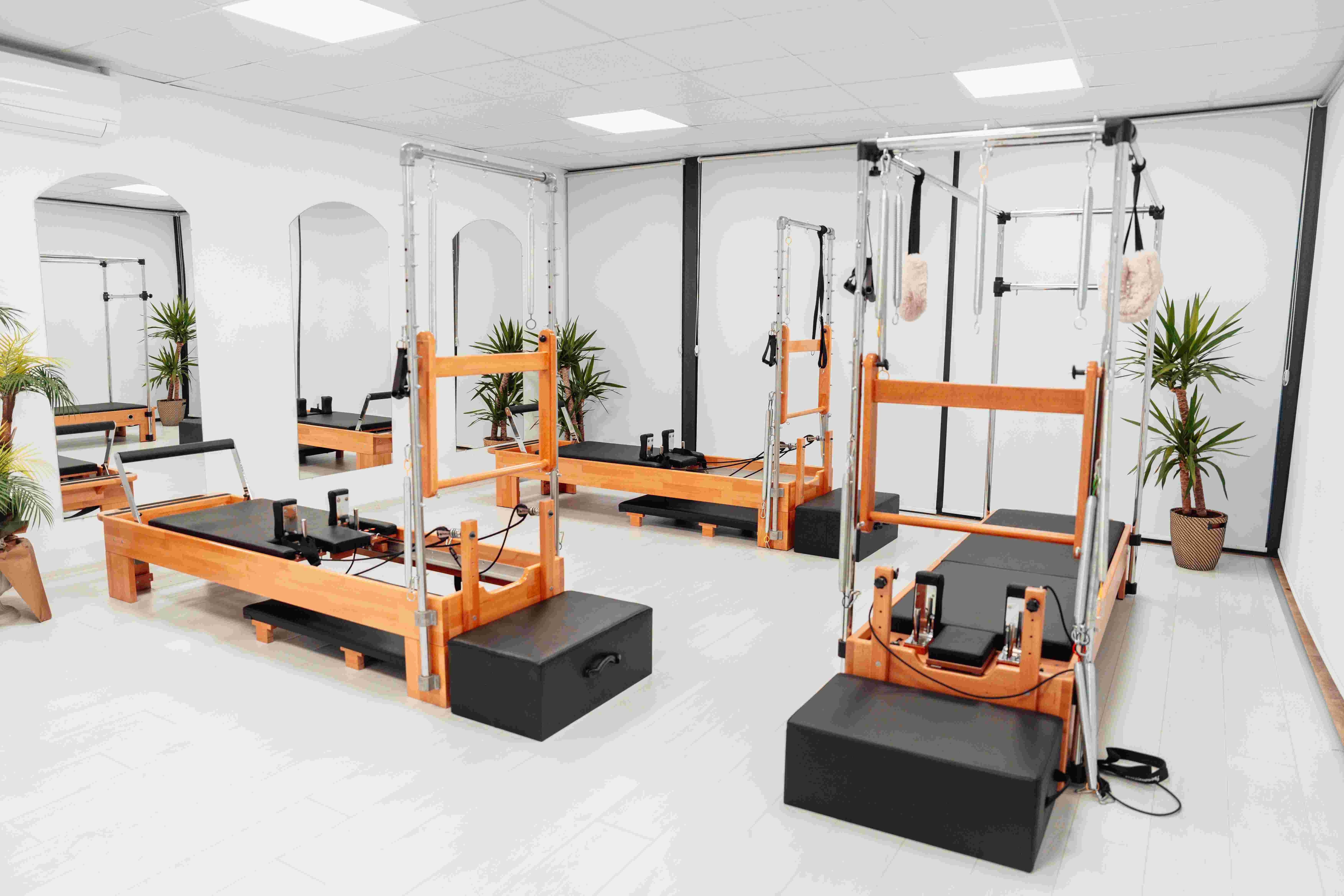
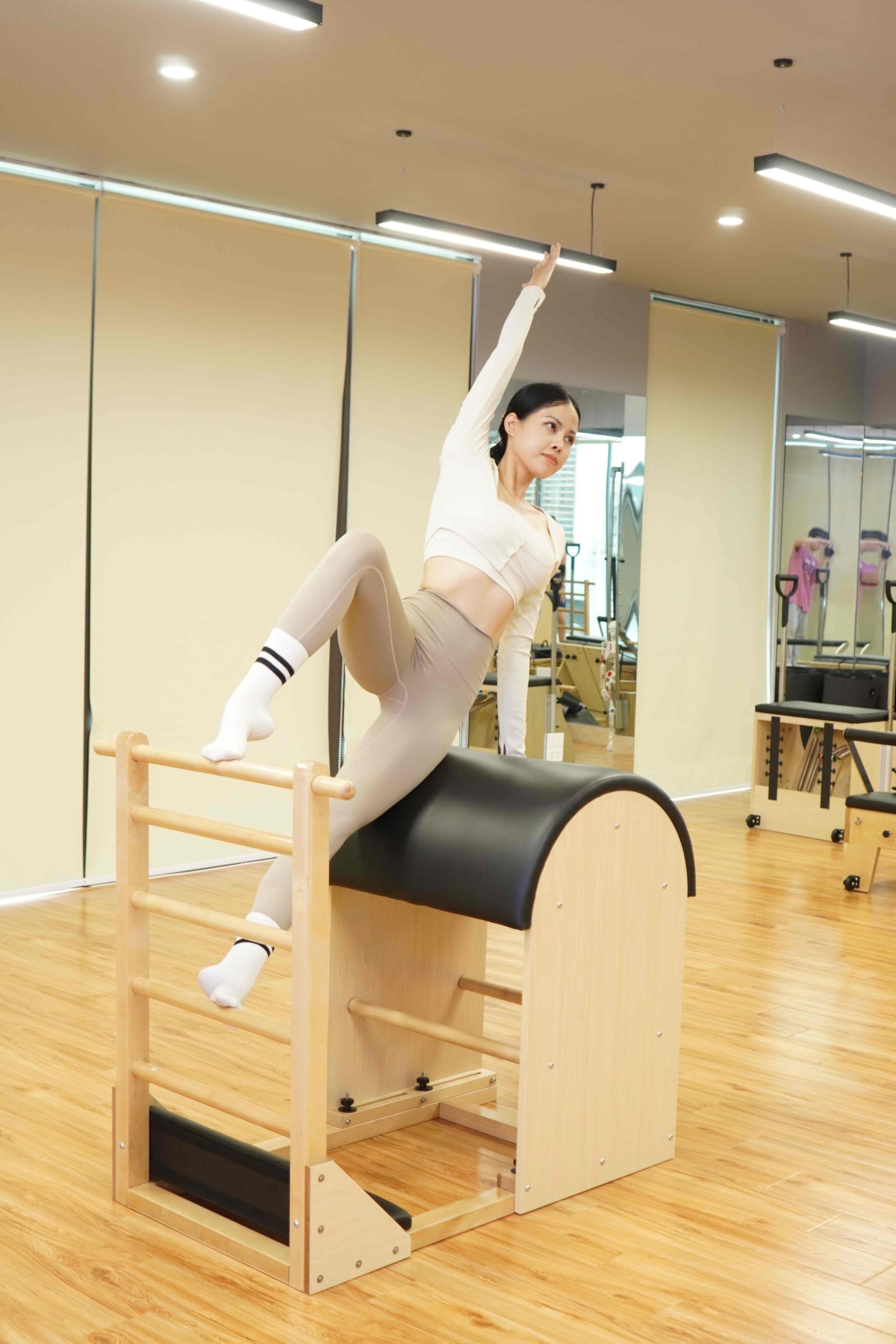
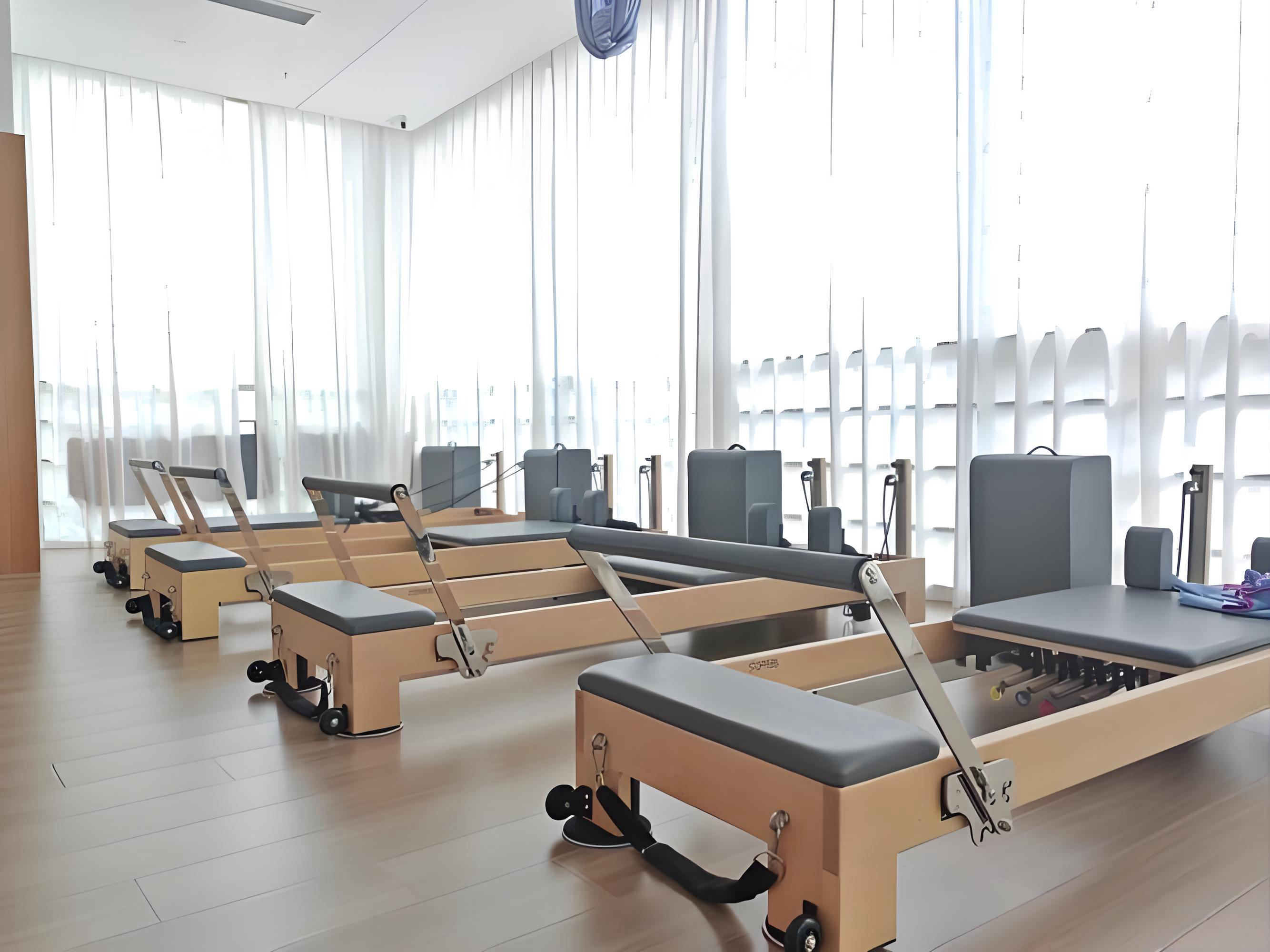
Walk into any boutique Pilates studio, and you'll notice a pattern: most of those premium, beautifully crafted reformers feature beechwood frames. This is no coincidence. Among the many wood options available, beechwood has become the material of choice for high-end Pilates equipment manufacturers—and for good reason. This article explores the multiple factors that make beechwood the preferred choice for premium reformers.
I. Superior Physical Properties: Hard, Heavy, and Impact-Resistant
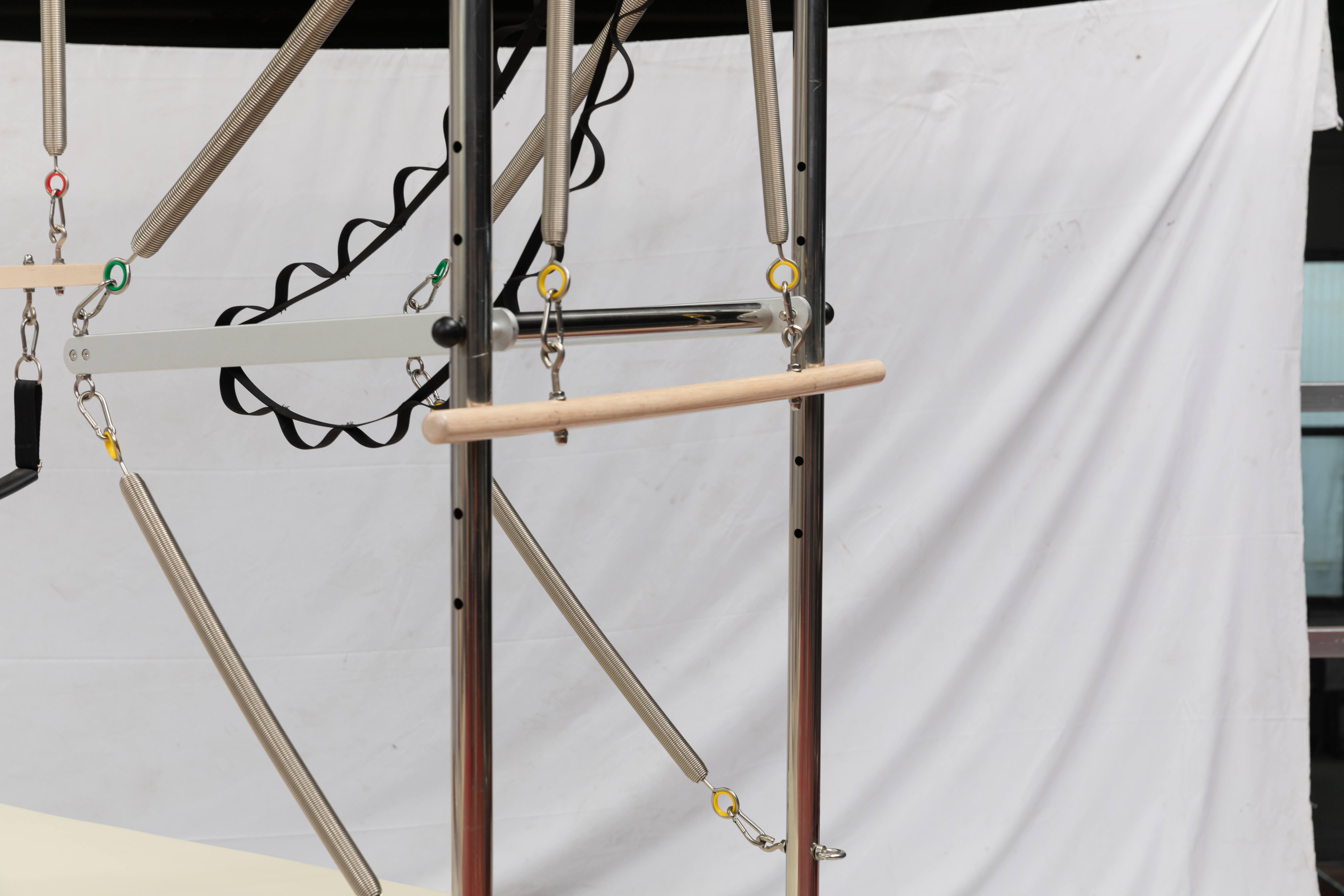
A Pilates reformer's core function is to support dynamic human movement—the carriage glides back and forth along rails, the spring system provides resistance, and the entire frame must withstand repeated impact and vibration. This demands a frame material with sufficient hardness and strength.
Beechwood delivers exactly that. It is a heavy, hard, and strong wood with exceptional shock resistance. Its air-dry density ranges from approximately 0.67 to 0.80 g/cm³, with a compressive strength of 56.3 MPa and a bending strength of 118 MPa. Research shows that beechwood's bending strength, stiffness, hardness, shear strength, and splitting resistance are approximately 20% higher than European oak, while its impact resistance is about 40% higher. This means that under the repeated dynamic loads of reformer use, beechwood frames maintain their structural integrity over the long term without warping or damage.
As one manufacturer notes, beech is "highly regarded in furniture and equipment manufacturing for its exceptional hardness, straight grain, and resistance to wear and shock". This durability is exactly what commercial studios running 8-10 classes daily require.
II. Excellent Machinability and Dimensional Stability
Beechwood isn't just hard—it's also workable.
One of beechwood's unique advantages is its ability to bend easily under steam, allowing for a variety of shaped components. A reformer's frame is not simply straight-line joinery—headrests, shoulder rests, and other components often require curved or contoured designs. Beechwood can be steam-bent into shape and holds that form upon cooling, offering designers tremendous creative freedom.
Even more critical is dimensional stability. When high-end reformer manufacturers select wood, their primary concern isn't "does it look good now?" but "will it still be stable in three years, in five years?" Beechwood features a tighter, more uniform grain than oak or maple, offering superior dimensional stability. Premium manufacturers subject beechwood to rigorous drying and curing processes, reducing moisture content to below 8% to prevent warping over time. Imported Croatian beechwood, processed through solid-wood direct-carving techniques—"one single piece from end to end, no splicing"—further ensures the frame's sturdiness, stability, and load-bearing capacity.
III. Natural Shock Absorption and Noise Reduction
Pilates exercises aim for a smooth, precise and continuous movement experience. Any unnecessary vibrations or noises will interfere with the concentration of the practitioners.
Wood possesses natural shock-absorbing properties—beechwood absorbs micro-vibrations, allowing the carriage to glide more smoothly and quietly. Users report that reformers built with natural beechwood frames feel "warm, solid, and stable—with absolutely no wobble when you step on them". Compared to the crisp metallic sounds of metal frames, beechwood creates a more serene practice environment, where every movement feels grounded and focused.
IV. Warm Aesthetics and Tactile Comfort
A high-end reformer is not just a training tool—it's part of the space.
Beechwood features clear, attractive grain and soft, flowing tones that are pleasing to the eye. Compared to white maple's fresh elegance and rubberwood's noticeable color variation, beechwood offers a warmer tone that feels more inviting. This visual warmth perfectly complements the "healing" and "comfortable" atmosphere that Pilates studios aim to create.
Tactile feel matters too. Beechwood frames feel warm against bare feet during practice, never cold or harsh like metal. One user described it perfectly: "The wood grain is warm; the equipment has temperature"—this sense of warmth is an essential part of the premium Pilates experience.
V. Sustainability and Value for Money
Among premium hardwoods, beechwood offers a rare balance of quality and affordability.
On one hand, beechwood is a renewable hardwood resource, with mature sustainable forestry management systems in place across Europe (especially Germany, Croatia, and other regions). Some brands specifically note that beechwood generates less waste during production and helps reduce environmental impact.
On the other hand, while beechwood is more expensive than common rubberwood, it remains far more affordable than top-grade white maple. This means manufacturers can deliver high-quality solid wood frames at reasonable cost without passing excessive expenses to consumers. As one industry insider put it: "Beechwood is hard, impact-resistant, and durable"—it achieves an ideal balance of performance and price while ensuring longevity and quality.
Conclusion
High-end Pilates reformers choose beechwood not for any single reason, but for a combination of multiple advantages: sufficient hardness and impact resistance ensure long-term structural stability; excellent machinability enables complex designs; natural shock absorption delivers smooth, quiet practice; warm aesthetics and tactile comfort elevate the space; and reasonable value makes this premium material accessible to more high-end brands.
As top international brands like Balanced Body and Gratz use beechwood for their premium product lines, beechwood has become something of a "standard specification" for quality reformers. The next time you step onto that warm beechwood reformer, you might just appreciate that quiet strength a little more.