How Do Reformer Springs Affect Training Outcomes?
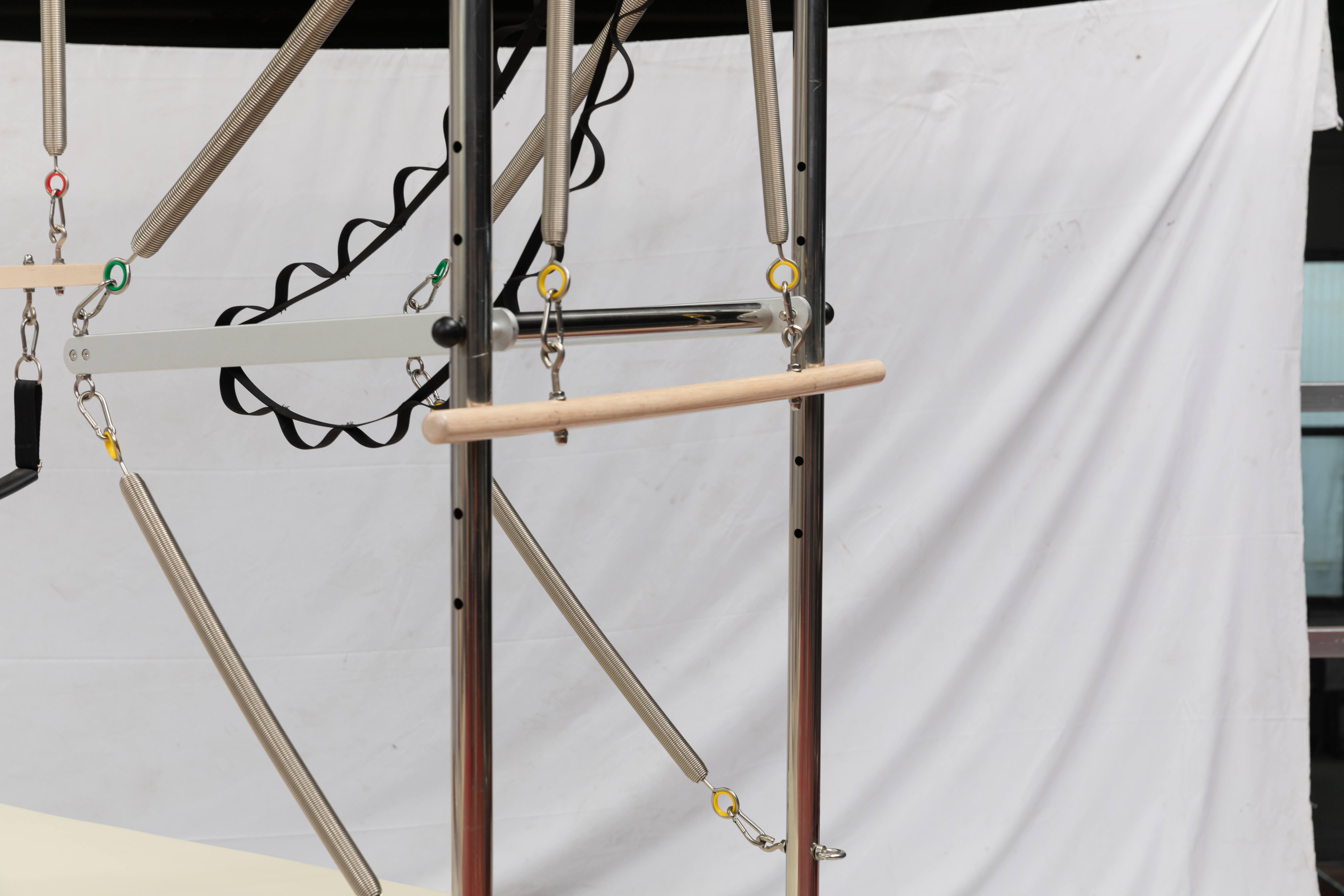
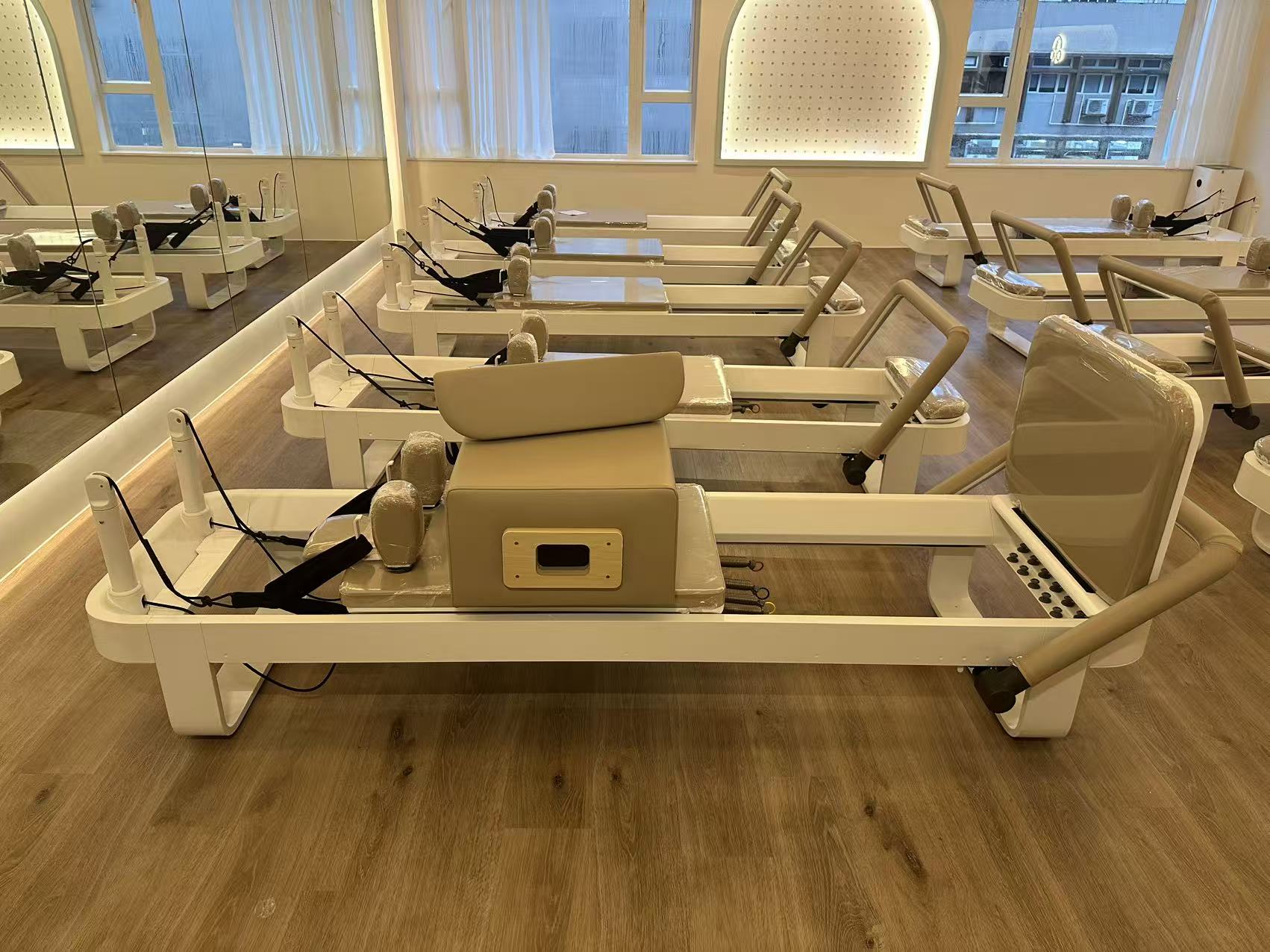
The spring is the core component of the Pilates Reformer — it is the source of resistance and a key variable determining training outcomes. Unlike traditional fitness equipment that uses constant-weight weight plates, the Reformer's springs feature variable resistance: the further a spring is stretched, the greater the resistance it provides. This physical property fundamentally changes the logic of training, making spring selection an essential topic for both instructors and practitioners.
I. The Physics of Springs: The Fundamental Difference from Barbells
Traditional strength training equipment uses weight plates or stacks, with resistance remaining constant throughout the movement. On a leg press machine, 100 pounds is always 100 pounds, regardless of the user's height or limb length.
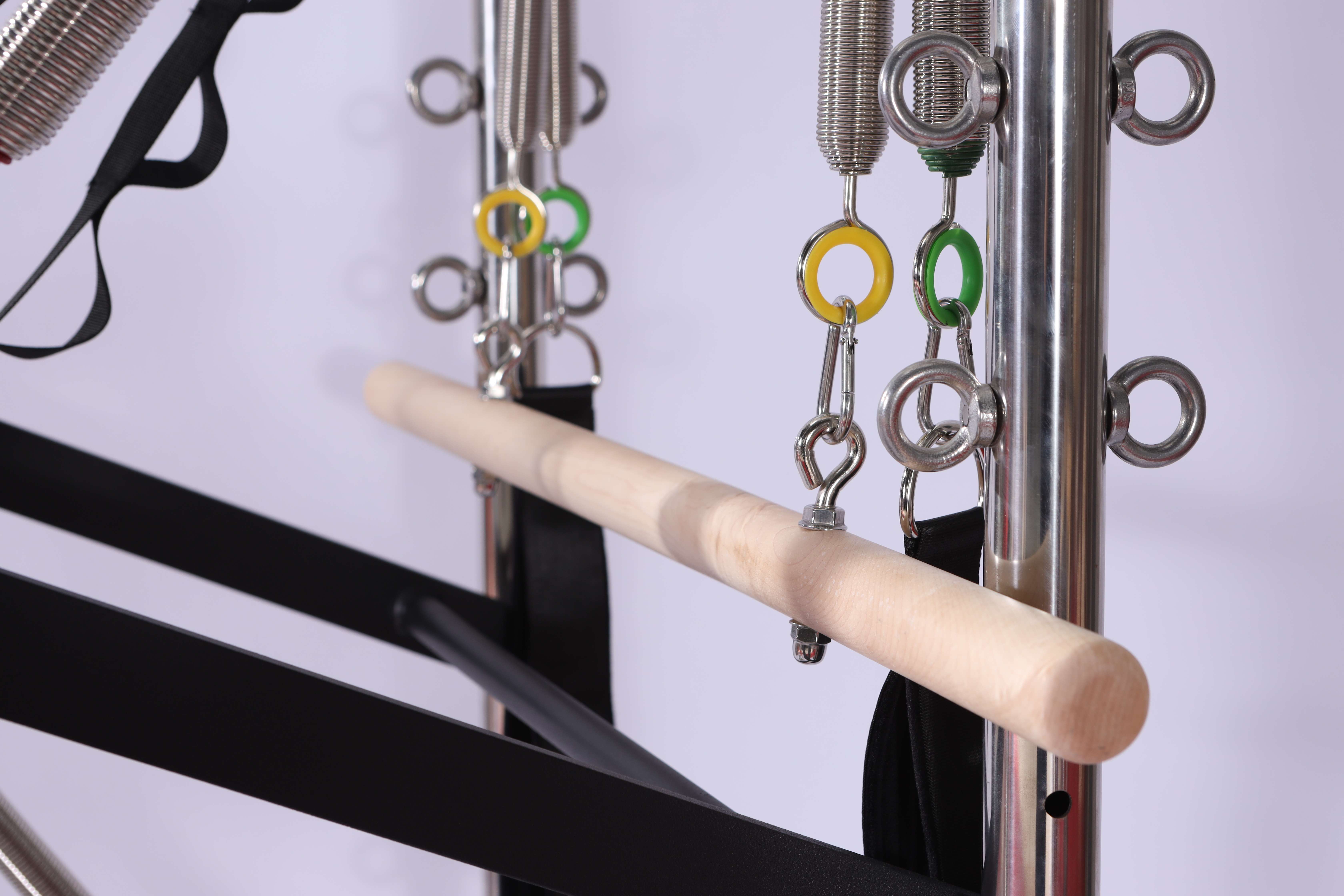
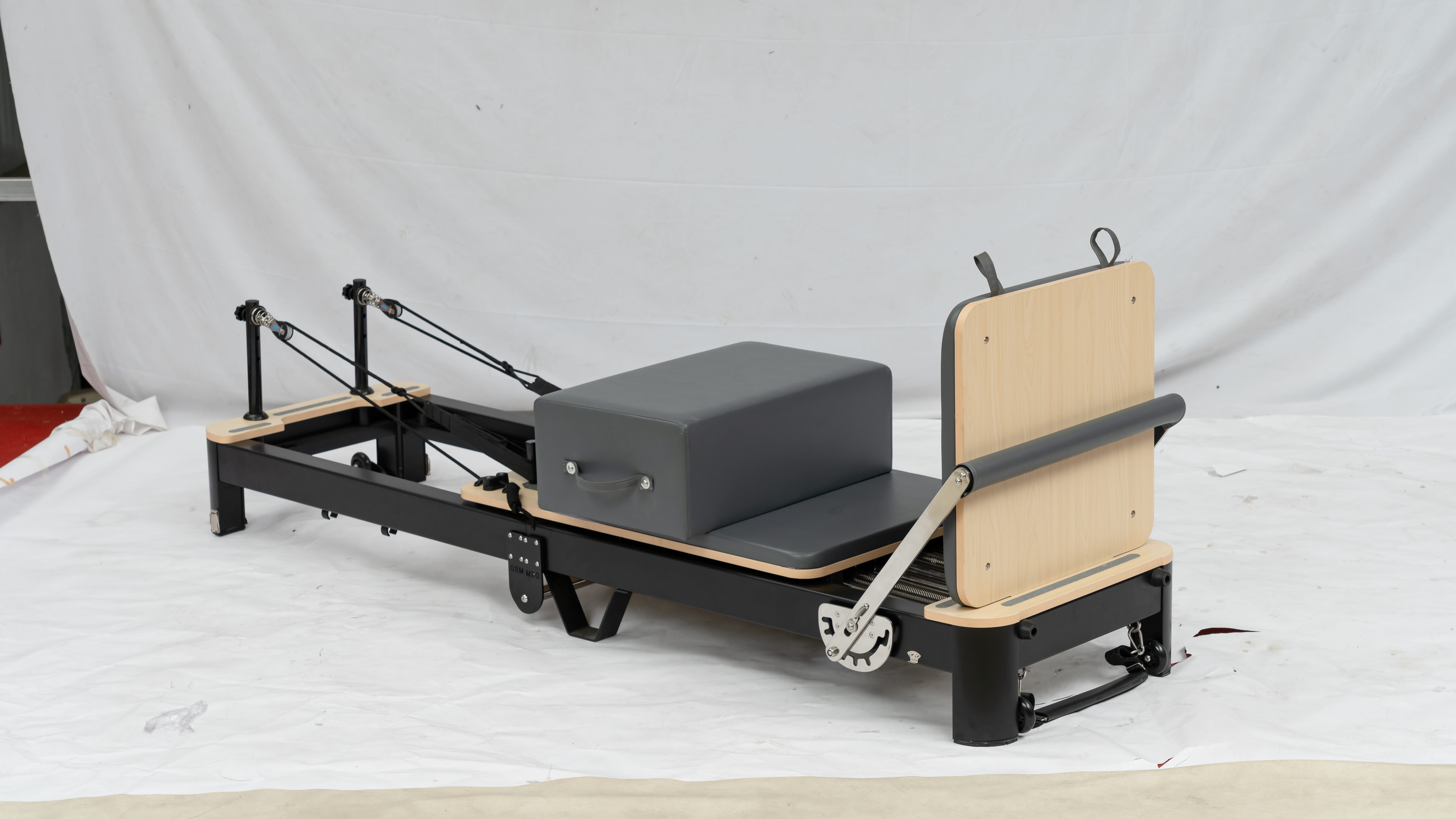
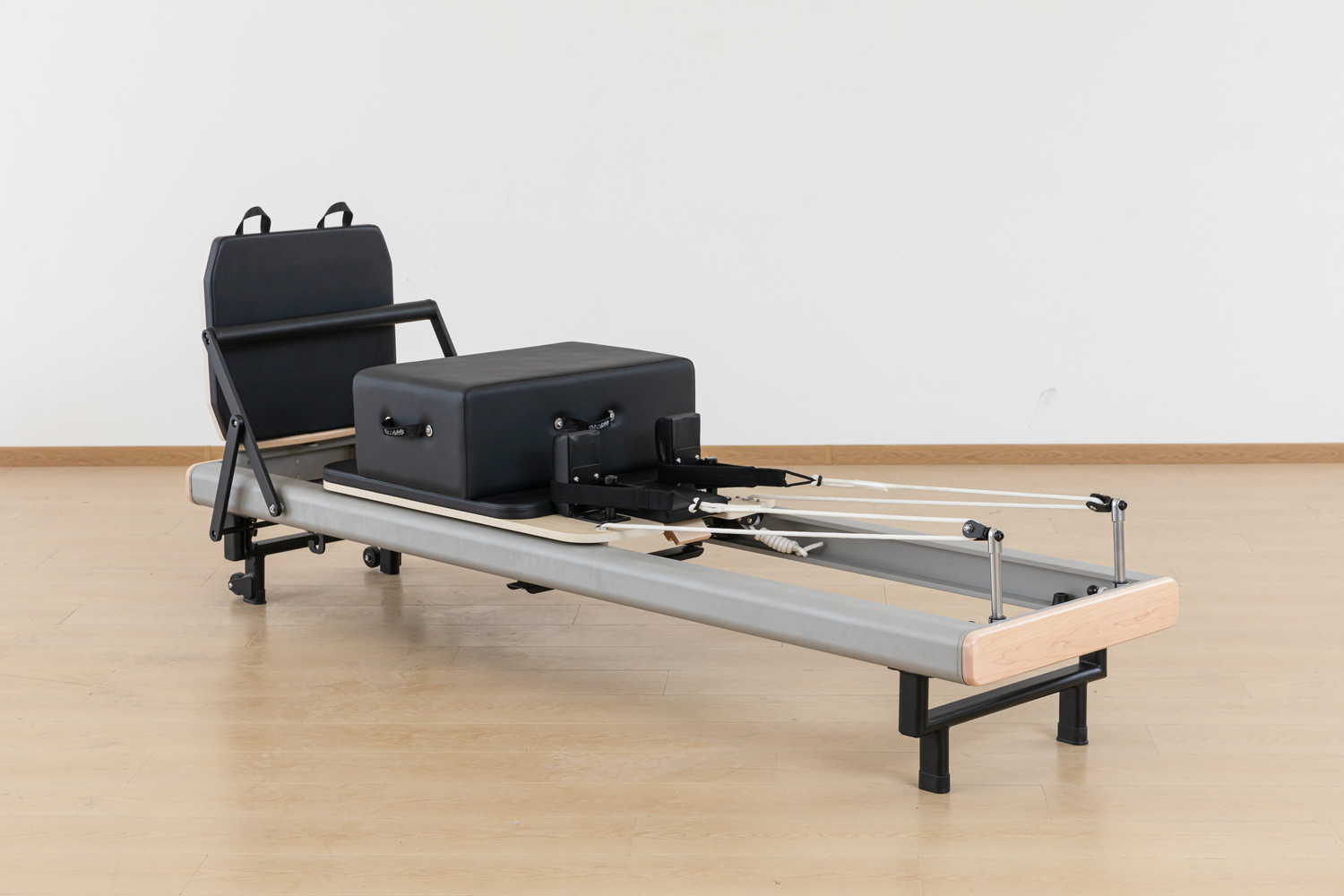
The Reformer's springs work completely differently. They are "tension/extension springs" — the more they are stretched from their resting position, the greater the opposing force they exert, meaning the resistance increases as the spring is stretched further. In Reformer Footwork, as the carriage is pushed away from the footbar, the springs lengthen and resistance gradually increases; as the carriage returns to its starting position, the springs shorten and resistance decreases.
The practical impact of this difference: A taller practitioner with longer legs stretches the springs further at the end range of movement, experiencing greater resistance; a shorter practitioner experiences less. With the same spring combination, a person who is 183 cm tall may face approximately 55 pounds more resistance at end range than a person who is 152 cm tall.
This means that the same Reformer with the same springs produces different training stimuli for different body types — and this is not a design flaw, but an inherent characteristic of spring-based training. Experienced instructors leverage this property to make targeted adjustments for different clients on the same equipment.
II. Two Roles of Spring Resistance
The impact of springs on training goes far beyond "more resistance equals harder." Springs actually play two distinctly different roles in training.
The first role is "resistance" — the most intuitive understanding. Springs provide opposing force, increasing muscle load and enhancing strength training effects. Greater spring resistance means higher exercise difficulty and stronger muscle stimulus. In exercises like Footwork and leg extensions, adding springs directly increases the lower body load and strength training intensity.
The second role is "assistance" — this is where Pilates fundamentally differs from traditional fitness. In certain exercises, springs are not "opponents" but "helpers." Take the Long Stretch exercise: the spring's tension helps return the carriage, and the practitioner must use their core strength to control this return process, rather than simply "pushing out".
Scientific research confirms this mechanism. A 2024 study involving 18 healthy women tested three different spring conditions during core exercises (hip roll, knee-off, and elephant). Results showed that on the low-resistance spring platform, muscle activity in the rectus abdominis, erector spinae, multifidus, and biceps femoris was significantly higher than on the moderate-resistance platform and fixed platform (p < 0.001).
This reveals a counterintuitive principle: increasing spring resistance does not always increase exercise difficulty; in some movements, reducing spring resistance actually challenges core control and body stability more. The instability created by low spring resistance — the "unstable" feeling of the carriage — forces the core muscles to work harder to maintain balance.
III. Spring Configuration Logic for Different Exercises
Spring configuration should be adjusted based on the body area being trained and the exercise's purpose.
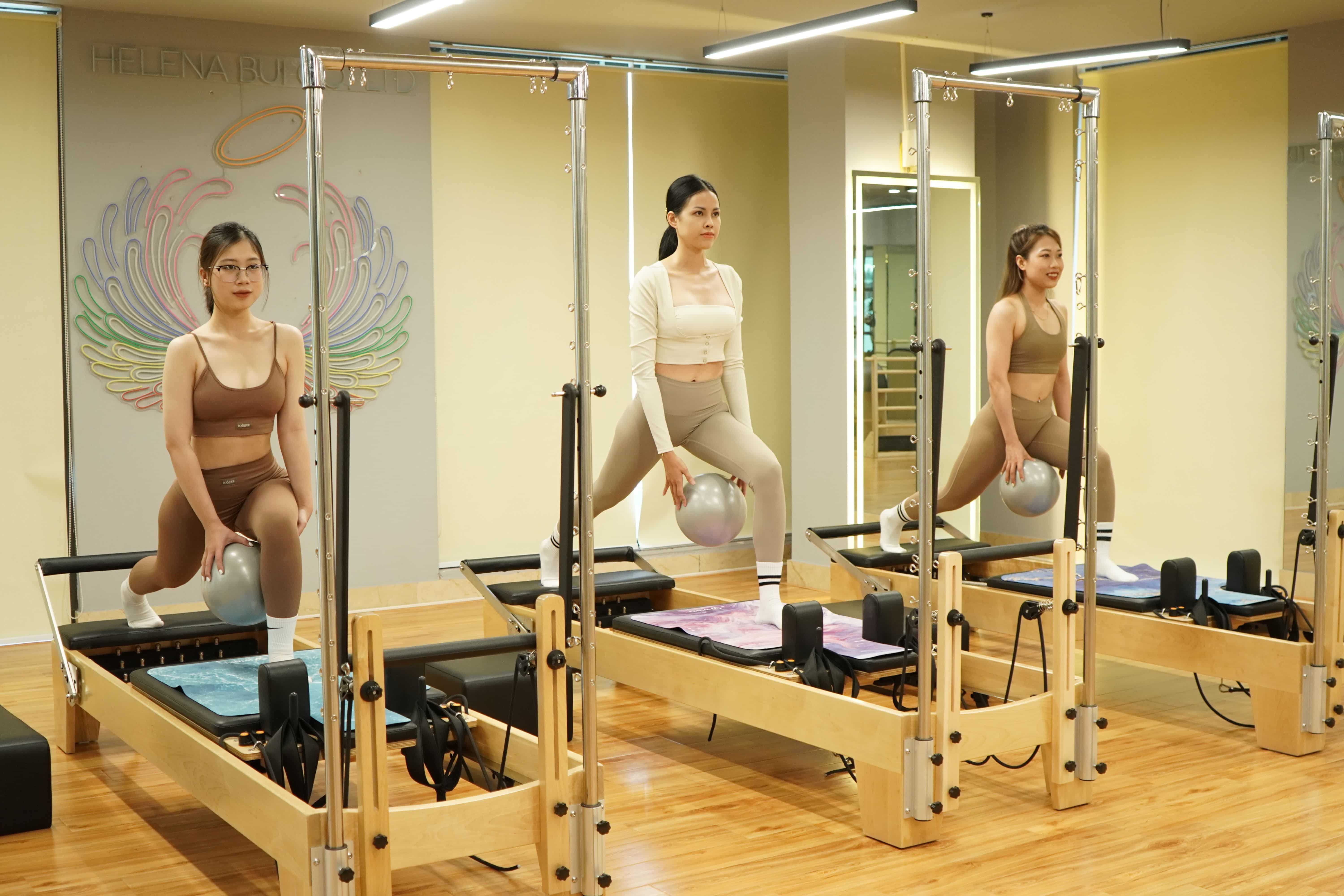
For lower body and hip strength exercises — such as Footwork, leg extensions, and hip lifts — heavier spring combinations are generally recommended, typically 3-4 springs. These exercises require sufficient resistance to activate the glutes and thigh muscle groups.
For core control and balance exercises — such as Elephant and Long Stretch — lighter springs (1-2) are recommended. Under low-resistance conditions, the carriage is more "sensitive," and practitioners must rely on deep core muscles to control movement stability. Research on spinal flexor activity during Reformer exercises found that under no-spring or low-spring-assist conditions, core muscle activation amplitudes were actually higher.
For upper body and shoulder precision exercises — such as seated arm work and front/back pulls — the lightest spring configurations are typically used (1 spring or fewer). Upper body muscles generate less force; overly heavy springs cause compensatory muscle recruitment, reducing targeted isolation.
Spring configuration for beginners: When movement patterns are unfamiliar, moderate spring resistance can provide better support, helping beginners feel the correct muscle activation path. The 2024 study confirmed that spring assistance can enhance beginners' ability to perform movement transitions.
IV. Practical Implications for Different Users
Understanding how springs affect training outcomes provides clear, actionable guidance for different types of users.
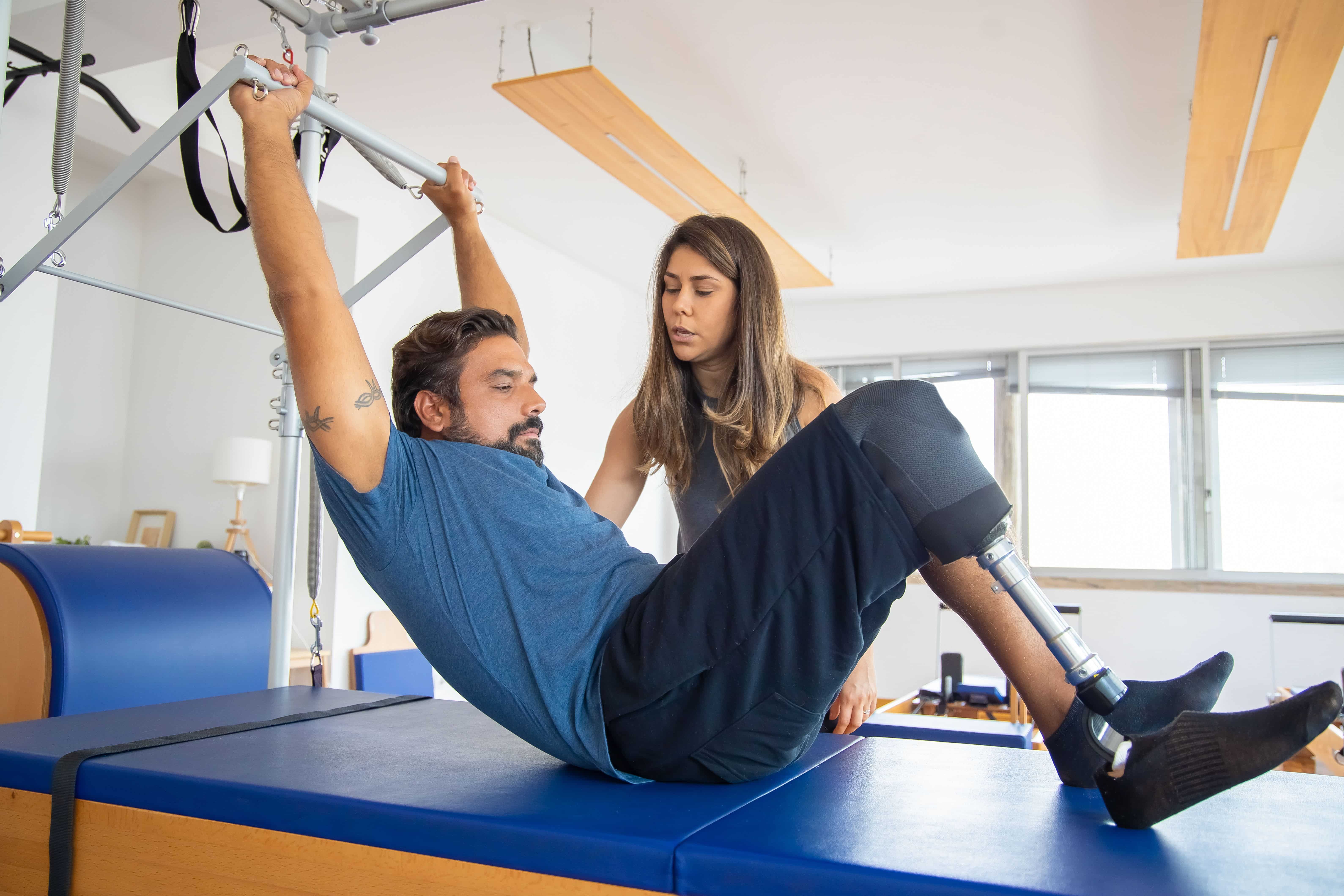
For instructors: Spring combinations should be adjusted based on the client's height, weight, training experience, and current physical condition. Taller clients should have fewer springs in exercises with large range of motion (like Footwork) to avoid excessive end-range loading; deconditioned or rehabilitating clients should use lighter springs or even remove springs to reduce joint stress. Instructors should also understand the "low resistance = high control" principle, actively reducing spring resistance in core stability training to challenge deep core muscles through "instability."
For practitioners: Understanding spring mechanics helps build correct movement awareness. When you work with heavy springs, you are training muscle strength; when you work with light springs, you are training core control and coordination. Both are equally important and should not be neglected.
Summary: The Reformer's springs are a double-edged sword — they serve both as resistance sources in strength training and as assistive tools in core control work. The variable resistance property, the core activation effect under low-resistance conditions, and the differential configuration logic for different exercises collectively form the scientific foundation of Pilates training methodology. Selecting the right spring configuration is not simply about "heavier is better" — it requires precise judgment based on training goals, client conditions, and exercise characteristics. The springs on a Reformer are the most flexible tool in an instructor's hands.