Common Materials Used in Pilates Equipment
The quality of Pilates equipment is largely determined by its materials. The frame, springs, pulleys, upholstery, and foam of a Reformer — the grade and performance of each material directly affect durability, safety, and user experience. Understanding common materials used in Pilates equipment is essential for informed purchasing decisions.
I. Frame Materials
The frame is the "skeleton" of Pilates equipment, determining stability and service life. Three main frame material options are available in the market.
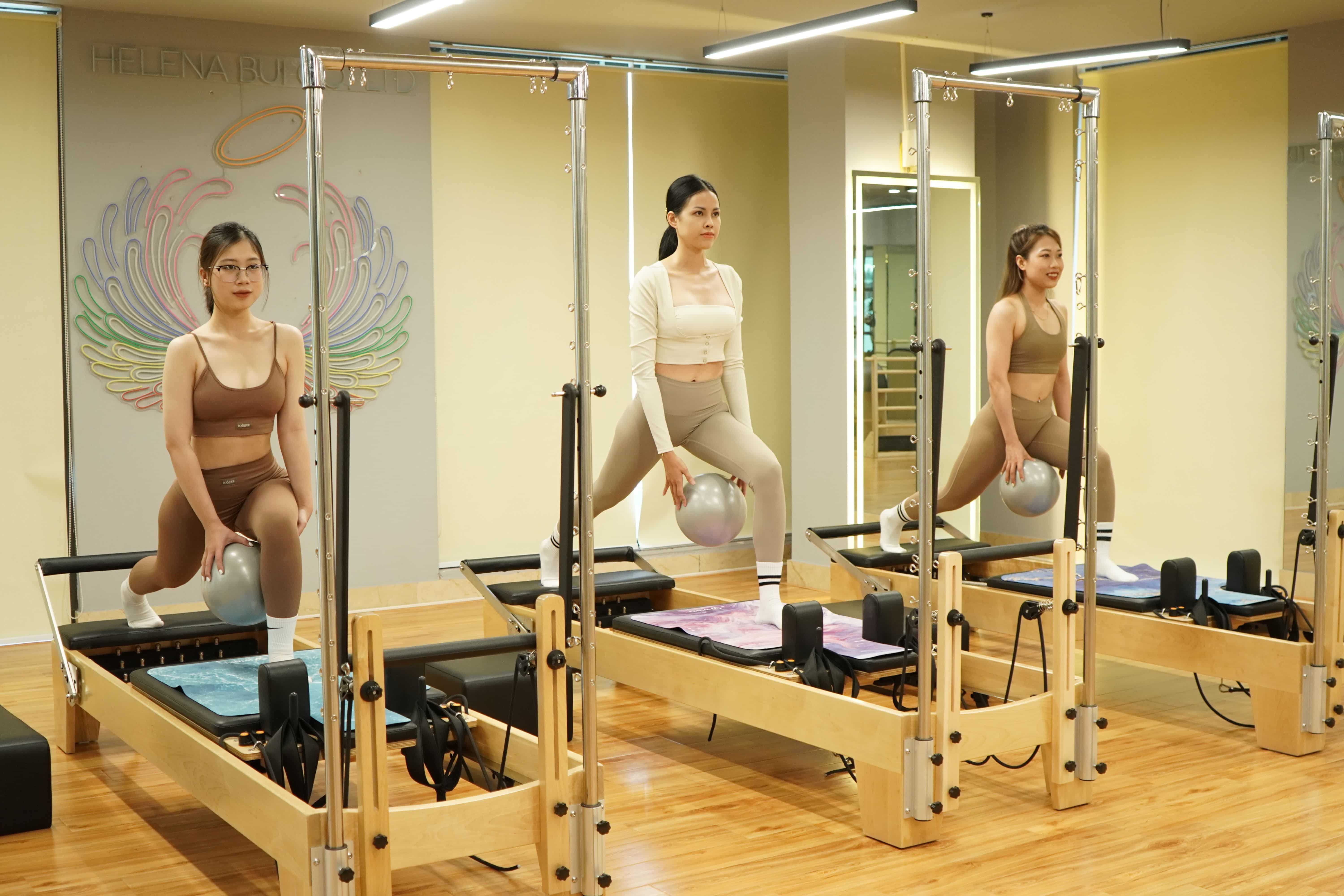
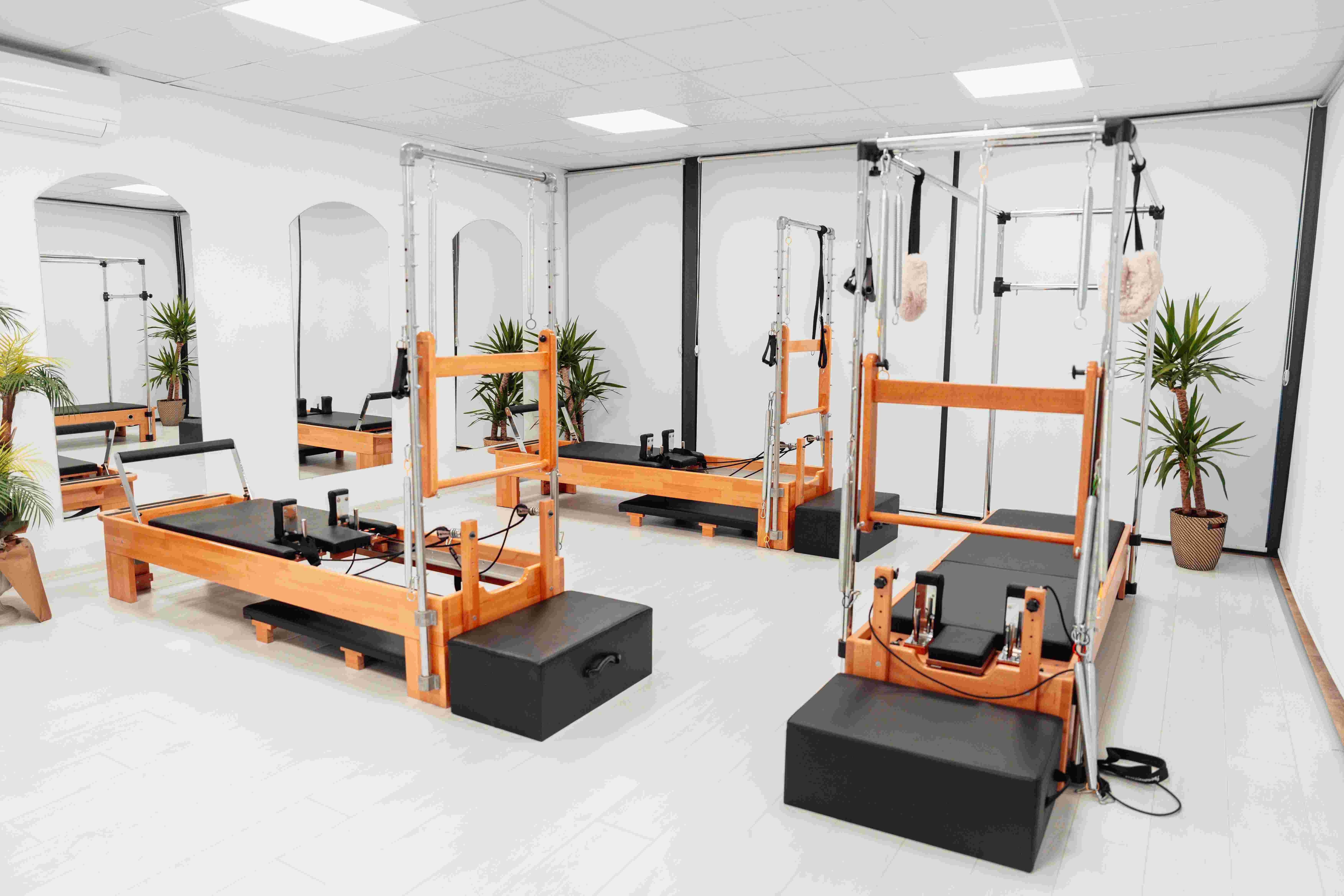
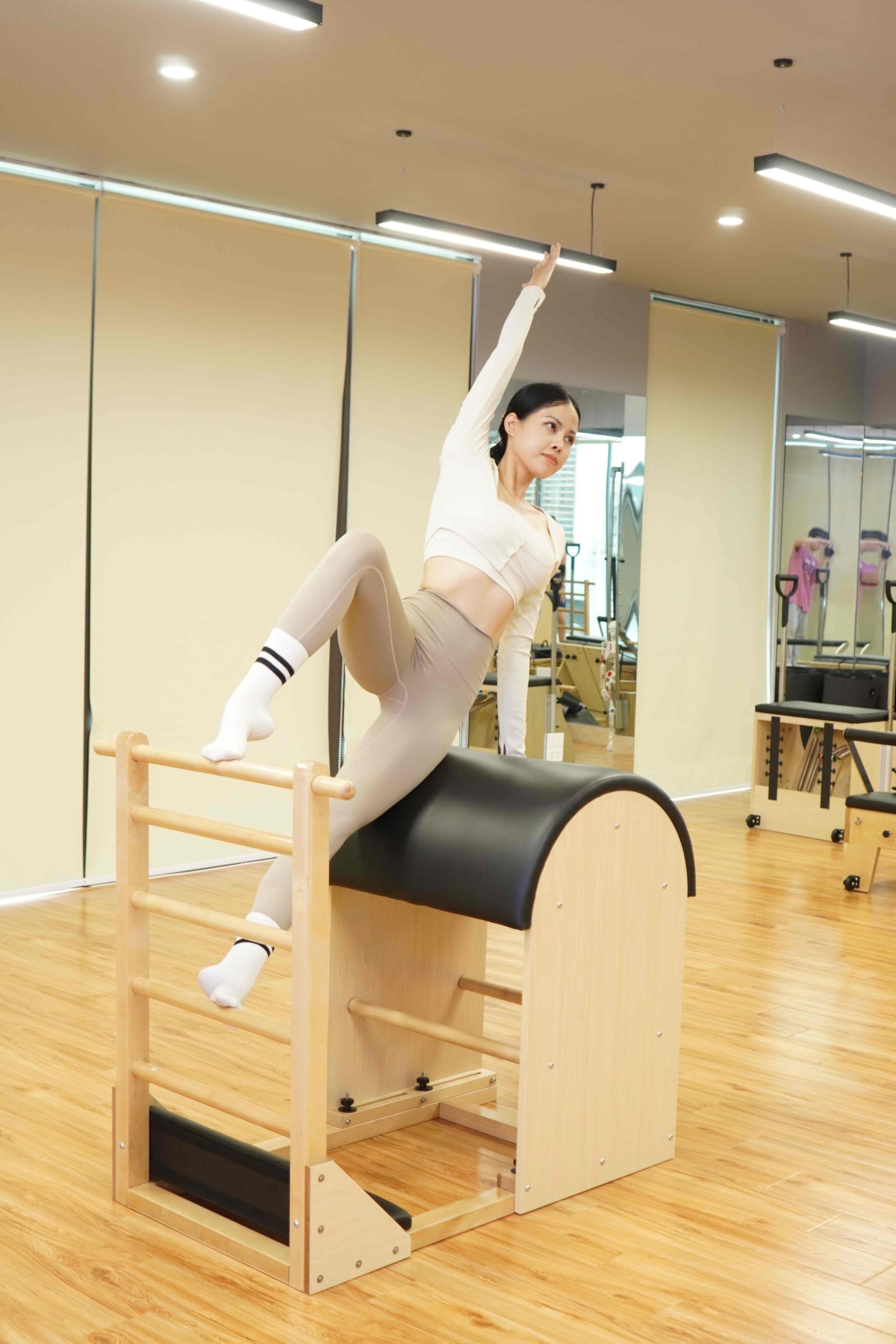
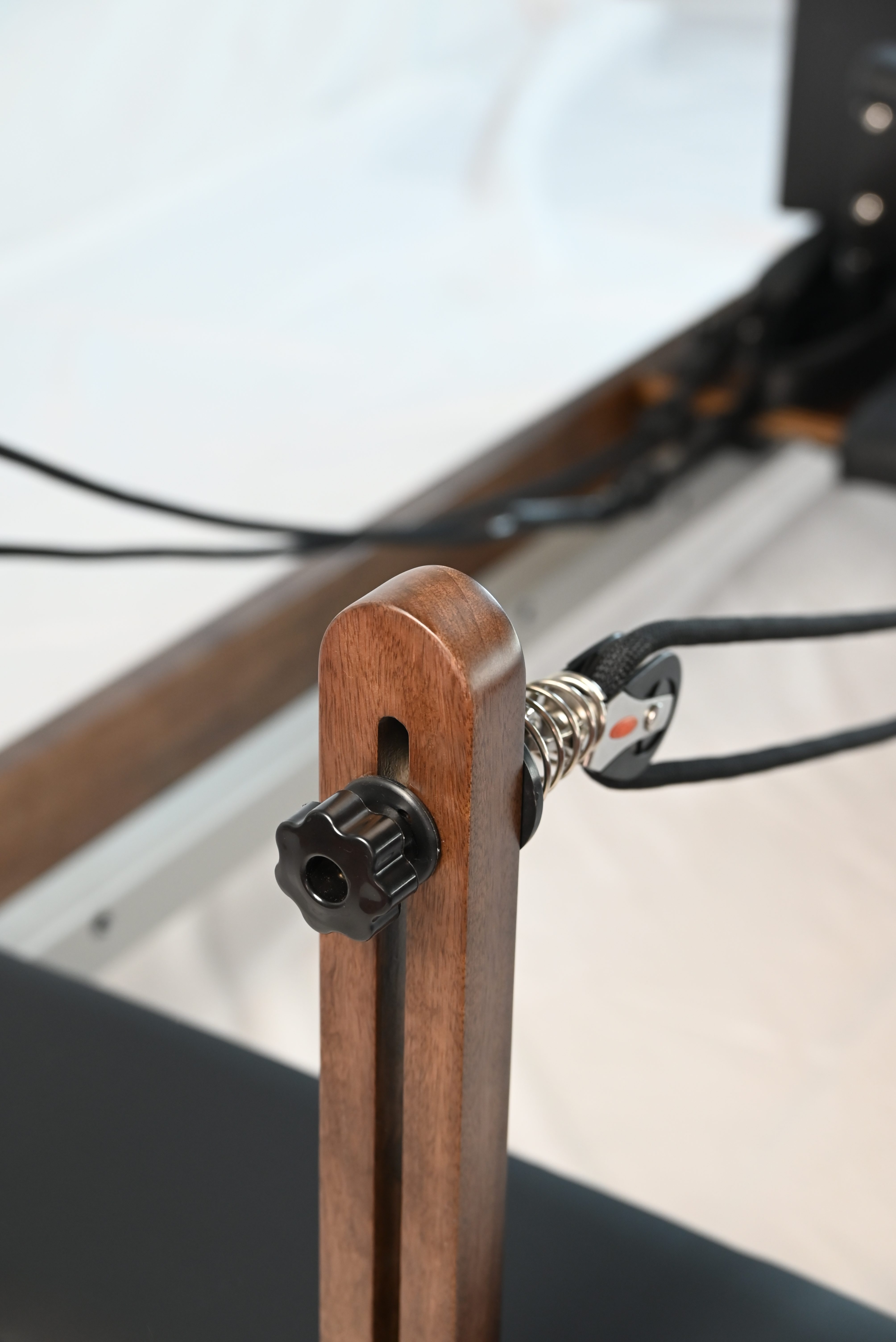
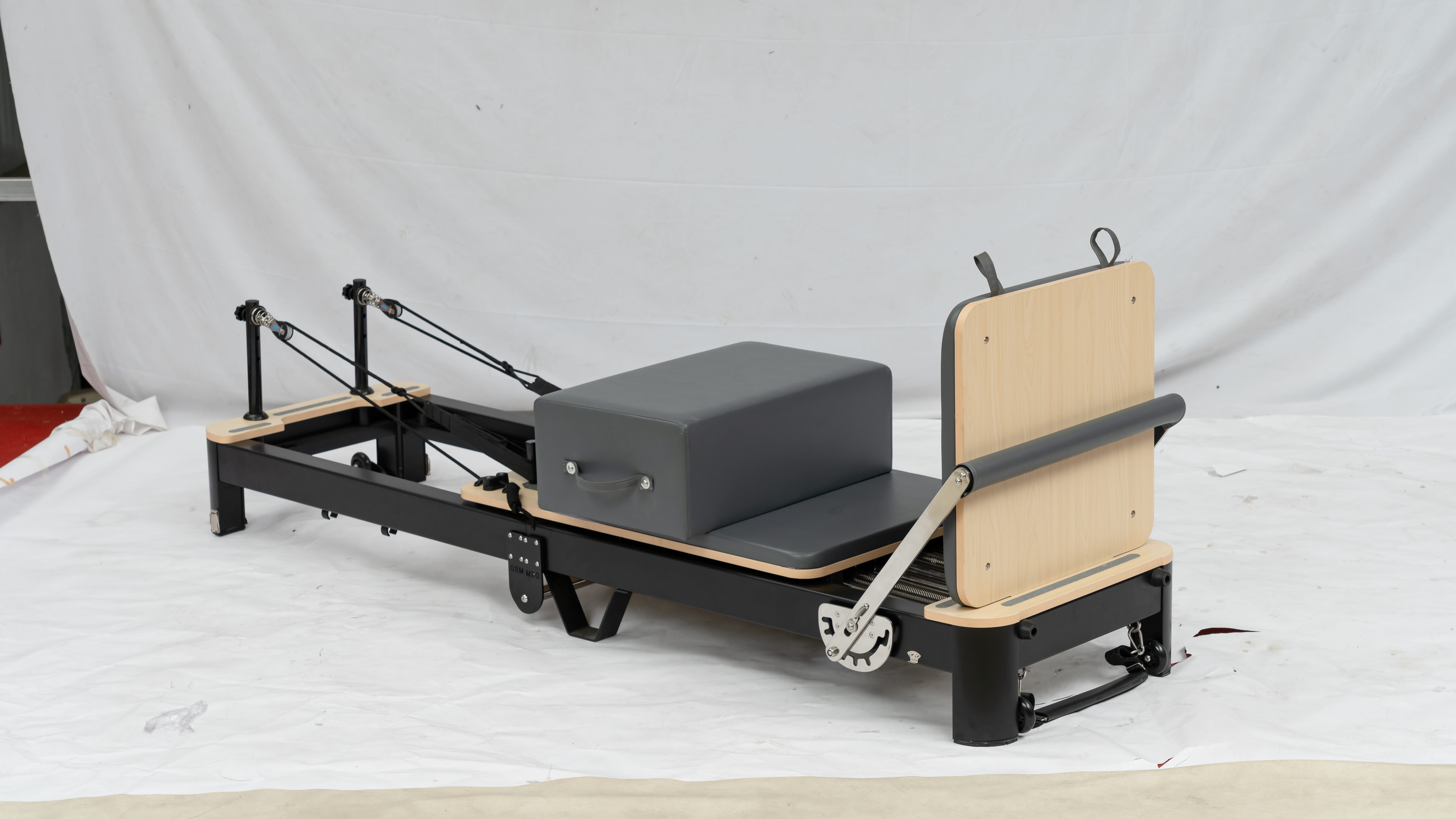
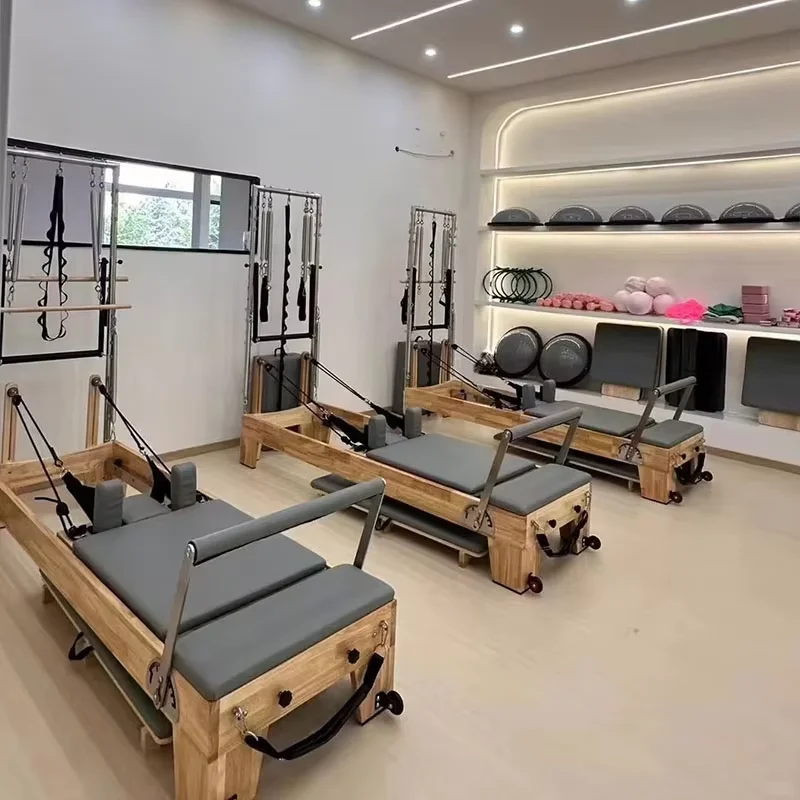
Solid wood frames are the traditional choice for high-end Pilates equipment and remain the preferred option for many professional studios. Common woods include maple, oak, beech, and birch. Maple is prized for its hardness and fine grain, and is widely used by brands such as Balanced Body. Oak is equally valued for its hardness and distinctive grain. Solid wood frames offer natural warmth, good shock absorption, and low operating noise. As one factory manager put it: "A wood-framed Reformer glides with a 'dignified' sound, not the 'sharp' sound of metal." However, solid wood is sensitive to humidity — moisture content must be strictly controlled below 8% to prevent warping and cracking. Some brands offer premium wood options including cherry, mahogany, and walnut.
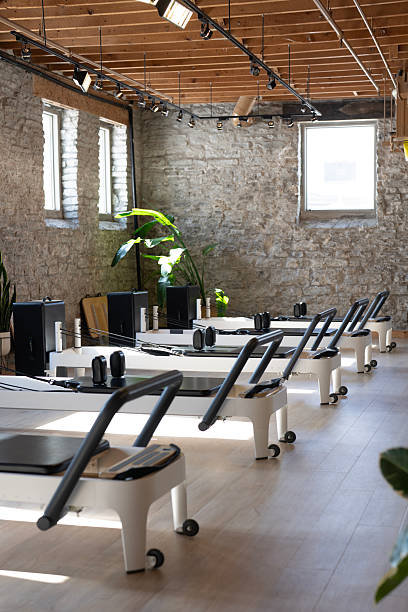
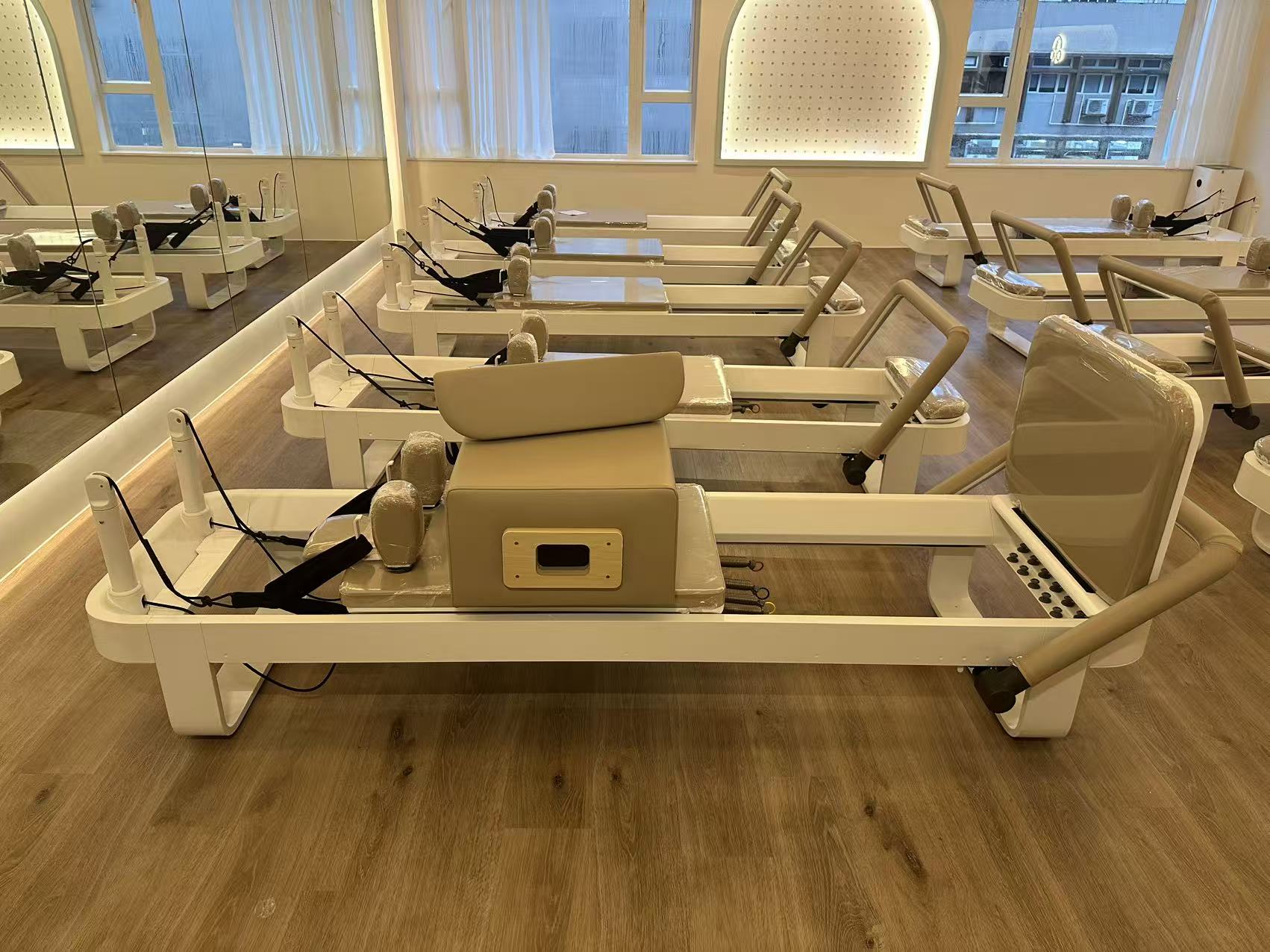
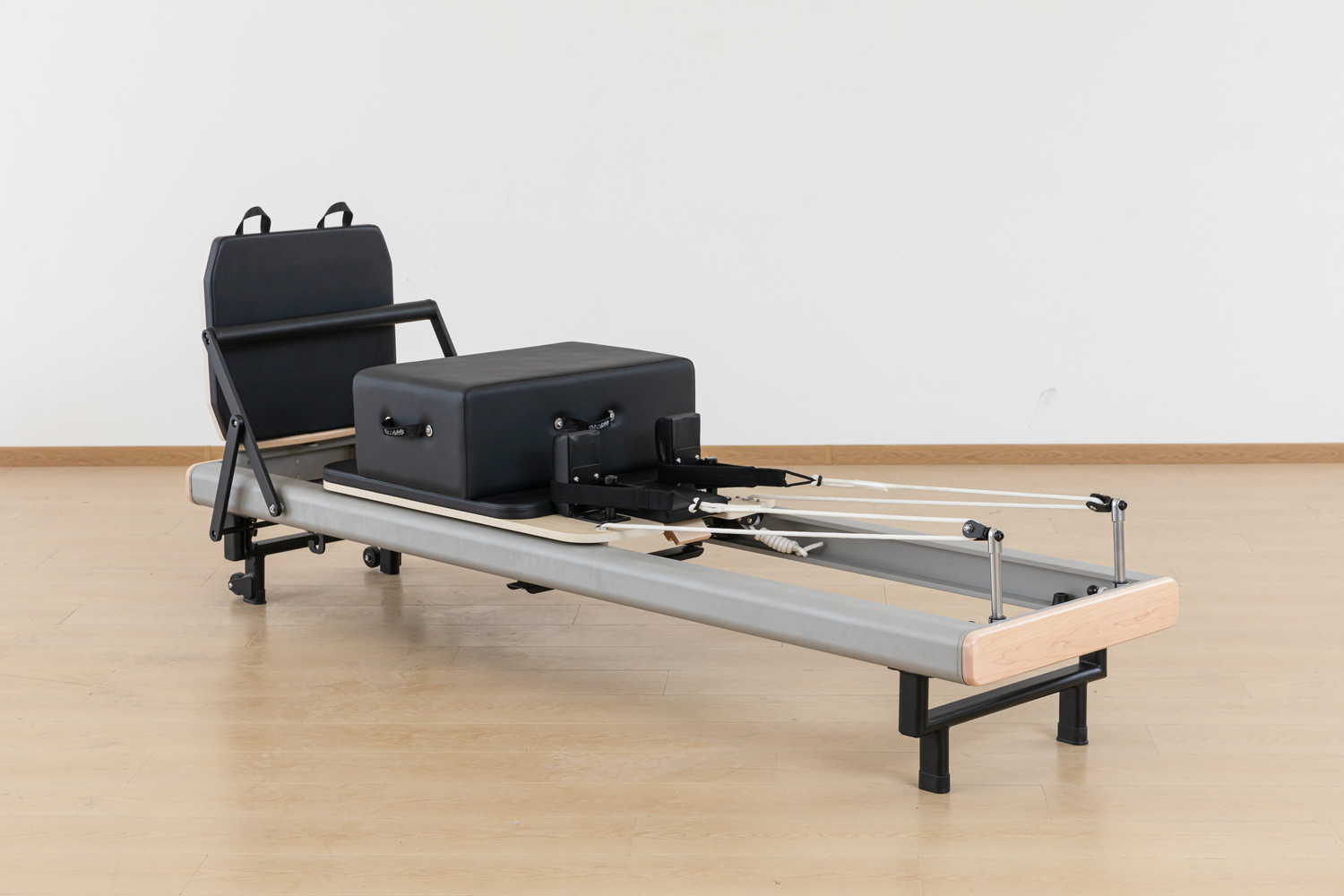
Aluminum alloy frames represent a more modern, lightweight design direction. Aluminum offers the advantages of light weight, corrosion resistance, and stability regardless of temperature and humidity changes — ideal for studios that frequently move equipment. Aviation-grade aluminum (such as 6061-T6), after anodizing, achieves high surface hardness and scratch resistance. An industry expert notes: "Compared to wooden Reformers, aluminum alloy frames are lighter, more modern, and offer no less stability." Brands like Balanced Body also use anodized aluminum for key components to reduce friction and wear.
Carbon steel frames are more common in entry-level or high-volume group studio equipment. Carbon steel offers high strength at relatively low cost, but is heavier and requires rigorous rust-proofing. Commercial-grade carbon steel frames typically require a minimum thickness of 2mm, with phosphate, electrophoretic, and three-layer coating treatments for corrosion resistance.
Notably, innovative eco-friendly materials have entered the market. Balanced Body's Bravo Reformer features a frame made from Recycled Polywood — each unit repurposes over 256 recycled plastic bottles. This represents a significant step toward sustainable materials in the Pilates equipment industry.
II. Spring Systems
Springs are the "power heart" of Pilates equipment, directly determining user feel and training effectiveness.
Music wire is the preferred material for high-quality springs. Music wire is a high-carbon steel (0.7-1.0% carbon content) offering high tensile strength and consistent elastic modulus, providing stable resistance feedback. Some premium brands use Korean or Japanese imported music wire, with fatigue resistance significantly outperforming standard carbon steel springs. Commercial-grade Pilates springs are expected to achieve 500,000+ cycles, with top-tier brands reaching 600,000+ cycles.
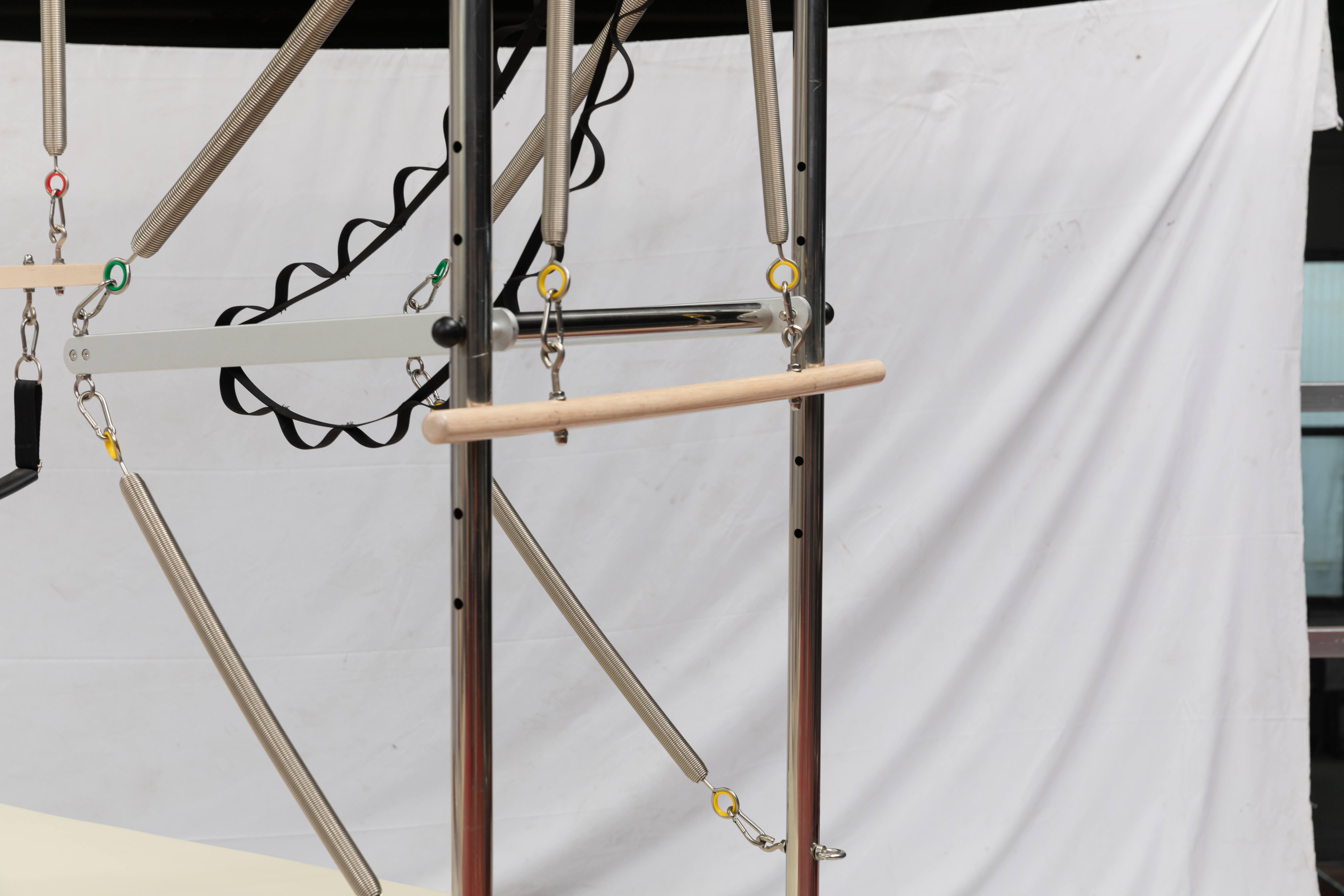
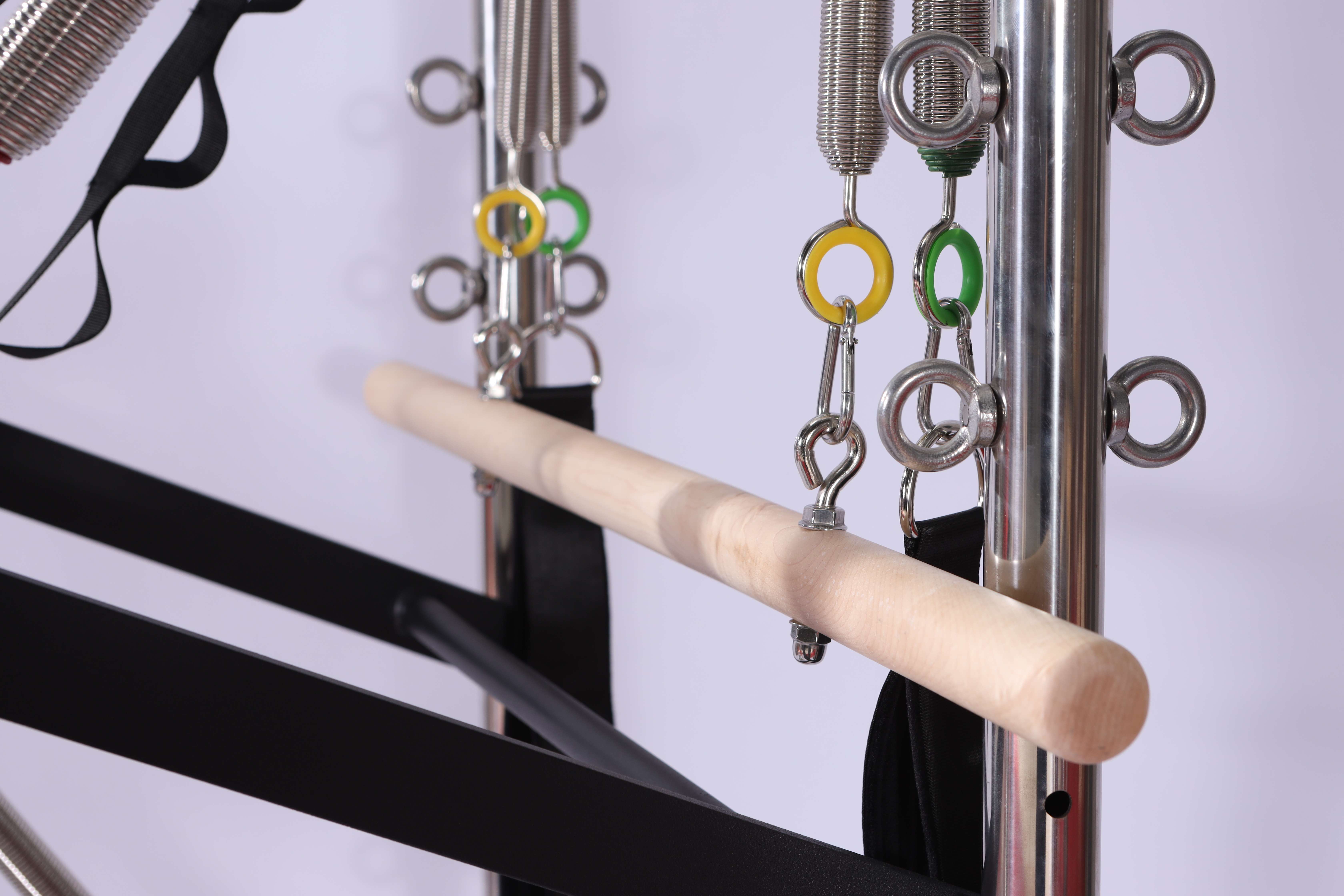
Stainless steel springs are primarily used in Cadillacs and tower systems. Stainless steel offers excellent corrosion resistance, making it suitable for components exposed to sweat and humidity. BH's Cadillac features "tower-specific tempered high-carbon steel professional-grade springs" with force values ranging from 12kg to 30kg to accommodate different training needs.
Heat treatment is equally critical. The spring hook area is a stress concentration zone — springs that undergo stress-relief heat treatment offer significantly better fracture resistance than untreated springs. Premium manufacturers maintain spring force tolerances within ±5% to ±8%, ensuring consistent "feel" across every spring.
III. Pulleys and Rails
Pulleys and rails determine carriage smoothness and noise performance.
Pulley material directly affects user experience. Nylon pulleys are lower in cost but offer moderate wear resistance and noise performance. POM (polyoxymethylene) is the preferred material for commercial equipment — it is self-lubricating, wear-resistant, and operates quietly. Higher-end options include sealed bearing-equipped silent pulleys that deliver near-zero friction smoothness. Some factories promote "imported ultra-quiet high-strength TPU wheels" — TPU (thermoplastic polyurethane) combines rubber-like elasticity with plastic rigidity, making it another quality option.
Rail material and surface treatment are equally important. Anodized aluminum rails offer high surface hardness and wear resistance, maintaining smoothness after tens of thousands of cycles. Carbon steel rails require chrome plating or powder coating to prevent rust and wear. Some high-end equipment also uses Delrin (polyoxymethylene resin) for moving parts, further reducing friction when paired with aluminum.
IV. Upholstery and Foam
Upholstery and foam are the user-facing components — comfort and durability are paramount.
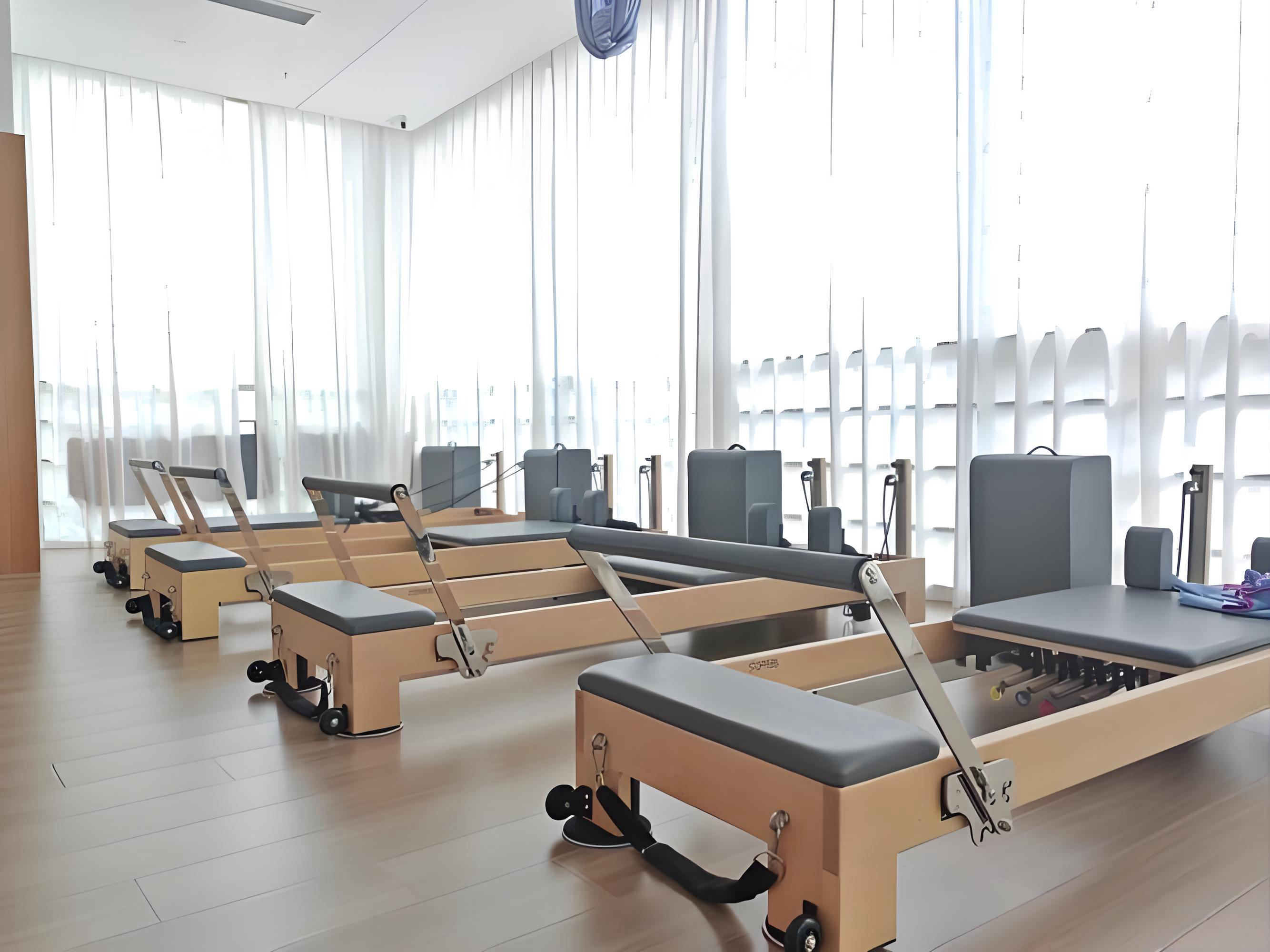
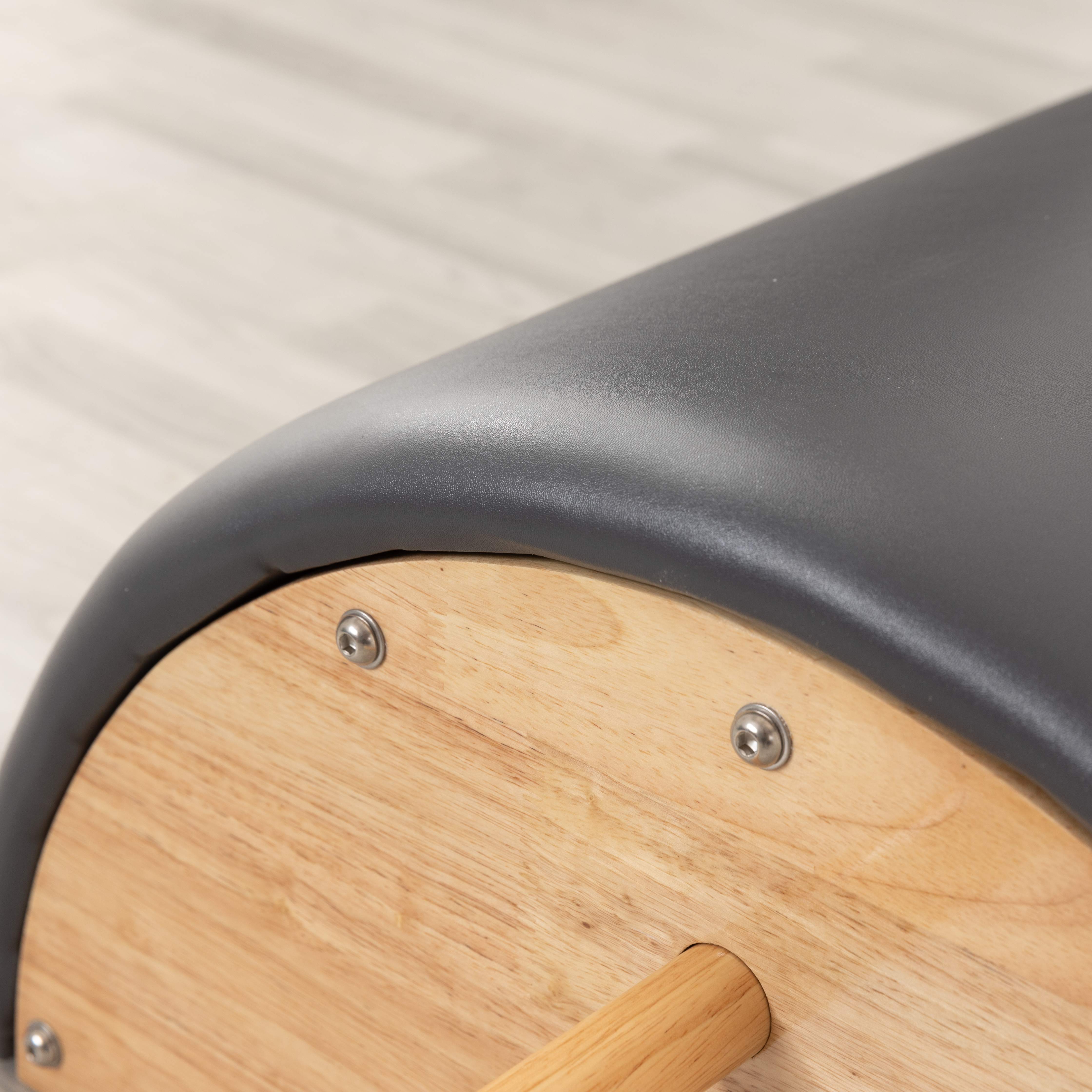
Leather: Commercial-grade equipment predominantly uses high-wear PU leather (synthetic) rather than genuine leather. PU leather offers sweat resistance, easy cleaning, and anti-aging properties, without the color variation issues of natural leather. The Martindale abrasion test is the key indicator of leather durability — commercial standards require 50,000+ cycles. Some manufacturers claim their "superfiber scratch-resistant leather" can withstand sharp objects like knives and rings. BH uses 1mm thick microfiber leather, balancing durability with tactile feel. Balanced Body uses heavy-duty vinyl upholstery on its Reformers, equally renowned for durability.
Foam density and resilience directly affect comfort and support. Commercial-grade equipment requires foam density of at least 45 kg/m³ to maintain good rebound and prevent sagging after years of use. Some brands emphasize their "proprietary high-density resilient foam" providing "optimal feedback". High-density foam is typically paired with soft leather to create a "firm core with soft surface" comfort structure.
V. Hardware and Ropes
Hardware and ropes may seem minor, but are critical to stability and safety.
Stainless steel is the preferred material for hardware, used for spring hooks, bolts, and connectors. Stainless steel resists corrosion and wear, and will not rust from sweat or humidity. Contrology's Wall Tower uses galvanized steel pipe construction for strength and corrosion protection.
Ropes: High-end Pilates equipment uses cotton ropes or nylon ropes. Cotton ropes are soft to the touch but less durable than nylon. Nylon ropes offer high tensile strength and wear resistance, suitable for high-frequency commercial use. Some brands offer neoprene handles for better grip and comfort.
VI. Material Selection Considerations
There is no single "best" material — only what is most suitable for the intended use. Different positioning of Pilates equipment calls for different material strategies.
High-end commercial equipment tends to use solid wood frames (maple/oak) + imported music wire springs + anodized aluminum rails + high-wear PU leather + high-density foam. This combination prioritizes natural texture and premium feel at higher cost, but delivers the best client experience.
Modern commercial studios increasingly choose aluminum alloy frames + stainless steel hardware + POM pulleys + heavy-duty vinyl upholstery. Aluminum frames are lightweight, stable, and unaffected by environmental conditions — especially suitable for studios requiring flexible layouts.
Entry-level and home equipment typically use carbon steel frames + standard carbon steel springs + nylon pulleys + PVC leather. Costs are controlled, but durability and feel are noticeably inferior to commercial grades.
With growing environmental awareness, frames made from recycled materials are entering the market — potentially becoming a new trend in Pilates equipment material selection. Whichever materials are chosen, buyers should pay attention to suppliers' material specifications and warranty commitments. A clear material list is often more convincing than elaborate marketing language.