Global Pilates Market Trends Analysis
The global Pilates market is undergoing a profound transformation from a "niche fitness practice" to a "mainstream lifestyle." As a low-impact, highly functional, mind-body exercise modality, Pilates has attracted unprecedented attention in recent years. This article systematically analyzes global Pilates market trends from the perspectives of market size, regional patterns, consumer trends, technological change, and competitive dynamics.
I. Market Size and Growth Prospects
The Pilates market is on a steady growth trajectory. According to industry research, the global Pilates equipment market was valued at approximately $0.52 billion in 2024 and is projected to reach $0.85 billion by 2031, with a compound annual growth rate of approximately 6.0%. Another study provides an even more optimistic forecast: the global Pilates equipment market is expected to grow from approximately $391 million in 2025 to $901 million by 2033, at a CAGR of 10.99%.
This growth is driven by multiple factors. On one hand, consumer health awareness continues to rise — people are increasingly gravitating toward low-impact, recovery-oriented, and functional forms of exercise. On the other hand, the Pilates content ecosystem is expanding, from traditional mat work and apparatus training to prenatal and postnatal rehabilitation, athletic performance training, and senior wellness management.
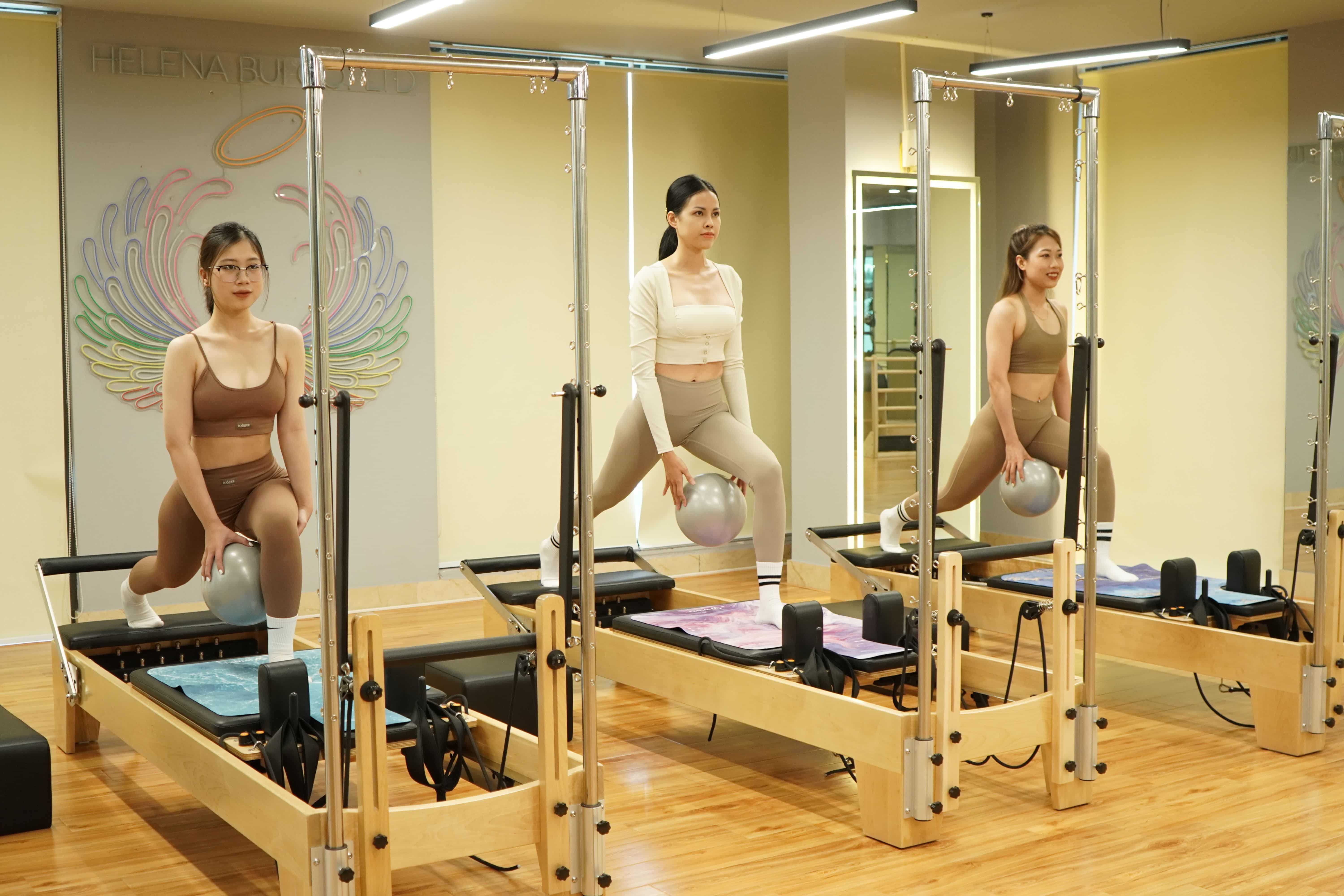
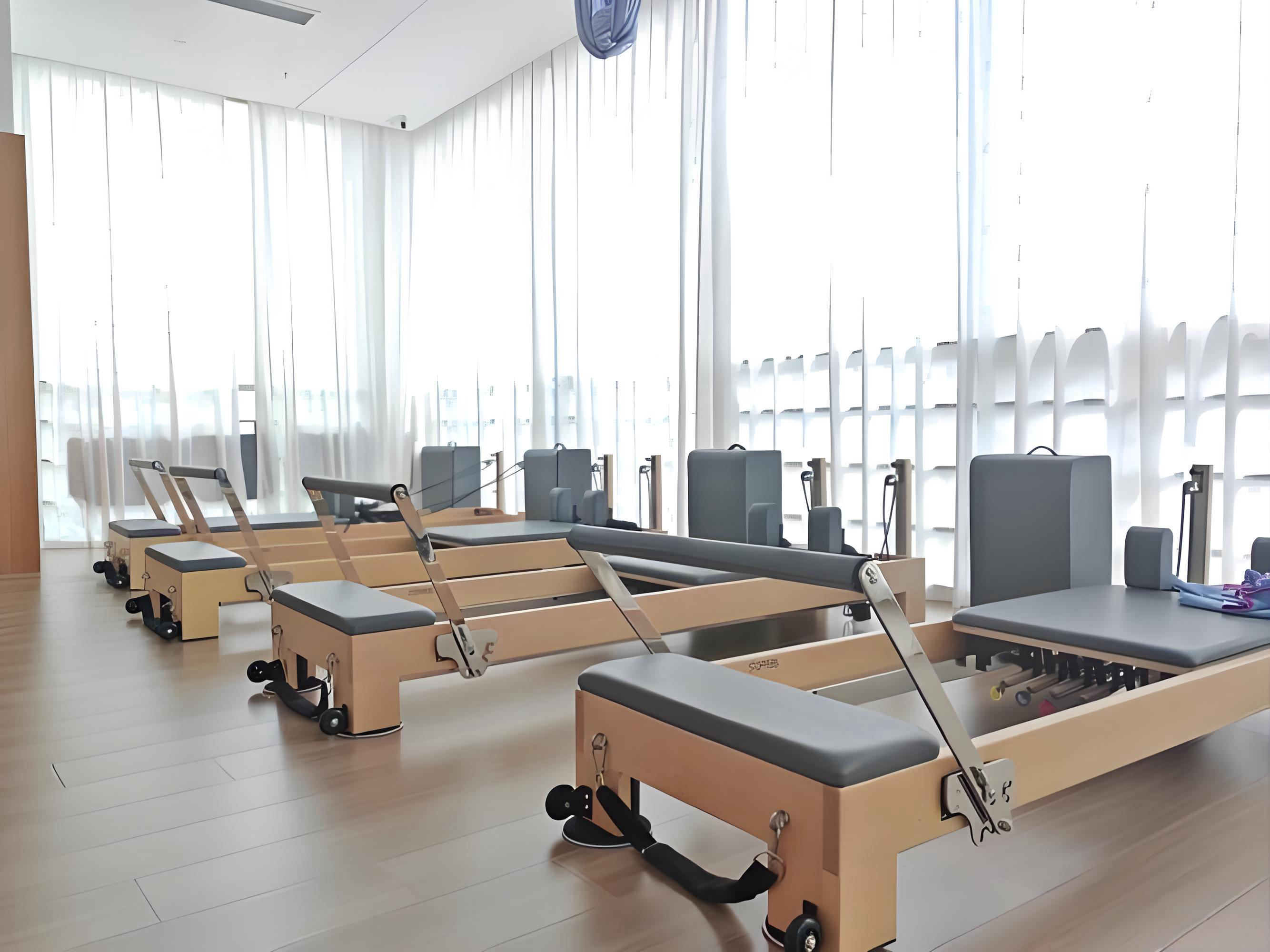
The global Pilates and yoga studios market also demonstrates strong growth momentum. Industry research indicates that the sector will continue expanding through 2032, driven by consumer demand for low-impact movement, mindfulness practices, functional strength, flexibility, and recovery. Key strategic shifts for studio operators include delivering personalized instruction, hybrid access models, safe and inclusive environments, and measurable wellness outcomes.
II. Regional Market Landscape
The regional distribution of the Pilates market is multipolar.
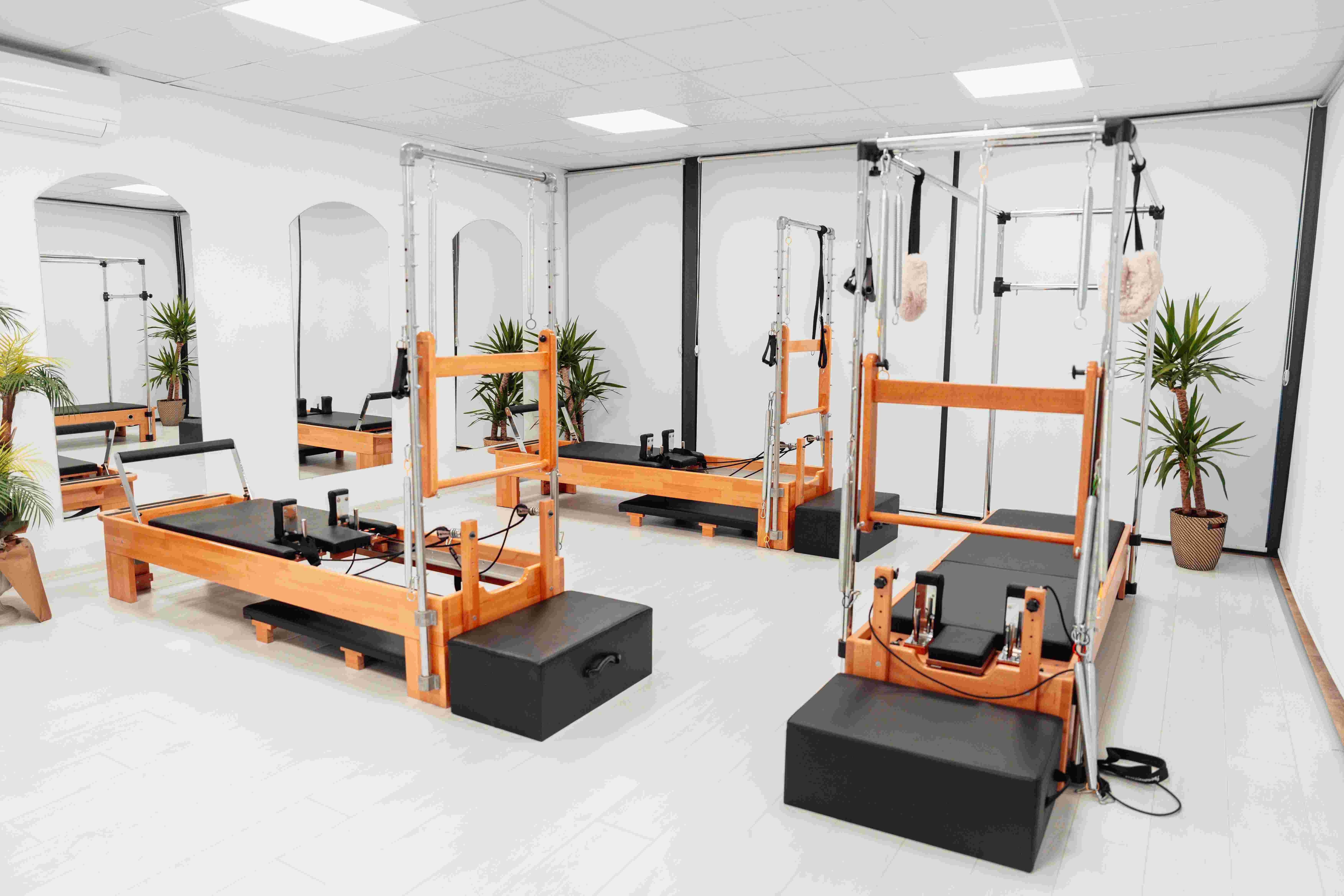
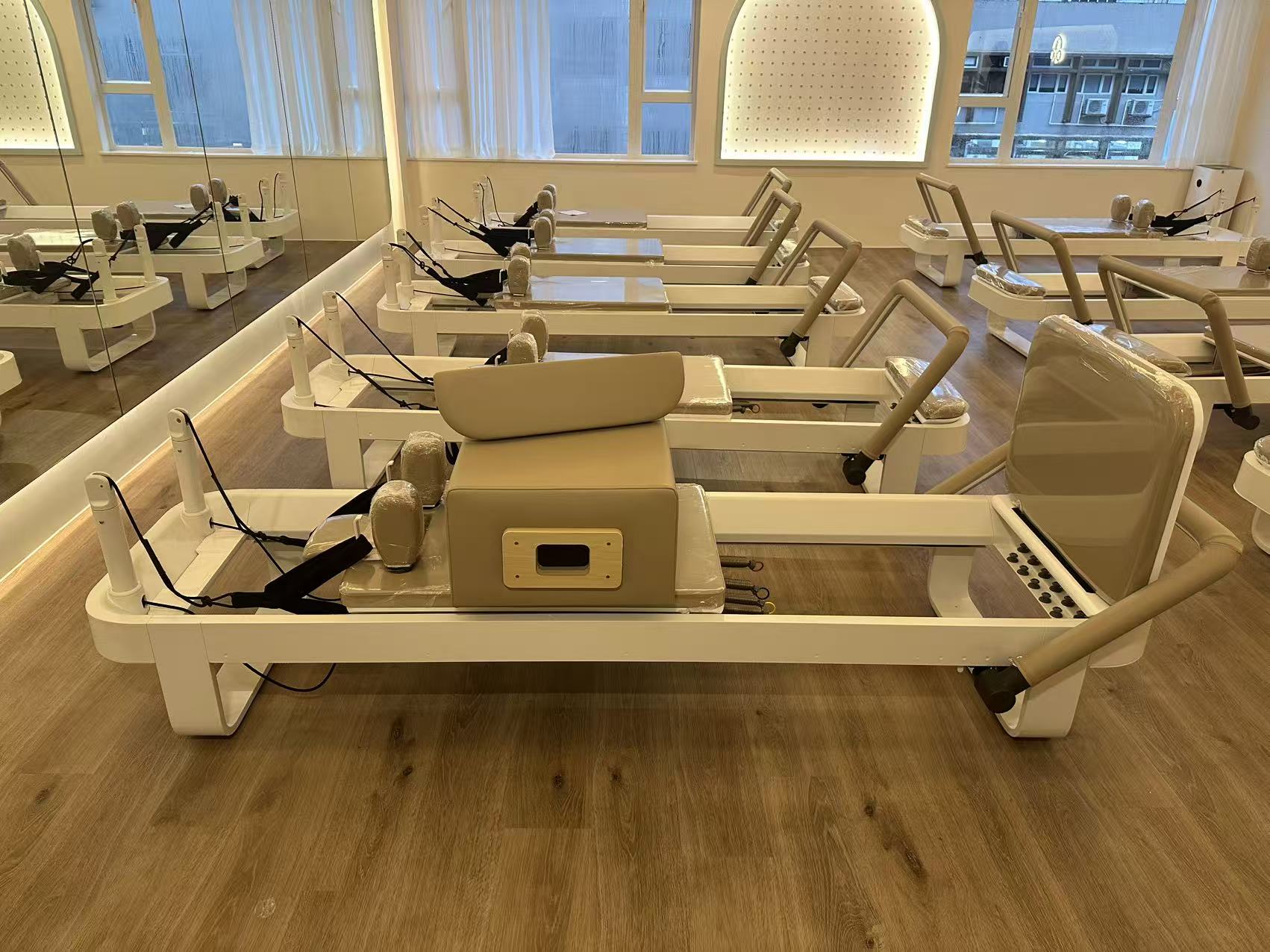
North America remains the largest consumer region for Pilates equipment. The region boasts high studio density and advanced fitness awareness — approximately 61% of Pilates studios operate with machine-based setups, and home fitness participation exceeds 45%. In 2026, North America accounts for approximately 36% of the global Pilates equipment market, representing about $131.62 million in value. The maturity of the U.S. market and strong consumer purchasing power make it a primary target for international Pilates equipment brands.
Europe shows consistent growth, with about 54% of fitness professionals incorporating Pilates into core programs and over 40% of buyers preferring sustainable and wooden equipment. Europe holds approximately 28% market share, equivalent to about $102 million, driven by preventive healthcare focus and boutique studio expansion.
Asia-Pacific is emerging as the fastest-growing region. Urbanization and rising health awareness are driving rapid adoption — nearly 48% of new fitness centers include Pilates offerings. The region accounts for approximately 24% of the global market, about $87.75 million, with growth supported by middle-class participation and fitness digitalization. China is identified by multiple industry reports as a key growth market to watch.
The Middle East and Africa, though smaller in scale, show steady growth, with approximately 32% of new fitness facilities integrating Pilates equipment, driven by urban wellness development and expanding fitness infrastructure.
III. Consumer Behavior and User Profile Evolution
The Pilates user base is becoming significantly broader and more diverse.
Traditionally, the typical Pilates user was a middle-to-high-income female. Current trends show significant user profile expansion: athletes and fitness enthusiasts use Pilates for cross-training and injury prevention; corporate wellness programs incorporate it into employee benefits; and demand from prenatal and postnatal women continues to grow.
Notably, consumer behavior in the Pilates market shows a "bifurcation" phenomenon. According to FitGrid's analysis of operational data from thousands of studios, the gap between top-performing and average studios is widening. From January to February 2026, top-decile studios maintained stable lead conversion rates at 71%, while average studios saw conversion rates drop from 49% to 48%. For first-time client return rates, top-decile studios improved from 74% to 75%, while average studios declined from 42% to 40%.
The key driver of this divergence lies in client experience and community engagement. Research shows that personalized instructor interaction — such as follow-up messages after the first class — significantly improves client retention. Top-performing studios maintain competitive advantages through refined operational processes and strong community connections.
IV. Technological Change and Business Model Innovation
Technology is profoundly reshaping how Pilates is delivered and monetized.
Hybrid teaching models have become mainstream. Live streaming and on-demand video libraries are becoming standard studio offerings, enabling clients to maintain practice continuity regardless of location. This model is particularly popular among busy professionals and users in areas with limited studio access.
Artificial intelligence is moving from concept to practice. Industry reports indicate that AI, digital platforms, and data-driven engagement can significantly enhance operational efficiency and client retention. From class recommendations to progress tracking, from instructor matching to community management, data is becoming a core competitive asset for Pilates studios.
Home fitness expansion is also noteworthy. Driven by compact equipment designs and digital fitness platforms, the home Pilates equipment market is growing rapidly. Approximately 46% of home fitness users prefer Pilates equipment for flexibility and posture improvement, with portable mats and rings dominating this segment.
V. Competitive Landscape and Brand Dynamics
The global Pilates equipment market shows a degree of concentration among key players.
Balanced Body leads the market with approximately 21% market share, leveraging extensive studio partnerships, a broad product portfolio, and deep penetration in professional training environments.
Merrithew (formerly Stott Pilates) ranks second with approximately 17% market share, supported by its global instructor certification programs and high adoption in rehabilitation-focused Pilates facilities.
Other significant players include Gratz Industries, Peak Pilates, BASI Systems, and Xtend Pilates. On the studio operations side, major fitness groups such as Xponential Fitness, Equinox Holdings, Life Time Group Holdings, and CorePower Yoga are expanding their Pilates footprints through acquisitions and organic brand development.
Notably, competition in the Pilates studio market has extended beyond "equipment" and "classes" to "lifestyle" and "community." In the Japanese market, studio models integrating mindfulness, nutrition, community activities, and other elements are emerging, reflecting consumer demand for "holistic wellness experiences".
VI. Future Outlook and Key Trends
Looking ahead, the global Pilates market presents several core trends.
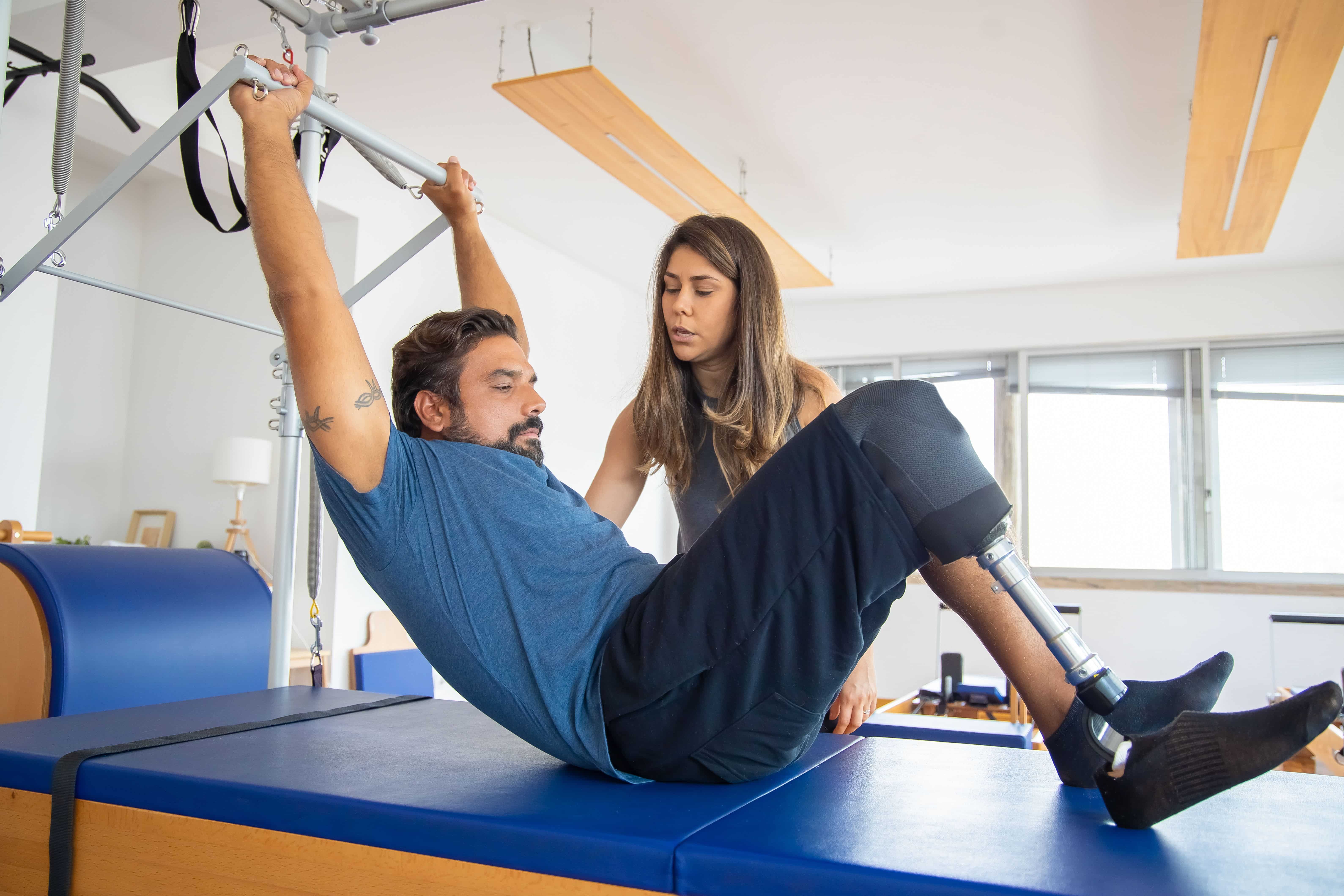
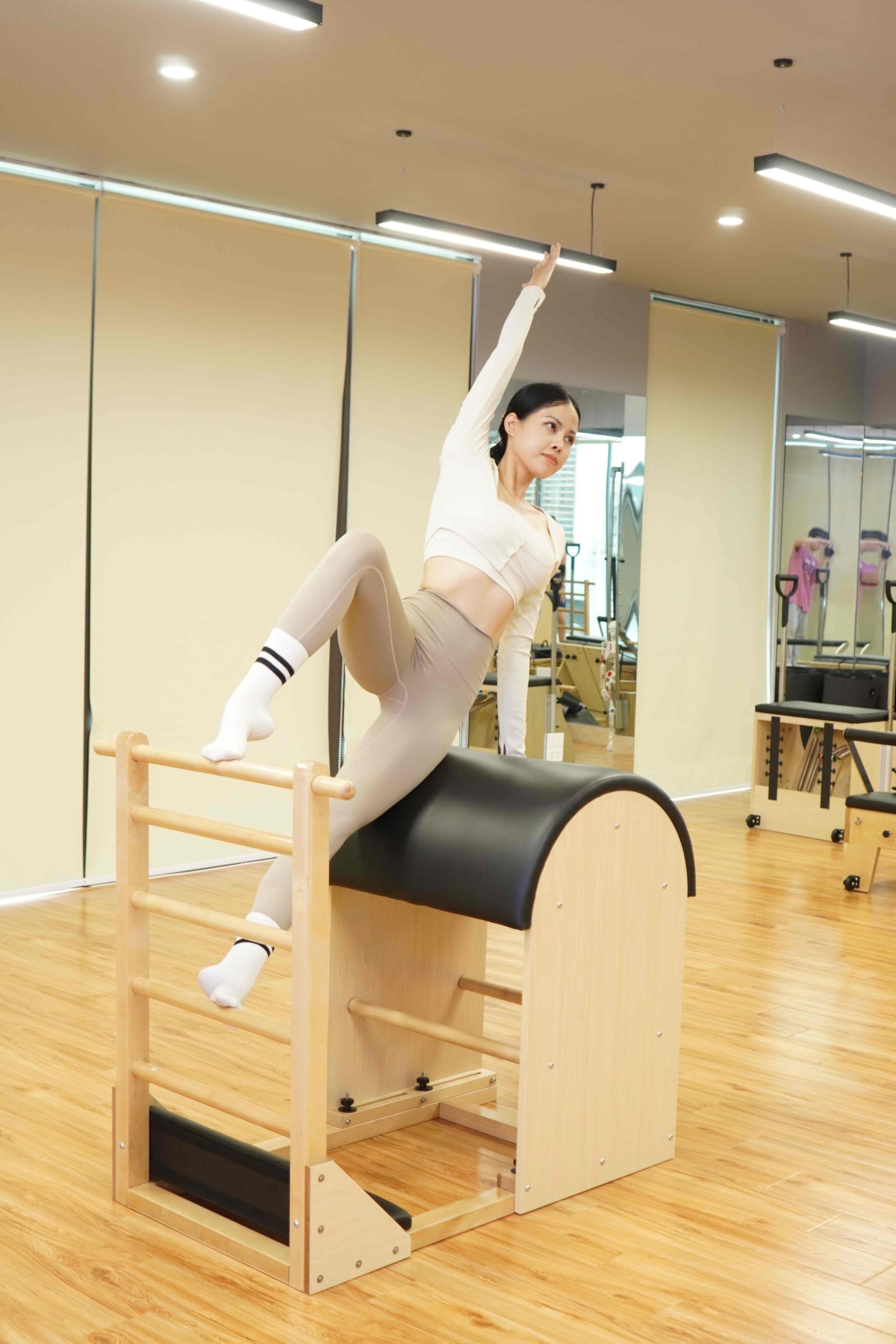
Specialization and segmentation: Pilates will further segment into rehabilitation, athletic performance, prenatal, and senior Pilates, with more precise requirements for equipment and instructor qualifications.
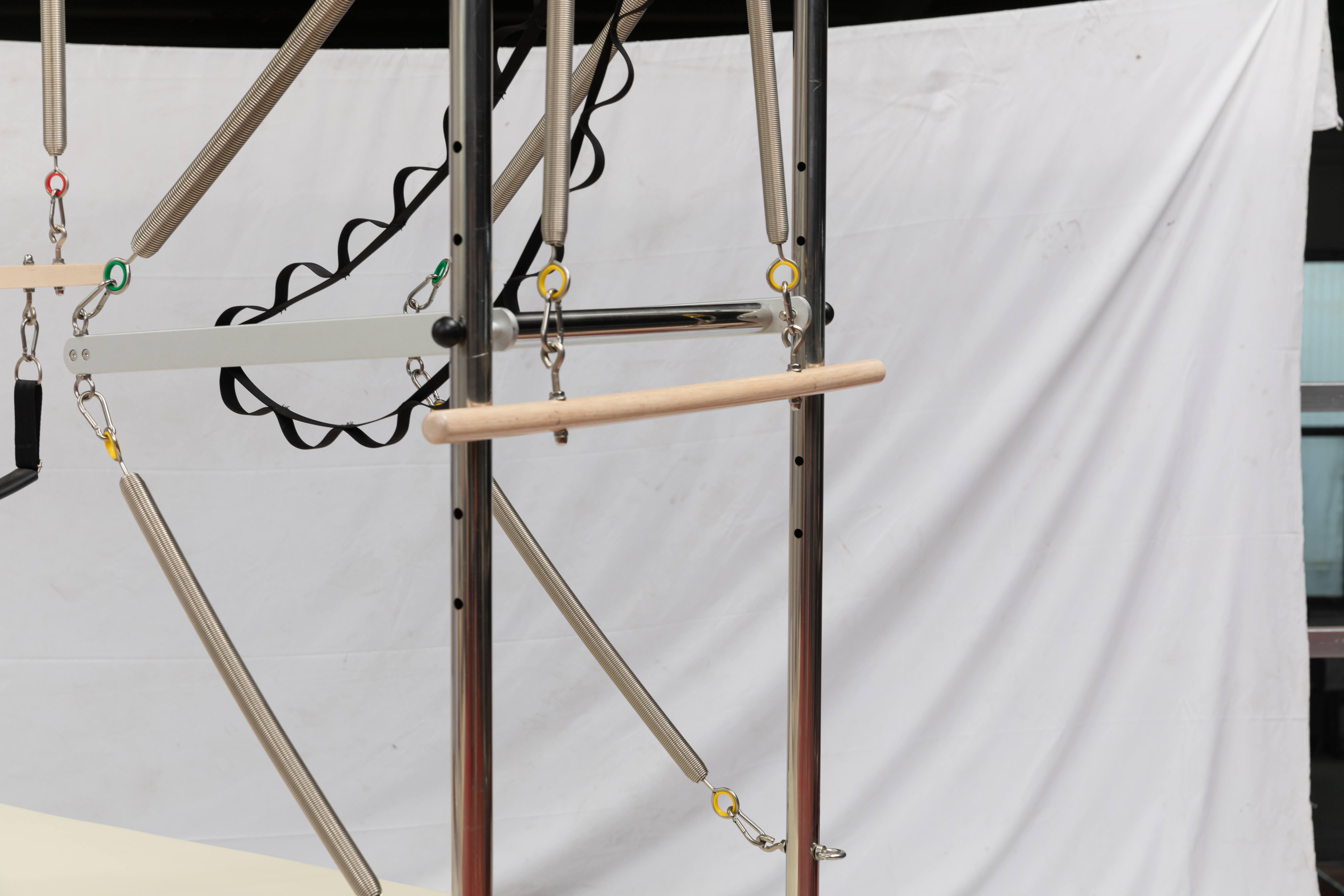
Smart equipment: Sensor-equipped, data-tracking, interactive smart Pilates equipment will gradually enter the market, transforming traditional "instructor visual observation" teaching methods.
Sustainable materials: Eco-friendly materials and sustainable manufacturing processes will become key differentiators for premium brands, particularly in European markets.
Globalization with localization: International brands will continue entering emerging markets, but successful brands must adapt to local culture, consumption habits, and fitness traditions.
Summary: The global Pilates market is in a phase of simultaneous "quantity and quality" growth — scale is expanding, while quality, experience, and operational models are undergoing deep restructuring. For Pilates equipment manufacturers, this means capturing the market volume growth while responding to top-tier clients' demands for quality and brand. For studio operators, differentiated client experience, data-driven operational decisions, and flexible class delivery models will be key to success.