What Equipment Do You Need to Open a Pilates Studio?
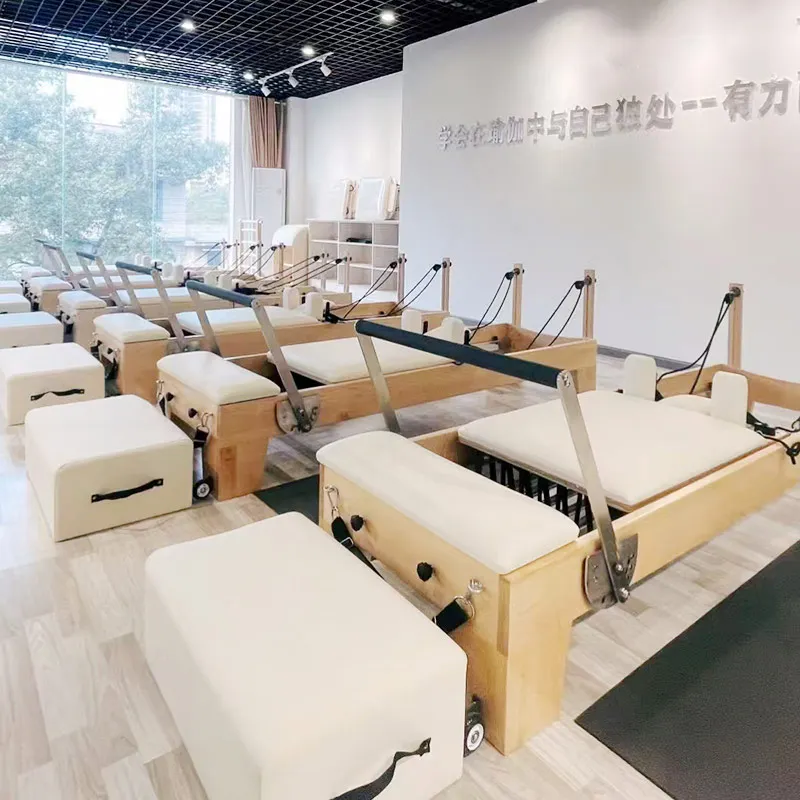
Opening a Pilates studio requires careful equipment selection — it's the cornerstone of class quality, client experience, and business profitability. Pilates apparatuses are "mechanical tools for precision movement," designed to help instructors guide clients effectively while accommodating everyone from beginners to advanced practitioners. This article provides a comprehensive equipment checklist for aspiring studio owners.
I. Core Apparatus: The Studio Essentials
1. Reformer
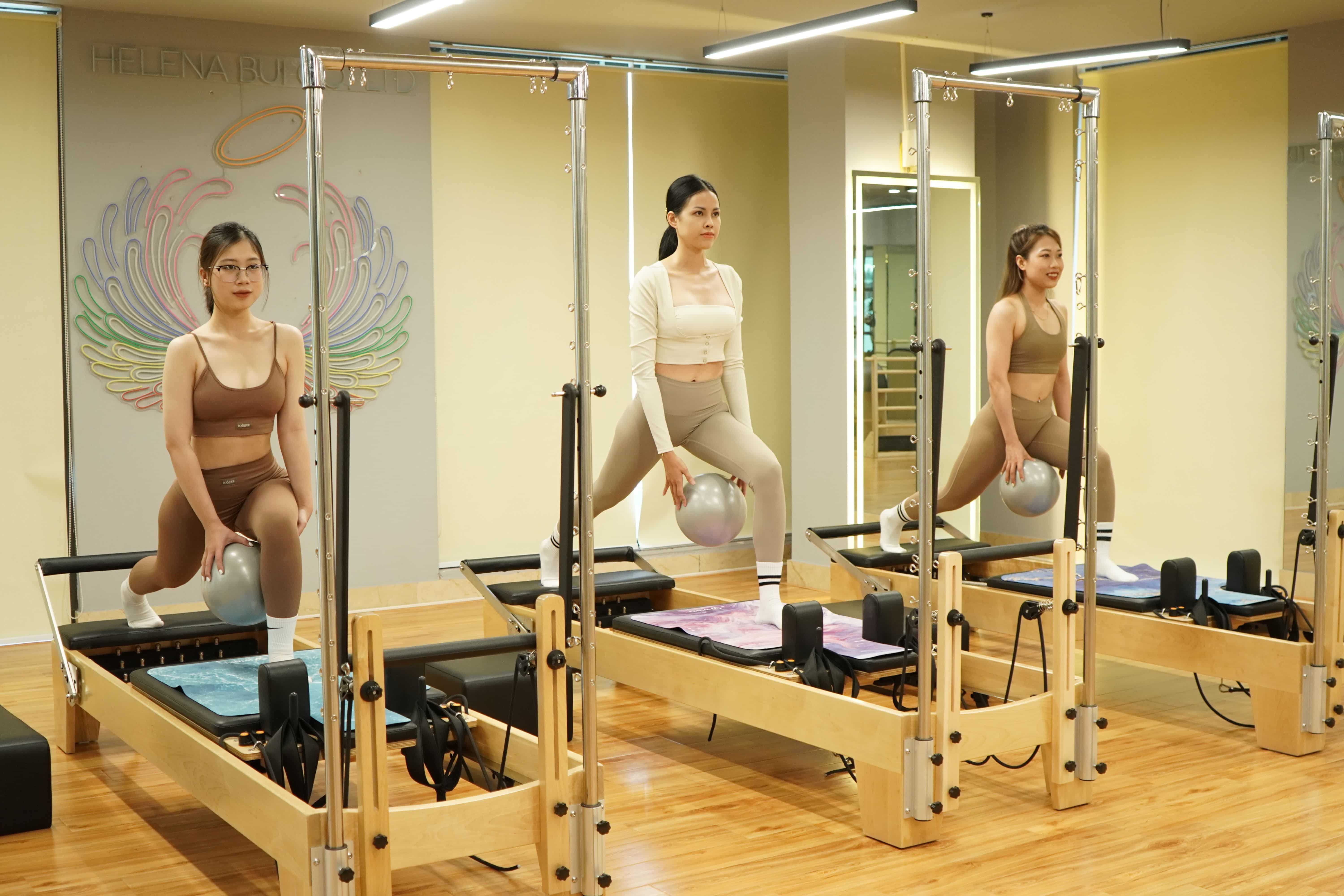
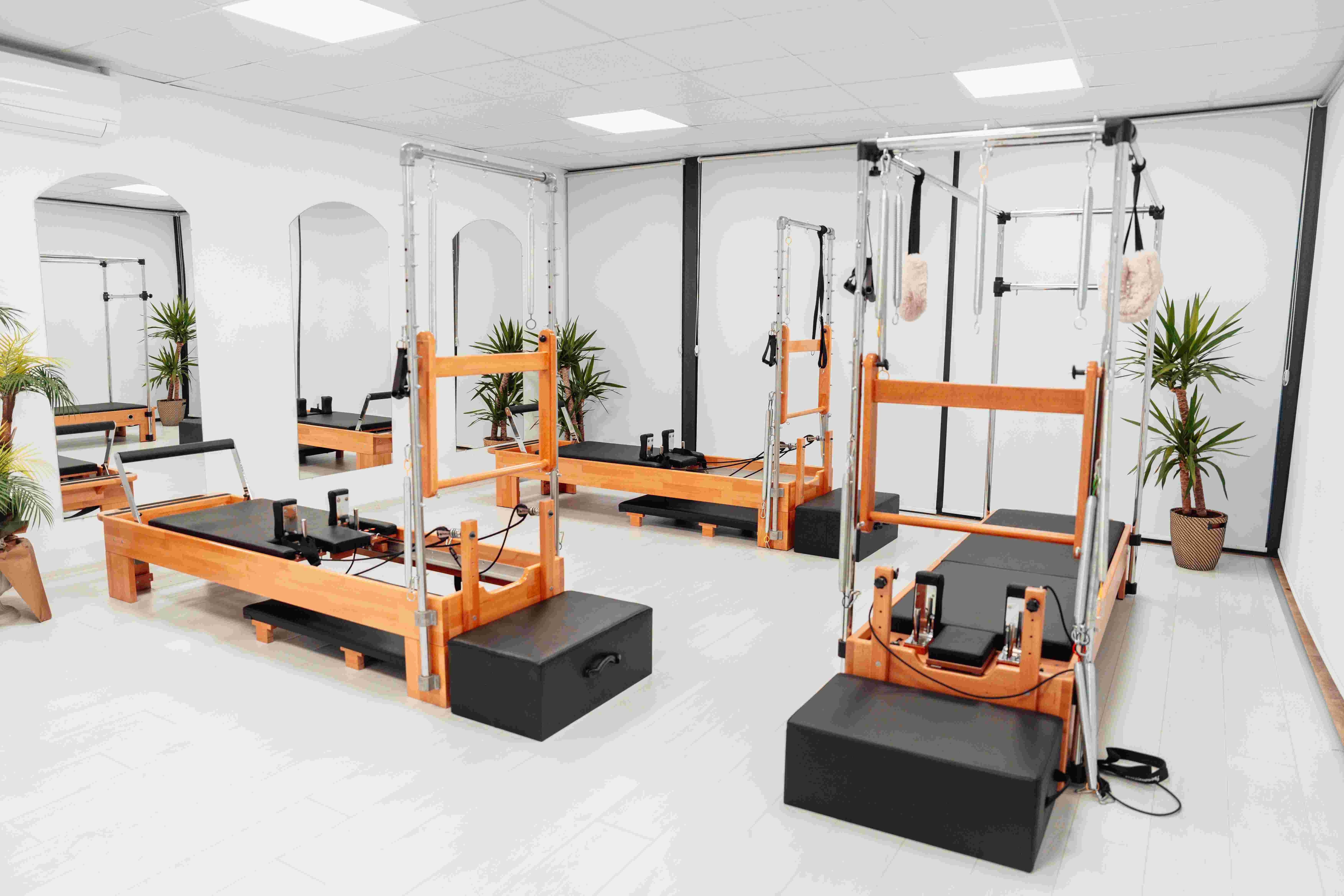
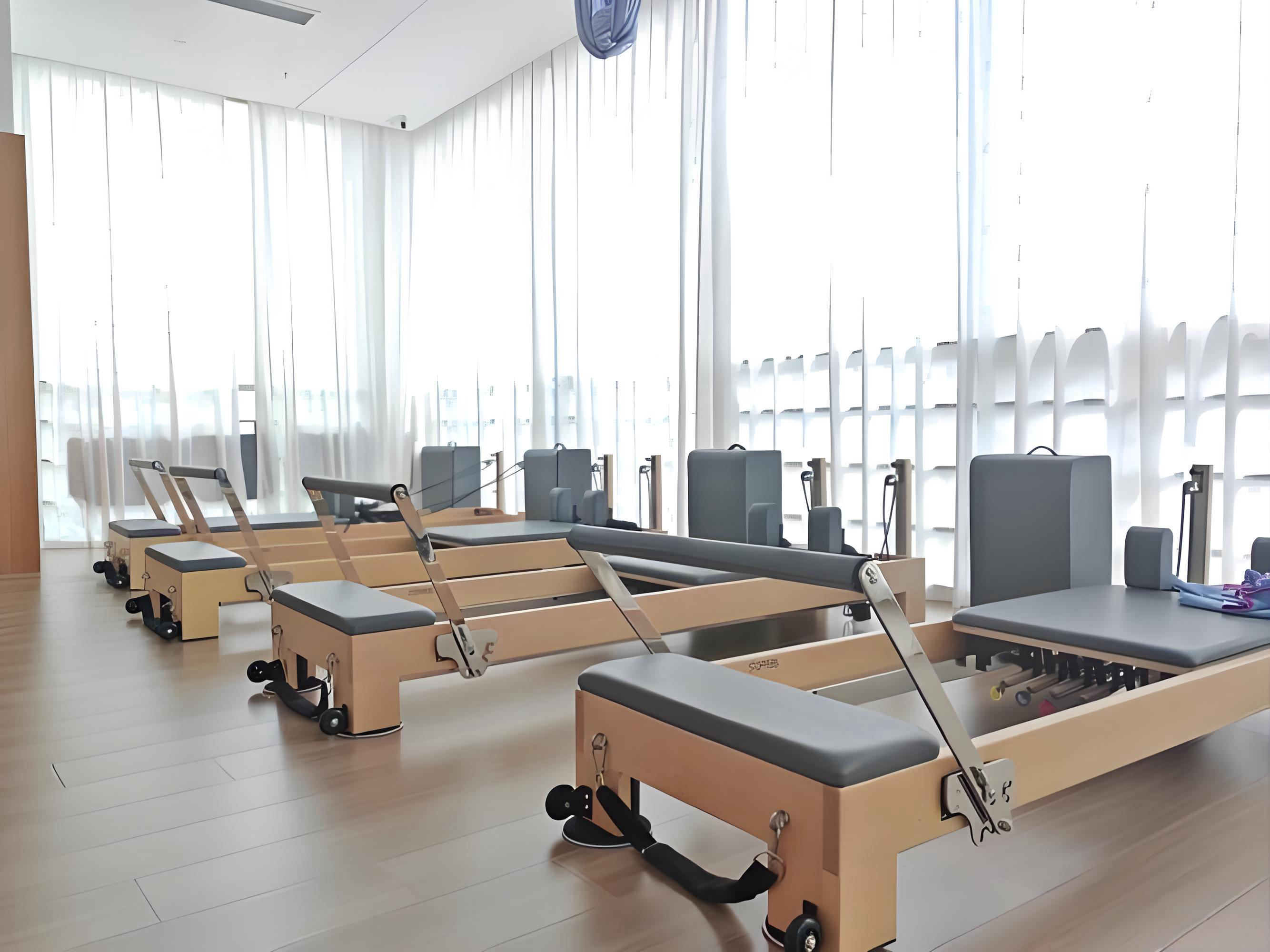
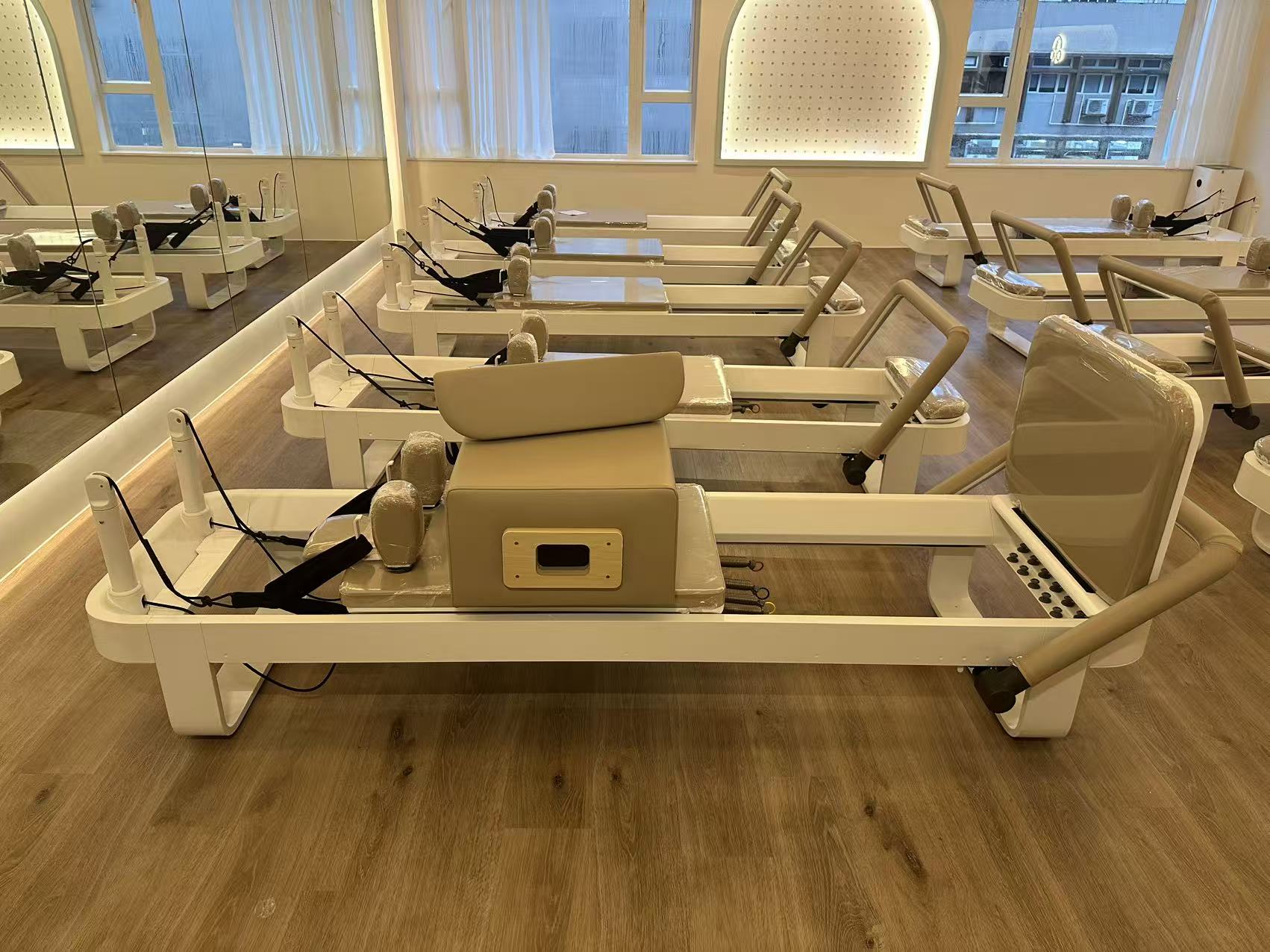
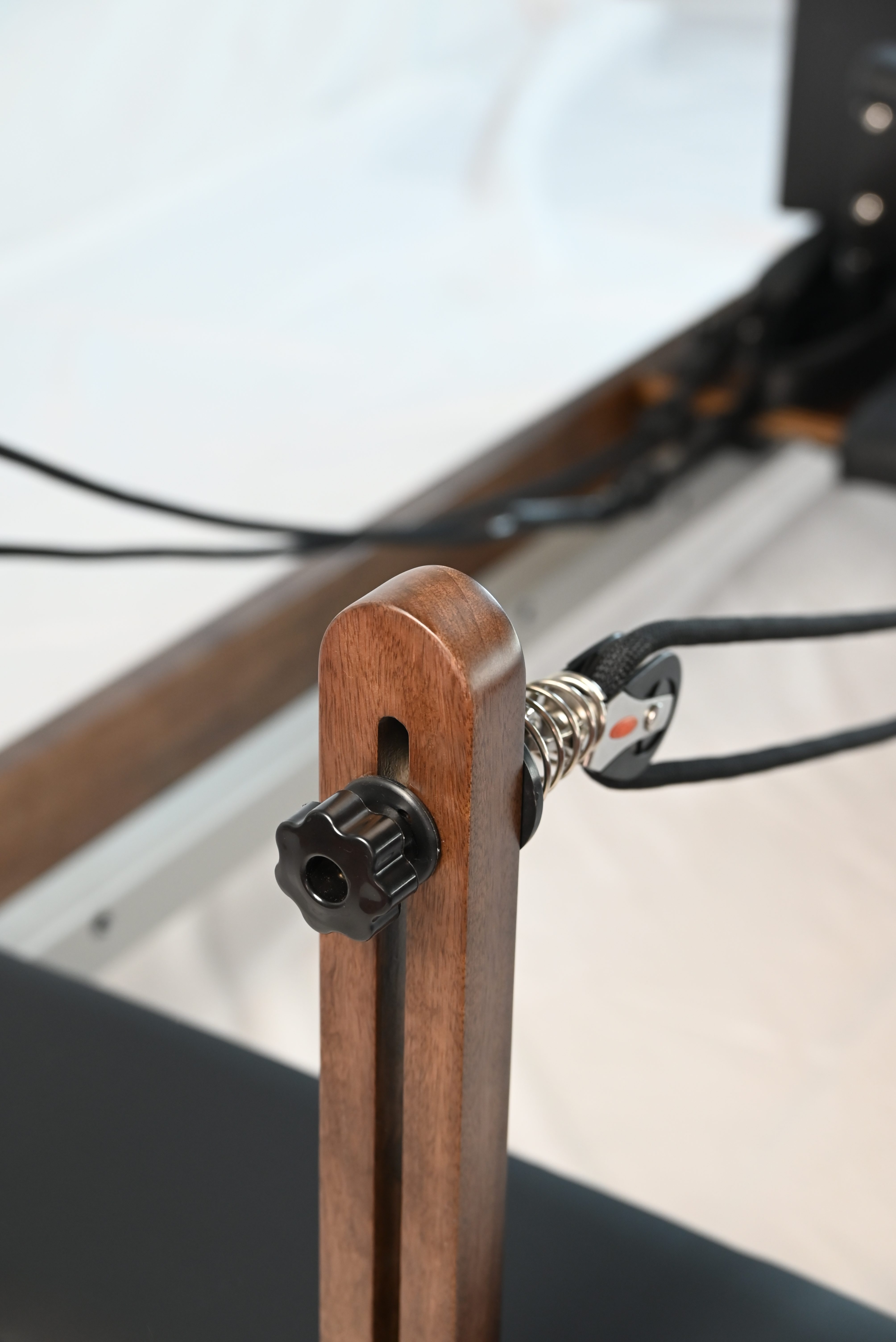
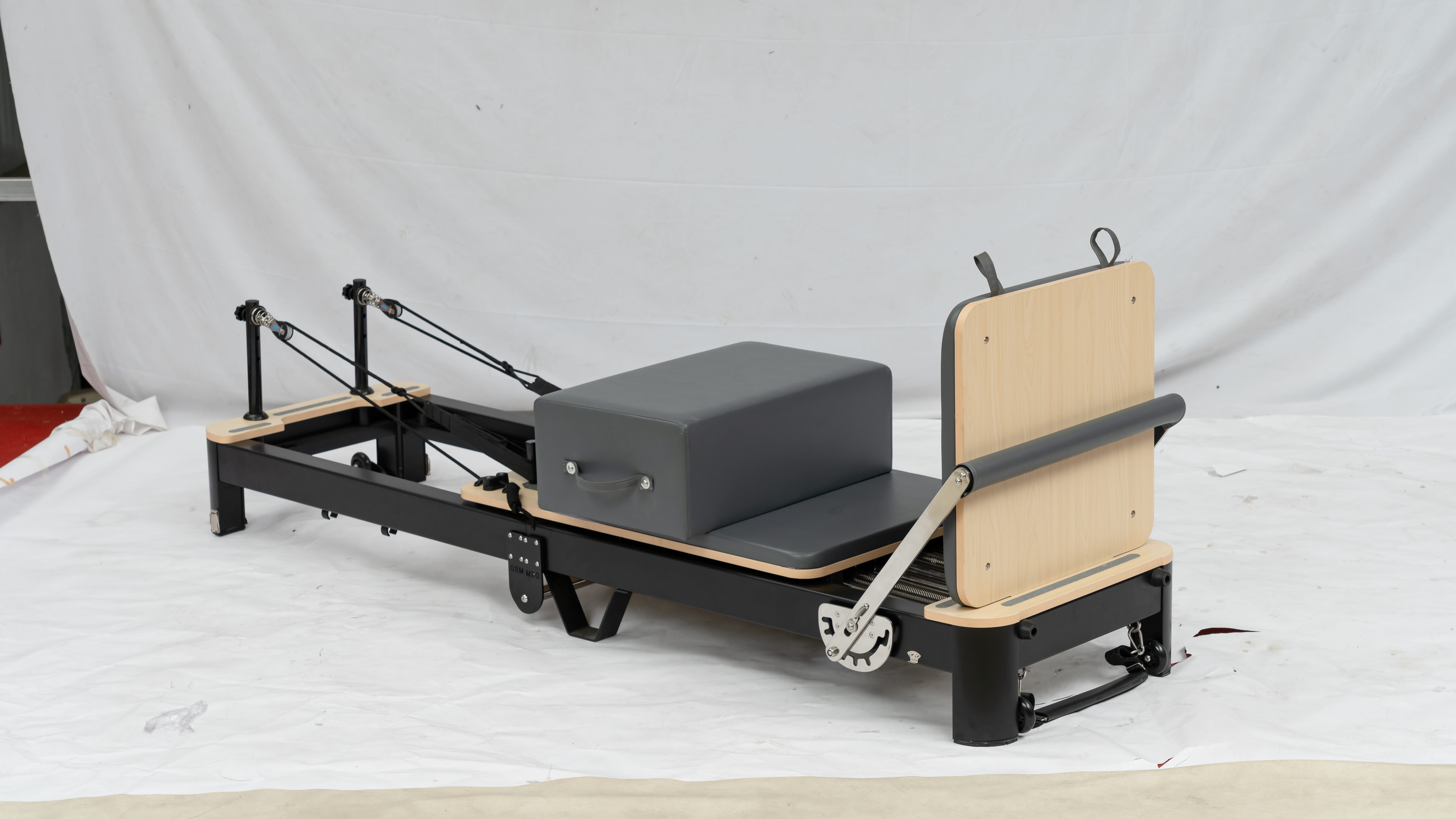
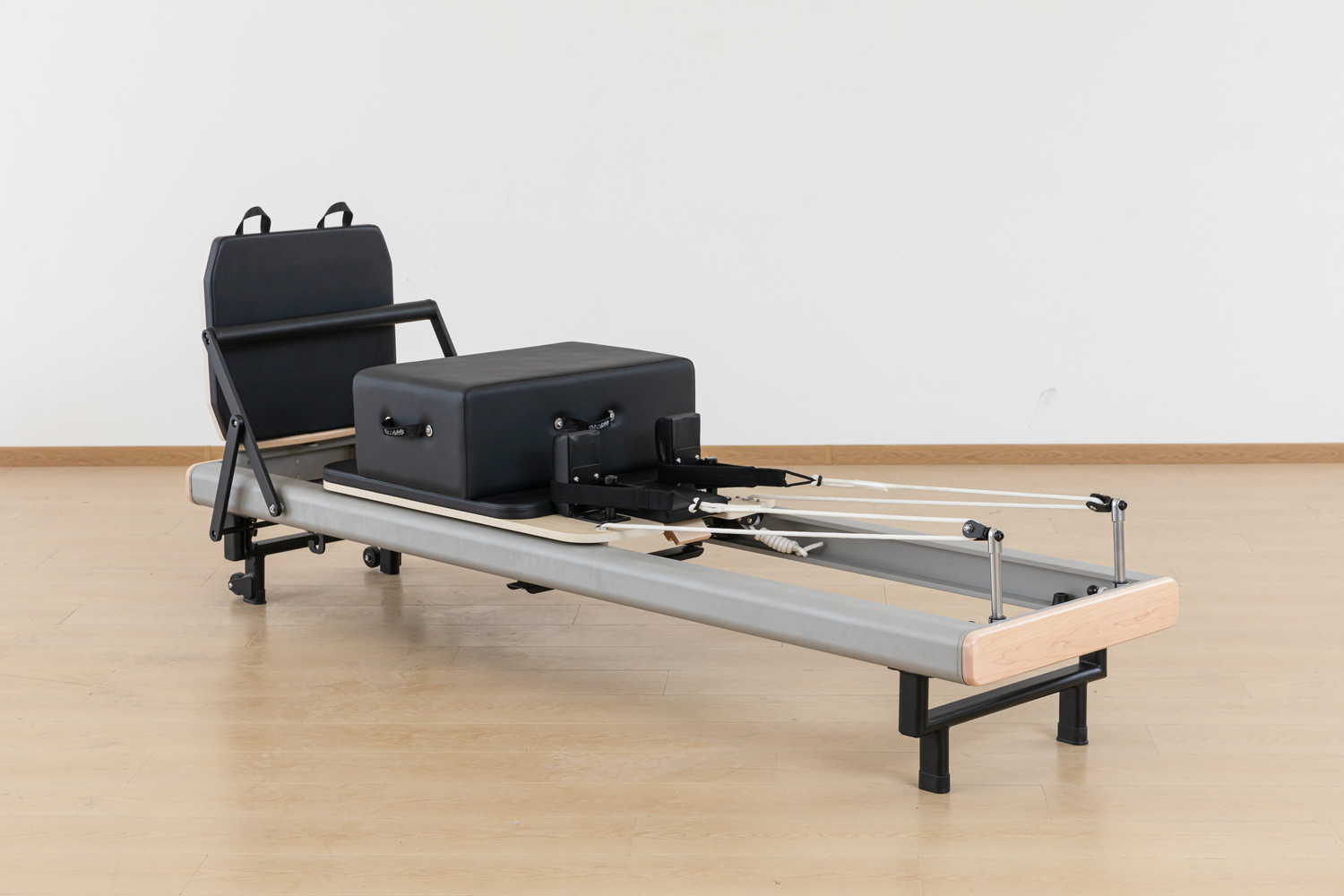
The Reformer is the absolute centerpiece of any Pilates studio and the most important investment. It consists of a sliding carriage, spring resistance system, footbar, and shoulder rests, enabling hundreds of exercises for strength, flexibility, and rehabilitation.
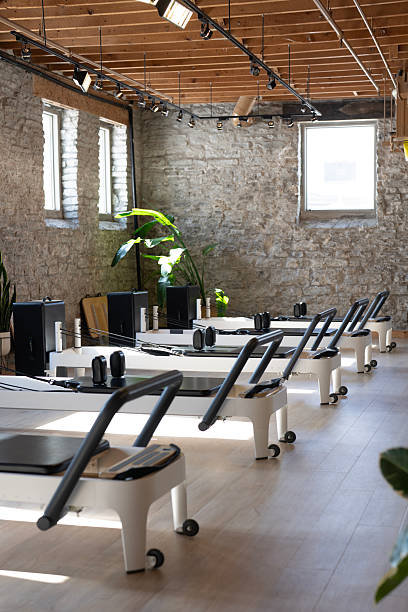
Recommended Configuration: New studios typically need 3-6 Reformers. 4-6 units can support small group classes and private sessions. 3 units suit boutique small-group classes, while 4-6 units work for regular small groups. Groups over 7 are not recommended due to compromised teaching quality and client experience.
Selection Tips: Prioritize German or Korean imported music wire springs. Frame materials: white maple is aesthetically pleasing but expensive; beech offers good value; rubberwood helps control costs. 2026 market trends show solid wood prices rising by 15%, making metal-frame Reformers the choice for 90% of startup studios due to better cost-performance.
2. Cadillac (Trapeze Table)
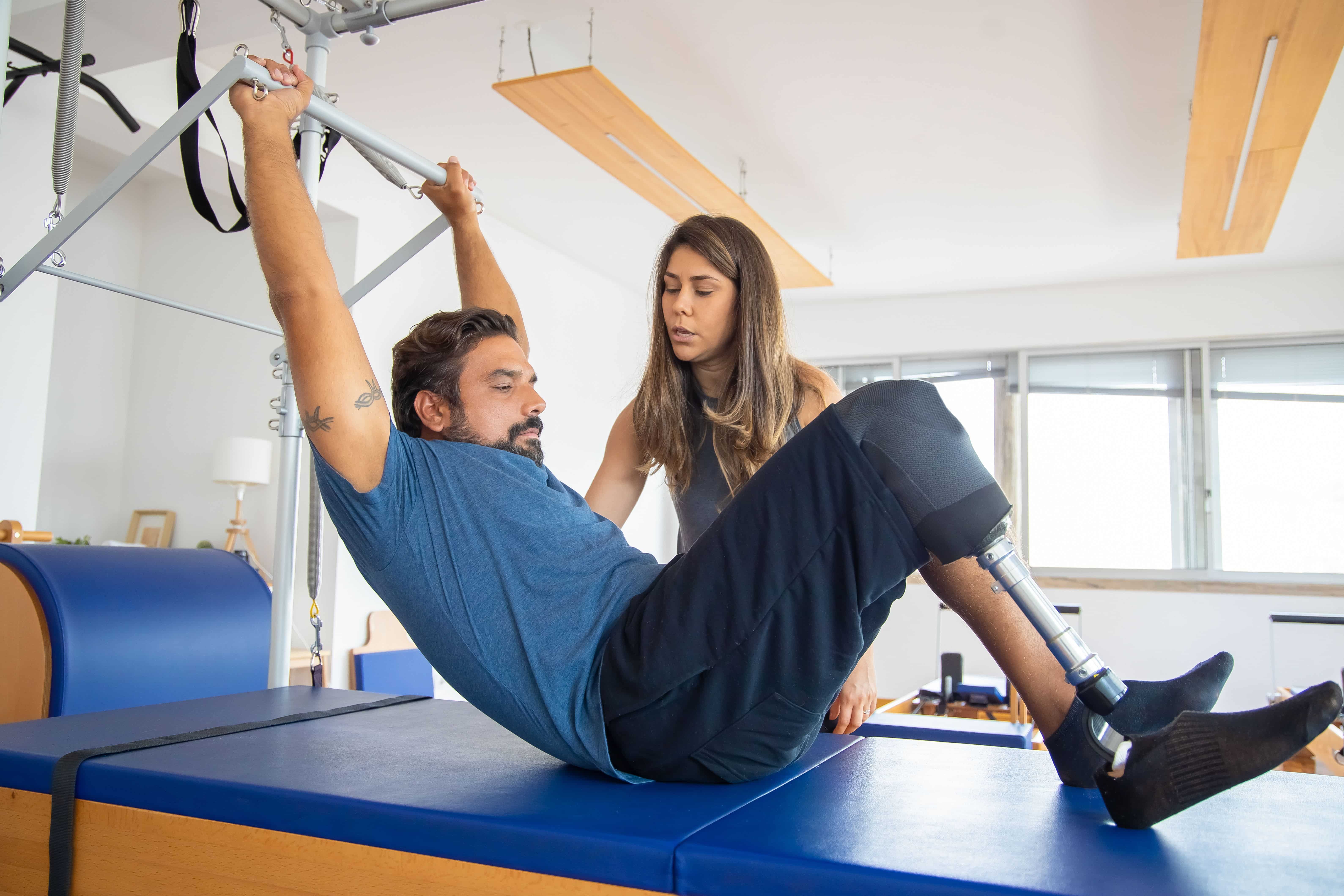
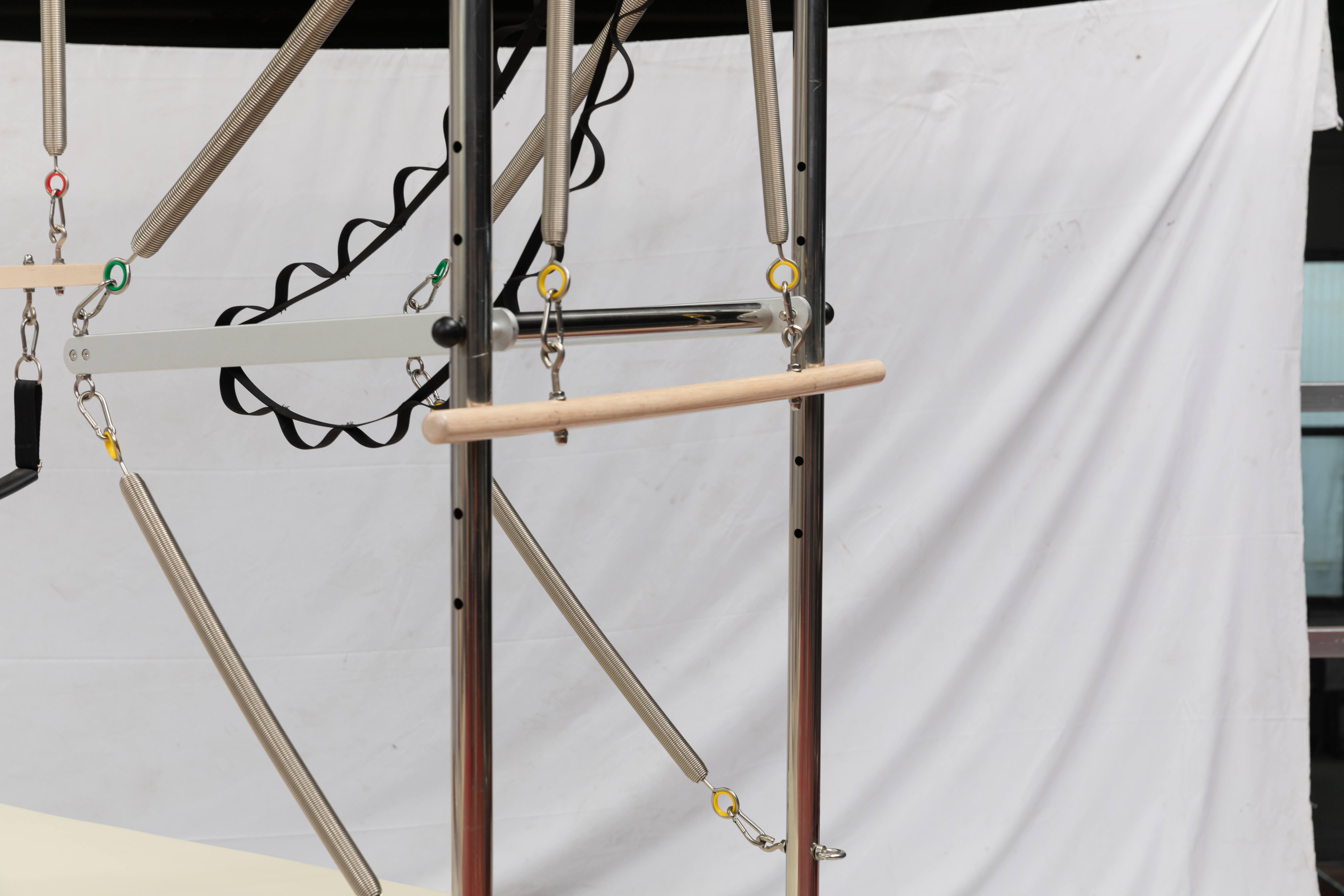
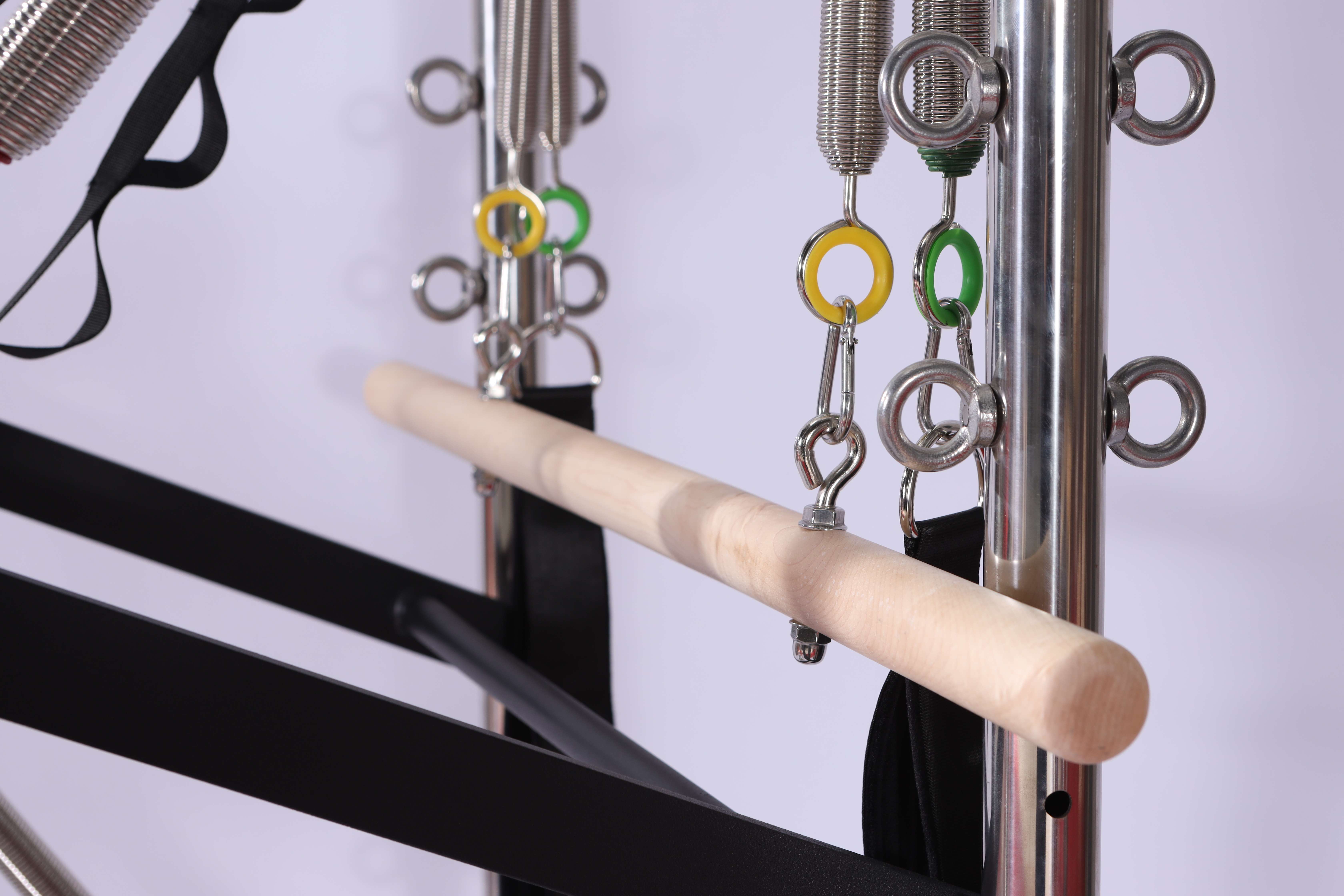
The Cadillac is the most versatile comprehensive rehabilitation apparatus, featuring an elevated frame, springs, straps, and push-through bars. It covers everything from gentle stretching and spinal rehabilitation to advanced strength training, particularly suitable for post-surgery recovery, senior posture correction, and sports injury rehabilitation.
Recommended Configuration: Typically an upgrade for 1-on-1 private sessions and specialty programs. Mid-size studios (150-200㎡) should consider 1 unit.
3. Wunda Chair
The Wunda Chair is compact yet powerful, consisting of a seat, pedals, and springs. It specializes in lower body sculpting, core stability, and functional strength. Split-pedal designs allow unilateral training to correct muscle imbalances.
Recommended Configuration: With a footprint of approximately 0.8㎡, it's ideal for smaller spaces. Frequently used in 1-on-1 private sessions or 2-person small classes, with particularly strong results in postpartum pelvic floor rehabilitation.
4. Ladder Barrel
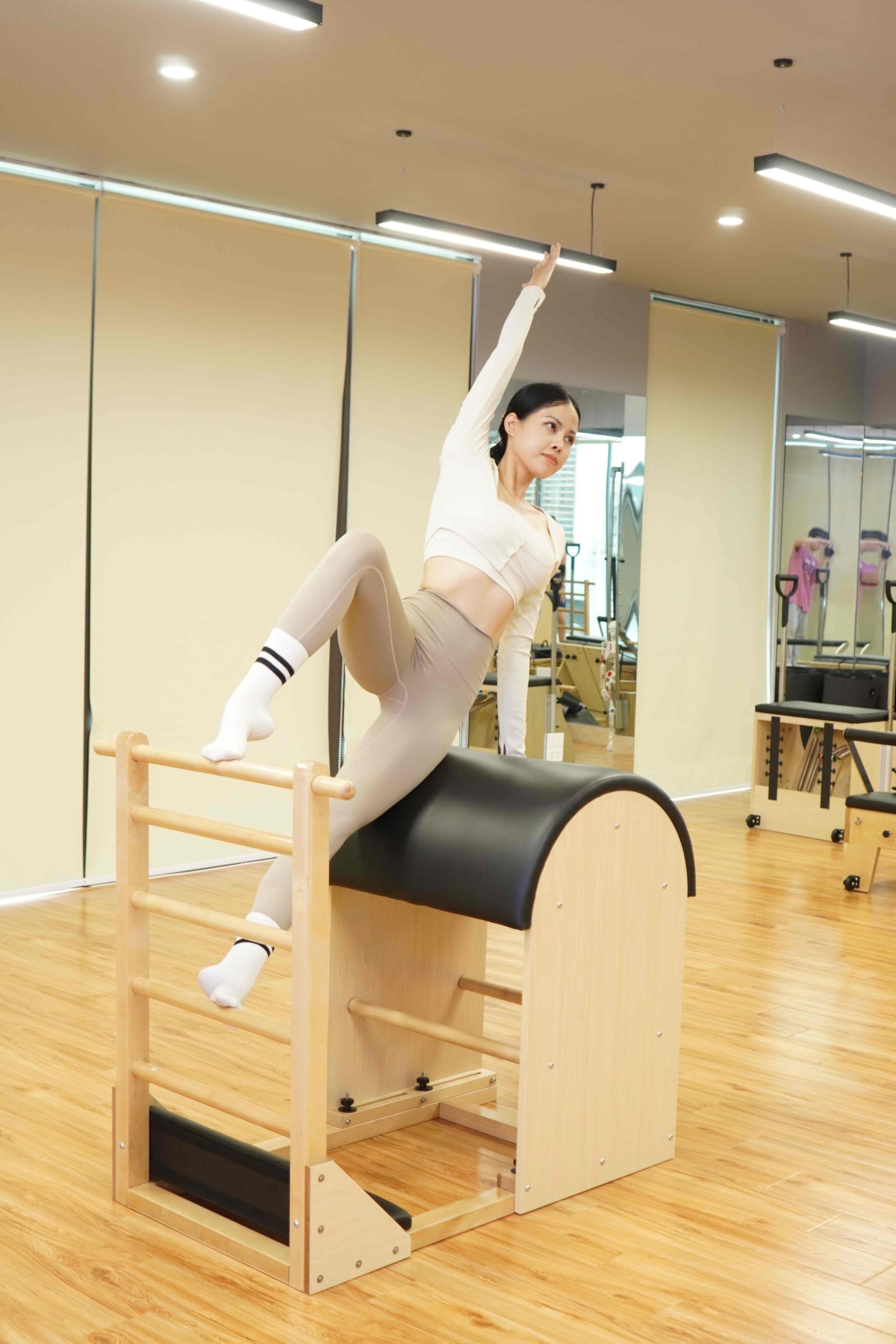
The Ladder Barrel features an arched barrel attached to a ladder-like frame, specializing in spinal mobility and postural correction. The barrel's curve follows the spine's natural contour, helping correct rounded shoulders and back stiffness. It's the only core apparatus without springs or moving parts — resistance comes from body weight and the curved surface.
Recommended Configuration: Frequently used in posture correction private sessions or warm-up segments in group classes. Particularly appealing to desk-bound professionals.
5. Spine Corrector (Arc)
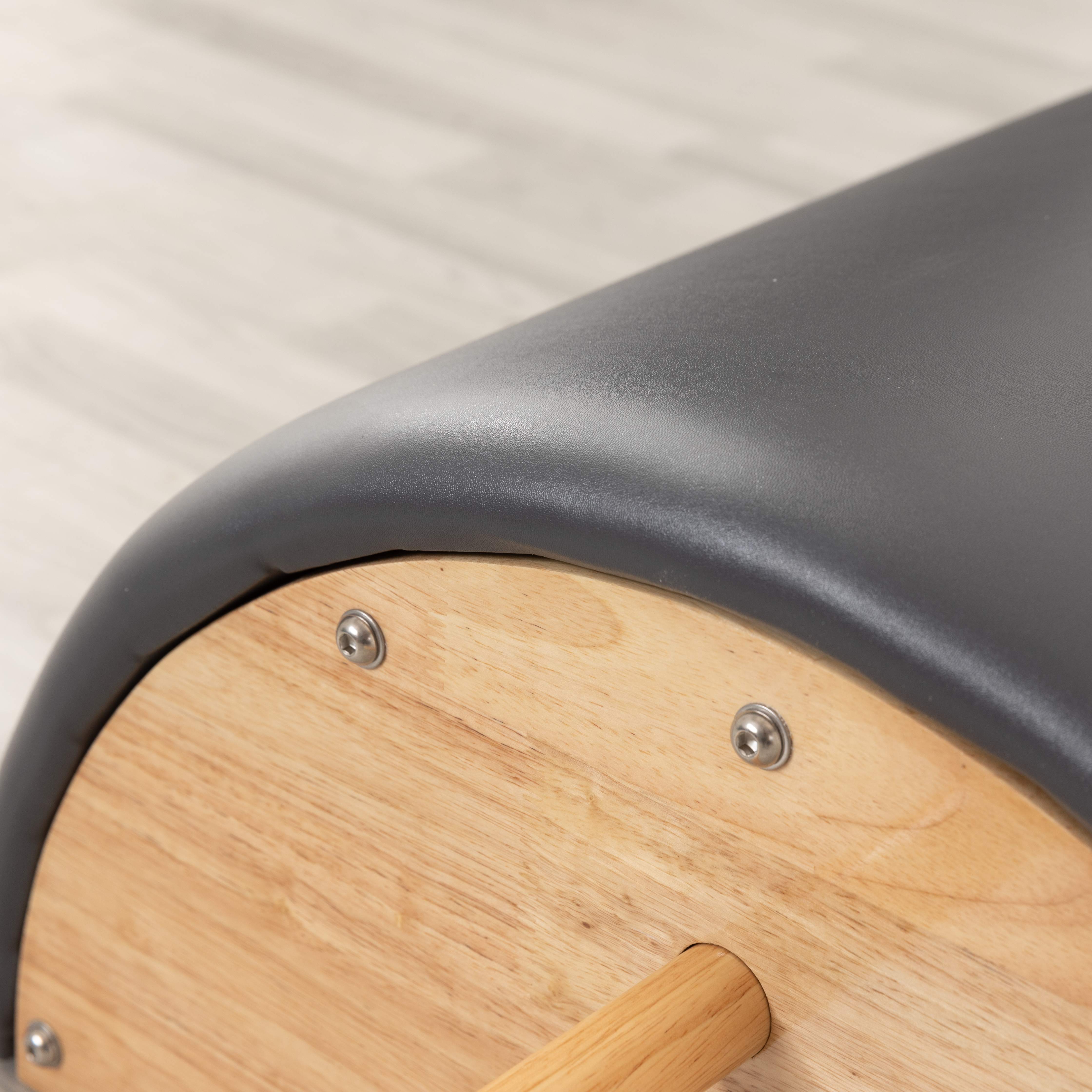
The Spine Corrector (Arc) is a lightweight, compact curved apparatus focused on segmented spinal movement and deep muscle activation. The curved design helps open the chest and improve spinal flexibility, especially beneficial for those who sit for long periods.
Recommended Configuration: Often used in private rehab sessions or advanced technique classes. Recommended configuration: 2-4 units.
II. Accessories & Props: Class Enhancers
While smaller in cost, accessories are critical for class variety and client retention. A quality prop collection empowers instructors to adapt sessions for clients at every level.
Essential Accessories Checklist
·Magic Circle (Pilates Ring): Full-body sculpting and pelvic floor training, adding resistance for arms, inner thighs, and chest.
·Resistance Bands: Portable resistance for all major muscle groups. Available in multiple resistance levels — recommend preparing 3 different strengths.
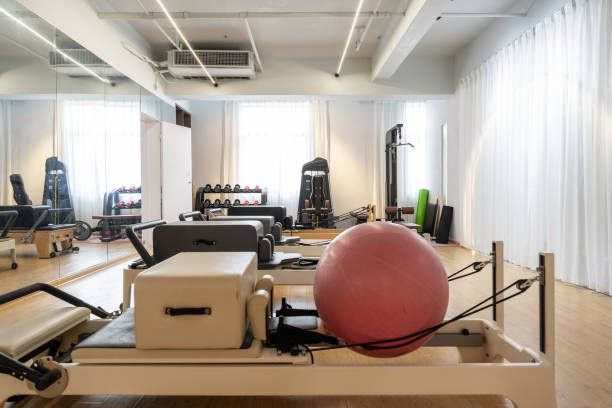
·Small Exercise Ball / Stability Ball: Challenges balance, increases core activation.
·Foam Roller: Self-myofascial release, reduces soreness, improves mobility. Recommended: Shore 60 hardness, 60cm length, 15cm diameter.
·Yoga Mat: Foundation for mat work — should provide sufficient cushioning to protect joints while maintaining stability, with a non-slip surface.
·Soft Kettlebells / Dumbbells: Functional strength training. Kettlebells: 5kg, 7.5kg, 10kg; Dumbbells: 2kg-5kg.
·Stretch Straps / Wooden Poles: Assist stretching and postural correction. Beech poles: 2.5cm diameter, 150cm and 80cm lengths.
III. Equipment Strategy by Studio Size
Equipment selection should align with studio positioning, target clients, and available space.
Boutique Private Studio / Solo Studio (80-100㎡) : 3 Reformers + 1 Wunda Chair + 2 Spine Correctors, supporting private + 2-person small classes. Budget: ~$7,000-10,000 USD.
Mid-Size Comprehensive Studio (150-200㎡) : 5 Reformers + 1 Cadillac + 1 Wunda Chair + 2 Ladder Barrels, accommodating private, small-group, and group classes. Budget: ~$14,000-17,000 USD.
High-Volume Group Studio: 8-10 entry-level Reformers + Wunda Chairs + Spine Correctors, prioritizing durability and easy maintenance for high-frequency group classes.
Summary: Equipment is the soul of a Pilates studio — choosing wisely can halve your costs and double client retention. Prioritize Reformer quantity and quality, then gradually expand your apparatus and accessory collection based on your curriculum. When budgeting, balance commercial durability, cost control, and future expansion room. If funds are limited, start with Reformers, Spine Correctors, and essential props, then expand as your business grows.