Business Opportunities in the Commercial Pilates Industry
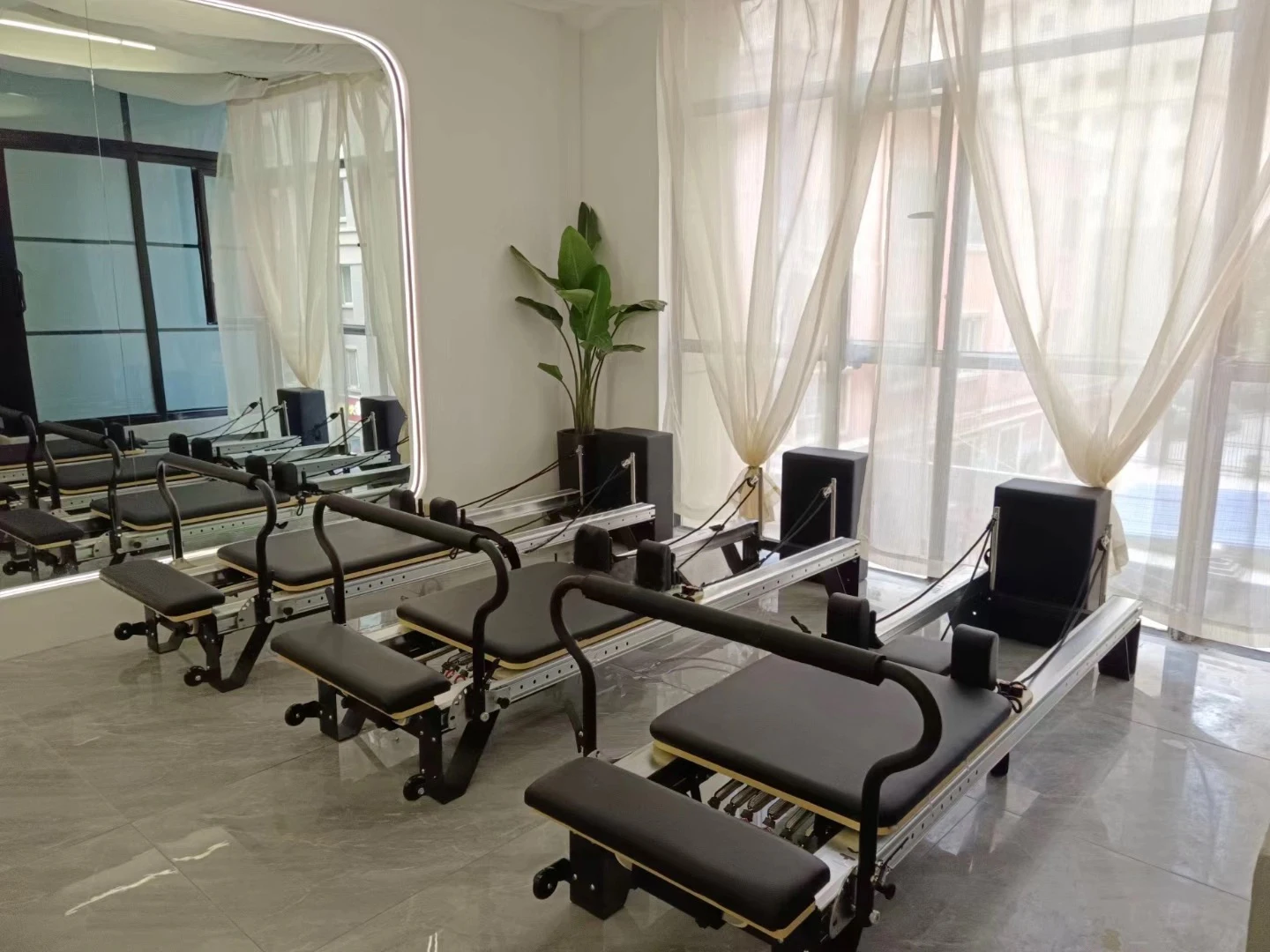
Pilates is transforming from a niche fitness activity into a global wellness industry wave. For entrepreneurs, investors, and industry professionals, understanding the business opportunities in this sector means identifying untapped value in a rapidly expanding market. This article analyzes the development prospects of the commercial Pilates industry from the perspectives of market size, demand drivers, business model innovation, and regional opportunities.
I. Market Size: A High-Growth Emerging Sector
The global Pilates and yoga studios market is on a fast growth trajectory. In 2025, the market was valued at approximately $168–180 billion, with projections reaching over $520 billion by 2035, representing a compound annual growth rate of 12% to 14%.
China's Pilates market demonstrates equally impressive growth potential. In 2024, China's Pilates industry reached 8.02 billion RMB, with offline classes accounting for 7.41 billion RMB and online classes for 608 million RMB. The number of Pilates consumers in China reached 4.974 million in 2024, showing steady growth year over year.
Key Opportunity: Compared to mature Western markets, China's Pilates industry remains in a rapid growth phase with significant room for expansion. This creates clear market gaps for brand building, standardized operations, and quality service provision.
II. Demand Drivers: Who Is Paying for Pilates?
The growth of the Pilates industry is not accidental — it is the result of multiple converging social trends.
Rising Health Awareness
In an era dominated by sedentary lifestyles and rising chronic disease rates, more people are seeking preventive health solutions. Pilates's low-impact, high-benefit characteristics — core strengthening, posture improvement, stress relief, and enhanced flexibility — align perfectly with this demand. The World Health Organization recommends regular aerobic and muscle-strengthening activity for adults, and Pilates and yoga sit at the intersection of preventive health, functional fitness, and low-impact exercise.
Diversifying User Base
Traditionally, Pilates' primary users were women seeking body sculpting. This pattern is breaking down: Equinox observed a 47% increase in male participation in mat Pilates classes compared to 2019, with more men using Pilates as a complement to strength and high-intensity training.
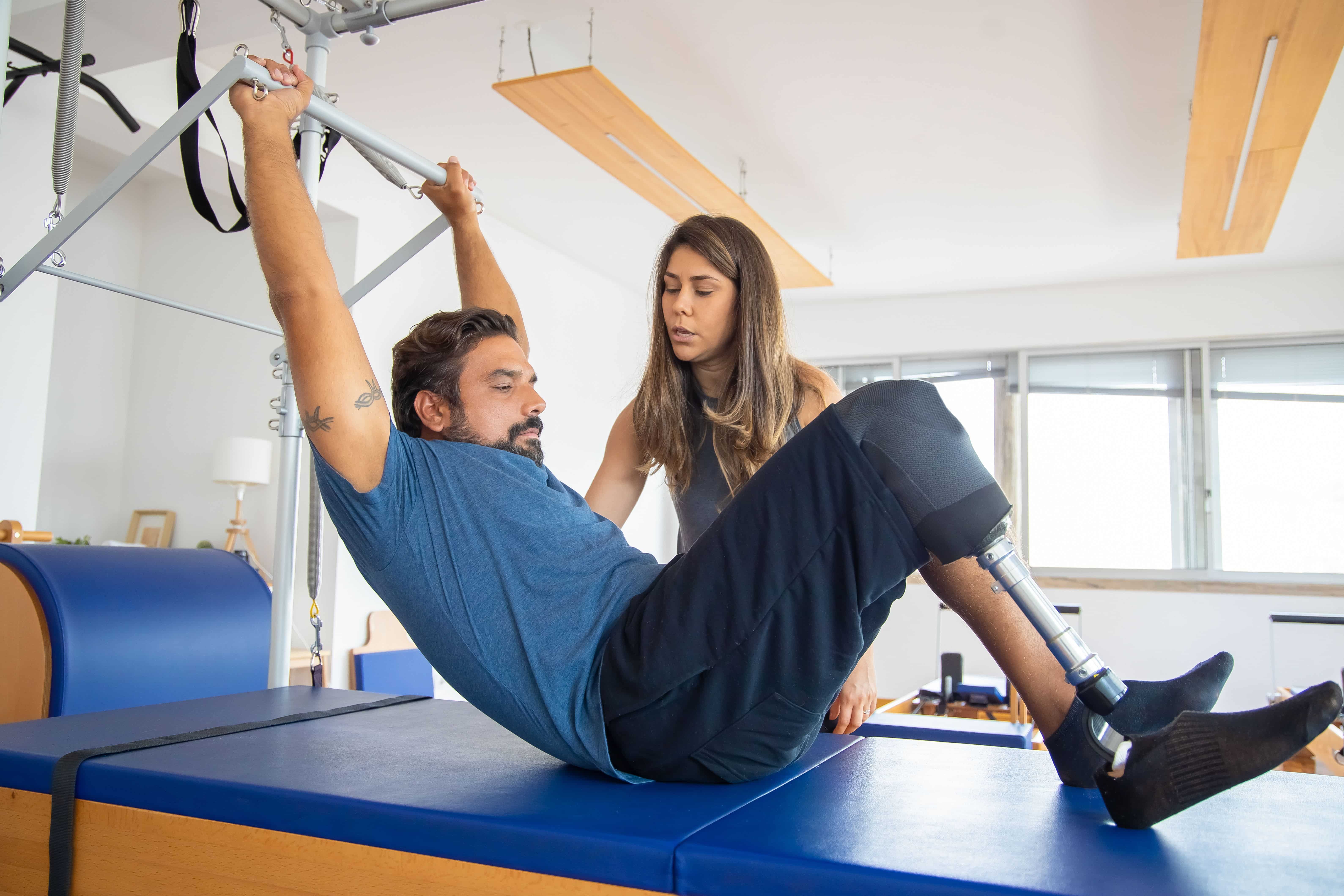
At the same time, rehabilitation needs from aging populations, postpartum recovery demand, and younger consumers' interest in posture correction and athletic performance create a diverse user profile.
Mind-Body Wellness Demand
In the Japanese market, consumers are no longer satisfied with mere "sweat-based" workouts — they seek both physical and mental renewal. Pilates studios are integrating mindfulness, nutrition, and community activities to create "holistic wellness experiences". This "lifestyle transformation" elevates Pilates from a fitness program to a carrier of identity and social expression.
Key Opportunity: Niche segments — male users, seniors, rehabilitation populations — remain underdeveloped, offering differentiation potential through targeted program design and marketing.
III. Business Model Innovation: From Traditional Studios to Diverse Ecosystems
The commercial Pilates industry is evolving from "single-class delivery" to "diverse ecosystem platforms."
Chain Expansion and Branding
The U.S. experience demonstrates that chain studios are essential for industry scaling. Brands like SolidCore (250+ locations) and Bodyrok (30 locations) have broken the "low-intensity" stereotype through proprietary equipment, high-intensity programming, and immersive atmospheres. In China, Pilates studios now outpace traditional gyms in growth — fitness studios reached 43,232 in 2024, while commercial gyms declined to 28,683.
Hybrid Models and Digitalization
Online memberships, on-demand video libraries, and livestream classes are becoming standard studio offerings. Hybrid models allow clients to maintain practice continuity regardless of location, particularly appealing to busy professionals and users in underserved areas. Some studios are also incorporating AI for class recommendations, progress tracking, and customer engagement.
Lifestyle Integration
Japan's "Chocozap" model — combining fitness with karaoke, laundry, teeth whitening, and hair removal services — illustrates the potential of "fitness+" concepts. Pilates studios are becoming "comprehensive spaces where people exercise, learn, relax, and connect with like-minded individuals".
Key Opportunity: Franchise models, digital tools, and cross-industry lifestyle integration offer differentiation pathways for new entrants.
IV. Regional Opportunities: A Global Growth Map
North America: Mature but Still Growing
North America is the world's largest and most mature Pilates market, with high concentration of chain brands and boutique studios. Even in this mature market, Pilates participation grew 10% between 2019 and 2022, reaching 10 million participants.
Asia-Pacific: The Fastest-Growing Blue Ocean
Asia-Pacific is identified by multiple reports as the region with the highest growth potential. China's urbanization, rising health awareness, and digital adoption are driving rapid Pilates penetration — approximately 48% of new fitness centers now include Pilates offerings. Club Pilates recently signed an agreement to open 20 studios in Bangkok, reflecting international brands' commitment to the Asia-Pacific market.
Middle East and Africa: Emerging Growth Nodes
Approximately 32% of new fitness facilities in the Middle East and Africa are integrating Pilates equipment, driven by urban wellness development and fitness infrastructure expansion.
Key Opportunity: China's market remains in an early "wild growth" phase, with significant opportunities for branding and standardization; other emerging Asia-Pacific markets offer first-mover advantages.
V. Challenges and Strategic Responses
Opportunities coexist with challenges.
Instructor Standardization: Inconsistent certification systems and uneven instructor quality are core bottlenecks to healthy industry development. The response is to establish internal training systems and standardized teaching processes, making instructor credentials a brand differentiator.
High Operating Costs: Equipment investment, rent, and quality instructor compensation constitute high fixed costs. Flexible pricing structures (membership tiers, virtual packages) and diversified revenue streams (training, merchandise, corporate partnerships) are effective offsets.
Client Retention: Fitness businesses face universal retention challenges. Data-driven personalized communication, community building, and loyalty programs are key to improving retention.
Summary: The commercial Pilates industry is in a phase of "quality and quantity growth" — rapid market expansion accompanied by rising consumer expectations for quality, experience, and brand. For new entrants, opportunities lie in differentiated positioning (niche audiences, specialized programs), branded operations (standardized systems and chain expansion), and digital enablement (hybrid models and data-driven operations). In a market yet to be dominated by giants, first-mover advantage and quality commitment are equally important.