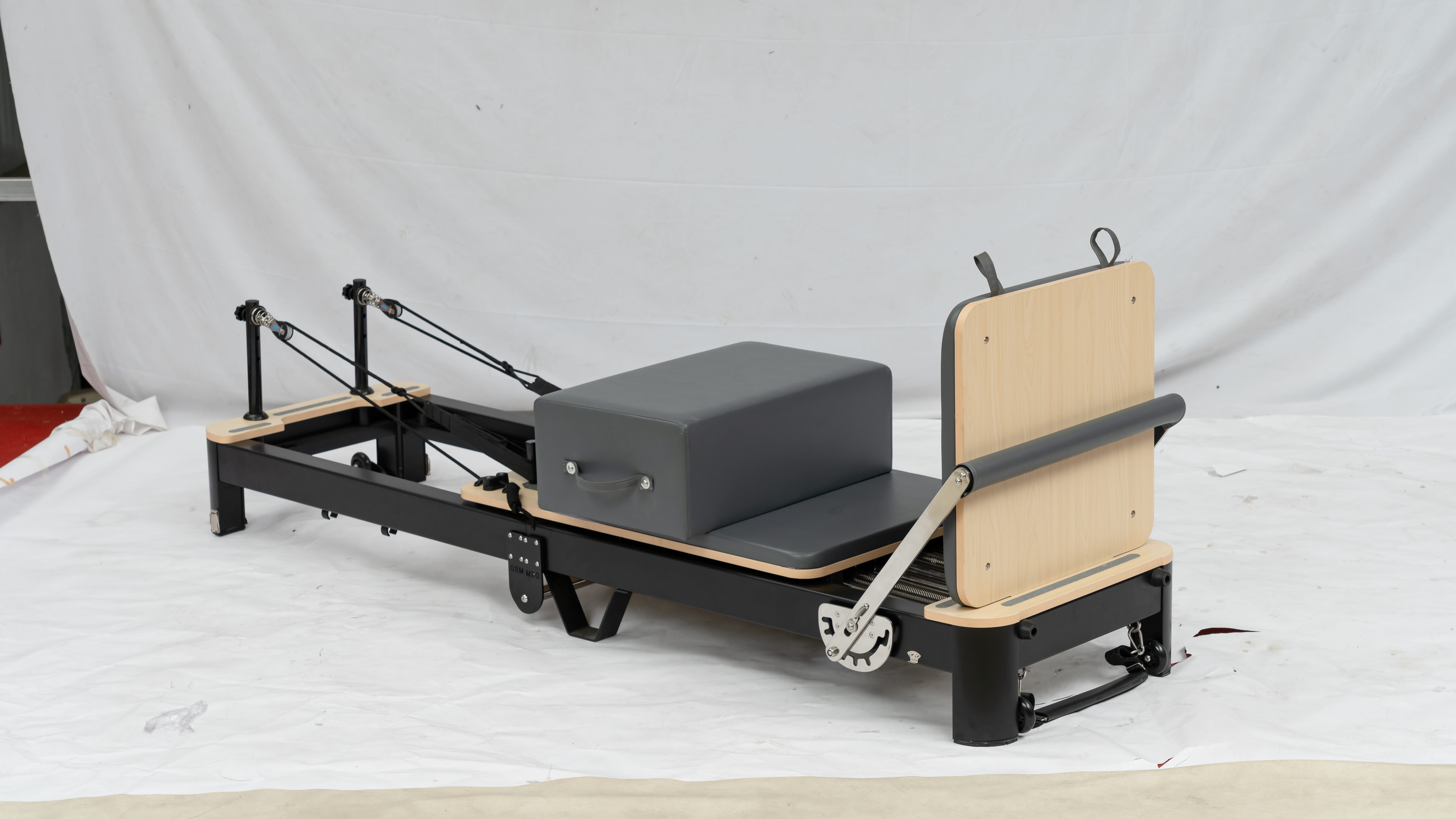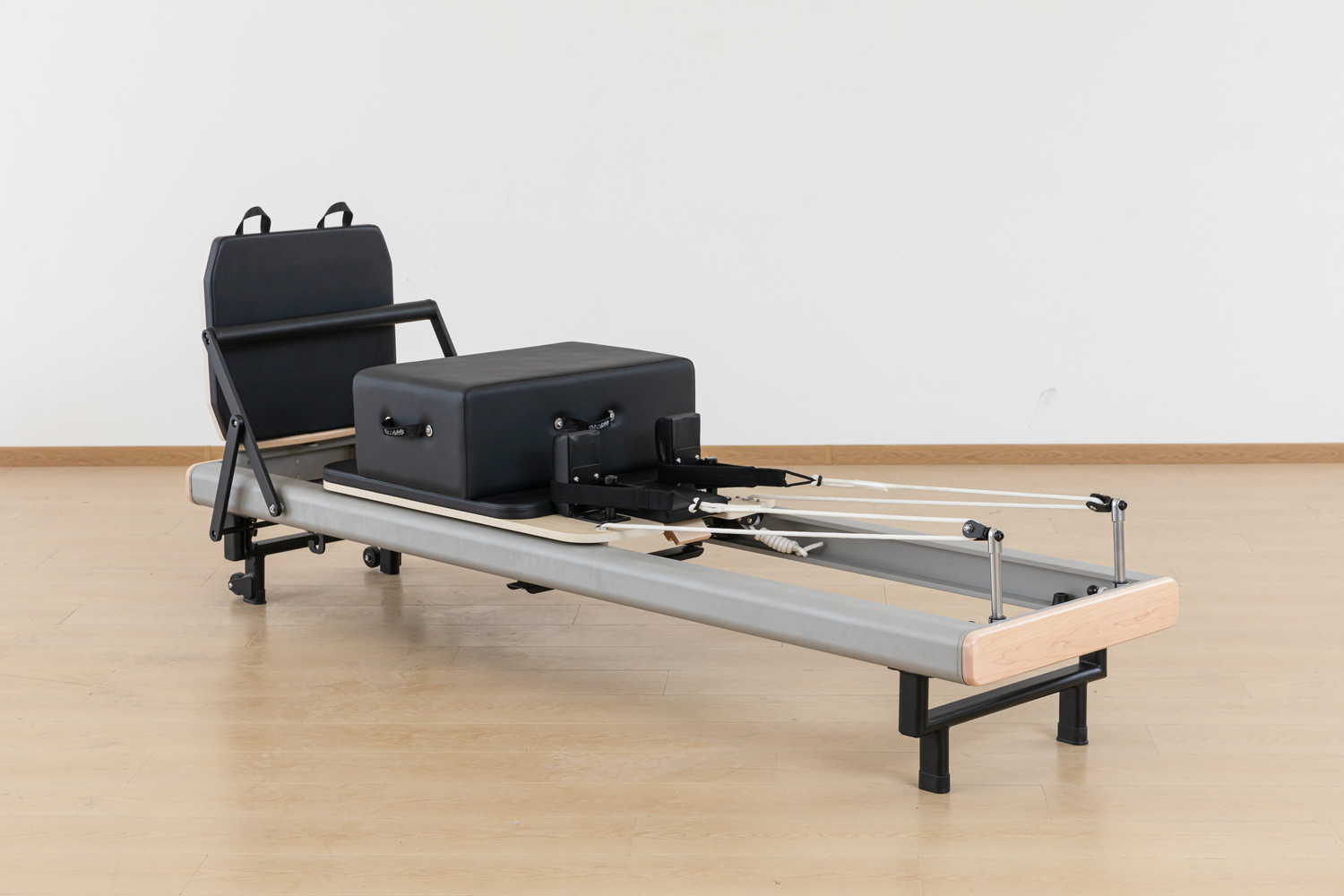
How to Maintain Pilates Equipment?
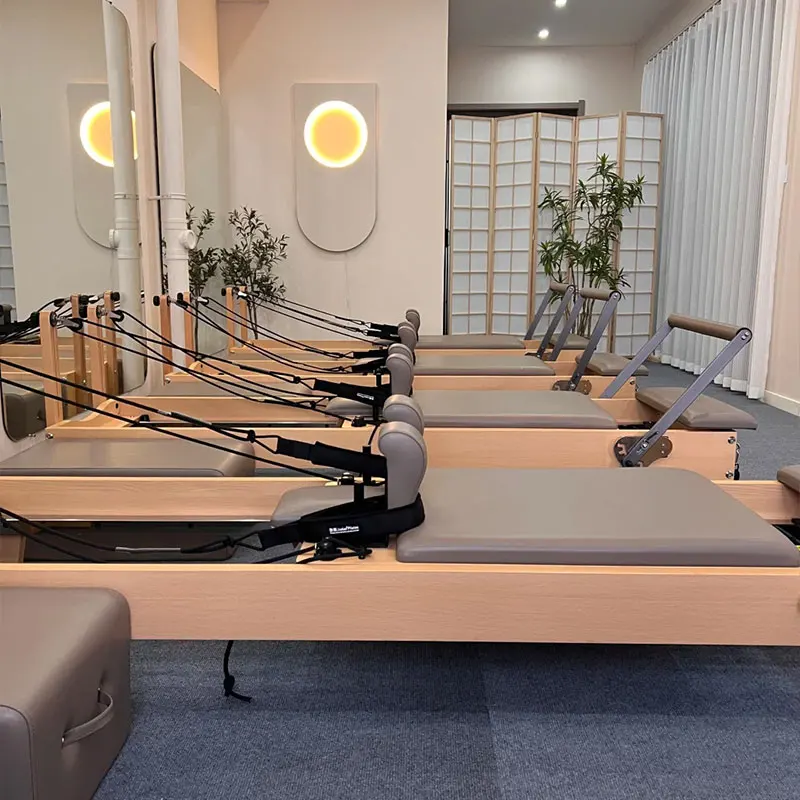
Pilates equipment is a significant investment for studios and home practitioners alike. A well-maintained Reformer can last over a decade, while neglected equipment may show spring fatigue, rail sticking, and upholstery cracking within just a few years. Maintenance is not complicated — it's about building habits, using the right methods, and having the right tools. This article covers four key areas: daily cleaning, regular inspections, lubrication, and proper storage.
I. Daily Cleaning: The "Golden 30 Seconds" After Each Use
Taking 30 seconds to one minute after each session to do basic cleaning is the most effective habit for extending equipment life.
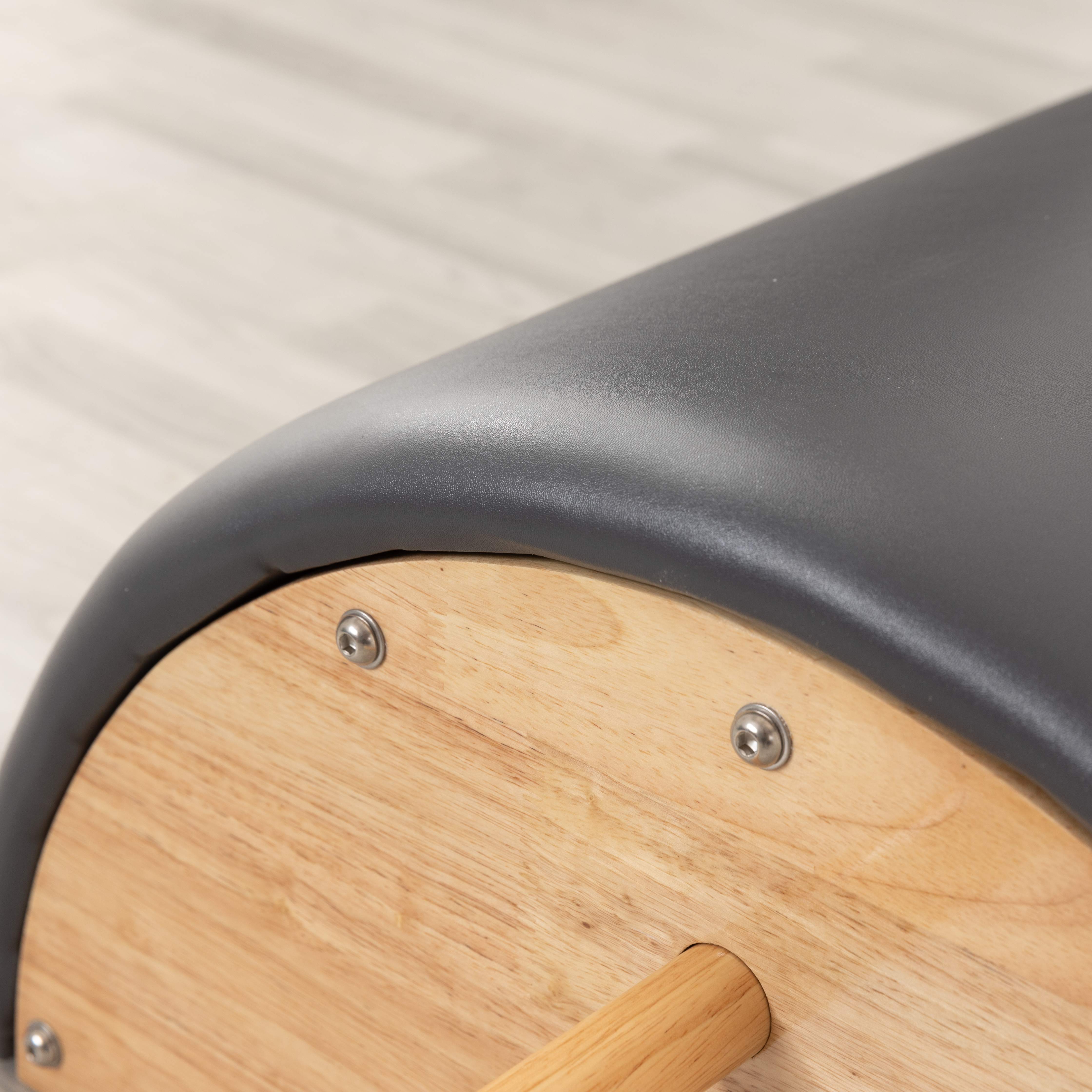
Upholstery & Leather: After each use, wipe leather surfaces with a slightly damp microfiber cloth to remove sweat and dust. For deeper stains, dilute one tablespoon of neutral soap in 1.5 liters of water, apply with a soft cloth, then wipe clean with plain water. Avoid cleaners that leave oily residues, as they can make surfaces slippery and compromise safety. Never spray water or cleaner directly onto leather — apply to the cloth first.
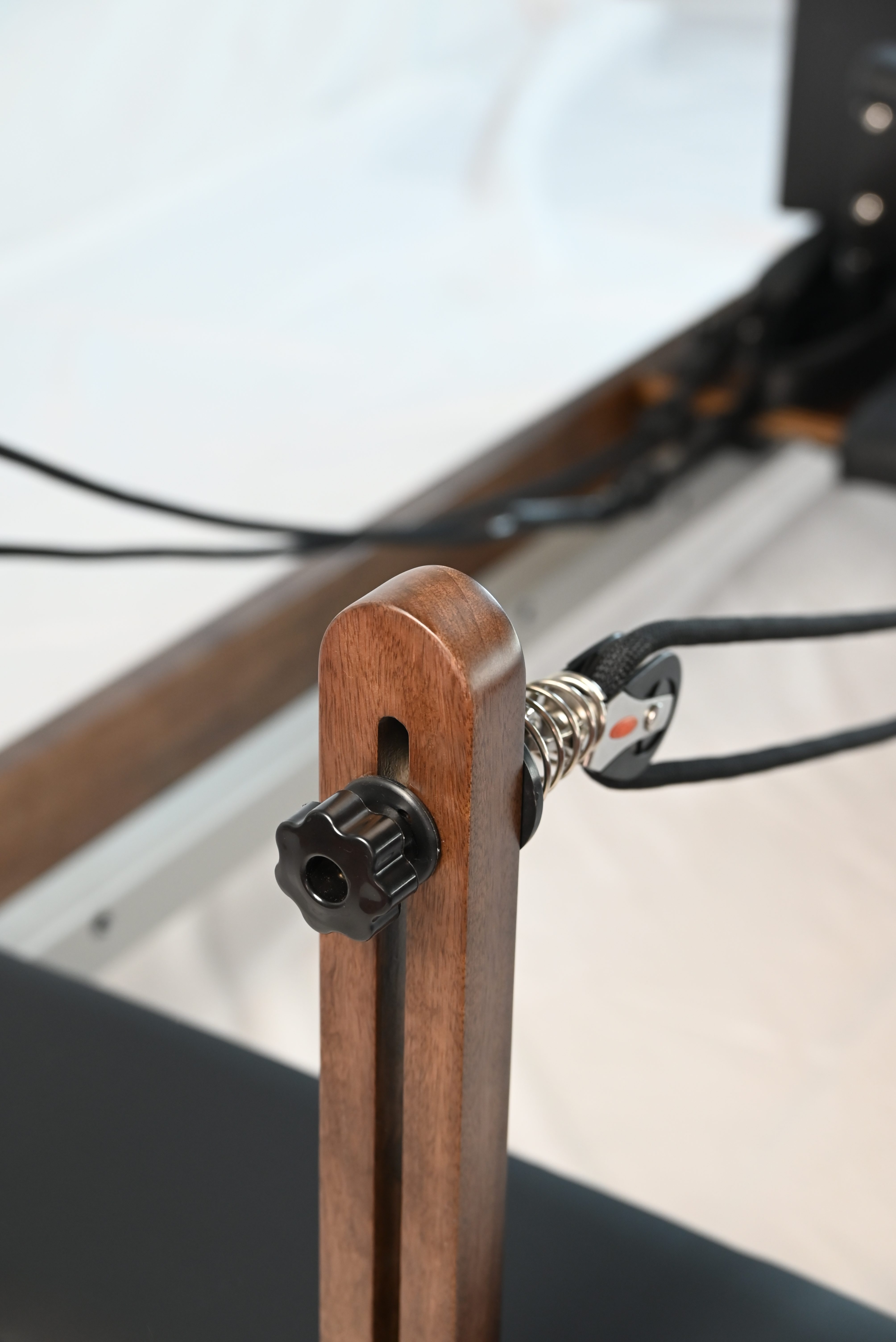
Wood Frames: Wipe with a slightly damp soft cloth — never spray water directly on the wood. Some users recommend a 1:1 mixture of diluted white vinegar and olive oil for cleaning and conditioning wood frames, restoring natural luster. Water-based varnish care products can also protect wood surfaces.
Metal Parts & Rails: Check rails and wheels monthly for dust buildup — when sliding feels rough, dust in the tracks is often the culprit. Use a small brush (an old toothbrush works well) to gently remove dust from crevices, then wipe with a lint-free cloth. Be careful not to push dust into wheel bearings.
Straps & Ropes: Removable straps can be placed in a laundry bag and washed on a gentle cycle with cold water and mild detergent, then air-dried. Non-removable straps should be spot-cleaned with a soft cloth dampened with neutral cleaner, thoroughly dried before storage.
II. Regular Inspections: Monthly "Check-Ups"
Establishing a monthly "equipment check-up" habit helps catch issues early, preventing minor problems from becoming safety hazards.
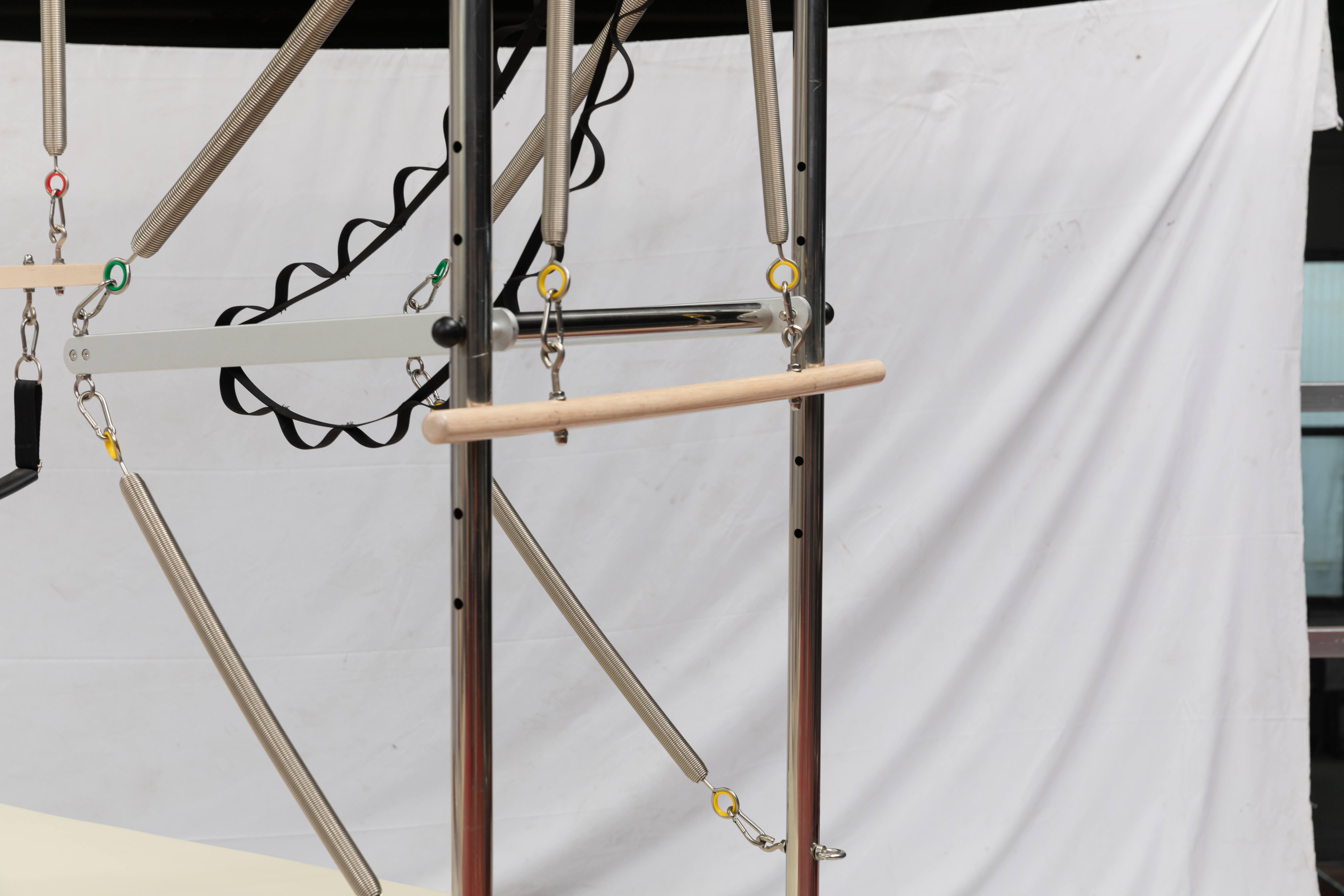
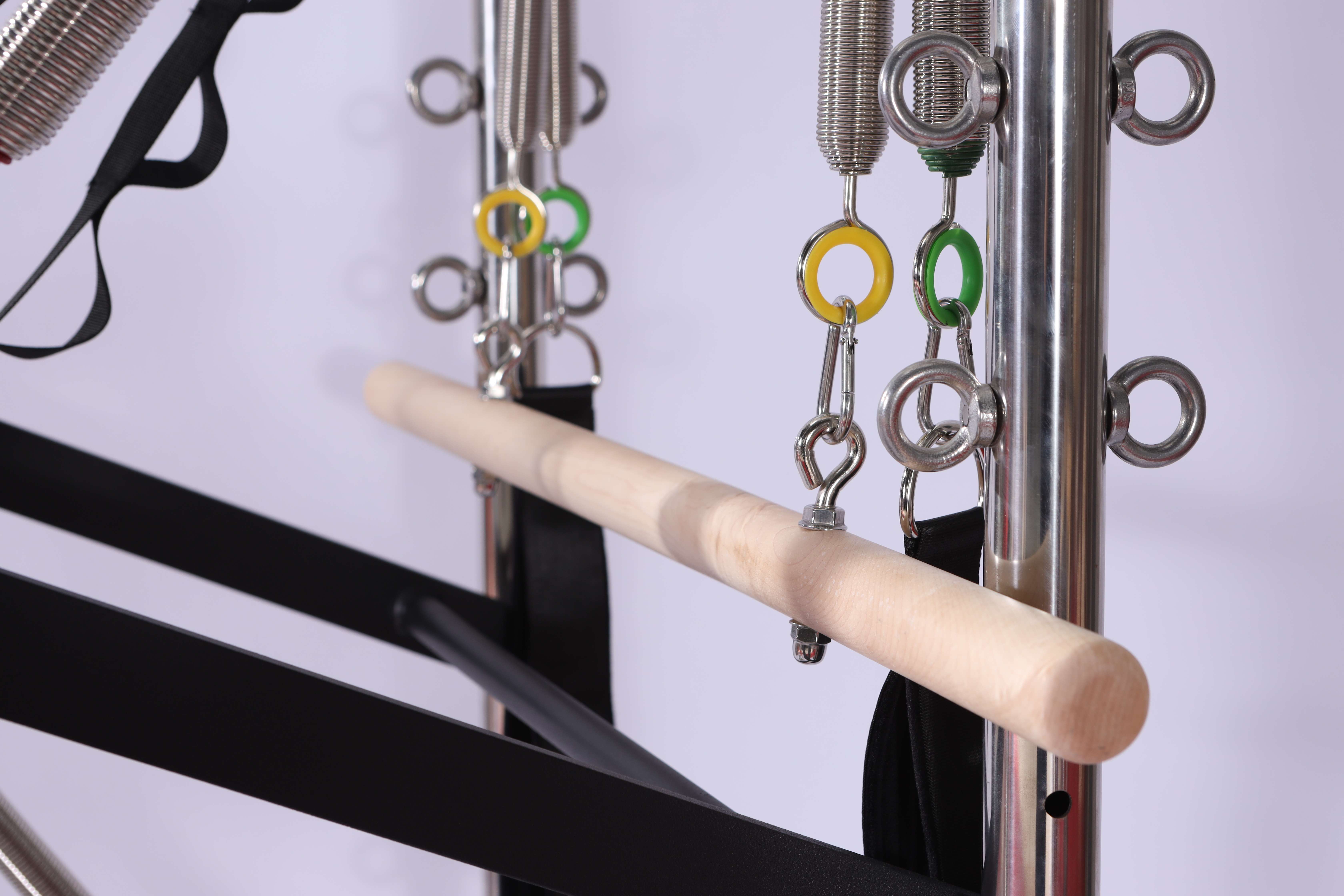
Spring Inspection: Springs are the "power heart" of Pilates equipment and the fastest-wearing component. Check monthly for deformation, cracks, or loss of elasticity. A simple test: push the carriage back and observe whether both sides return at the same speed — noticeable differences indicate uneven tension and suggest replacing the entire set. In commercial environments, springs typically need replacement every two years, depending on usage intensity. Safety principle: if you find cracks or springs that don't return to original length, stop using them immediately.
Screws & Joints: Gently shake each corner of the frame and listen for unusual sounds. If loose, tighten with the provided hex wrench — but don't over-tighten, as this can strip threads. Also check mounting screws on footbars, shoulder rests, and headrest adjustment mechanisms.
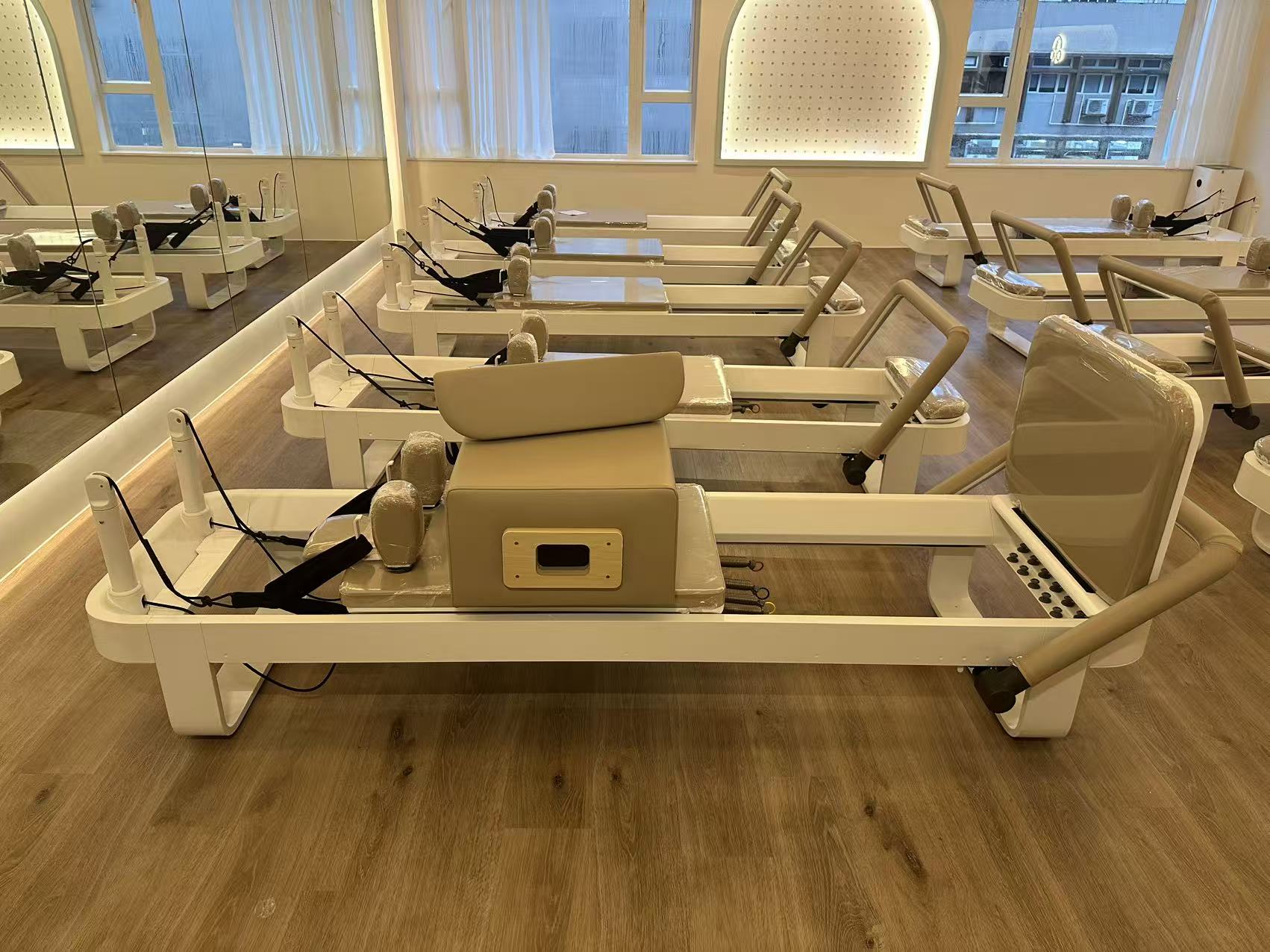
Wheels & Rails: Sit on the carriage and push gently to check for sticking or deviation. Noticeable roughness may indicate bearing wear or rail deformation, requiring professional inspection. Also check wheels for cracks or wear.
Straps & Ropes: Inspect strap edges for fraying or signs of wear. Nylon straps are durable but still wear from friction over time. Replace immediately if frayed or visibly damaged.
III. Lubrication & Deep Maintenance
Rail Lubrication: Metal rails need periodic lubrication to stay smooth. Apply silicone spray lightly to rail surfaces once a month, then slide the carriage back and forth to distribute evenly. Important Warning: Never use WD-40 or ordinary lubricating oil! These oil-based products attract dust and lint, accelerating wear — a hard-learned lesson from many users.
Rust Prevention: In humid environments, metal parts like spring hooks and bolts may rust. Wipe with a dry cloth and apply a small amount of rust preventative (non-oily) if needed, avoiding contact with leather and straps.
Deep Cleaning: Perform a deep clean monthly — wipe all frame surfaces, clean rail crevices, and check all fasteners. If the equipment has removable parts, take them off for separate cleaning and inspection.
IV. Storage Environment & Usage Habits
Proper storage and usage habits are just as important as cleaning.
Three Storage Principles:
Keep away from direct sunlight and high temperatures: UV rays accelerate leather aging and wood cracking; high heat degrades spring performance.
Maintain ventilation and dryness: Wood equipment is especially vulnerable to moisture — prolonged exposure causes wood swelling and metal rusting. Store in a well-ventilated indoor area, away from windows and humidifiers; use desiccant packs if necessary.
Don't stack or pile: Equipment should not be weighted down. A breathable dust cover is sufficient — avoid sealing in plastic bags.
Usage Habits:
Wear grip socks during practice — better for protecting foot straps and leather surfaces than bare feet.
Return the carriage with controlled speed — avoid slamming it back, as impact forces accelerate structural fatigue.
Replace wear parts (springs, straps, etc.) periodically — at least annually. Consider a "budget spreading" approach — replace one set of components each year to maintain performance without a large one-time expense.
Summary: Pilates equipment maintenance can be summarized as "daily wipe, weekly check, monthly lubricate, annual replace." As one experienced instructor put it: "A well-maintained Reformer feels smoother over time — it has 'learned' your practice." Building systematic maintenance habits is not just an investment in equipment — it's a commitment to client safety and practice quality.