How Often Should You Replace Reformer Springs?
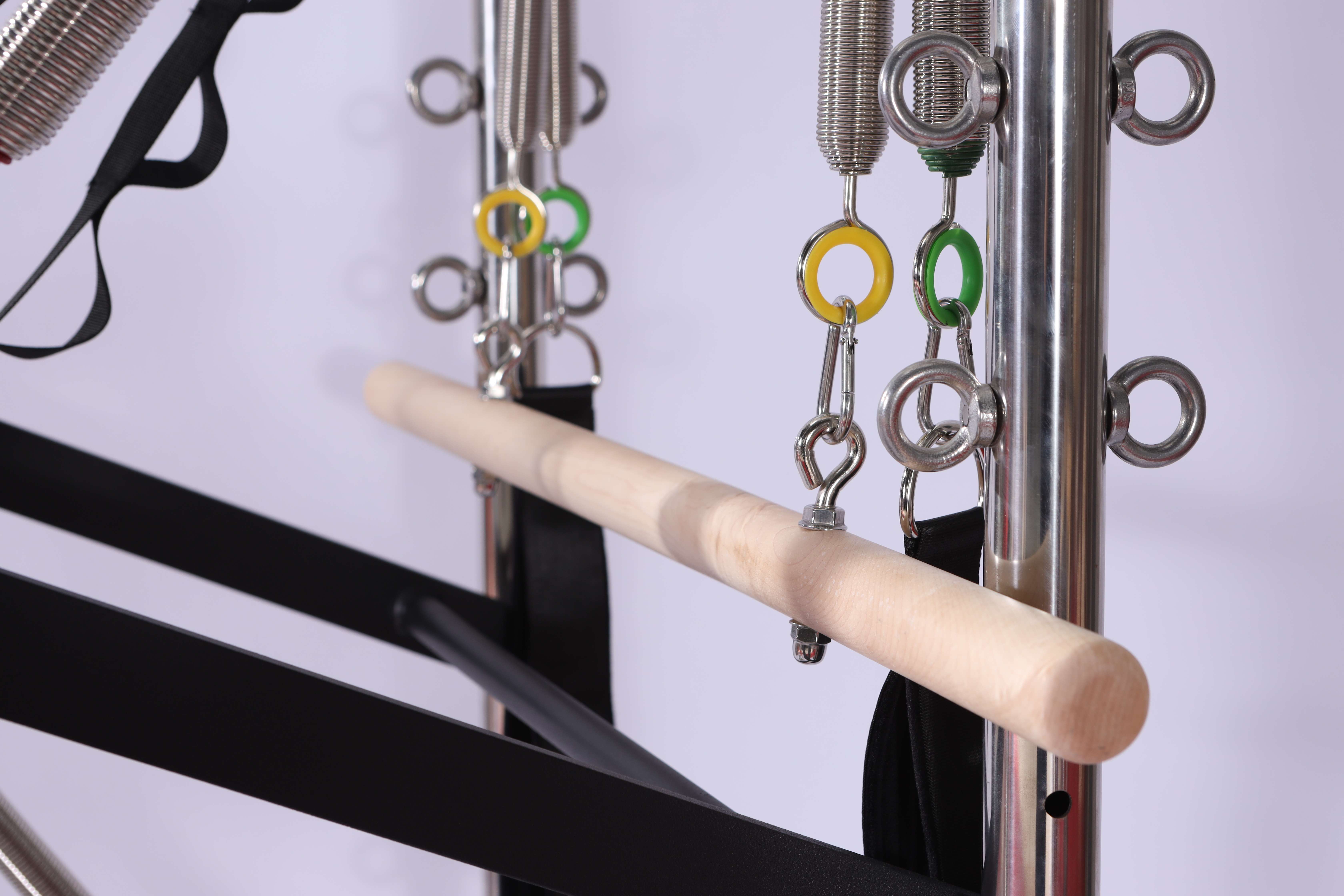
Springs are the "power heart" of Pilates equipment — they determine resistance feel, training effectiveness, and safety. However, springs are not "permanent parts." They gradually fatigue with use, losing tension and eventually breaking. So how often should Reformer springs be replaced? This article answers the question from three angles: industry standards, real-world usage intensity, and inspection methods.
I. Industry Standard: Replace Every Two Years
Major global Pilates equipment brands give a remarkably consistent answer regarding spring replacement intervals.
Merrithew states clearly: Springs must be replaced every two years to ensure safety, optimal performance, and warranty coverage.
Balanced Body similarly recommends: All springs should be replaced at least every two years. Certain environments and usage patterns may shorten expected spring life, requiring more frequent replacement.
Peak Pilates gives the same guidance: Replace each spring every two years. Any spring showing early signs of fatigue (e.g., separation in coils, even slight) should be replaced immediately.
Industry consensus: Under normal commercial use conditions, the recommended replacement interval for Reformer springs is two years.
II. Why Two Years? The Engineering Logic Behind It
"Two years" is not an arbitrary number — it's based on the engineering calculation of spring fatigue life and commercial usage intensity.
In a commercial studio, each Reformer may experience dozens of spring changes and thousands of resistance cycles per week. Depending on usage frequency, a commercial Reformer may accumulate 50,000 to 100,000 spring cycles per year.
Commercial springs should have a rated fatigue life of at least 200,000 to 500,000 cycles without failure — equivalent to two to five years of commercial studio use before preventive replacement is recommended.
Thus, "two years" is a conservative but safe recommendation based on high-frequency commercial use. For home users or low-frequency studios, spring life may be longer — but regular inspection remains essential.
III. Key Factors Affecting Spring Life
Not all springs will "survive" two full years. These factors significantly shorten spring life:
1. Usage Frequency
Studios with daily continuous use subject springs to far more cycles than home equipment used weekly. Australian Pilates industry guidelines recommend: springs in continuous daily use should be replaced within 24 months (or sooner) ; high-use facilities require more frequent replacement.
2. Spring Quality
Material and manufacturing processes directly affect spring life. Commercial-grade Pilates springs are typically cold-coiled from high-carbon steel wire (ASTM A228 music wire or equivalent) , then heat-treated to remove residual stress and stabilize spring rate.
Some premium brands use German or Japanese imported music wire, claiming no noticeable tension loss for 3 years under normal commercial use. Even so, brands still recommend regular inspection.
3. Usage Habits
Allowing springs to snap back in an uncontrolled manner damages them and shortens their expected lifespan. Therefore, controlled carriage return speed is an important habit for extending spring life.
4. Environmental Factors
Humid environments cause spring rust and oxidation — any signs of rust mean the spring should be taken out of service immediately.
IV. Signs That Springs Need Immediate Replacement
Even before the two-year mark, if you observe any of the following, the spring should be immediately taken out of service and replaced:
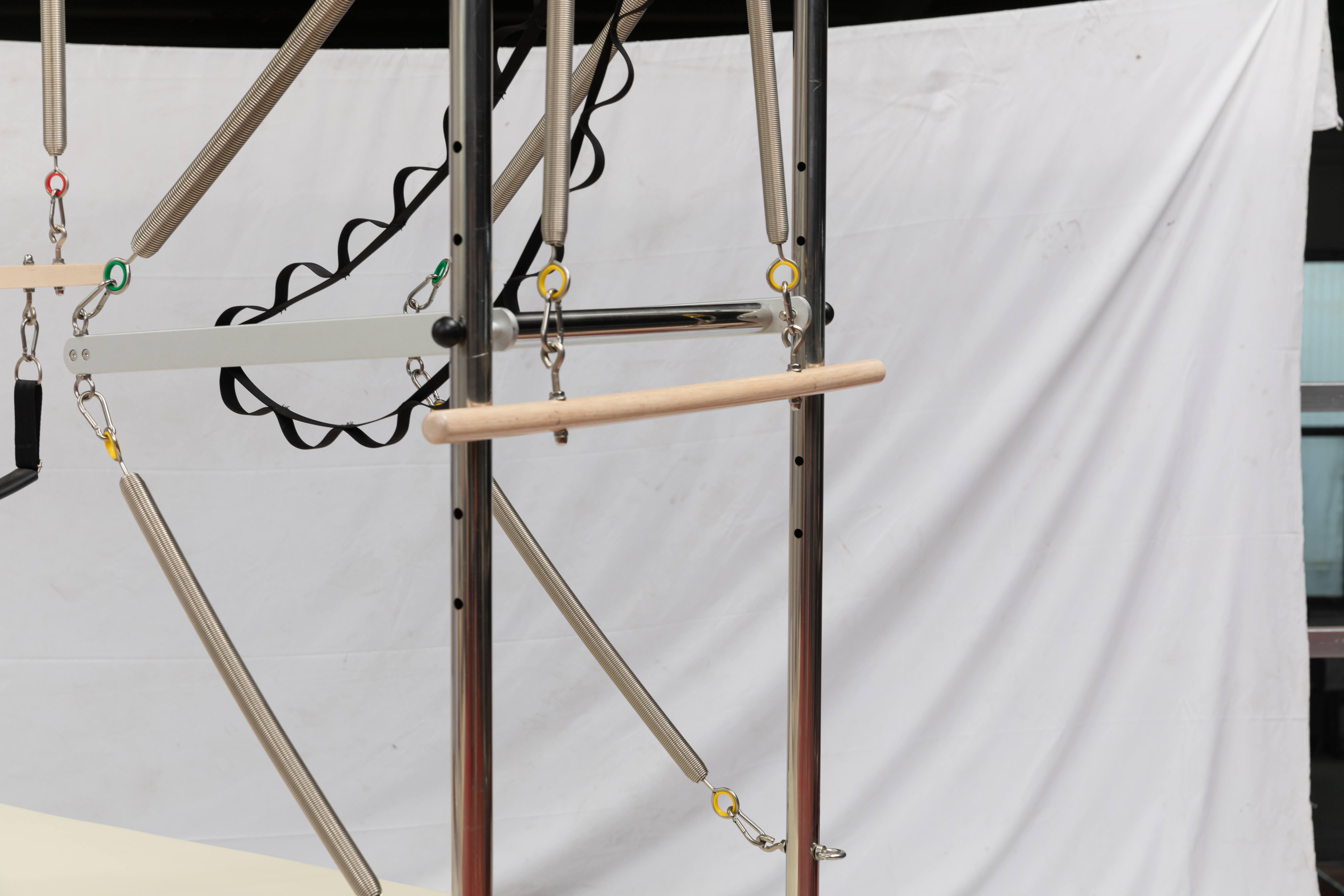
Gaps or kinks between coils — at rest, there should be no gaps in the spring body. If you find any gaps or kinks, replace immediately.
Loss of elasticity — noticeably slower return speed, or failure to return to original length.
Surface rust or oxidation — any sign of rust indicates compromised spring performance.
Hook deformation or wear — shape change or wear at the hook attachment point is a clear warning sign.
V. Tips for Extending Spring Life
Rotate springs periodically: Balanced Body recommends rotating springs quarterly — move them to different positions on the spring bar to promote even wear and extend overall life.
Control return speed: Don't let springs snap back uncontrolled — this damages them and shortens their life.
Keep dry: Avoid humid environments and regularly check springs for rust.
Summary: The recommended Reformer spring replacement interval is two years, based on industry consensus regarding commercial use frequency and spring fatigue life. Actual replacement timing should be determined by usage intensity, spring condition, and environmental factors. Regular inspection (weekly or monthly) and timely replacement are the golden rules for safety and feel — replace springs immediately upon discovering coil gaps, kinks, rust, or abnormal rebound, without waiting for the "two-year mark."