How to Properly Clean Pilates Equipment?
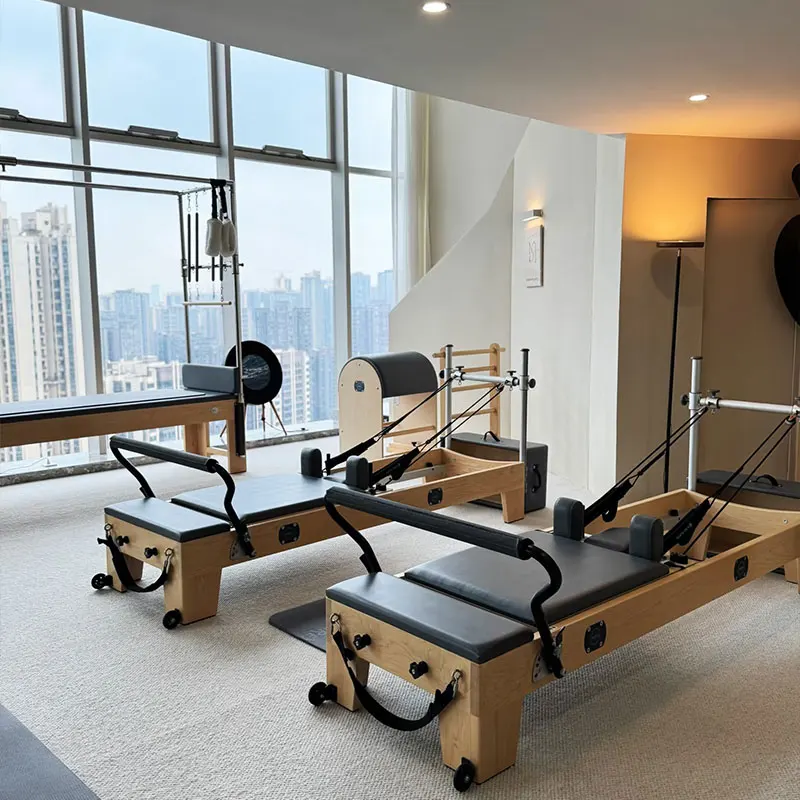
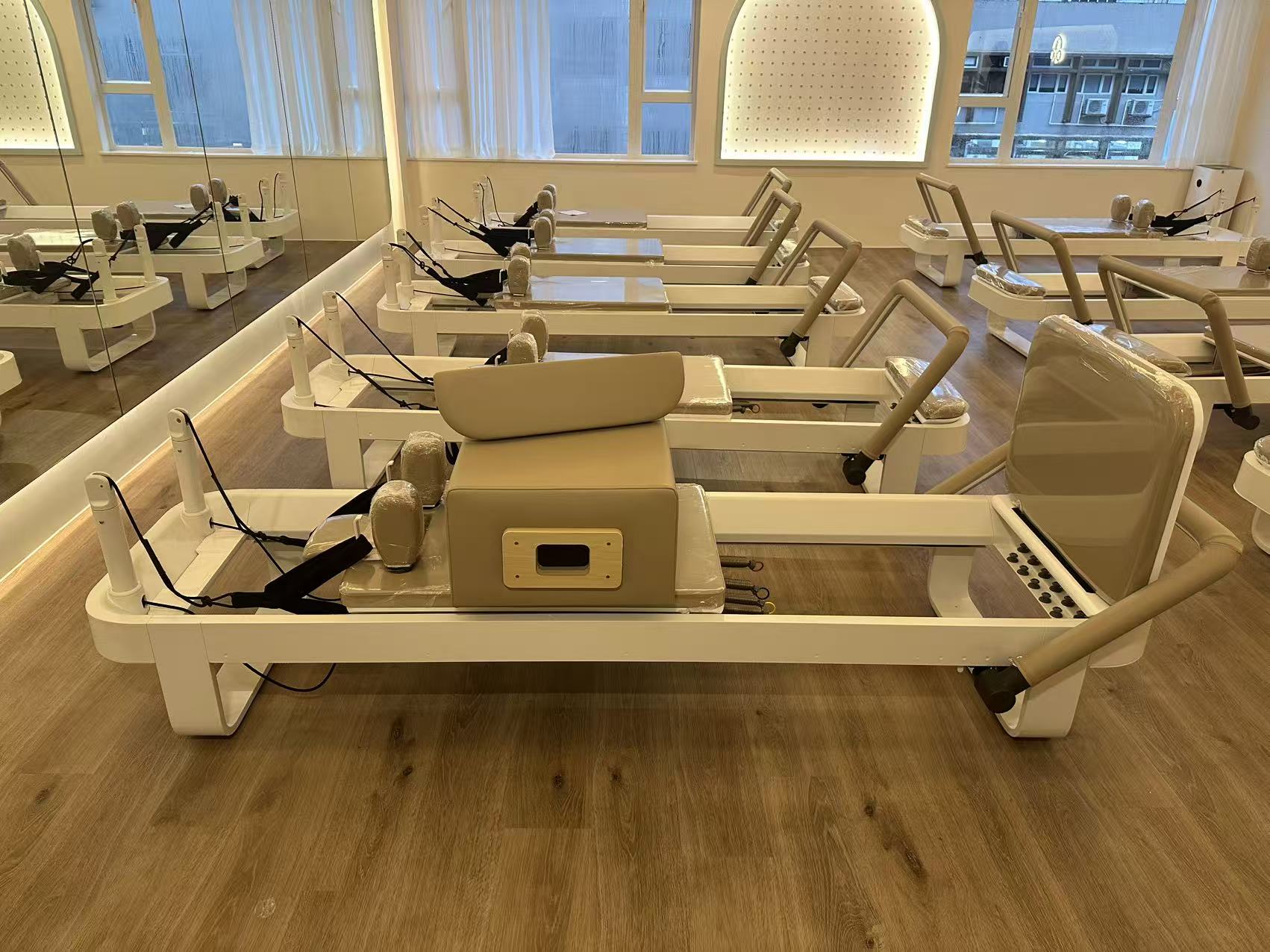
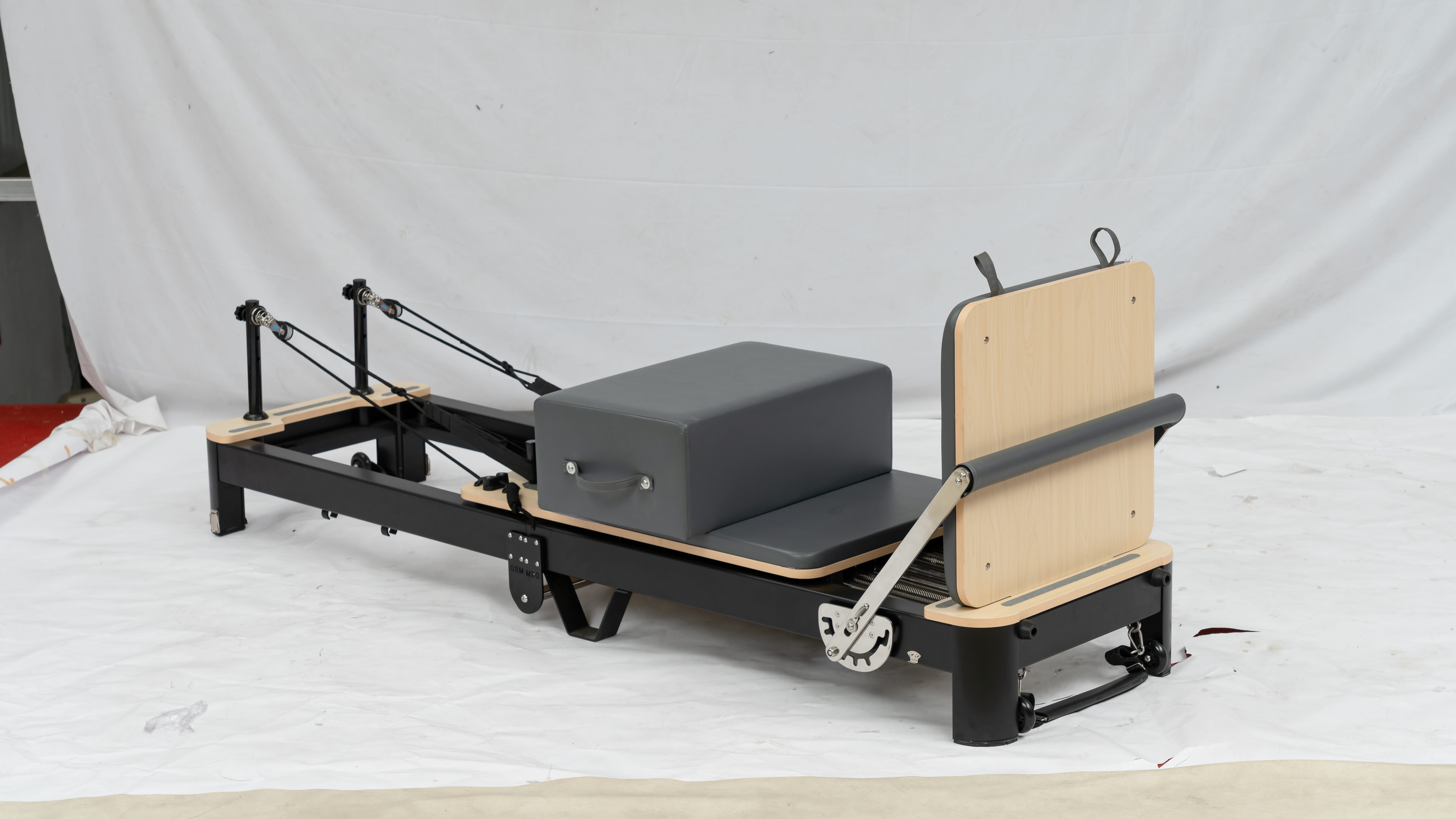
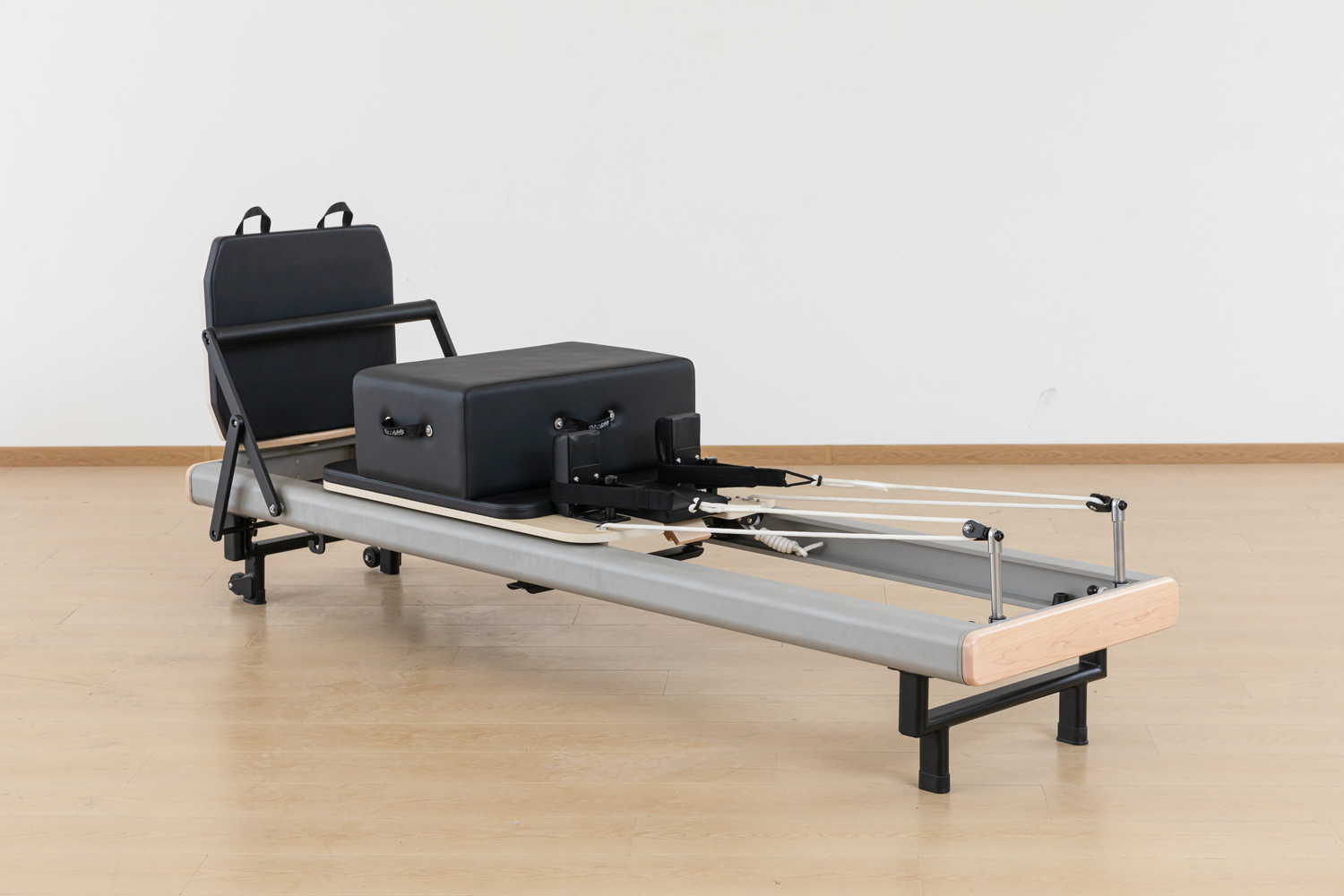
Pilates equipment is high-frequency, skin-contact fitness apparatus. The accumulation of sweat, dust, and bacteria not only affects appearance and feel, but may also raise hygiene concerns and accelerate material degradation. Proper cleaning methods protect equipment materials while providing clients with a clean and safe practice environment. This article provides a systematic cleaning guide based on different materials and components.
I. Cleaning Upholstery and Leather
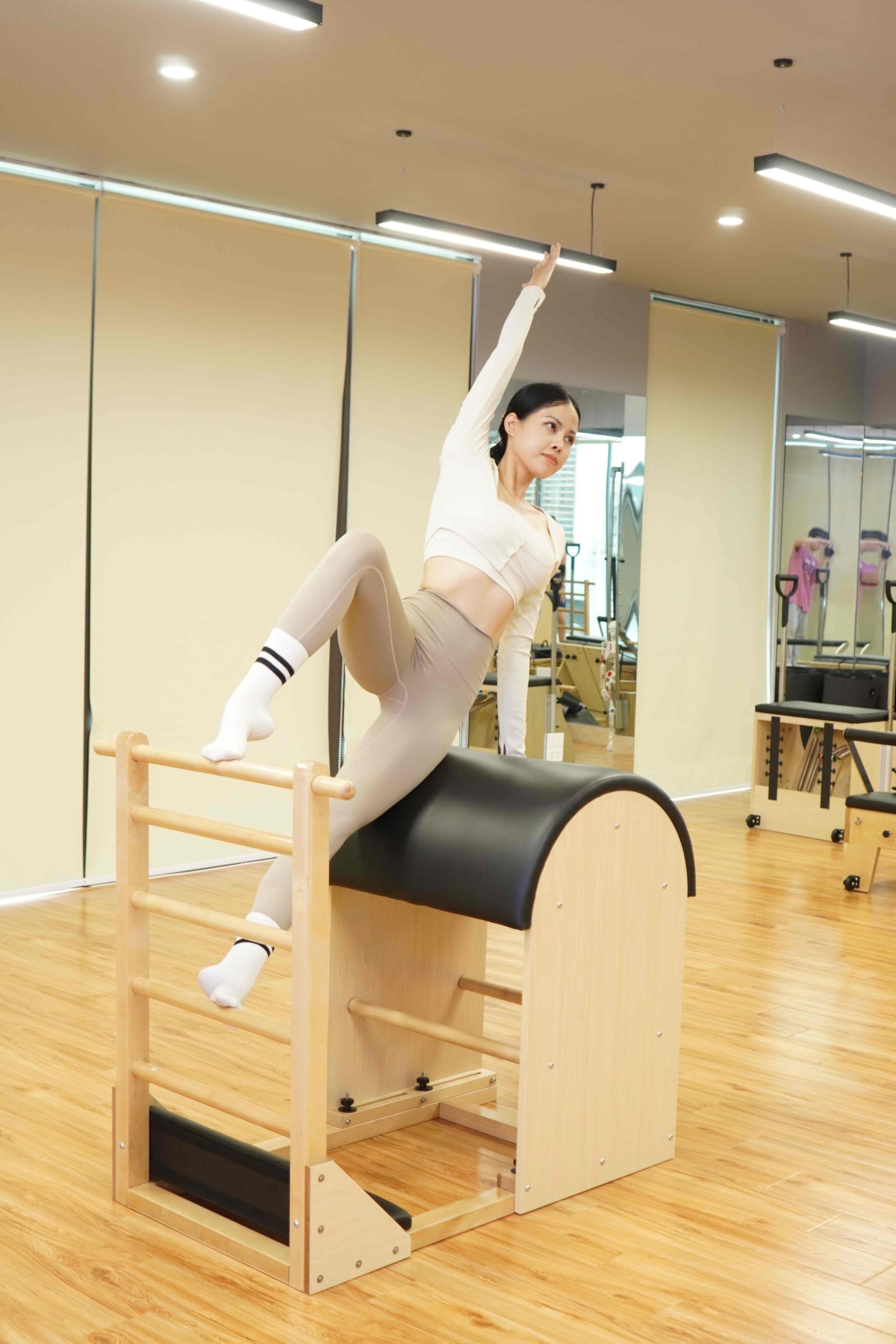
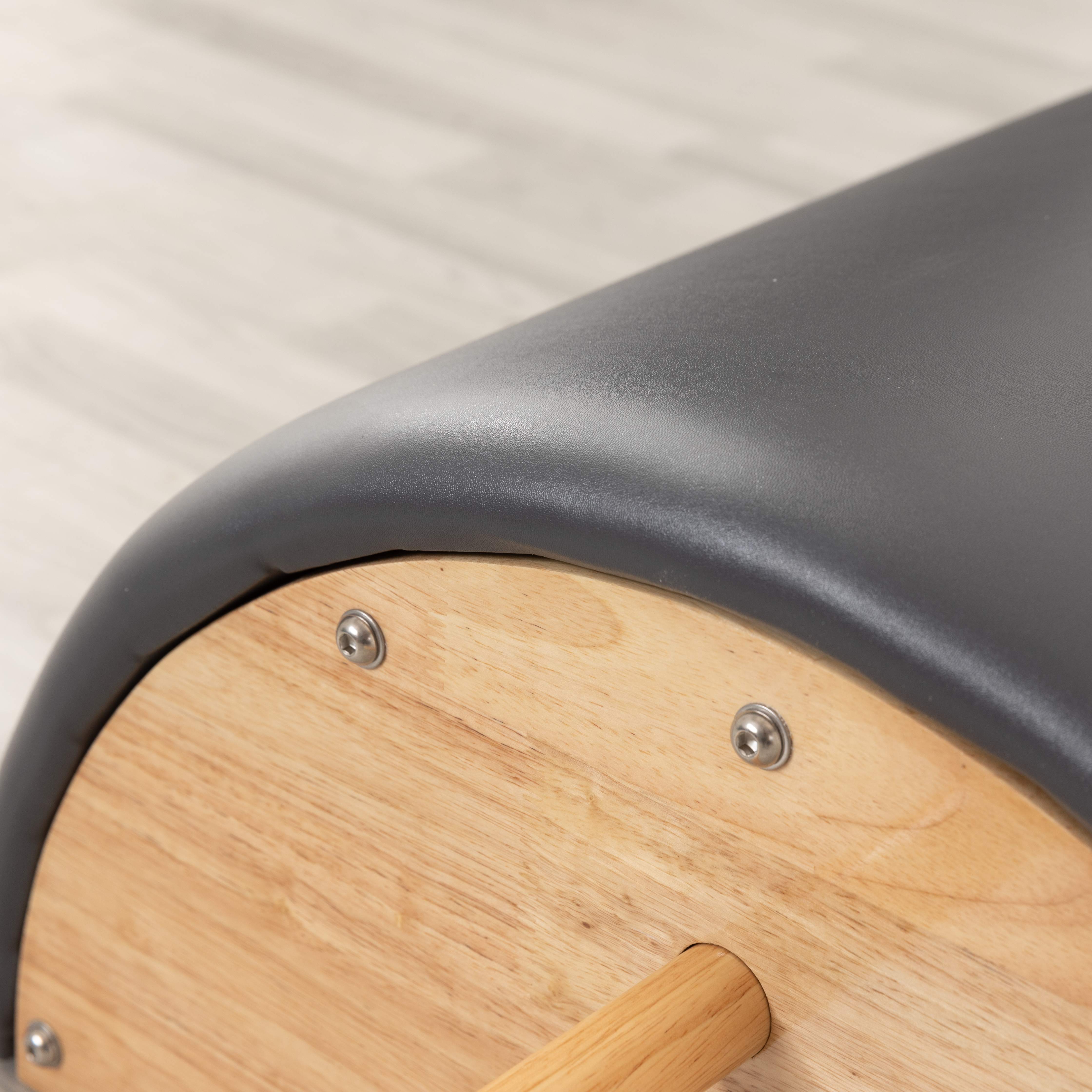
Leather is the part of Pilates equipment that comes into most contact with sweat and skin oils, and therefore requires the most regular cleaning.
Daily Cleaning: After each use, wipe the leather surface with a slightly damp microfiber cloth to remove sweat and surface dust. Microfiber cloths are ideal — they won't scratch the leather and have good absorbency.
Deep Cleaning: Perform a deep clean weekly. Dilute one tablespoon of neutral soap (such as baby shampoo or specialized leather cleaner) in 1.5 liters of warm water. Dip a soft cloth in the solution, wring it out, and gently wipe the leather surface. Follow with another clean damp cloth to remove soap residue, then dry with a dry cloth.
Important Warning: Never use cleaners containing alcohol, bleach, ammonia, or strong acids/alkalis. These ingredients damage the leather coating and dye, causing hardening, cracking, or discoloration. Never spray water or cleaner directly onto the leather surface — liquid can seep into the foam layer, causing mold and odors.
Stain Treatment: For stubborn stains (such as ink or grease), use a specialized leather cleaner for spot treatment. Always test on an inconspicuous area first to confirm it won't cause discoloration.
II. Cleaning Wood Frames
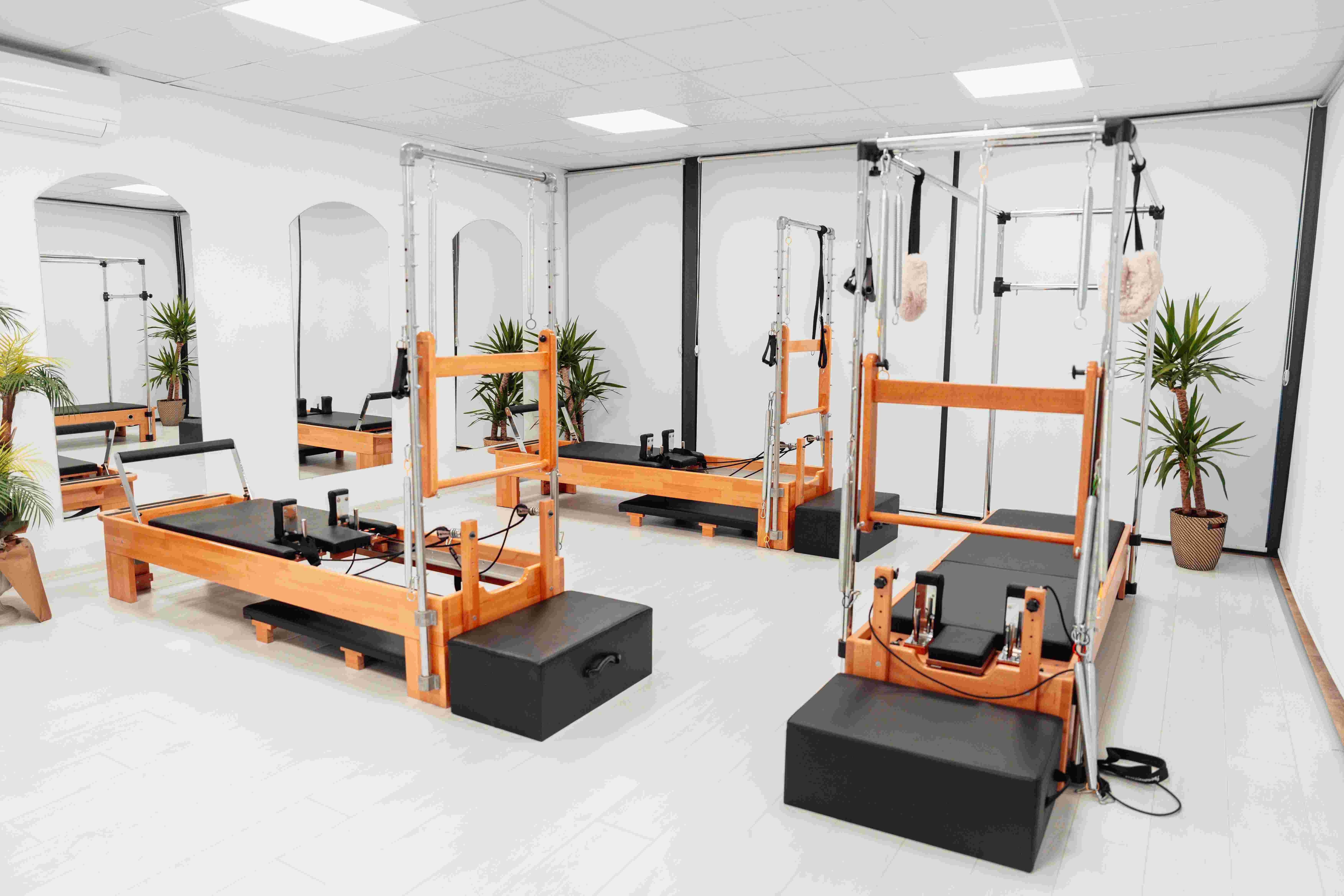
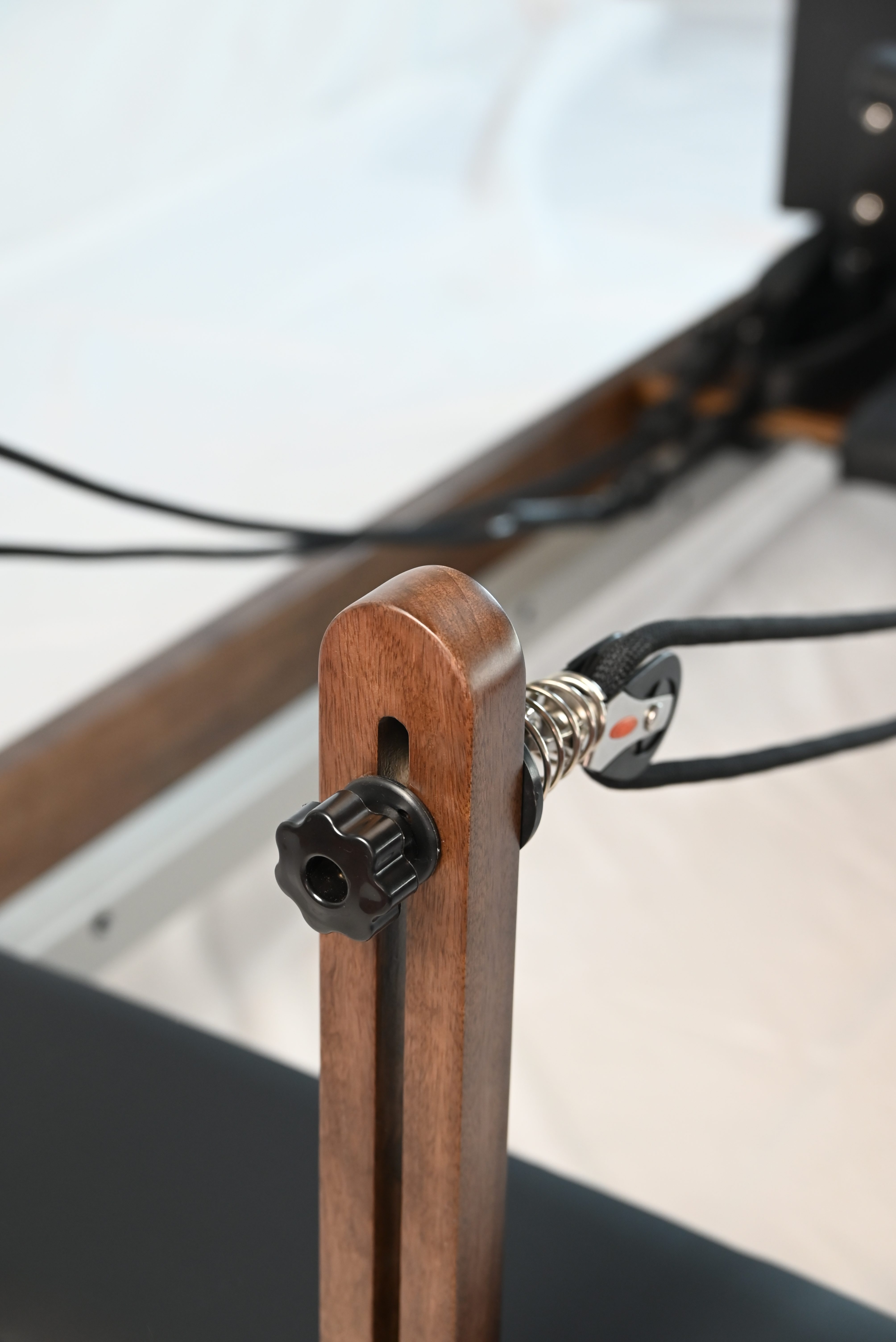
Wood frames are common on premium Reformers and Cadillacs, and require a gentler cleaning approach.
Routine Cleaning: Wipe wood surfaces with a slightly damp soft cloth to remove dust and fingerprints. Immediately dry with a dry cloth to prevent moisture from lingering.
Deep Conditioning: Every few months, apply a specialized wood furniture care oil or water-based varnish care product to provide a protective film. Some experienced users recommend a natural blend — mix dilute white vinegar and olive oil in a 1:1 ratio, apply with a soft cloth. This both cleans and nourishes the wood, restoring its natural luster.
Precautions: Never use silicone-based furniture polishes — silicone penetrates the wood and interferes with future refinishing. Keep wood equipment away from direct sunlight or high-humidity environments to prevent cracking or warping.
III. Cleaning Metal Parts and Rails
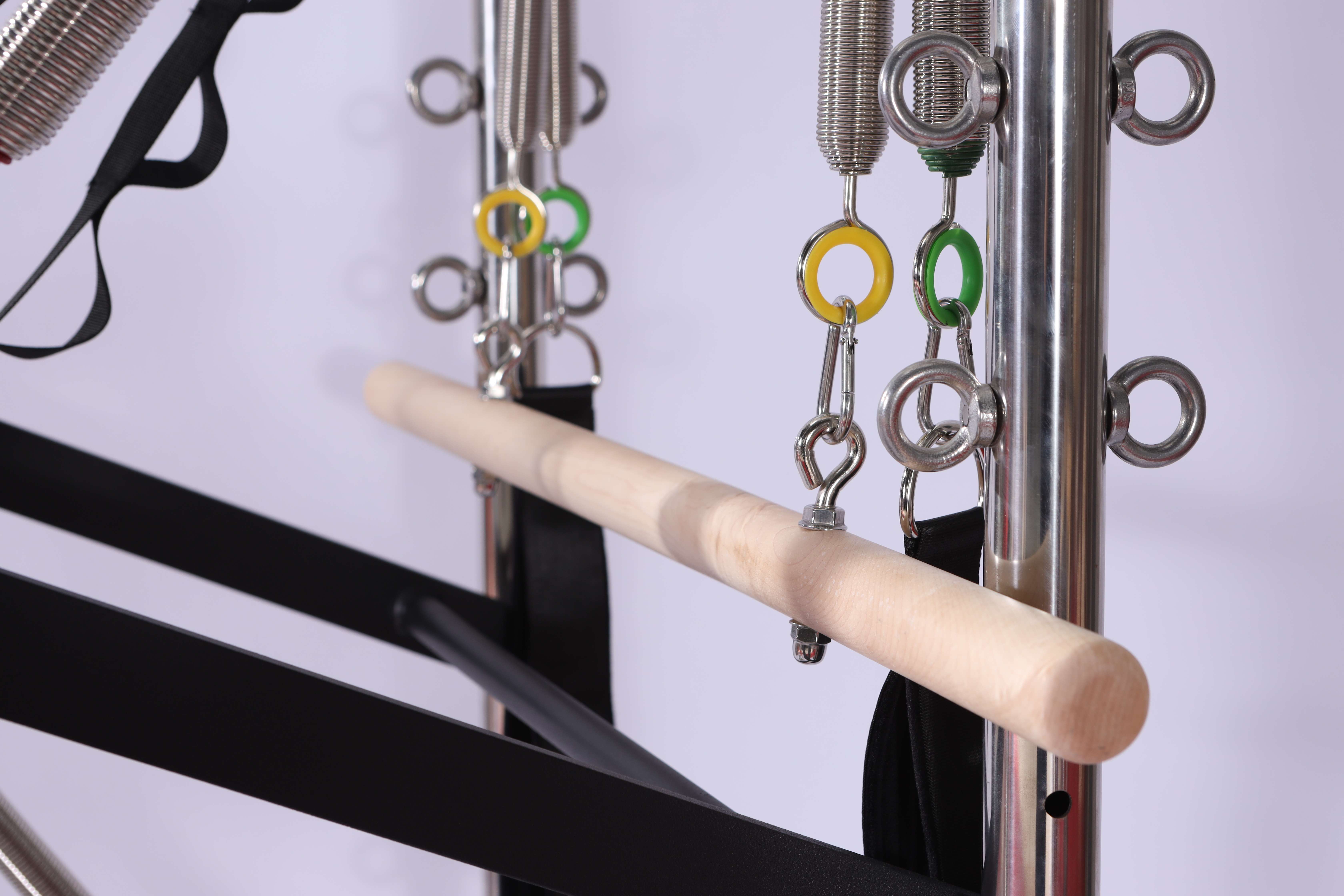
Metal components include frame metal sections, spring hooks, bolts, and rails.
Daily Maintenance: Wipe metal surfaces with a dry cloth to remove fingerprints and dust. If sweat residue is present, use a slightly damp cloth, then immediately dry with a dry cloth to prevent rust.
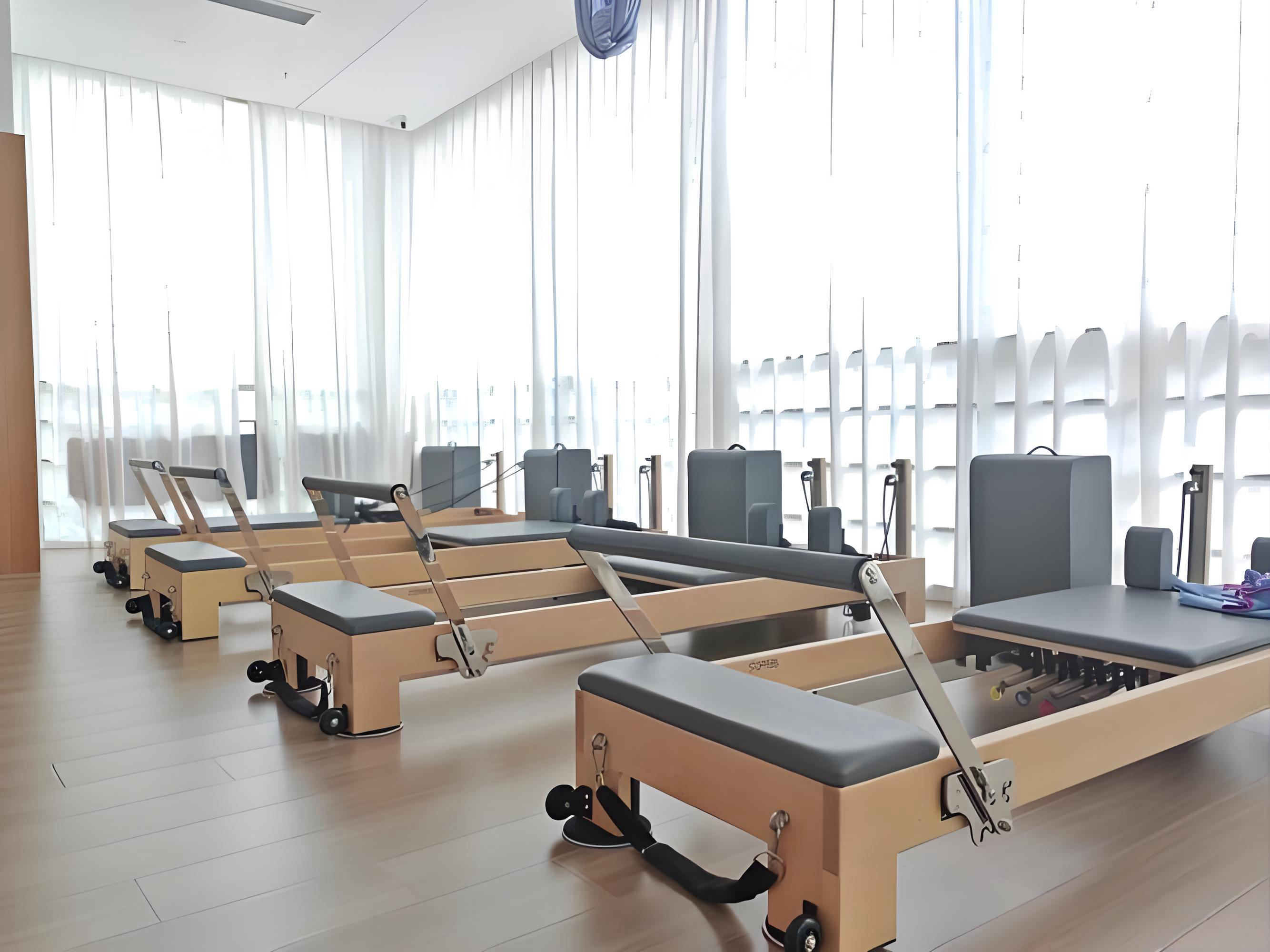
Rail Cleaning: Rails are prone to accumulating dust and lint. Monthly, use a small brush (an old toothbrush works well) to gently brush dust and debris from rail crevices. Then wipe rail surfaces with a clean dry cloth.
Lubrication: Metal rails require periodic lubrication. Apply a light spray of silicone spray to rail surfaces, then slide the carriage back and forth to distribute evenly. Important Warning: Never use WD-40 or ordinary lubricating oil! These oil-based products attract dust and lint, accelerating wear.
Rust Prevention: In humid environments, wipe metal surfaces with a dry cloth after cleaning. Apply a small amount of rust preventative (non-oily) if needed, but avoid contact with leather and straps.
IV. Cleaning Straps and Ropes
Straps and ropes are components that directly contact clients' hands and feet, requiring higher hygiene standards.
Removable Straps: Remove straps and place them in a laundry bag. Wash with cold water and neutral detergent on a gentle cycle. Air-dry naturally — never use a dryer, as high heat can damage fiber elasticity.
Non-Removable Straps: Dampen a soft cloth with neutral cleaner and spot-clean the strap surface. Follow with another damp cloth to remove cleaner residue, then dry with a dry cloth. Ensure thorough drying before use.
Precautions: Never use bleach or strong cleaners on straps — these weaken fiber strength and increase the risk of breakage.
V. Cleaning Springs
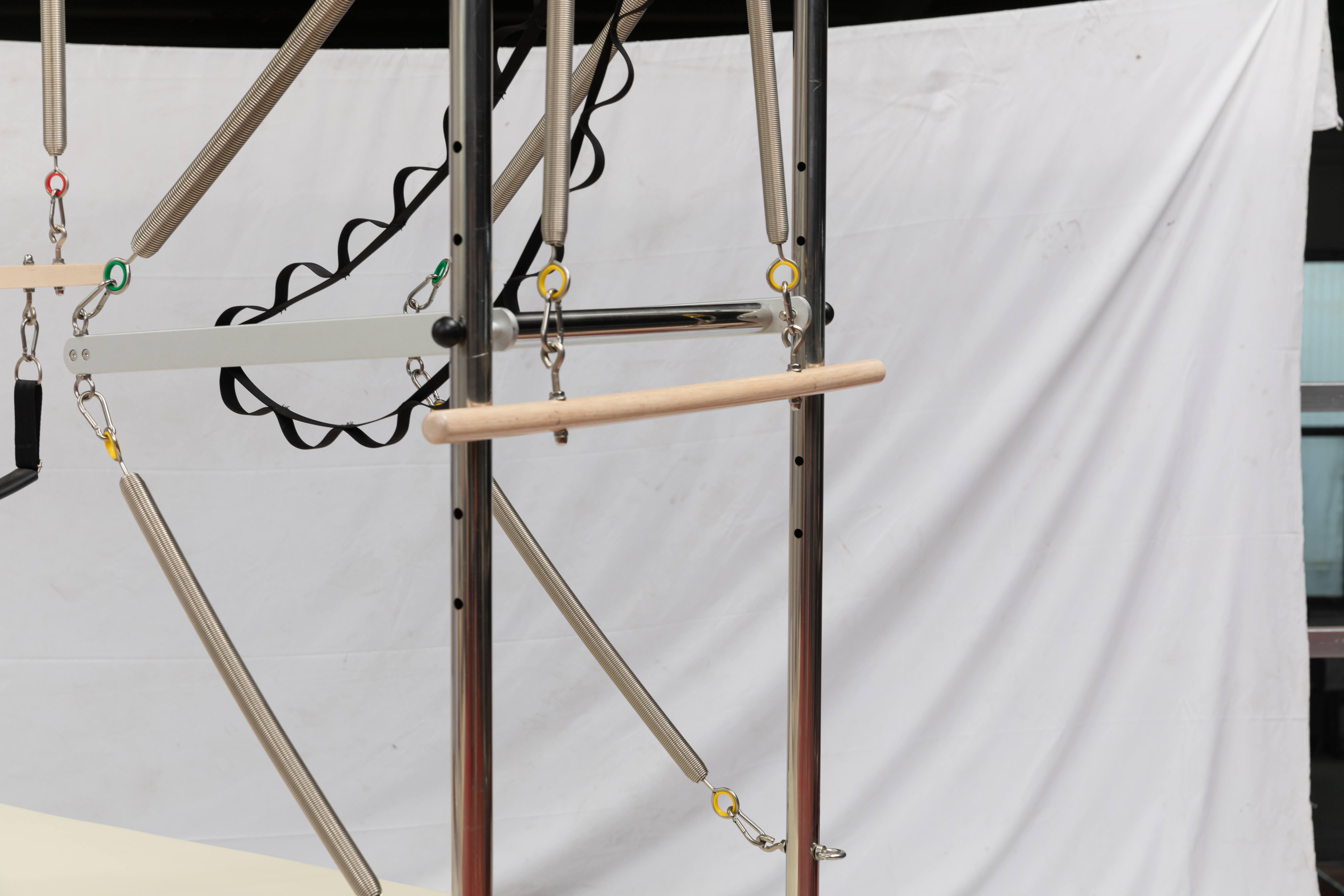
Spring cleaning is more about inspection than deep washing.
Daily Cleaning: Wipe spring surfaces with a dry cloth to remove dust. Do not wash springs directly with water or cleaner, as moisture residue can cause rust.
Regular Inspection: During each cleaning, check springs for deformation, cracks, rust, or loss of tension. If any issues are found, replace immediately.
VI. Recommended Cleaning Frequency
Different components require different cleaning frequencies based on usage intensity:
Daily (after each use) : Wipe leather upholstery — removes sweat and dust, prevents corrosion and odors.
Weekly: Deep clean leather, wipe wood frames and metal components, inspect straps and ropes.
Monthly: Clean rail crevices, inspect springs, lubricate metal rails.
Quarterly: Deep-condition wood frames, rotate springs for even wear.
Summary: Proper cleaning of Pilates equipment hinges on three things: using the right methods, choosing the right tools, and maintaining appropriate frequency. Different materials require different approaches — leather is vulnerable to alcohol and harsh acids/alkalis, wood suffers from water immersion and direct sunlight, metal is damaged by moisture and oil-based lubricants. A proper cleaning routine not only keeps equipment looking new, but also extends its service life and ensures a safe, hygienic practice environment for clients.