How to Extend the Lifespan of Pilates Equipment?
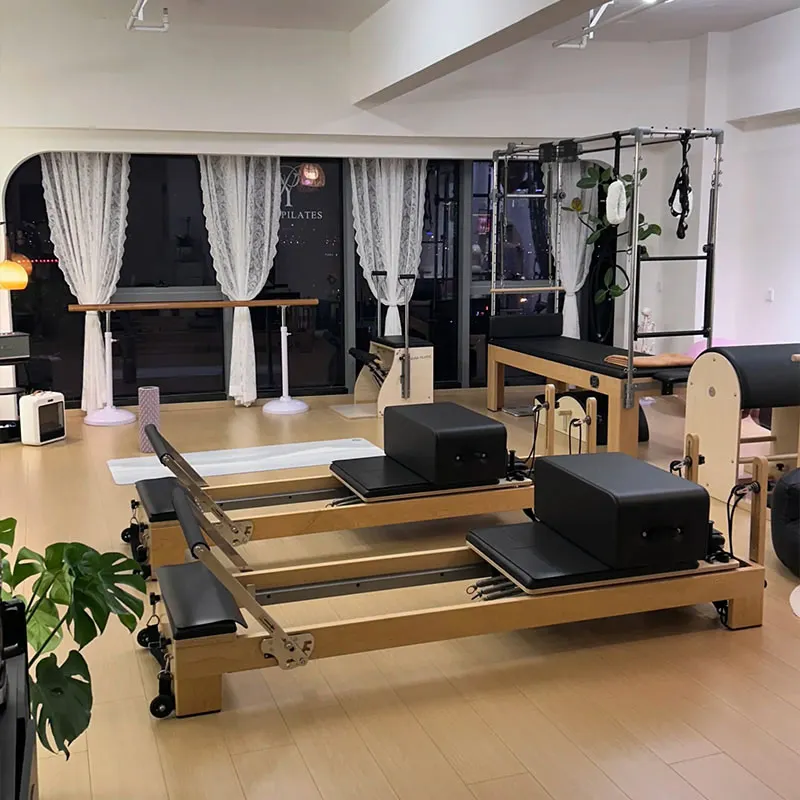
Pilates equipment is a long-term asset. A well-maintained Reformer can serve for ten years or more, while neglected equipment may develop issues within three to five years. Extending equipment lifespan is not just about cost savings — it's also about ensuring client safety and training quality. This article provides a comprehensive guide from five perspectives: purchase decisions, daily usage, cleaning, storage, and regular replacement.
I. Start at Purchase: Choosing Right is Half the Lifespan
Equipment lifespan is largely determined at the time of purchase.
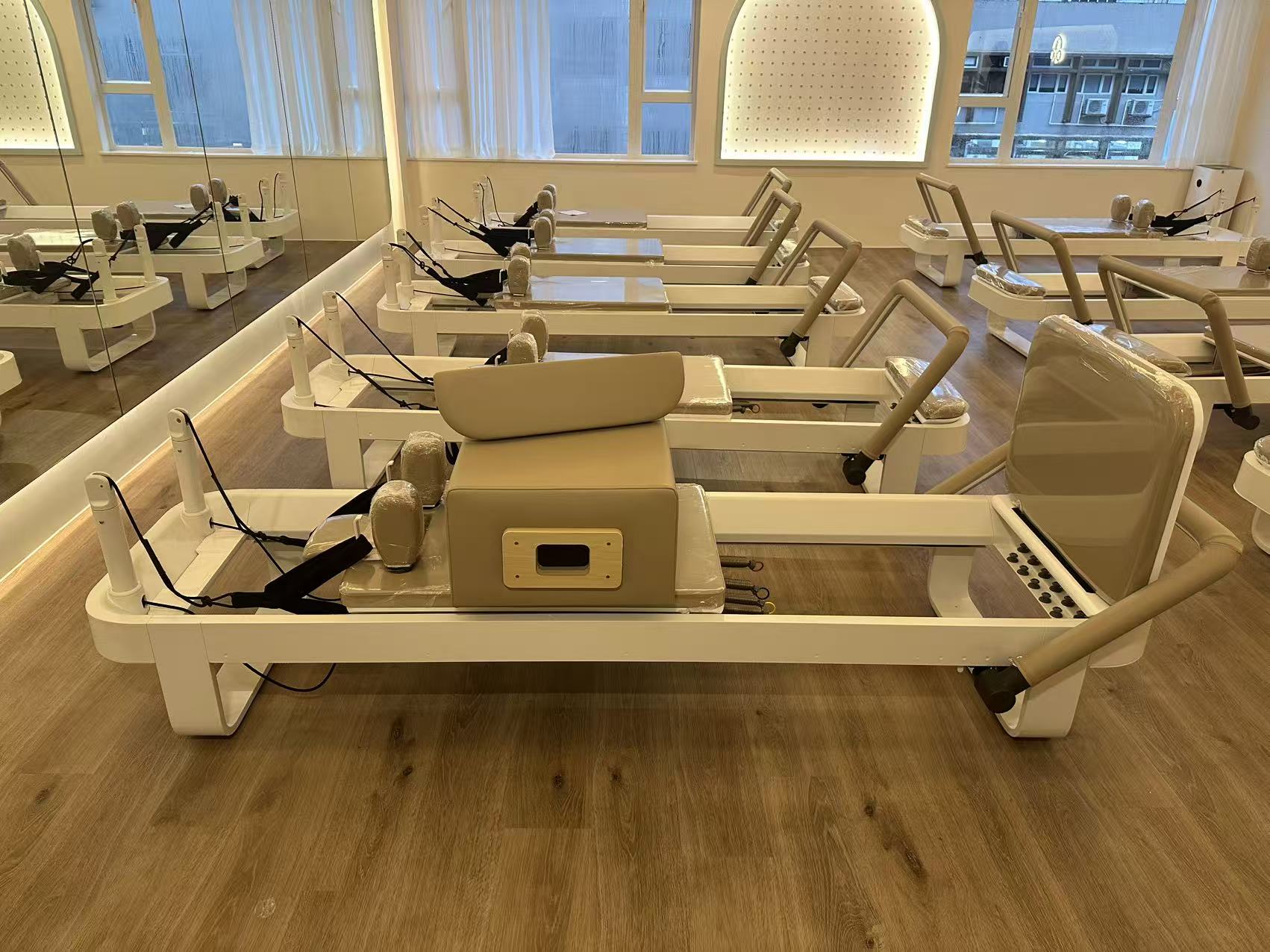
Choose commercial-grade products: Even for home use, consider commercial or semi-commercial grade equipment. Commercial-grade products are far superior in frame thickness, spring quality, leather abrasion resistance, and overall structural design. A commercial Reformer may cost twice as much as a home-grade unit, but its lifespan is often three to five times longer.
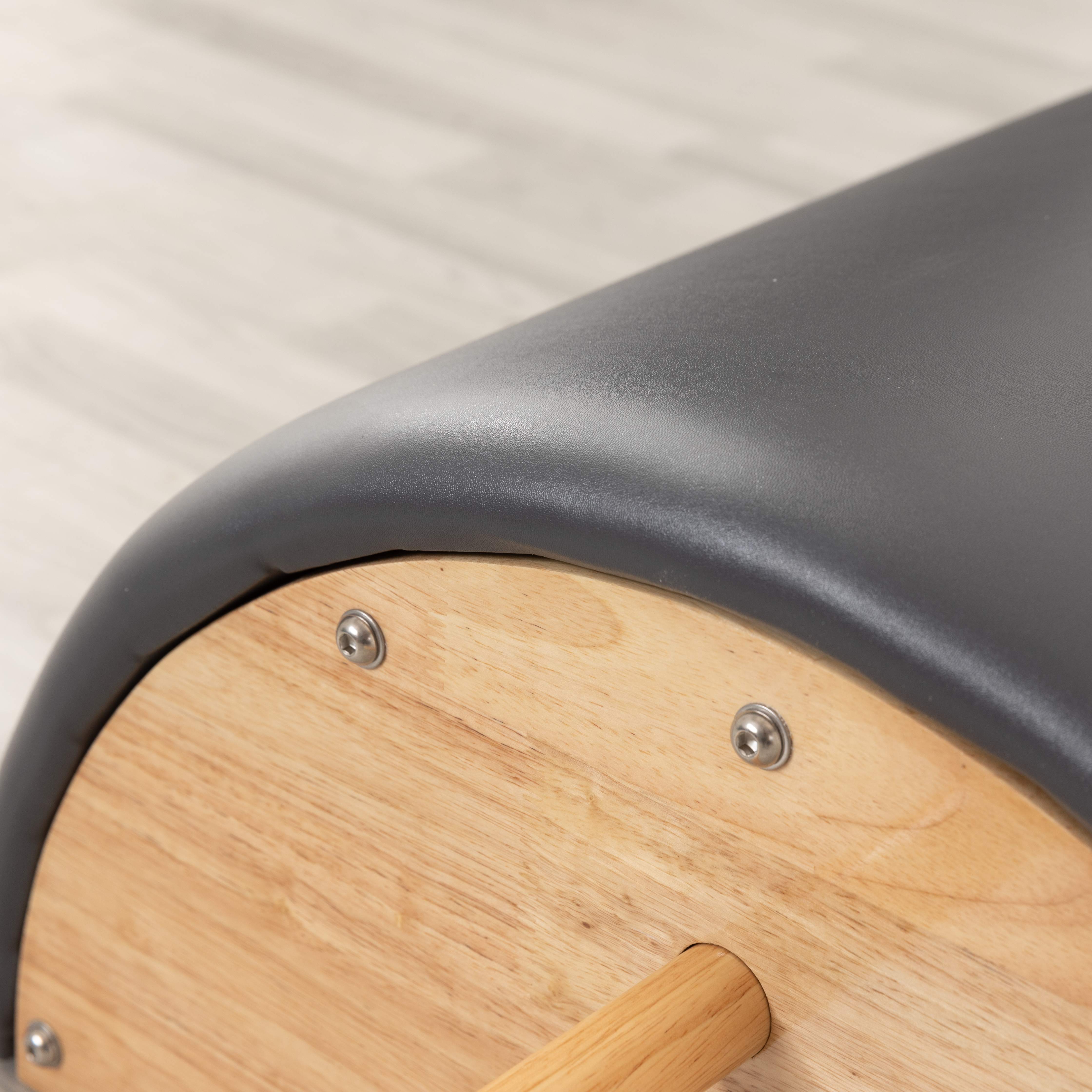
Pay attention to materials and craftsmanship: Is the frame solid wood or aluminum alloy? Are springs imported music wire or standard carbon steel? What is the Martindale abrasion rating of the leather? These questions directly determine equipment durability.
Choose repairable designs: Some low-cost equipment uses non-replaceable springs or non-detachable upholstery — once a component fails, the entire unit faces scrap. Choosing equipment with replaceable springs and refurbishable upholstery is fundamental to extending lifespan.
II. Proper Usage: Reducing Unnecessary Wear
Usage habits directly affect equipment wear rates.
Control carriage return speed: Do not let the carriage slam back against the stop under spring tension. Each time you return the carriage, control the speed with your hands and reach the stop gently. Impact forces accelerate spring fatigue and cause shock damage to the frame and stop mechanisms.
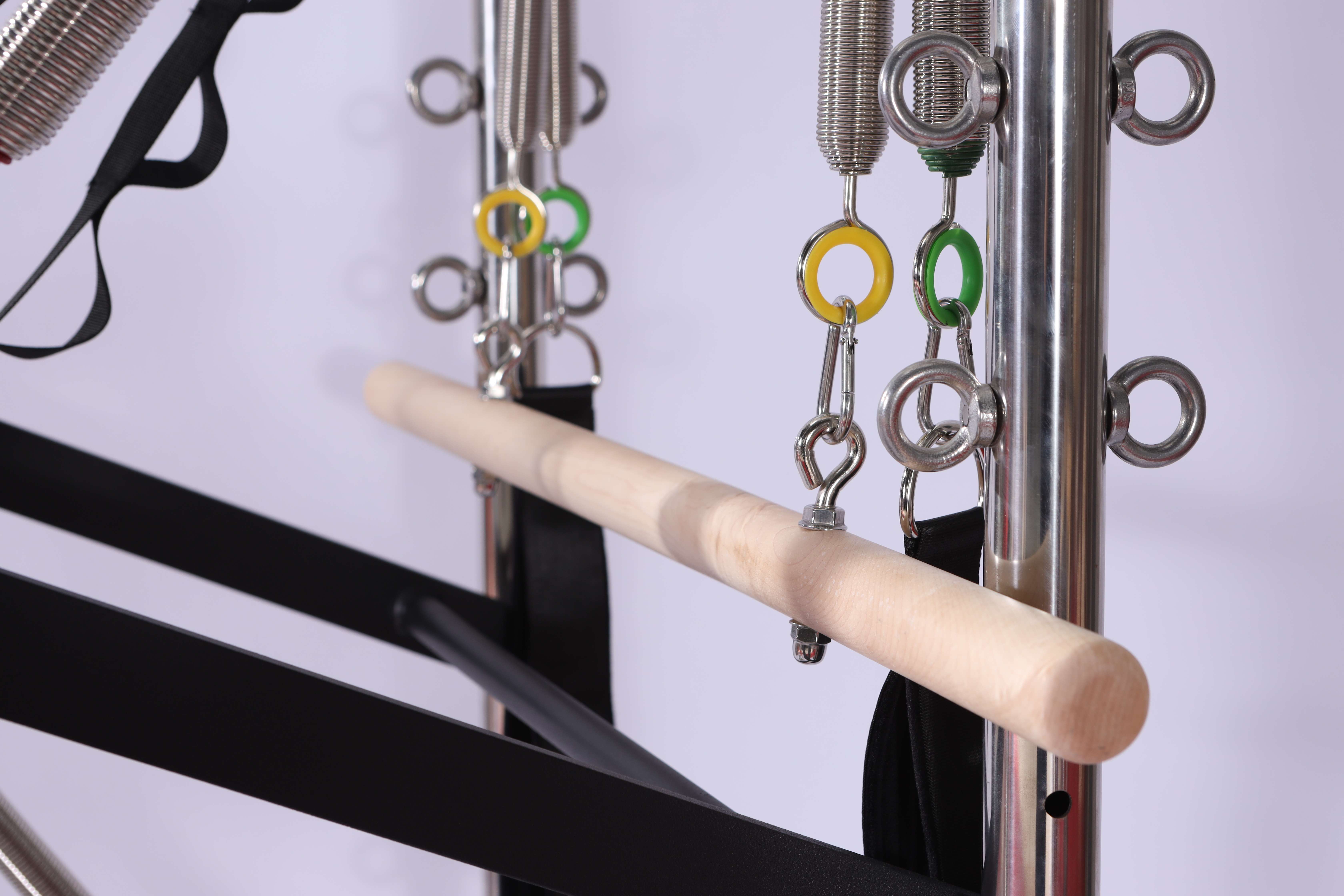
Change springs correctly: When changing springs, operate steadily to avoid uncontrolled spring rebound. Rapid spring return creates impact forces that damage the spring hooks and mounting brackets.
Wear appropriate clothing: Wear grip socks or practice barefoot (per studio policy) to avoid scratching leather surfaces with hard soles or metal accessories from shoes. Avoid clothing with zippers, buttons, or metal ornaments that may scratch the equipment.
Do not overload: Every piece of equipment has a maximum weight capacity. Strictly adhere to the rated load range. Overloading may not only cause frame deformation but also create safety hazards.
III. Cleaning and Maintenance: The Golden Rules of Daily Care
Cleaning and maintenance are the most direct and effective way to extend equipment lifespan.
Wipe after each use: Salt and acidic substances in sweat corrode leather and metal. After each session, wipe leather surfaces with a slightly damp microfiber cloth to remove sweat and dust. This habit prevents leather aging and metal corrosion.
Weekly deep cleaning: Perform a thorough cleaning weekly — cleaning and conditioning leather, wiping wood frames, dusting and inspecting metal components.
Use proper cleaners: Leather — neutral soap or specialized leather cleaner; wood — water-based varnish care products; metal — dry or slightly damp cloth. Never use alcohol, bleach, ammonia, or strong acid/alkali cleaners.
Proper rail lubrication: Lubricate metal rails monthly with silicone spray. Never use WD-40 or ordinary lubricating oils — these oil-based products attract dust and accelerate wear.
IV. Storage Environment: The "Hidden Killer" of Equipment Lifespan
The impact of storage environment on equipment lifespan is often underestimated.
Control humidity: Wood equipment is most vulnerable to moisture. Ideal humidity is between 40% and 60%. In humid areas, use a dehumidifier or place desiccant packs. Avoid positioning equipment near windows, humidifiers, or air conditioning vents.
Avoid direct sunlight: UV rays cause leather to fade and harden, and accelerate wood aging and cracking. Position equipment away from direct sunlight or use curtains.
Maintain ventilation: Equipment areas should be well-ventilated to prevent moisture and odor accumulation from poor air circulation.
Maintain stable temperature: Avoid placing equipment in environments with drastic temperature changes, such as near radiators or outdoor AC units. Extreme temperatures affect spring performance and material stability.
V. Regular Inspections and Component Replacement
Even with proper care, certain components naturally age and require regular inspection and replacement.
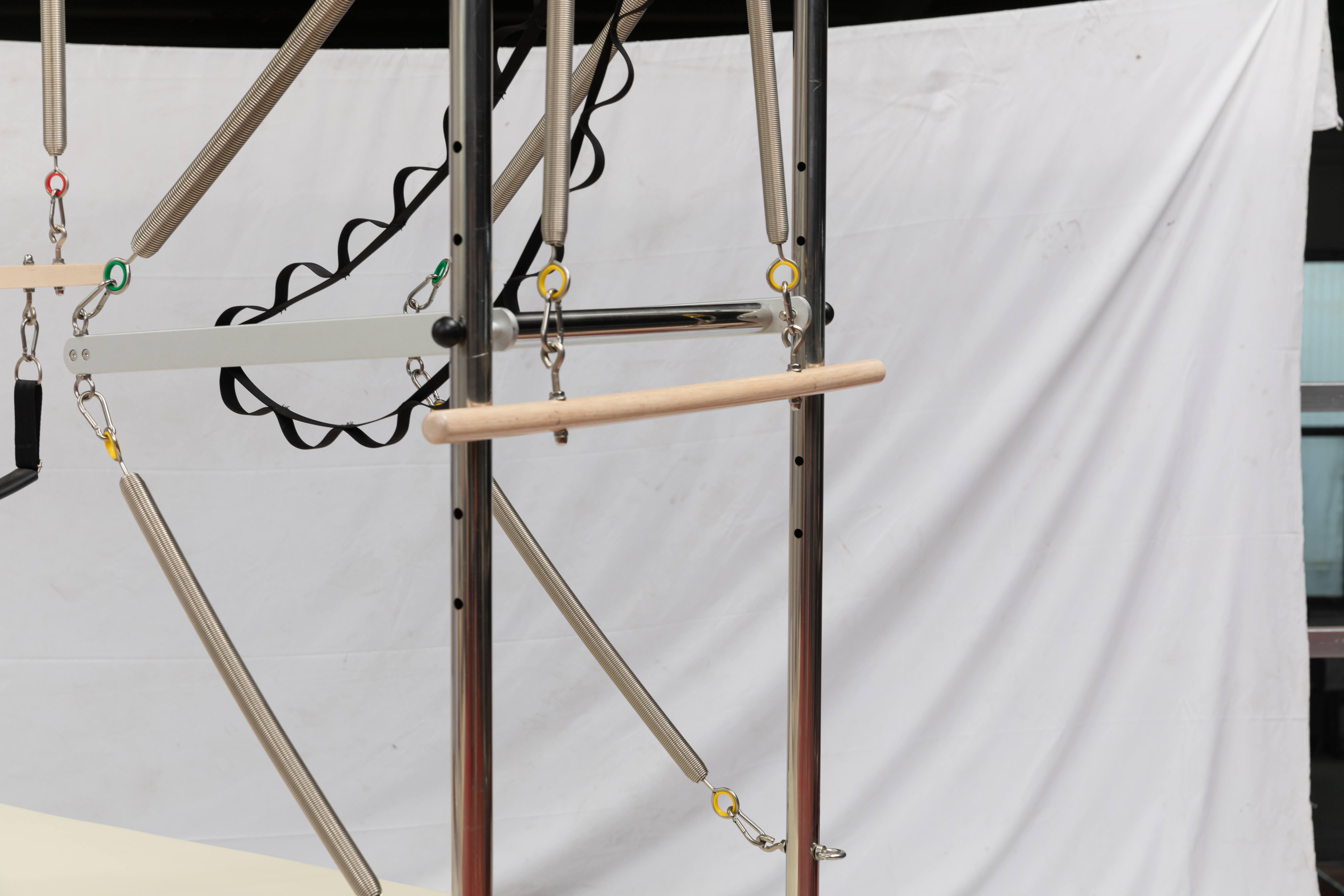
Spring inspection and replacement: Springs are the fastest-wearing component. Check spring condition monthly and consider replacing the entire set after two years of use. Replace immediately if gaps, kinks, rust, or abnormal rebound are found.
Strap and rope inspection: Regularly check strap edges for fraying or wear. Nylon straps are durable but still wear from friction. Replace if frayed or visibly damaged.
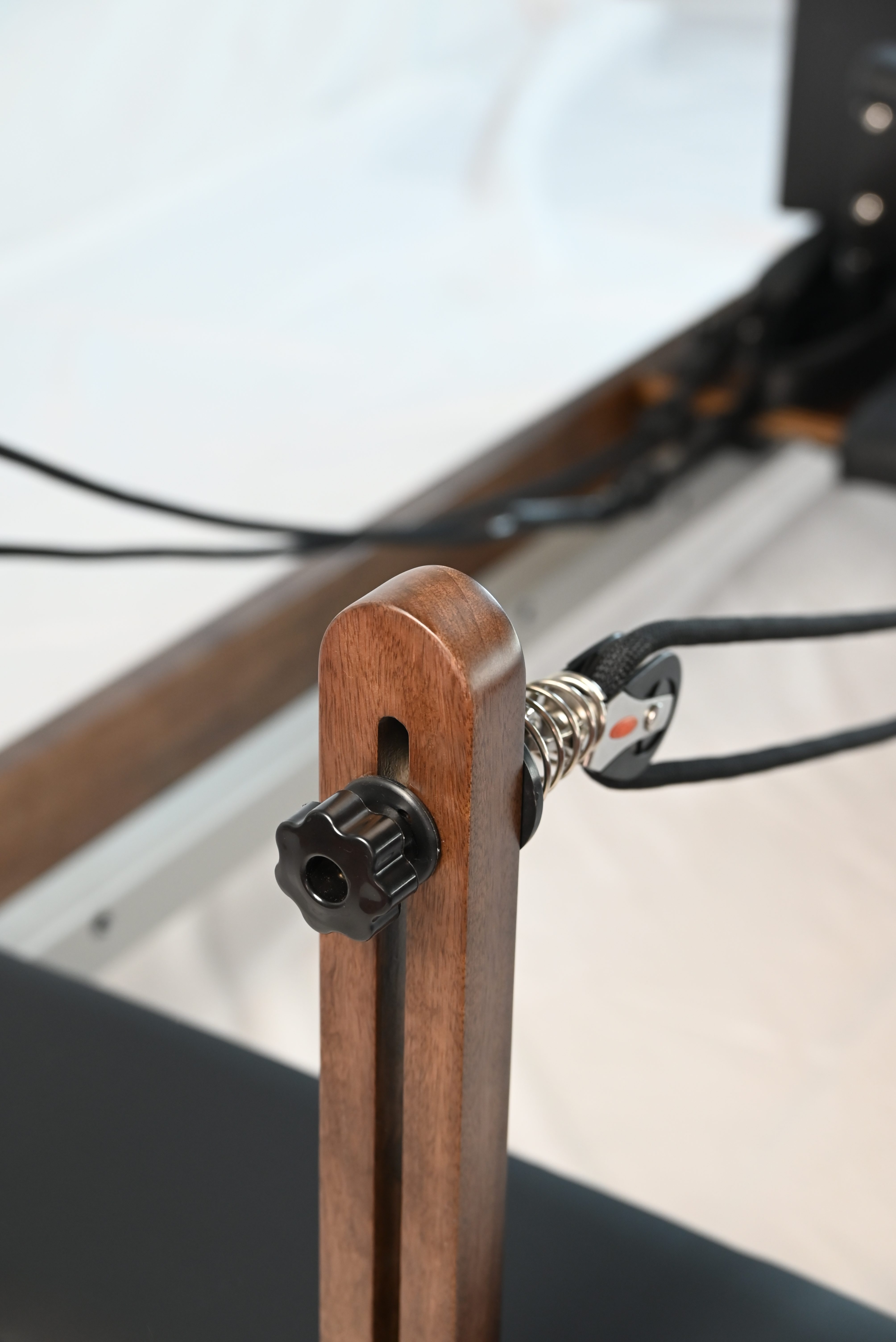
Fastener inspection: Check all screws and bolts for looseness quarterly, especially frame connections and adjustment mechanism fasteners. Tighten with appropriate tools if loose.
Pulley inspection: Check pulleys for cracks, wear, or rough rotation. Replace if issues are found.
Professional maintenance: Consider having a professional perform a comprehensive inspection and maintenance annually, including rail calibration, bolt tightening, and spring tension testing.
VI. "Scheduled Maintenance" Checklist
For easy execution, establish the following scheduled maintenance checklist:
After each use: Wipe leather surfaces, return carriage gently.
Weekly: Deep clean leather, wipe frames, inspect straps and ropes.
Monthly: Inspect springs, clean rail crevices, lubricate rails, check fasteners.
Quarterly: Deep-condition wood frames, rotate springs for even wear, inspect pulleys and adjustment mechanisms.
Annually: Assess springs (replace if needed), perform comprehensive inspection, have professional maintenance.
Every two years: Replace entire spring set (commercial environment), inspect and replace worn straps.
Summary: Extending the lifespan of Pilates equipment can be summarized as "choose right, use right, care right, replace right" — choose commercial-grade equipment and repairable designs, develop proper usage habits to avoid impact damage, apply correct cleaning and lubrication methods, and proactively replace wear parts before they fail. A well-maintained Pilates apparatus can still deliver smooth feel and stable performance after a decade — protecting your investment and honoring your commitment to client quality.