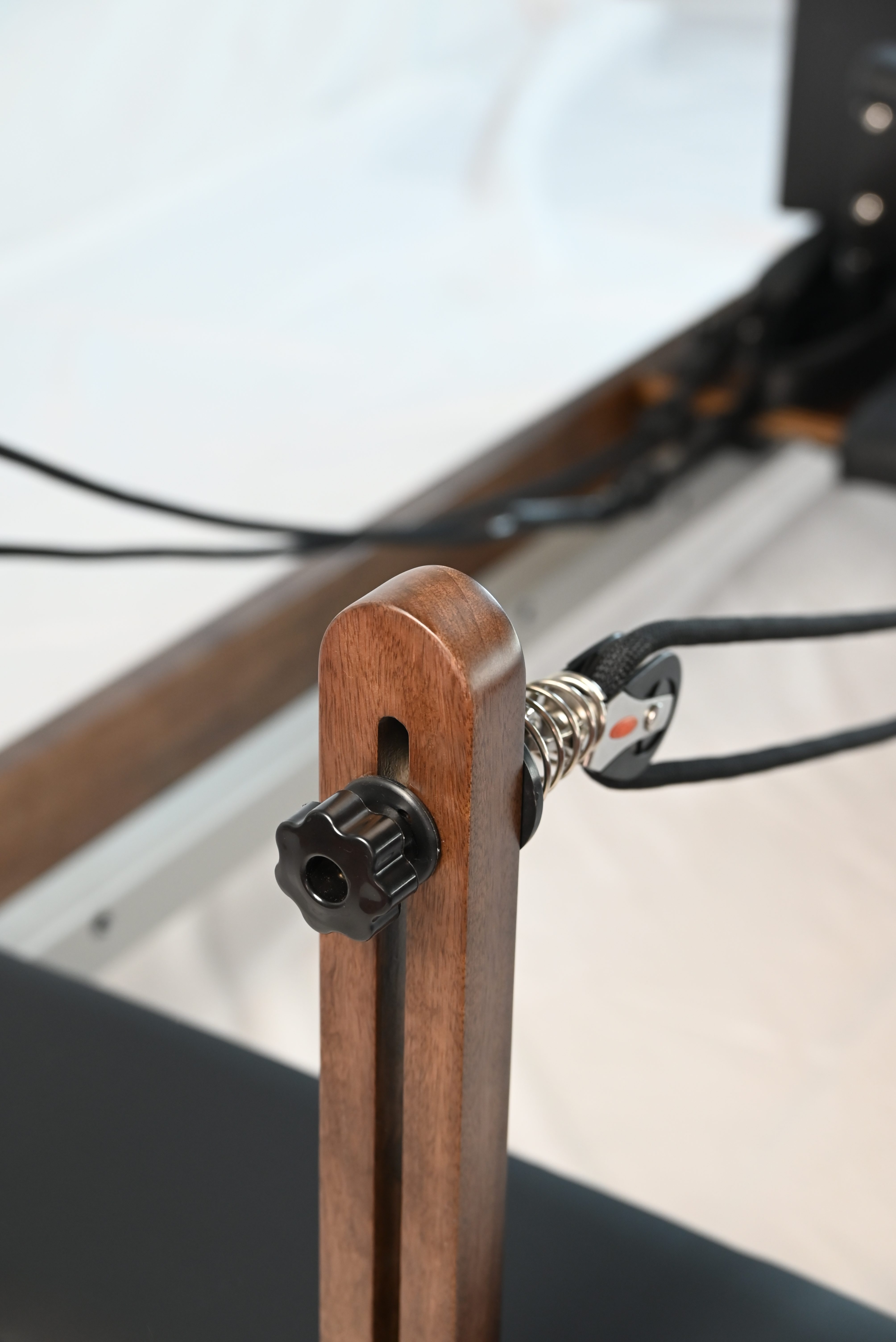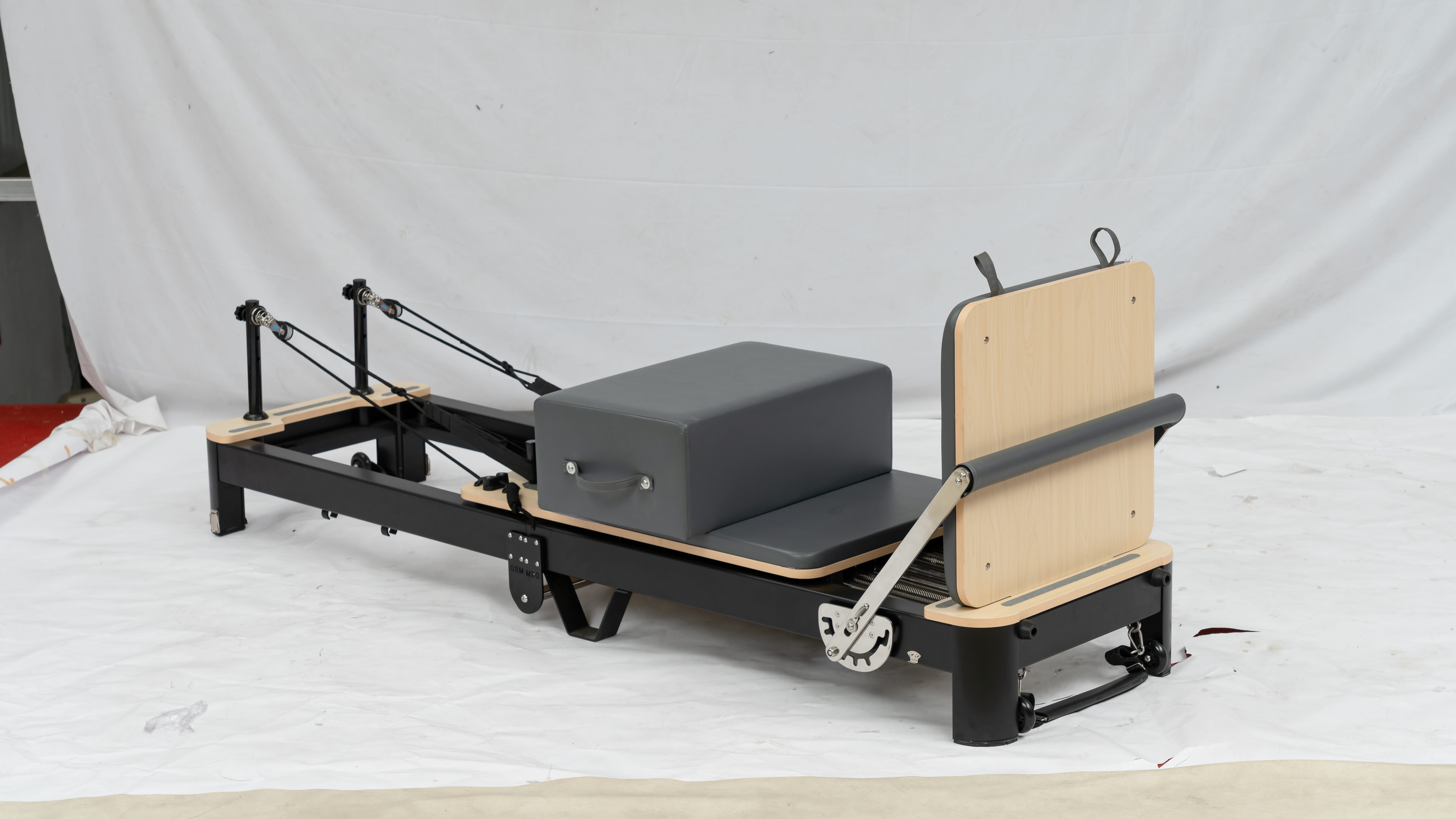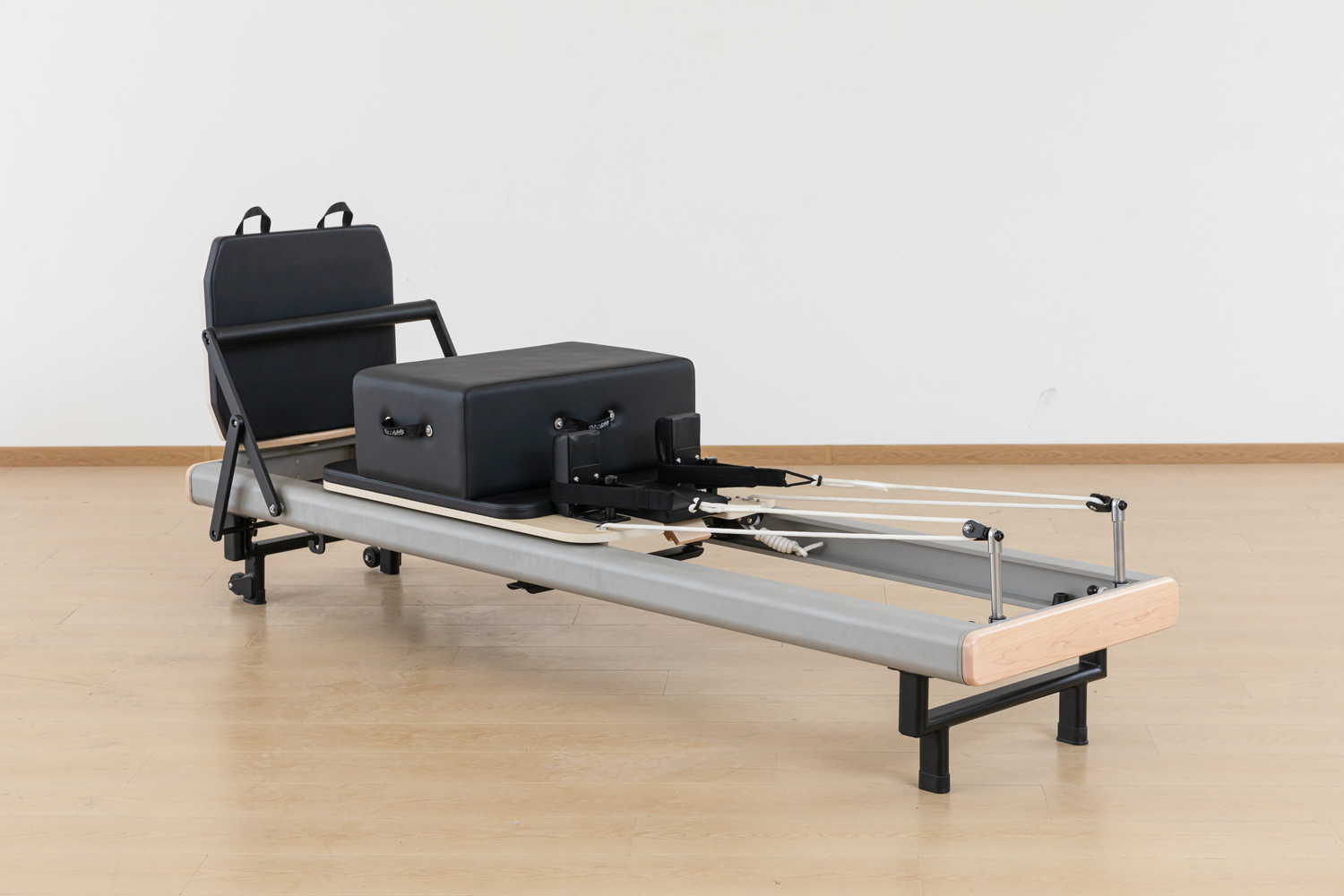
International Pilates Studio Equipment Configuration Case Studies
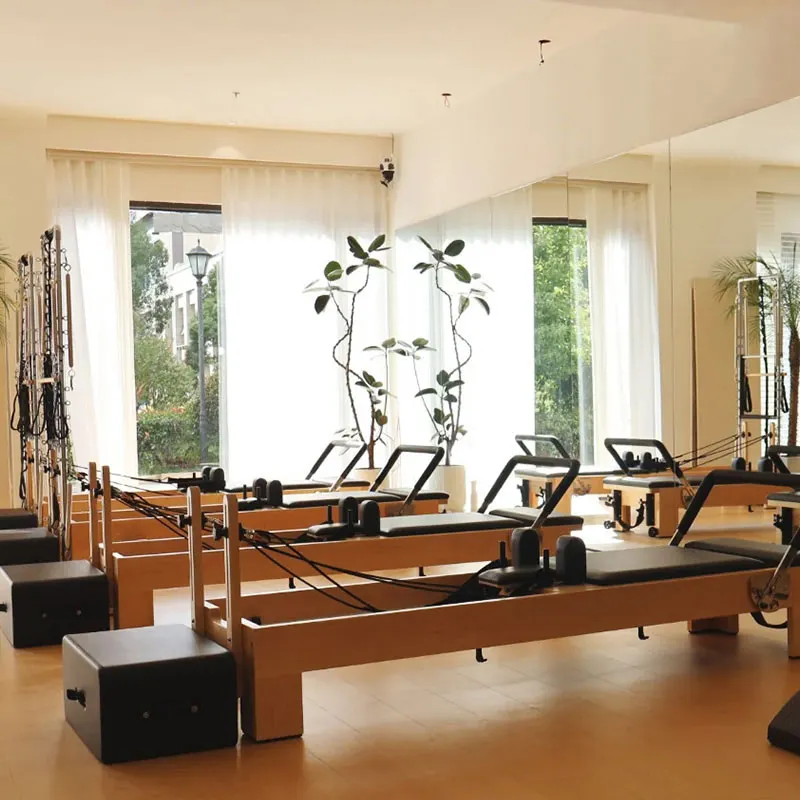
From high-end boutique studios in London to innovative university projects in Nottingham, from yoga-to-Pilates transitions in Southern California to premium studios in Amman, Jordan — equipment configuration strategies for international Pilates studios reflect a diverse landscape. Studios of different positioning and scales adopt distinctly different approaches to equipment selection, offering valuable references for entrepreneurs planning to open or upgrade Pilates studios.
I. London Boutique Studio: Maximizing a Compact Premium Space
Core Kensington Pilates Studio, located on Kensington High Street in London, is a quintessential high-end boutique private studio. The owners commissioned Studio Wolter Navarro Architects to create a space that balances quality with functionality.
The studio positions itself for a unique clientele — highly personalized training sessions with a maximum of 6 participants per class — requiring a space that meets elevated client expectations.
Equipment Configuration Highlights:
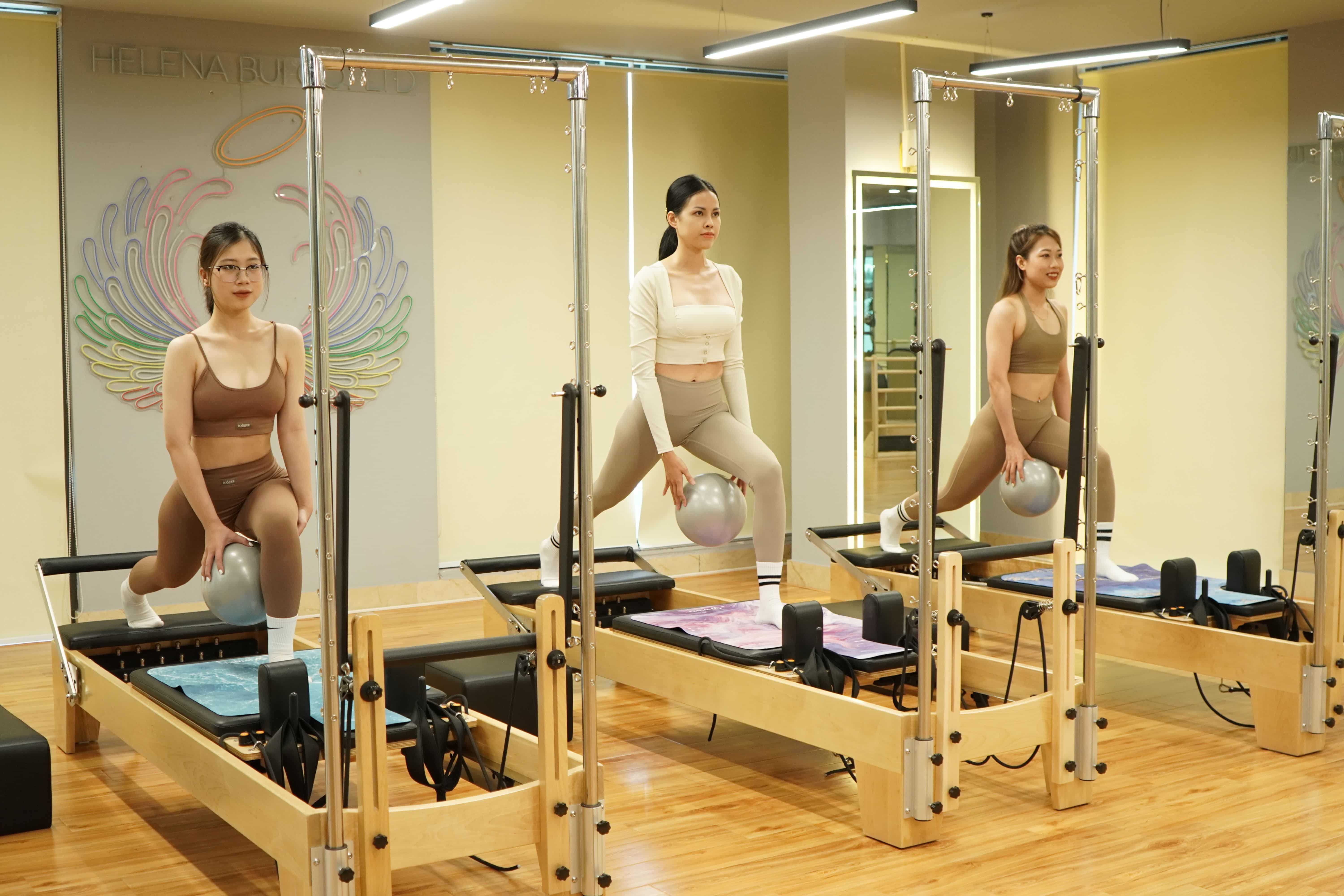
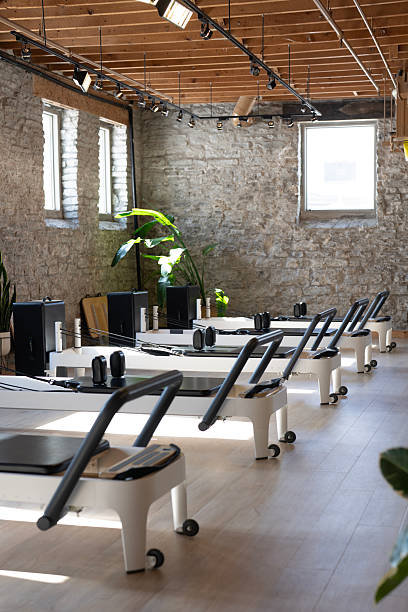
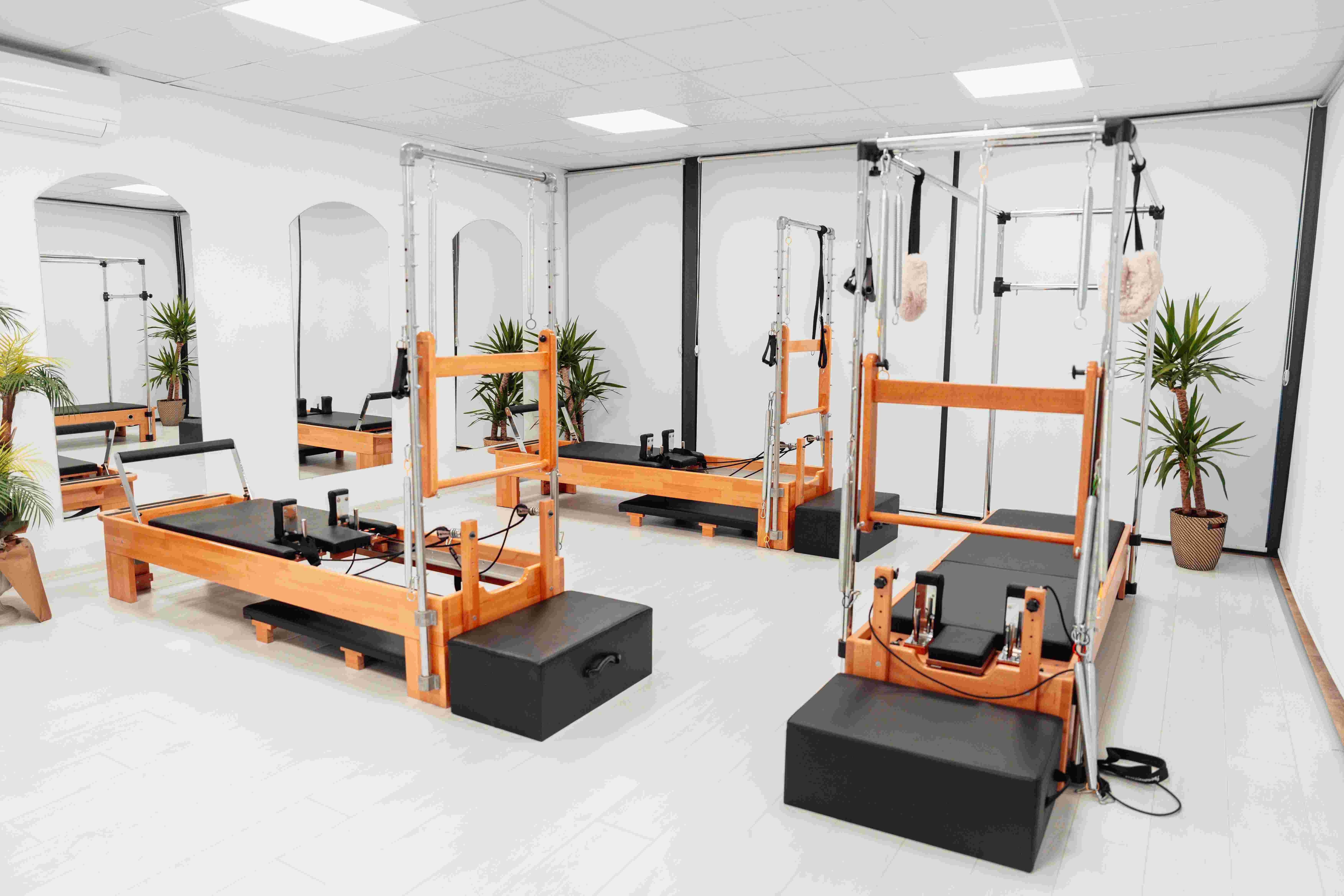
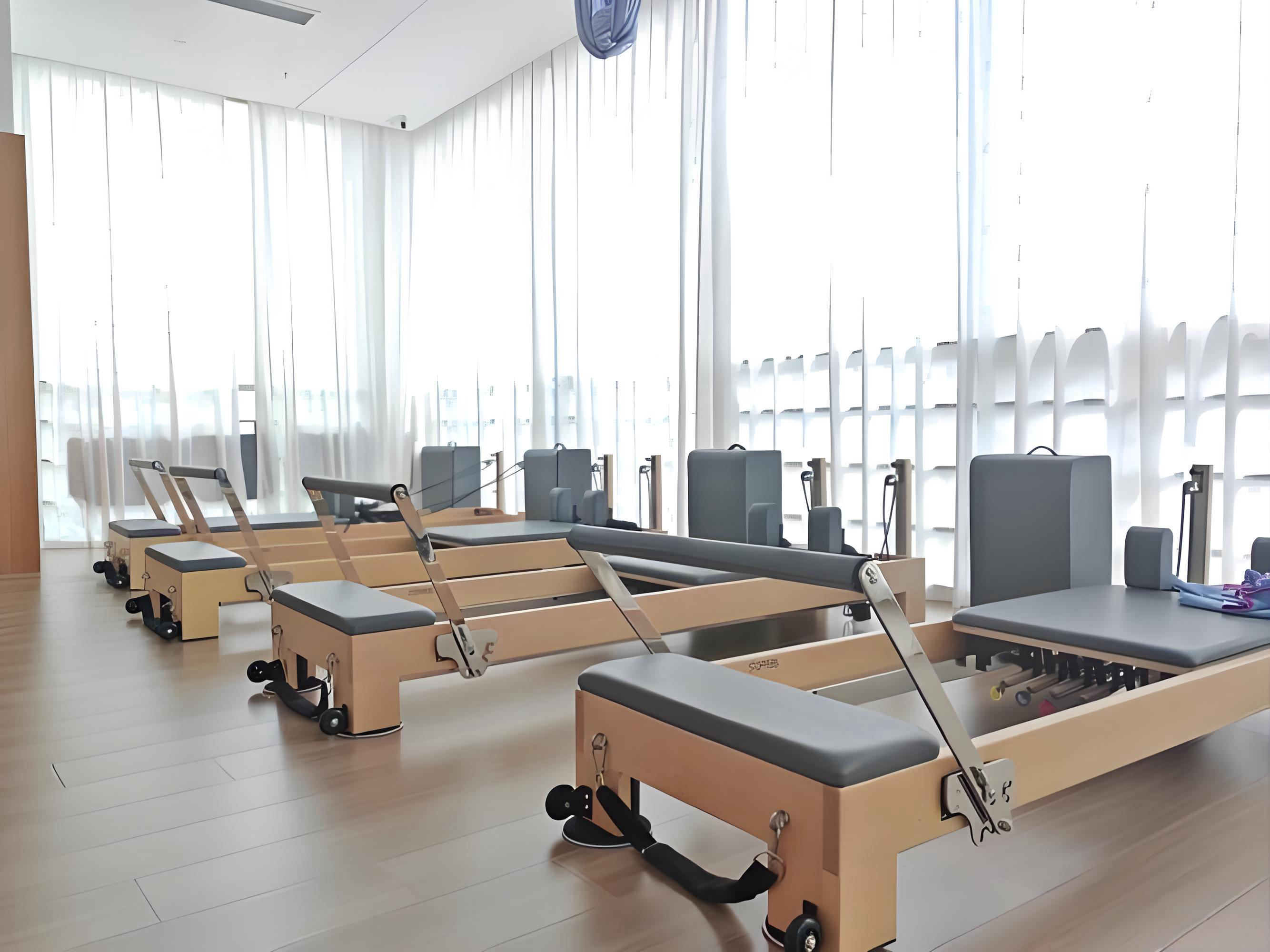
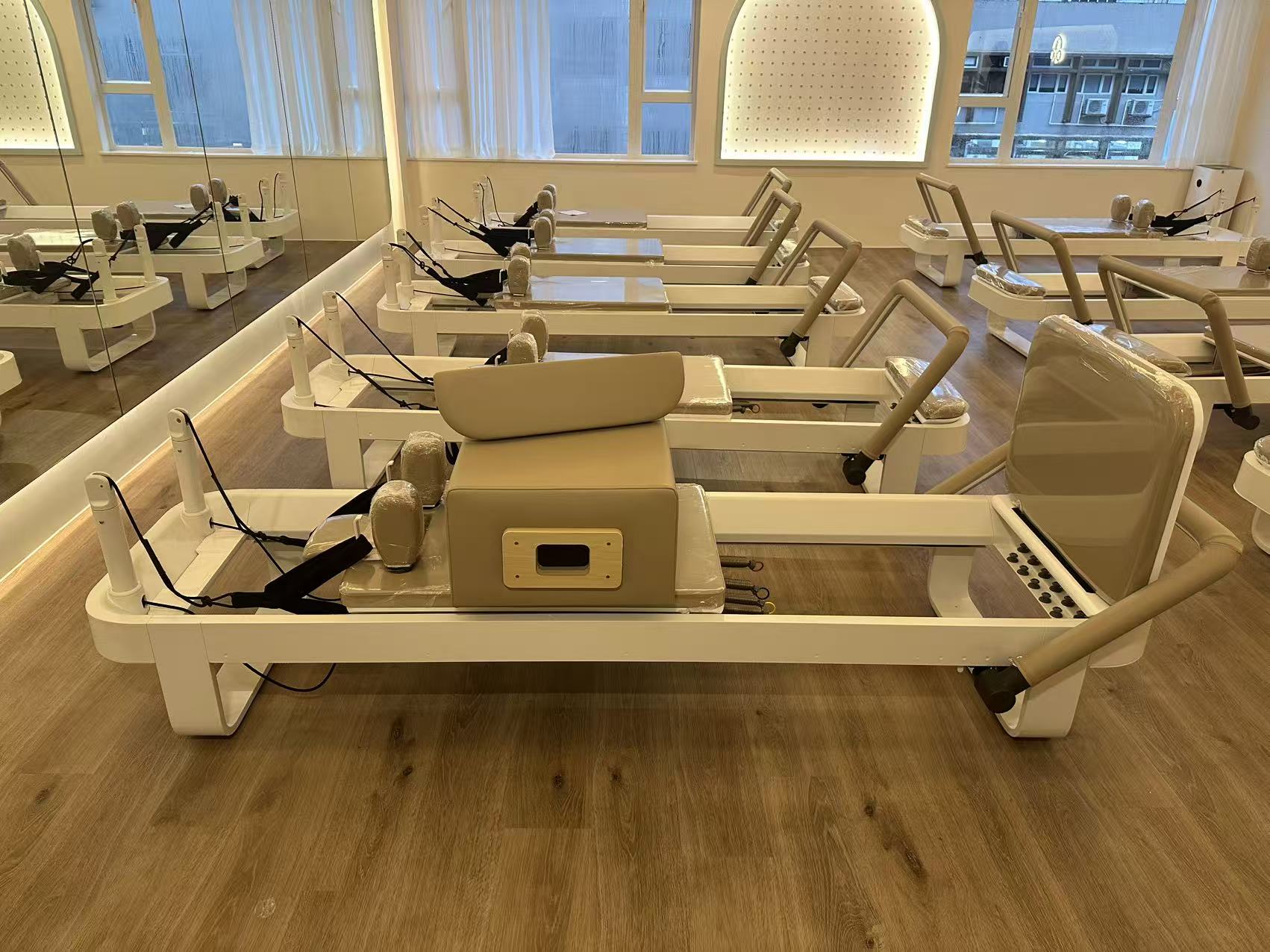
·9 large Pilates Reformers: Although each class accommodates only 6 clients, the studio is equipped with 9 units to support flexible scheduling across different class times and private sessions
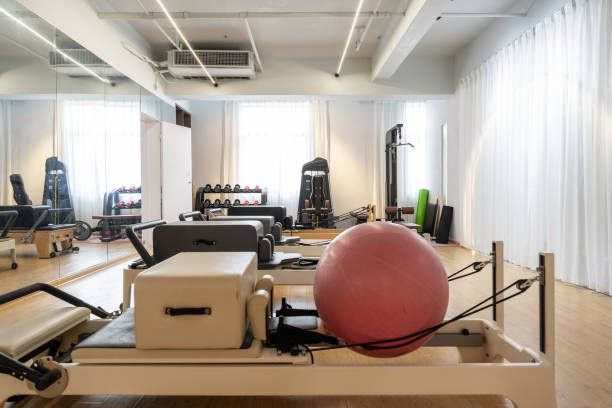
·Ample storage for teaching props: All small props including Pilates balls are stored behind custom cabinetry doors to avoid visual clutter; circular cutouts make it easy for clients to find the props they need
Design Features: The project incorporates Mexican and Norwegian design elements, including traditional Mexican celosía (breeze walls) and Nordic Douglas fir timber. The space features only one door (leading to the restroom) using a pocket door design, creating an open and flowing spatial experience. Material selection emphasizes tactile experience — the varying temperatures of different materials provide clients with diverse sensory feedback, allowing movement and architecture to integrate seamlessly.
Key Takeaway: For high-end boutique studios, the core value lies not in equipment quantity, but in the integration of equipment quality, spatial atmosphere, and personalized service.
II. University of Nottingham: A Benchmark Configuration for Educational Institutions
The University of Nottingham launched its new Reformer Pilates studio in early 2026, regarded as a milestone project in UK higher education.
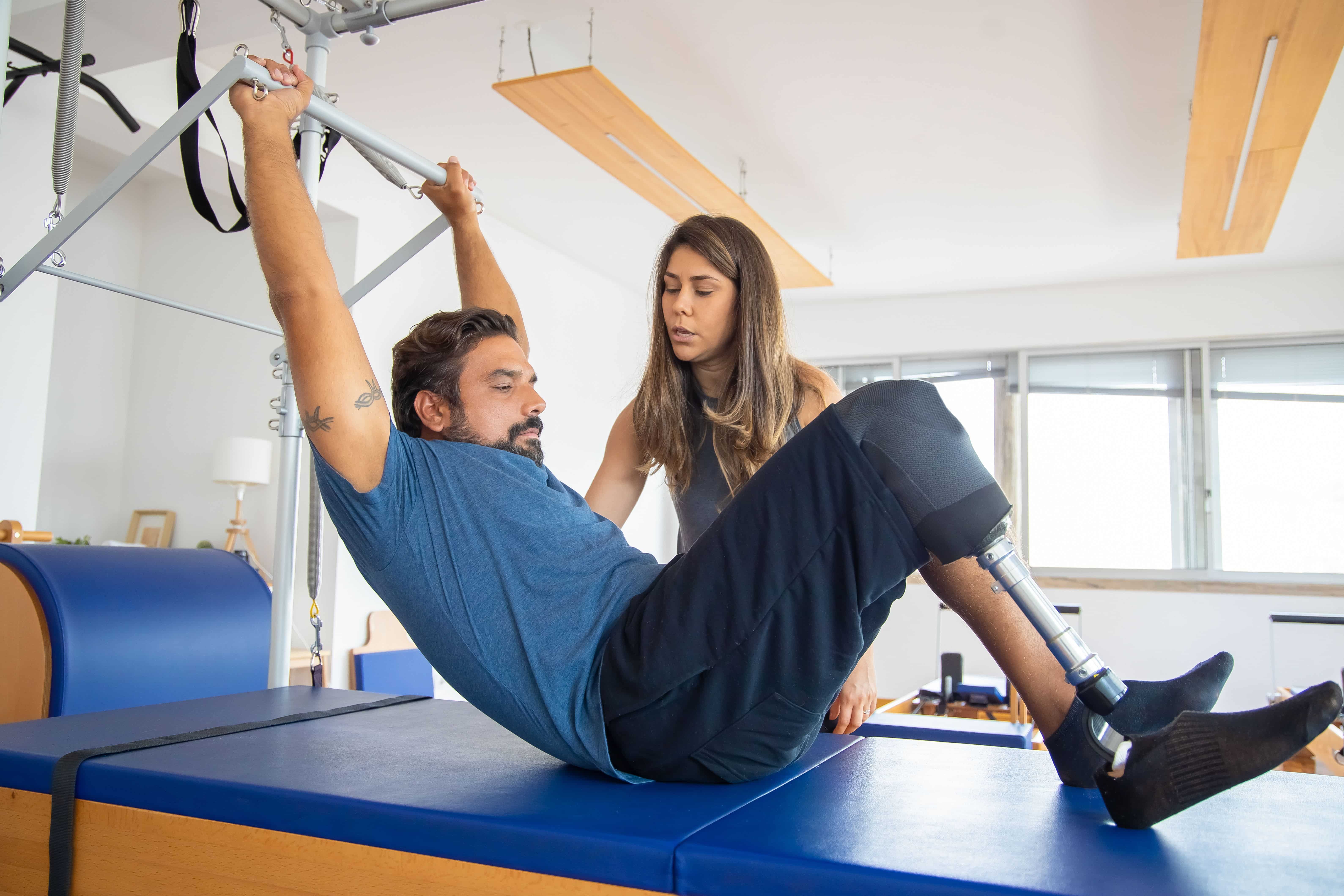
The studio serves a unique purpose — it is not merely a student fitness facility but also supports athletic performance enhancement, rehabilitation therapy, community health, and disability inclusion initiatives.
Equipment Configuration:
·11 Balanced Body Allegro 2 Reformers with Towers and Plank Bars: The core of the studio
·5 Combo Chairs: Supporting diverse program offerings
Selection Rationale: Tom Sharratt, Health and Fitness Manager, noted: "Balanced Body stood out immediately. The equipment is exceptionally well designed, durable, versatile, and visually stunning, plus their team was fully collaborative from the start. They understood our goals and worked with us to bring our vision to life, from the studio's layout and bespoke window frosting to the delivery of bespoke, on-site instructor training and future education planning."
Integrated Equipment and Services: Balanced Body's involvement extended far beyond equipment installation. Their support included studio design consultation, instructor training, and course development. Specialized training programs were delivered on-site for both the Group Exercise team and the physiotherapy team — the former completing the Group Reformer for Fitness Professionals program, the latter receiving customized PT/rehabilitation training enabling clinicians to integrate evidence-based Pilates exercise into treatment plans alongside manual therapy.
Operational Results: Since launch, engagement data reveal overwhelmingly positive responses, with particularly strong participation among both younger students and older adults. The studio has been seamlessly integrated into the university's Group Exercise program through a dedicated booking platform and pricing structure, accommodating all experience levels.
Key Takeaway: Pilates equipment procurement can be bundled with education certification, instructor training, and curriculum development — transforming the equipment supplier into a "strategic partner" rather than a mere "product seller."
III. Southern California Yoga Studio Transition: From a 400-Member Community to Pilates
Soul Movement Pilates, located in Mission Viejo, California, represents a successful transition from an established yoga community.
Todd and Paulette Vasconcellos acquired Soul Movement Yoga in October 2024 — a studio with five years of history and approximately 400 loyal members. With Paulette's background in both Yoga and Pilates instruction and prior experience with Merrithew equipment at their sister studio Beyond the Mat in Dana Point, integrating Reformer Pilates was a natural growth strategy.
Demand Validation Phase: Before developing a dedicated studio, Soul Movement introduced a single Reformer within the existing yoga space and began offering private sessions. Member engagement increased quickly, and booking data provided clear support for expansion.
Final Configuration:
·10 V2 Max Plus™ Reformers with High Precision Gearbar
·Cardio-Tramp® Rebounders
·Fitness Circle® Lite
10 Split-Pedal Stability Chairs with Handles
Configuration Logic: The studio adopted a mixed-apparatus layout — 10 Reformers and 10 Stability Chairs positioned together in a single large training room. This layout supports progressive programming and class versatility while maximizing floor efficiency.
Operational Strategy: The schedule prioritizes small-group classes, with private sessions offered during midday hours to optimize equipment utilization. Member integration strategy: existing yoga members were invited to experience Pilates through two complimentary classes, accelerating familiarity and encouraging participation.
Early Results: Within the first month of opening, small-group Reformer classes showed high engagement, male client participation increased significantly, and the mixed-apparatus program format received positive feedback.
Key Takeaway: When expanding from a single modality to multiple offerings, validating market demand with a small equipment set first, then scaling based on data, significantly reduces investment risk.
IV. From Boutique to University: Common Patterns in Equipment Configuration
Synthesizing the above cases and industry guides, international Pilates studio equipment configurations exhibit the following patterns:
Prioritization Order
Phase 1 (Opening Essentials) : Reformers are non-negotiable. Industry recommendations suggest 3 to 6 Reformers as a starting point — 3 units for boutique small-group classes, 4 to 6 for regular small-group programming. Equipment selection should prioritize commercial-grade durability and quality consistency, with Merrithew and Balanced Body being the most frequently cited brands.
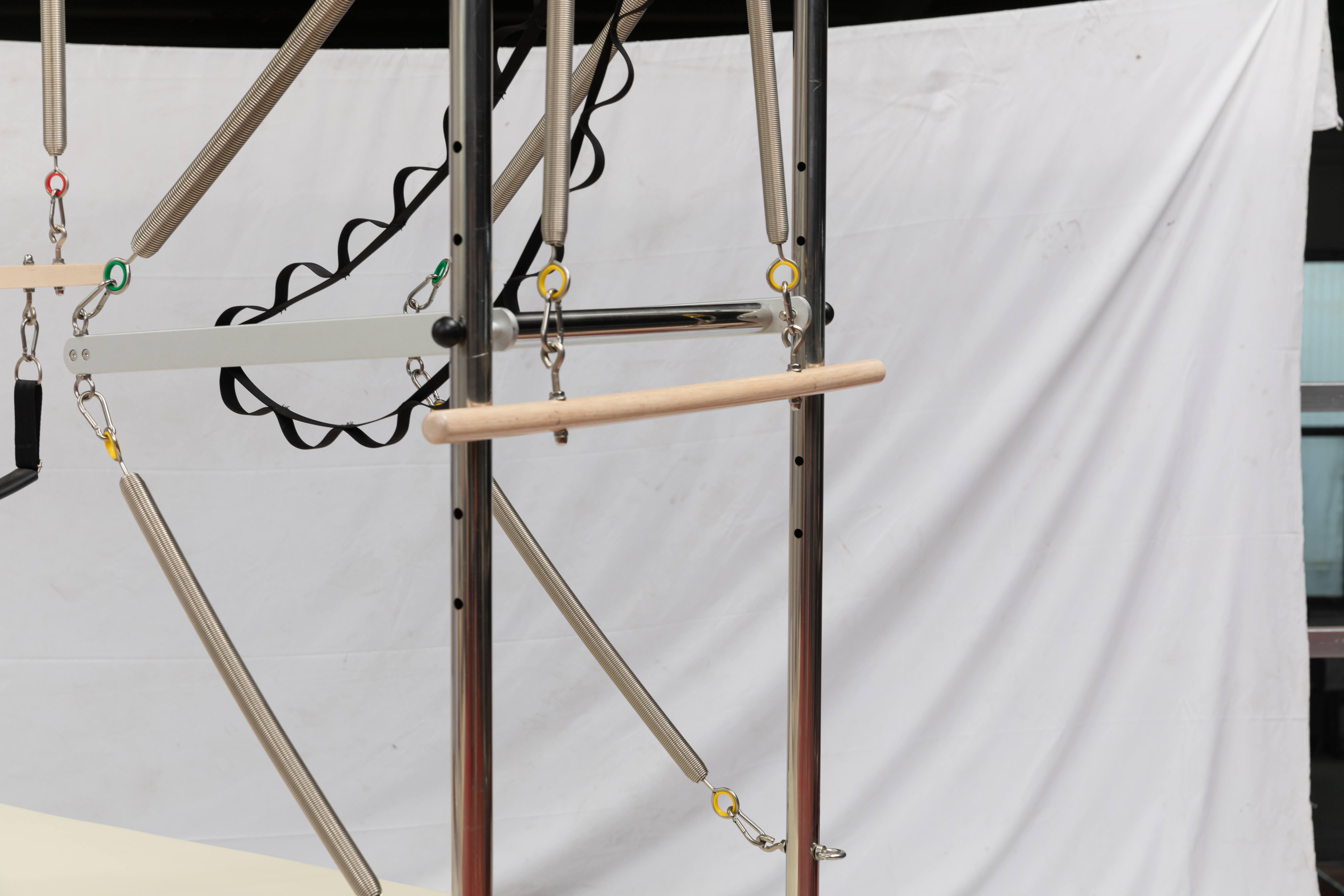
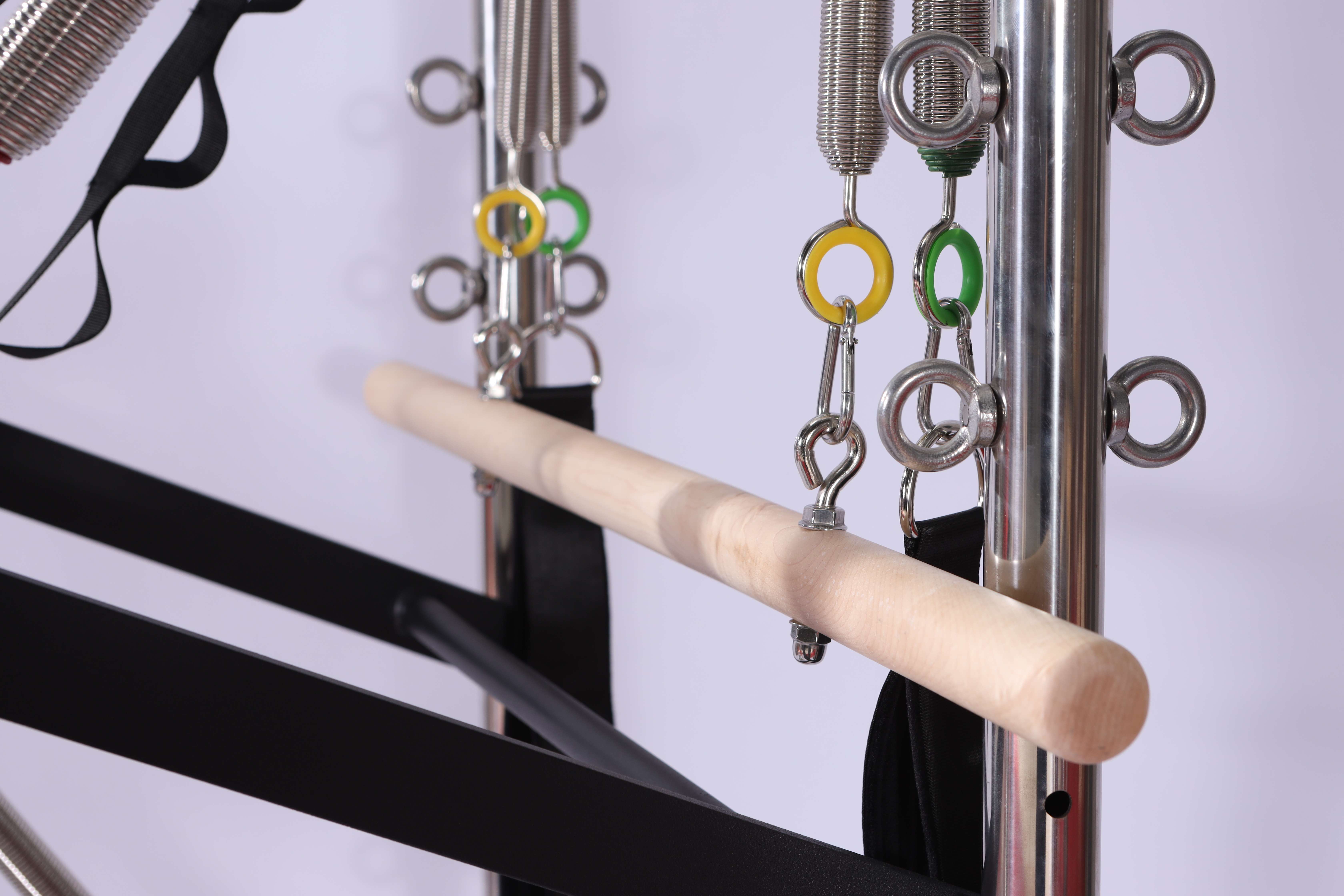
Phase 2 (Expansion) : The Cadillac (Trapeze Table) is widely regarded as essential for private sessions and rehabilitation programs — typically 1 to 2 units suffice. The Stability Chair is a compact-space favorite for 1-on-1 private sessions and small groups.
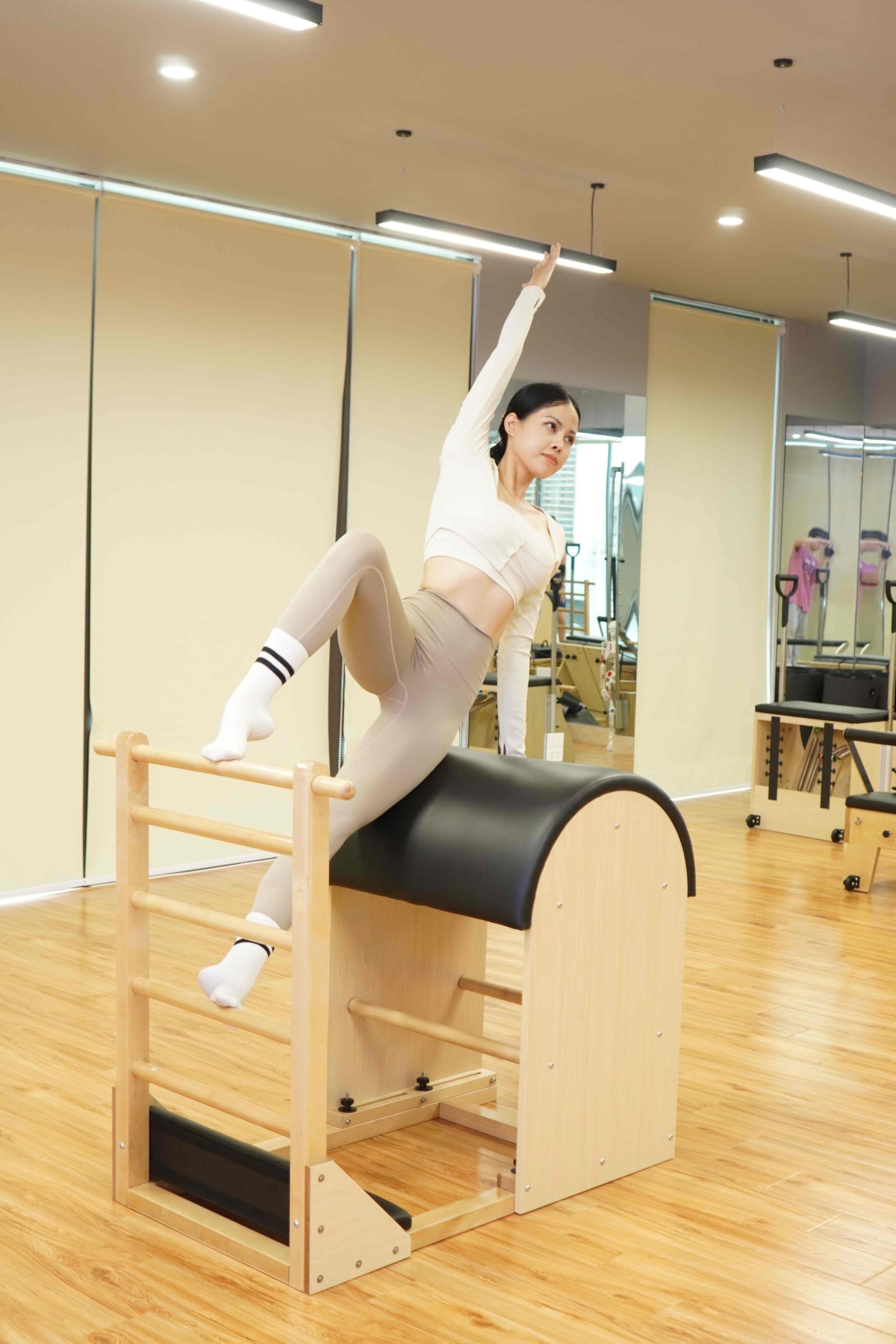
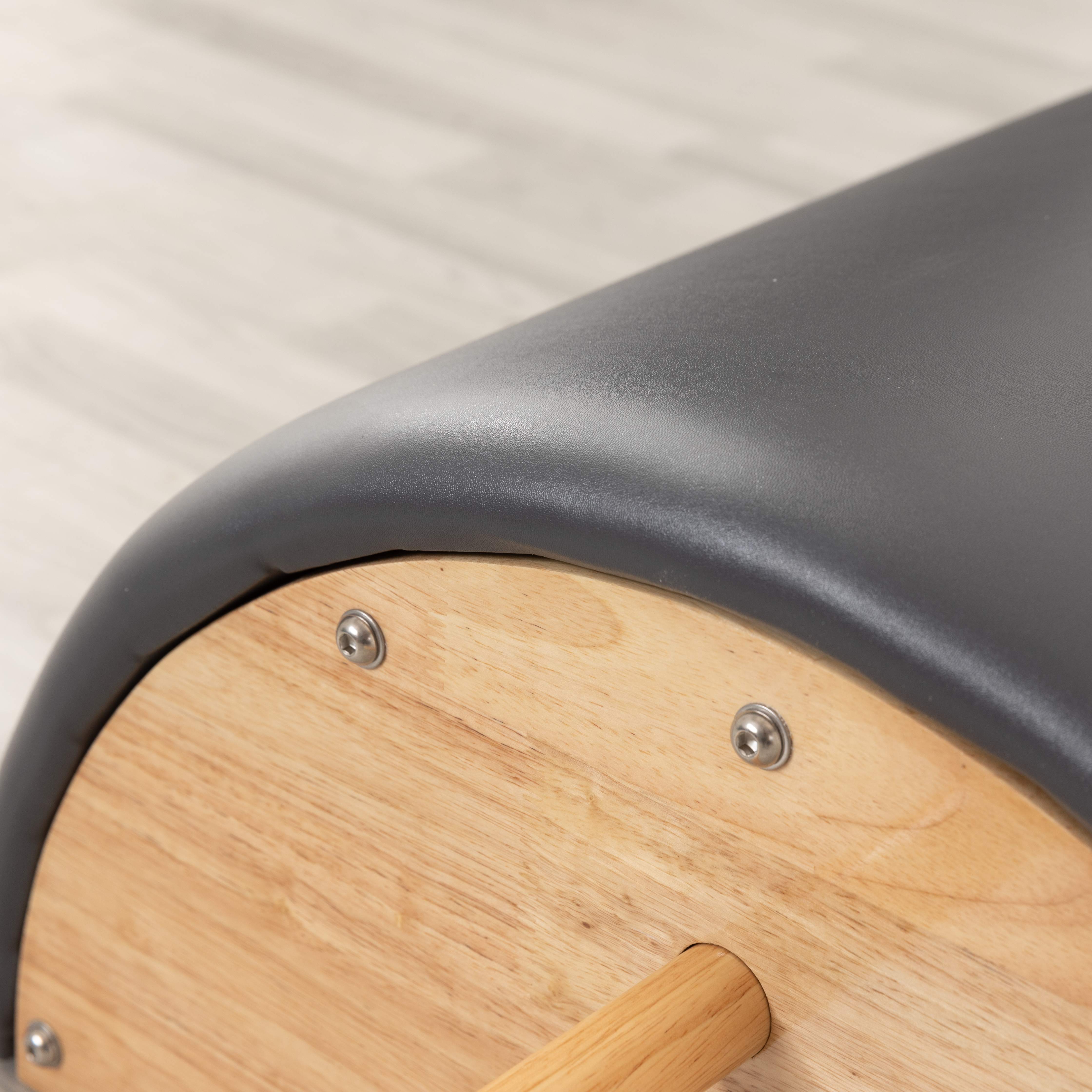
Phase 3 (Specialization) : The Ladder Barrel and Spine Corrector are used for classical Pilates and postural correction programs. Accessories like the Jumpboard and Cardio-Tramp integrate cardiovascular elements into Pilates programming.
Space Planning Benchmarks
International studios generally follow these space planning guidelines: approximately 40 to 50 square feet (3.7 to 4.6 square meters) per Reformer, including operating and circulation space. A 6-Reformer studio requires approximately 30 to 40 square meters of dedicated reformer floor space, plus separate mat areas, reception, and changing rooms.
Investment Reference
Based on 2026 international market data, equipment investment typically represents 20% to 35% of total startup costs. Equipment investment itself ranges from $50,000 to $150,000 USD, depending on brand positioning and configuration scale. In the Canadian market, standard configuration (5 Reformers + 1 Cadillac + props) ranges from CAD 18,000 to 30,000, while premium configuration (8+ Reformers + multiple apparatus + full prop library) can reach CAD 45,000 to 80,000.
Summary: International Pilates studio equipment configuration is not a one-size-fits-all decision — it is a strategic choice deeply tied to brand positioning, curriculum design, target clientele, and spatial constraints. From London's high-end boutique to Nottingham's university project, from California's yoga transition to Jordan's premium studio, the common thread across successful cases is that equipment selection serves a clearly defined business model, and supplier partnerships extend beyond transactional relationships to encompass design consultation, training support, and curriculum development. For aspiring studio owners, starting with core equipment (Reformers + small props) to validate the market, then gradually expanding the apparatus collection — a measured pace often proves more sustainable than a one-time, all-in configuration.