Complete Pilates Studio Equipment Procurement Guide
Opening a Pilates studio requires one of the most important and complex decisions: equipment procurement. Equipment selection determines not only class quality and client experience but directly impacts return on investment and operational sustainability. This article provides a complete procurement framework — from needs assessment to budget planning and purchasing strategies.
I. Pre-Opening Needs Assessment
Before drafting a procurement list, clarify three core questions:
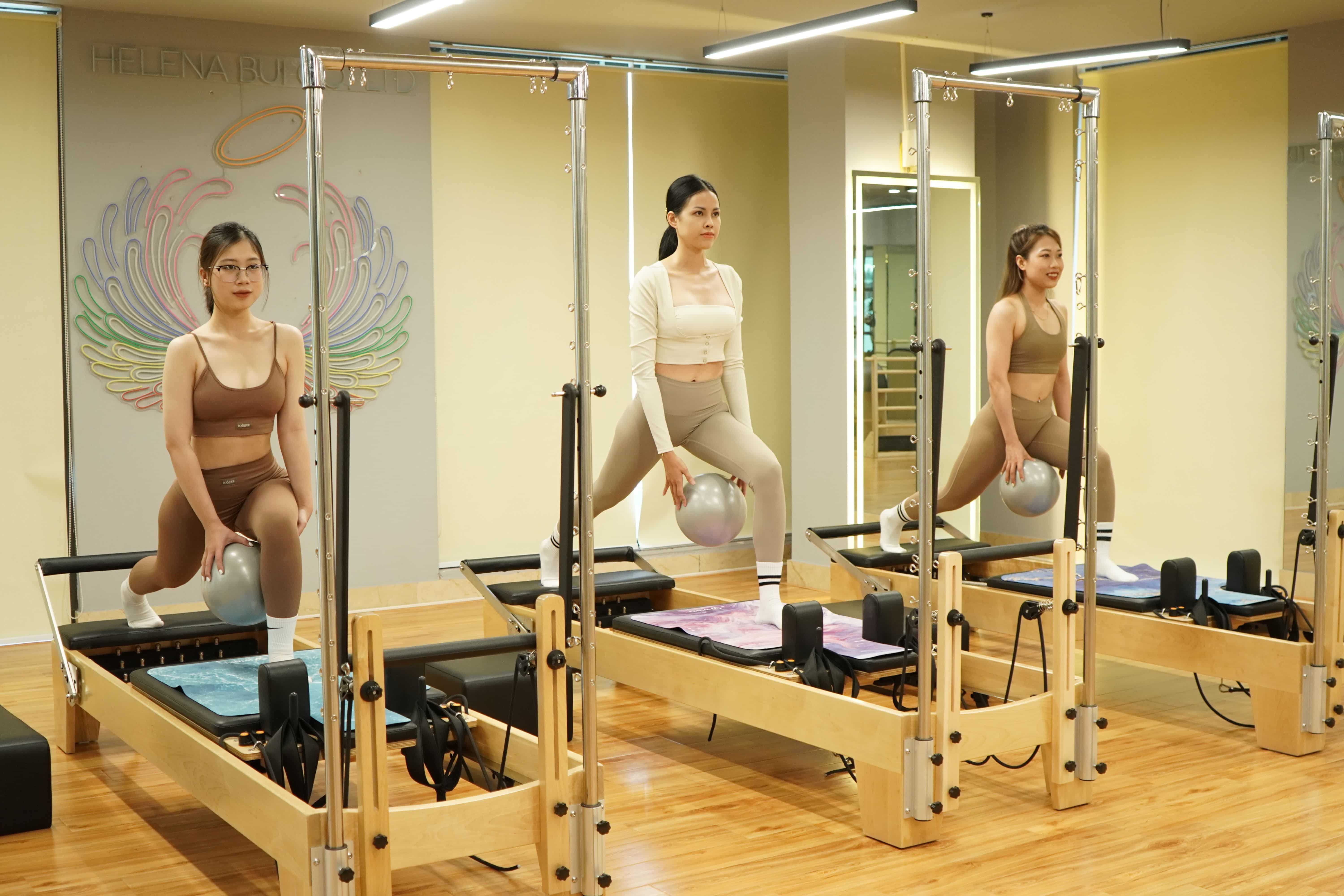
What is your positioning? High-end boutique private studio, regular small-group class studio, or hybrid comprehensive facility? Positioning determines equipment grade and configuration scale. High-end studios tend to choose hardwood frames and premium brands (Balanced Body, Merrithew) to support pricing through quality and brand背书. Group-class-oriented studios prioritize durability and cost-effectiveness.
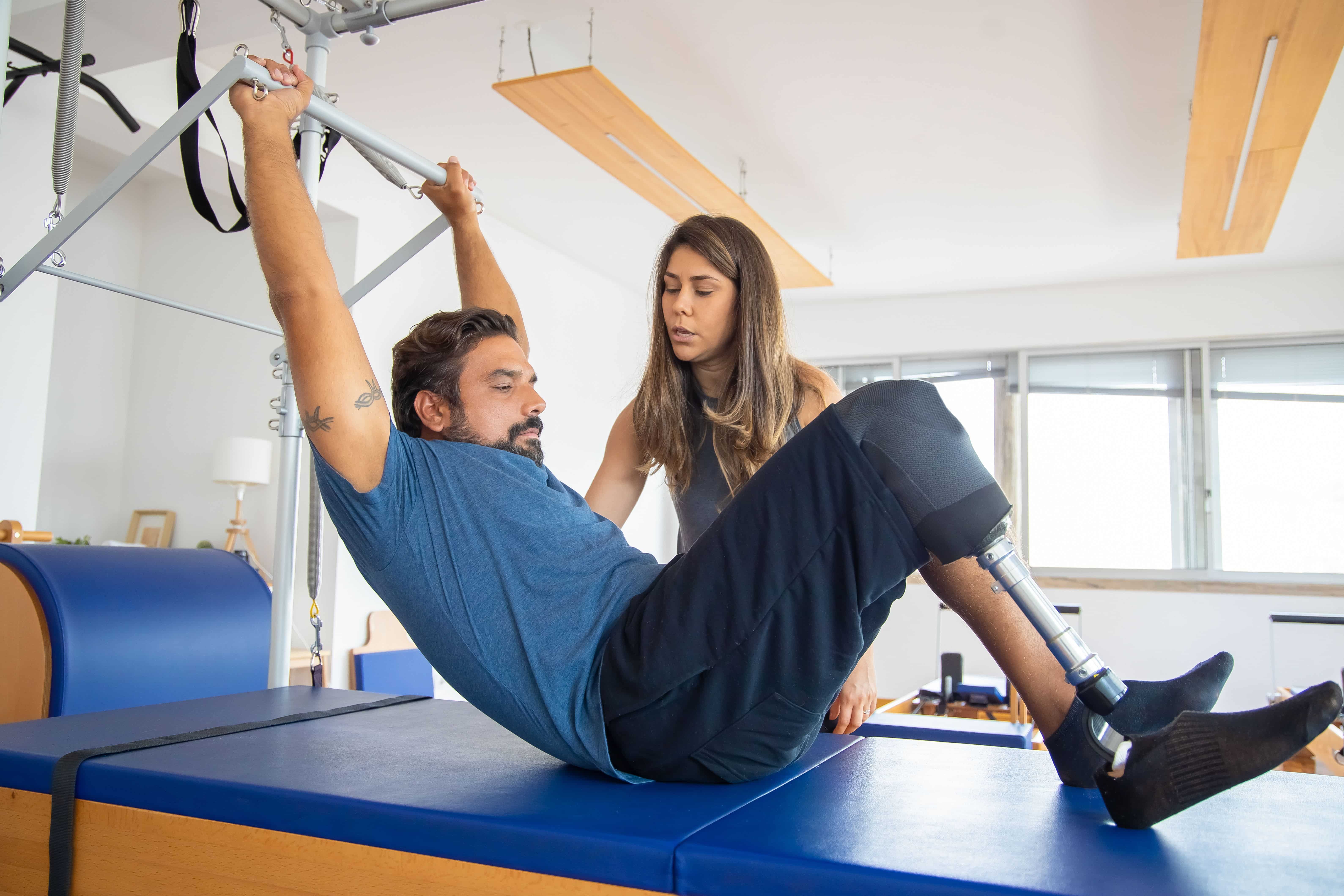
Who is your target clientele? Rehabilitation clients require Cadillacs and more adjustment options; younger clients focused on body sculpting have higher demand for Reformers and accessories like Jumpboards; hybrid studios also need props for yoga and stretching.
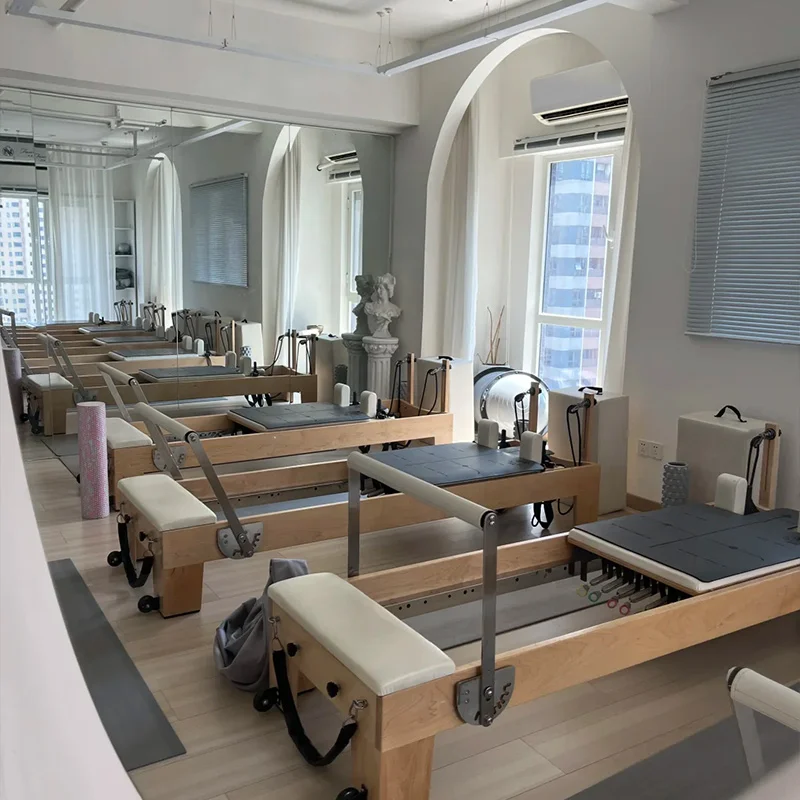
How much space do you have? Each Reformer requires approximately 40 to 50 square feet (3.7 to 4.6 square meters) of operating and clearance space. A 6-Reformer studio's main room requires about 30 to 40 square meters, plus reception, changing rooms, and storage.
II. Core Equipment Configuration
Below is a complete equipment list in order of procurement priority.
Phase 1: Opening-Day Essentials
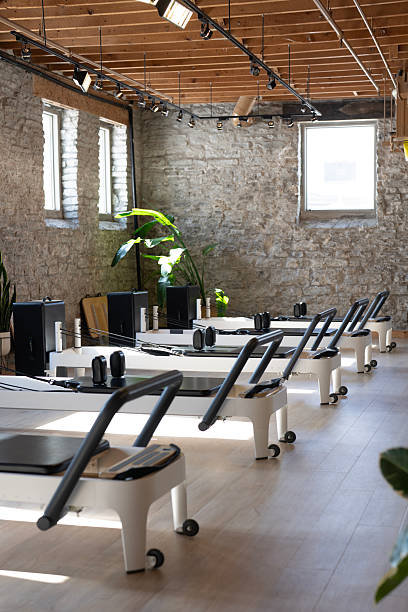
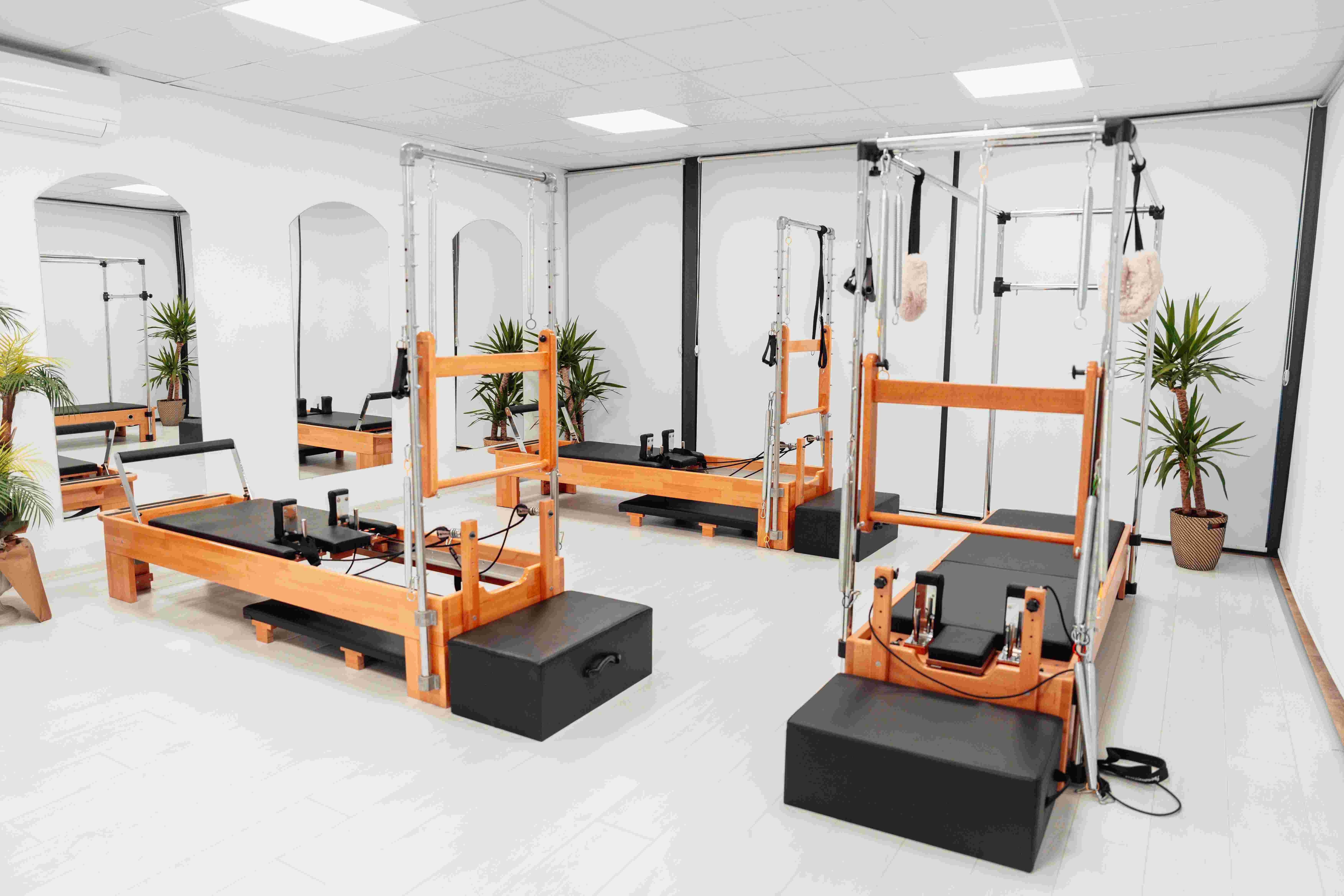
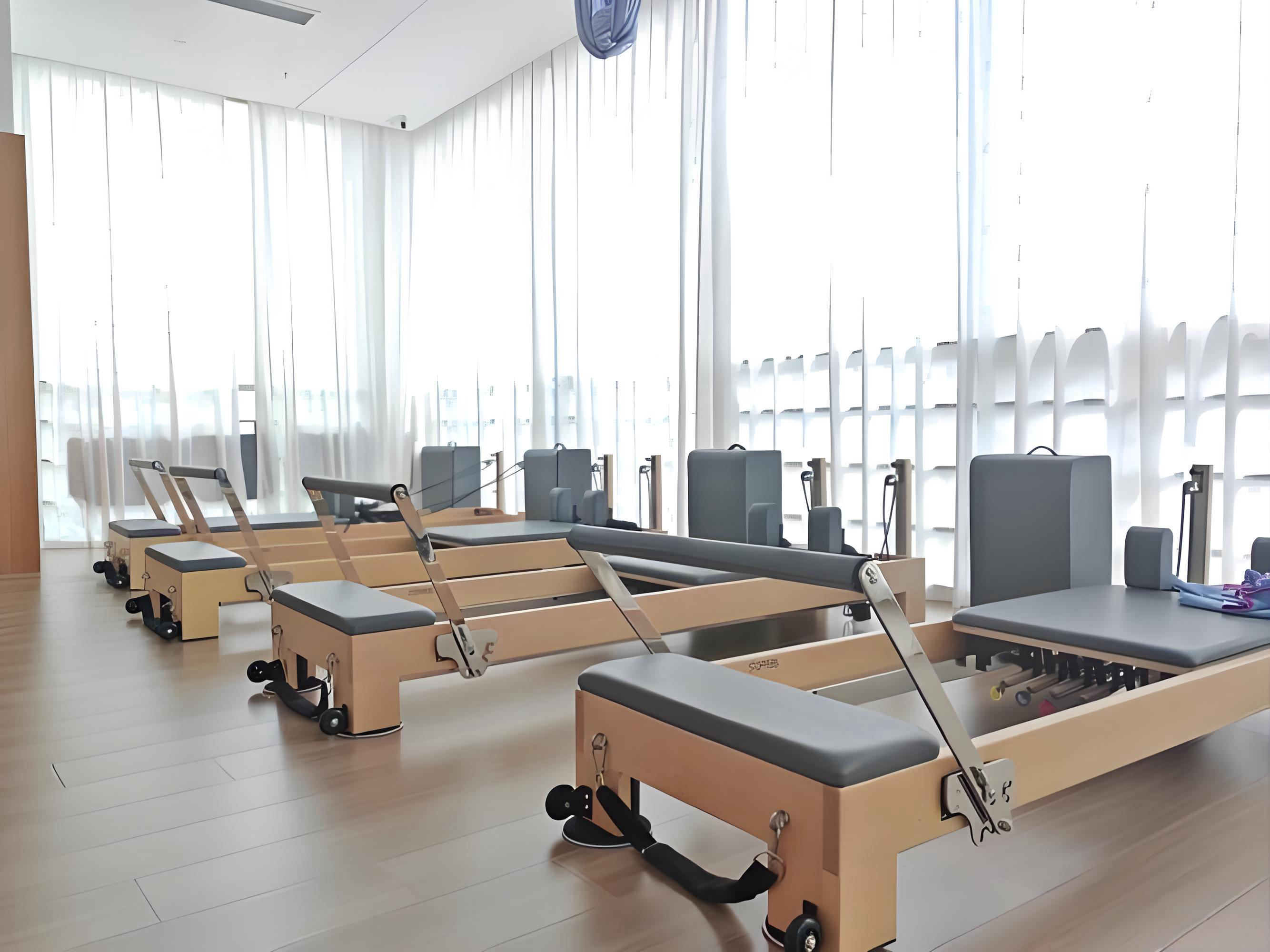
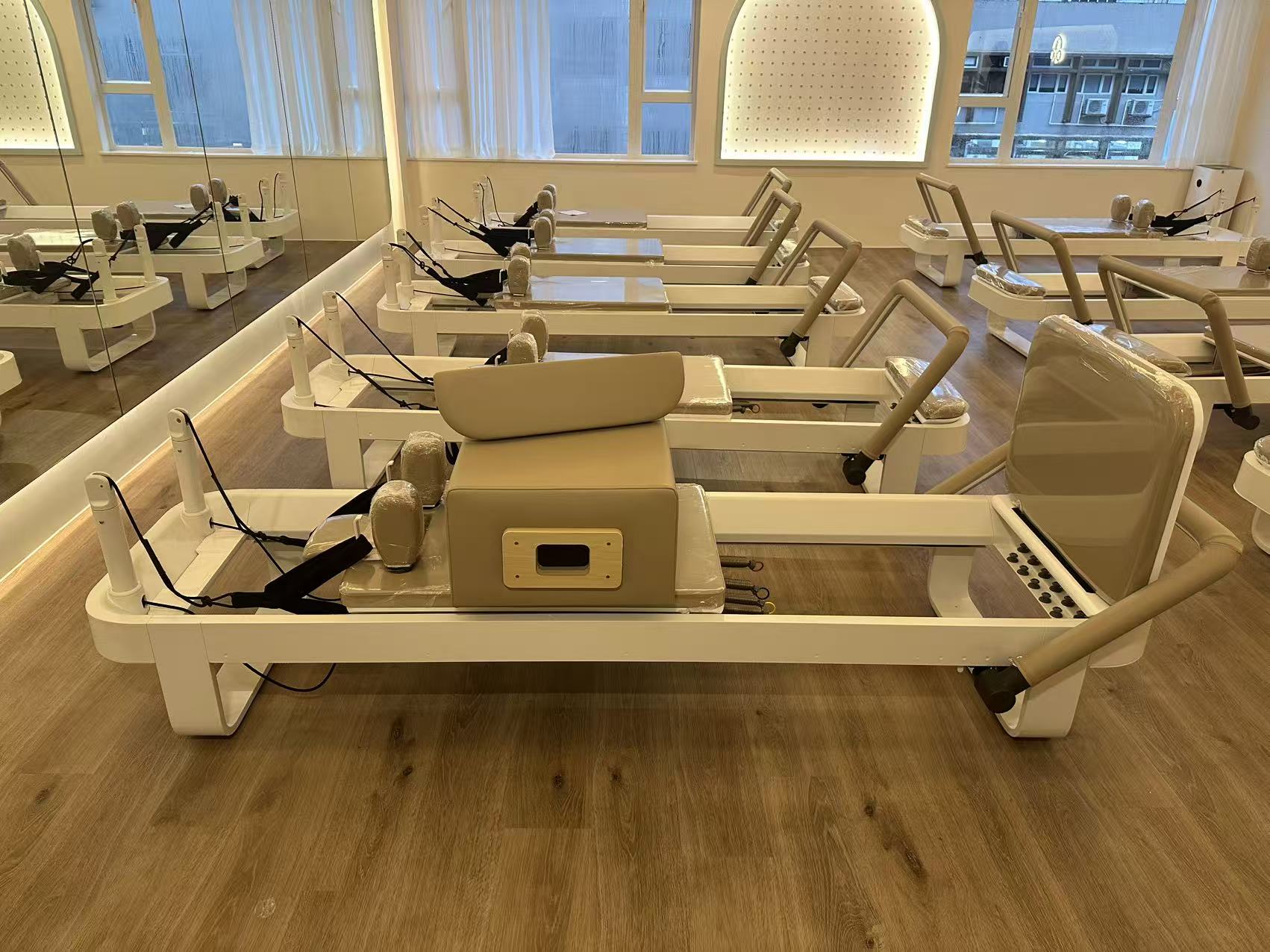
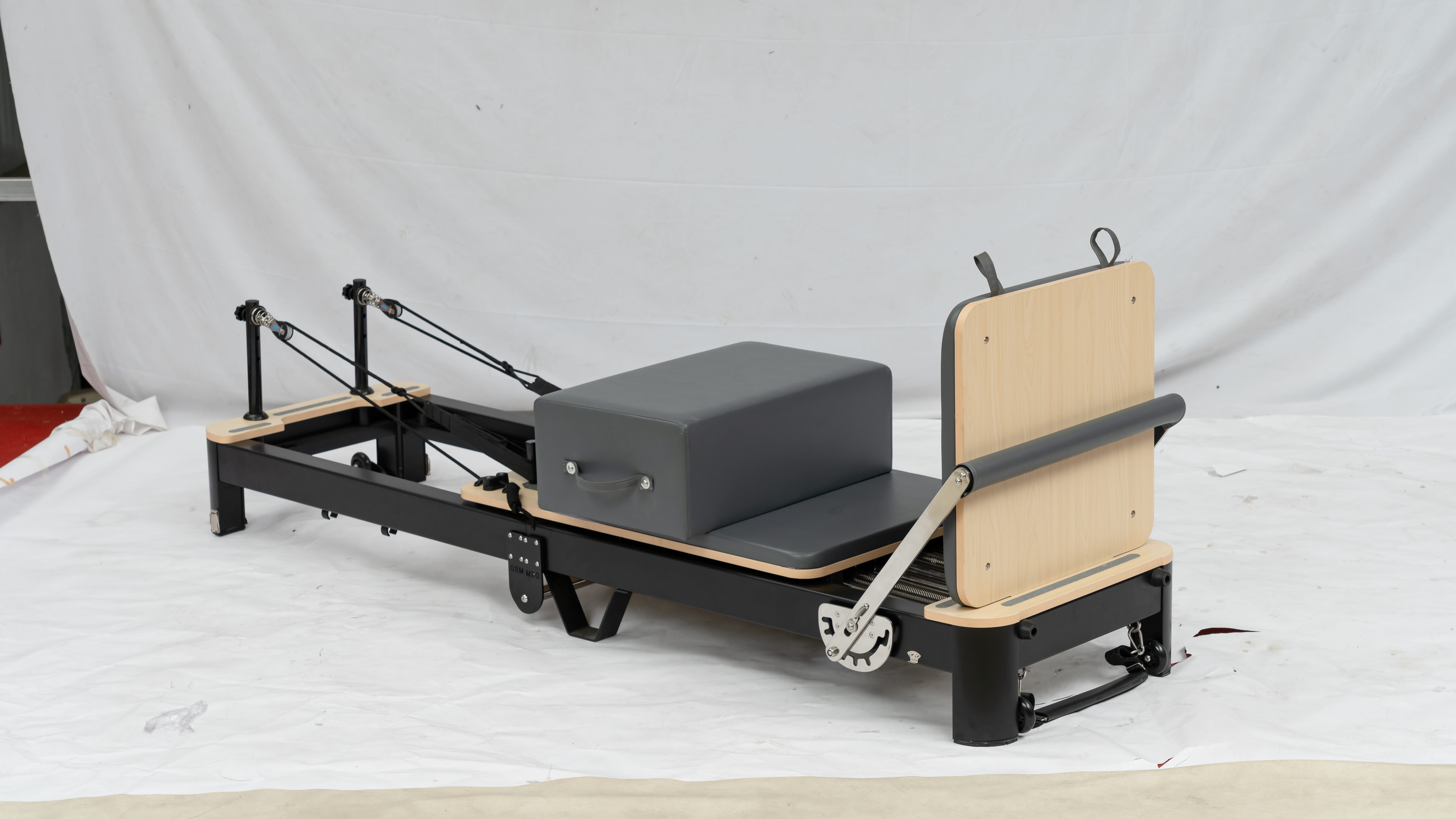
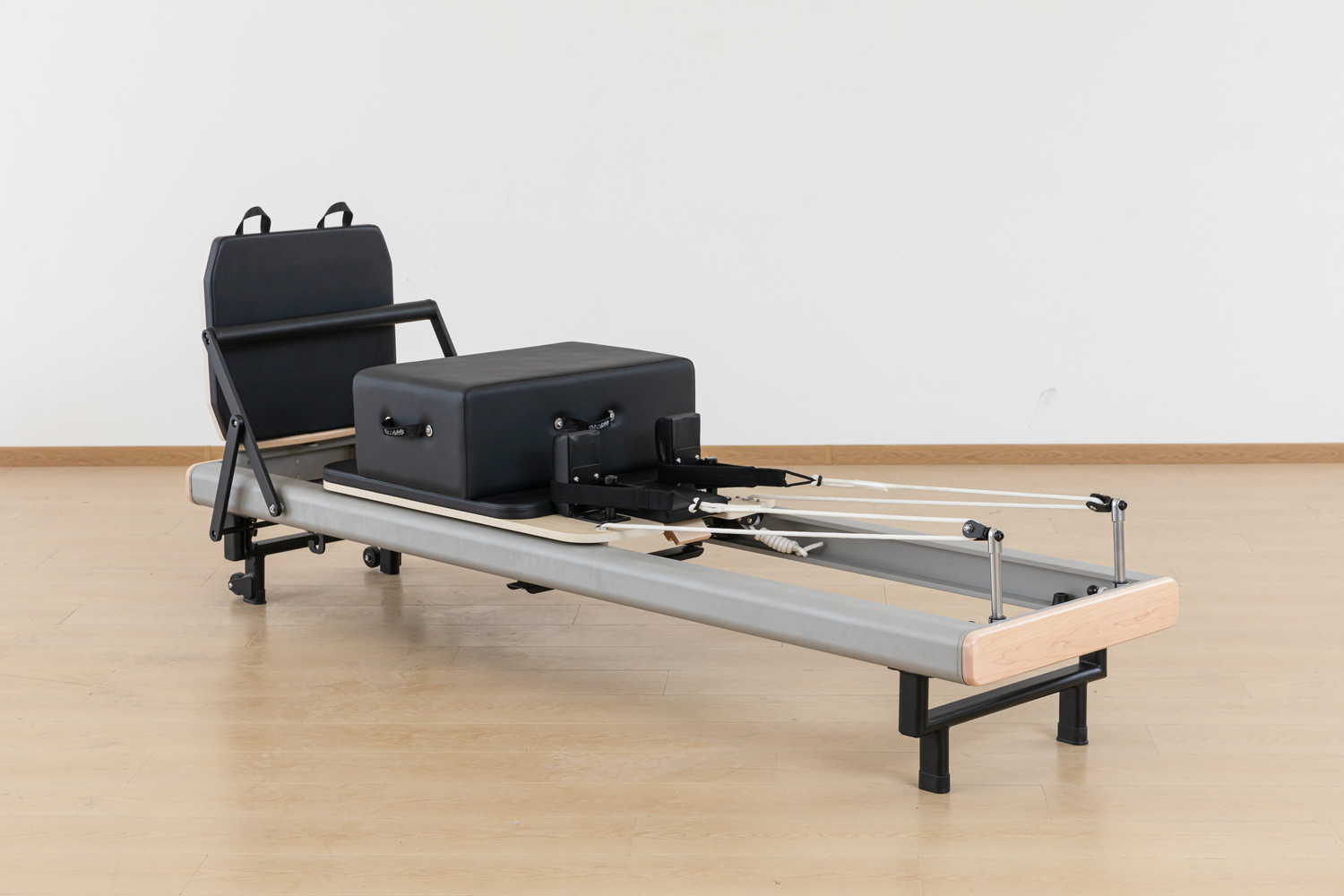
Reformers are the absolute core. Industry recommendations suggest 3 to 6 Reformers as a starting point — 3 units for boutique small-group classes, 4 to 6 for regular small-group programming. Prioritize commercial-grade products with reinforced frames and higher load capacity that can withstand daily use by dozens of clients.
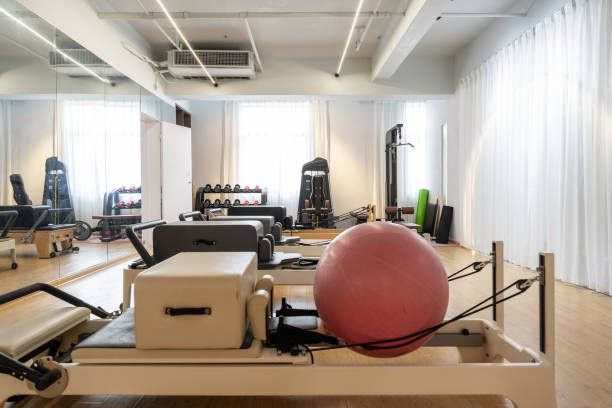
Small Props and Mat Equipment include 10–15 yoga mats ($40–$80 each), Magic Circles, resistance bands, stability balls, and foam rollers — total prop budget approximately $500–$1,000. These accessories significantly enhance class variety and instructor programming flexibility.
Basic Operations include sound system, mirrors, storage racks, and reception desk — budget approximately $2,500–$8,500.
Phase 1 Total: Approximately $24,400–$70,700 (depending on brand and quantity).
Phase 2: Year 1 Additions
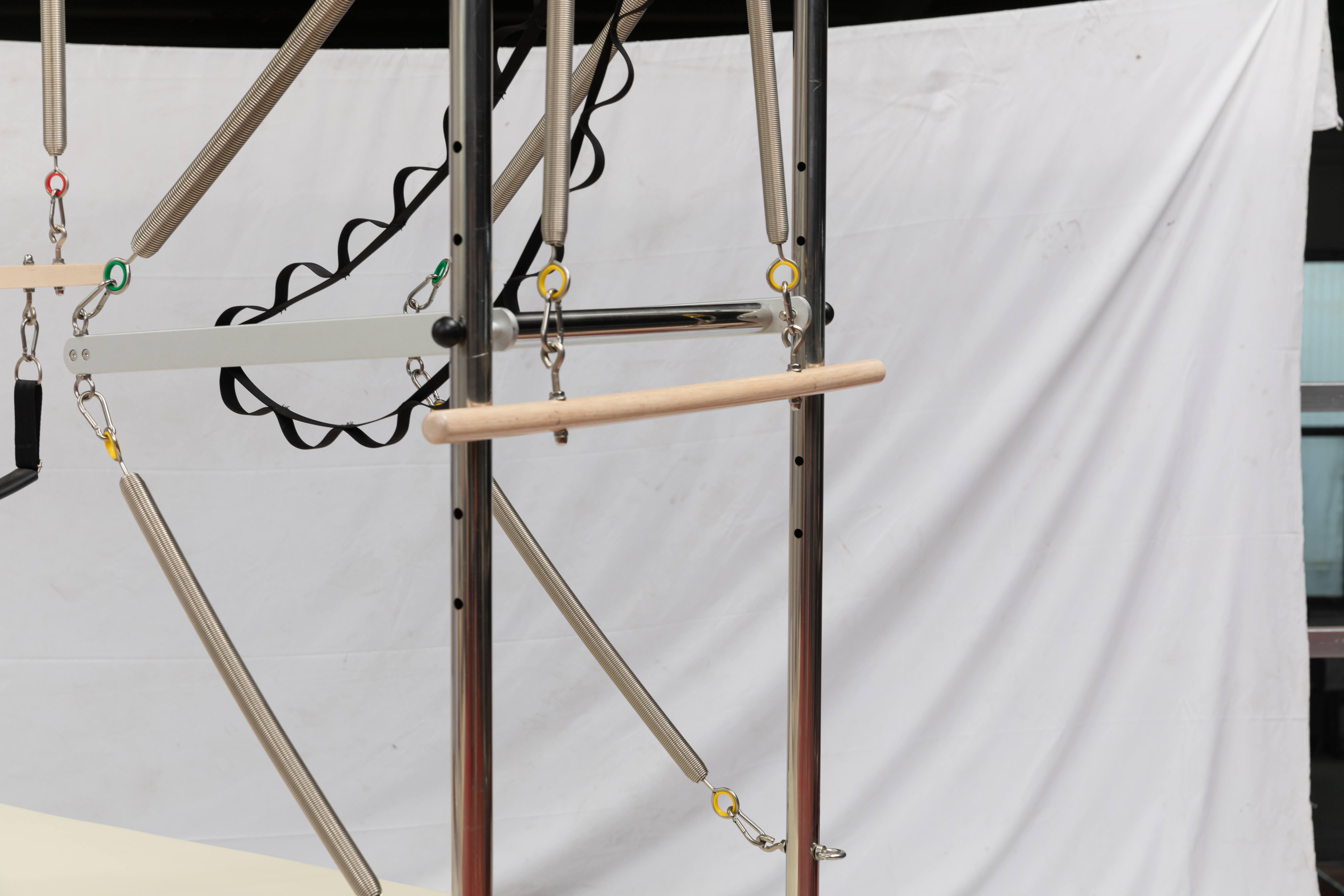
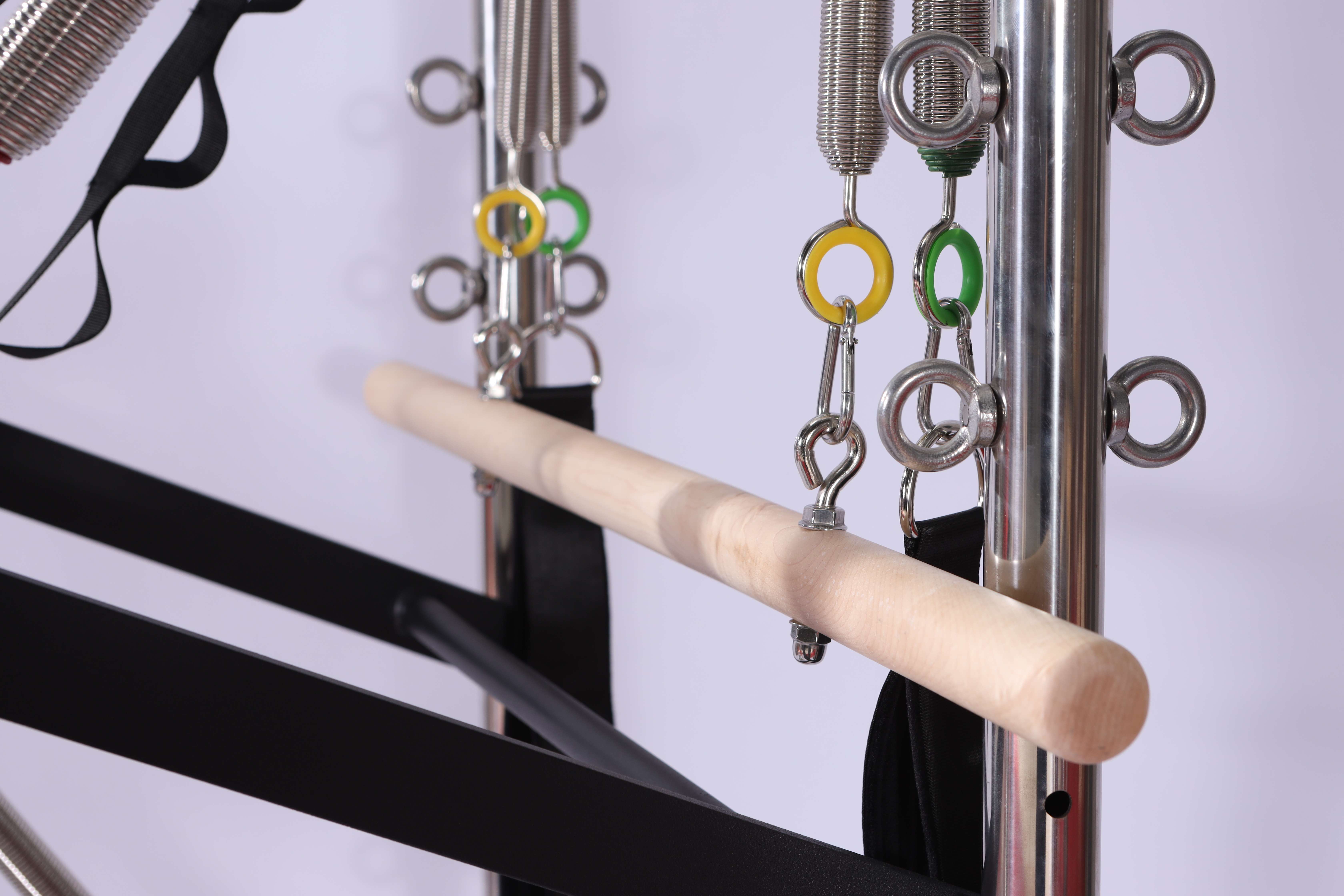
Cadillac (Trapeze Table) is the most versatile apparatus for private sessions and rehabilitation — typically 1 to 2 units suffice, priced at approximately $3,300–$5,500 each.
Stability Chair (Wunda/Combo Chair) is compact yet powerful for lower body and core work, suitable for 1-on-1 private sessions and 2-3 person small groups. Recommended 2–4 units at $1,495–$2,795 each.
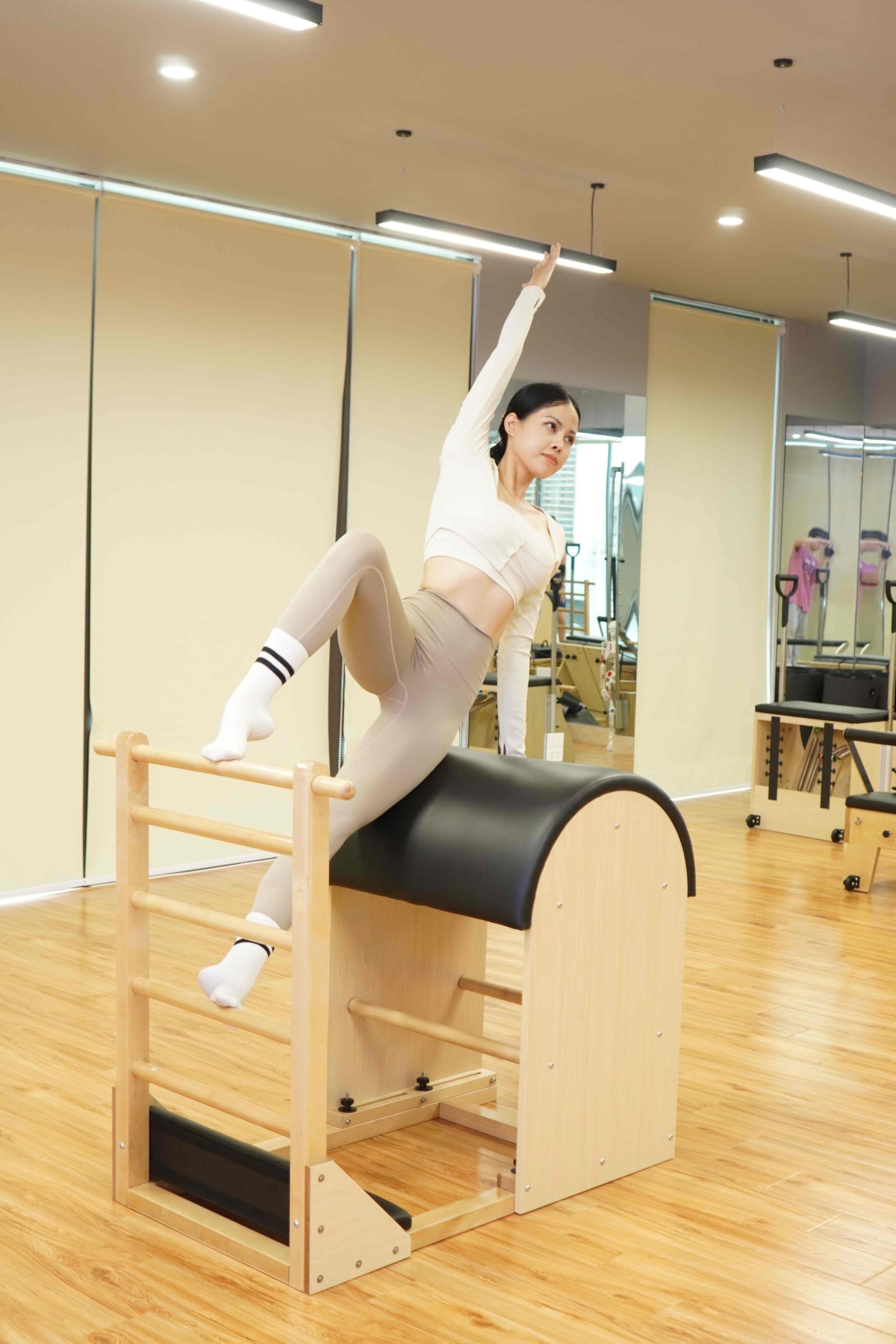
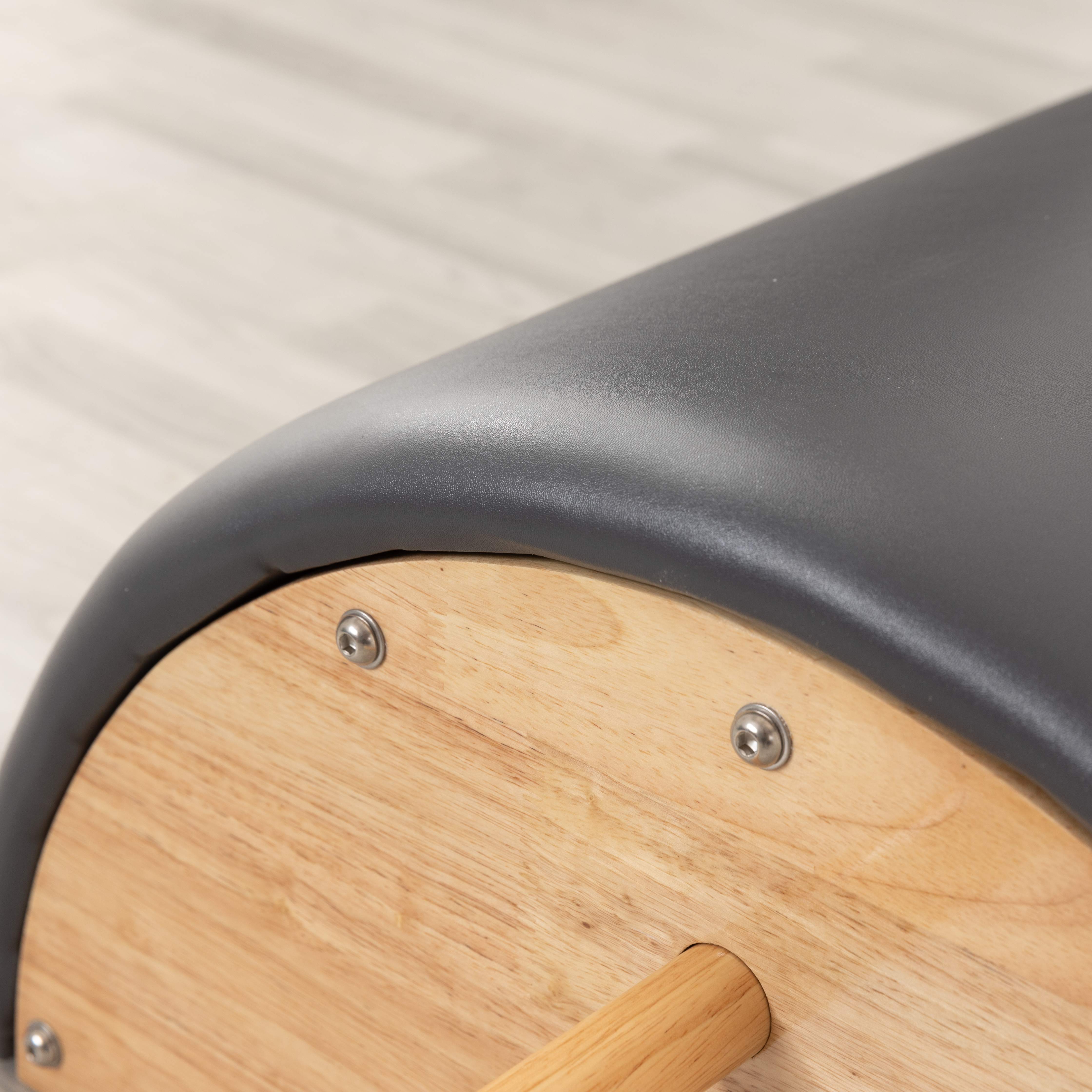
Ladder Barrel and Spine Corrector are used for classical Pilates and postural correction programs — Ladder Barrel ~$889–$1,500, Spine Corrector ~$259–$400.
Jumpboards and Cardio-Tramp accessories integrate cardiovascular elements into Pilates programming.
Phase 3: Specialized Additions
Gradually add specialty equipment based on curriculum development — such as Wunda Chair variants, Arc Barrels, Core Sliders, and Wall-mounted training stations which offer lower cost and zero floor space requirements.
III. Budget Planning and Cost Control
Equipment Investment Reference Range
Based on 2026 industry data, equipment investment typically represents 20% to 35% of total startup costs.
Standard Configuration (6 Reformers + 1 Cadillac + 2 Chairs + Ladder Barrel + full props): approximately $50,000–$80,000
Premium Configuration (8+ Reformers + multiple apparatus + full accessory library): up to $100,000–$150,000
Cost Control Strategies
Phased procurement is effective for managing initial capital pressure. Phase 1 focuses on Reformers and small props to validate market demand with minimal investment. Phase 2 adds Cadillacs, Stability Chairs, and other apparatus based on client feedback and revenue performance.
New and used mixing is another viable approach. Used equipment from reputable brands (Balanced Body, Merrithew) typically costs 55% to 70% of new prices — if under 3 years old with complete maintenance records, it offers good value. However, purchase at least 2–3 new commercial-grade Reformers to ensure core class quality.
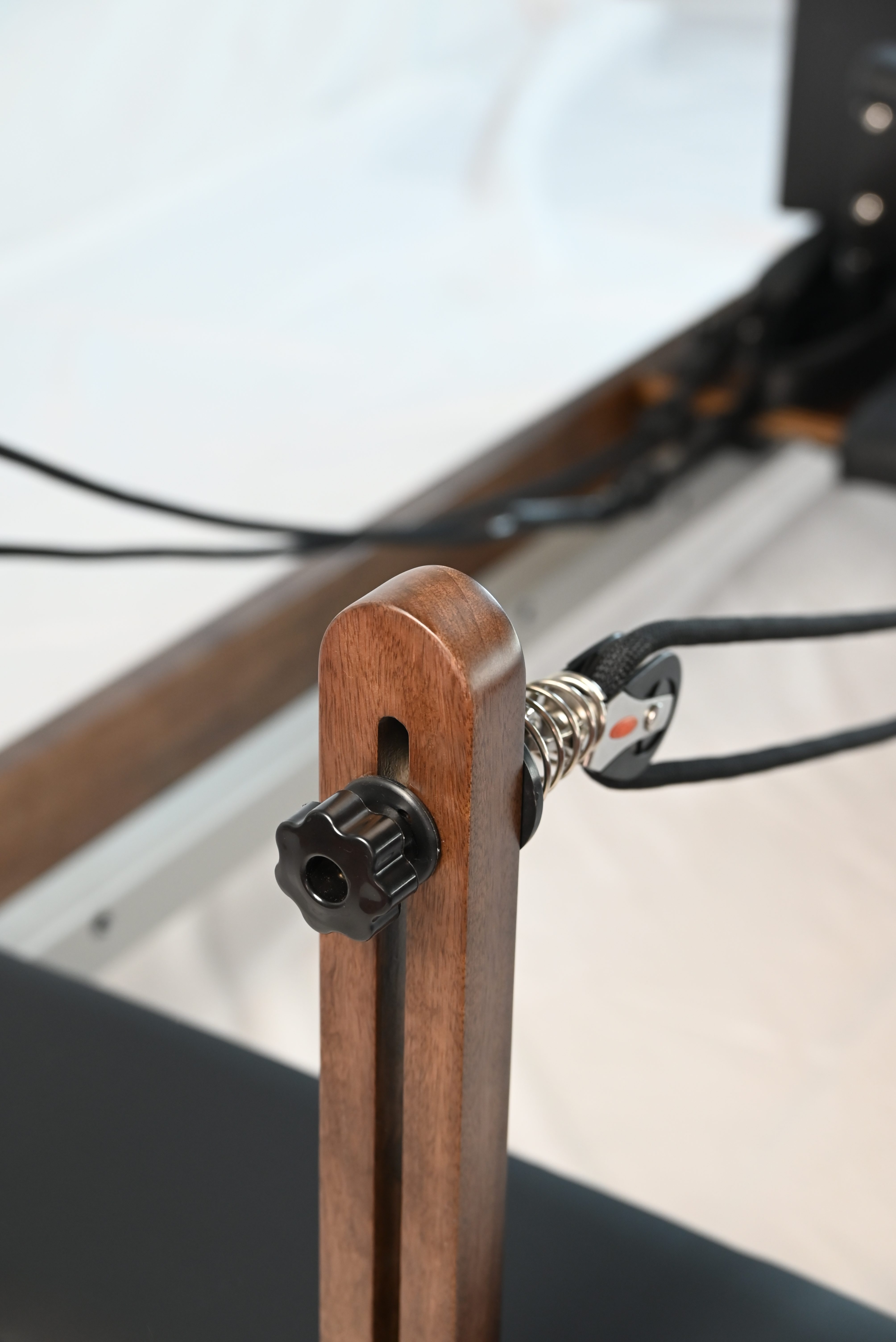
Avoid using home-grade equipment in commercial environments is a critical caution. Home-grade equipment is designed for controlled, low-frequency use — commercial settings impose continuous load variations and repeated adjustments, often leading to premature mechanical failure including frame deformation, carriage misalignment, and accelerated spring and pulley wear.
IV. Procurement Execution Tips
Brand Selection: Leading global brands include Balanced Body (USA), Merrithew/STOTT (Canada), and Peak Pilates — all with established quality control, parts supply, and after-sales networks. 2026 market trends show aluminum-framed equipment gaining popularity for lightweight modernity, while hardwood frames (oak, maple) remain the premium choice.
Supplier Engagement: After selecting brand and models, obtain quotes through official brand websites or authorized distributors. Bulk orders typically qualify for discounts — consolidate Phase 1 equipment procurement for best pricing.
Space Planning: Each Reformer requires approximately 6 to 8 square meters including instructor movement space — a 6-Reformer studio's main room requires about 48 to 60 square meters. Flooring: sports-grade PVC (slip-resistant and easy to clean); mirrors: one main wall mirror is sufficient (Pilates doesn't require four-wall mirror coverage like dance studios).
Inspection and Installation: Upon delivery, verify model, quantity, and accessories against packing list. Commercial-grade equipment is heavy (an aluminum Reformer weighs approximately 160 kg). Professional installation is recommended to ensure frame leveling, smooth carriage operation, and proper spring system function.
Summary: Pilates studio equipment procurement is a strategic decision deeply tied to brand positioning, curriculum design, and spatial constraints. The core procurement logic is "phased procurement" — Phase 1 invests in Reformers and props to validate the market; Phase 2 adds Cadillacs and Chairs based on operational data. Choosing commercial-grade equipment, prioritizing Reformer quality, and controlling initial capital pressure are the essential principles. When equipment is chosen right, the studio's success has a solid foundation.