Pilates Equipment Export Case Studies
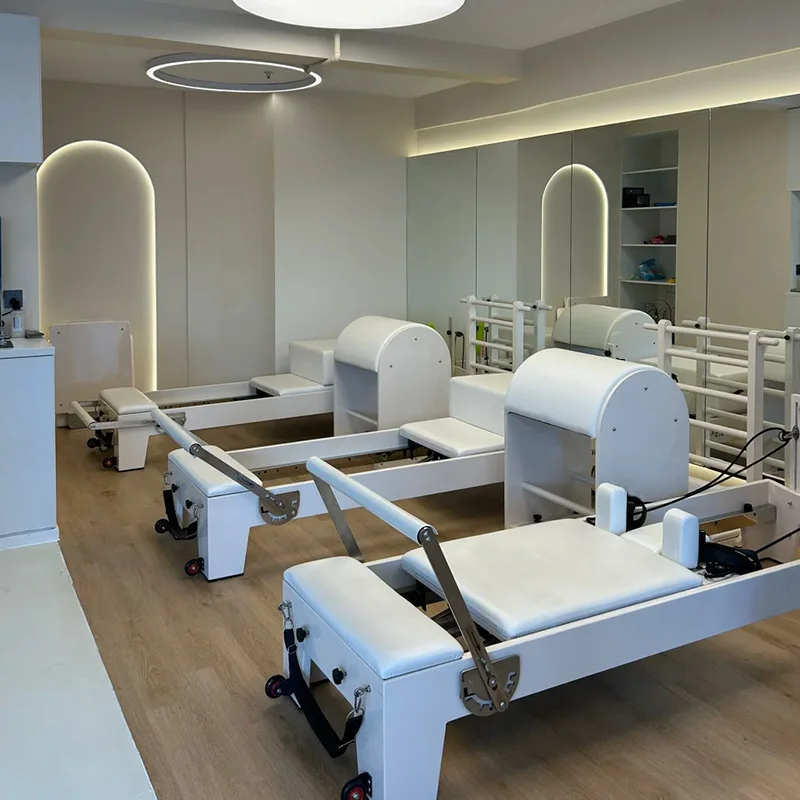
As global health awareness continues to rise, Pilates equipment has become a new growth sector for Chinese manufacturing exports. From full-capacity production lines in Zhejiang factories to an 80-year-old Philadelphia workshop, from European supermarket sellouts to frequent arrivals at U.S. ports — Pilates equipment exports exhibit diversity and scale. This article presents real-world case studies illustrating the global landscape and industry trends in Pilates equipment exports.
I. Made in China: The "Global Engine" of Pilates Equipment Exports
Chinese manufacturing holds a dominant position in the global Pilates equipment market. With complete industrial chains, mature manufacturing capabilities, and competitive pricing, Chinese factories are providing core support to the global Pilates equipment supply chain.
Case 1: Zhejiang Yilian Health Technology — R&D Investment Behind a 20 Million RMB Order
Zhejiang Yilian Health Technology Co., Ltd., located in Wuyi, Zhejiang, is a representative example of Pilates equipment exporters. With nearly two decades of experience in the fitness equipment industry, the company exports to over 30 countries including France, South Korea, Japan, and Spain.
Operational Data:
·First half of 2026 output value approximately 120 million RMB, up over 10% year-on-year
·Annual R&D investment approximately 10 million RMB, nearly 5% of total revenue
·Holds 16 invention patents; orders booked through October 2026
Export Highlights:
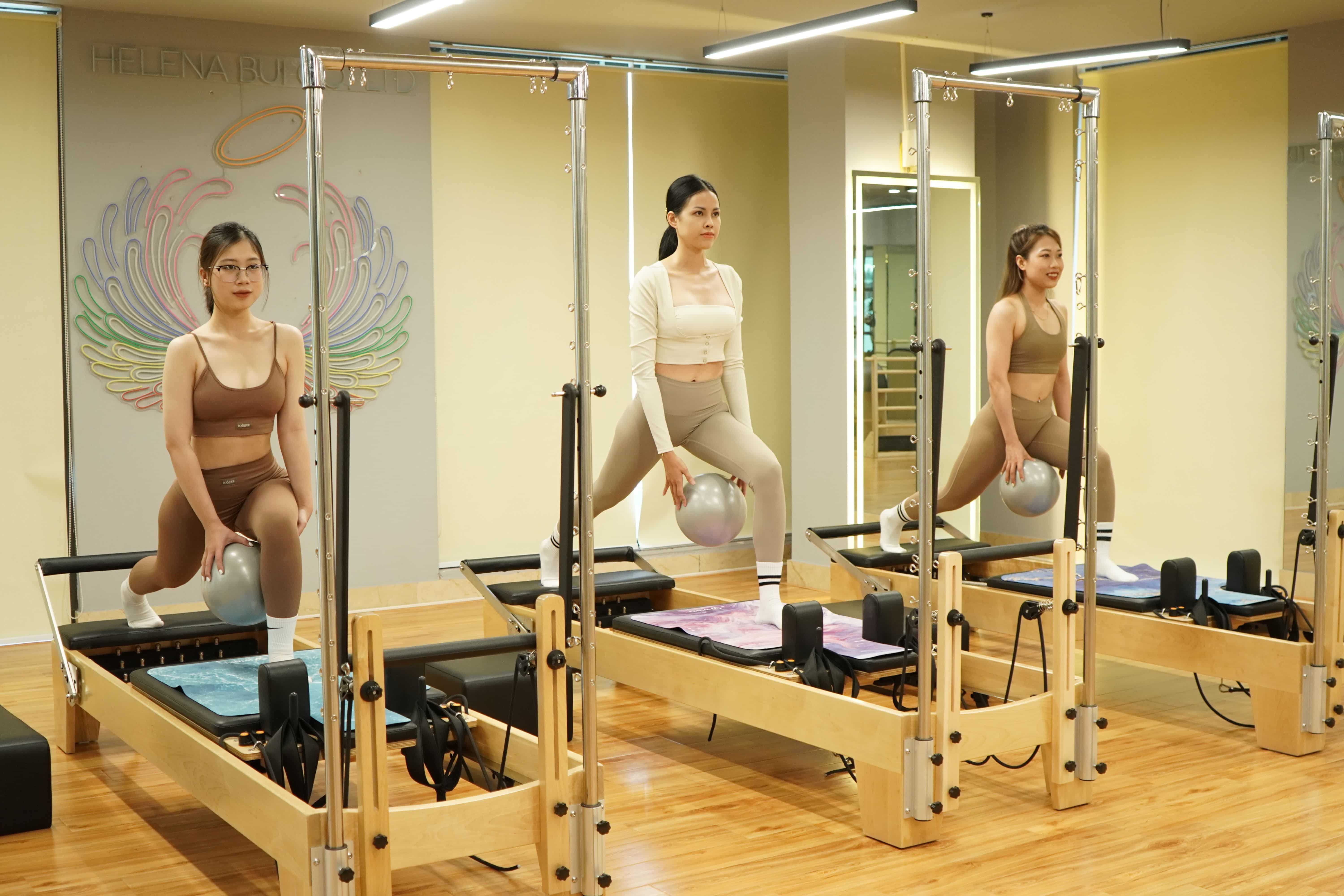
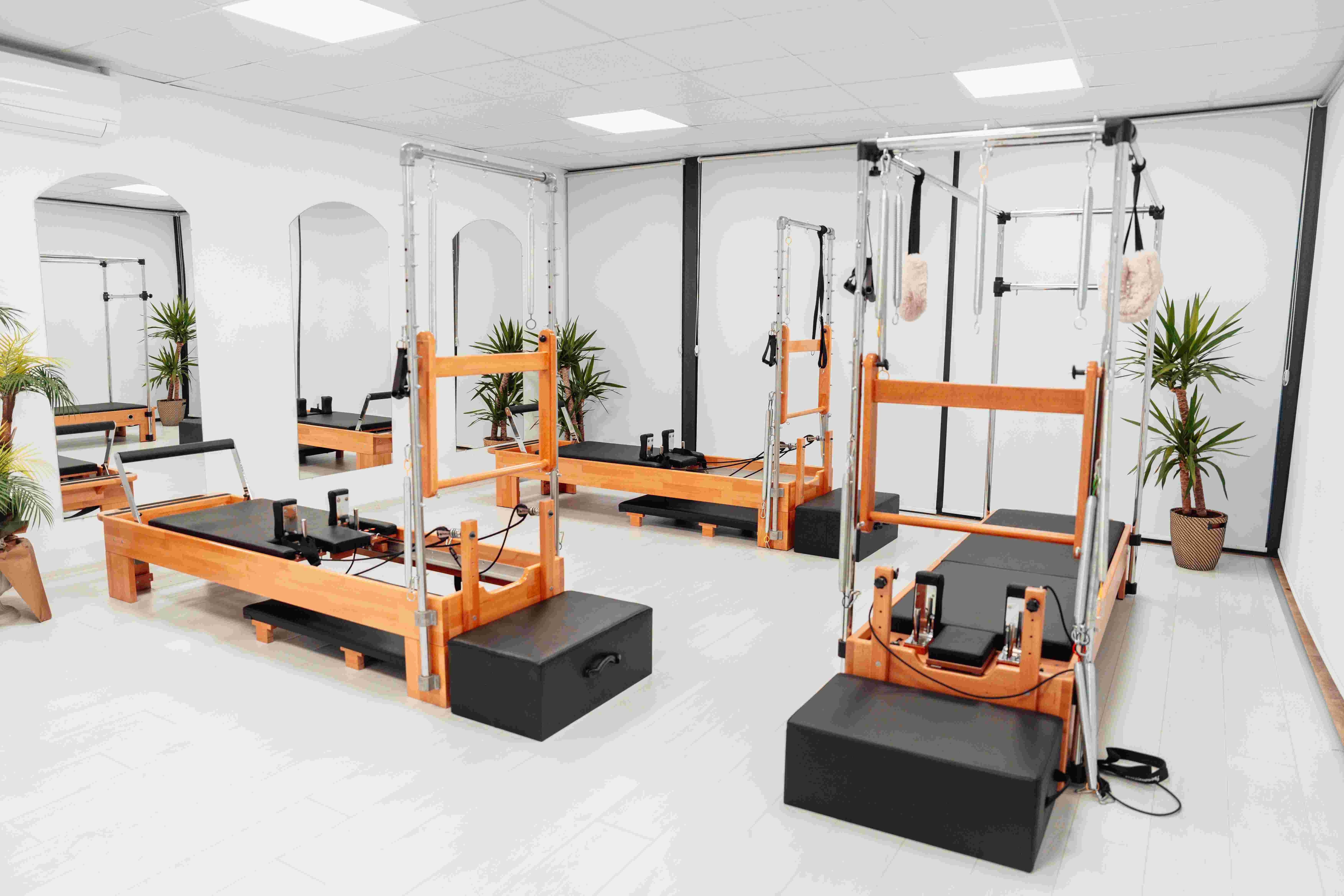
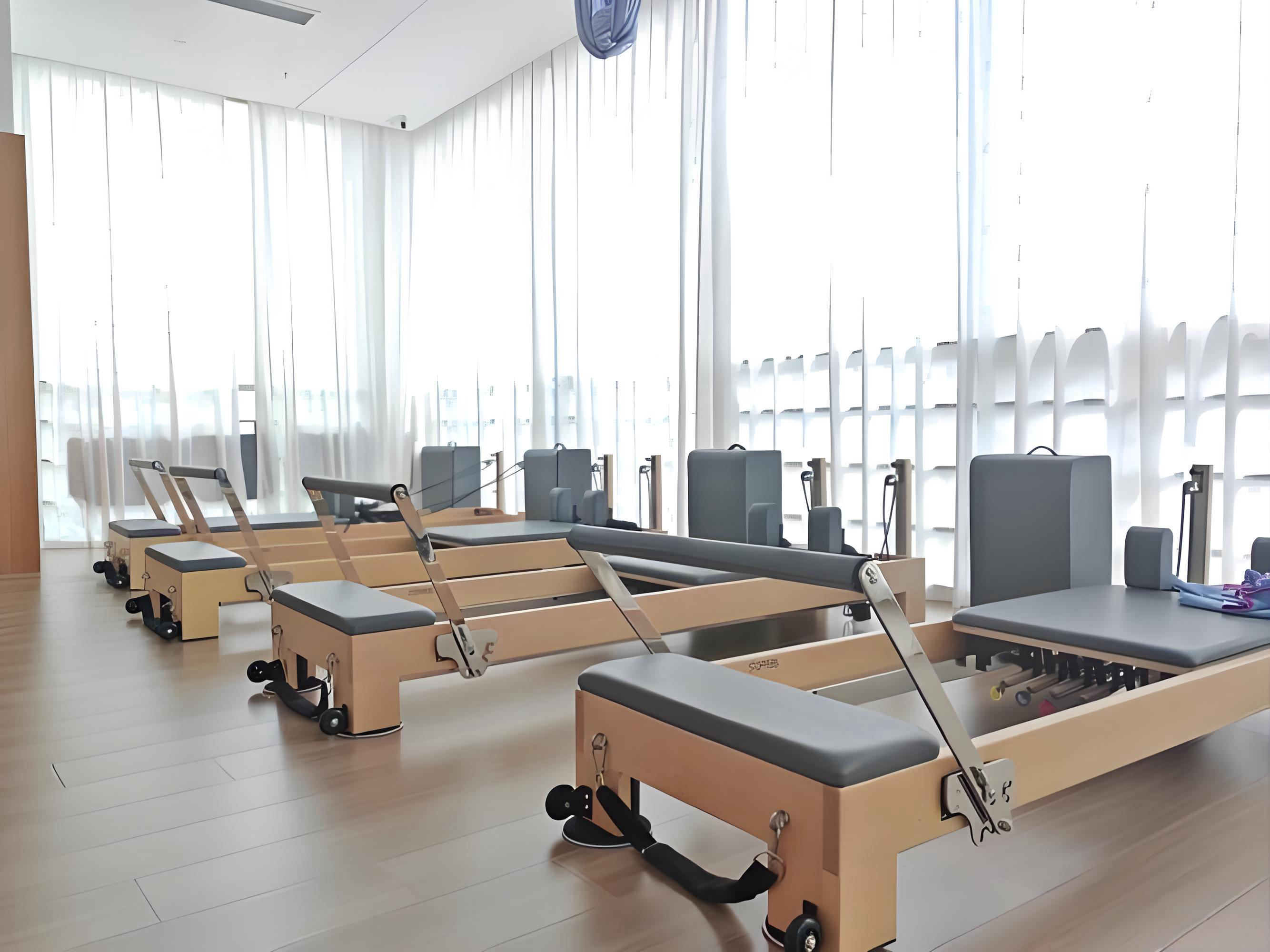
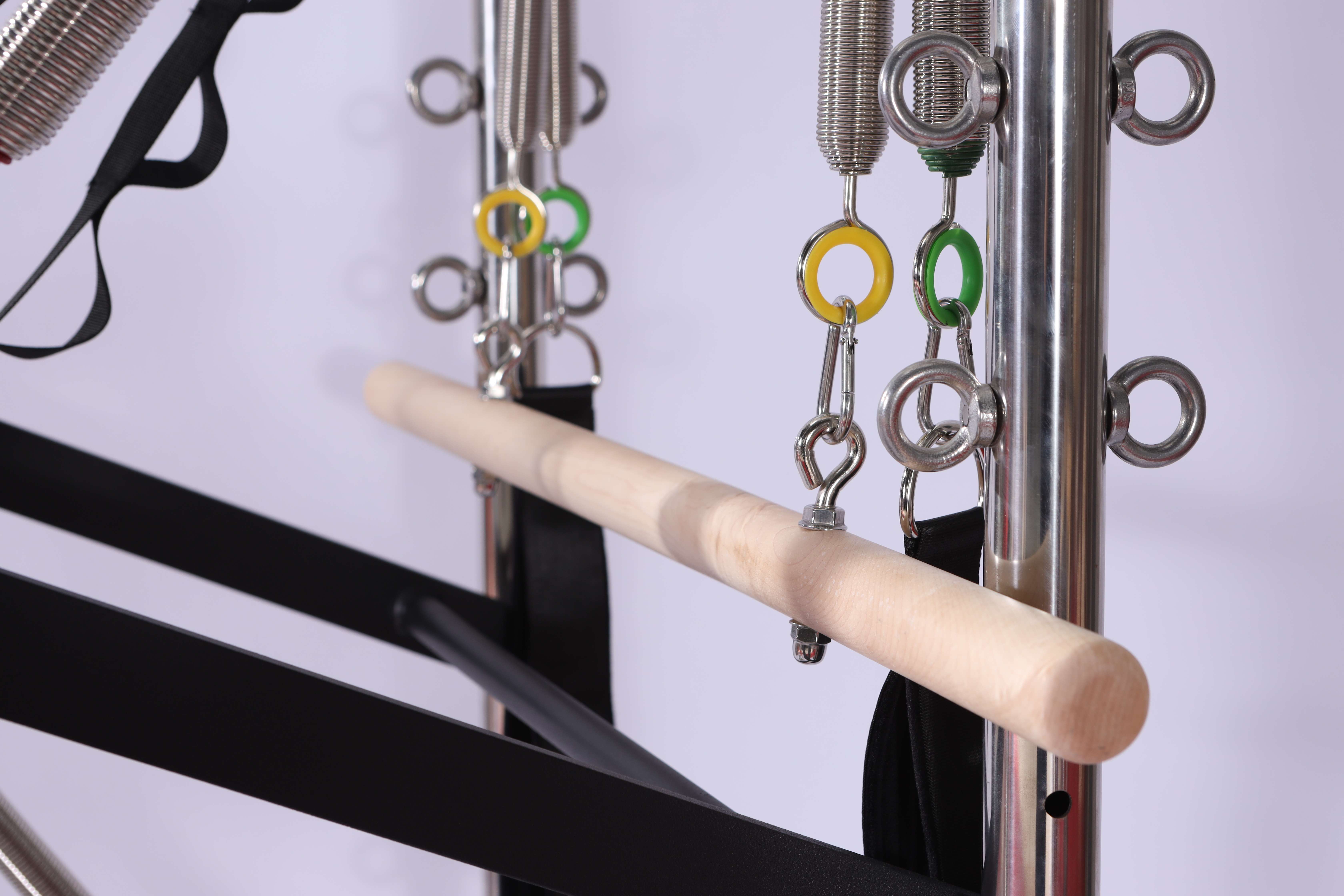
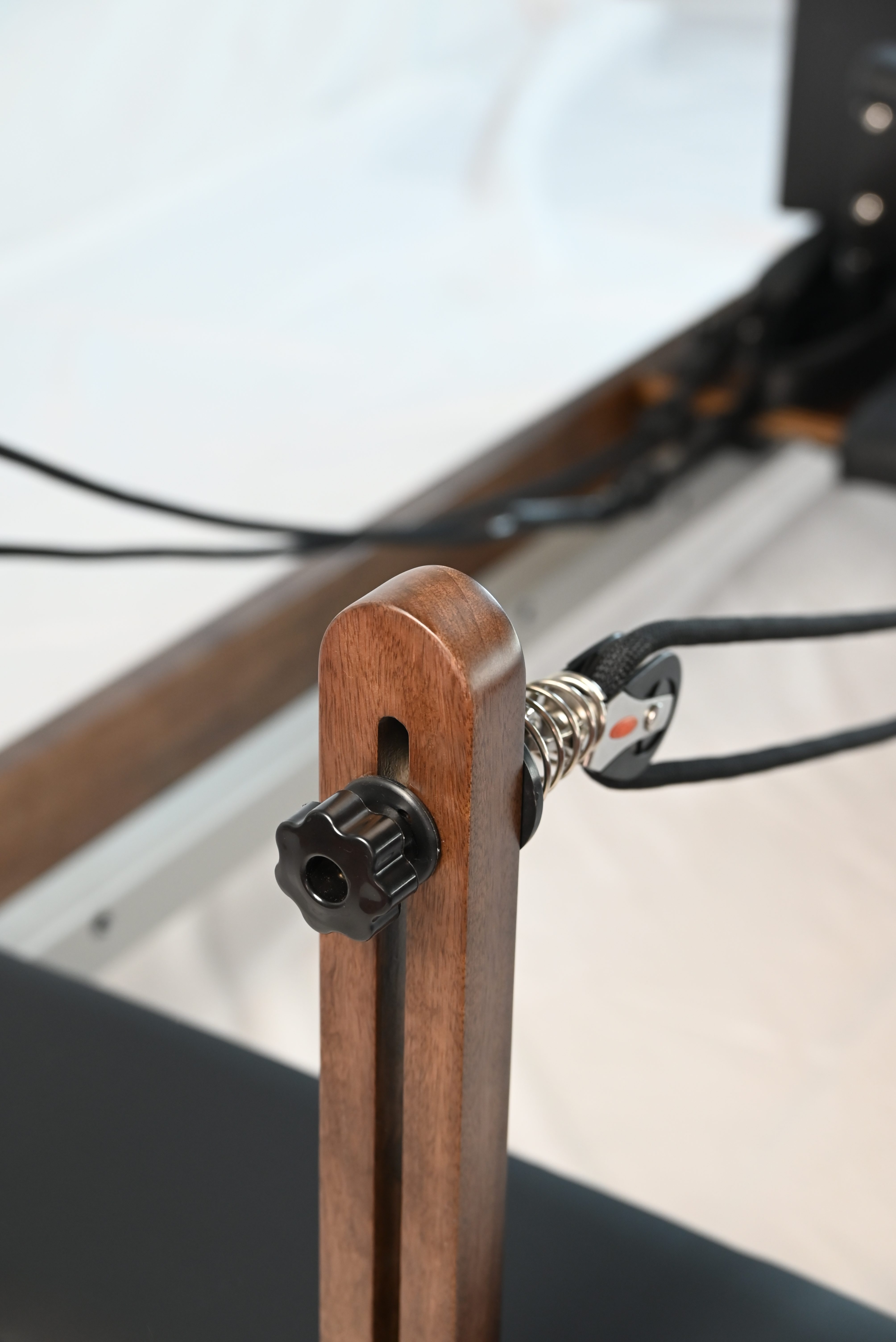
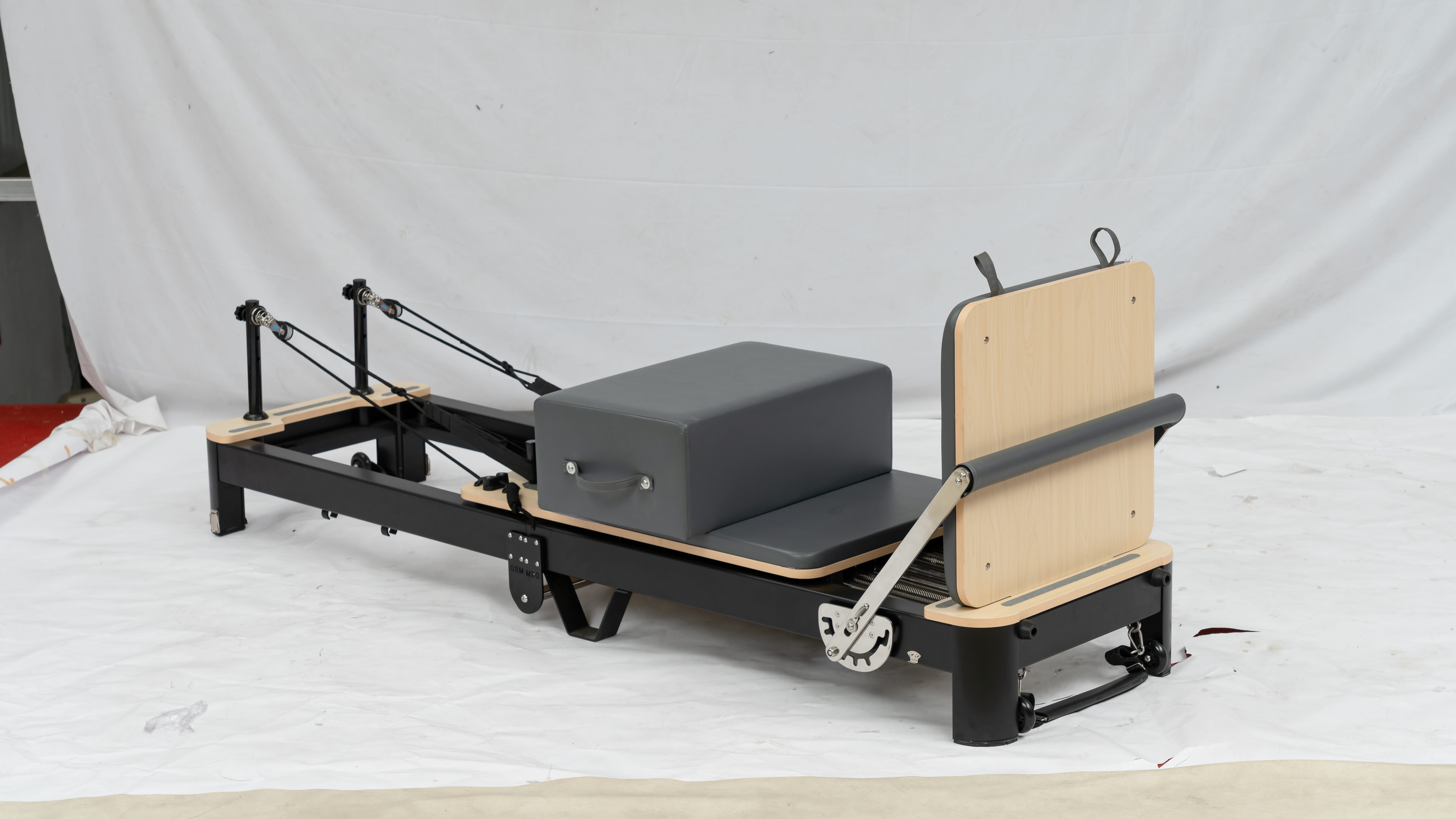
The company's self-developed foldable Reformer secured a 20 million RMB overseas order. When unfolded, it functions as professional fitness equipment; when folded, it fits into gaps beneath living room TV cabinets — precisely targeting home fitness demand. The product features North American imported white maple solid wood, with imported key components including locking wheels, pull ropes, and springs, achieving monthly sales of 500 to 600 units.
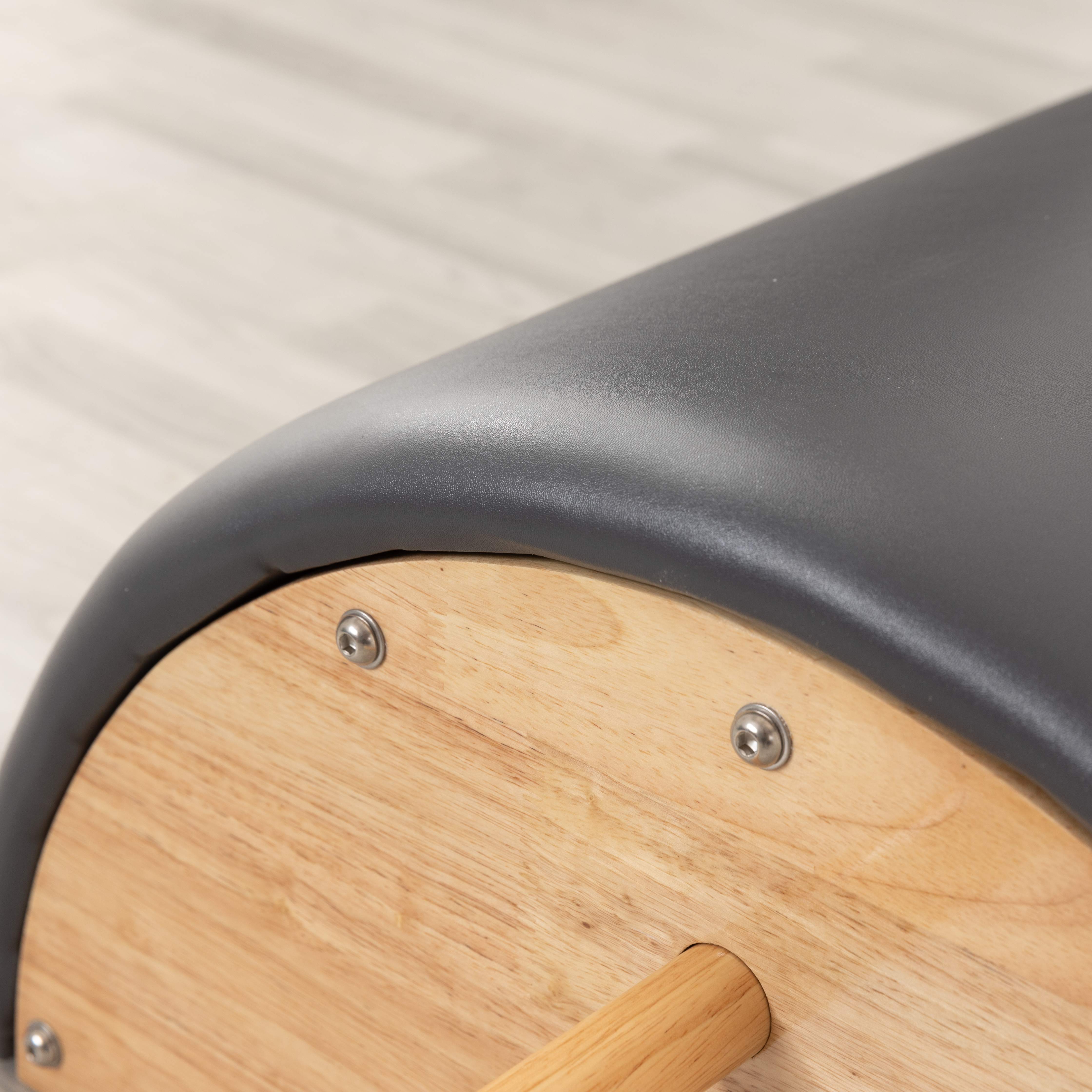
The company also emphasizes detail innovation — using molds to press leather tightly onto cushions, replacing the previous manual process prone to wrinkles, significantly improving product aesthetics and texture.
Case 2: Wuyi Chaoyuan — "Hit Product" Collaboration with Aldi and Lidl
Wuyi Chaoyuan Sports Equipment Co., Ltd. counts international retail giants Aldi, Lidl, and Walmart among its clients. With a 10,000-square-meter modern factory and monthly production capacity of 30,000 units, it is considered one of "China's most technologically mature and largest-scale Pilates reformer manufacturing bases".
Hit Product Case:
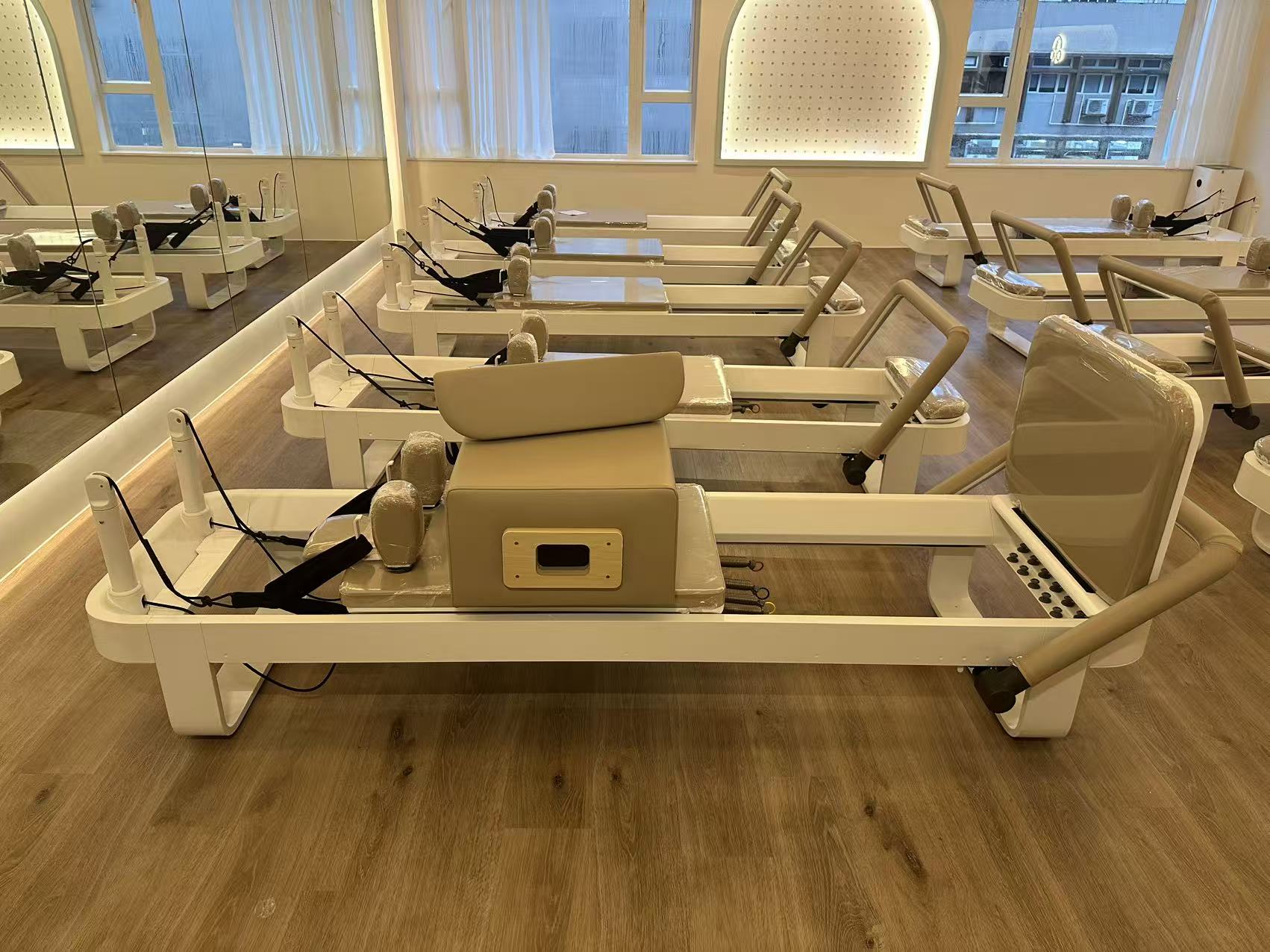
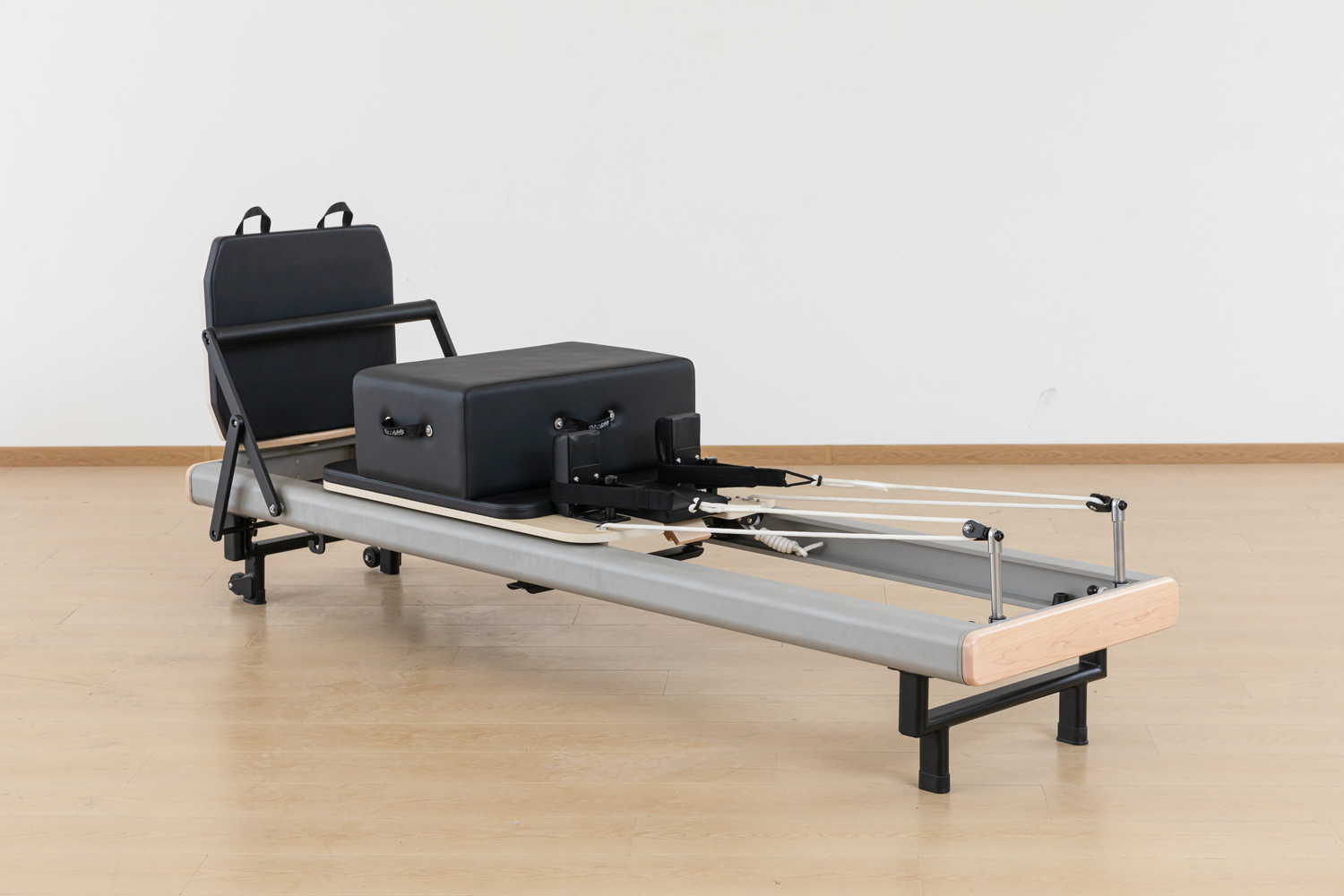
In March 2023, Aldi Australia launched the S2001 Reformer made by Chaoyuan at 299 AUD — sold out on day one; restock six months later also sold out immediately. In May 2025, Aldi UK launched the same product at £149.99 — priced at one-tenth of comparable premium brands — causing customers to queue early morning, with stock cleared within minutes, earning the "Viral Pilates" moniker from local media.
The product's success lies in precisely addressing home user pain points:
·Folded size: only 124×55×29cm; expanded: 197×57×72.5cm
·120KG load capacity, with headrest and dual-row shoulder pad holes
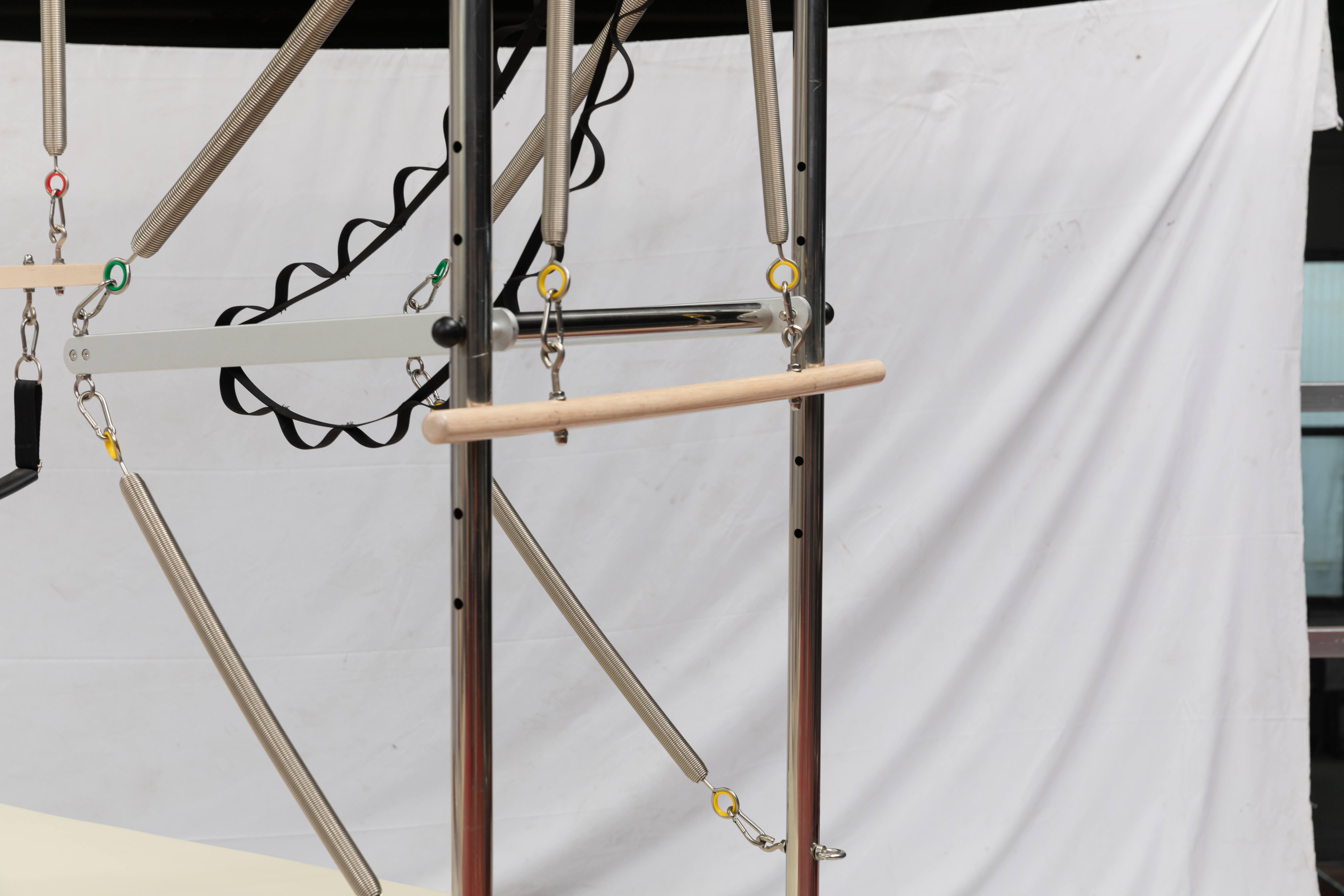
·Resistance system featuring 5 color-coded latex tubes, allowing resistance adjustment through different combinations to meet beginner to advanced user needs
In summer 2025, Chaoyuan entered peak export season with orders up 30% year-on-year, keeping production lines running 24/7 to fulfill Aldi and Lidl additional orders.
II. U.S. Market: The World's Largest Importer of Pilates Equipment
The United States is the most important consumer market for Pilates equipment globally. Import data clearly shows the depth of Chinese manufacturing penetration in the U.S. market.
Case 3: Ningbo Fufu E-commerce — High-Frequency Exports to the U.S.
According to U.S. import data, Ningbo Fufu E Commerce Co., Ltd. is an active exporter of Pilates equipment to the United States.
2025-2026 Export Records:
Between August 2025 and May 2026, the company shipped dozens of consignments to multiple U.S. ports including Los Angeles, Houston, Savannah, and Newark — each shipment typically weighing 14 to 23 tons, containing 400 to over 1,000 items. Products include Reformers, power racks, dumbbells, and other fitness equipment, entering the U.S. market through ports including Long Beach and Houston.
Case 4: Dezhou Core Flow Technology — Deep Penetration in the Australian Market
Dezhou Core Flow Technology Co., Ltd. has over 15 years of export experience, serving the U.S., Canada, and the EU. The company performs particularly well in the Australian market — according to its own introduction, over 80% of Pilates reformers sold in Australia are produced by them. The company is headquartered in Tianjin with its factory in Shandong, serving global clients through the efficient logistics networks of Tianjin and Qingdao ports.
III. Premium Manufacturing: The Market Position of a Century-Old U.S. Brand
At the other end of the globalization spectrum, U.S.-based Gratz Pilates occupies the high-end Pilates equipment market with its century-old heritage and handcrafted manufacturing.
Case 5: Gratz Pilates — 80-Year Legacy Serving 170 Countries
Gratz Pilates is the original manufacturer of the classic equipment designed by Pilates founder Joseph Pilates. Its Philadelphia facility spans 27,000 square feet, with 88 employees producing thousands of units annually.
Manufacturing Features:
Each Reformer takes approximately 50 hours to build, involving around 8 craftspeople — metal workers, upholsterers, and woodworkers. "Everything's made by hand here in the shop in Philadelphia".
Export Footprint:
Gratz now serves Pilates studios in over 170 countries worldwide. "Korea is one of our biggest customers. We're shipping to Israel on the regular, all over Europe. Australia just recently".
The company is planning a major expansion to a new 150,000-square-foot headquarters, with output expected to double or triple, and is designing event spaces for seminars and training.
IV. Export Logistics: Challenges and Solutions in Shipping Large Equipment
Pilates equipment is bulky and heavy — export logistics face challenges including high freight costs, customs delays, and transit damage. Robust wooden packaging and professional logistics solutions are essential for successful exports.
Case 6: Best Practices in Fitness Equipment Export Logistics
Industry practice shows that international fitness equipment shipping requires careful preparation in several key areas: reinforced packaging and secure palletization; complete documentation prepared in advance to avoid delays; and selection of logistics providers with fitness equipment shipping experience.
Chinese Pilates equipment exports are typically shipped by sea from major ports including Ningbo, Shanghai, and Xiamen. For example, in the first seven months of 2025, Fujian province's sports and fitness equipment exports reached 7 billion RMB, up 15.41% year-on-year, with North American exports reaching 3.13 billion RMB, up 17.19%.
Summary: Pilates equipment exports have become a new calling card for Chinese manufacturing. From industrial clusters in Wuyi, Zhejiang, to specialized exporters in Dezhou, Shandong — from affordable hit products in European supermarkets to bulk shipments arriving at U.S. ports — Chinese factories are winning global markets through R&D investment, quality upgrading, and precise positioning. Meanwhile, premium brands like Gratz occupy the pyramid's apex through handcrafted manufacturing and brand heritage. For Pilates equipment exporters, understanding target market differences, building stable logistics systems, and continuously investing in product R&D and innovation are the core elements for capturing this growth track.