How Much Does a Pilates Reformer Cost?
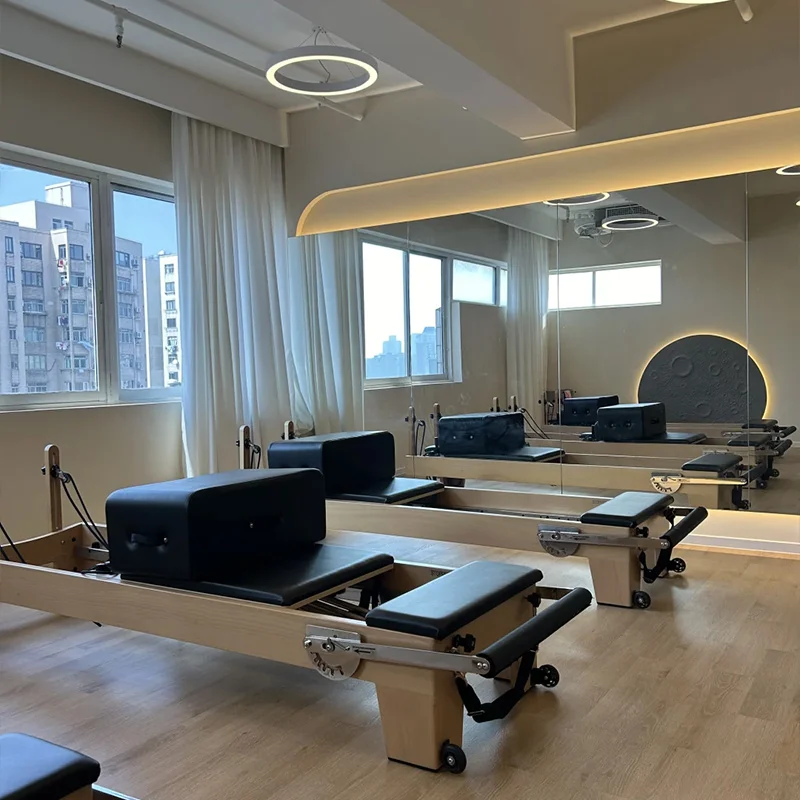
The price of a Pilates reformer spans an enormous range — from budget foldable models under $200 to professional commercial machines approaching $15,000. Understanding what each price tier actually delivers is the first step to making a smart purchase decision.
I. The Full Price Landscape: From Budget to Premium
Based on market data, Pilates reformers fall into four main price tiers, each serving different use cases and user types.
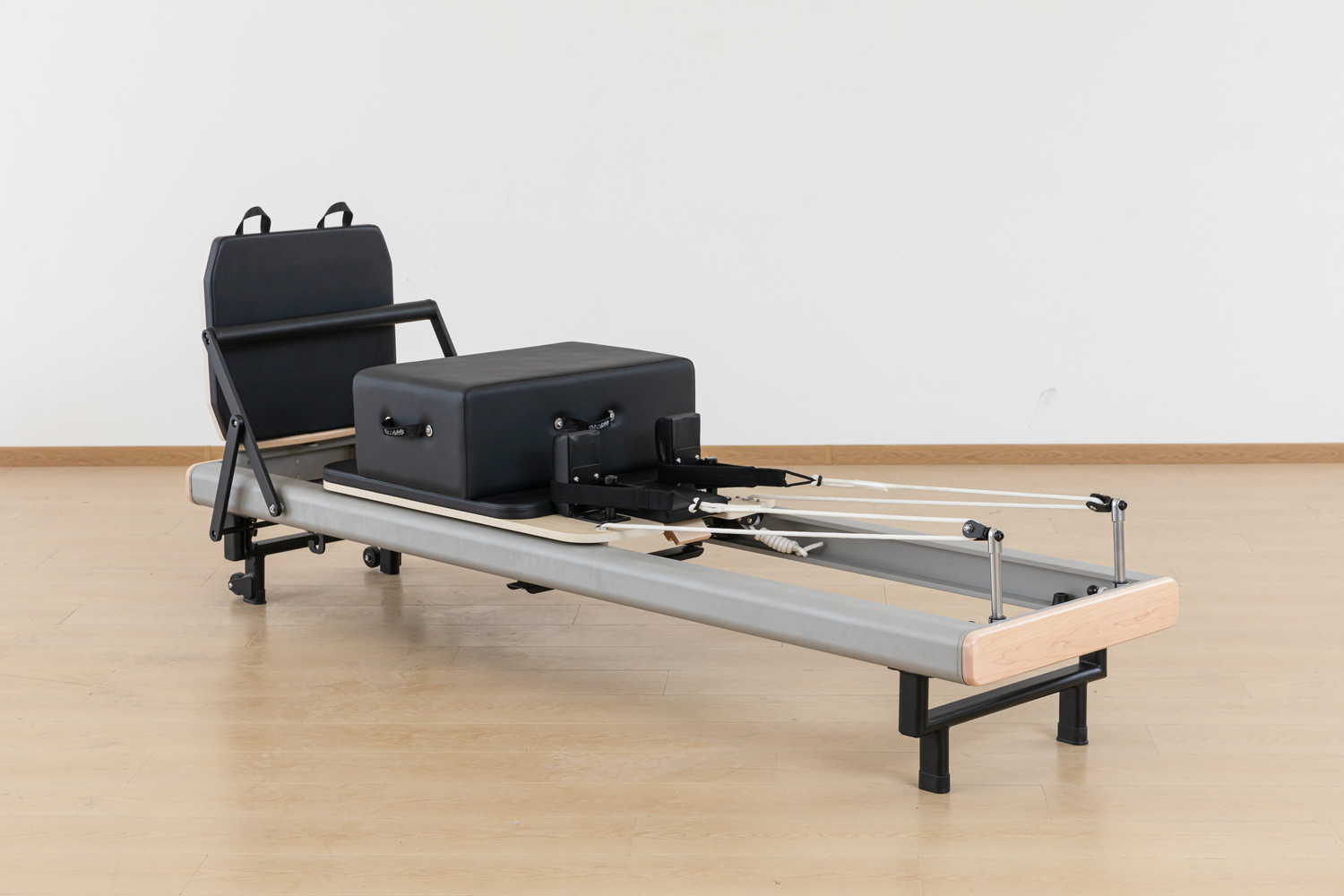
Budget / Entry-Level (~$150–$350) : This tier is dominated by foldable models marketed for home use. However, these are closer to "Pilates starter toys" than serious equipment — spring resistance options are limited, track smoothness and frame stability fall noticeably short of standard machines. They work for light stretching and basic movement, but users serious about leg presses or back series exercises will quickly hit limitations. One often-overlooked issue: many so-called "foldable" machines simply slide the carriage to one end and remove the shoulder rest, with the main frame still occupying nearly 1.5 square meters of floor space.
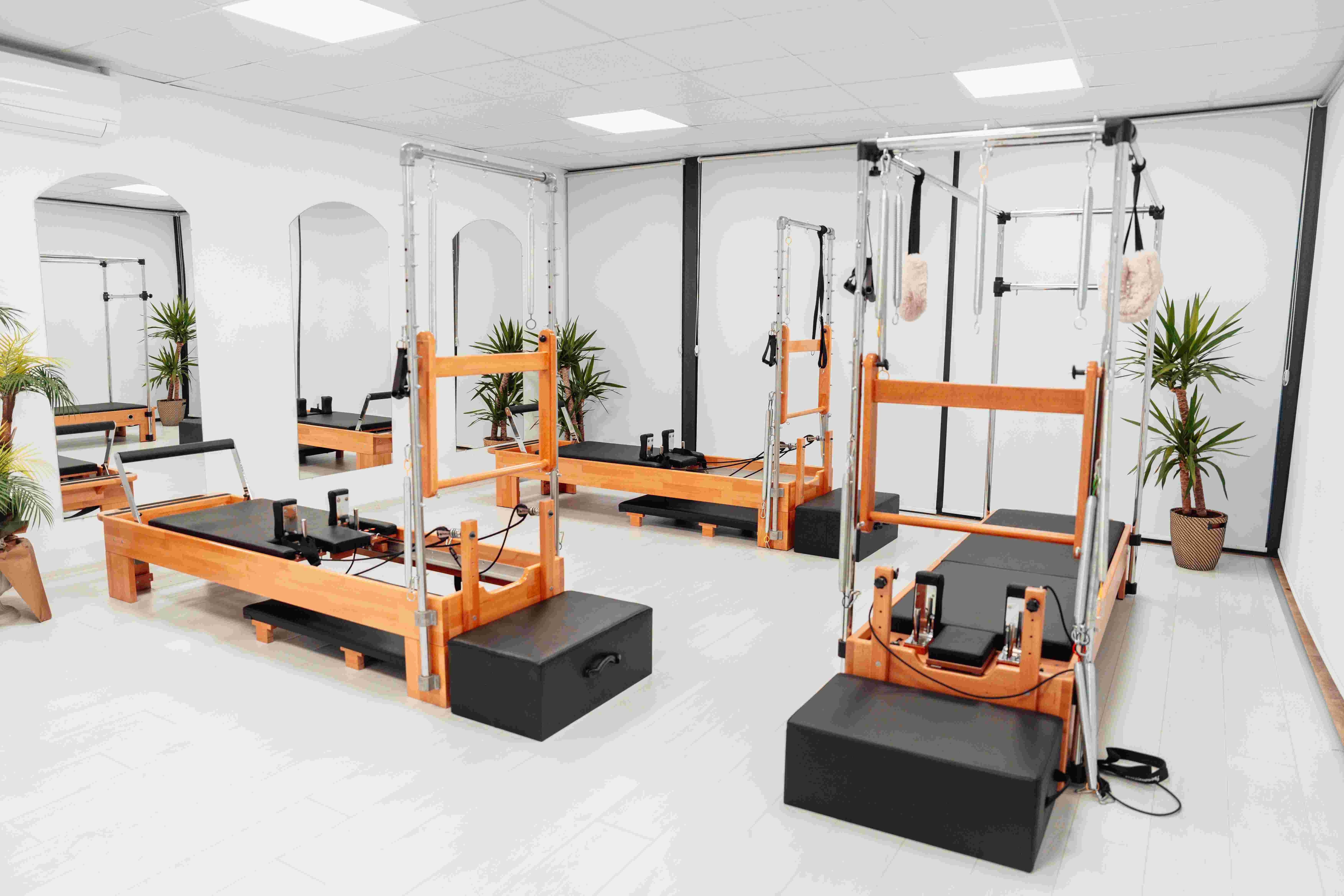
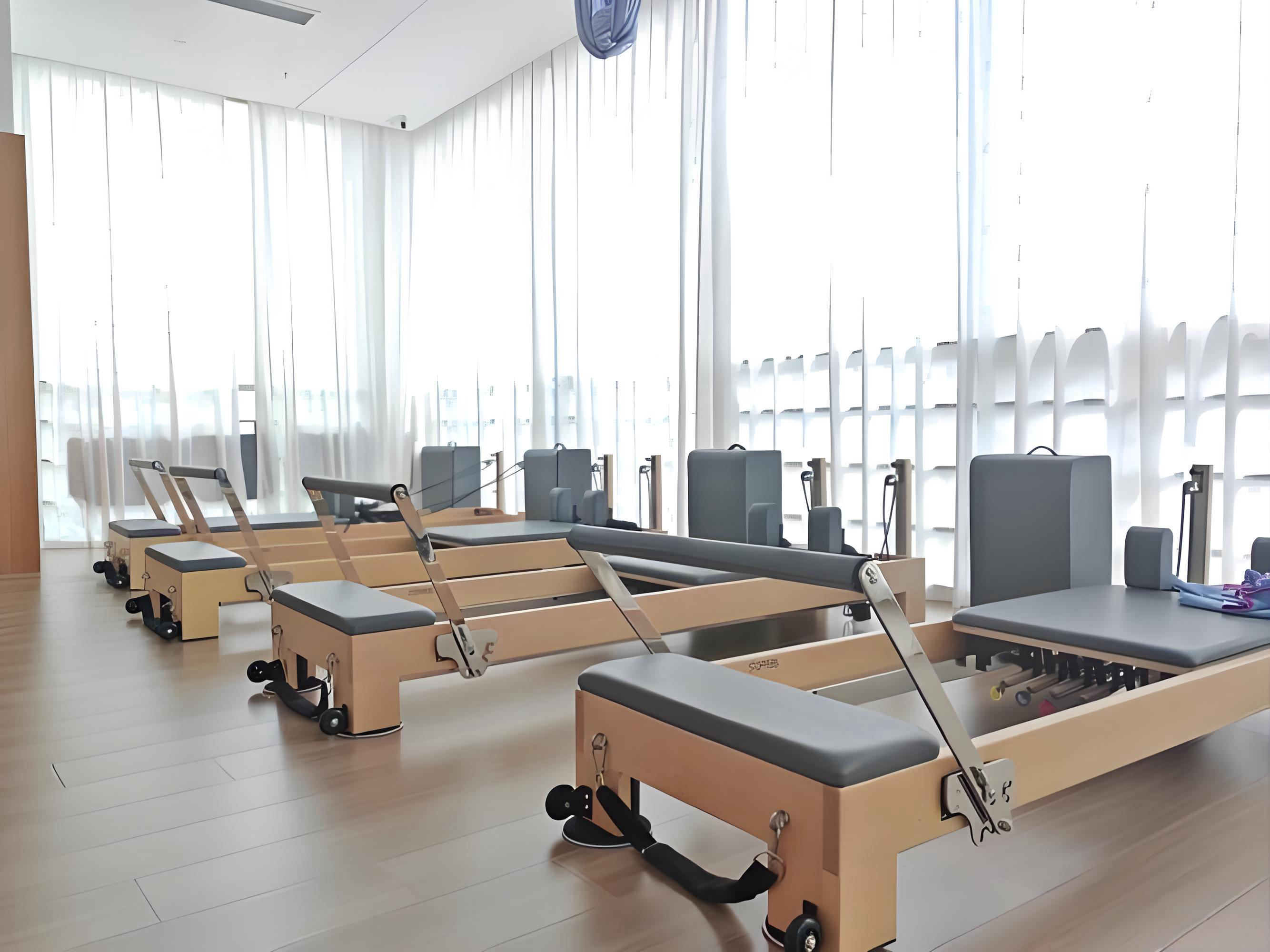
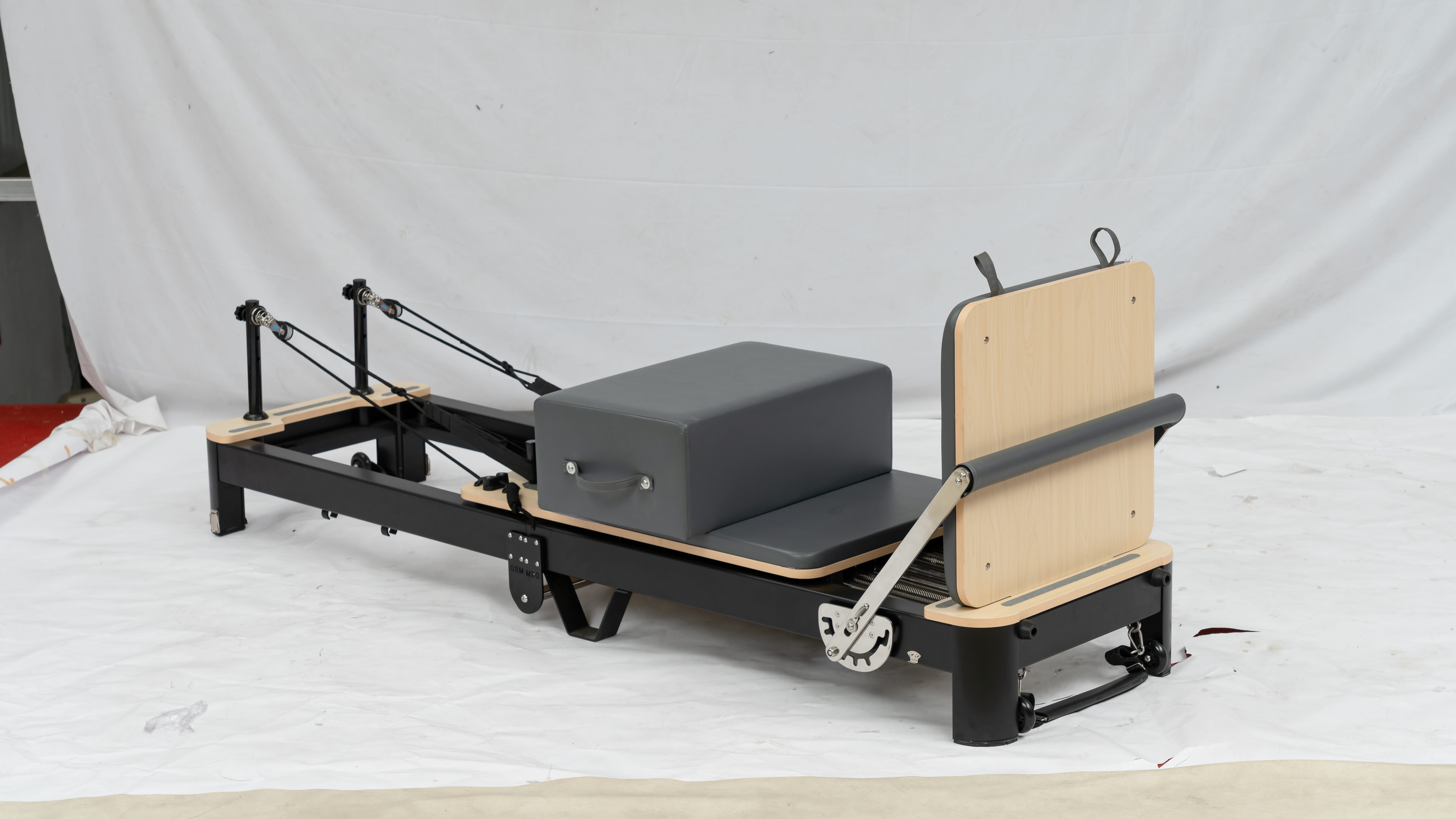
Home Standard (~$400–$1,100) : This is the most popular tier for home users. At this price, buyers get a complete standard reformer — carriage, multi-level spring system, shoulder rests, straps, and footbar — with frames typically made from beech, maple, oak, or aluminum. For routine home practice, this tier is entirely sufficient. Industry data shows most home buyers ultimately choose machines in the $2,399–$3,999 range (approximately RMB 17,000–29,000), though domestic wood-frame models are available at significantly lower prices.
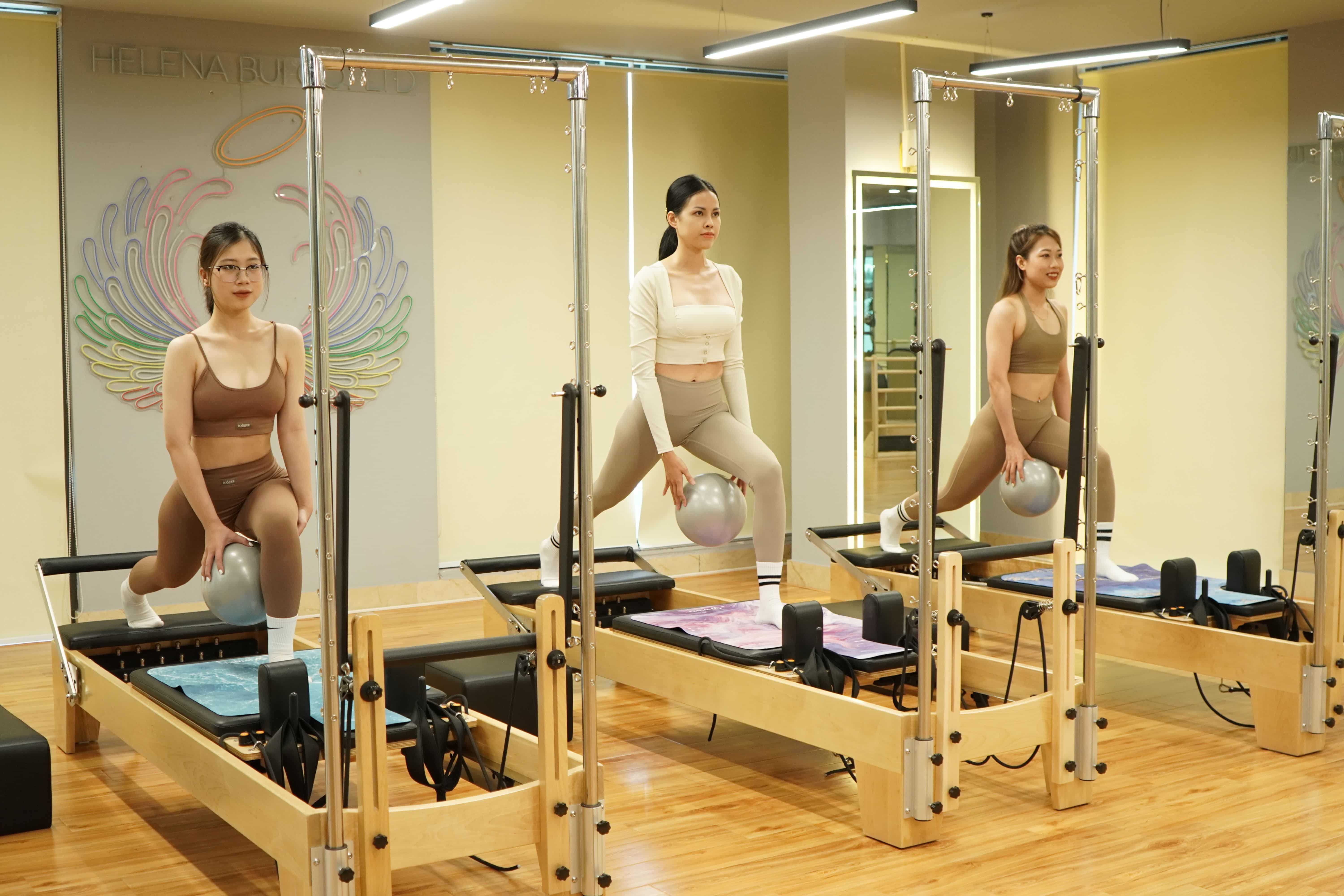
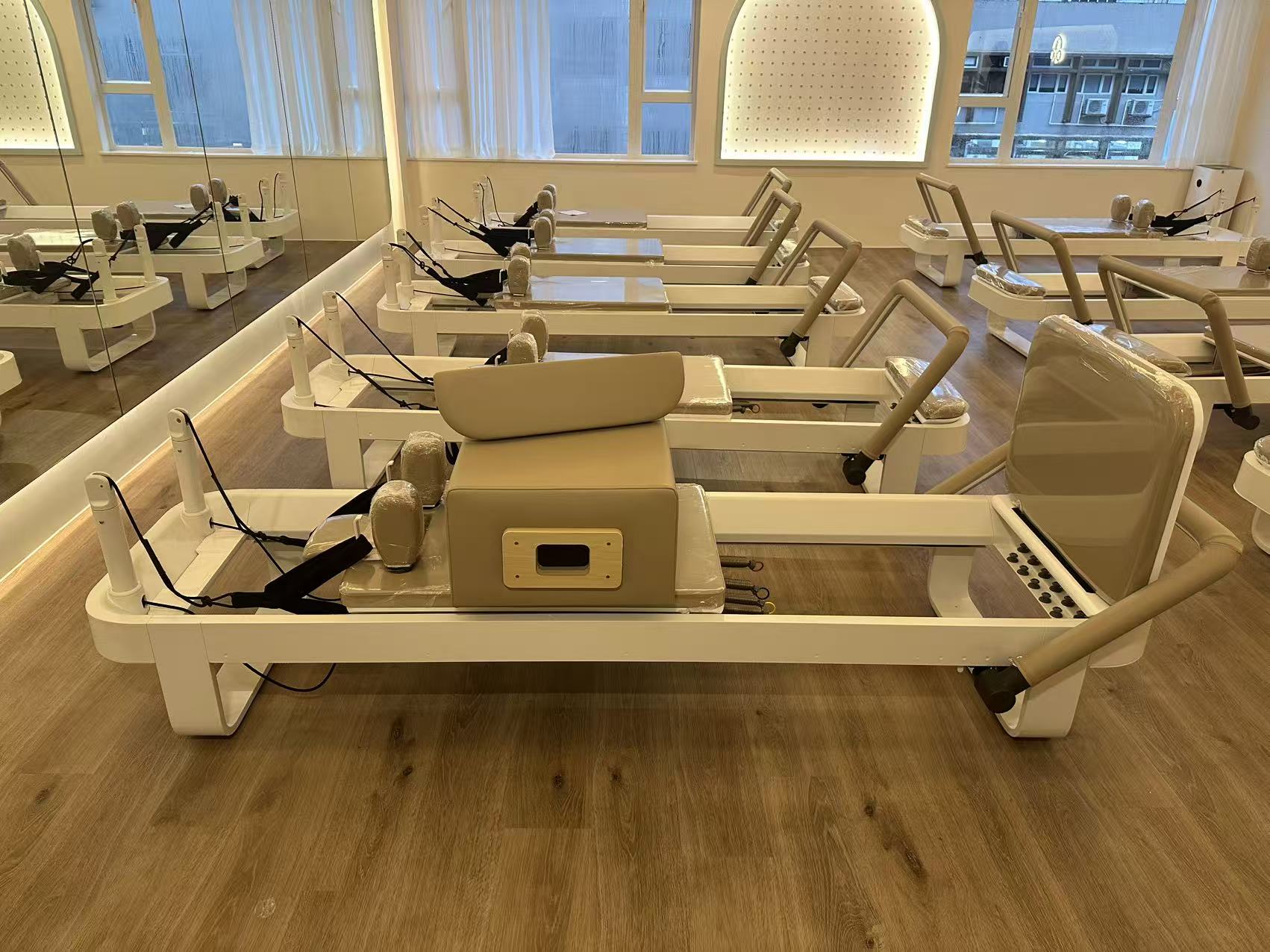
Commercial-Grade / Premium Brands (~$2,400–$5,000) : This tier corresponds to brands like Balanced Body, Merrithew, and established commercial manufacturers. The Core Collab's entry-level commercial folding model starts at approximately $2,399, with the Queen Studio base model at $2,999. At this level, frame thickness, spring quality, pulley quietness, and overall durability are far superior to home-grade products. As one industry source puts it: "A true studio-grade machine starts near $2,399 — below that, you are buying cords, not springs."
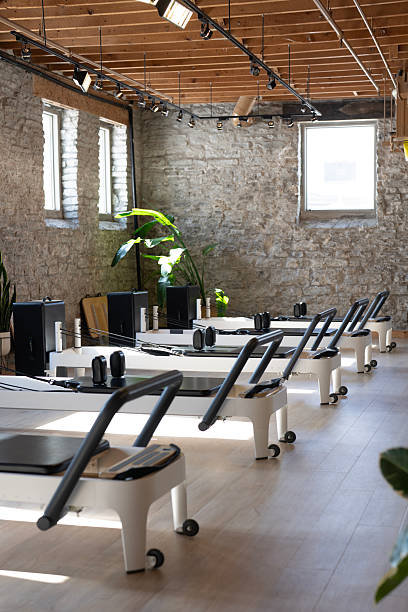
High-End / Professional Commercial ($5,000–$15,000+) : This tier includes the Lagree Megaformer ($8,900 for licensees, $10,900 for non-licensees), as well as custom-built classical brands. These machines are typically used in professional studios, fitness chains, and high-end hotel gyms.
II. What You're Actually Paying For
Price differences aren't just "brand premiums" — three factors drive real cost variations.
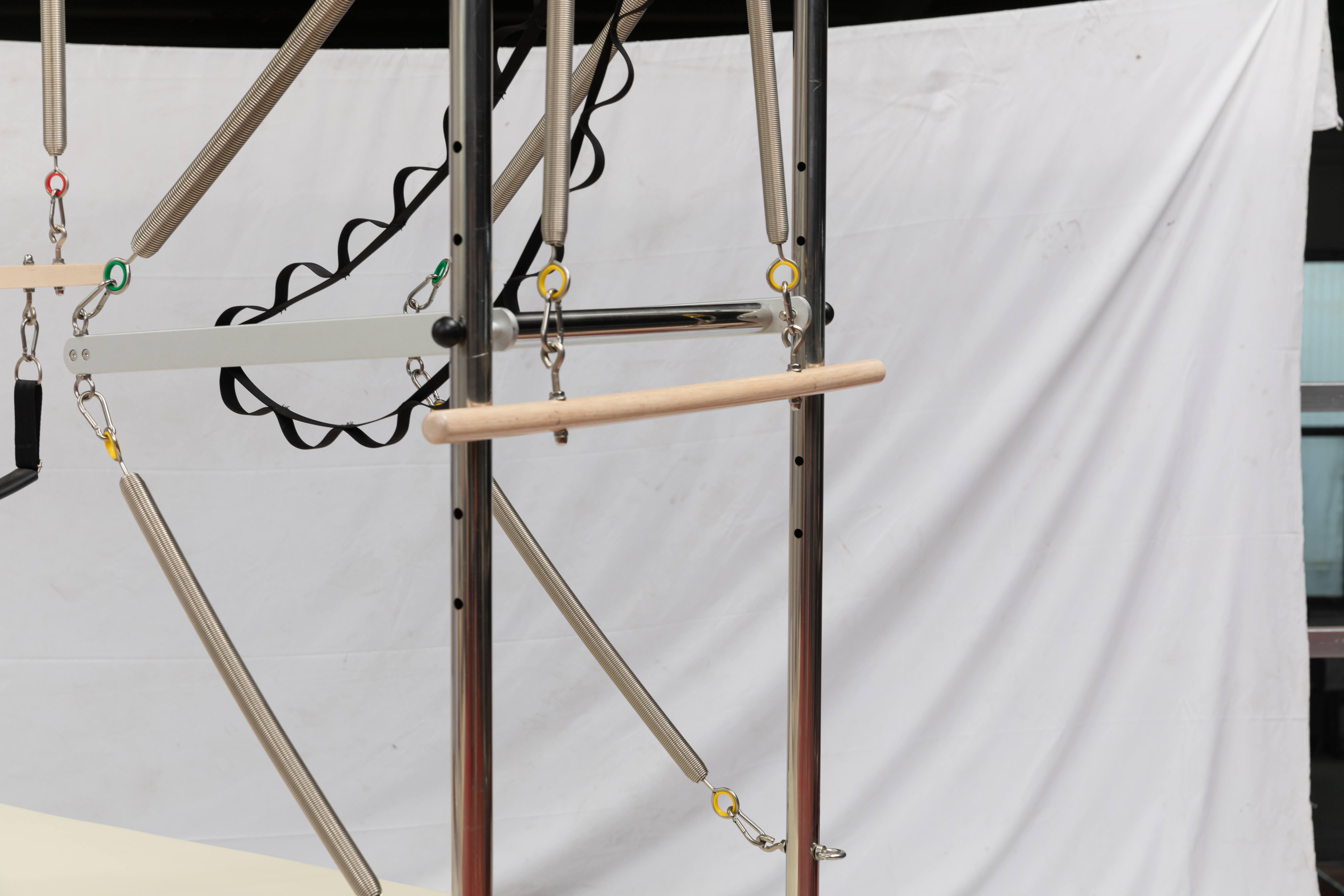
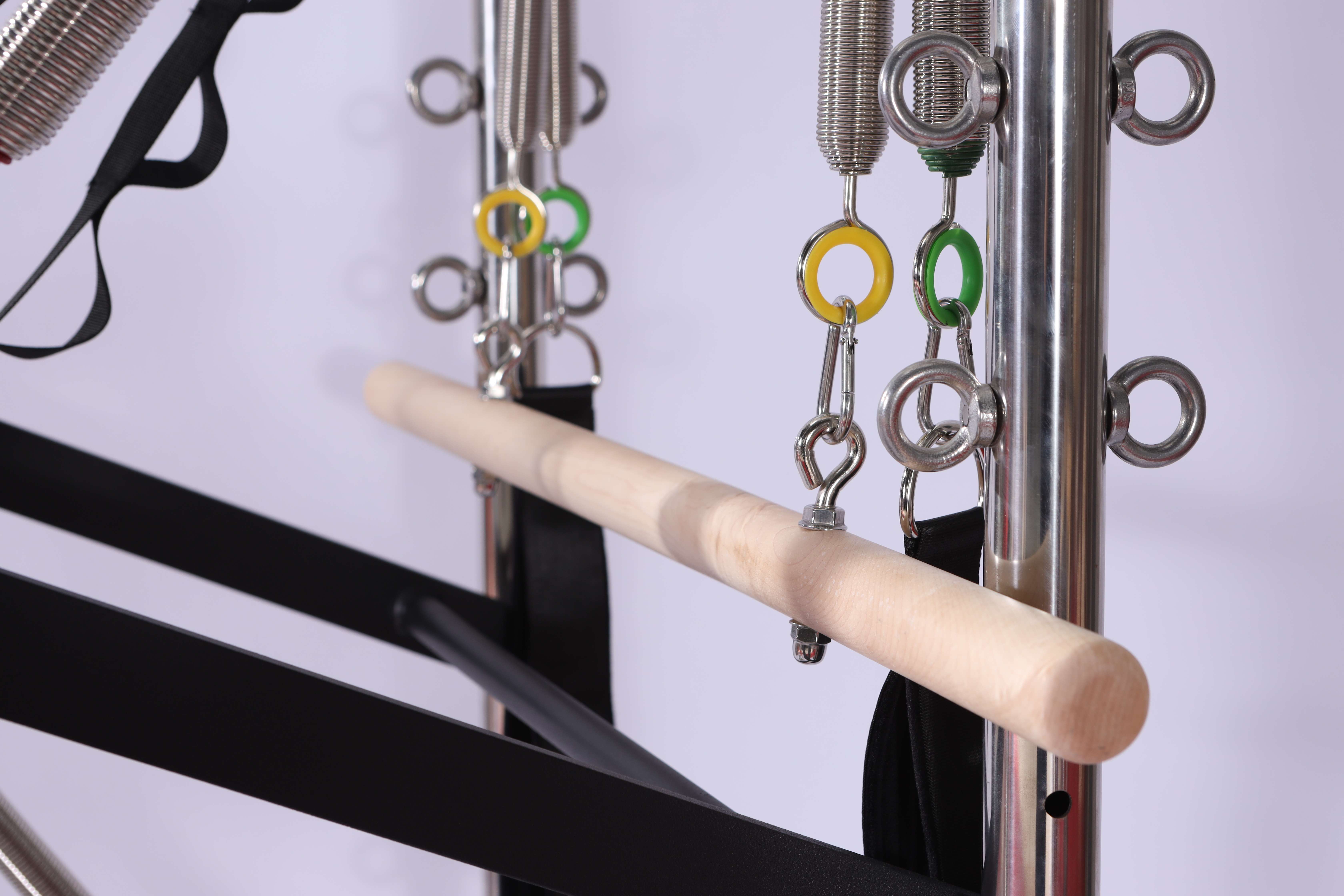
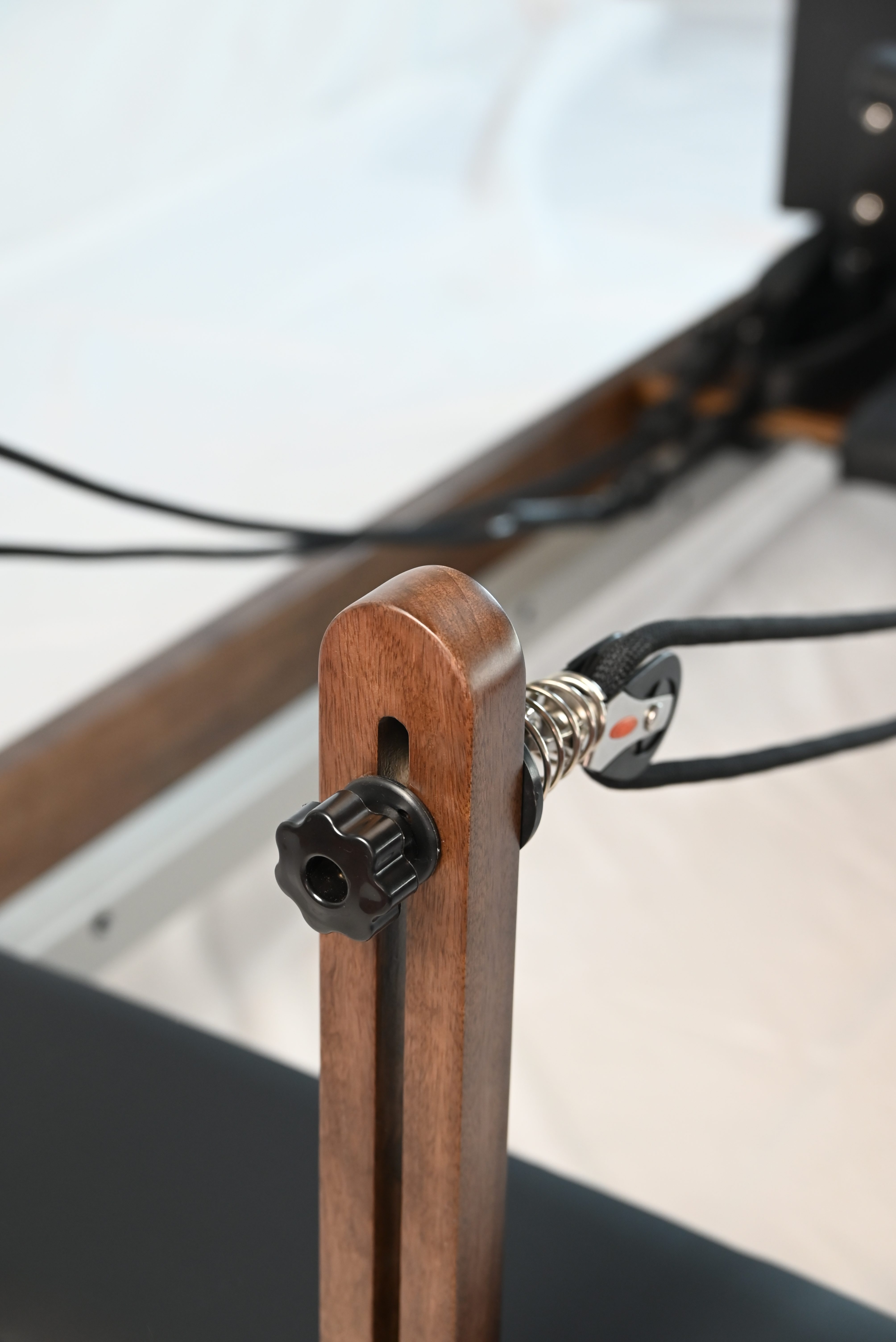
The Spring System is the "Power Heart" : Genuine commercial-grade reformers use high-carbon steel cold-coiled springs with heat treatment to remove residual stress, delivering consistent force and 500,000+ cycle life. Budget alternatives use elastic cords or inferior springs with non-linear resistance curves, showing force degradation or breakage within months. A user comparison test found that a $500 foldable reformer and a $300 budget model showed significant differences in spring storage — the higher-priced unit kept springs vertically aligned and evenly stressed when folded, while the budget model forced springs into bent positions, accelerating tension loss and rust.
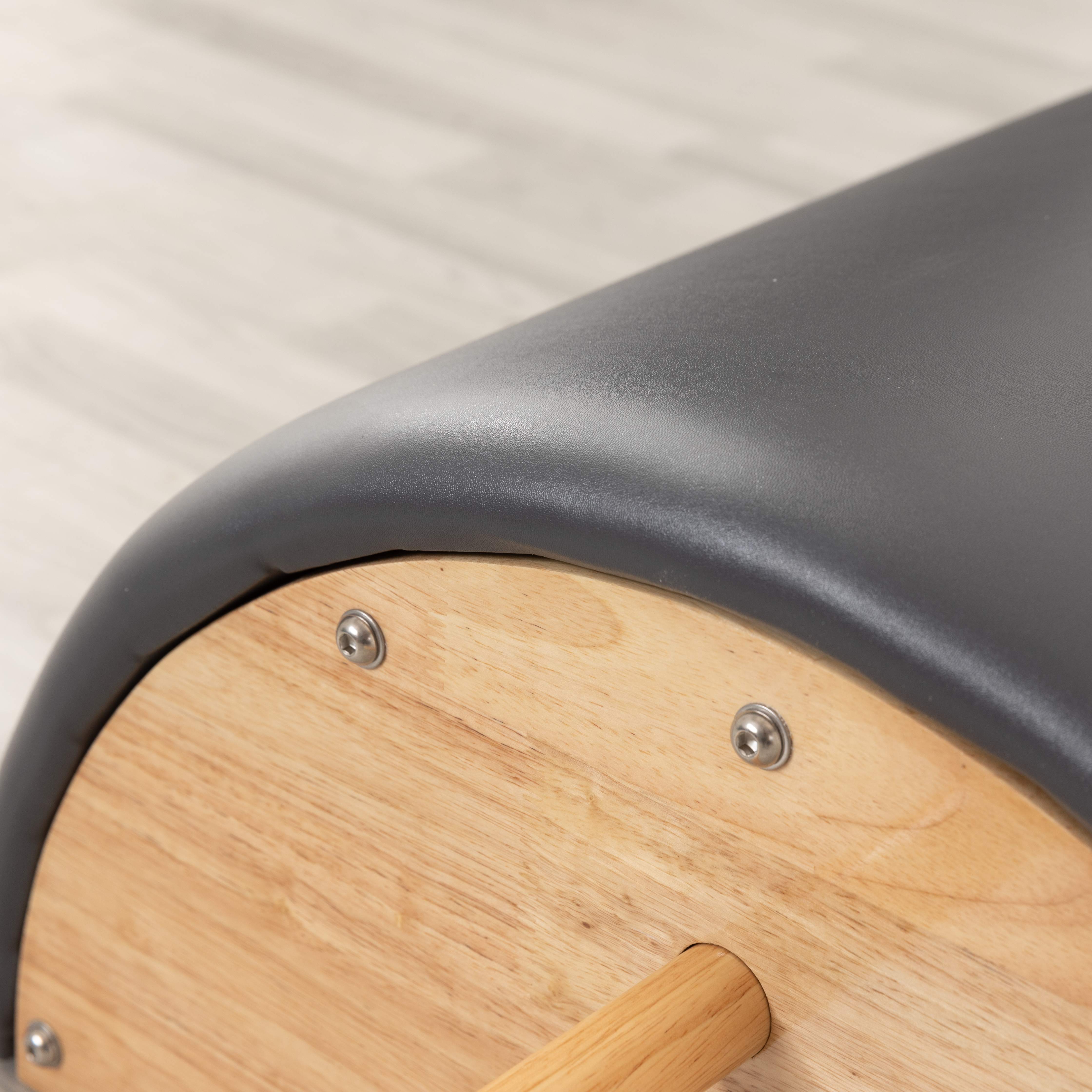
Frame and Rails Determine Feel and Lifespan : Premium machines use aviation-grade aluminum or imported North American hardwoods (maple, oak) with tested frame thickness and welding. Budget products use thinner tubing and simple joinery — one test found that a $300 model's "rear upright columns were loosely assembled and could be pulled apart with minimal force," causing noticeable wobble during exercise. Rail precision differences are equally significant — whether the carriage glides smoothly and silently affects every single session.
Brand and After-Sales Service : Buying a premium brand buys not just the machine but also warranty protection. Industry leaders offer 10-year frame warranties and 2-year moving parts coverage, while budget brands may offer only 2 years on the complete machine, 1 year on springs, and 4 months on upholstery. For commercial users, equipment downtime costs far exceed the purchase price differential — one reformer with 3–6 days of annual downtime can lose approximately $1,000–$2,000 per downtime incident at typical studio rates of $35–$60 per session with three classes daily.
III. Three Questions to Ask Before Buying
Regardless of which tier you're considering, run these three calculations first.
The Frequency Calculation: At a typical $25–$30 per small-group reformer class, one class per week adds up to approximately $1,300–$1,500 per year. A $600–$800 home reformer pays for itself in about six months — but only if you actually use it consistently. If you train three times one month and zero times the next, the payback period stretches indefinitely.
The Foundation Check: Before buying a reformer, build at least 6 months of consistent mat Pilates experience to establish basic movement patterns and body awareness. The spring system acts like a magnifying glass — correct movement patterns become more effective, but incorrect ones become amplified into compensations. Buying a reformer without foundational core control often means paying to reinforce bad habits.
The Moving Cost: A standard reformer weighs 40–60 kg. Delivery and upstairs installation cost money, and moving or reselling it costs more. Renters should factor this in carefully.
Summary: Reformer prices range from under $200 to over $15,000, but "buying right" matters more than "buying expensive" or "buying cheap." For home users, a $400–$1,100 wood-frame standard model is entirely adequate for regular practice. For studio owners or high-frequency users, investing in commercial-grade equipment ($2,400+) carries higher upfront costs but may be the more economical choice over five years of total ownership. Whichever tier you choose, run the frequency, foundation, and moving calculations first — a reformer you actually use is worth the investment; a reformer you don't is wasted money at any price.