Can Pilates Equipment Be Customized?
Many studio owners and home users ask the same question when shopping for Pilates equipment: can I get it customized to my needs? The answer is yes — but the depth and flexibility of customization vary significantly by brand, manufacturer, and product positioning. This article breaks down the possibilities from three angles: what can be customized, how to customize, and which strategy fits your needs.
I. What Can Be Customized? Five Core Dimensions
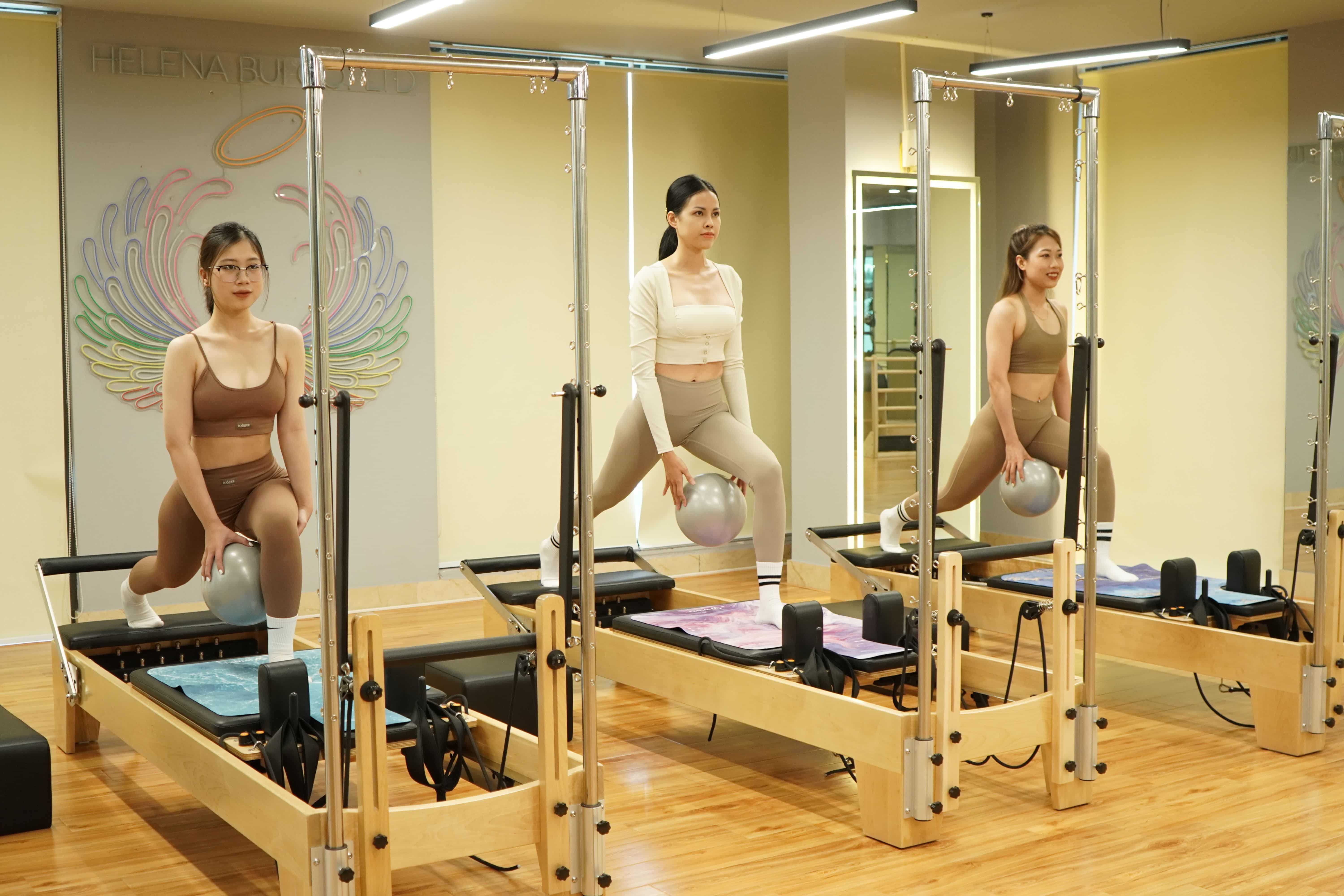
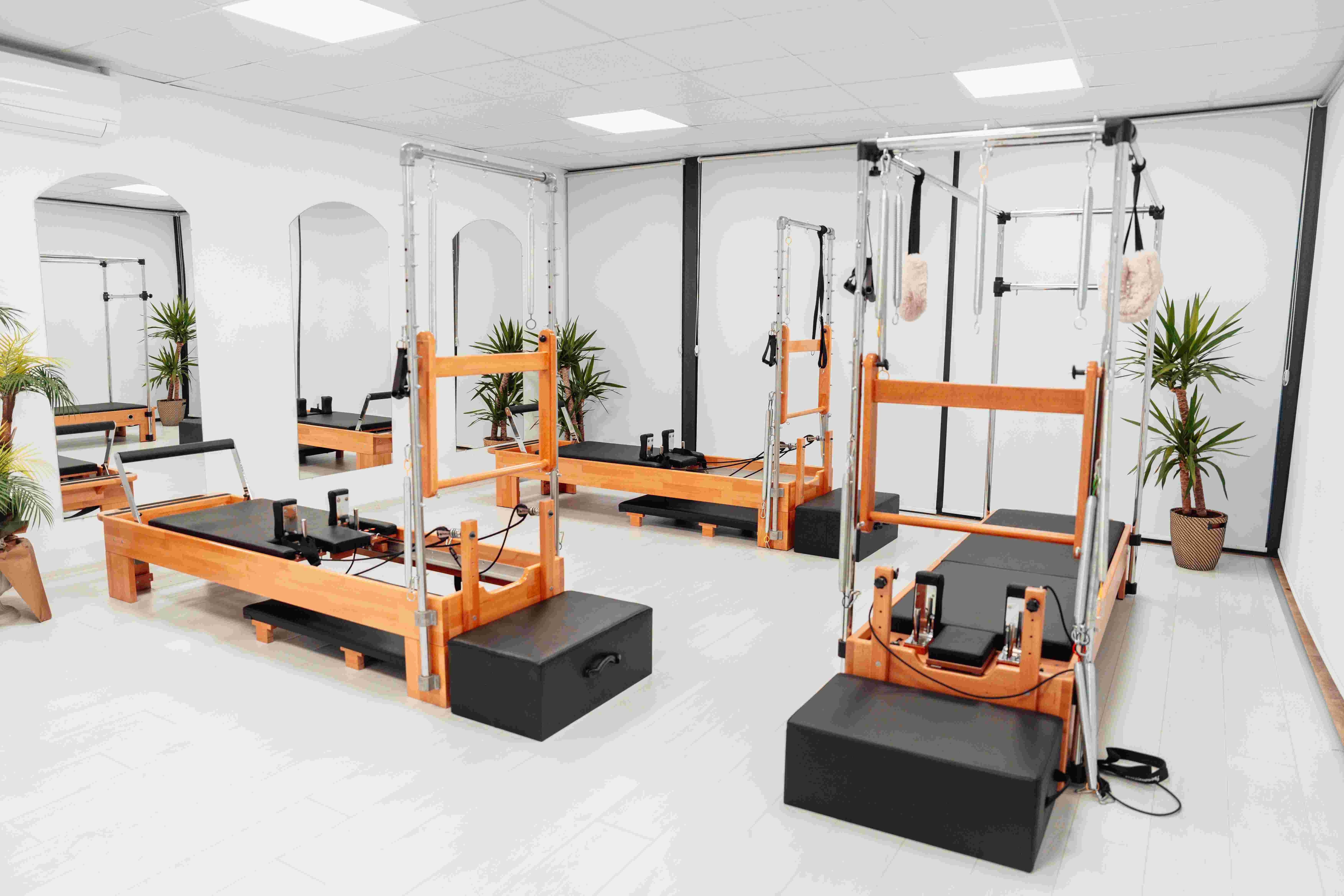
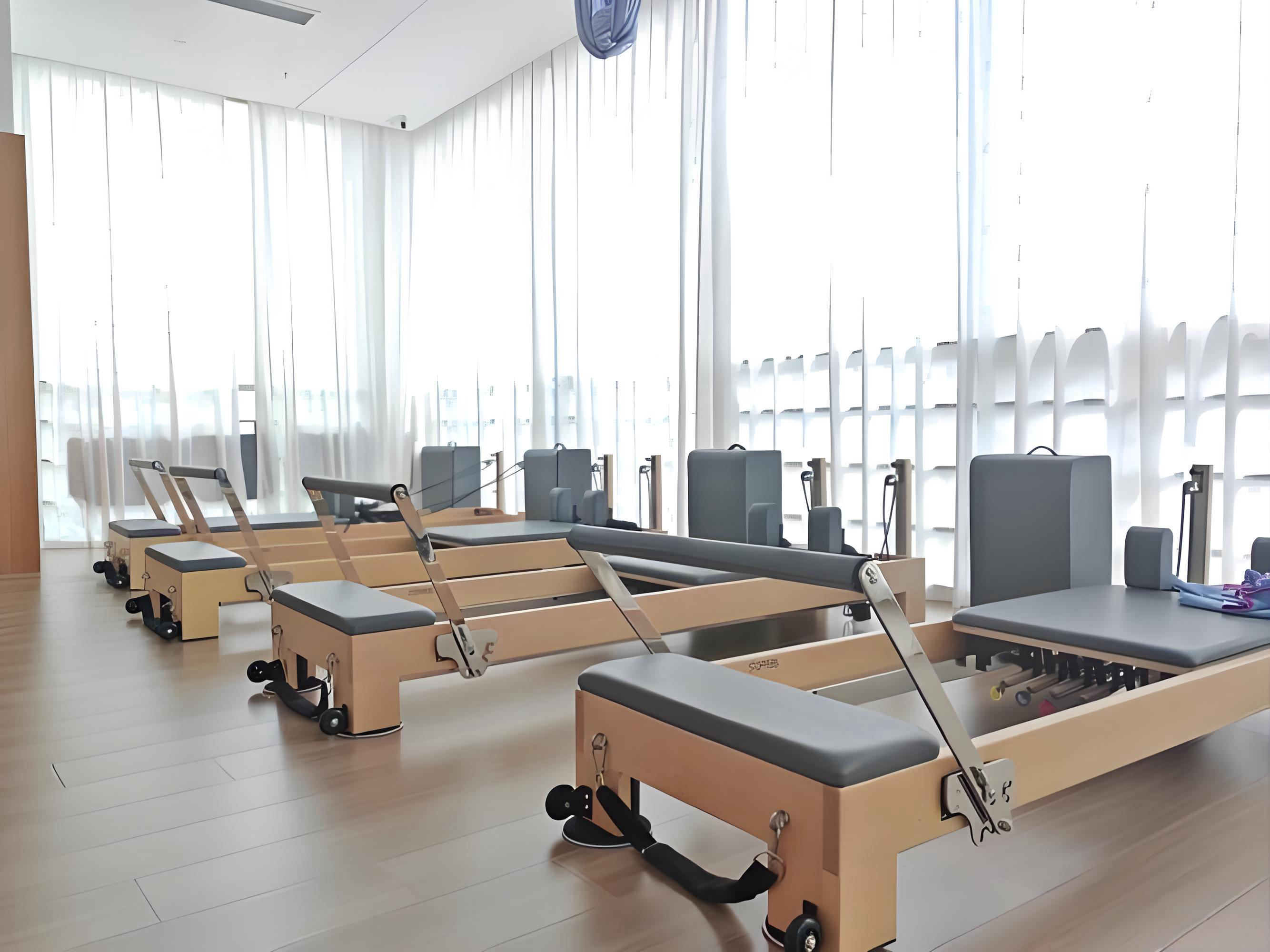
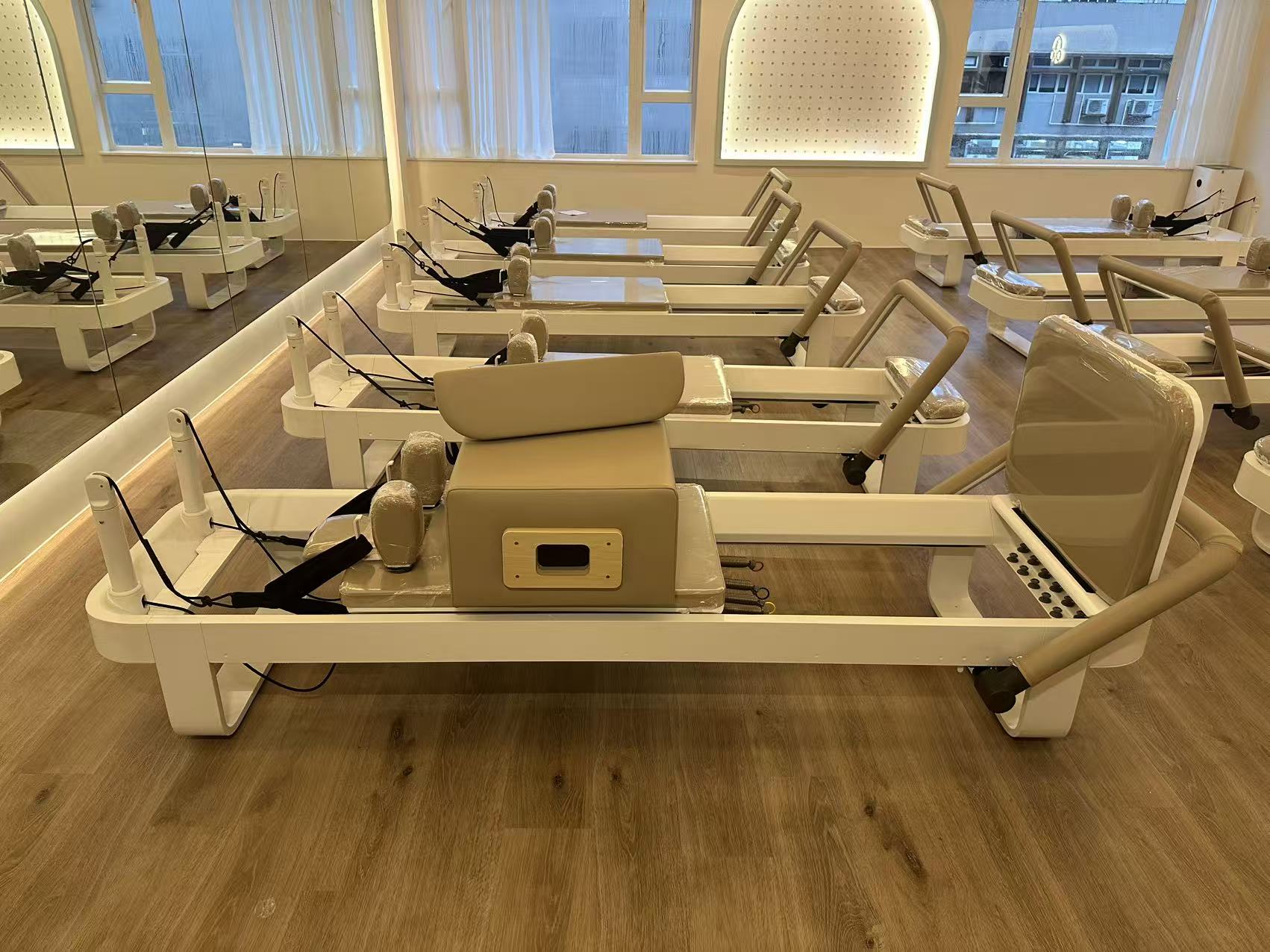
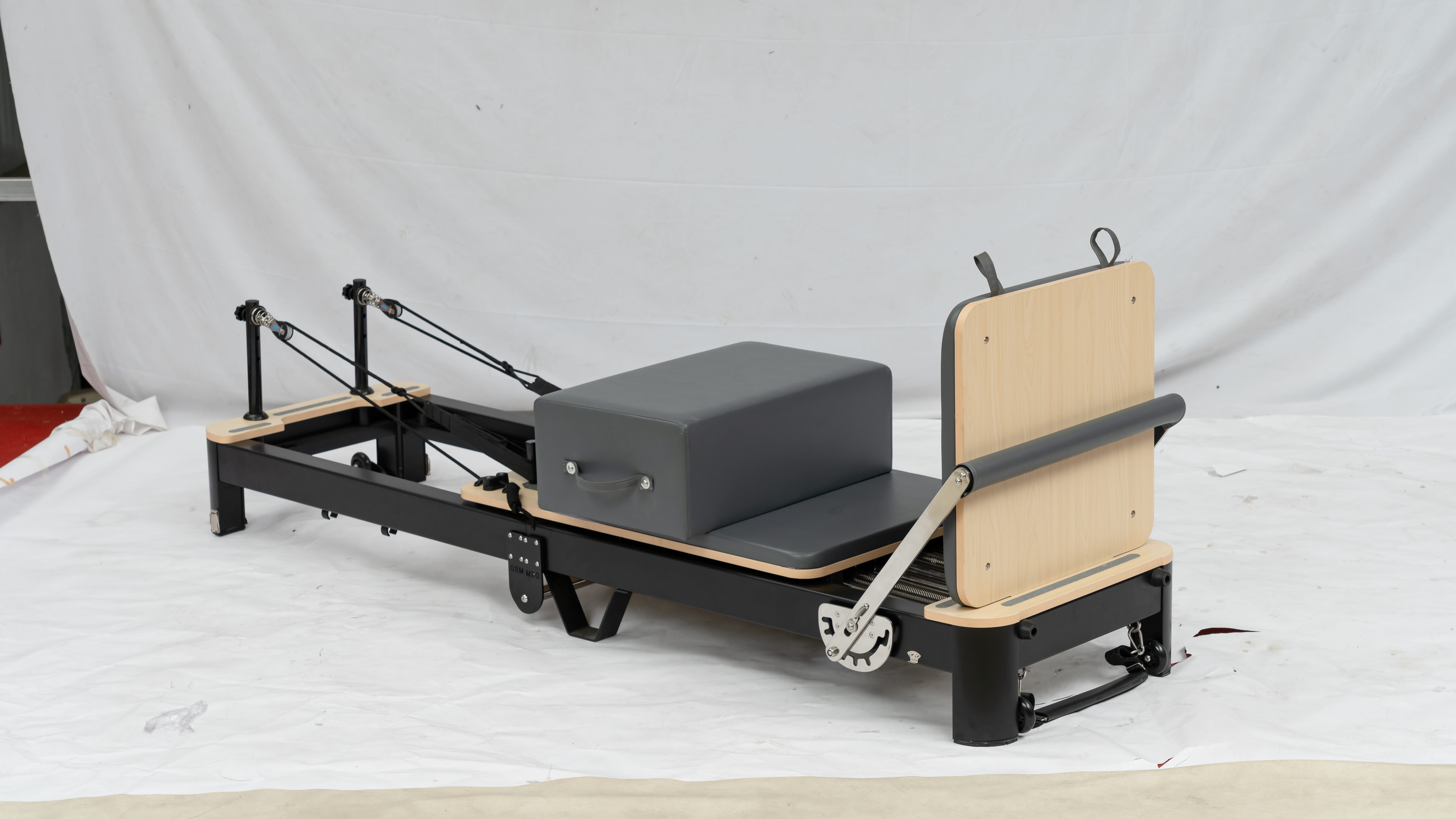
Visual customization is the most common and accessible form. Options include upholstery colors (typically 50-100+ colors available, covering classic neutrals and trending shades), frame colors (black, white, silver, natural wood, etc.), and LOGO placement (stickers on the frame, engraving, metal plates; embroidery or printing on straps). For studio clients, LOGO customization is usually free; upholstery color customization is also typically free for studio and dealer clients. Some manufacturers even offer specialty finishes like marble patterns, further expanding visual customization possibilities.
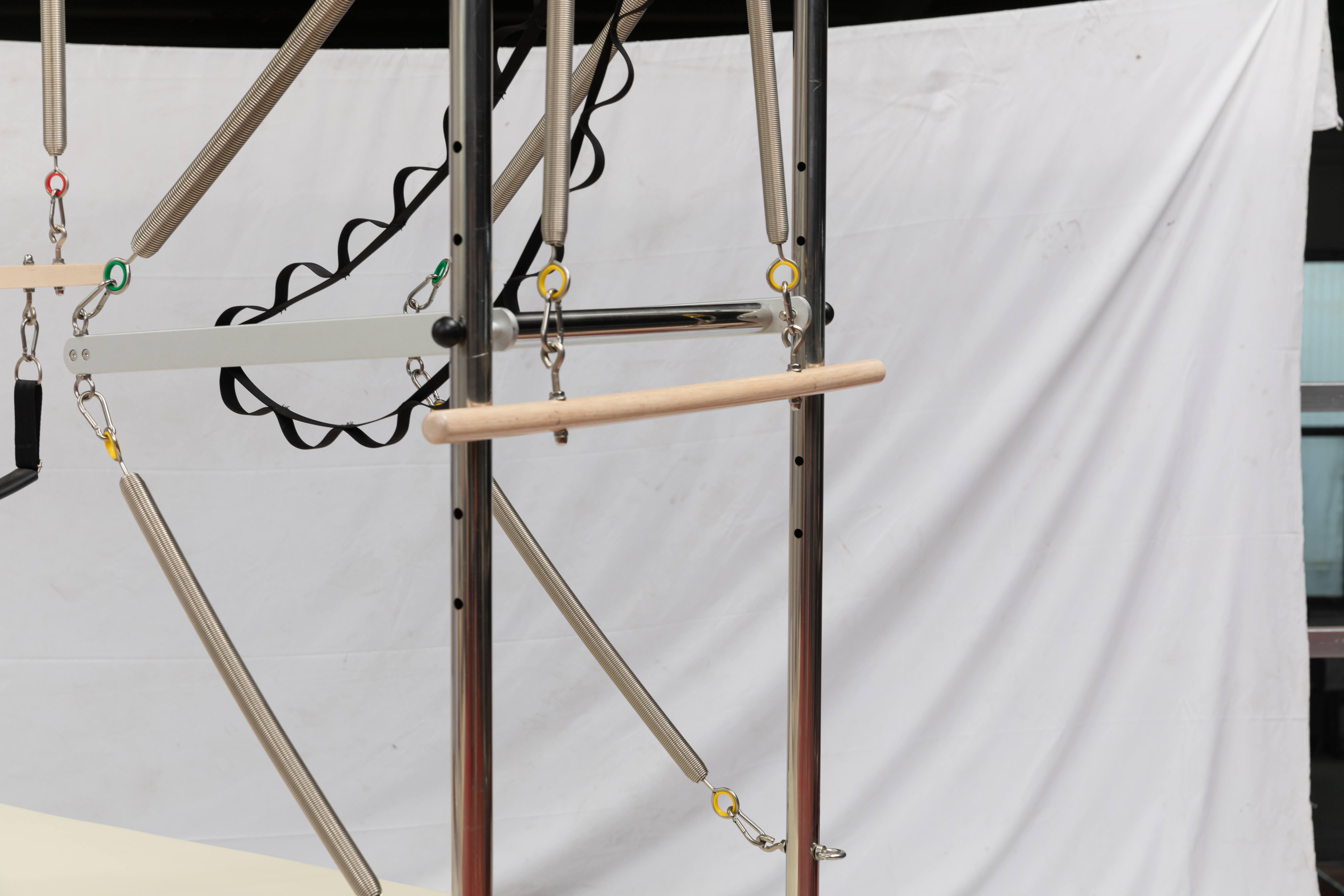
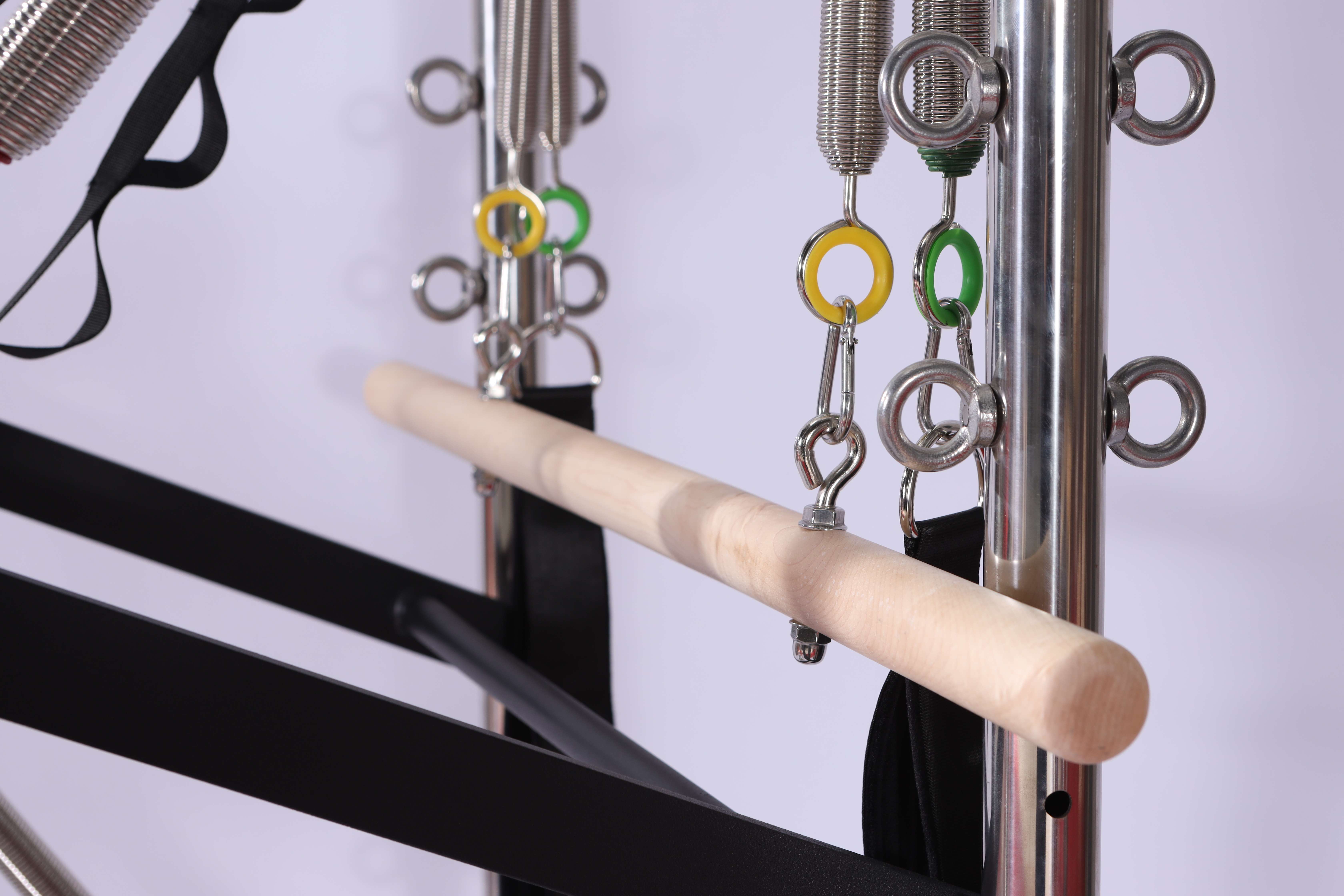
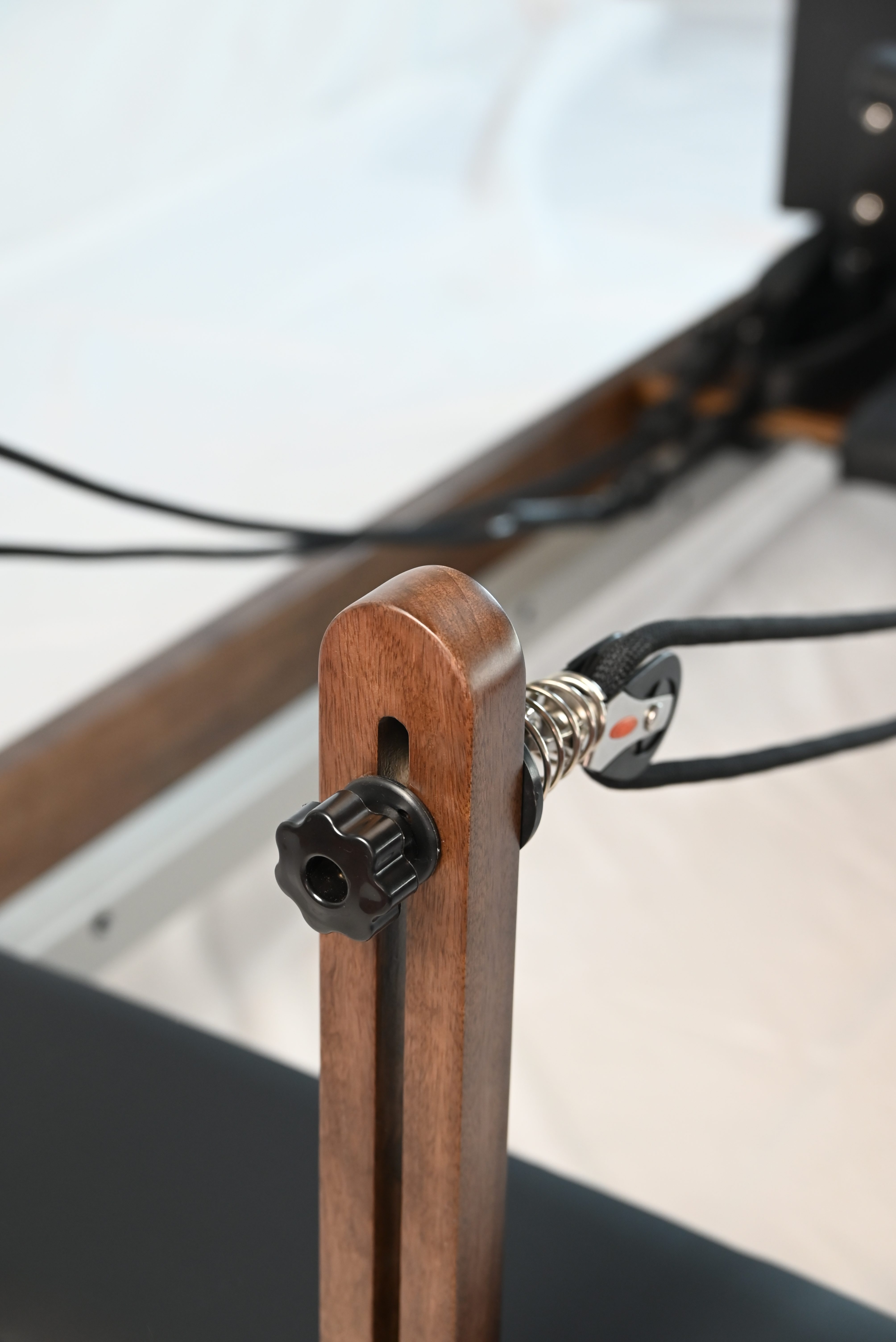
Functional and structural customization runs deeper. This includes spring resistance systems (configurable force levels — e.g., 3 full-strength + 1 medium + 1 light spring), accessory packages (Jumpboard, Tower, Mat Converter, rope systems, etc.), adjustment systems (Italian Panatta offers multiple footbar angles, rope heights, shoulder rest positions), and dimensional adjustments (some manufacturers support custom frame lengths to accommodate specific spaces or user heights). Spanish manufacturer Bonpilates takes adjustability to the extreme with its A-S Adapter System — footbar rotation up to 250 degrees with over 20 positions, tower height adjustable to 13 positions. Megaformer-style equipment also supports frame color and grip texture customization.
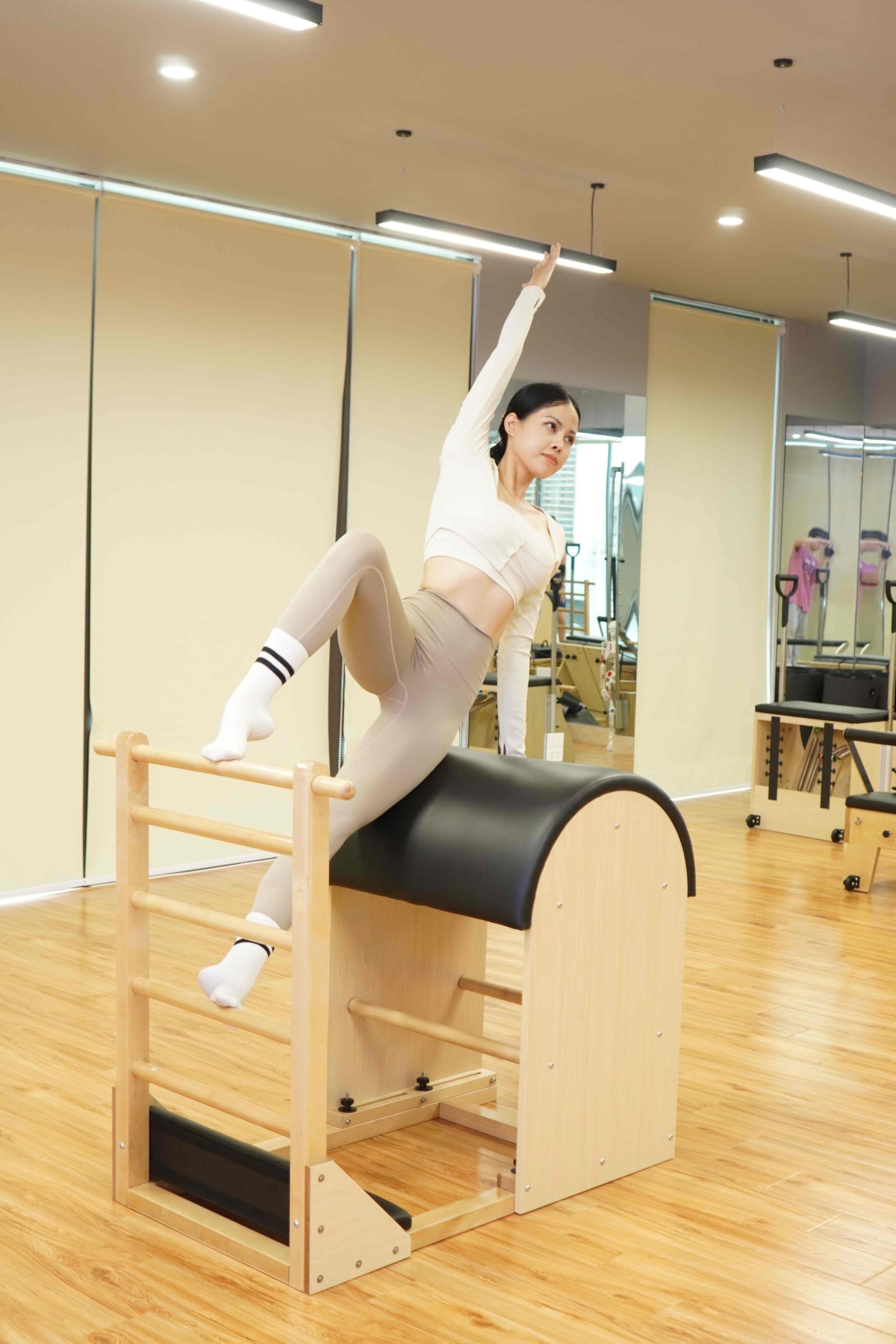
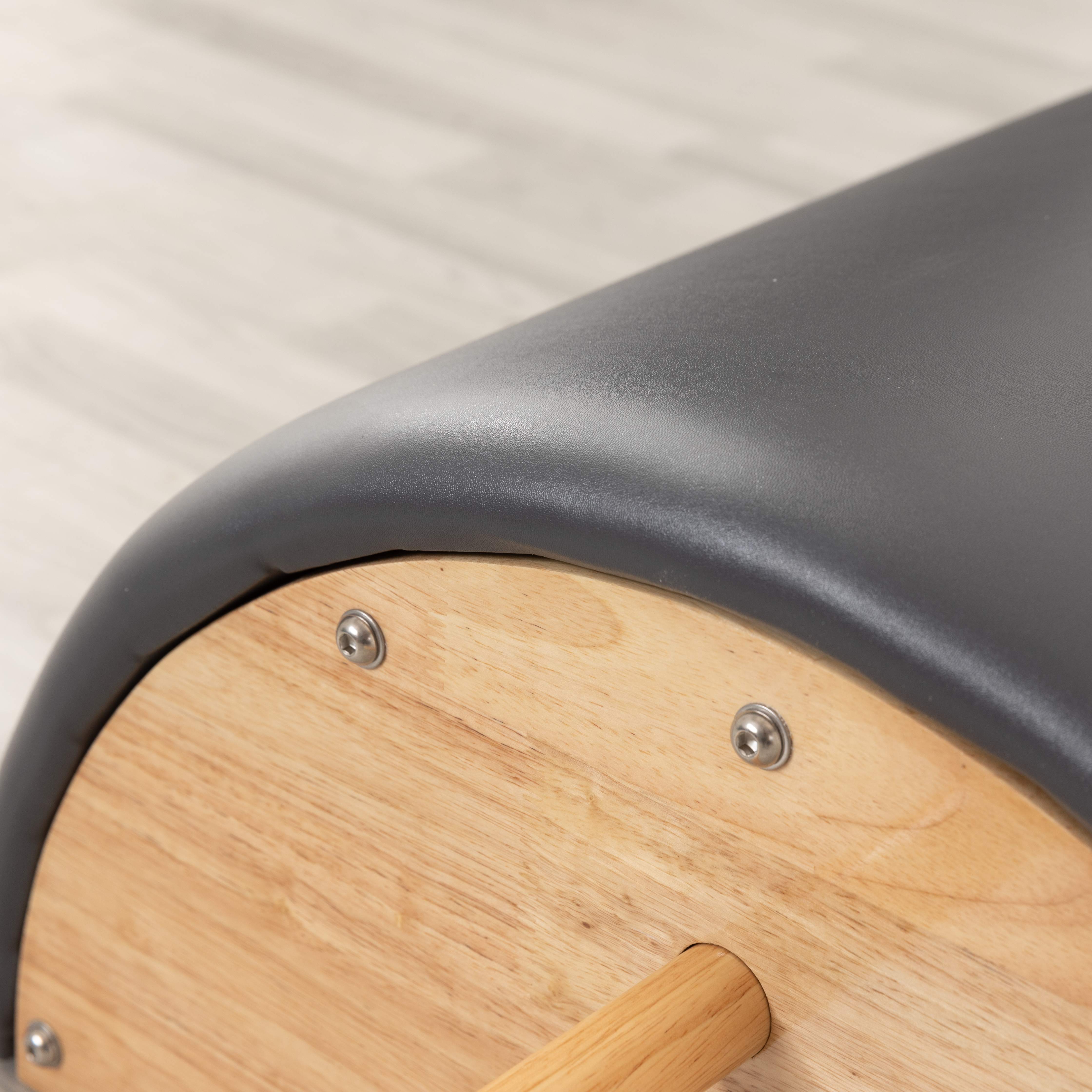
Material and craftsmanship customization covers frame material selection (North American imported maple, oak, beech, aluminum alloy, or carbon steel), leather grade (from standard PU to microfiber leather), and spring quality (Korean/German imported piano wire and other premium options). Mortise-and-tenon joinery, a traditional Chinese woodworking technique, is still used in wooden equipment from some Chinese manufacturers like Bilinkpilates, enhancing stability and durability.
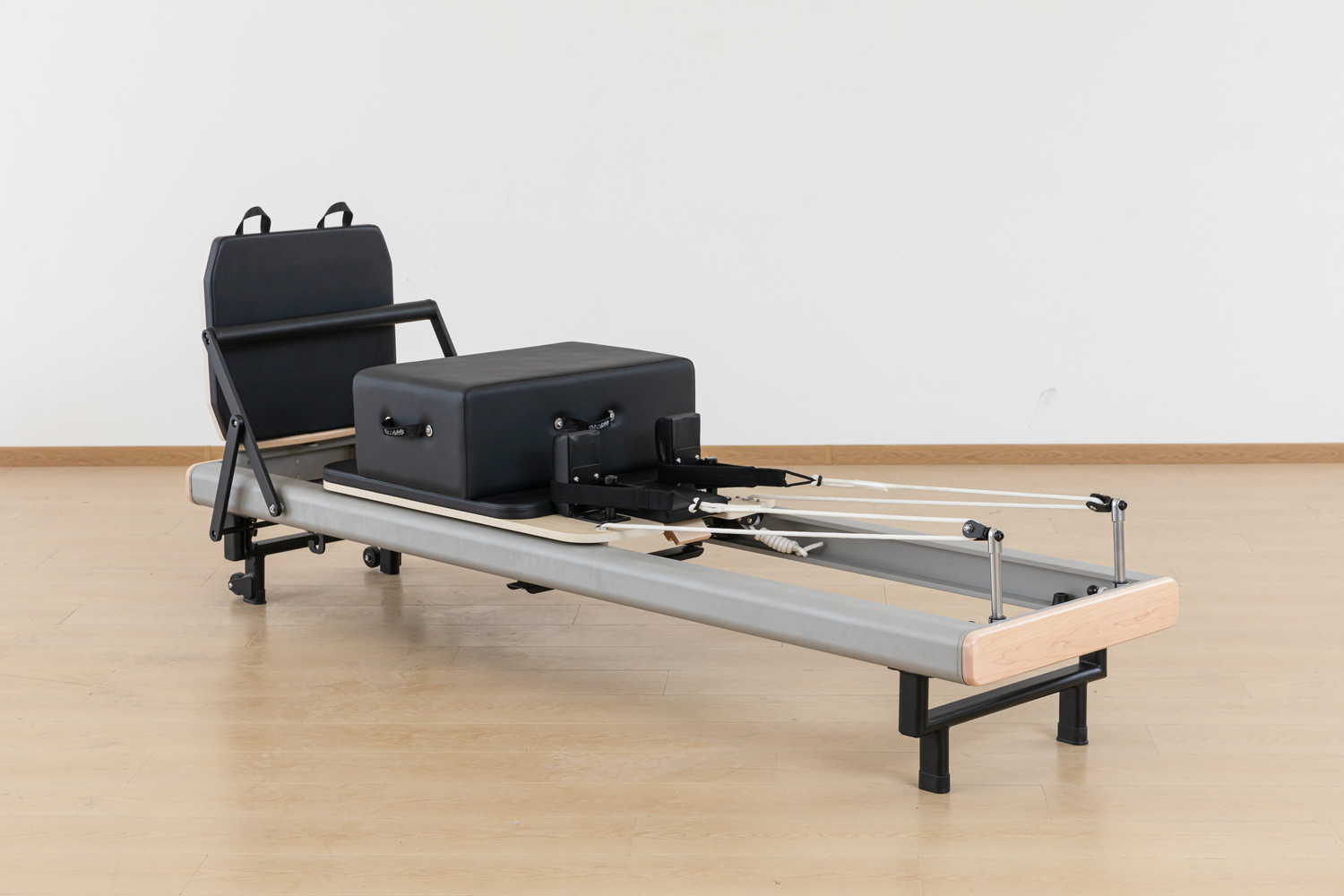
Size and spatial adaptation customization: Skelcore's folding Reformer is a notable example — designed specifically for space-constrained gyms and hotels, it stacks for storage and deploys quickly, solving the major challenge of Pilates equipment's large footprint. Brands like Gratz offer fully custom production, with each unit made to order and lead times of approximately 3 months.
Branding and packaging customization includes private label production (OEM/ODM), branded packaging, custom manuals, and marketing materials.
II. How to Customize? Two Collaboration Models
Direct manufacturer customization is the primary route. Many Chinese Pilates equipment factories (such as Ningjin Juyuan, Wuxi Warrior, Bilinkpilates, etc.) support custom OEM/ODM services, from raw material selection to production processes tailored to client requirements. The typical process is: client proposes requirements → factory assesses feasibility → sample making and approval → mass production. Minimum order quantities vary — some manufacturers accept 1-unit minimum orders, though complex customizations (e.g., new mold development) typically require higher MOQs.
Official brand customization is available from premium brands. Gratz, for example, builds all equipment to order with approximately 3-month lead times. European high-end brands like Panatta also offer extensive customization options, focusing on premium materials and Italian craftsmanship.
III. Which Customization Strategy Fits You?
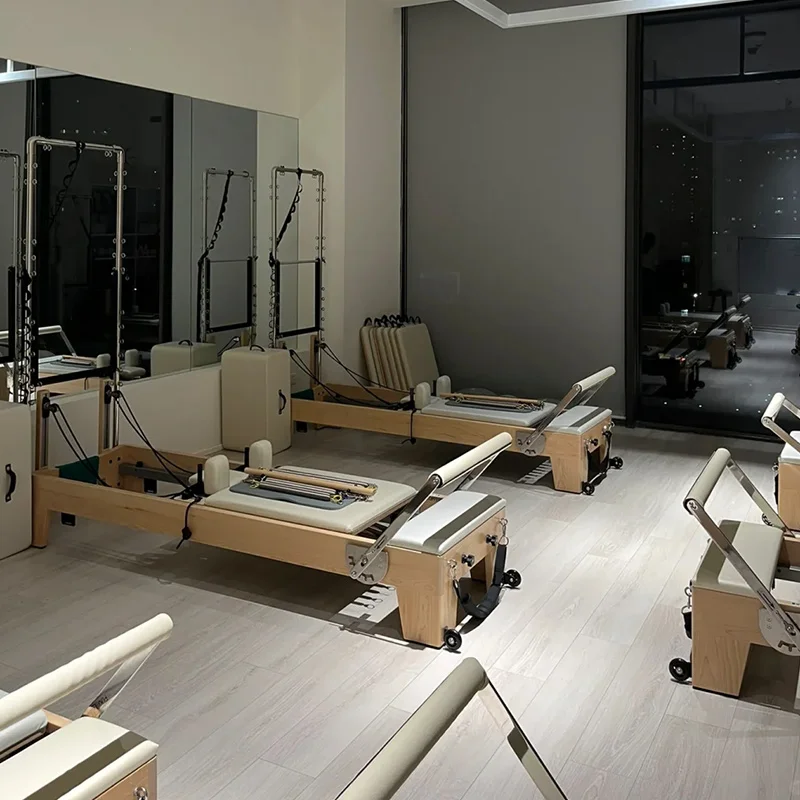
For studio operators, prioritize visual customization (upholstery color + LOGO) to reinforce brand identity, and select appropriate accessory packages based on your curriculum. Most Chinese OEM factories can meet these needs with flexible MOQs.
For fitness chains, go beyond visual customization — consider functional customization (specific spring configurations, adjustment system optimization) and branded packaging. Partner with manufacturers with ODM capabilities.
For home users, visual customization is the most accessible — choose colors and materials that match your home decor. Dimensional customization (foldable or compact models) may be more practical than complex functional modifications.
For studios seeking differentiation, consider custom services from premium European manufacturers like Panatta or Bonpilates — their distinctive design language and craftsmanship can become a brand signature.
Summary: Pilates equipment customization has moved from "luxury" to "accessible option." From upholstery color to brand LOGO, from spring configuration to functional modules, from material selection to dimensional adaptation — the depth of customization varies by manufacturer, but the range of choices is expanding rapidly. For studios, customization is an effective way to differentiate and enhance client experience. For home users, it makes equipment integration into living spaces possible. Whichever need you have, defining your core priority — appearance, function, or branding — and choosing the right supplier will help you find the best balance between "mass production" and "personal expression."