How to Build a Profitable Pilates Equipment Product Line for Your Fitness Business
The global Pilates industry continues to grow rapidly, driven by rising demand for low-impact fitness, rehabilitation training, and premium boutique studio experiences. For fitness business owners, equipment distributors, and studio operators, launching a well-structured Pilates equipment product line is one of the most effective ways to boost recurring revenue, expand customer groups, and build long-term brand competitiveness. However, many new merchants fail to generate stable profits due to unreasonable product matching, single product structure, inappropriate pricing strategies, and poor supply chain control. This article shares a complete, actionable guide to building a high-profit Pilates equipment product line suitable for studios and wholesale distribution businesses.
1. Classify Products by Customer Demand and Profit Margin
A profitable Pilates product line requires hierarchical product layout instead of blind bulk procurement. A scientific product portfolio balances traffic attraction, profit output, and customer retention, covering entry-level, mid-range, and high-end market demands.
Entry-level hot-selling models (traffic products)
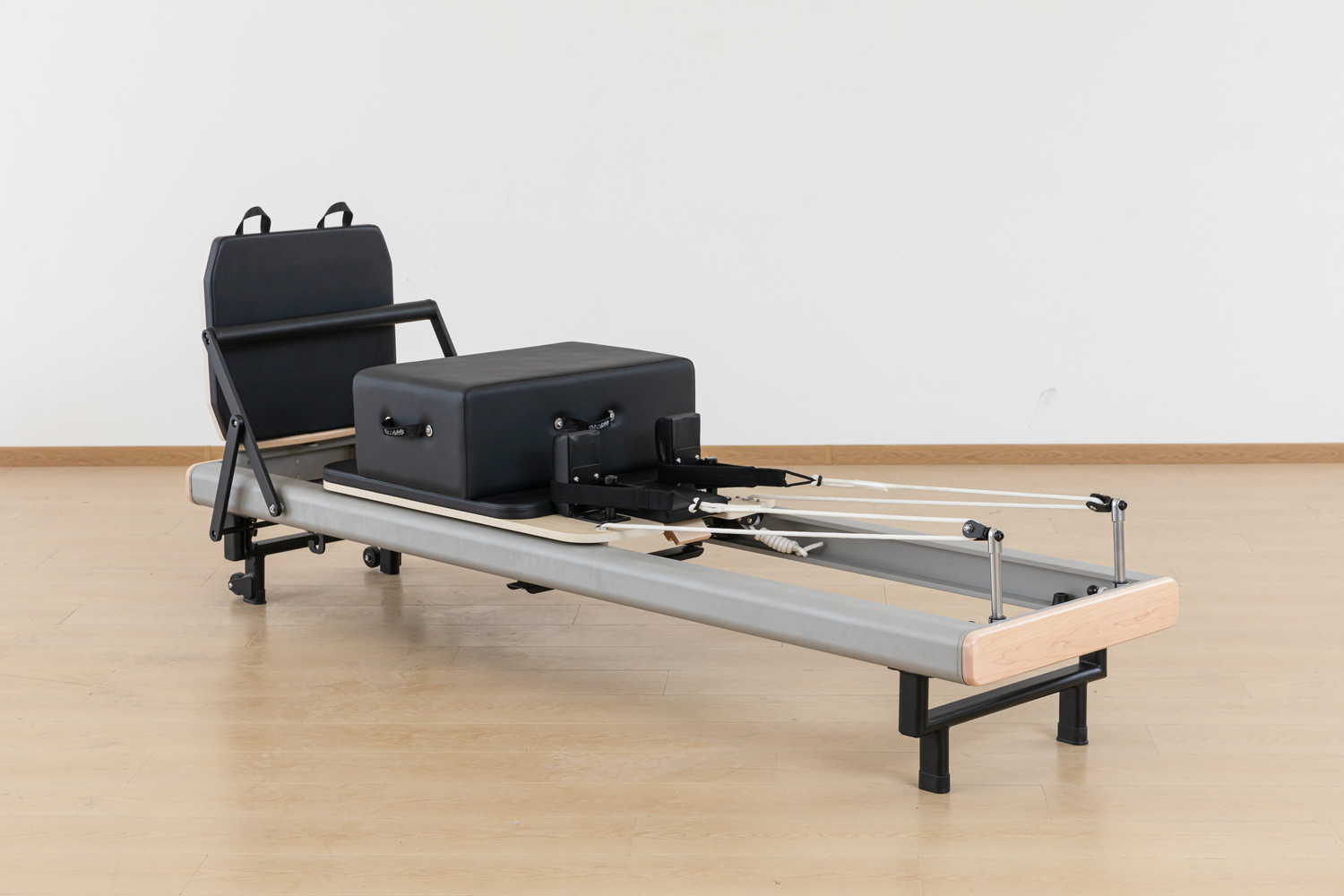
These products are designed for home users, new studios, and budget buyers, featuring cost performance and basic complete functions. Foldable home reformers, basic Wunda chairs, and simple Pilates accessory sets belong to this category. With low threshold and wide audience, they can attract a large number of initial customers, increase brand exposure, and drive basic sales volume. Although the unit profit is relatively low, stable sales volume forms the fundamental revenue of the product line.
Mid-range commercial models (core profit products)
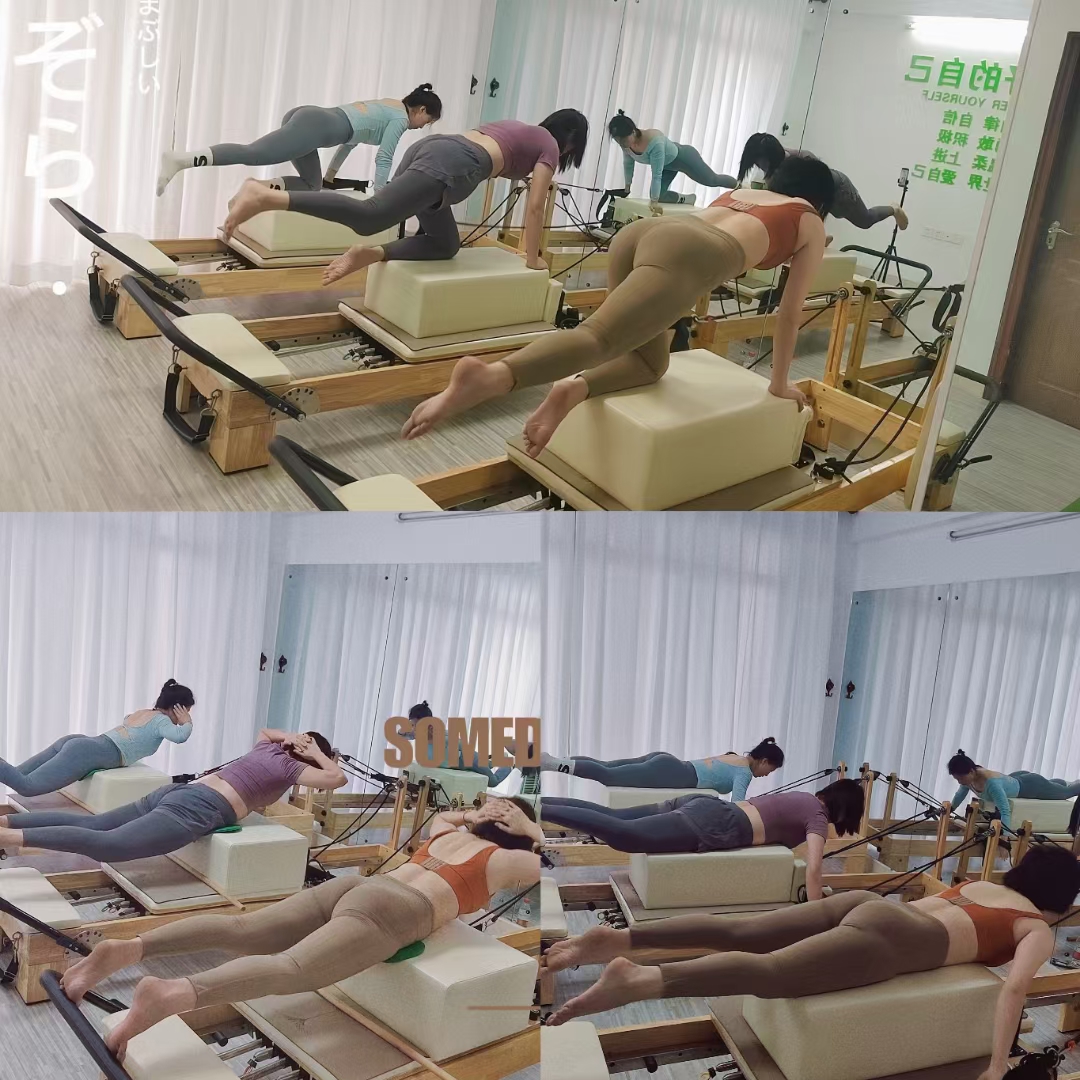
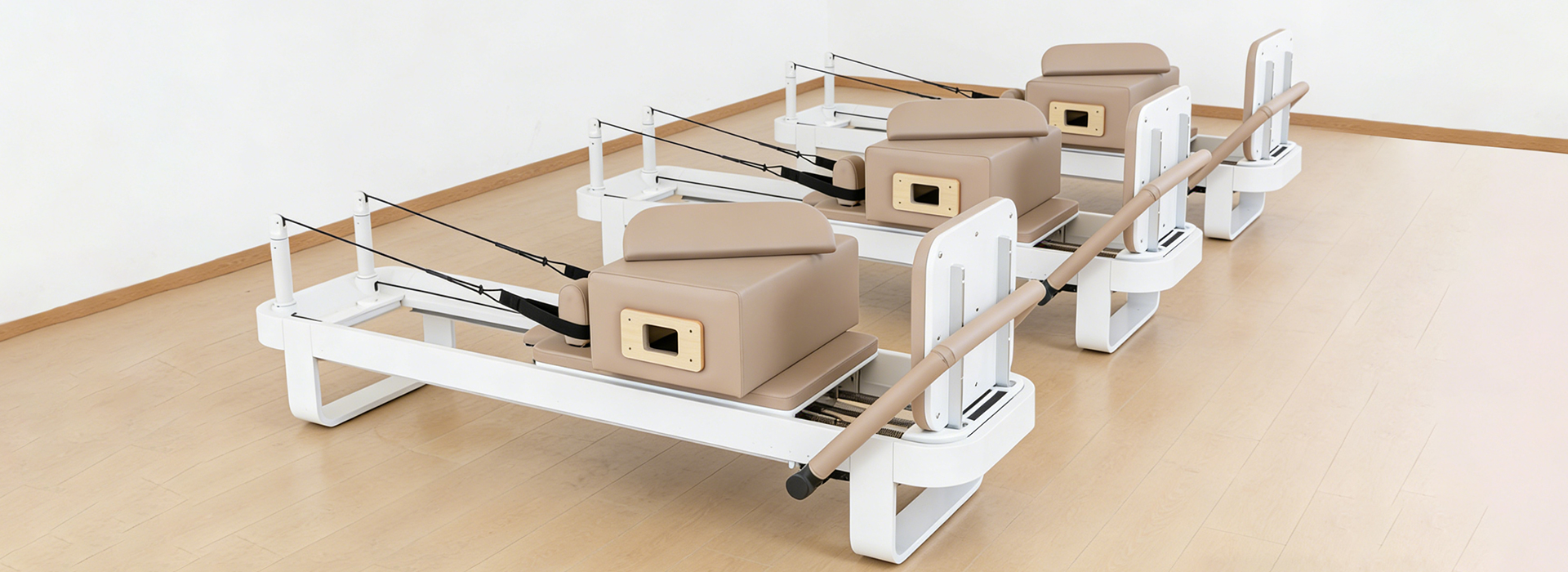
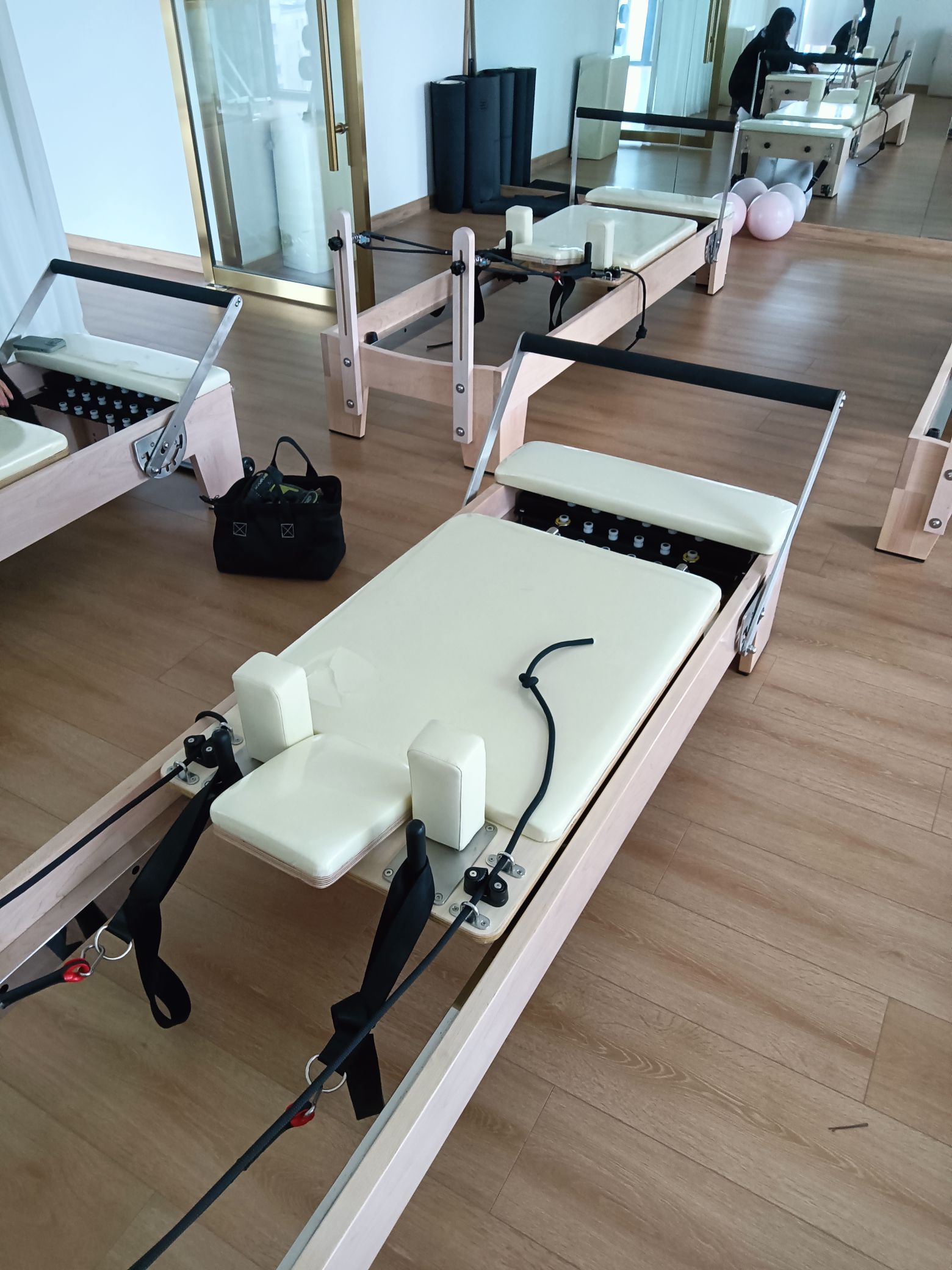
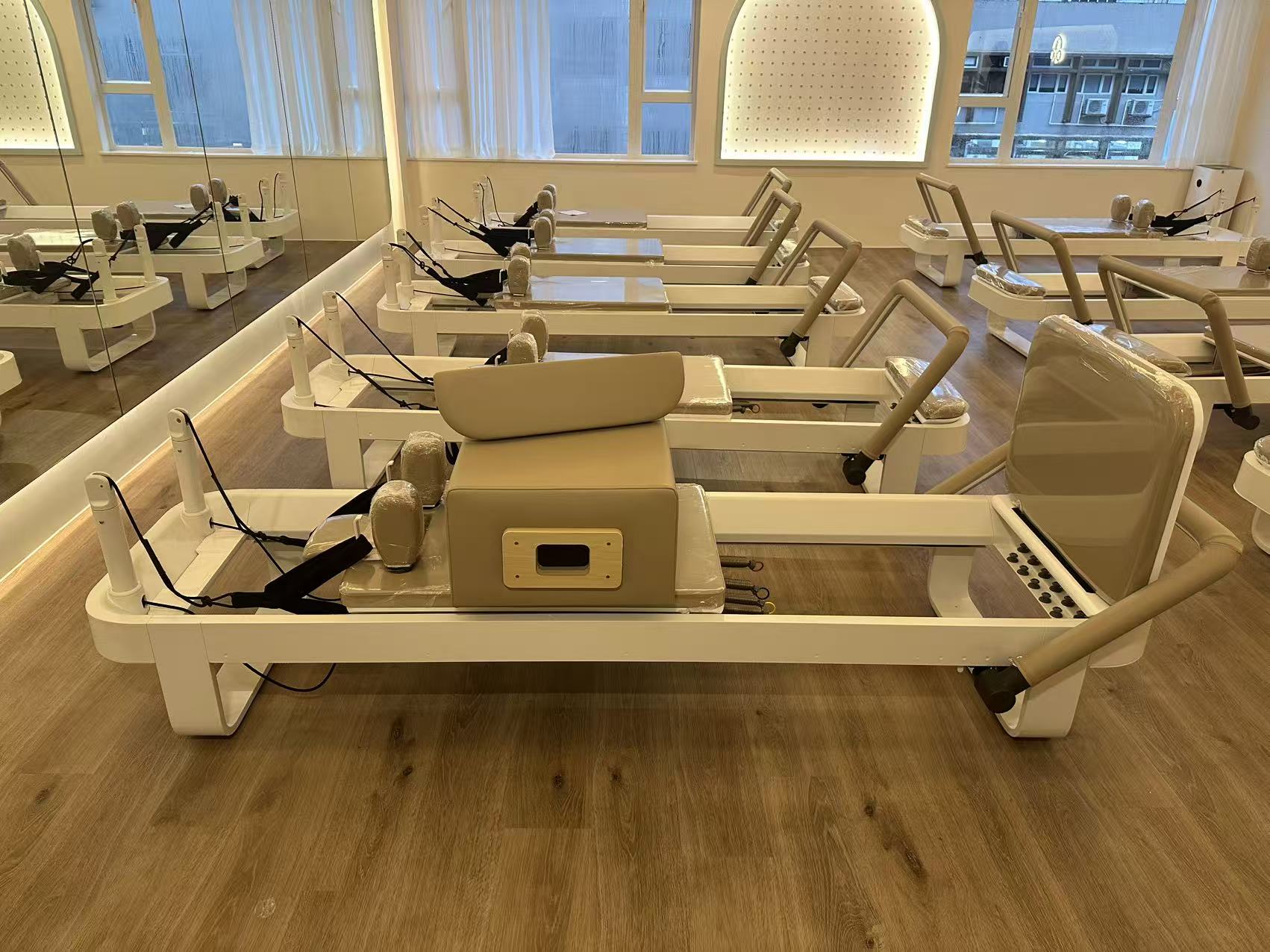
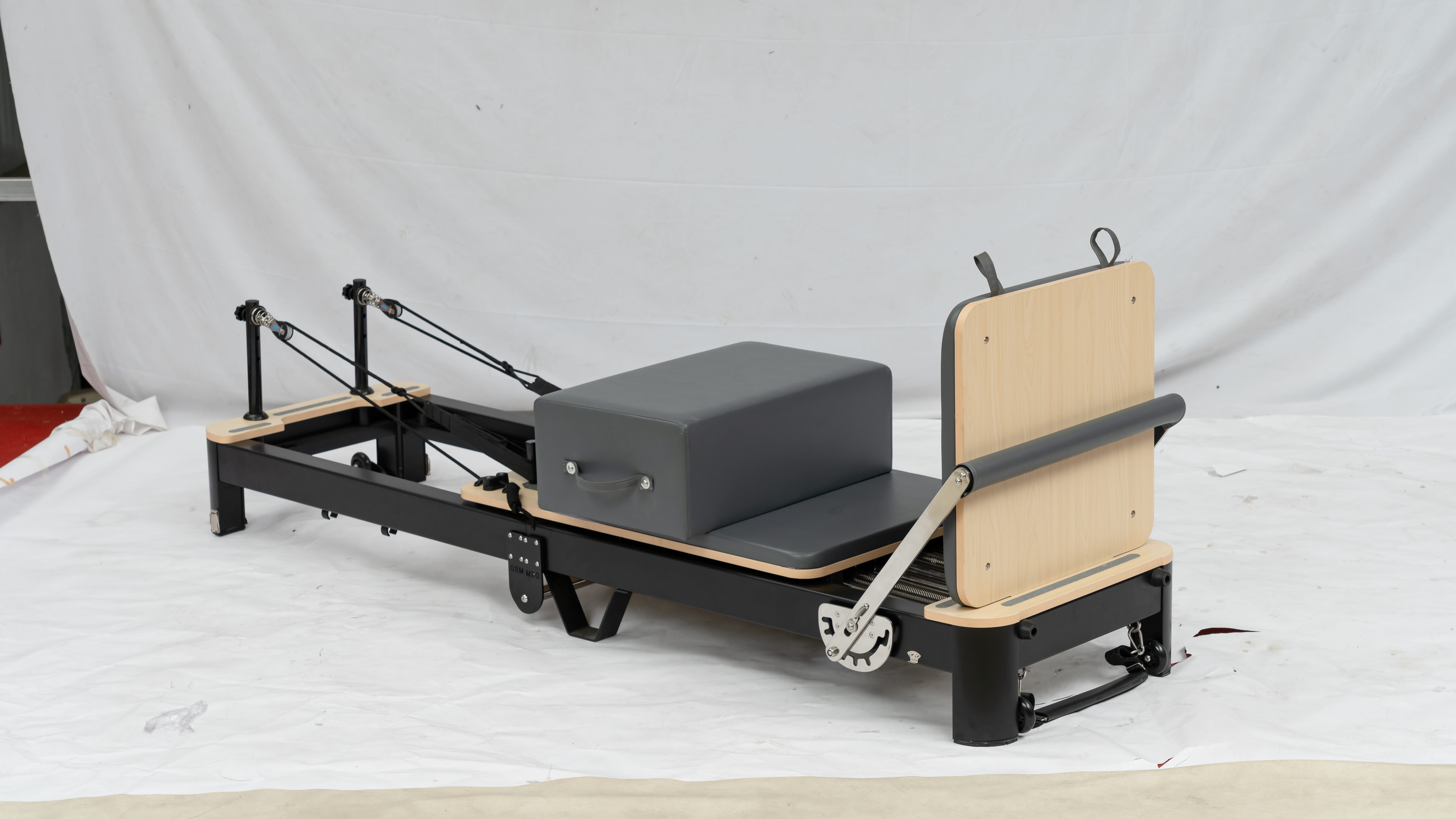
Commercial standard reformers, half-tower reformers, and conventional Wunda chairs are the core profit sources of fitness businesses. These products comply with EN ISO 20957 commercial safety standards, adopt stable frames, silent sliding systems, and multi-stage tension springs, fully meeting the high-frequency use of boutique studios and rehabilitation institutions. With high customer repurchase rate and low after-sales rate, they bring stable and sustainable high profit margins, which is the key to supporting long-term business development.
High-end customized models (high-value profit products)
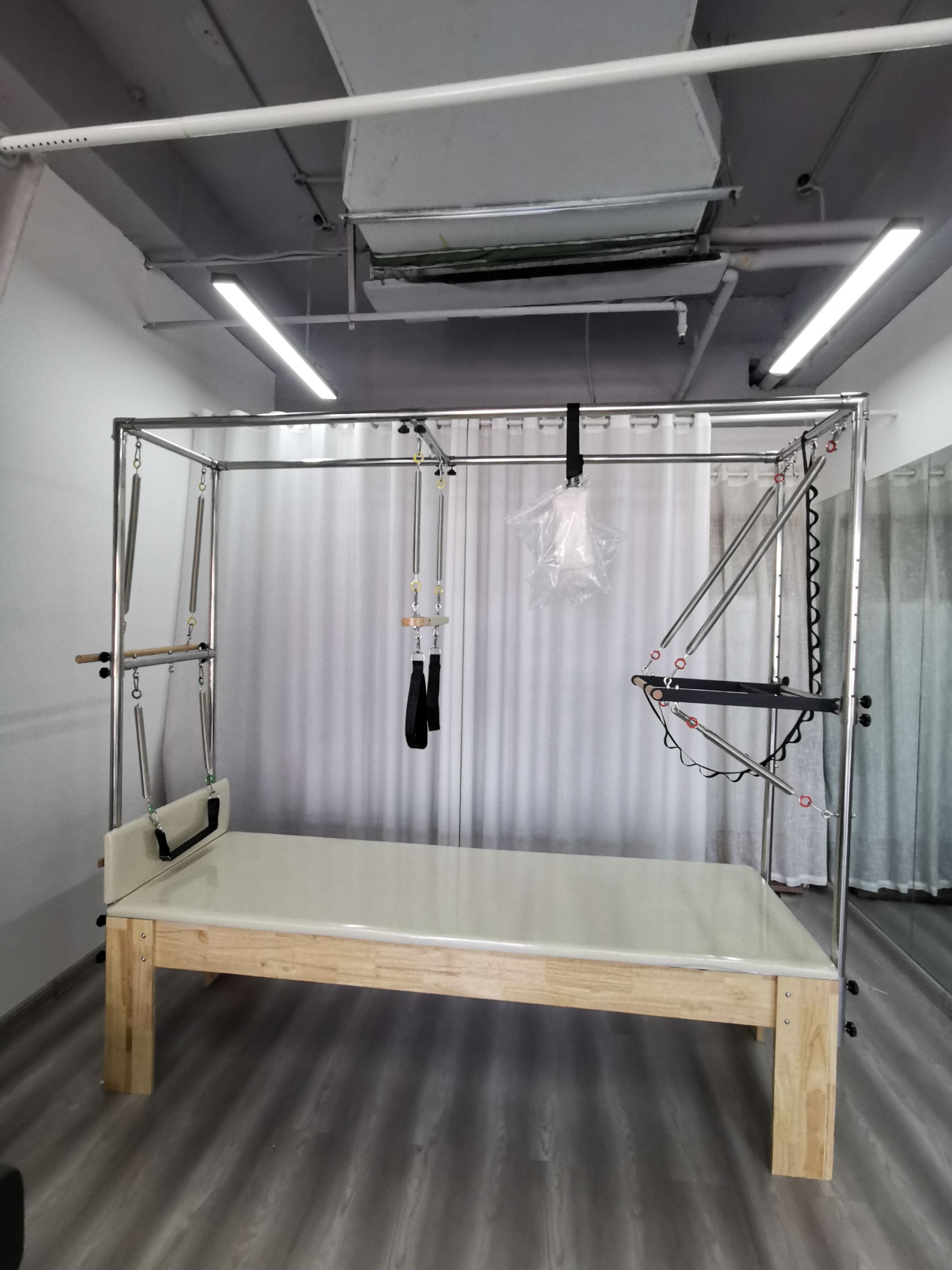
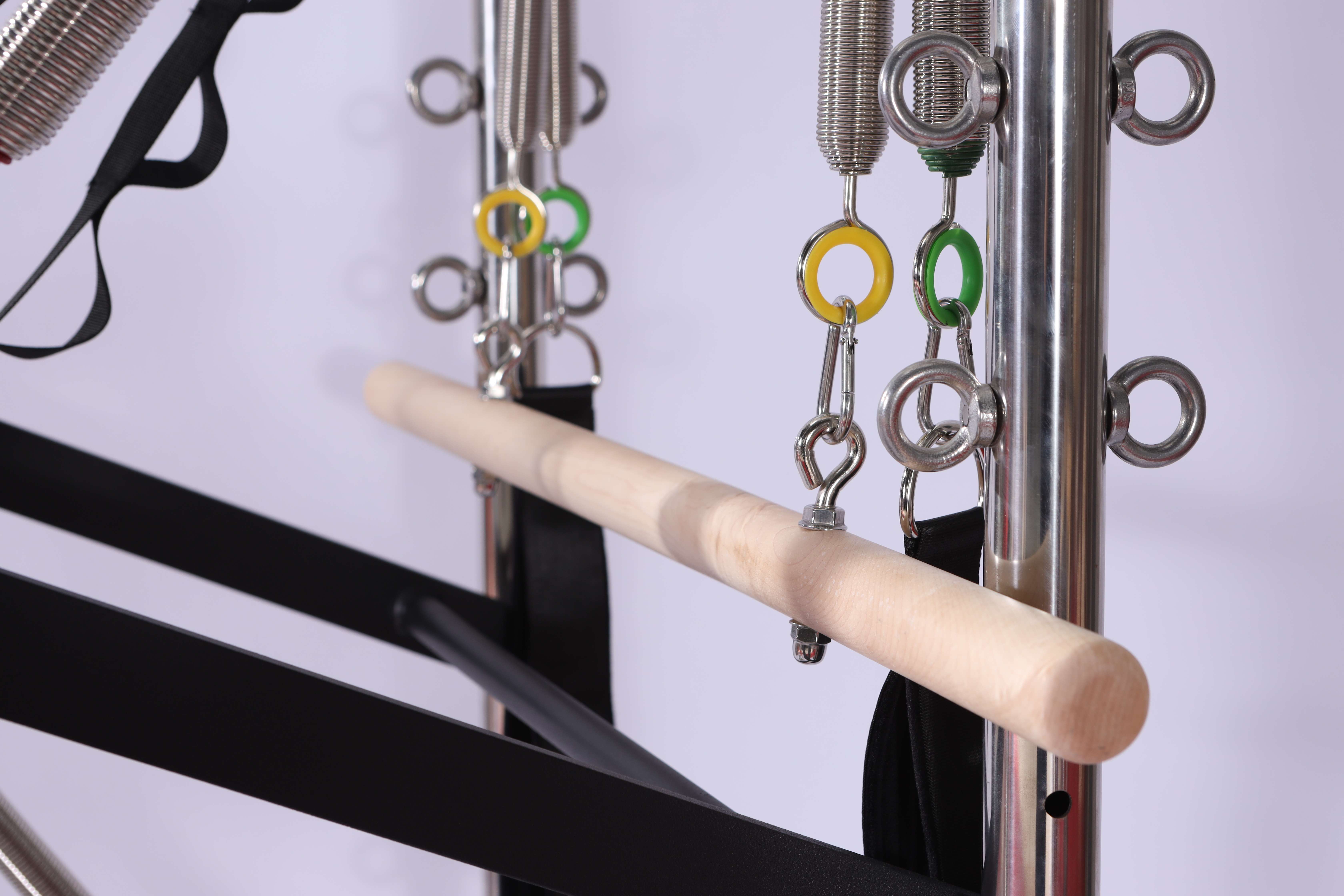
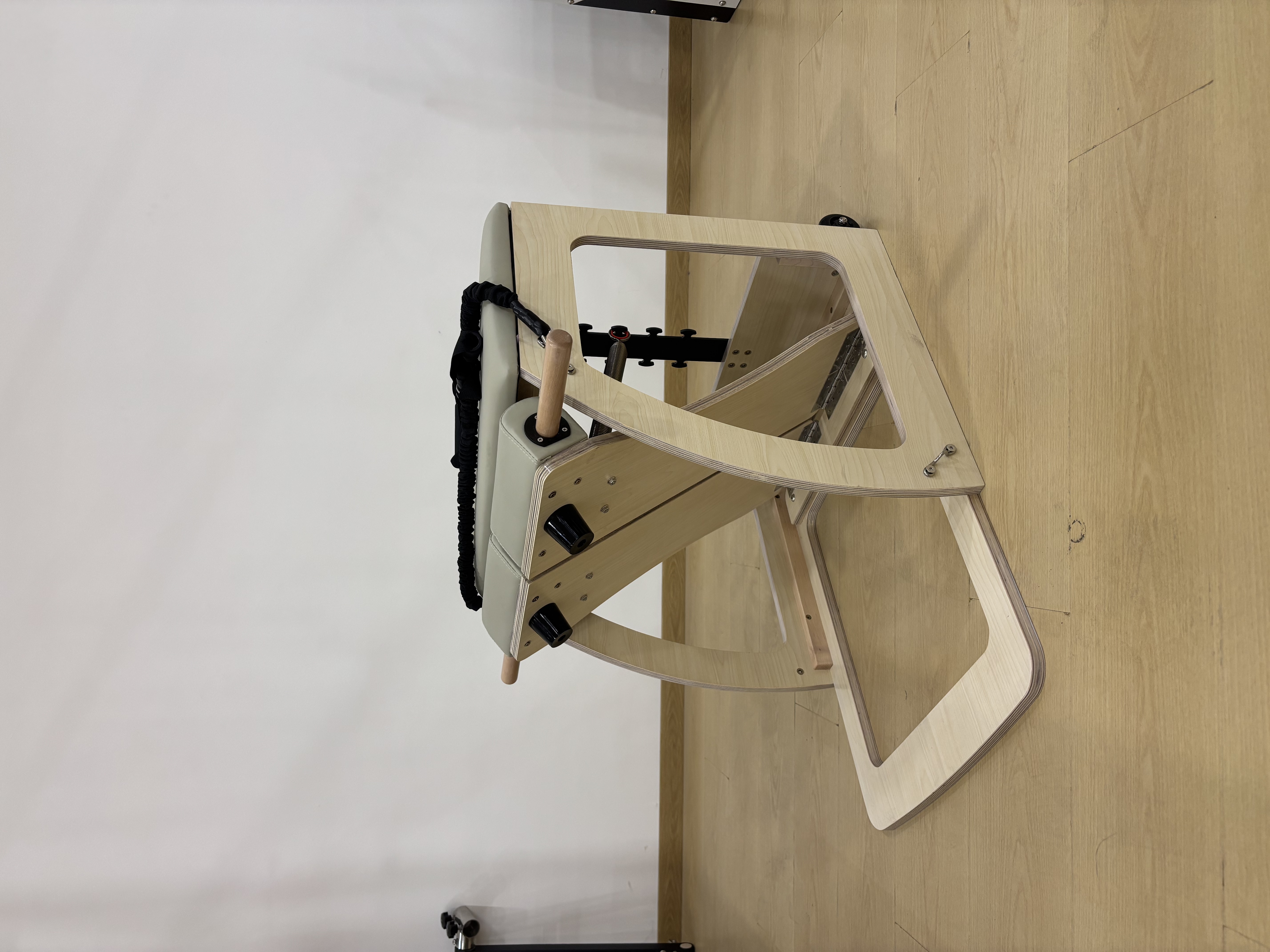
Premium full-tower sets, hollow-frame Wunda chairs, customized color/logos equipment, and rehabilitation-specific Pilates apparatus target high-end studios, luxury fitness clubs, and professional rehabilitation clinics. Through personalized customization, upgraded materials, and exquisite craftsmanship, these products have extremely high profit margins, helping businesses lock high-quality high-value customers and improve overall brand grade.
2. Match Complete Accessory Ecosystem to Increase Unit Customer Value
Single equipment sales have limited profit space, while supporting accessory sales can effectively increase the average order value and secondary revenue. Excellent Pilates product lines are always equipped with a complete accessory system to form one-stop shopping solutions for customers.
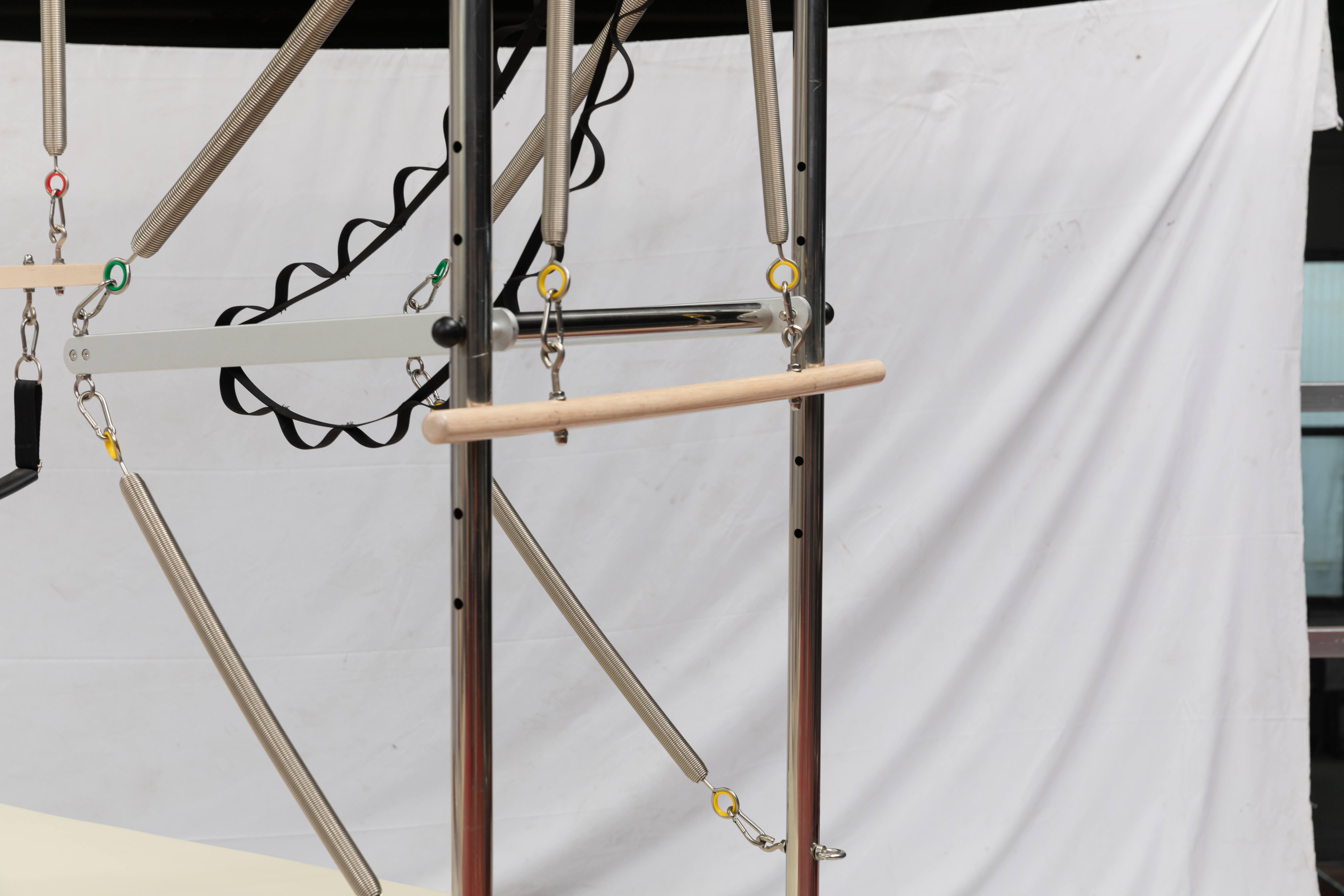
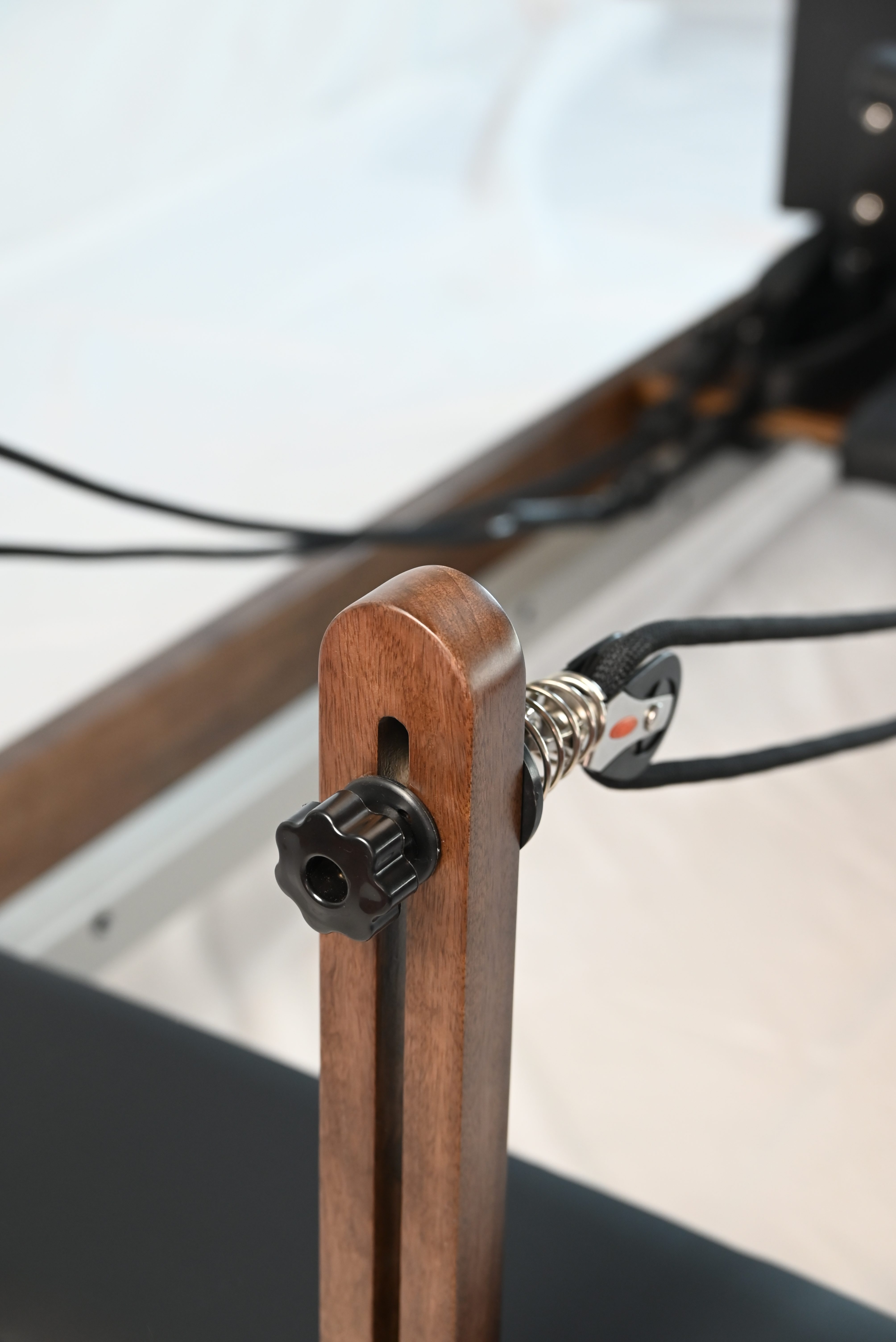
Matching profitable accessories includes non-slip silicone grips, replacement star knobs, vertical and horizontal guide wheels, high-elasticity springs, professional yoga & Pilates mats, correction belts, and storage racks. Most accessories have low procurement costs and high profit margins. When customers purchase main equipment, bundled accessory packages can greatly improve order profits. Meanwhile, wearable accessories form long-term repurchase demands, creating continuous passive income for fitness businesses.
3. Select Reliable Manufacturers to Control Cost and After-Sales Risk
Profitability is not only reflected in sales revenue but also in cost control and risk reduction. Choosing a professional and stable Pilates equipment manufacturer is the core foundation for building a profitable product line.
Formal large-scale factories have standardized production lines, stable raw material supply, and strict quality inspection systems, ensuring consistent product quality and greatly reducing defective rates and after-sales maintenance costs. In addition, powerful manufacturers provide tiered wholesale pricing, OEM/ODM private label services, flexible mixed container delivery, and complete certification documents, helping distributors reduce procurement costs, support personalized sales, and avoid customs clearance risks.
Cooperating with manufacturers with perfect after-sales systems can solve subsequent accessory replacement and technical guidance problems, avoid customer complaints and order losses caused by after-sales lag, and protect the long-term profit reputation of fitness businesses.
4. Adopt Scientific Pricing Strategy to Avoid Blind Price Competition
Many fitness businesses fall into the dilemma of low profit due to blind price reduction. A profitable product line needs differentiated pricing strategies for different levels of products.
For entry-level products, adopt transparent and competitive market pricing to attract traffic and capture mass market share. For mid-range commercial products, highlight commercial durability, safety standards, and stable quality, and maintain reasonable profit space to avoid low-price involution. For high-end customized products, take brand differentiation, exclusive customization, and high-end studio matching as selling points to support premium pricing.
At the same time, formulate tiered discount policies according to customer order quantity, provide bulk order preferential prices and annual rebates, stimulate customer large-order purchasing willingness, and increase overall sales profit.
5. Enrich Product Differentiation to Improve Market Competitiveness
The Pilates equipment market is increasingly homogeneous. Only differentiated product design and functional innovation can help businesses get rid of price competition and obtain high profits.
You can select differentiated hot-selling products for the product line, such as height-adjustable base reformers, hollow-frame minimalist Wunda chairs, silent shock-absorbing upgraded equipment, and multi-functional combined Pilates training sets. These innovative products have unique selling points, easy online promotion and customer conversion, and can form exclusive competitive advantages in the local market.
In addition, private label customization such as exclusive brand logos, customized upholstery colors, and personalized packaging can help businesses build independent brand awareness, improve product premium capability, and further increase profit margins.
6. Optimize Inventory and Logistics to Reduce Operating Costs
Excessive inventory backlog and high logistics costs are important factors that erode product line profits. Building a profitable Pilates business requires scientific inventory management and logistics optimization.
For conventional hot-selling models, maintain appropriate safe inventory to support rapid order delivery; for customized products, adopt pre-order production mode to avoid inventory pressure. Cooperate with manufacturers to support mixed container loading of multiple products, make full use of container space, and reduce average sea freight cost per unit product. For small-batch accessories, adopt embedded packaging (placed in main equipment wooden cases) to save additional packaging and freight expenses.
Reasonable inventory and logistics management can effectively reduce operating costs, improve capital turnover efficiency, and maximize net profit of the product line.
7. Support Multi-Scenario Sales to Expand Profit Channels
A high-profit Pilates product line needs multi-scenario sales coverage to expand revenue sources. Businesses can carry out diversified sales according to product positioning.
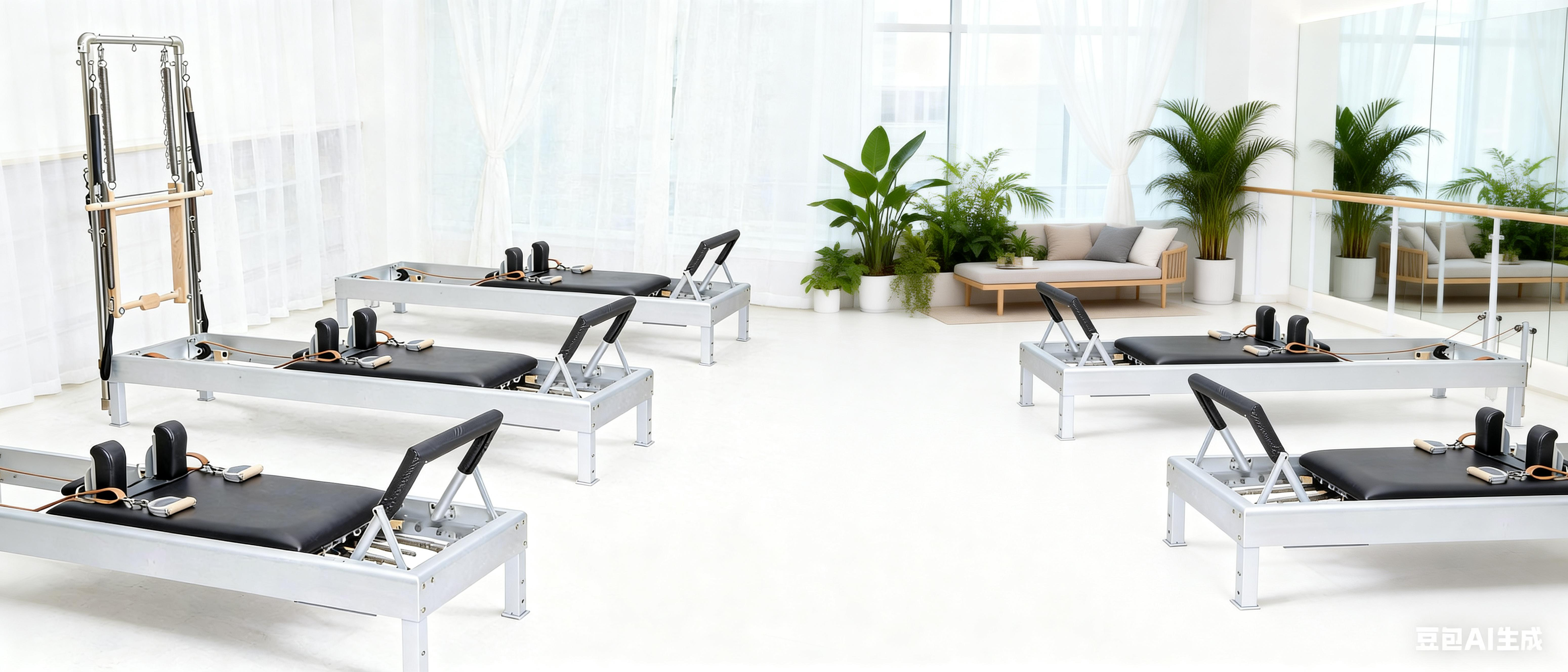
Home-use equipment is suitable for online retail, social media sales, and e-commerce platform distribution, facing individual fitness enthusiasts. Commercial equipment focuses on studio group purchase, fitness club equipment upgrading, and rehabilitation clinic matching orders. With one product line covering individual retail and commercial bulk orders, businesses can fully tap market potential and realize sustainable profit growth.
Conclusion
Building a profitable Pilates equipment product line is not about simply stacking products, but about systematic layout from product hierarchy, accessory matching, supply chain selection, pricing strategy, differentiated innovation, cost control and multi-channel sales. A scientific and reasonable product portfolio can help fitness businesses avoid market involution, reduce operating risks, stabilize customer groups, and obtain continuous and stable high profits in the booming global Pilates market.
Choosing high-quality, differentiated, and cost-effective Pilates equipment and cooperating with reliable manufacturers is the first step for every fitness business to build a long-term profitable product line.