Key Factors That Affect Resale Value of Used Commercial Pilates Reformers for Studios
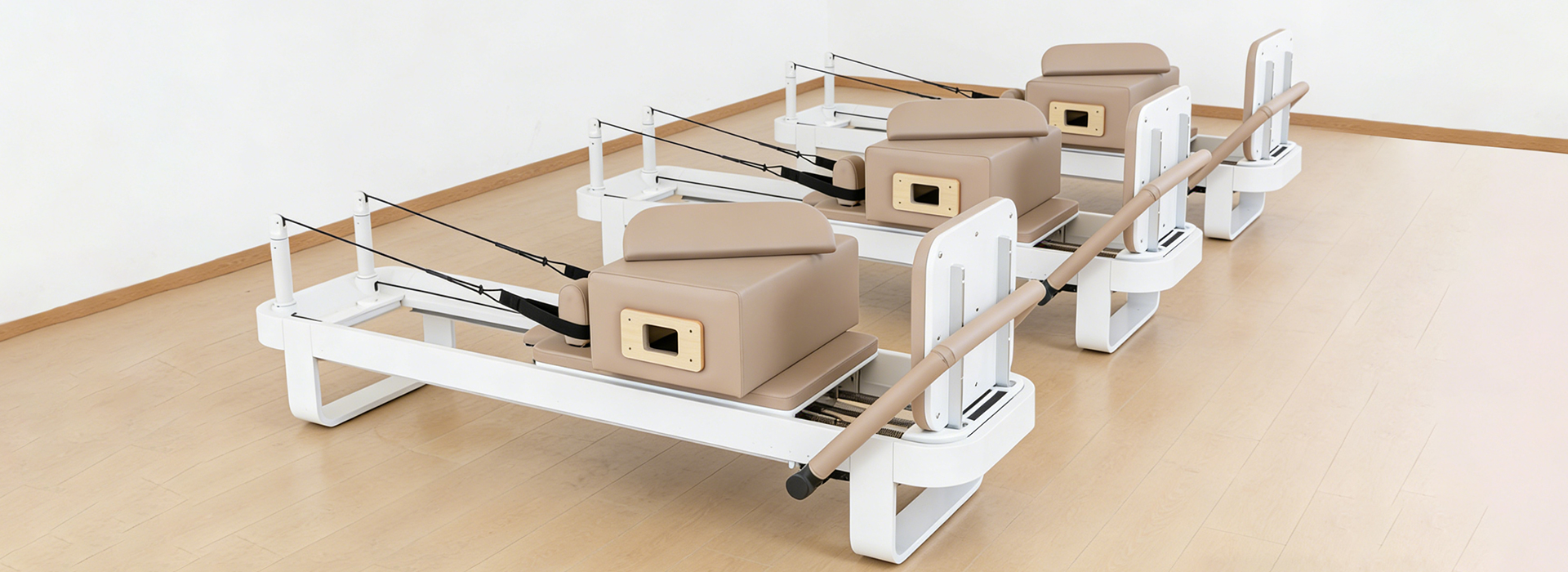
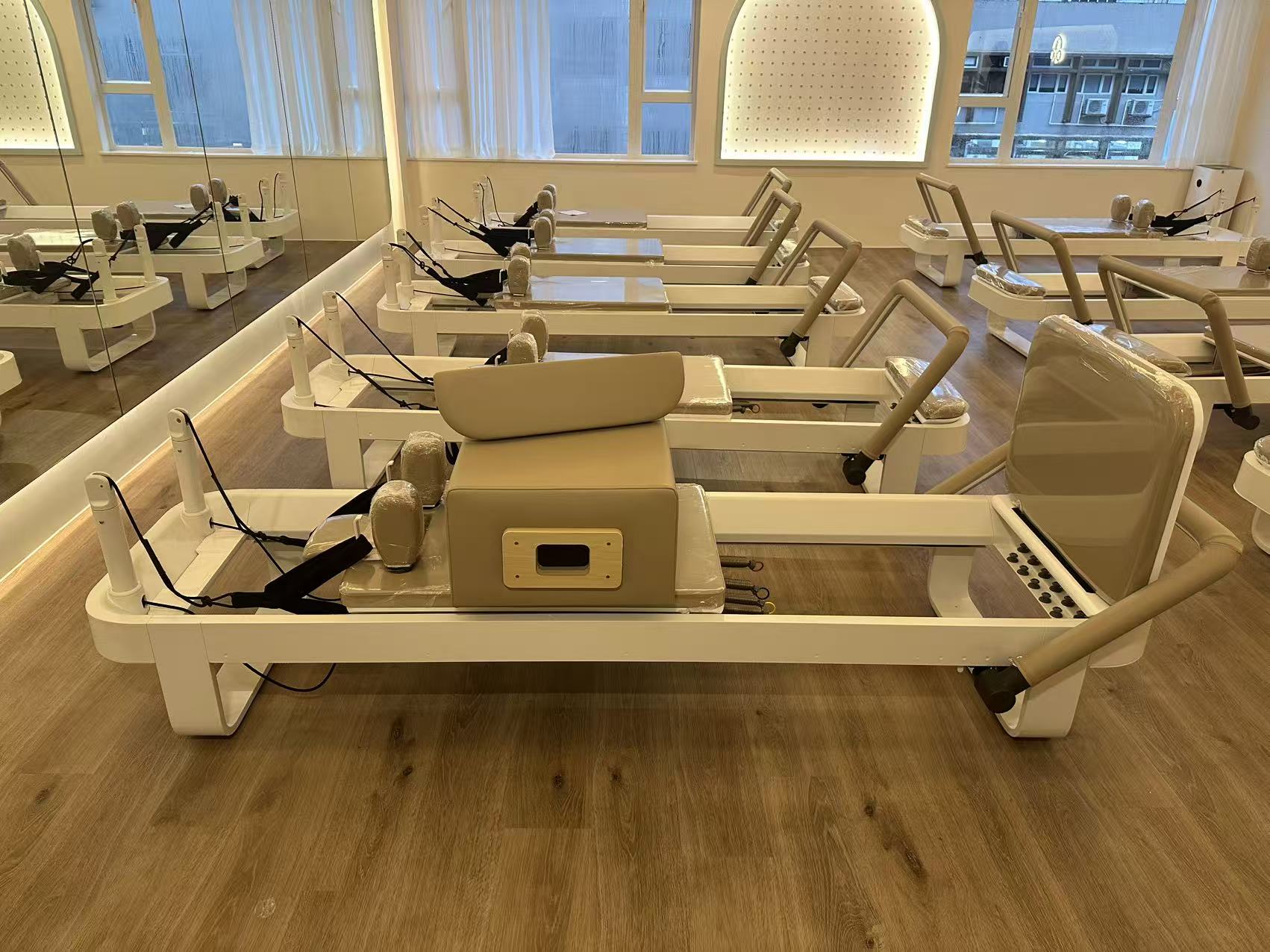
For Pilates studio owners, equipment investors, and fitness equipment distributors, commercial Pilates reformers are long-term fixed assets rather than one-time consumables. Many operators overlook resale value at the time of purchase, only to find that their used studio equipment depreciates rapidly and cannot be resold at a reasonable price during studio upgrades, store closures, or asset liquidation. Unlike home-use fitness gear, commercial Pilates reformers have a professional secondary market, and their residual value follows fixed industry rules. Understanding the core factors that affect resale value helps buyers make wiser purchasing decisions, maintain equipment properly, and maximize asset return in the long run. This article systematically analyzes the key determinants of used commercial Pilates reformer resale value for professional studios.
1. Commercial-Grade Frame Material and Structural Durability
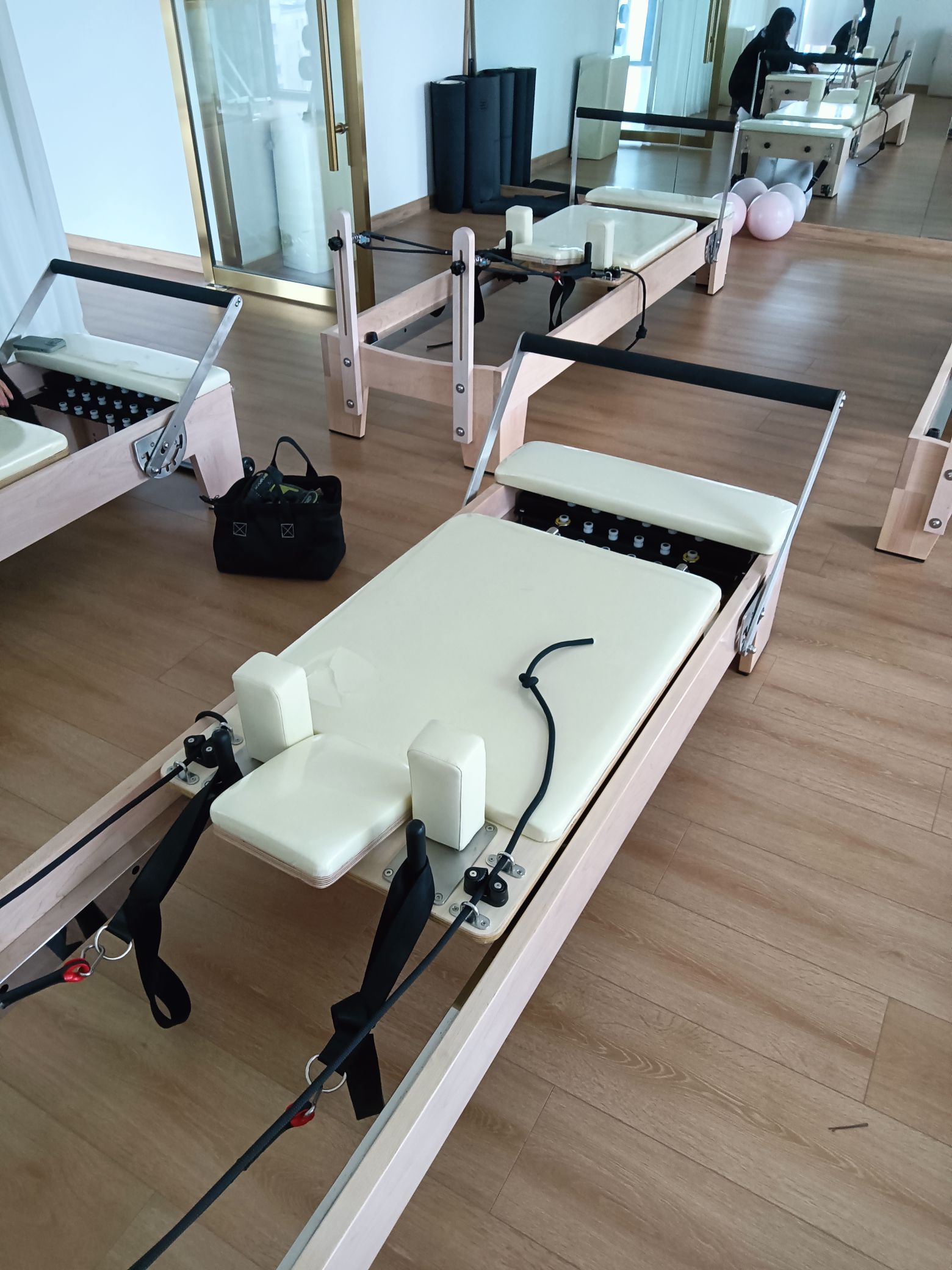
The frame material is the decisive factor for long-term resale value, far more important than superficial appearance. In the secondary Pilates equipment market, frame quality directly determines equipment safety, service life, and buyer willingness to pay.
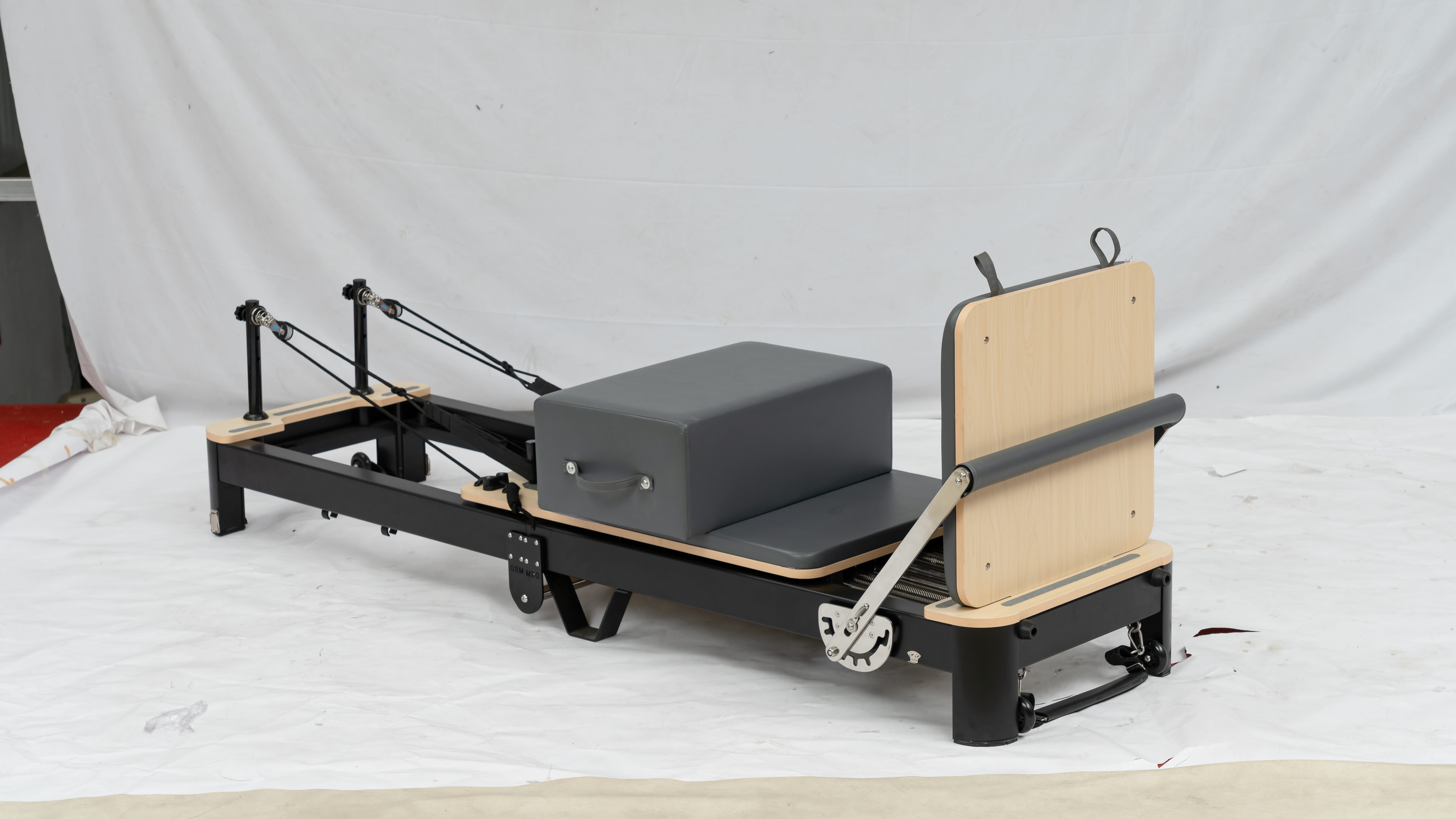
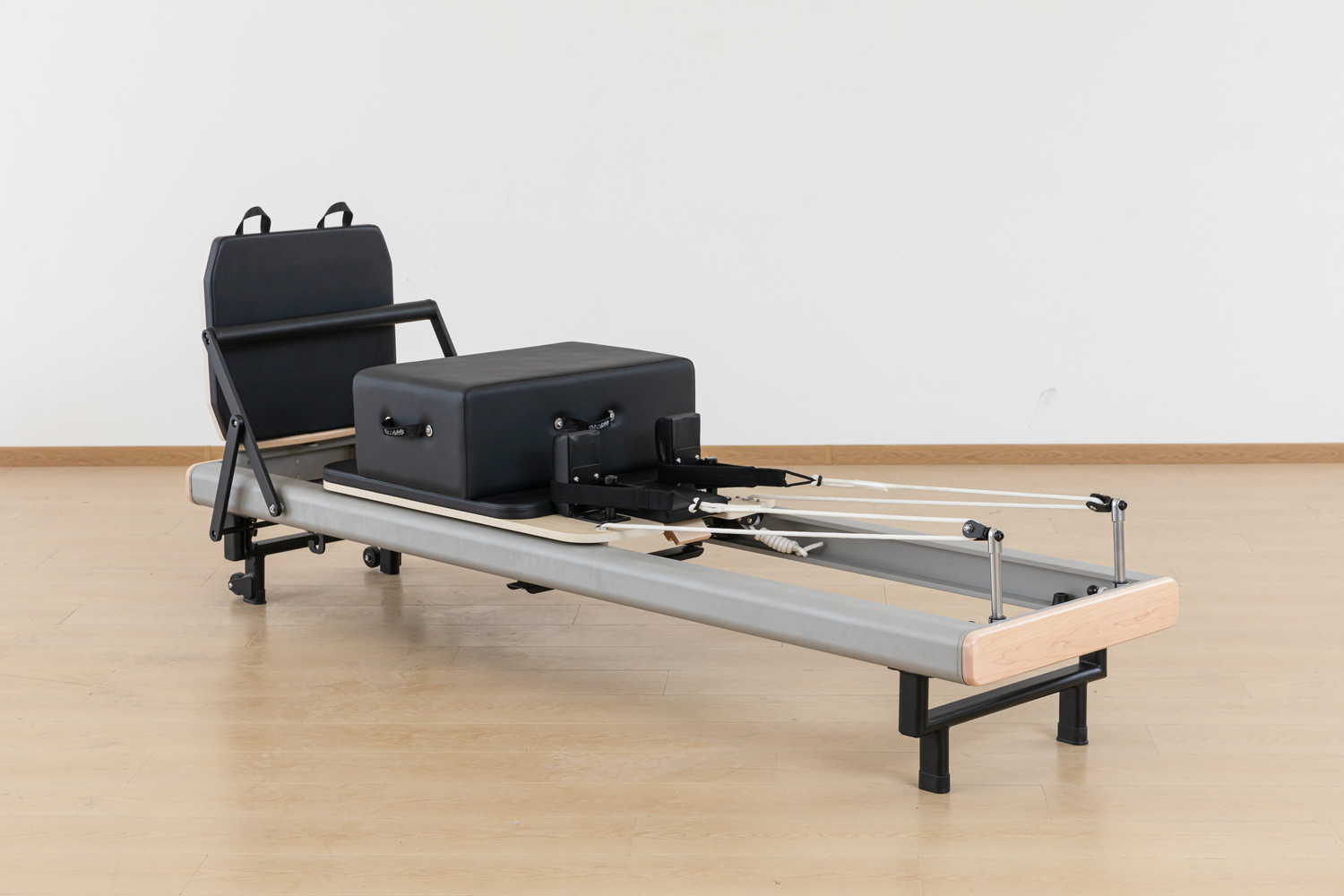
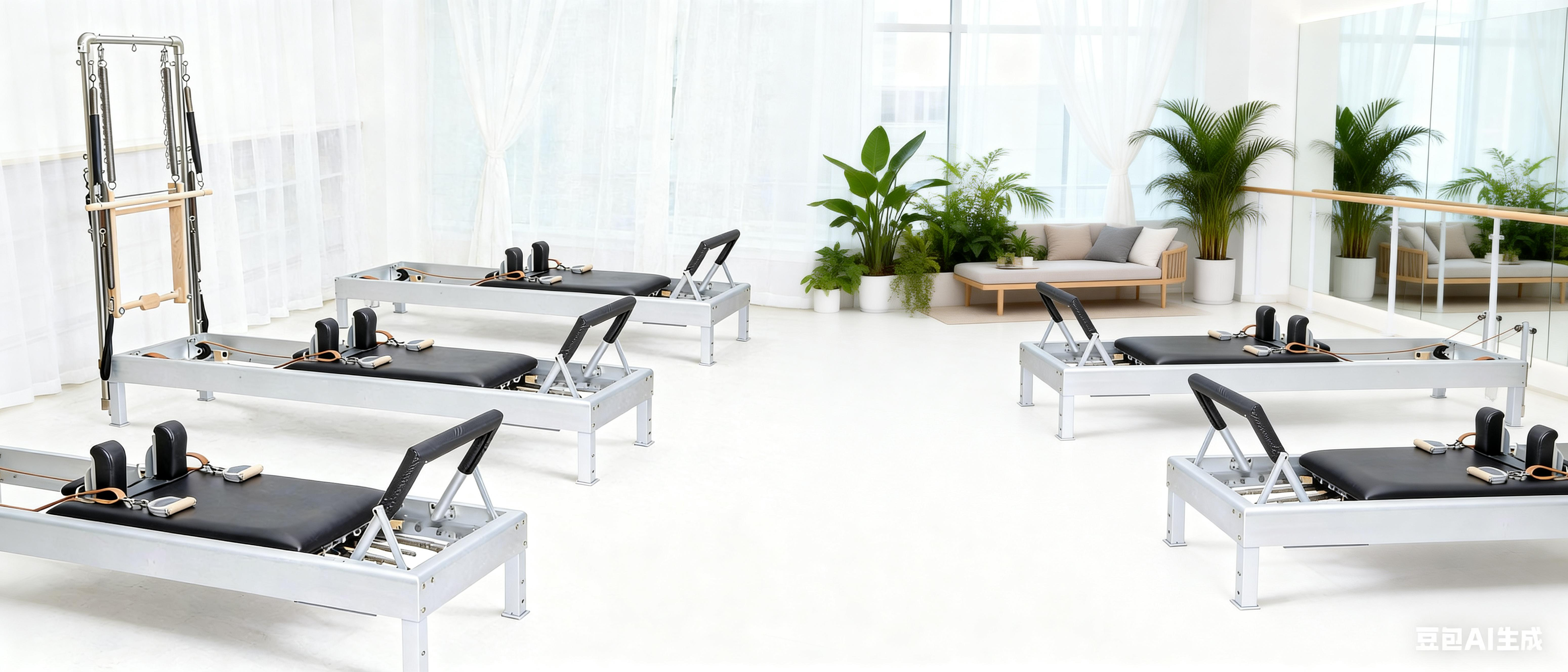
Thickened aluminum alloy frames maintain the highest residual value. Aluminum features natural rust resistance, moisture corrosion resistance, and no deformation or cracking risks. It adapts to high-humidity studio environments and long-term high-frequency commercial use. Even after 5–8 years of operation, the overall structure remains stable with no hidden safety hazards, making it the most favored option in the second-hand market.
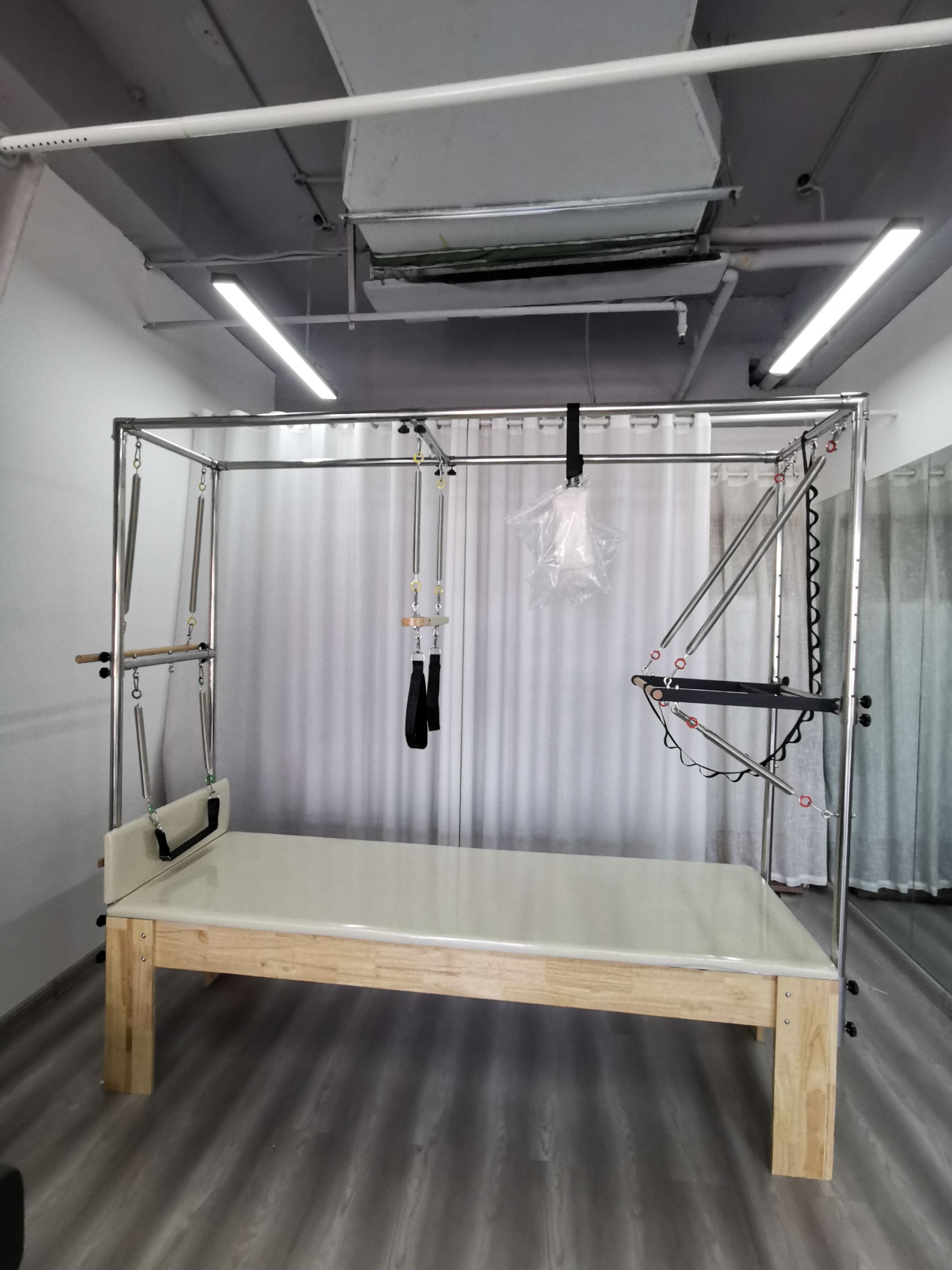
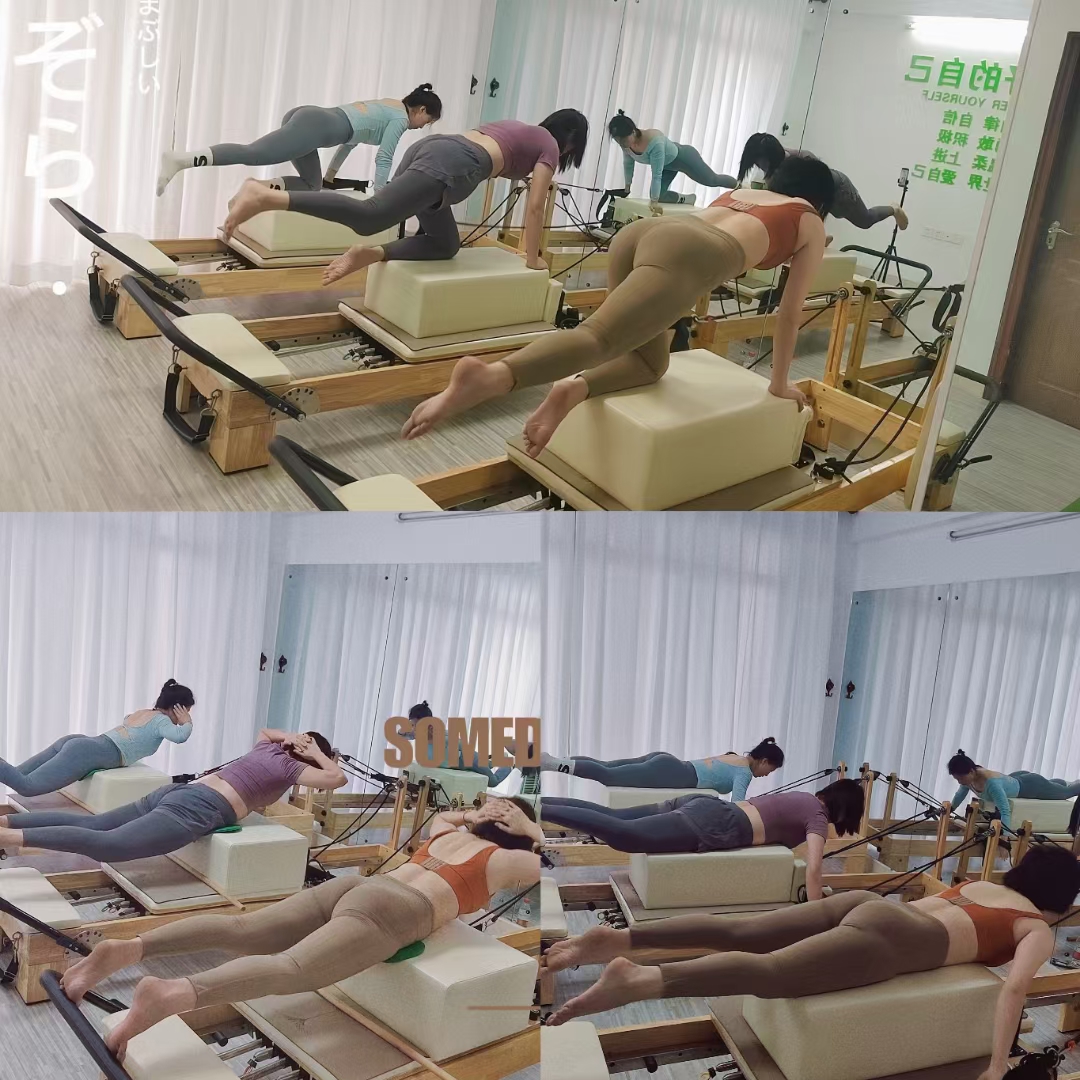
Solid wooden frames have good initial texture but unstable long-term residual value. Wood is susceptible to temperature and humidity changes, leading to shrinkage, deformation, loose joints, and even cracks after years of use. Humid studio environments accelerate wood aging and mildew, greatly reducing secondary transaction value. Low-density composite wood frames depreciate the fastest and are often difficult to resell after 3–5 years.
Professional second-hand buyers prioritize structural integrity over appearance. Reformers with stable frames, no welding cracks, and no shaking problems always retain premium pricing in resale transactions.
2. Actual Usage Intensity and Service Age
Official service age alone cannot define equipment value, butactual commercial usage intensity is the core evaluation standard. A 3-year-old reformer used in high-traffic group class studios wears far faster than a 5-year-old unit used in low-frequency private training studios.
Commercial-grade reformers undertaking 8–12 daily classes face continuous high-load stretching, friction, and vibration. Spring fatigue, rail wear, and bearing aging are unavoidable. Such high-usage equipment has low residual value and requires large-scale accessory replacement before resale. In contrast, low-frequency used machines with complete maintenance records maintain high market recognition.
Industry data shows that well-maintained commercial reformers within 3 years can retain 50%–70% of their original value, while units with high-frequency heavy use for more than 5 years usually depreciate to below 30% of the original price.
3. Core Wear Parts Condition (Springs, Pulleys, Carriage Rails)
Secondary market buyers focus most on wearable core components, as these parts determine subsequent maintenance costs and user experience. Complete and low-wear core systems greatly improve resale premium capability.
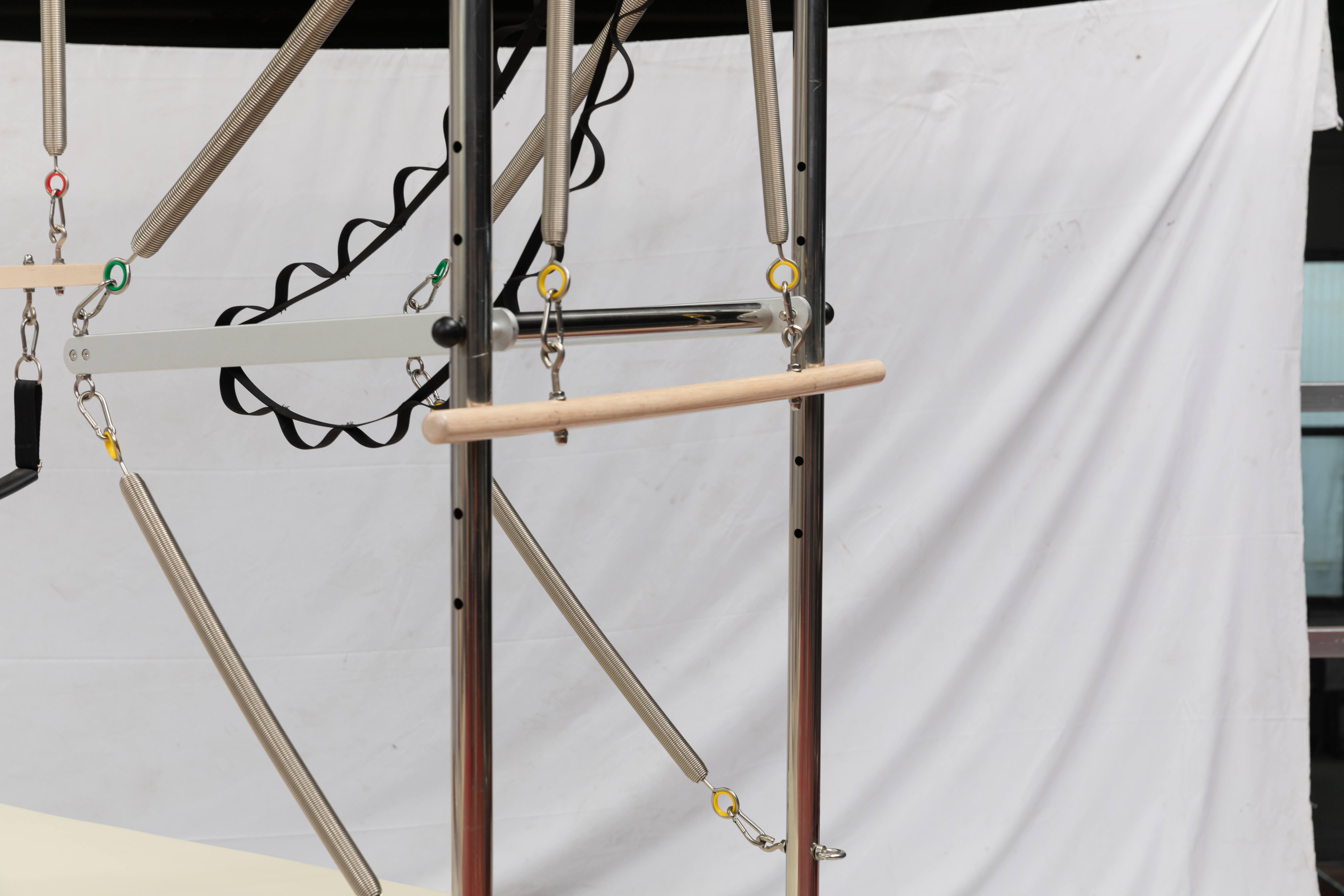
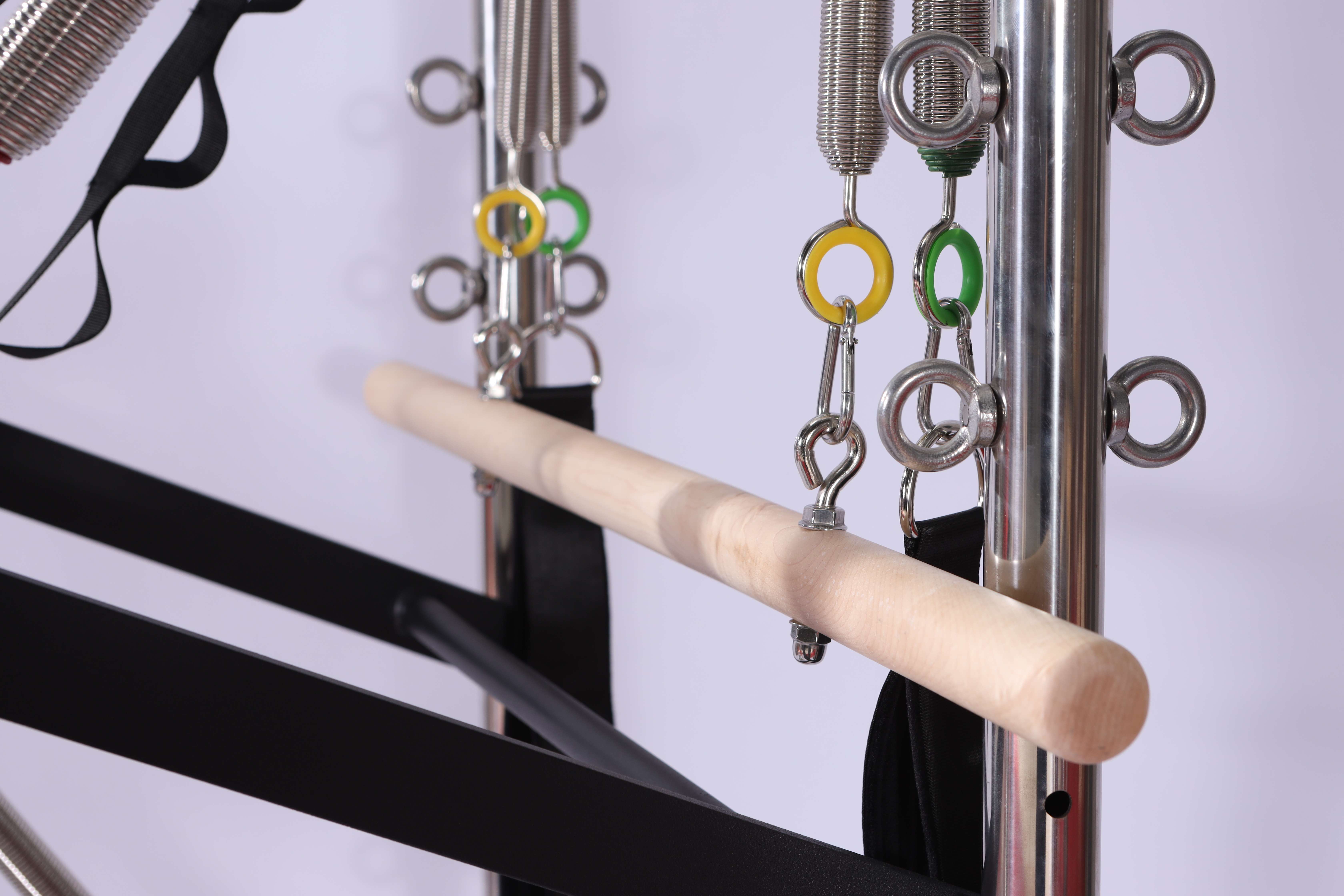
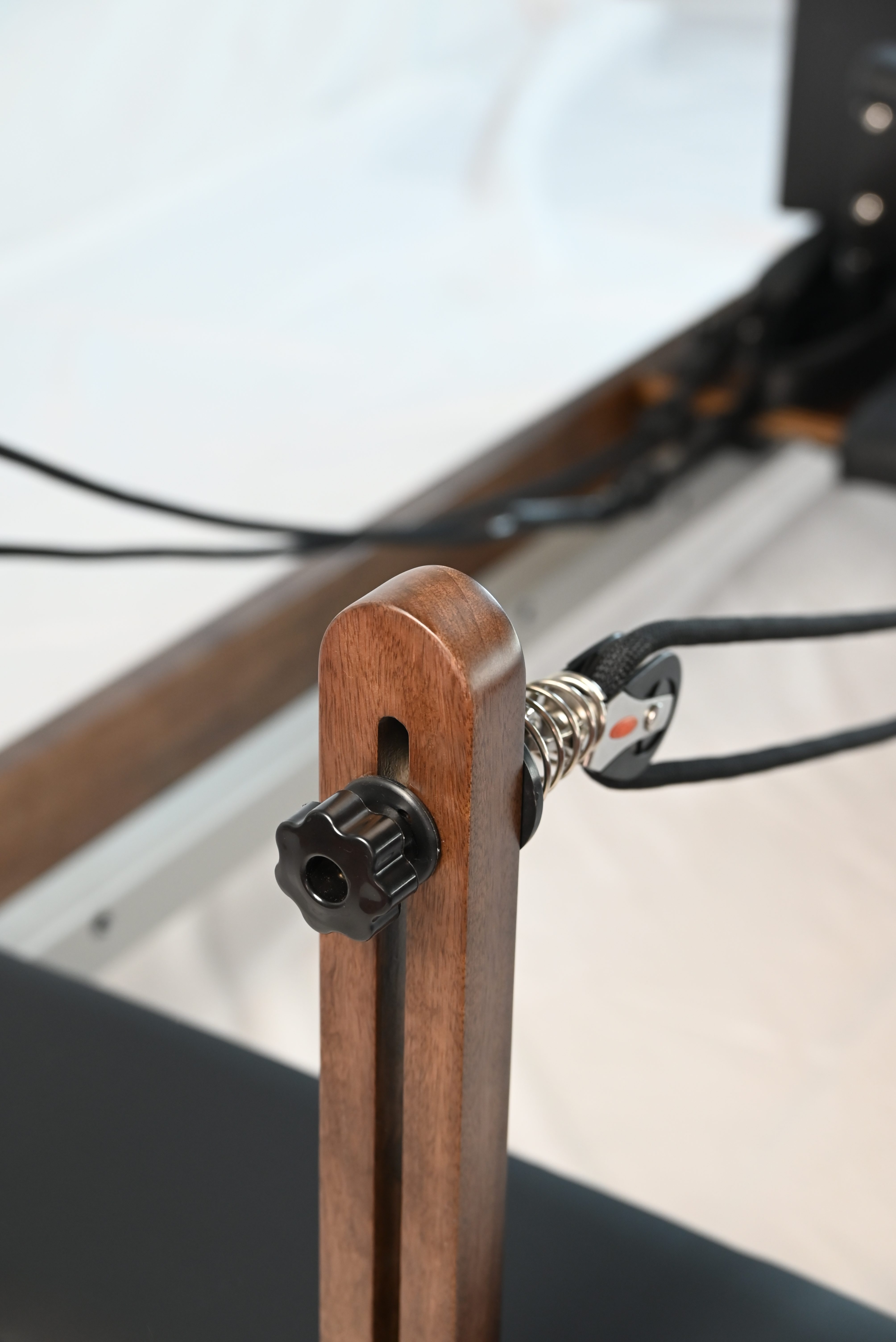
Silent spring systems are the highest-value wearable parts. Fatigued springs lose tension stability, produce noise, and cause uneven training resistance. Reformers retaining original tension, noise-free spring sets are far more competitive than those needing full spring replacement.
Precision rails and pulley bearings determine sliding fluency. Worn rails cause jitter and stuttering movement; aging bearings produce abnormal noise. Used equipment with smooth, jitter-free sliding performance can be sold at a premium, while severely worn rail systems will drastically reduce resale value.
Buyers always calculate subsequent replacement costs when purchasing second-hand reformers. Equipment with intact core wear parts saves buyers maintenance expenses, thus supporting higher transaction prices.
4. Upholstery Appearance and Material Grade
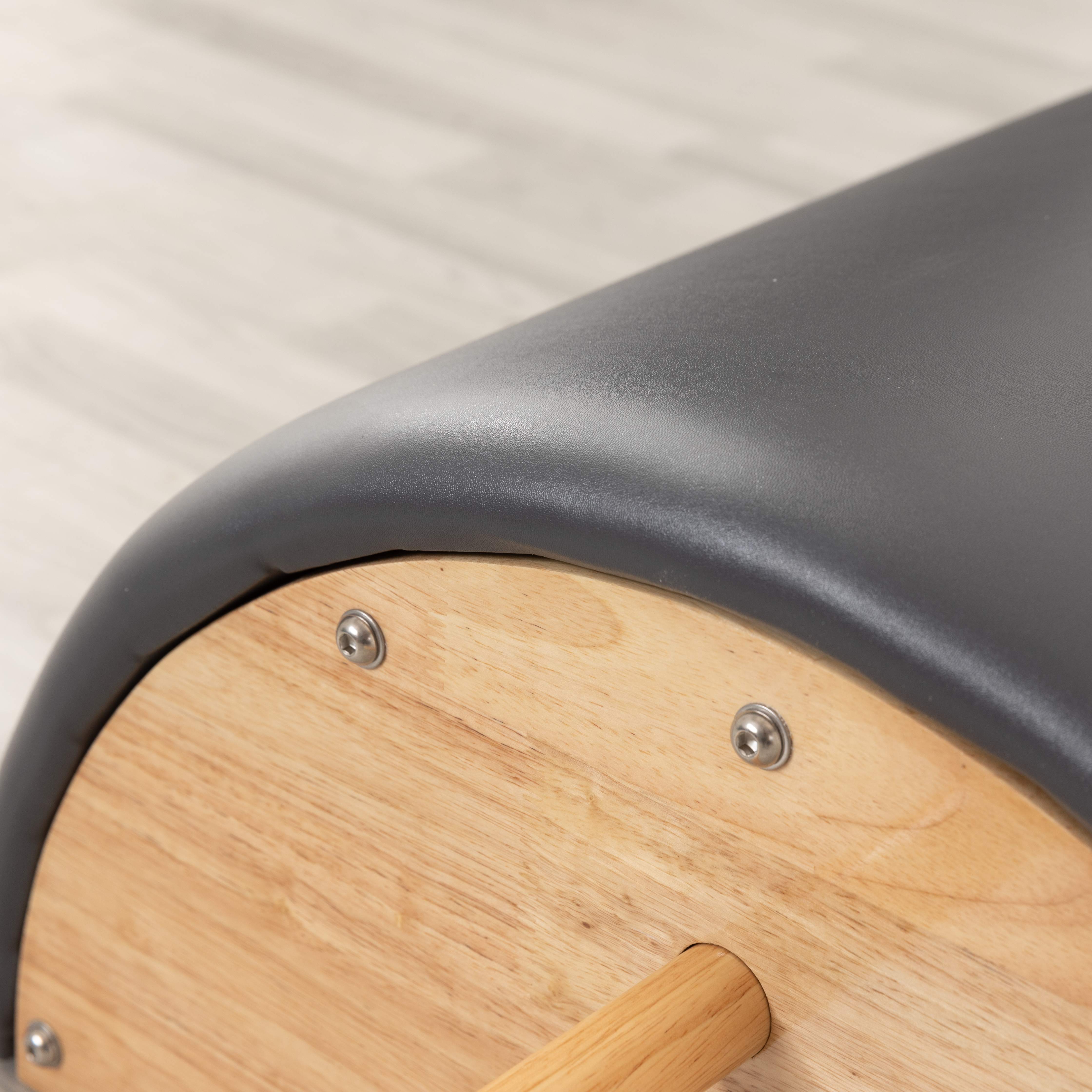
Although upholstery is a replaceable cosmetic part, surface condition directly affects first visual impression and resale transaction efficiency. Stained, cracked, peeling, or deformed PU padding greatly reduces equipment market value and extends sales cycles.
Commercial-grade hydrolysis-resistant PU upholstery maintains color stability and surface integrity for a long time. Even after years of use, it only has minor normal wear, which can be restored via simple cleaning and maintenance. In contrast, low-grade ordinary PU is prone to peeling, yellowing, and hardening, requiring full reupholstery before resale, which increases additional costs.
Custom popular color upholstery has higher resale appeal than outdated single-color styles, as it matches modern studio aesthetic trends and reduces buyers’ renovation costs.
5. Complete Accessories and Original Configuration
Complete original supporting accessories are an easily overlooked resale value booster. Standard commercial reformers matched with original headrests, foot bars, shoulder supports, hand straps, and limit buffers have higher overall integrity and market value.
Missing accessories, replaced generic parts, or mismatched non-original components will make buyers question equipment authenticity and structural compatibility, resulting in price suppression. Second-hand equipment with full original accessory sets and complete packaging details is easier to transact and maintain premium prices.
6. Compliance Certification and Qualification Completeness
For European and North American secondary markets, complete compliance qualifications are essential prerequisites for equipment resale. Used commercial reformers with valid CE certification, EN 957-14 test reports, and manufacturer compliance documents can be legally sold and put into studio operation.
Equipment without complete qualification files faces market circulation restrictions and cannot be used for commercial teaching, resulting in almost zero secondary value. Therefore, original factory certification documents and compliance records are important invisible assets for equipment resale.
7. Brand Reputation and After-Sales Support Continuity
Manufacturer brand strength and after-sales system continuity significantly affect residual value. Mature professional Pilates equipment brands with stable accessory supply and long-term technical support have higher equipment preservation rates.
If the manufacturer continues to produce matching accessories and provides lifelong after-sales maintenance, buyers can purchase with confidence, effectively supporting second-hand pricing. In contrast, equipment from small factories with discontinued production and broken accessory supply channels depreciates rapidly, as subsequent maintenance and part replacement become difficult.
8. Maintenance History and Daily Usage Environment
Scientific daily maintenance and superior usage environment are key to delaying equipment depreciation. Reformers used in constant-temperature, dry, well-ventilated studios have far better preservation status than those in humid, high-sweat environments.
Regular professional cleaning, spring tension calibration, rail lubrication, and loose screw inspection can effectively extend core component service life. Equipment with complete maintenance records can prove good usage status in secondary transactions, gaining higher buyer trust and premium pricing.
How to Maximize Resale Value of Your Studio Reformers
- Prioritize commercial aluminum alloy frames and high-grade hydrolysis-resistant PU during initial procurement for long-term value preservation
- Implement standardized daily maintenance: regular cleaning, rail lubrication, and wearable part inspection
- Replace aging springs and worn bearings in a timely manner to maintain stable equipment performance
- Keep complete original accessories and factory qualification documents
- Avoid long-term placement in humid, high-temperature environments to prevent frame corrosion and foam mildew
- Retain maintenance records to provide credible proof of equipment status during resale
Conclusion
The resale value of used commercial Pilates reformers is determined by frame material, usage intensity, core component condition, upholstery integrity, accessory completeness, compliance qualifications, brand support, and maintenance status. Age is not the sole judging standard; well-maintained high-spec commercial equipment can maintain excellent residual value even after years of use. For studio owners and distributors, selecting high-quality commercial-grade equipment and adhering to standardized maintenance is not only conducive to daily teaching operation but also realizes maximum asset appreciation and risk avoidance in subsequent equipment renewal and secondary transactions.