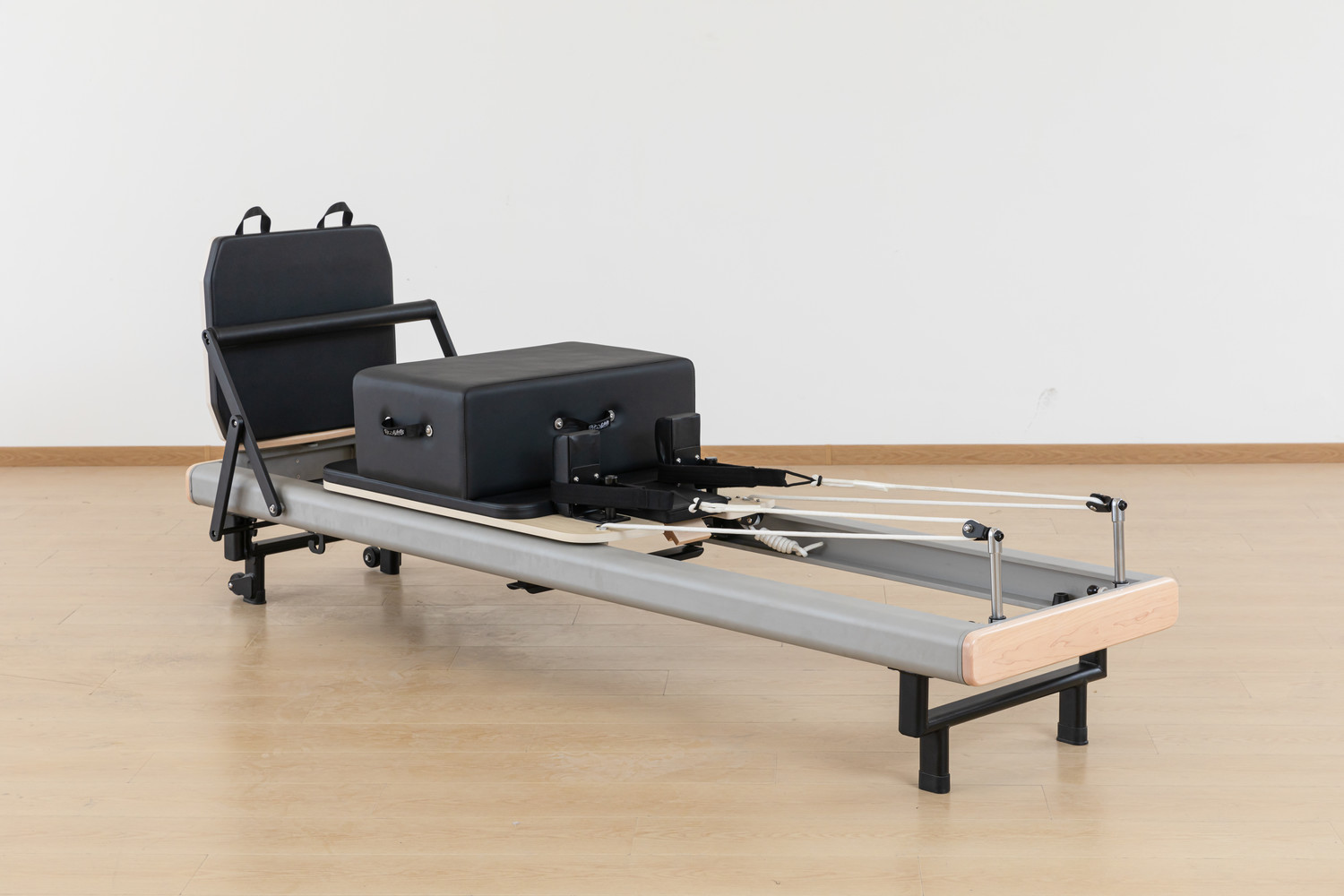
Pilates Studio Insurance Add-Ons: Does Your Policy Cover Spring Failure and Sliding Carriage Accidents?
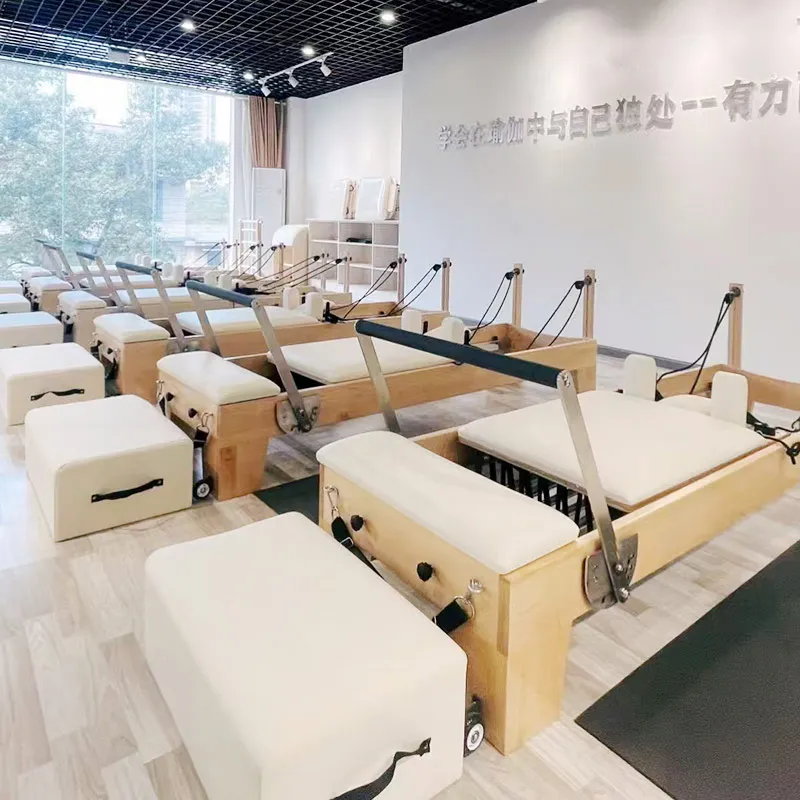
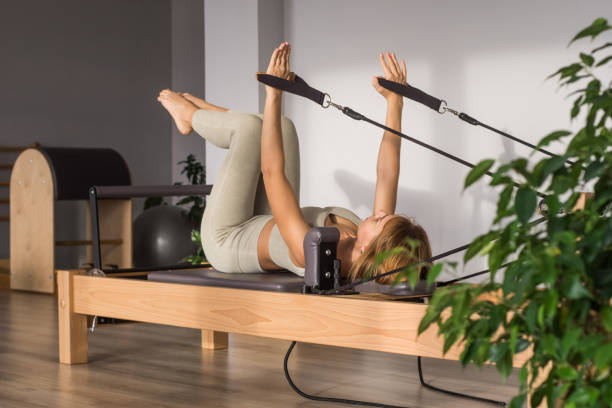
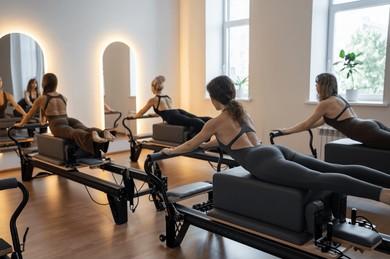
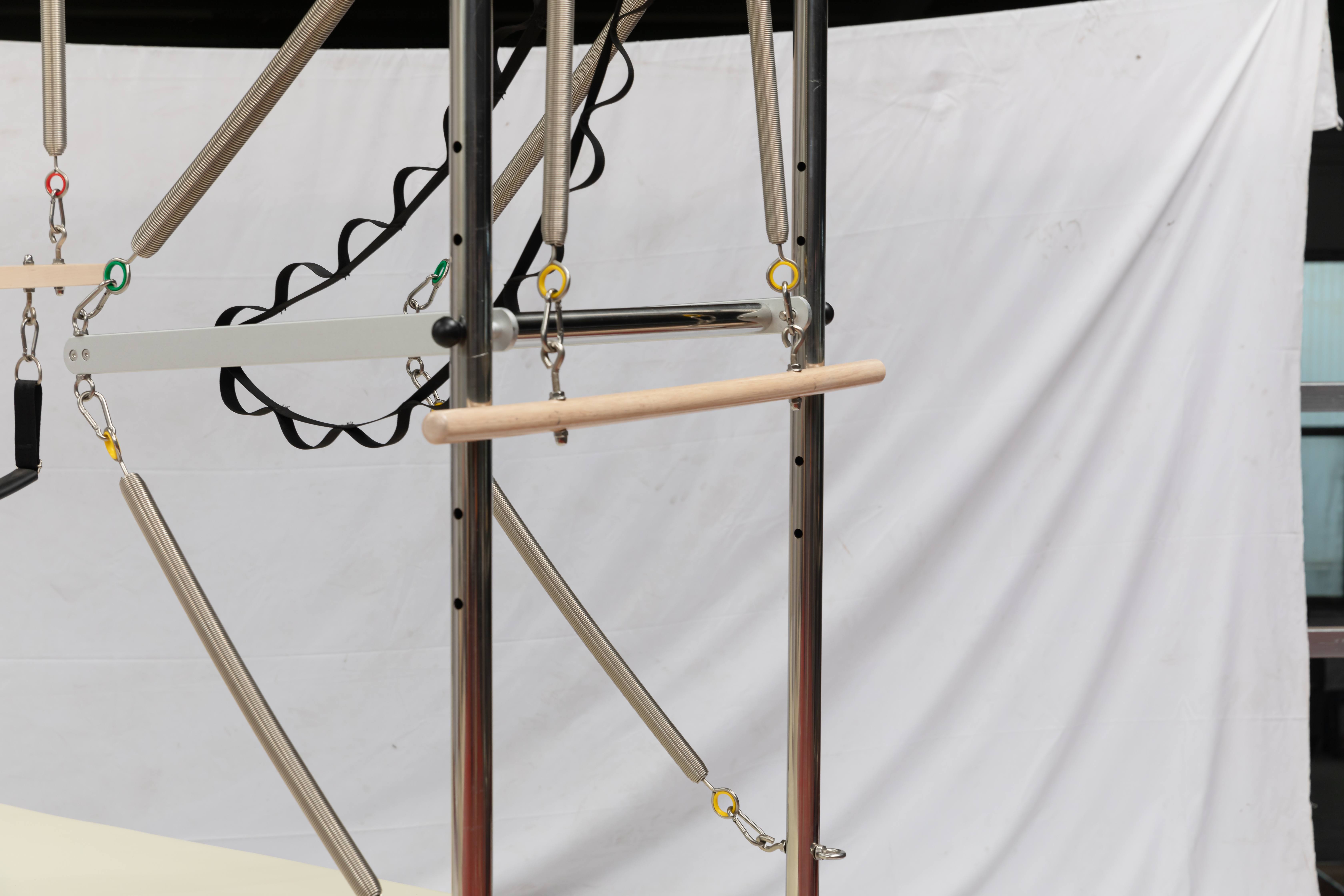
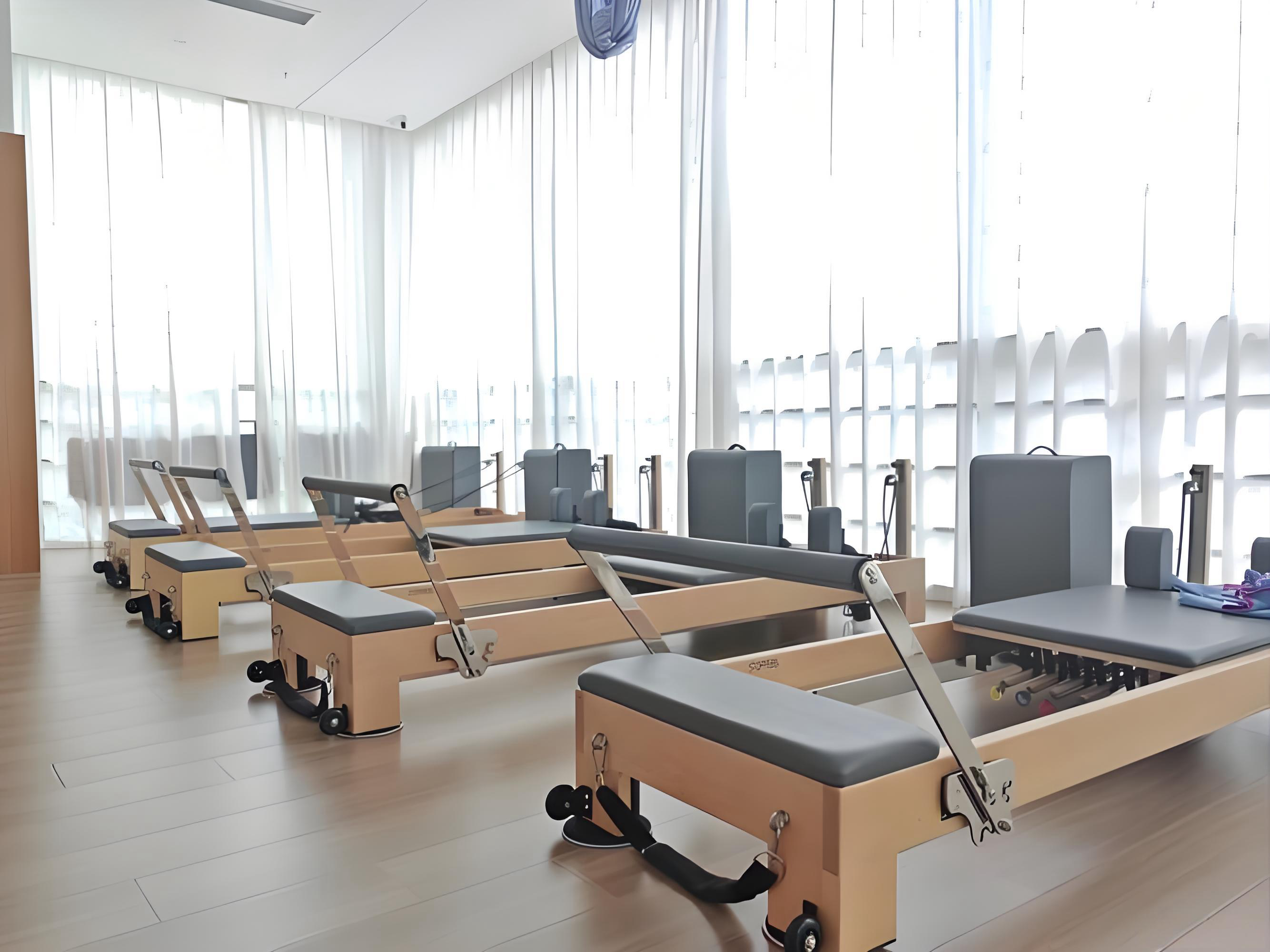
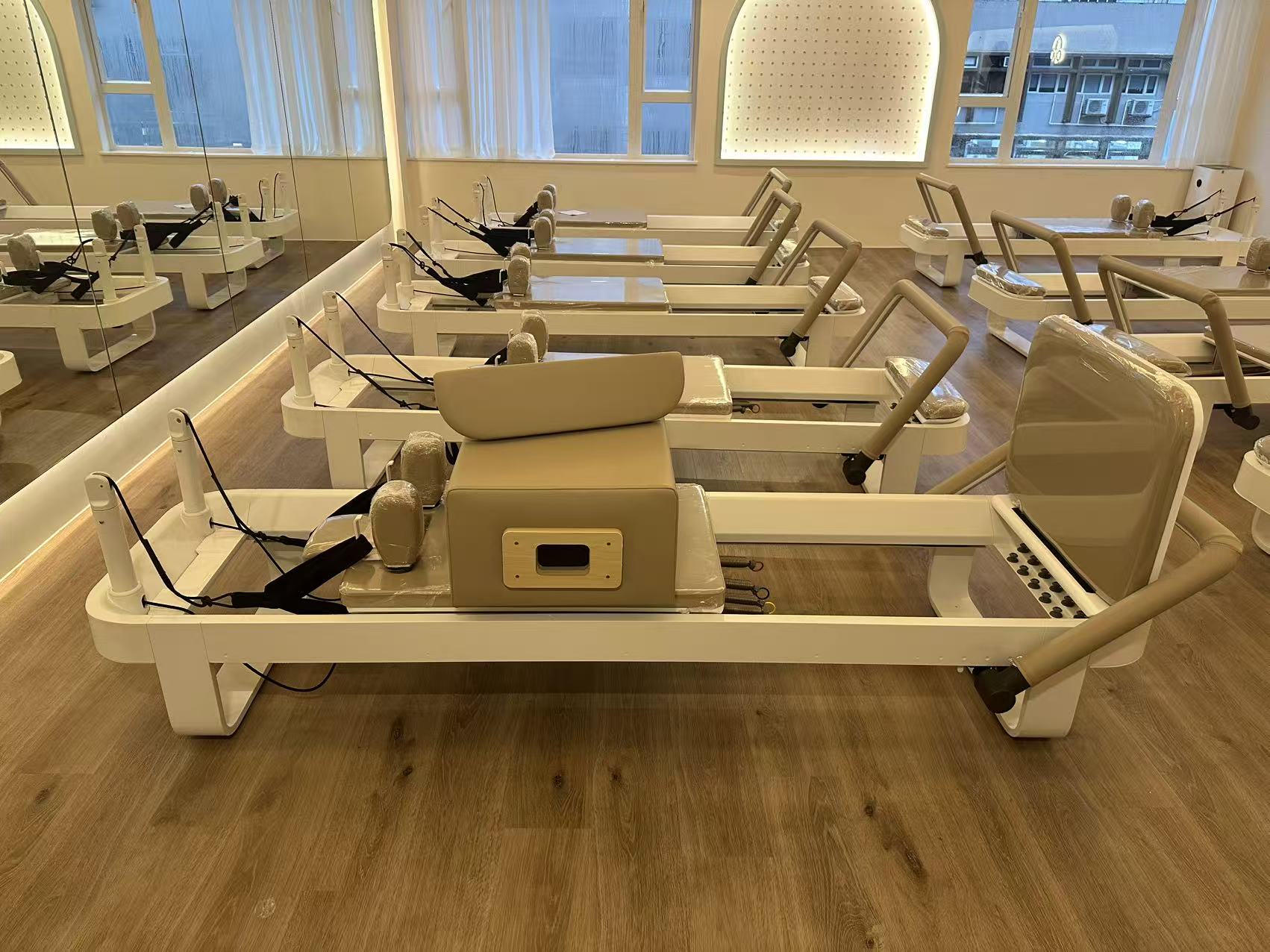
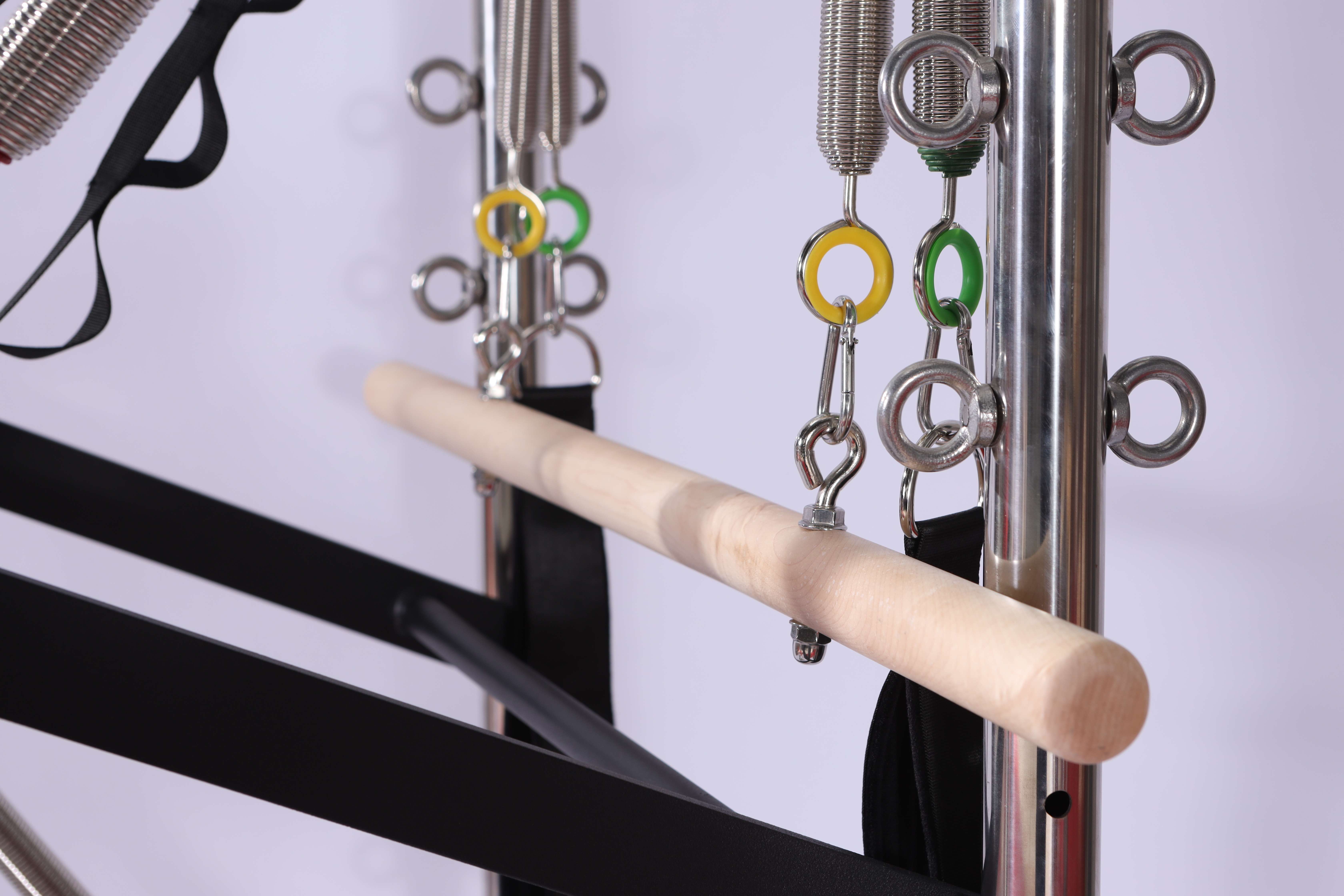
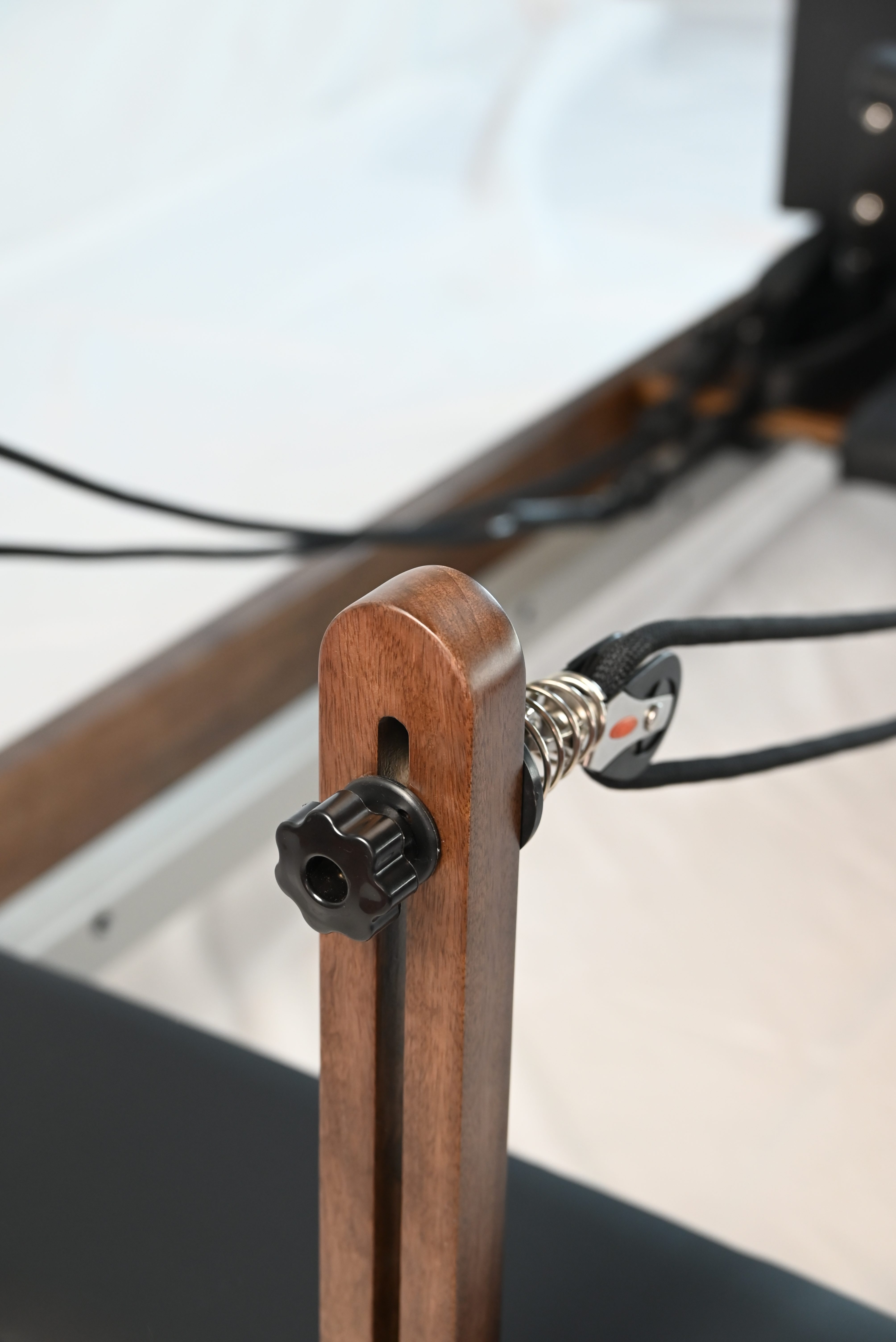
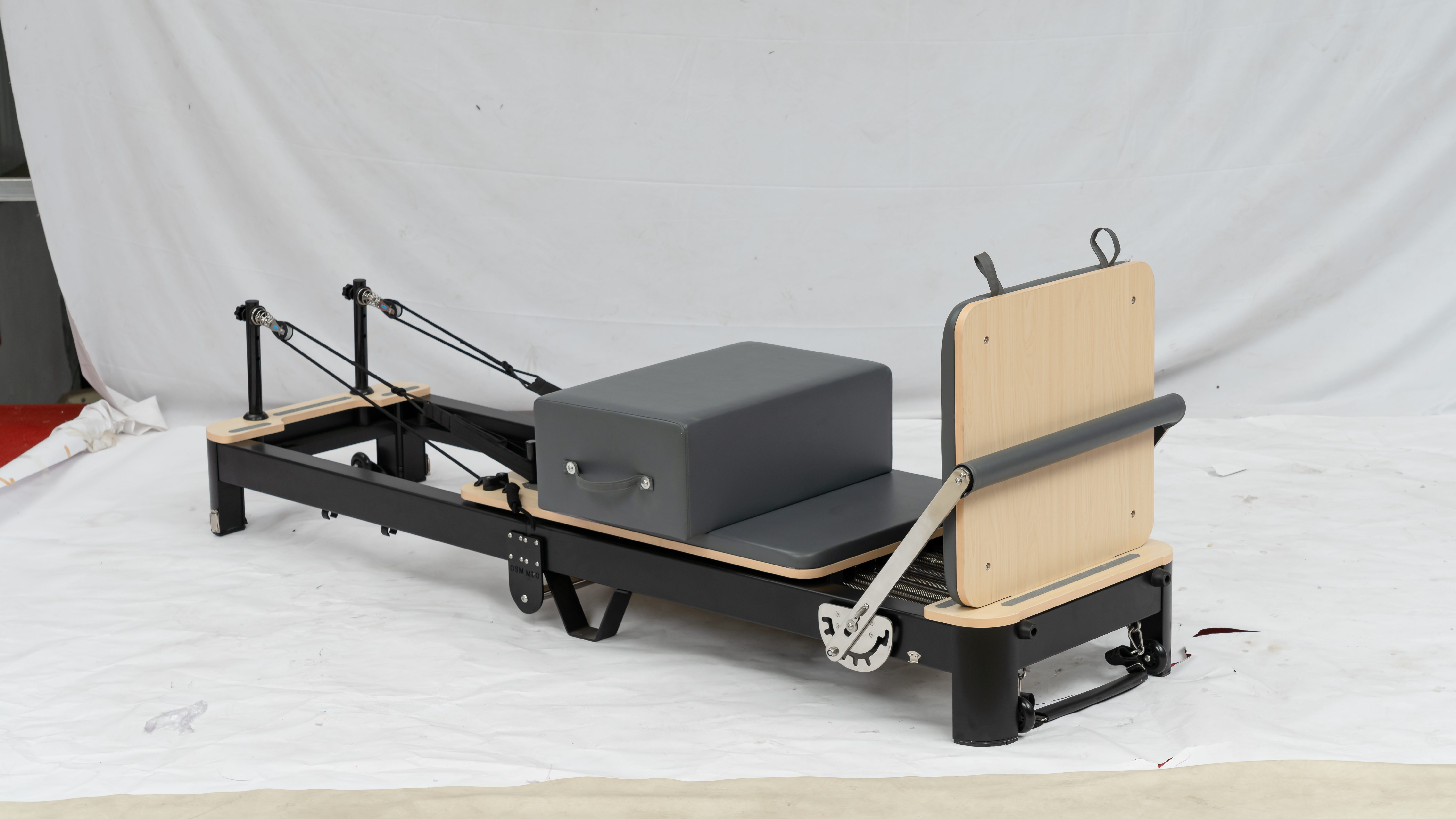
Pilates reformers, half towers, Cadillac tables and stability chairs rely on tension springs, rolling carriage tracks, hinges and locking latches to function. For boutique studios running back-to-back group classes and private rehab sessions, these mechanical components are the source of some of the most serious injury claims. Many studio owners assume their standard fitness insurance automatically covers accidents caused by snapped springs, runaway sliding carriages, failed latches or worn wheel bearings. The reality is far more nuanced: basic general liability policies often carry hidden exclusions for mechanical equipment failure, and specialized add-on endorsements are frequently required to close those coverage gaps. This article breaks down what is typically covered, what gets denied, which insurance add-ons studios should consider, and best practices for distributors and studio operators to reduce risk.
Why Spring and Carriage Failures Are Unique Liability Risks
Unlike slip-and-fall incidents on floors, spring and carriage accidents stem directly from equipment fatigue, poor maintenance, assembly defects or low-quality components. A sudden spring snap can strike a client’s face, torso or limbs. A loose, unlocked carriage may slide unexpectedly during transfers or exercise, throwing the user off balance and causing sprains, fractures, spinal injuries or head trauma. These incidents tend to produce expensive medical bills and strong liability claims, even when the instructor was following proper protocols.
Commercial studios face amplified risk because of high-frequency use. Springs stretch, bearings wear, track alignment drifts, and locking mechanisms degrade over months of daily classes. Insurance carriers distinguish between two root causes: manufacturer defects, and failures caused by neglect or missed maintenance. That distinction becomes the deciding factor in whether a claim gets approved or denied.
What a Standard Pilates Studio Policy Usually Covers (and What It Does Not)
A basic combined package of general liability and professional liability forms the foundation for most Pilates studios.
- General liability: Usually covers bodily injury claims when a client is hurt on your premises, but it is not a blanket guarantee for equipment breakdown. It may respond if the accident is classified as an unexpected, unforeseen incident, but carriers often push claims back to equipment warranties or manufacturer product liability when the failure comes from poor build quality.
- Professional liability: Covers allegations of instructor negligence, improper cueing or unsafe exercise programming. It does not cover mechanical failure of the reformer itself. If a spring breaks while the instructor is giving correct guidance, professional liability will not pick up the claim.
- Commercial property insurance: This covers your equipment for theft, fire or accidental damage. It pays to repair or replace a broken spring or damaged carriage, but it does not cover client injury from that failure.
Critical hidden exclusions to watch for:
- Claims arising from home-grade equipment used in commercial studio settings. Many insurers will deny coverage if you install domestic reformers for group classes.
- Failures that happen when routine maintenance is not documented. If you cannot show inspection logs, spring replacement records, and carriage lubrication checks, the insurer may deny the claim on the grounds of negligence.
- Known defects that you failed to fix. If you noticed squeaking tracks, wobbly wheels or stretched springs and kept using the machine, coverage is at risk.
- Equipment rented or leased without proper disclosure to your insurance provider.
Key Insurance Add-Ons for Spring and Carriage-Related Risks
If your core policy does not explicitly name mechanical Pilates apparatus failures, these optional endorsements are the most valuable add-ons for reformer-focused studios:
1. Equipment Breakdown Coverage
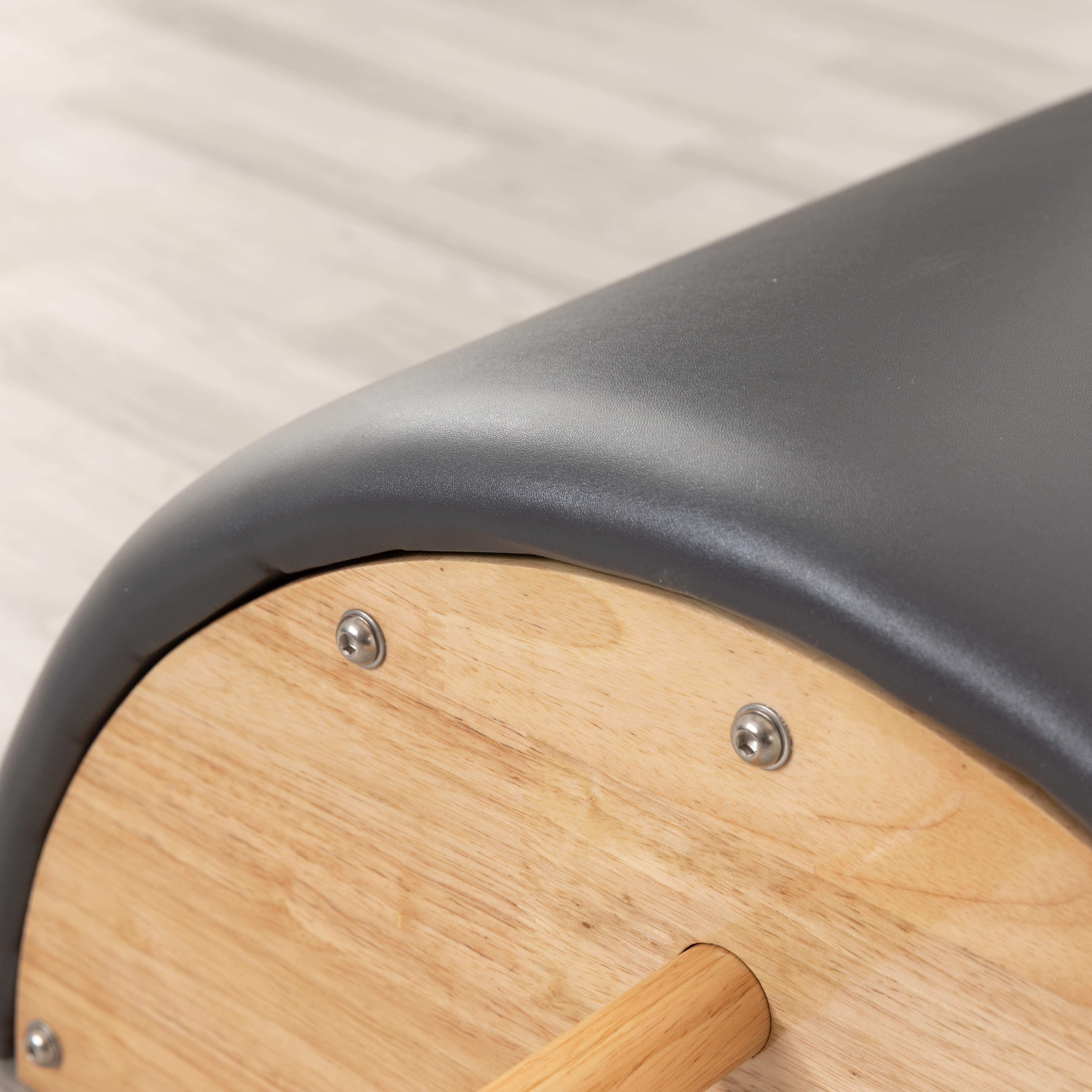
This add-on covers repair and replacement costs when mechanical parts fail: snapped springs, seized carriage bearings, broken latches and damaged rails. It is different from liability coverage. It pays you to fix your machine, not the injured client’s medical expenses. For studios with a large fleet of reformers, half towers and stability chairs, it reduces unexpected repair bills and downtime during peak booking seasons.
2. Equipment Rider / Mechanical Fitness Equipment Endorsement
Some general liability carriers offer a specific rider that extends bodily injury coverage to accidents caused by spring, carriage and hinge failure. This is the most important add-on for reformer studios. Without this rider, claims tied directly to mechanical failure may be excluded. Always ask your broker to confirm whether spring failure and uncontrolled carriage movement are specifically listed.
3. Product Liability Coverage
This is especially relevant for distributors who sell Pilates equipment to studios, or studios that resell accessories, spare springs and pre-owned apparatus. Product liability covers claims when a design or manufacturing defect causes injury after the equipment leaves your control. If a faulty spring from your batch breaks and injures a studio client, this coverage protects you where standard studio liability stops.
4. Participant Accident Medical Coverage
This secondary medical add-on covers client medical bills regardless of fault, lowering the chance that an injured client will file a lawsuit against your studio. It works well for rehab-focused Pilates spaces where clients are often managing pre-existing injuries and may have more complex medical needs.
5. Business Interruption Insurance
When a carriage or spring failure causes a serious injury, authorities or your insurer may require you to pull multiple reformers out of service while investigations happen. Business interruption covers lost revenue while your studio is partially or fully shut down for inspections and repairs.
What to Check When You Review Your Policy
Use this checklist when speaking with your insurance broker:
✅ Does the policy or endorsement explicitly mention spring-loaded Pilates apparatus, reformer carriages, towers and Wunda chairs?
✅ Is coverage valid for commercial high-frequency use, or only for low-volume private training?
✅ What documentation will the insurer require if a spring snaps or a carriage slides?
✅ Are there requirements for scheduled equipment inspections, maintenance logs and spring replacement schedules?
✅ Does coverage apply to refurbished or used Pilates equipment? Many policies impose strict limits on second-hand apparatus.
✅ Is there a subrogation clause? If the failure comes from a manufacturing defect, the insurer may pursue the factory or distributor after paying the claim.
Risk Management Steps That Protect Both Studios and Distributors
Insurance is not a substitute for consistent maintenance, and strong record-keeping makes claims far easier to resolve.
For studio owners:
- Keep a central equipment log: record inspection dates, spring replacement cycles, carriage lubrication, wheel bearing checks and any unusual noise or wobble. Follow the manufacturer’s recommended replacement timeline for springs, usually 12 months for high-frequency studio use.
- Remove machines from service immediately once you spot stretched springs, cracked hooks, loose rails, sticking carriages or failed locking latches.
- Train instructors to test carriage locks and spring connections before every class.
- Avoid mixing home-grade reformers into your commercial class lineup.
For distributors supplying studios:
- Provide clients with clear maintenance guides, spring replacement schedules and safety checklists alongside every bulk order.
- Disclose warranty limits: clarify whether the warranty covers manufacturing defects only, and that it does not replace insurance for injury liability.
- Share test records, cyclic fatigue reports and safety certification such as EN 957 for European buyers. This helps your studio customers prove the equipment was safe when delivered if a claim arises later.
- Offer spare spring and bearing kits as part of after-sales packages, so studios can maintain equipment on schedule and reduce failure risk.
Final Takeaway ##Final Takeaway
A standard Pilates liability policy is not automatically built to cover spring failure and runaway carriage accidents. Whether a claim is approved depends on policy wording, endorsements, maintenance records and whether the equipment is rated for commercial use. Studio owners should ask their broker for a dedicated mechanical fitness equipment rider and separate equipment breakdown coverage. Distributors, meanwhile, should educate their studio buyers on these insurance gaps, alongside maintenance best practices.
When you combine proper insurance add-ons, scheduled inspection workflows, commercial-grade equipment and clear spare-parts support, you create a safer environment for clients and reduce the costly legal and financial fallout that comes from mechanical Pilates equipment accidents.