Best Pilates Machines for Home Use in 2026: A Complete Buying Guide
A home reformer is no longer a luxury reserved for studio owners. With more manufacturers entering the home market and technology improving, 2025 offers a wider range of options than ever—from budget-friendly foldable models to studio-grade machines with integrated screens. But the abundance of choice makes the decision harder, not easier. This guide cuts through the marketing language and focuses on what actually matters when buying a Pilates machine for your home.
Start With Space, Not Specs
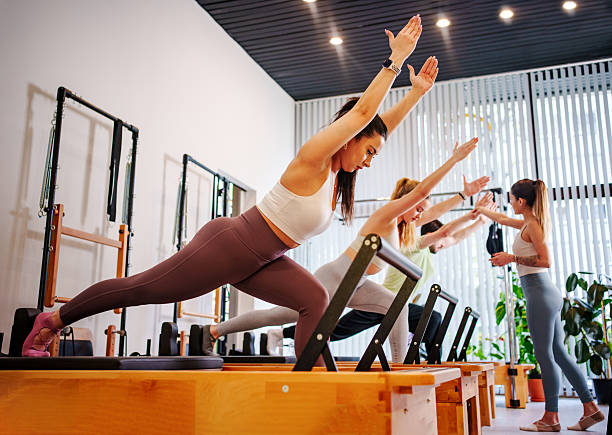
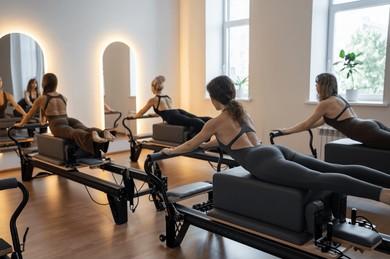
Before comparing spring counts or frame materials, measure your room. A typical full-size home reformer is roughly 90 to 100 inches long and 24 to 28 inches wide. That is the machine's footprint, not the space you need to train. A practical guideline is to plan for about 10 feet by 4 feet of clear space to get on and off the carriage and extend limbs through full ranges of motion . Ceiling height matters too: around 8 feet is comfortable for most users, but if you plan standing or jumpboard work, verify clearance before committing.
Tape out the footprint on your floor before you buy. Seeing the space marked in place removes guesswork and prevents the frustration of a machine that technically fits but leaves no room to move.
Resistance Systems: Springs, Cords, and Smart Tech
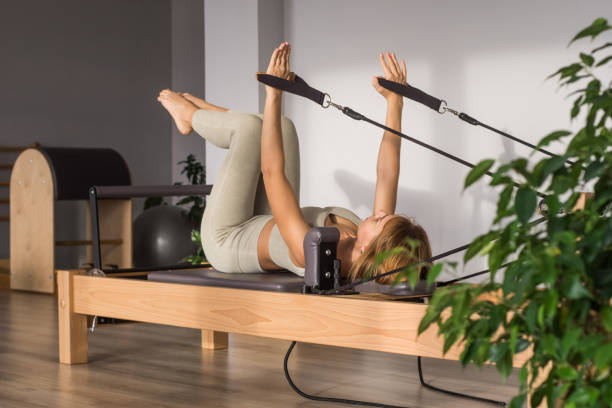
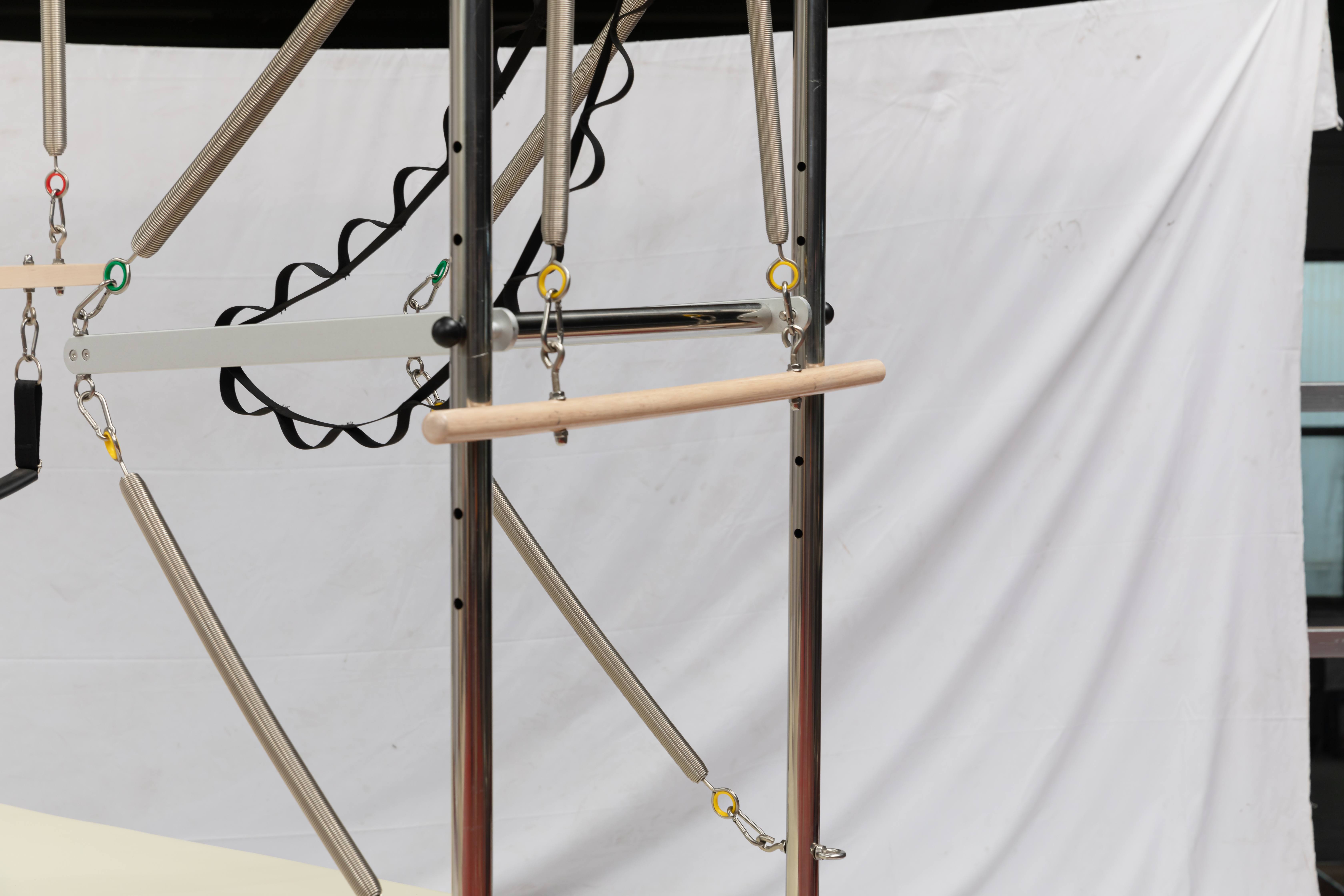
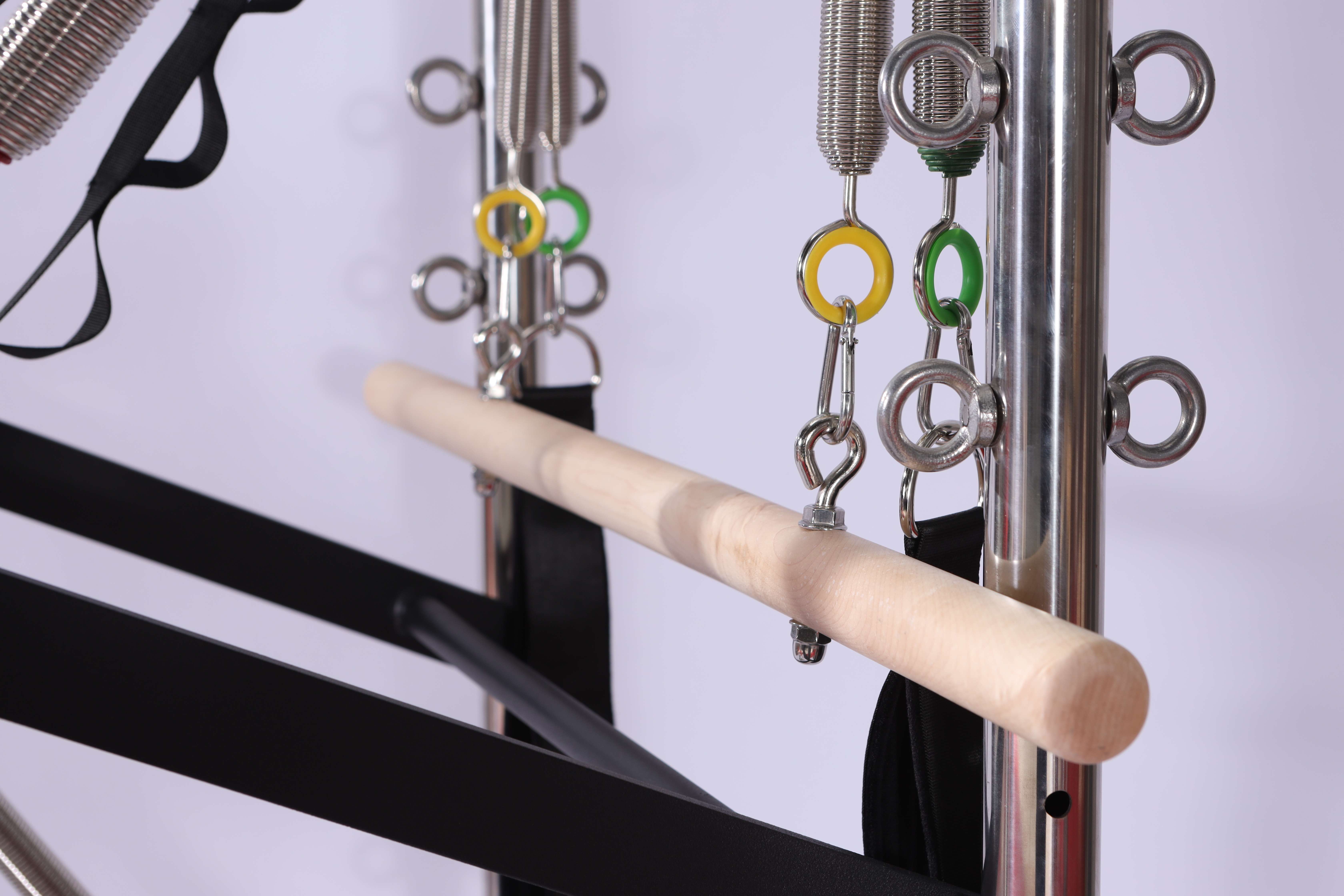
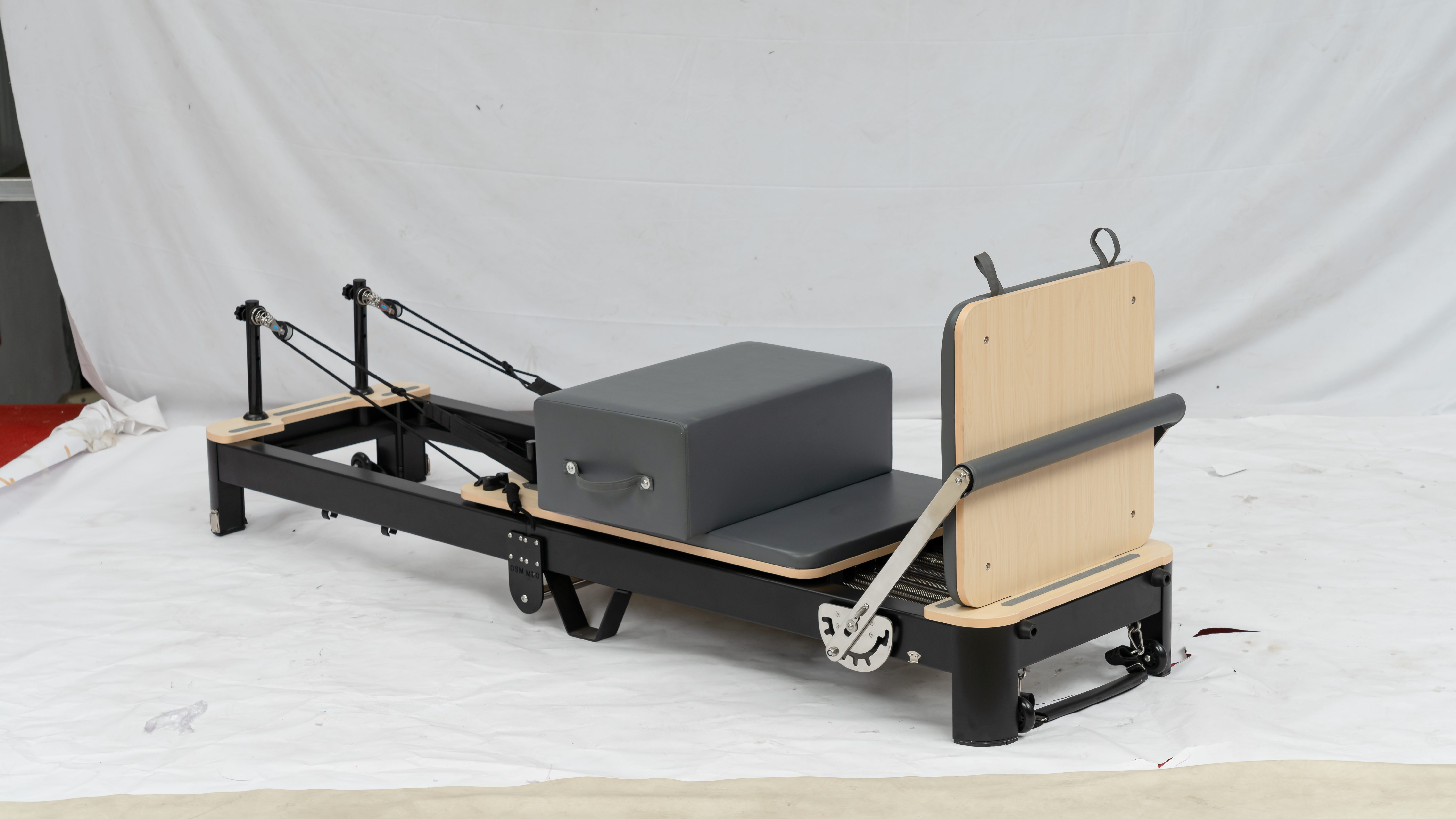
Traditional reformers use springs, typically four to six, with color-coded tensions that allow you to adjust resistance by combining different springs . This system remains the standard for good reason: it is reliable, serviceable, and gives experienced users fine control over resistance.
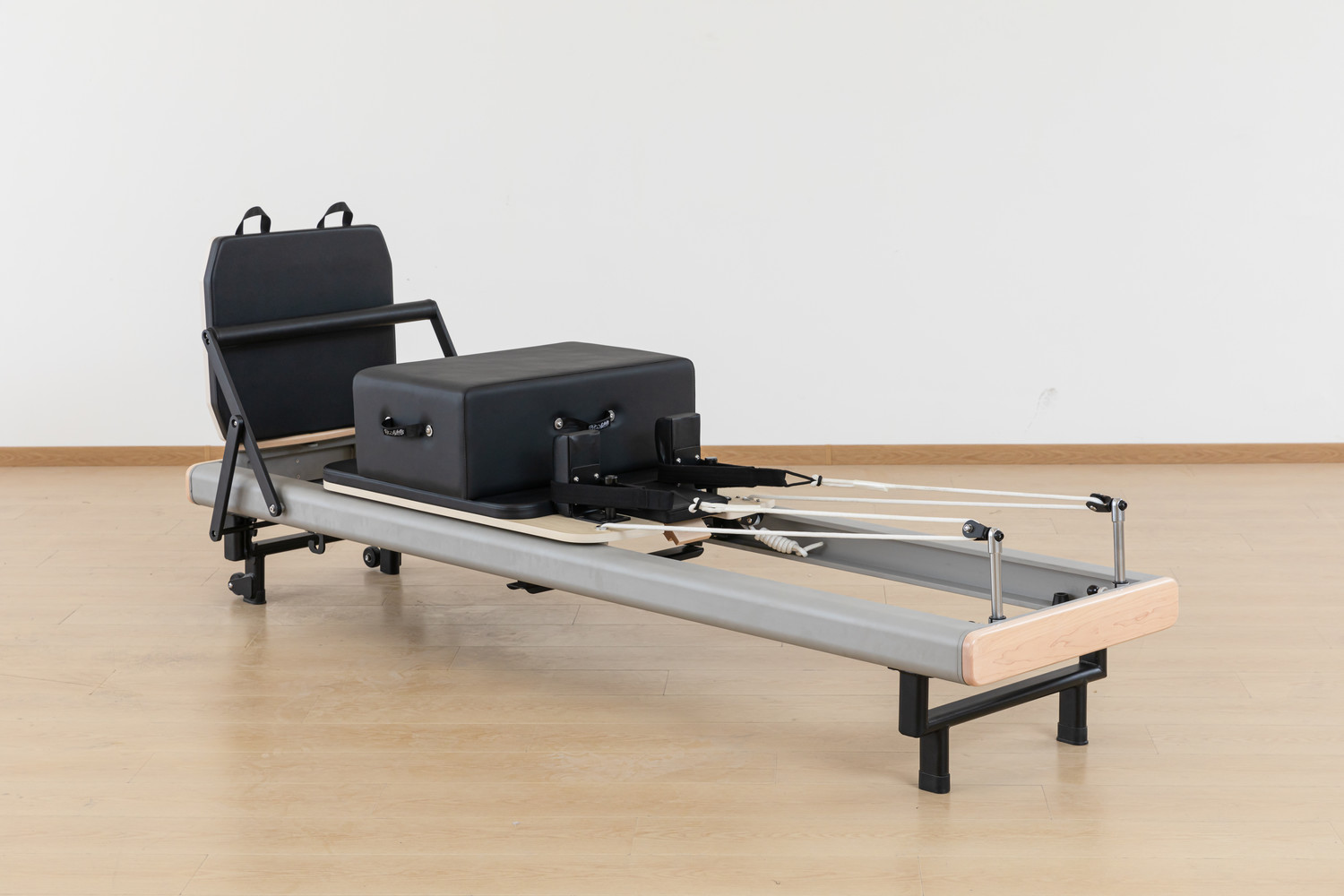
Some budget models, like the Stamina AeroPilates line, use cords instead of springs. Cords work, but they offer less precision: a typical AeroPilates model comes with four cords of the same resistance, meaning you have fewer options for exercises where one cord is too light and two are too heavy . For a beginner on a tight budget, this is an acceptable trade-off. For anyone planning to progress, springs are worth the additional investment.
A newer category has emerged: connected reformers with push-button resistance. NordicTrack's Ultra 1, released in 2025, eliminates manual spring changes entirely. Users adjust resistance through buttons offering seven levels from 22 to 99 pounds, and the machine's Smart Spine system encloses the springs for safety—a meaningful feature for households with children or pets . The Ultra 1 also includes a 24-inch touchscreen with access to over 75 Pilates-specific classes through iFIT . This is a different product category from a traditional reformer, and buyers should decide whether guided content and seamless resistance changes are worth the premium.
Frame and Carriage Quality
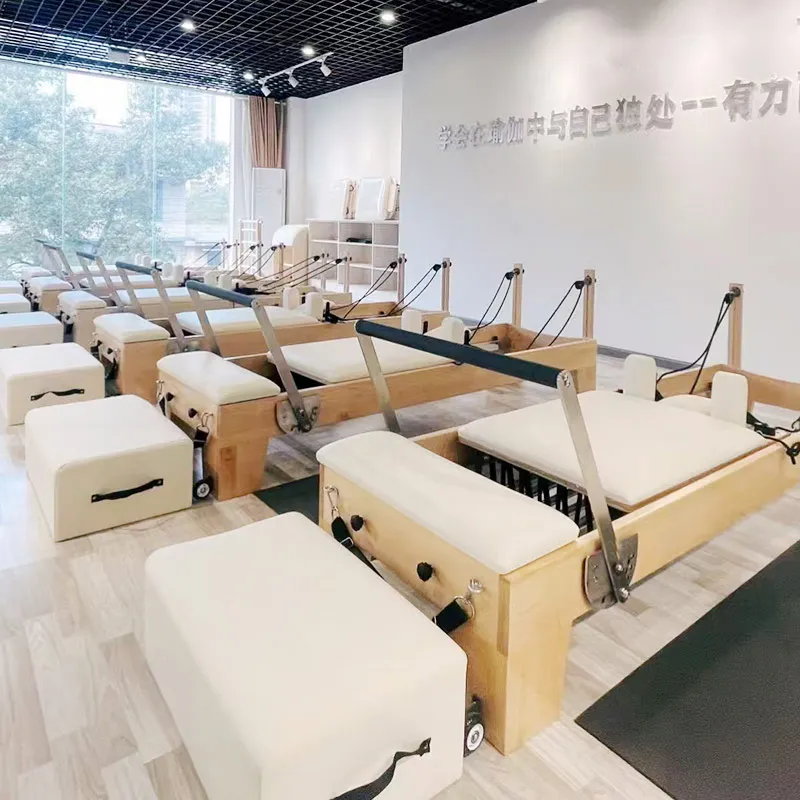
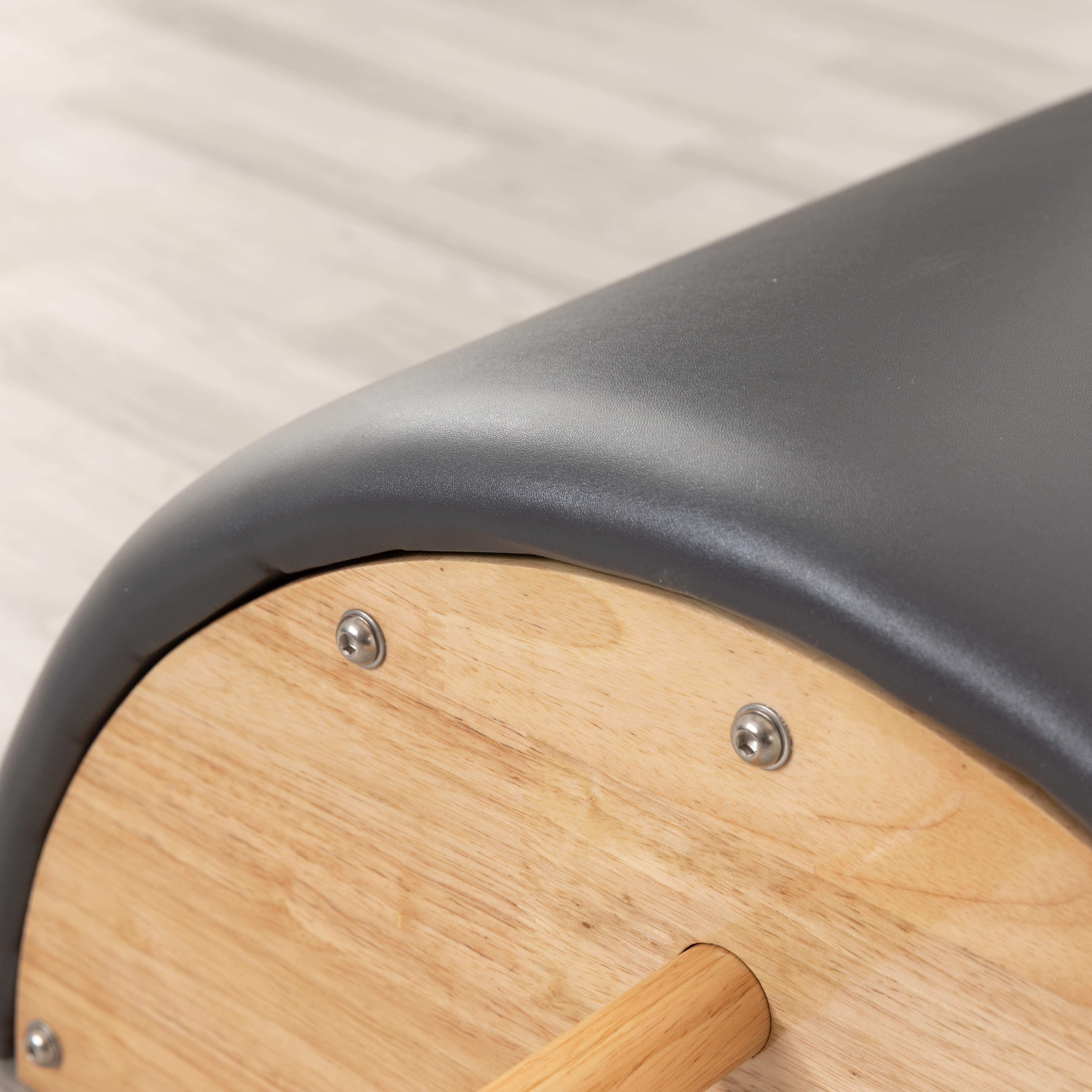
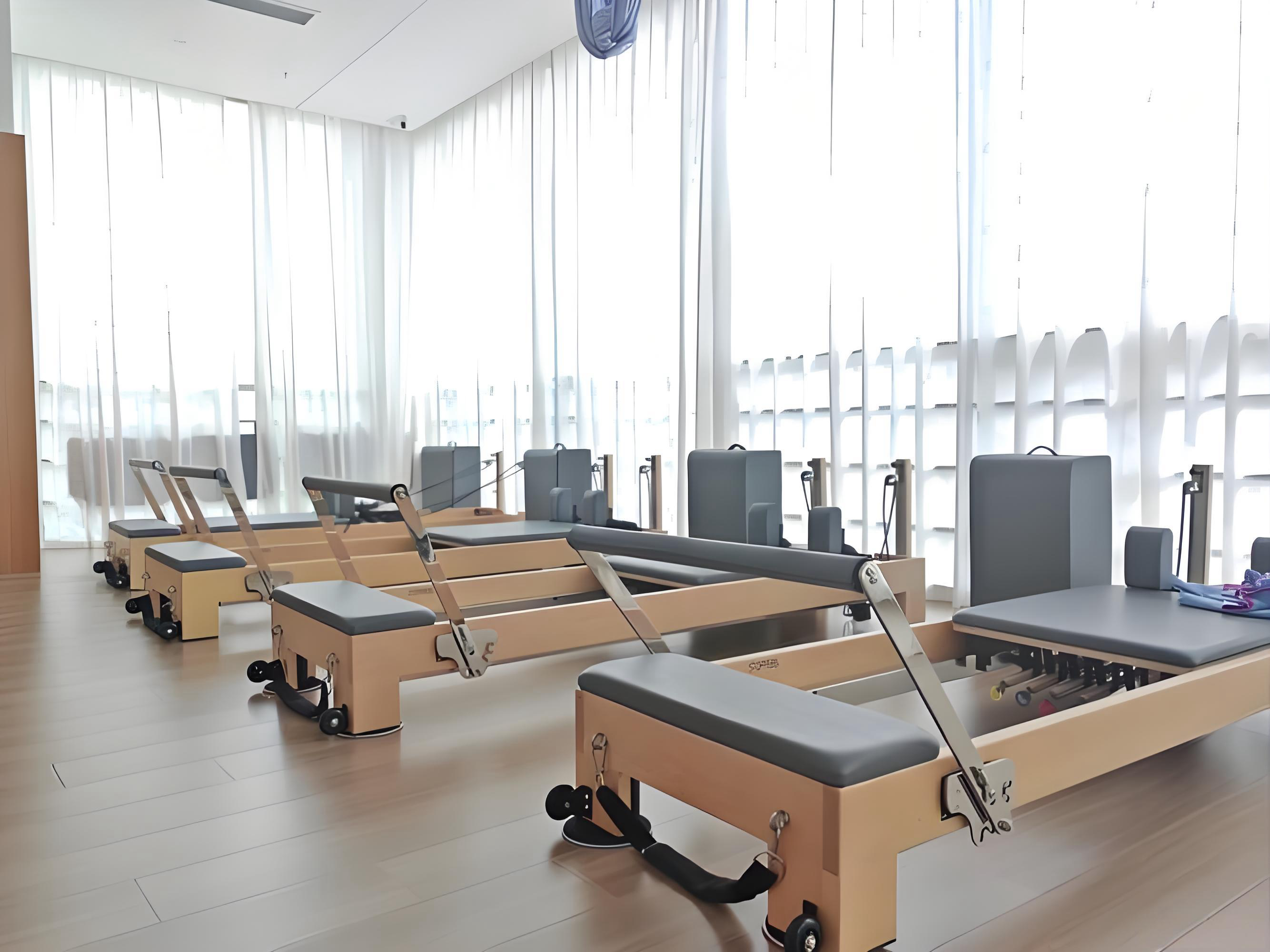
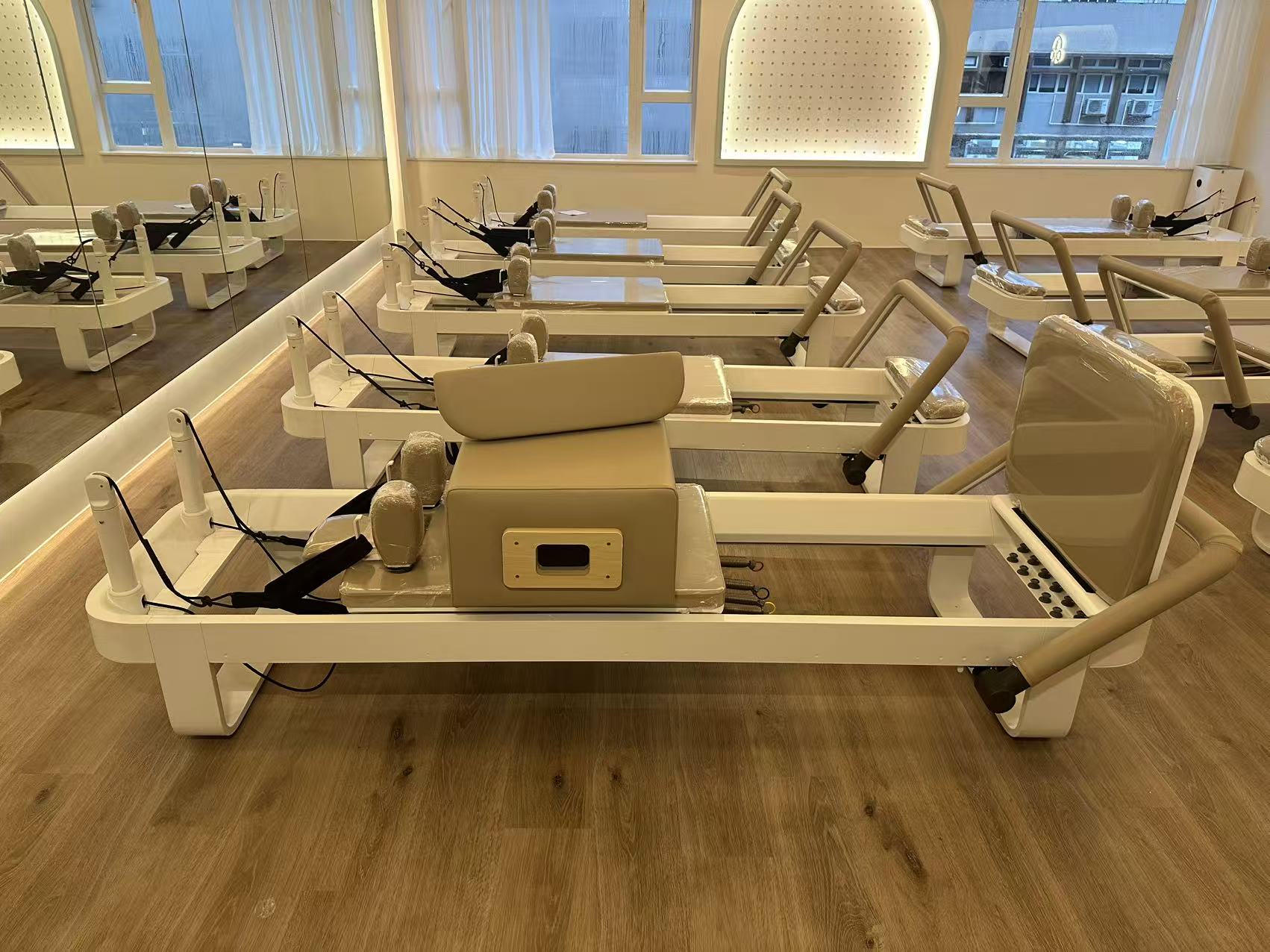
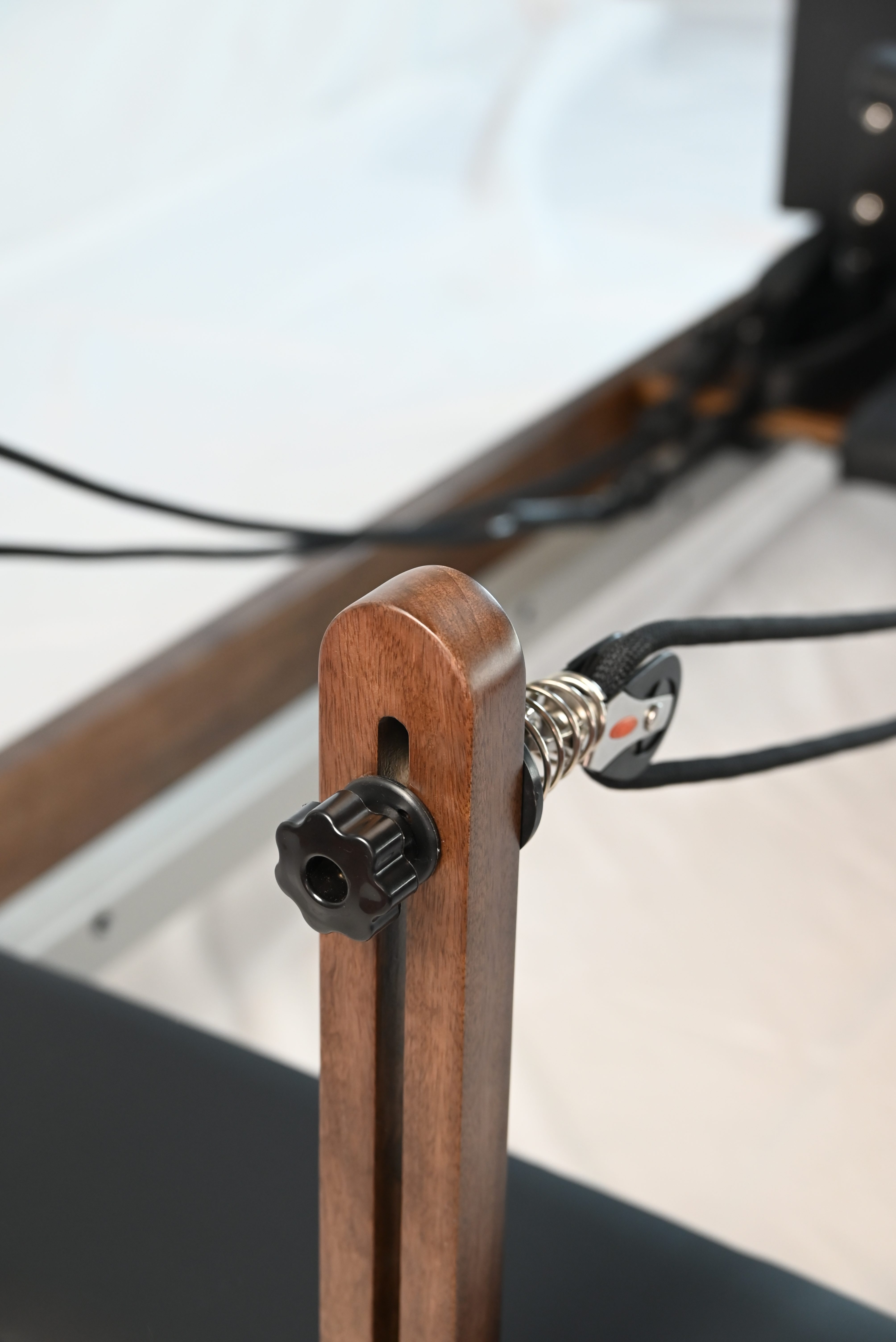
Frame material affects weight, stability, and maintenance. Aluminum and steel resist warping better than wood and suit modern interiors, while wood offers a warmer aesthetic and natural vibration dampening . What matters more than the material is the build quality: check the joints, the rail smoothness, and whether the carriage glides without wobble.
Carriage quality is the single best predictor of long-term satisfaction. A rough or noisy carriage indicates lower-grade bearings that will wear quickly. Look for sealed bearings and precision rails. Padding should be firm and supportive rather than soft and compressible; cheap foam degrades within months of regular use.
Weight capacity is another practical specification. High-end machines often support up to 300 pounds or more because of reinforced engineering . Check the stated capacity and ensure it accommodates every user in your household.
Top Contenders for 2025
The Balanced Body Metro IQ is a strong entry point for home users who want studio-brand quality without the studio price. It telescopes for storage, comes mostly preassembled, and uses variable resistance springs. The main caveat: accessories like the box and jumpboard are sold separately, adding to the total cost .
For those ready to commit to a permanent setup, the Balanced Body Allegro 2 is widely regarded as the home reformer to beat. It features the Infinity Footbar that glides vertically and horizontally, a sleek aluminum frame, and the option to convert into a tower with a retrofit kit. It is heavy—around 150 pounds—so it belongs in a dedicated space, not a room where you need to move furniture around it .
The Stamina AeroPilates Reformer Premier Studio 700 remains a solid budget option at just over $500. It includes a jumpboard for cardio intervals, folds for storage, and is easy to assemble. The trade-offs are cord-based resistance and a non-adjustable footbar . For a beginner testing whether home reformer training suits them, it is a reasonable starting point.
The NordicTrack Ultra 1 sits at the premium end of the connected-reformer category. The integrated screen, push-button resistance, and enclosed spring system make it the most user-friendly option for someone who wants guided sessions without a separate tablet or app. The 24-inch screen rotates and tilts, and the machine arrives largely assembled . Buyers should factor in the iFIT membership cost and the fact that accessories like the jumpboard and box are sold separately.
What to Skip
Avoid foam puzzle tiles under the machine; they compress under load and cause instability. Thick carpet is equally problematic for the same reason. If the reformer sits on hardwood, use equipment mats or felt pads under each foot to prevent denting and reduce noise transmission.
Be skeptical of very cheap reformers with vague specifications. A machine that cannot be serviced—where springs, straps, and upholstery are not replaceable—will become a liability rather than an asset. Consumables wear out long before frames do, and a reformer that cannot be maintained economically is a false economy.
The Decision Framework
Buy the machine that matches your actual training habits, not your aspirational ones. If you have a dedicated room and train daily, a studio-grade machine like the Allegro 2 justifies its cost. If you are testing whether home reformer work suits you, a budget foldable model or a mid-range option like the Metro IQ makes more sense. If guided content and seamless resistance changes matter to you, the Ultra 1 is the most polished connected option available.
Whatever you choose, prioritize a smooth carriage, a stable frame, and serviceable components. Those three factors determine whether the machine supports your practice for years or becomes an expensive piece of furniture.