Pilates Equipment Guide: How to Choose the Right Reformer for Your Studio
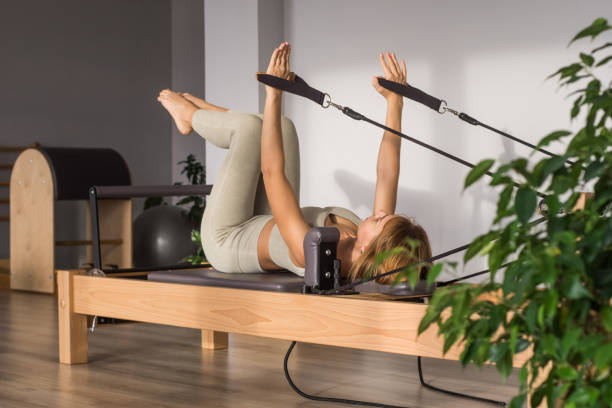
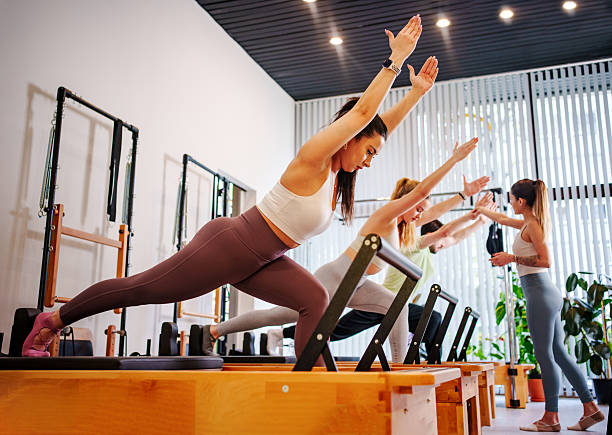
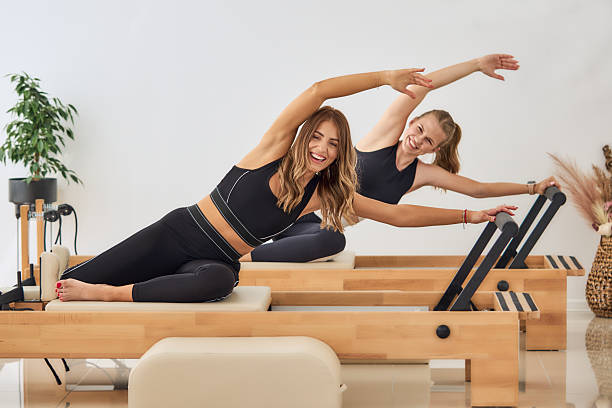
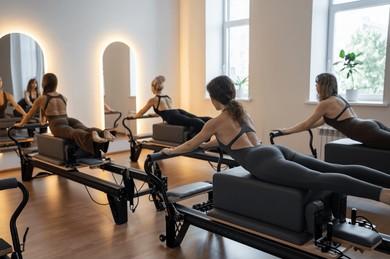
Choosing a reformer for a studio is a different exercise from choosing one for a home. At home, the machine serves one body, one schedule, and one set of preferences. In a studio, it serves a rotating population of clients with different heights, strengths, mobility levels, and experience—often within the same group class. The reformer you buy today will shape how your studio operates for years, so the decision deserves more scrutiny than a comparison of price tags and aesthetics.
Start With the Studio You Are Building
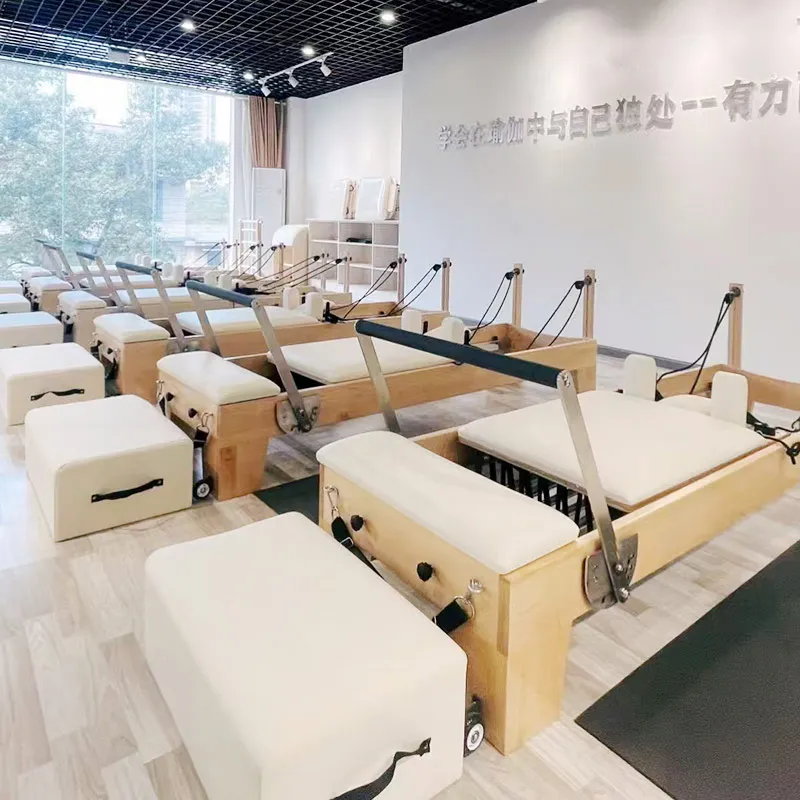
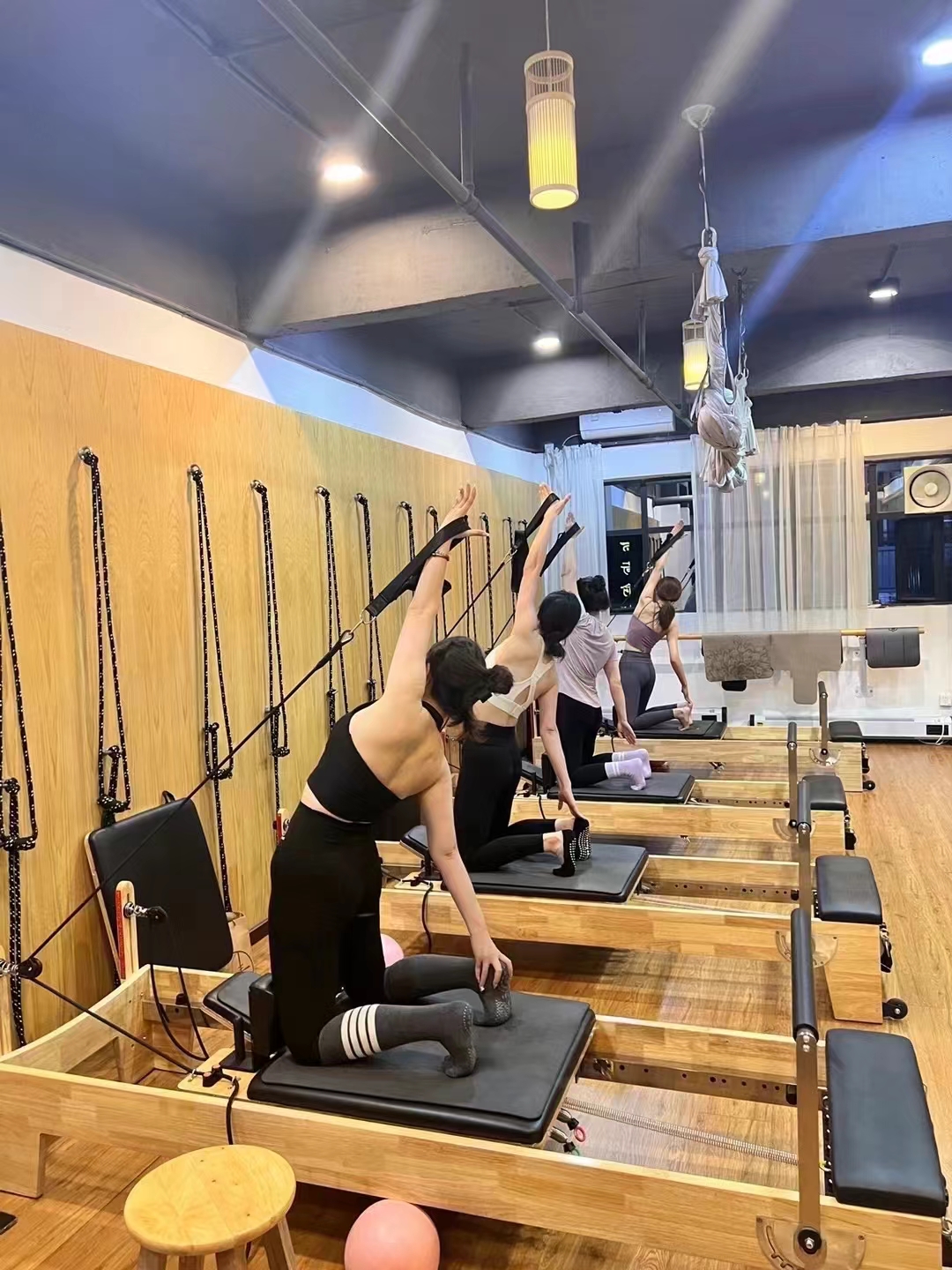
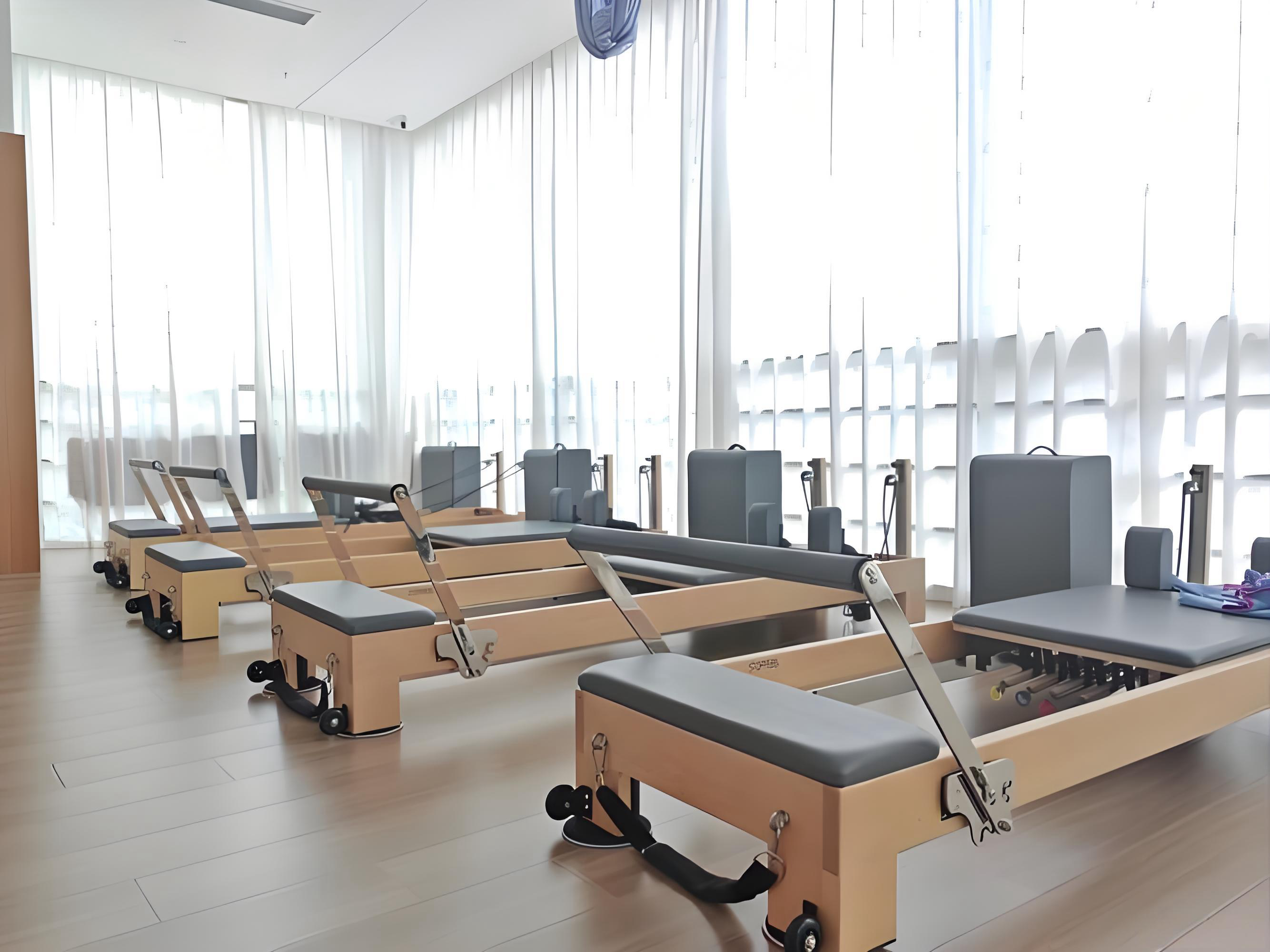
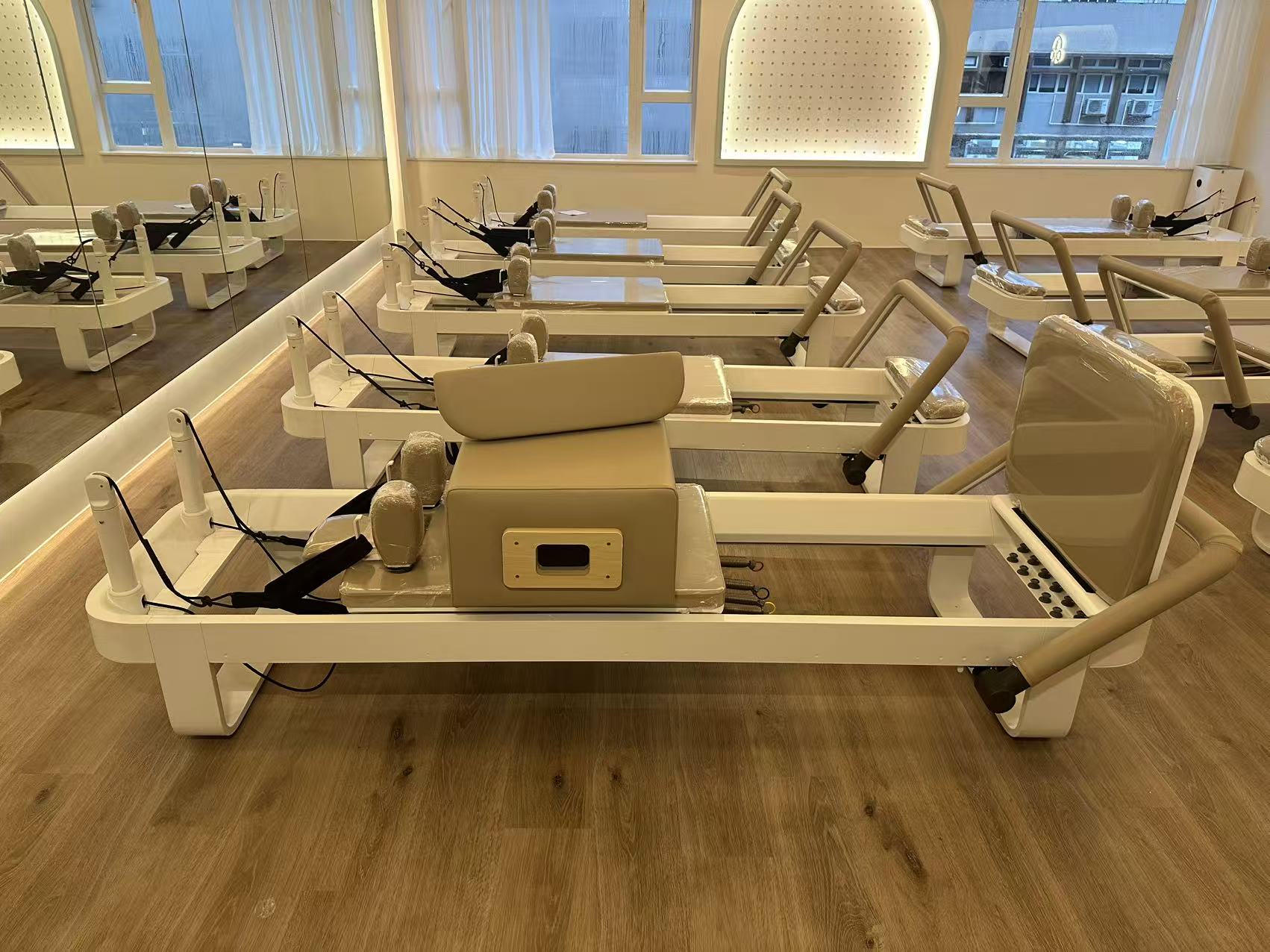
Before comparing spring counts or frame materials, define the business model. A boutique studio focused on private sessions and small-group work may prioritize a smaller number of premium machines that feel refined and accommodate a wide range of bodies. A larger group reformer studio may prioritize durability, efficient class transitions, and consistency across multiple units. Merrithew’s studio guidance makes this point directly: equipment selection should reflect the space, clientele, teaching approach, and long-term goals of the business, not simply how the machine looks .
Resistance Range and Consistency
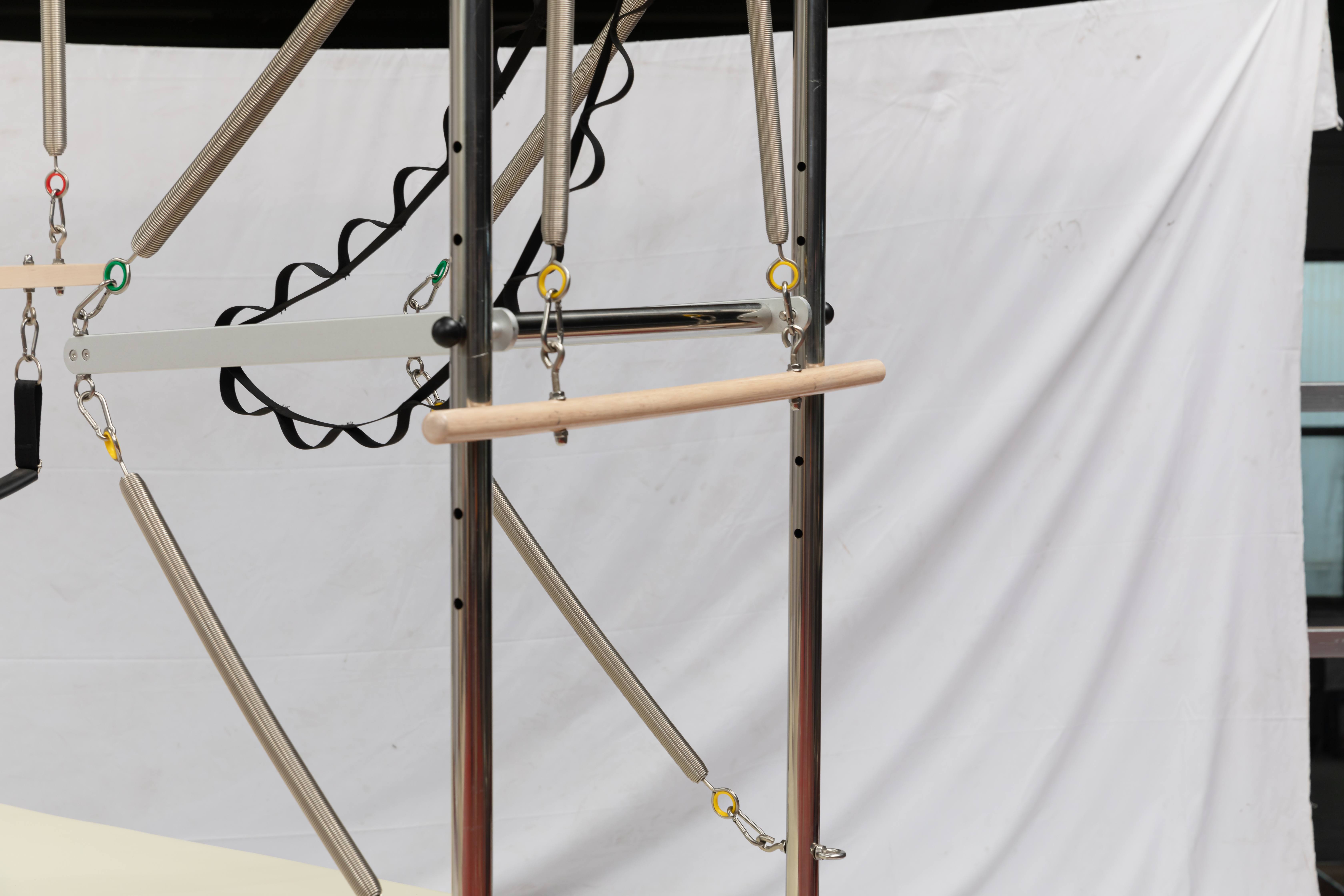
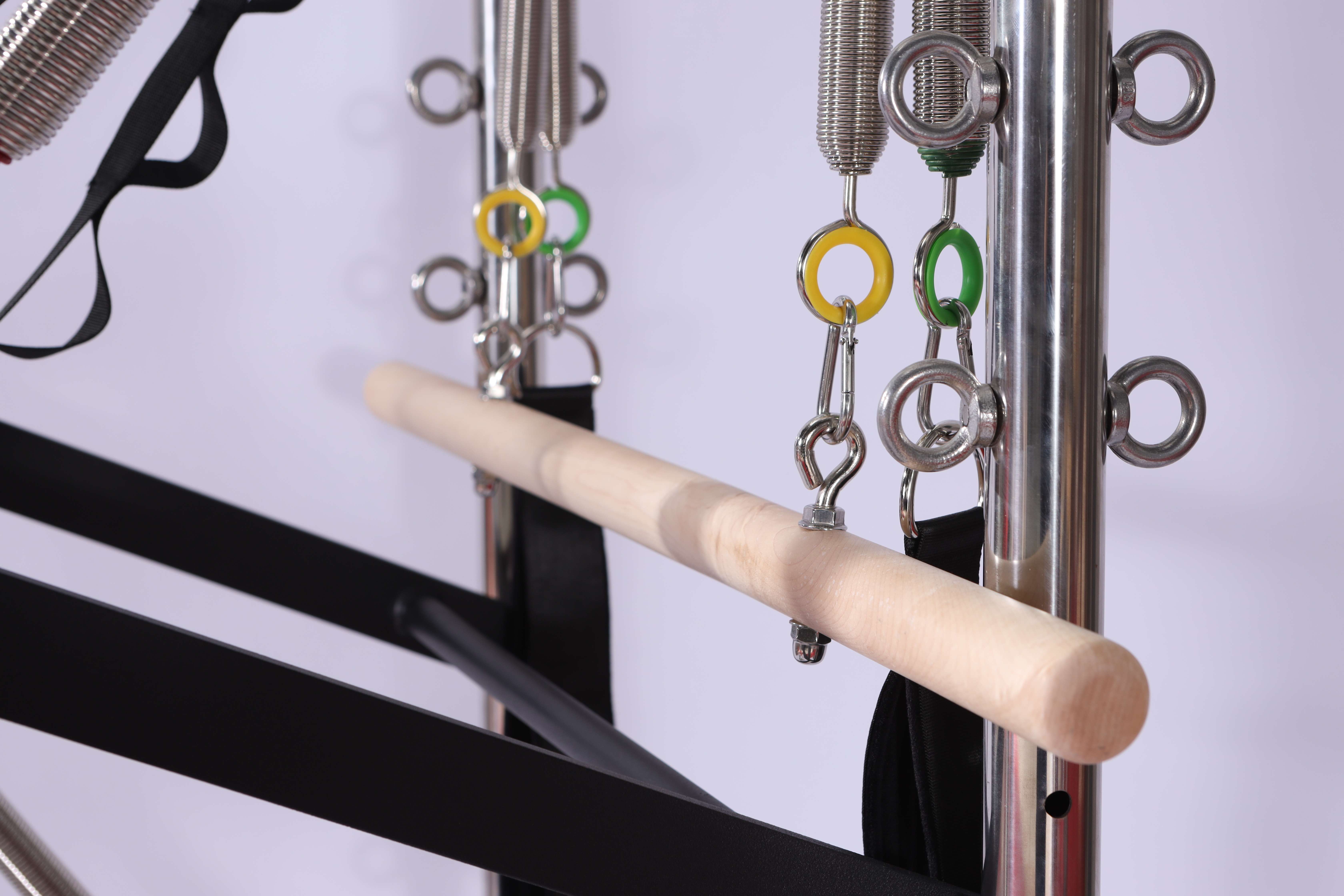
A studio reformer needs a resistance range wide enough to serve your entire client population within a single class. Beginners working on footwork need light spring loads; advanced clients doing arm work or jumping need heavier tension. A narrow range forces you to split groups or compromise programming. Look for at least four distinct spring weights and sufficient total resistance capacity . Equally important is consistency across units. When every machine in your studio delivers the same resistance at the same spring setting, instructors can cue the room once rather than correcting each client individually. When units vary, every cue becomes an individual adjustment .
Carriage and Rail Quality
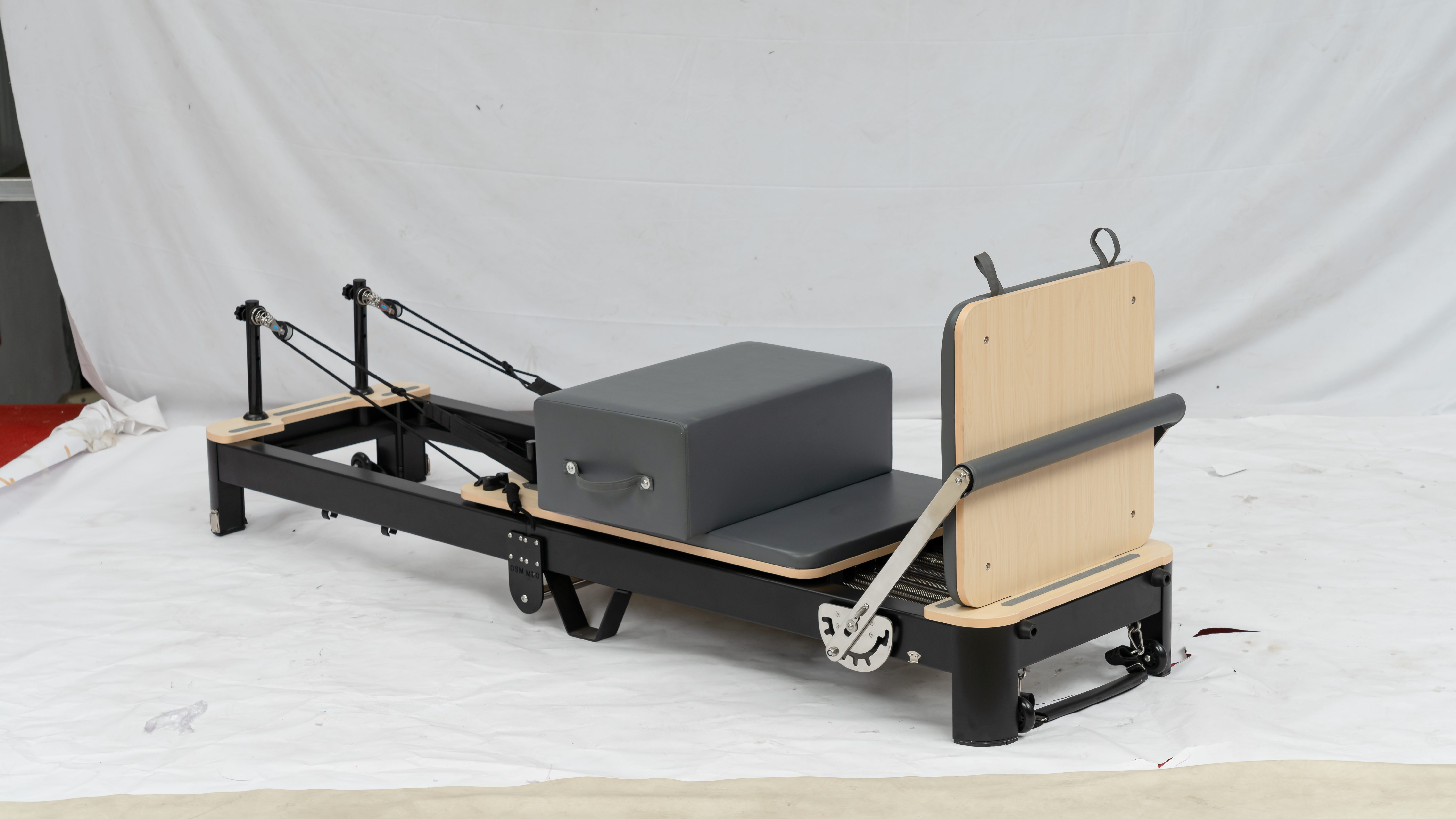
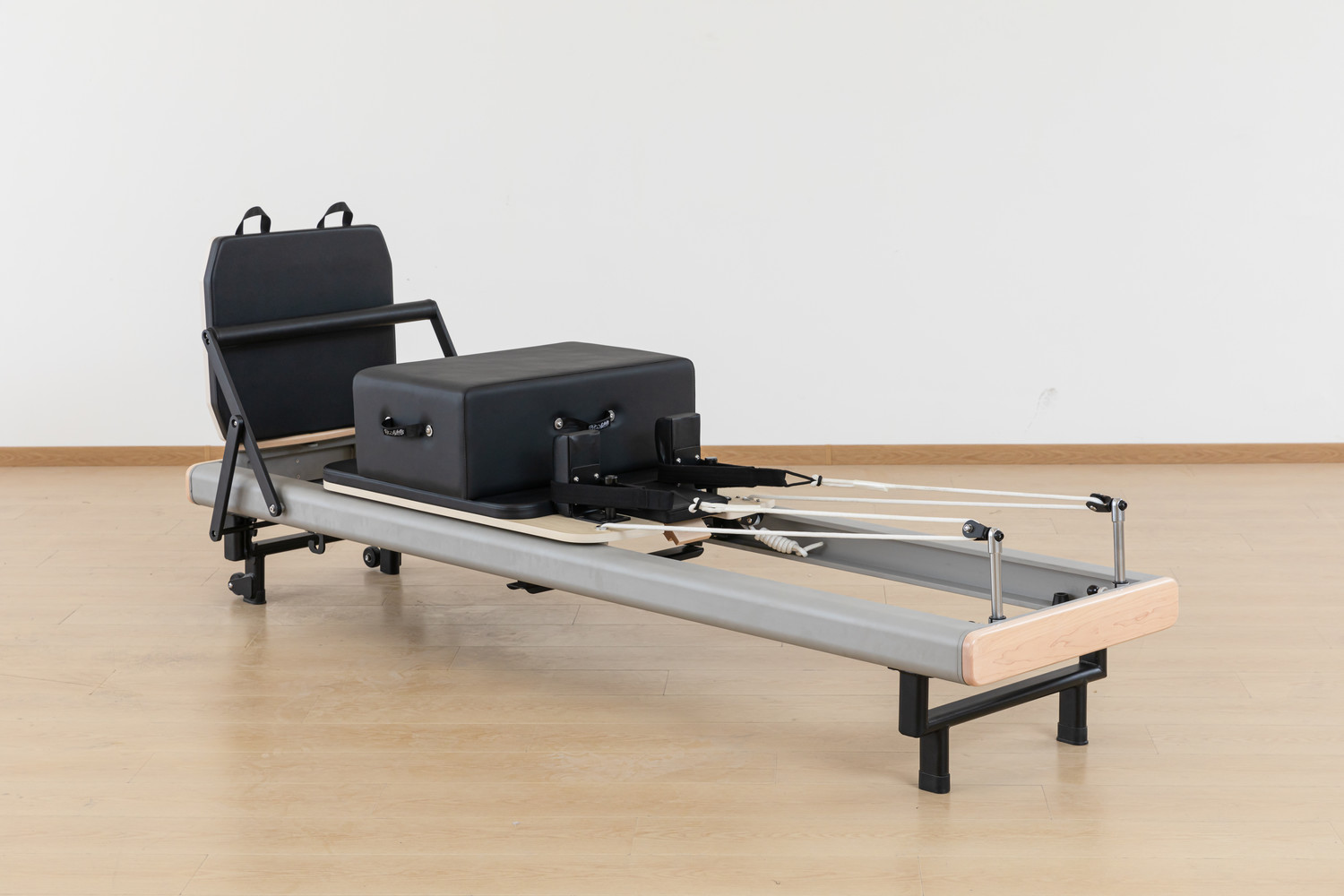
The carriage is what clients lie on, sit on, and push against every session. It must glide silently, hold its alignment over time, and show no play or noise even after thousands of sessions. Sealed bearing systems on commercial carriages maintain smooth movement under continuous heavy use, while plastic wheels on basic tracks develop audible noise and uneven resistance as they wear . A squeaky or uneven carriage is not just a mechanical issue—it is a client experience problem that undermines the focused atmosphere a studio works to create. Merrithew’s professional reformers address this with an eight-wheel rolling system engineered for smooth, stable, near-silent glide .
Safety for Multi-User Environments
A studio floor is not a home gym. Clients arrive at different fitness levels, some without prior reformer experience, and they use the machine with limited direct supervision between exercises. Exposed springs create pinch points and hazards during transitions, particularly in group classes. A spring enclosure system is a significant safety feature for commercial settings . Intuitive, secure adjustments matter as well: footbars that require tools or offer only two positions slow down class transitions and create risk when instructors are resetting multiple machines under time pressure. Look for tool-free, multi-position footbars and clearly defined locking mechanisms .
Frame Material: Wood, Aluminum, or Steel
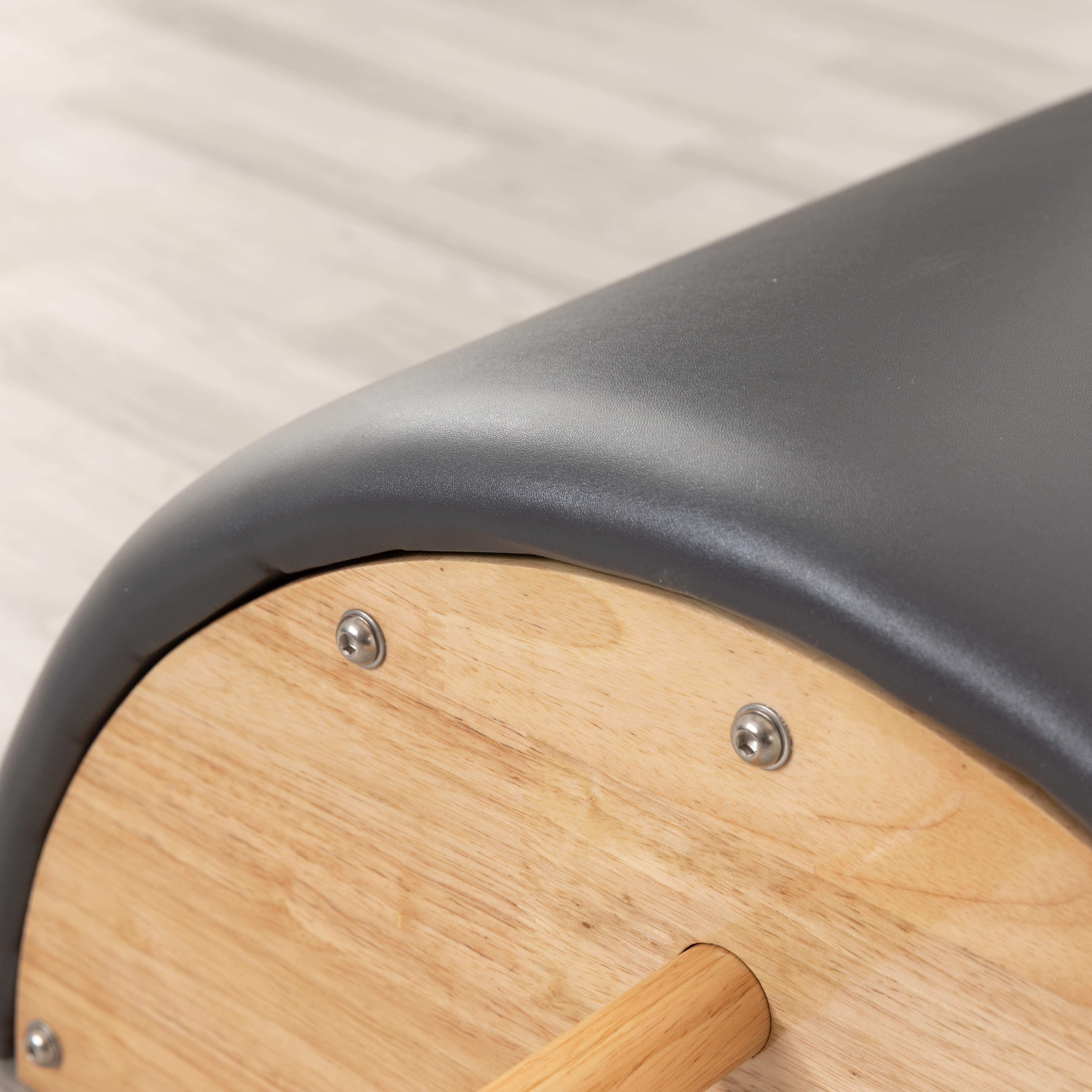
Wood reformers offer warmth and furniture-like aesthetics that suit boutique and design-conscious spaces. High-quality models use hardwoods such as maple, not softer pine . Aluminum frames are lighter and dimensionally stable in humidity fluctuations, making them practical for spaces with climate variation. Steel frames offer maximum rigidity for high-volume commercial use. The frame material itself matters less than the construction quality and the rail system. Notably, even premium wooden reformers typically use aluminum or metal rails rather than wooden ones, because wood expands and contracts with humidity, affecting carriage track precision. Ask about the rail material as well as the frame .
Footbar and Setup Speed
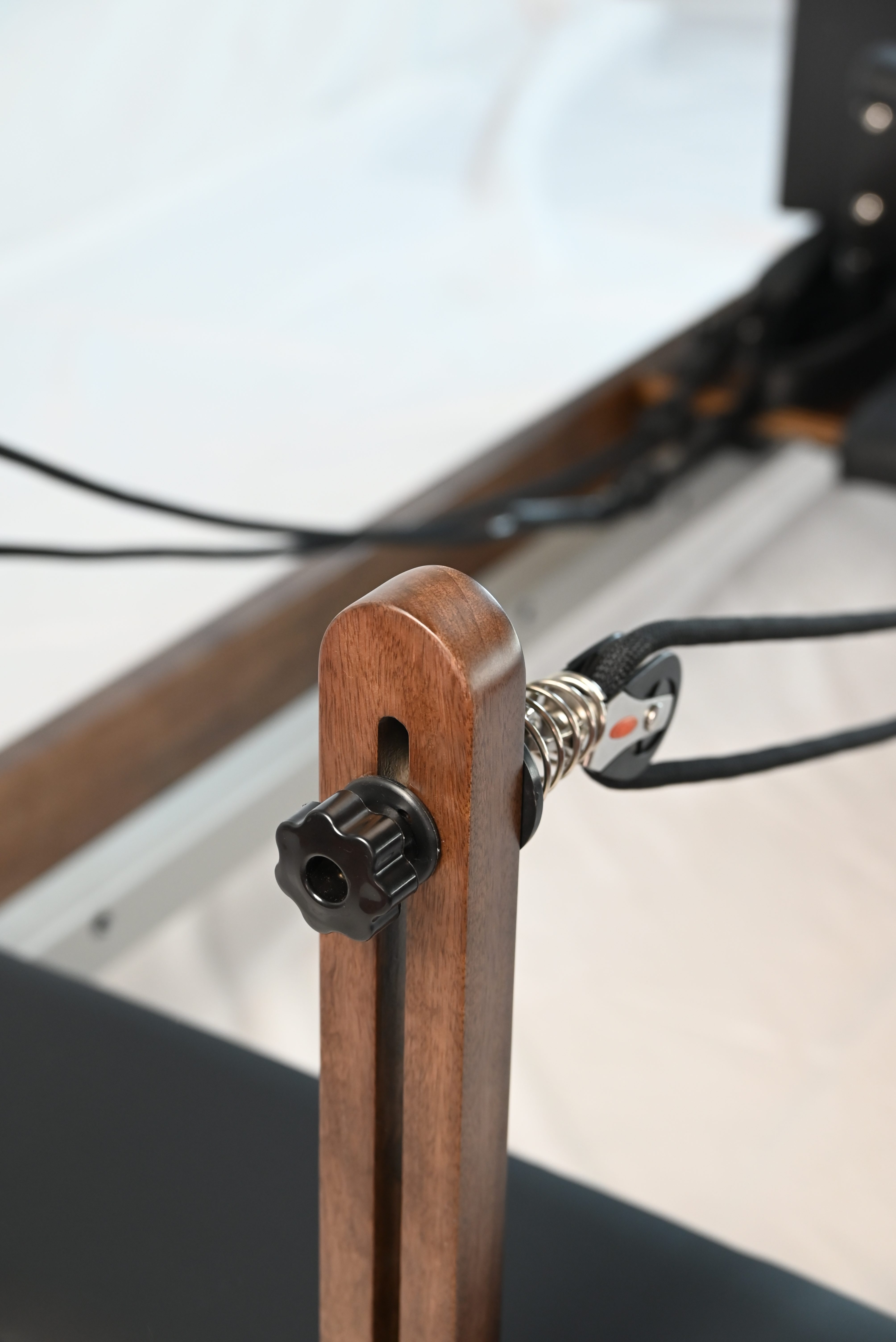
Instructors typically reset every reformer between classes, often in under three minutes. Footbar adjustability determines how long that takes. A footbar with only two positions cannot accommodate a class of eight clients of different heights. A footbar that requires tools is not appropriate for studio use. Quick-position changes and enough settings to cover the full range of your client base are essential . Shoulder rest adjustments should also be intuitive and secure, particularly in group settings where clients may need different configurations .
Maintenance, Warranty, and Service Support
Commercial equipment needs commercial warranty terms. Before purchasing, confirm in writing that the warranty covers studio use—home warranties do not . Consumable components such as springs, upholstery, and straps will wear out long before the frame does, so prioritize models with readily available replacement parts and local service support. A machine that cannot be serviced economically becomes a liability. Ask about lead times for replacement springs and whether technical support is available in your region .
Price and Total Cost of Ownership
Commercial-grade reformers represent a significant investment. Global average prices for reformer machines sit around $2,850 per unit, but commercial models designed for studio use typically command higher prices depending on brand, configuration, and included accessories . The relevant calculation is not the sticker price but the total cost of ownership: purchase price plus maintenance plus downtime plus resale value, divided by years of reliable service. A cheaper machine that requires frequent repair or replacement within a few years often costs more per session than a premium machine that performs consistently for a decade.
A Final Consideration: Try Before You Buy
Specifications and reviews can only take you so far. If possible, test the reformer you are considering—not just for a few minutes, but through a full range of exercises that your clients will actually perform. Push the carriage. Adjust the springs. Listen for noise. Feel whether the machine responds predictably under load. The right reformer is the one that fits how your studio actually teaches, not the one with the longest feature list.