Equipment Checklist for Opening a New Pilates Studio
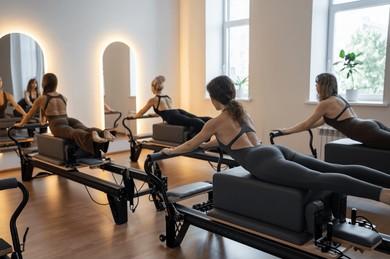
Opening a Pilates studio is equal parts excitement and logistics. Between lease negotiations, build-out decisions, and class scheduling, equipment planning often gets pushed to the bottom of the list—yet it is one of the two largest line items in your startup budget, alongside the lease itself. Order too little and your timetable is constrained from day one. Order too much and you tie up cash in gear that sits unused while you wait for classes to fill.
The most practical approach is to build your equipment list around your first twelve months of programming, not your five-year dream. A mat-only studio needs a fraction of the investment of a full apparatus studio. Most new studios open with two to three reformer classes plus mat and props, then expand once fill rates stabilize.
Core Apparatus: The Foundation
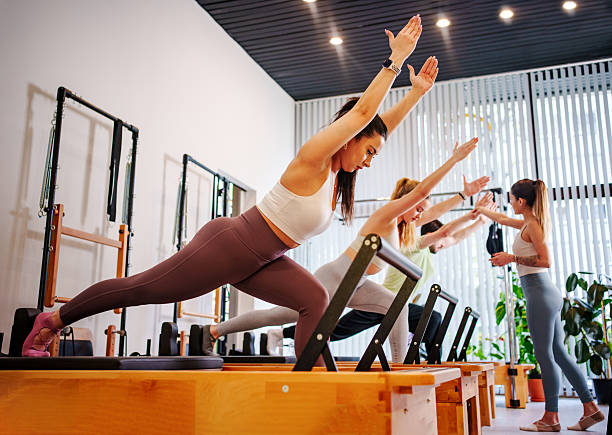
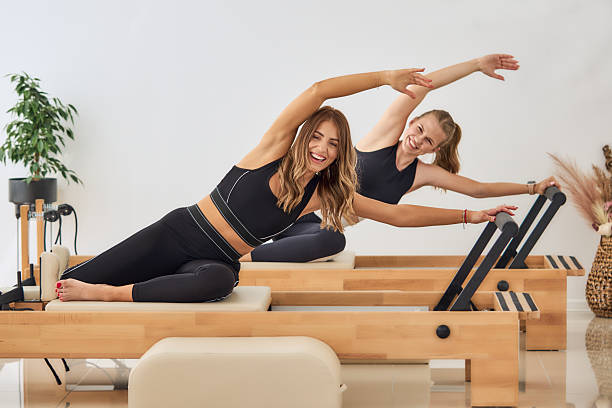
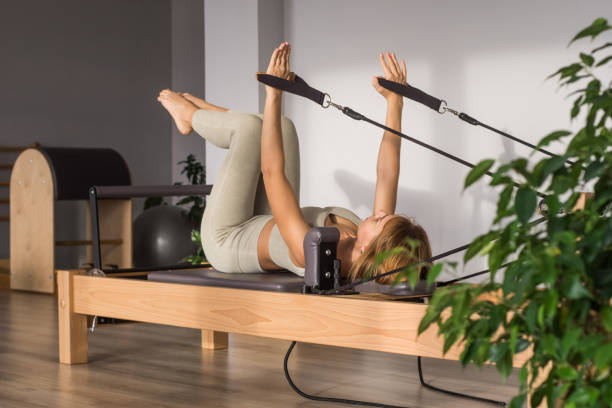
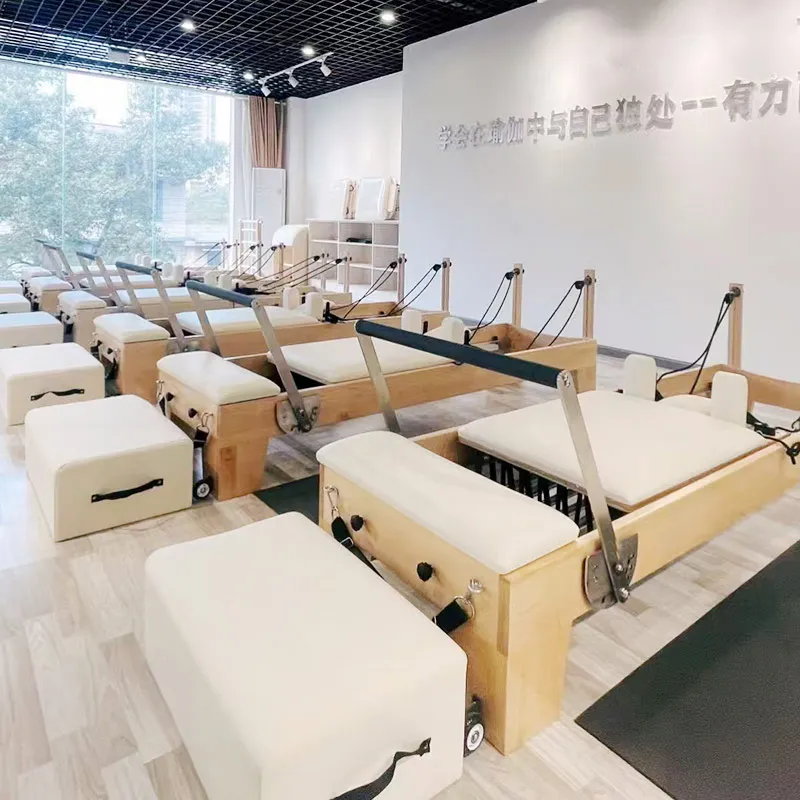
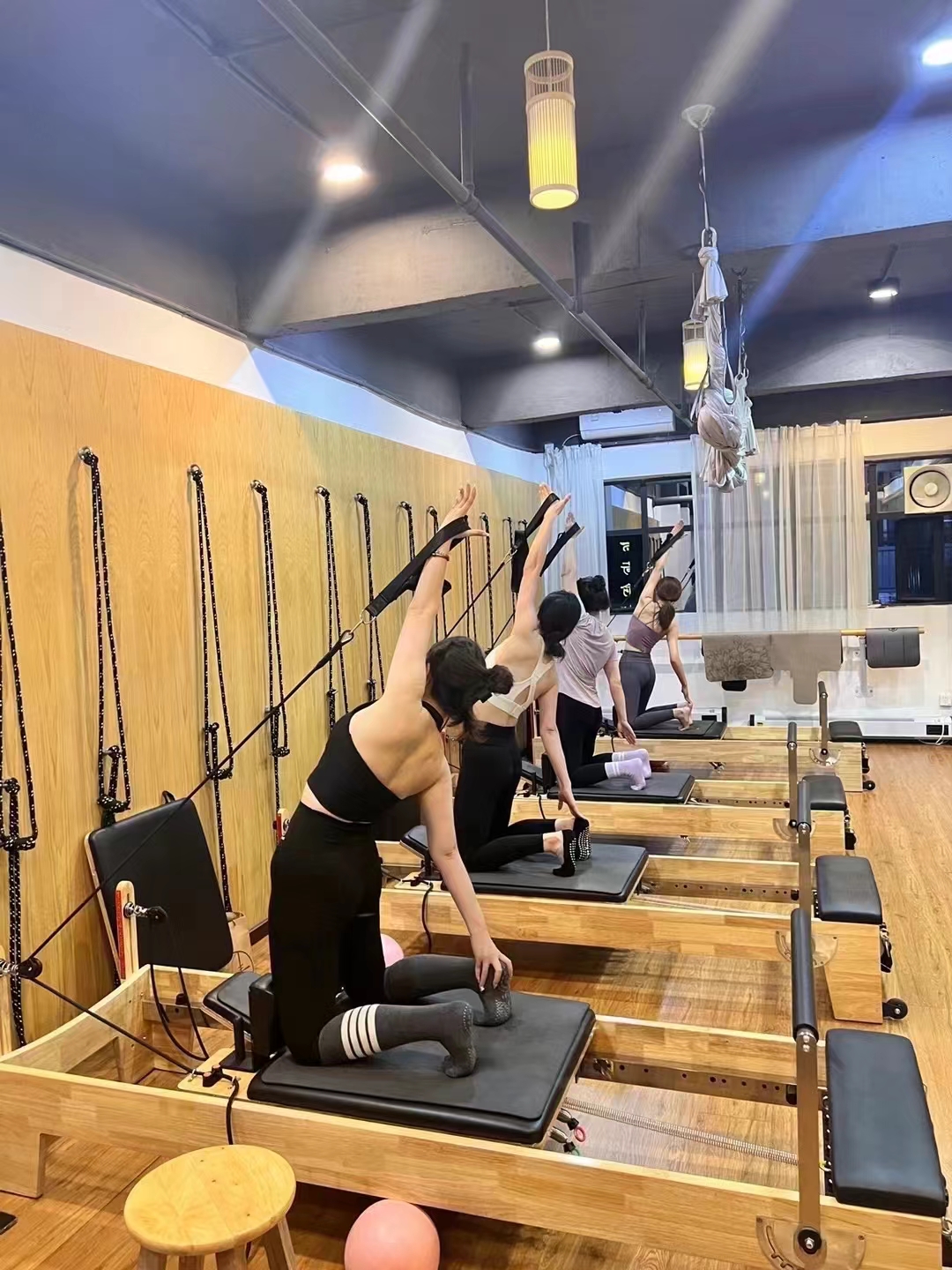
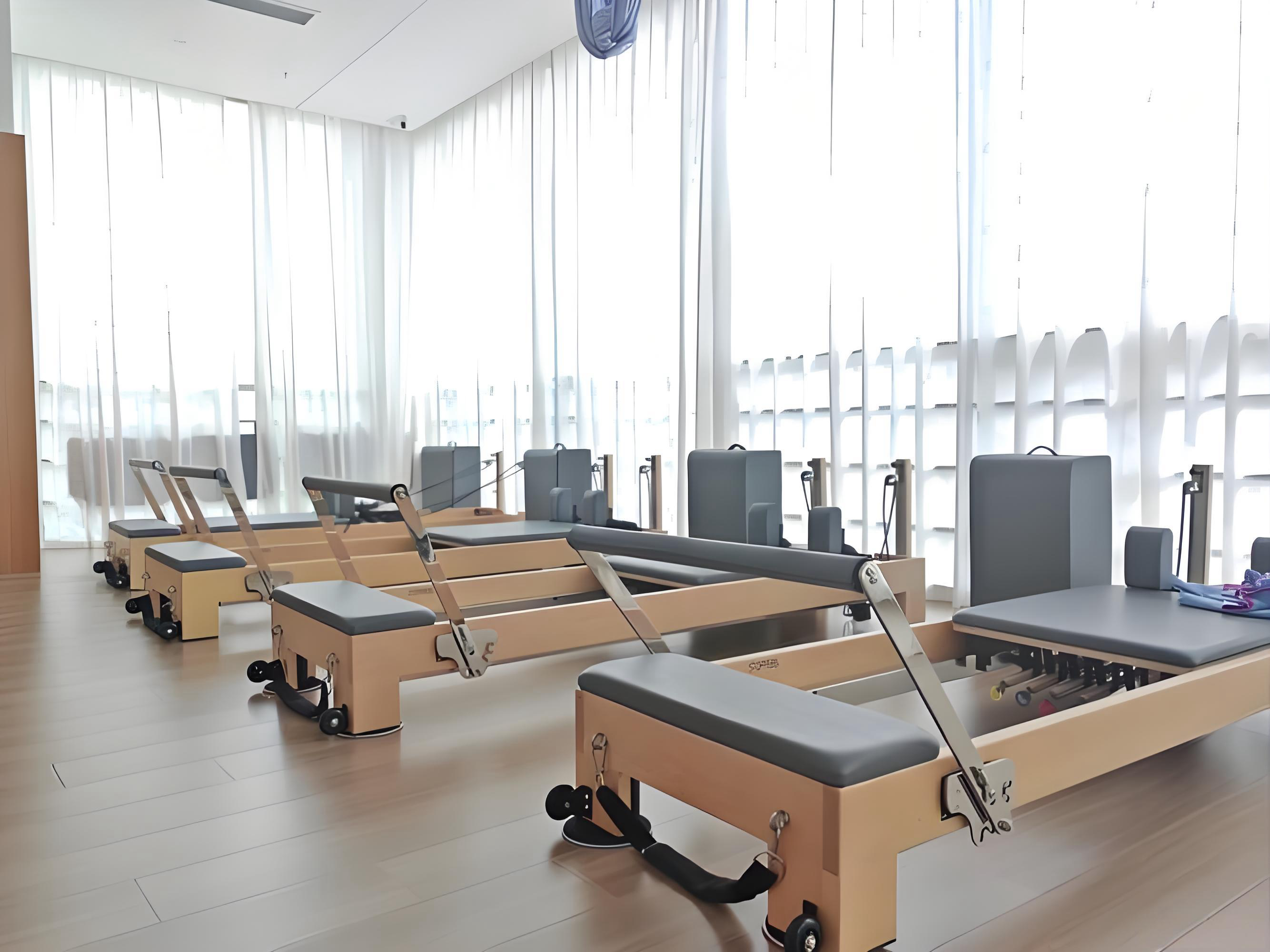
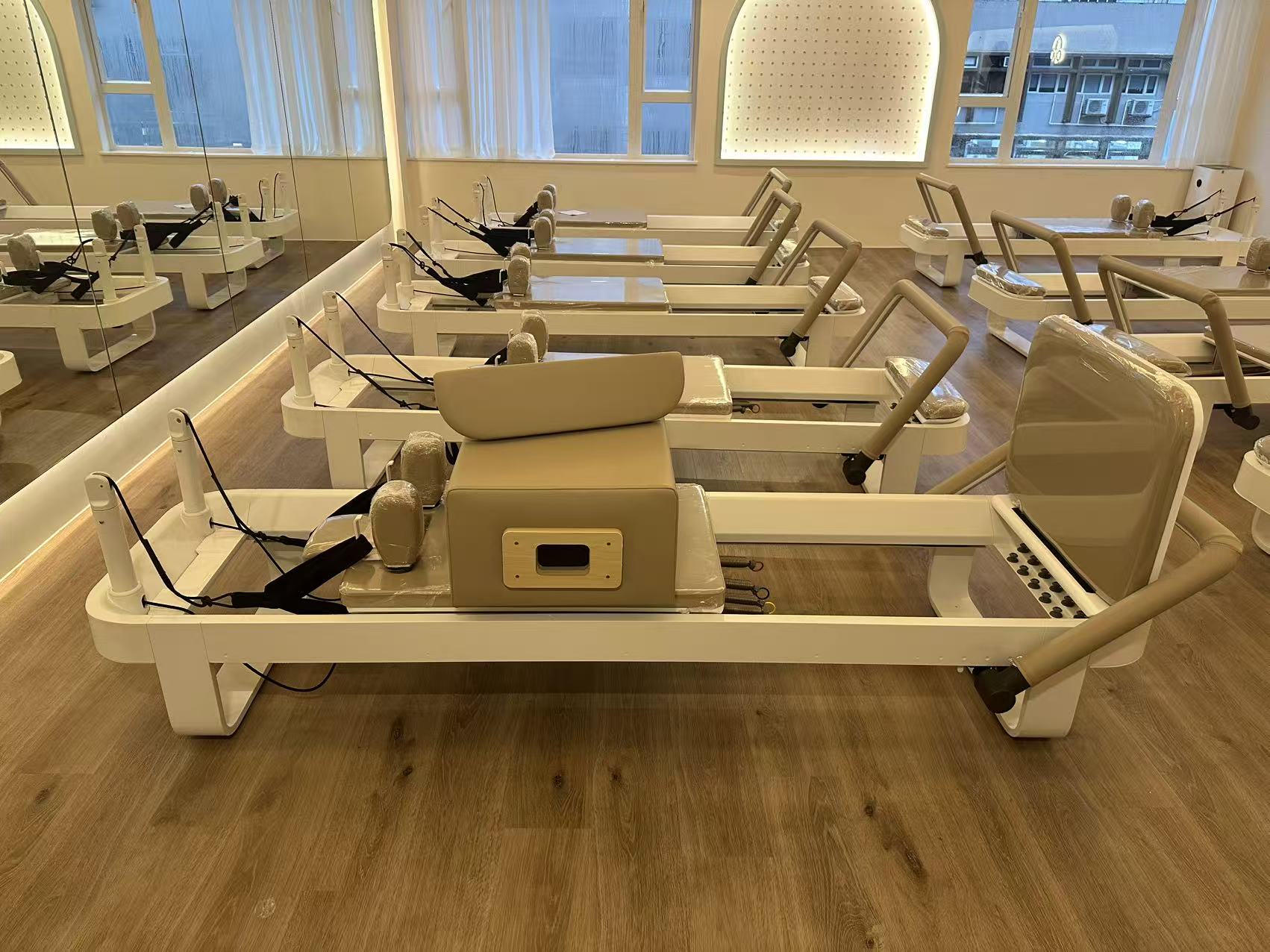
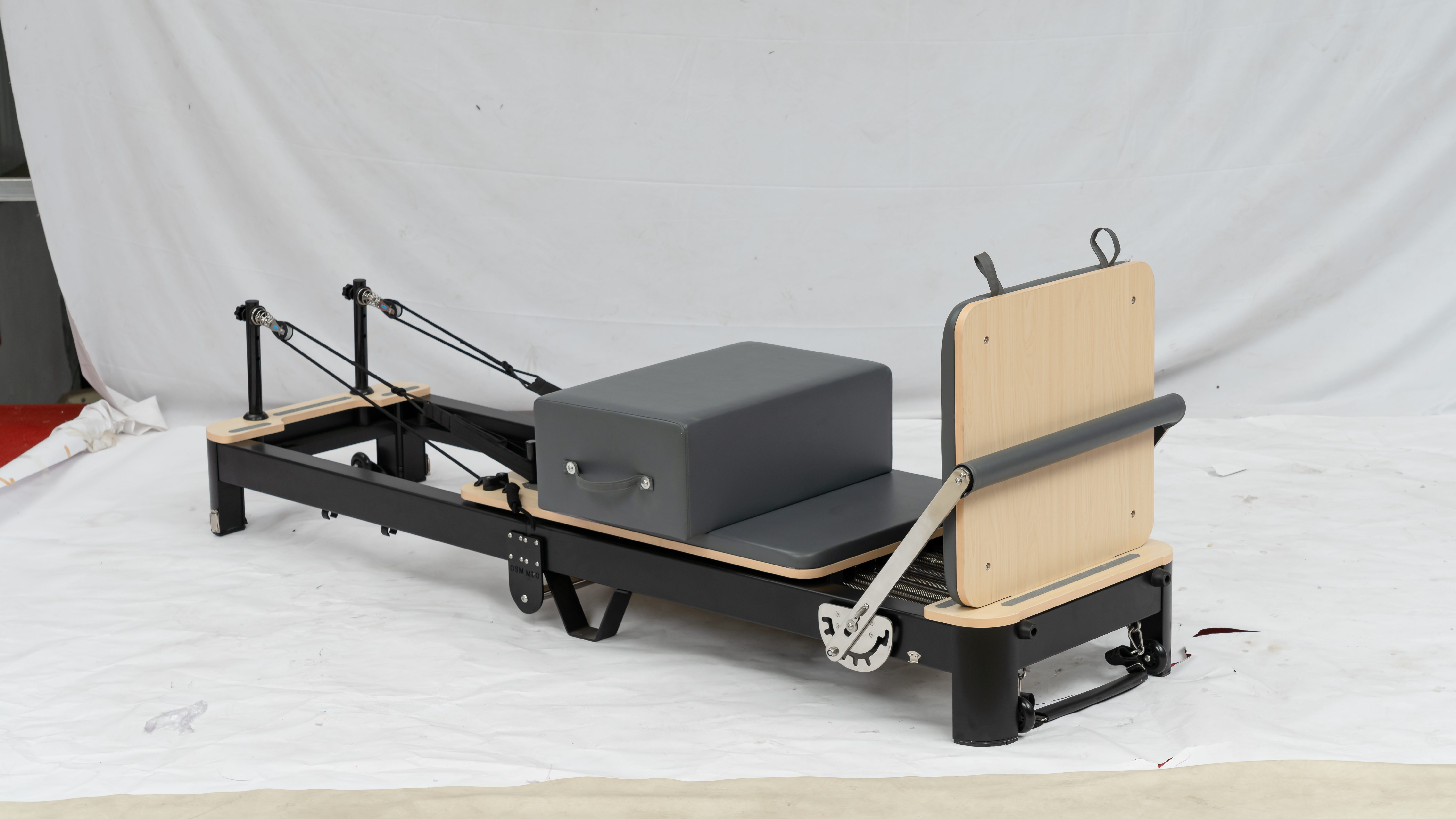
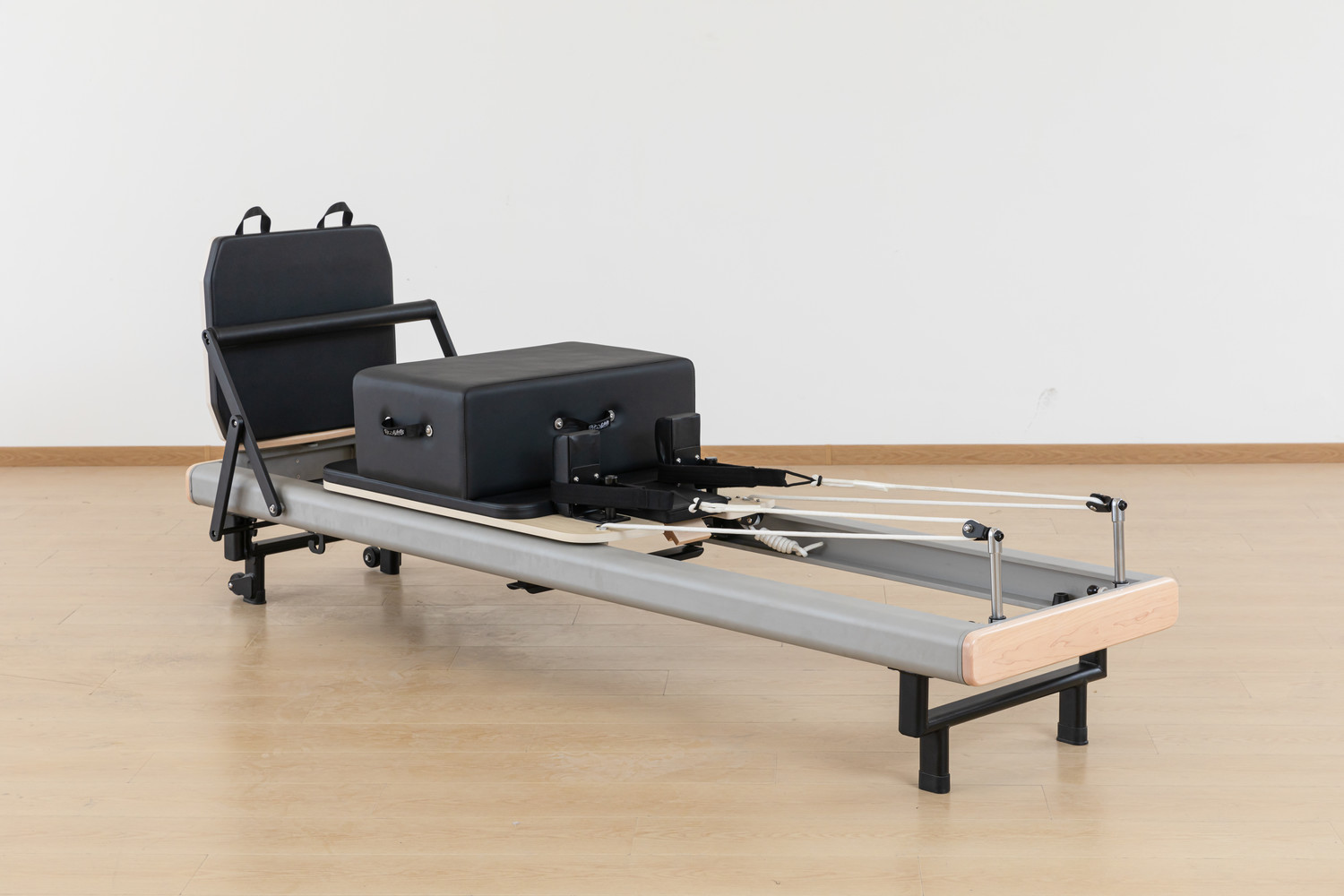
Reformers represent the single largest equipment expenditure. Budget one reformer per client spot in your reformer classes, and confirm lead times in writing—custom orders can take eight to sixteen weeks. Commercial-grade reformers designed for studio use typically range from roughly $5,000 to $10,000 or more per unit depending on brand and configuration, with package deals often available for multi-unit purchases.
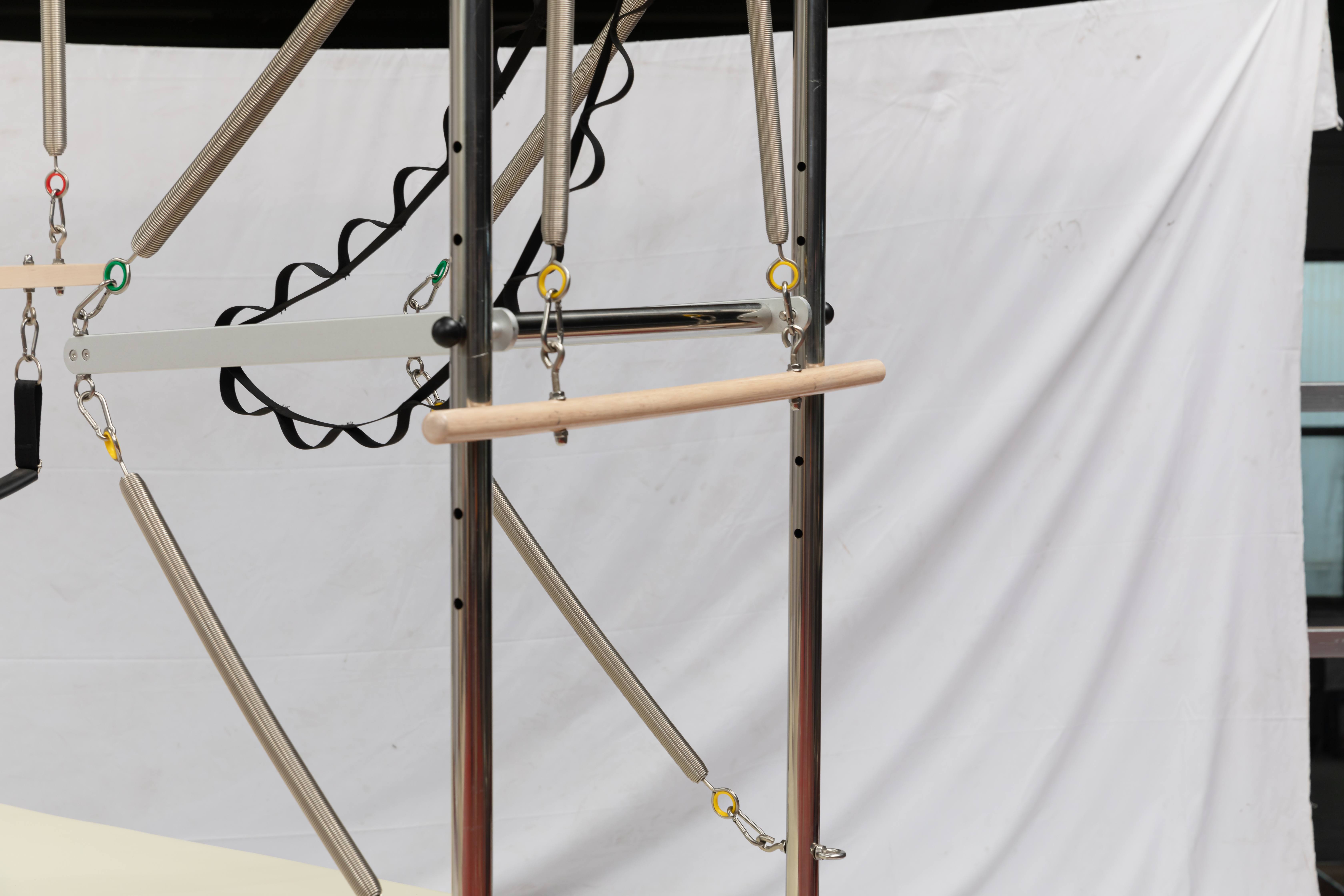
Beyond the reformer, the Cadillac (Trapeze Table) is essential for rehabilitation-focused studios and private sessions. The Wunda Chair is compact, versatile, and excellent for small-group work—two chairs give you real flexibility for circuits. Barrels, including the Ladder Barrel and Spine Corrector, are low-cost, high-value tools for spinal articulation and stretching. A spine corrector is the most budget-friendly way to add apparatus variety. If floor space is limited, a Wall Unit or Tower offers a space-saving alternative.
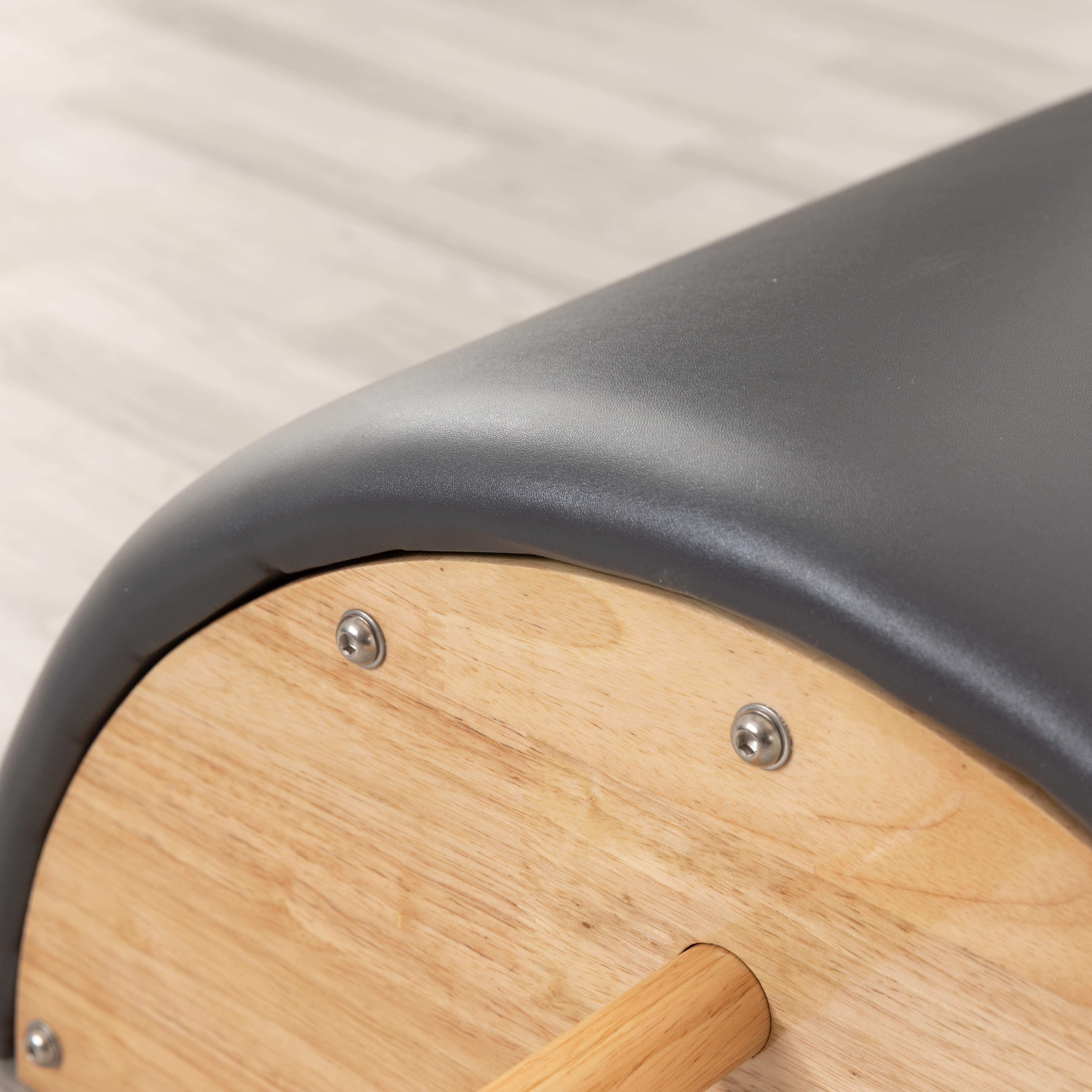
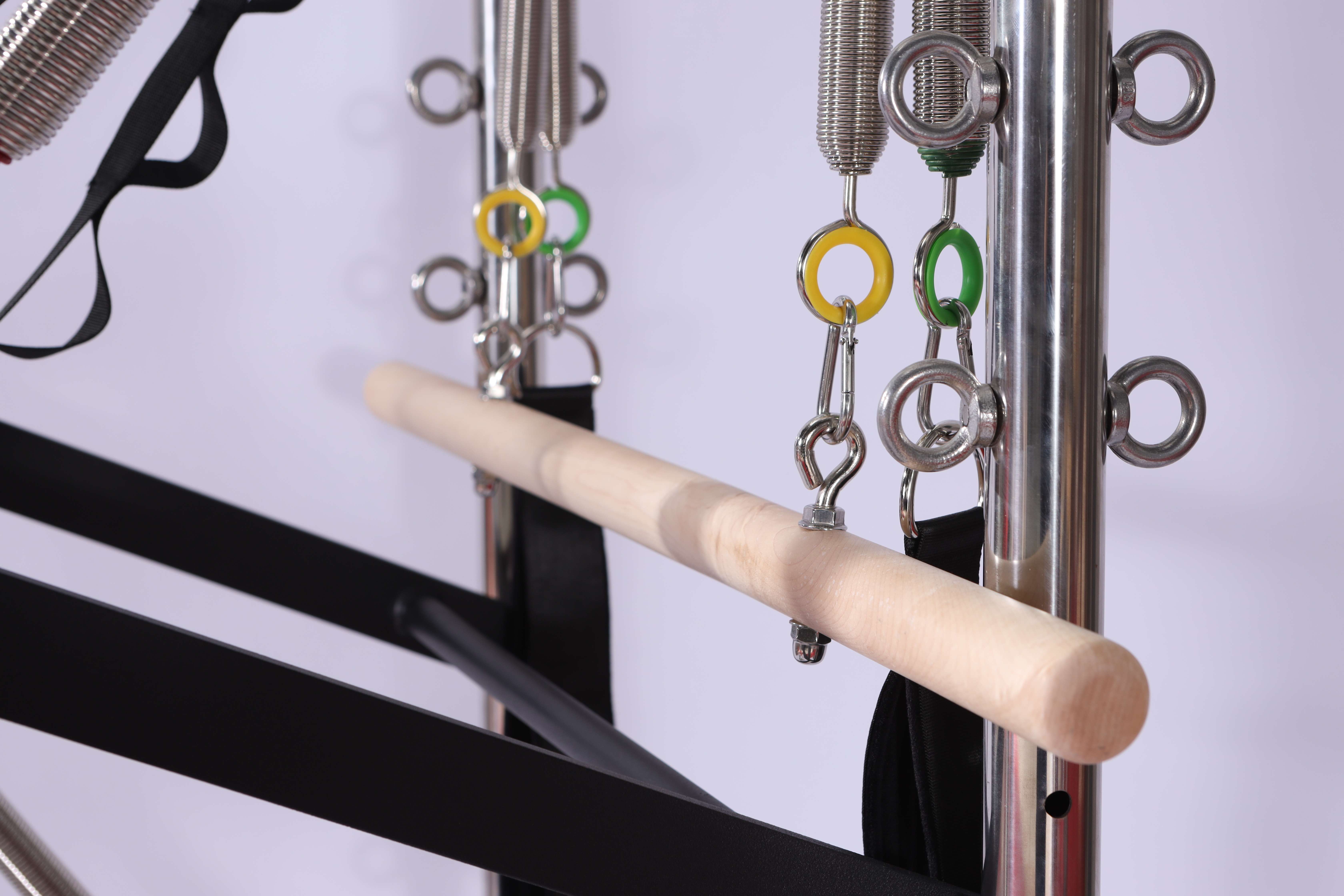
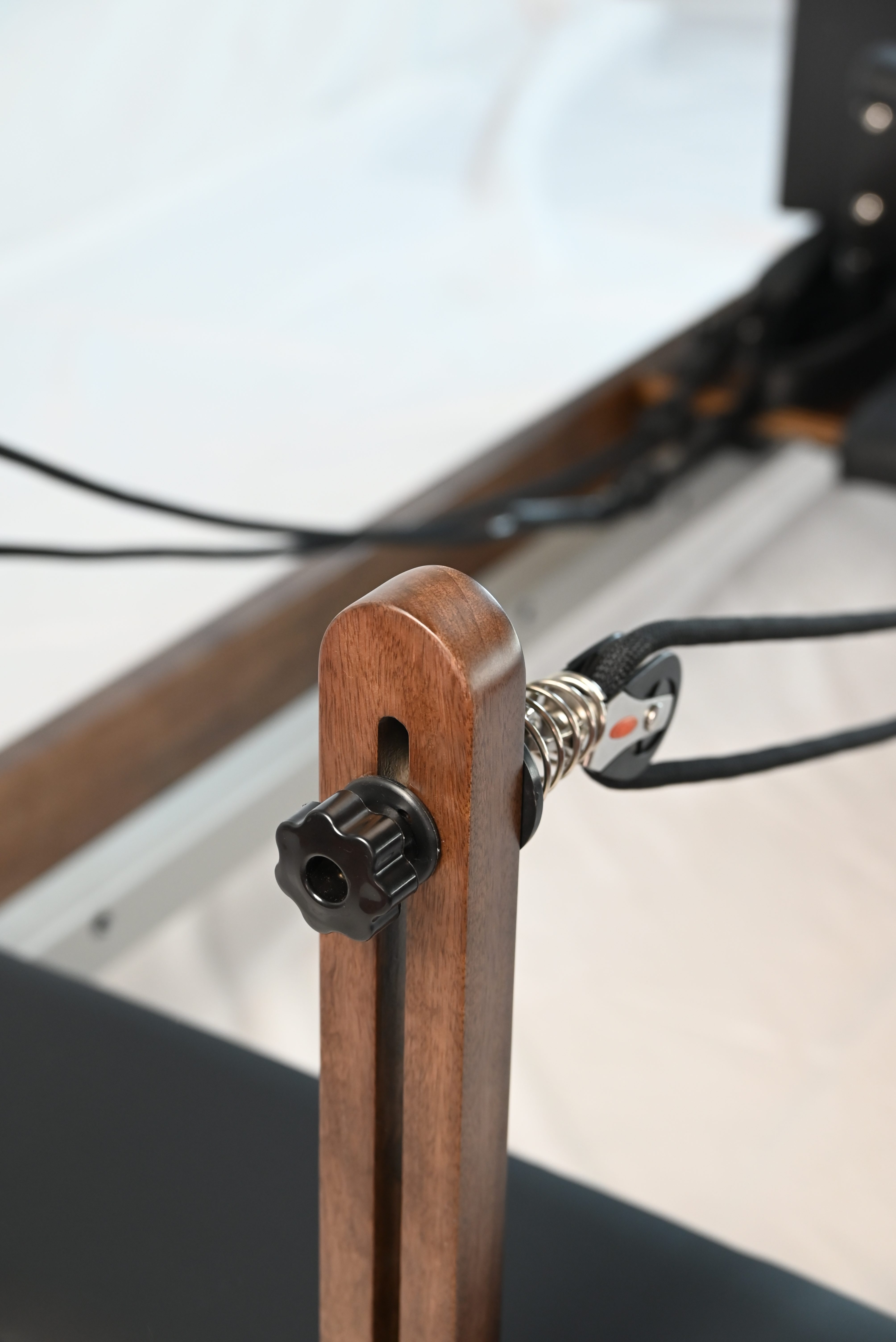
When purchasing apparatus, prioritize models with replaceable springs, upholstery, and foot straps. Consumables wear out long before frames do, and a machine that cannot be serviced economically will become a liability rather than an asset.
Small Props and Accessories
Small props are inexpensive, heavily used, and the fastest way for clients to notice poor quality. Your list should include Pilates mats (thicker and longer than yoga mats), Magic Circles or Pilates rings, resistance bands and loops in graduated strengths, mini stability balls and overballs, foam rollers and half rollers, spine correctors and wedges, yoga blocks and bolsters, ankle and wrist weights, straps and padded loops for apparatus, and sliders or discs for standing work.
Stock ten to fifteen percent more small props than your maximum class size, so equipment stays in rotation while items are cleaned or replaced. For studios positioning themselves as eco-conscious, specify PVC-free mats, natural rubber bands, and recycled-content foam—increasingly a genuine selling point with clients.
Studio Infrastructure
Flooring deserves careful attention. Spring-loaded or high-density foam flooring protects joints and reduces noise, particularly important for upper-floor units. Avoid bare concrete. Full-length mirrors on at least one wall help clients check alignment; use safety-backed glass. Storage solutions—wall racks for mats, bins for props, locked cabinets for small items—keep the space organized and preserve the boutique feel you are paying rent for. Ventilation is non-negotiable: plan for airflow and a room temperature of roughly 20 to 24°C. Lighting should be adjustable and soft, avoiding harsh overhead fixtures that glare in mirrors. A reliable Bluetooth speaker and a tested playlist are enough to start.
Safety and Hygiene
Every studio needs a first aid kit and AED, cleaning spray and microfiber cloths for each reformer, a sanitizing station at the entrance, a non-slip sock policy (plus retail stock to sell), a fire extinguisher with clearly marked exits, and liability insurance documentation on file. Hygiene is a retention issue, not just a compliance one—clients notice whether upholstery is wiped down between sessions.
Front of House and Software
A reception counter, client management software, and a tablet for bookings and waivers are operational essentials. Booking software should allow clients to view schedules, book classes online, buy class packs and memberships, pay online, and receive confirmations and reminders. Your team needs a way to manage classes, clients, payments, capacity, and memberships without relying on spreadsheets or social media messages. A small retail display—grip socks, resistance bands, water bottles, mats—turns foot traffic into margin.
Budget Priorities When Cash Is Tight
Spend on reformers, flooring, and instructor quality. Save on branded merchandise, decorative finishes, and good-condition second-hand apparatus. Wait on the Cadillac, full ladder barrel, and retail inventory until class fill rates are consistent. Many studios open with four to six reformers and add more as classes fill, keeping costs down while allowing income to fund future growth.
Conclusion
An equipment checklist is not a shopping list—it is a statement of your studio’s priorities. Every item you choose signals what kind of experience you intend to deliver. Buy what your first year of programming requires, ensure every piece can be serviced and maintained, and leave room to grow. The studios that succeed are not the ones that opened with the most equipment, but the ones that opened with the right equipment for the clients they actually serve.