How to Validate Silent Glide Track Performance on Budget Commercial Pilates Reformers Before Bulk Shipment
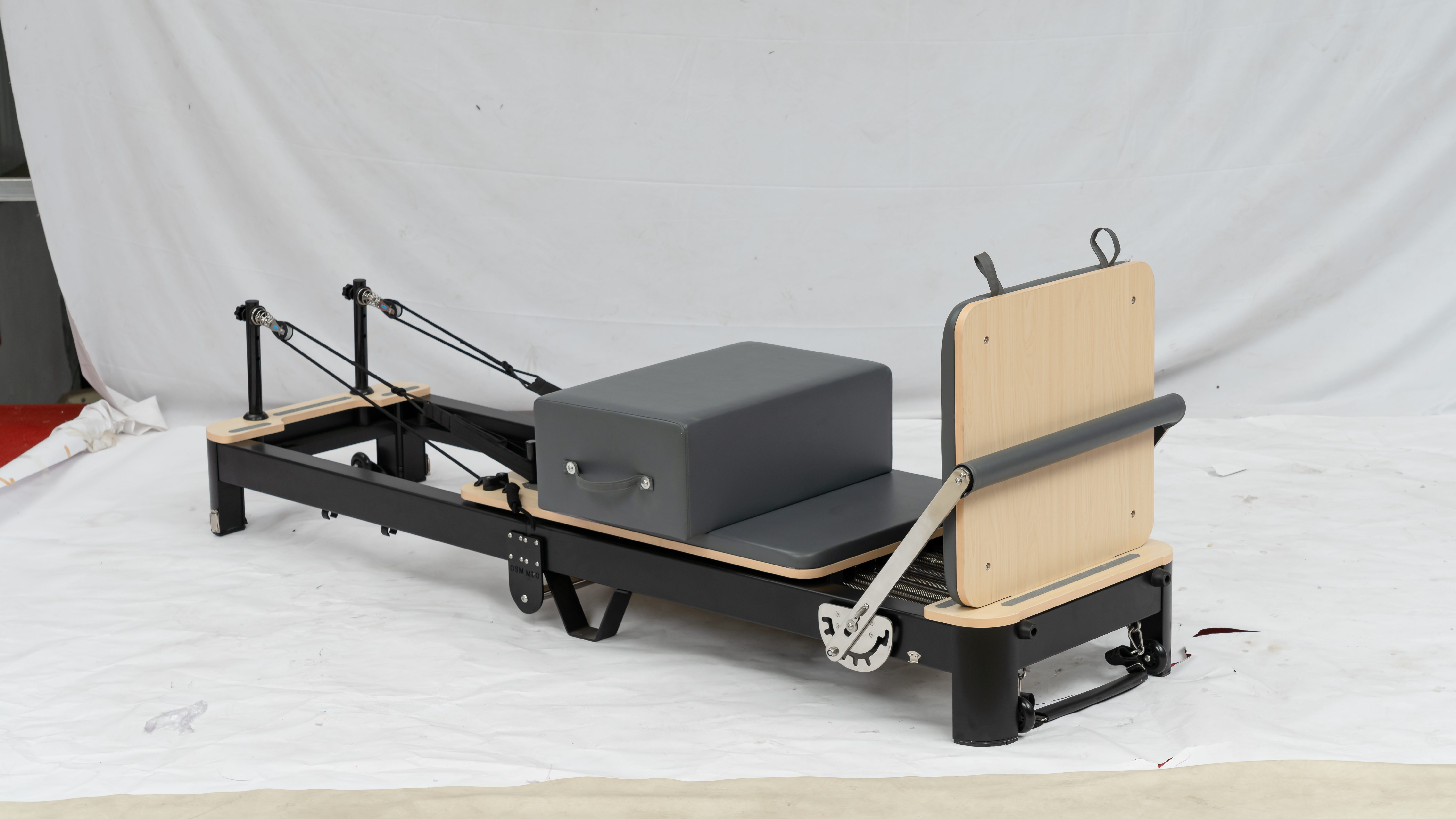
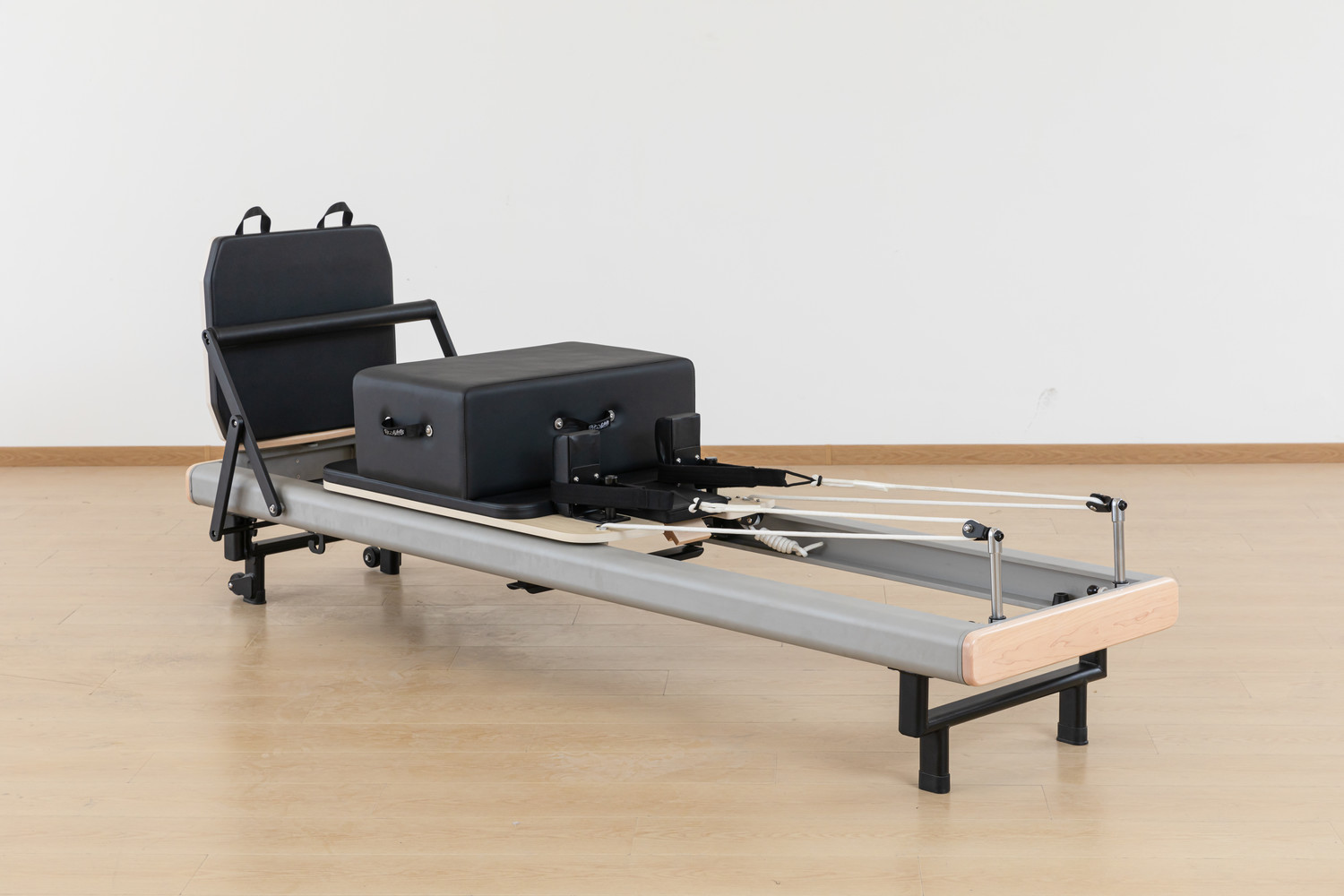
Budget commercial Pilates reformers are one of the most popular SKUs for distributors serving growing boutique studios, rehab clinics and multi-purpose wellness spaces. While buyers prioritize competitive pricing, the silent glide track often becomes the hidden failure point after delivery. A reformer with smooth, quiet carriage movement supports focused instructor-led classes; rattling, scraping, intermittent squeaks or sticking carriage motion disrupt sessions, trigger client complaints and create costly return or warranty disputes. For importers and distributors, pre-shipment validation of track performance is not an optional quality check — it is the best way to protect margins and brand reputation when ordering low-to-mid tier commercial models. This article breaks down common noise sources, structured testing workflows, measurement standards, sampling rules and corrective actions to verify silent glide before bulk shipment leaves the factory.
Why Silent Track Performance Matters for Budget Commercial Reformers
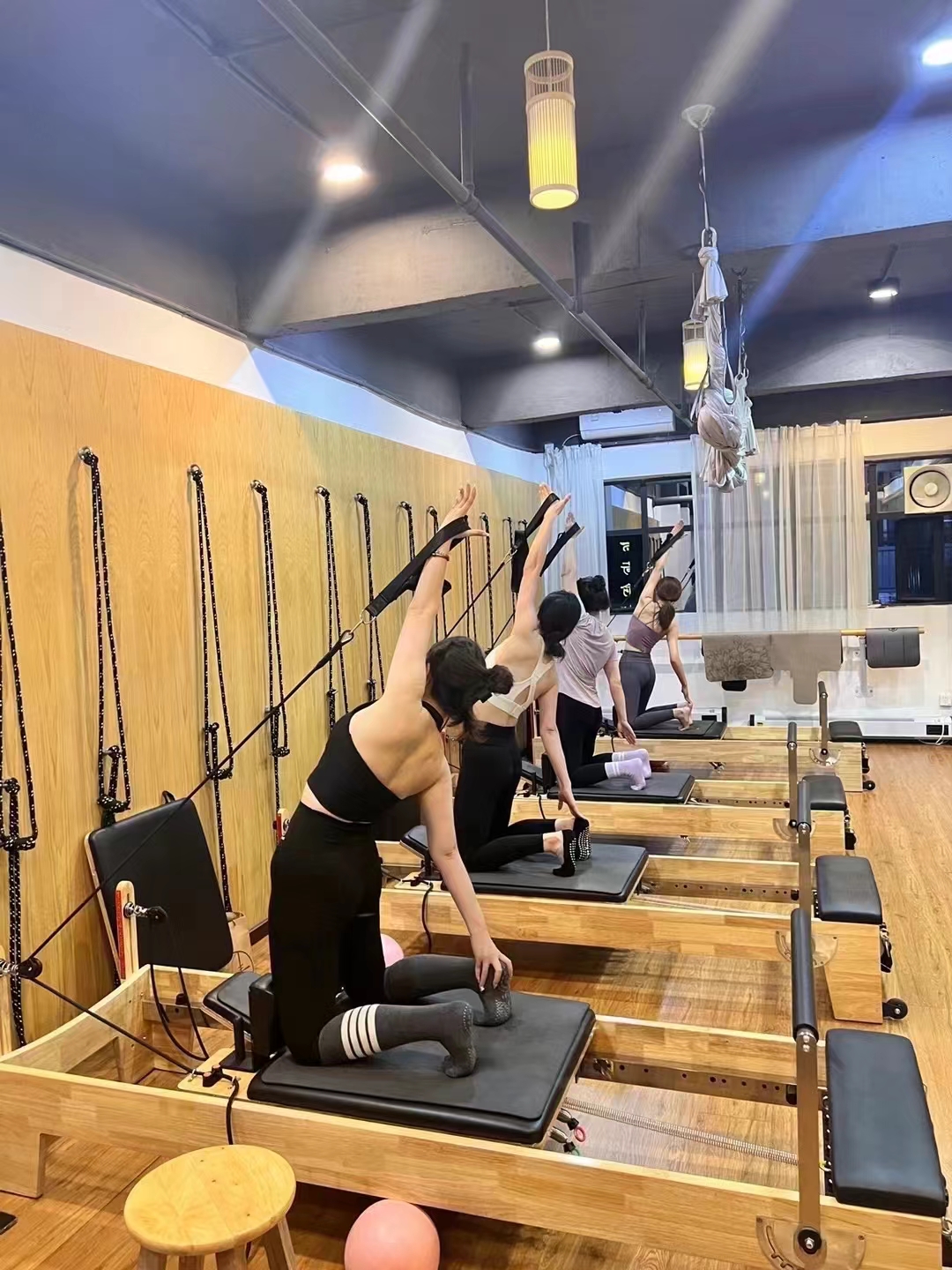
Budget reformers cut costs primarily through rail material tolerance, wheel bearing grade, frame welding accuracy and assembly alignment. Unlike premium solid wood or high-precision aluminum reformers, economy models are more vulnerable to minor deviations that turn into audible noise under studio load. In urban Pilates studios, group classes run back-to-back in compact rooms with hard flooring, where even subtle grinding or clicking echoes easily. Instructors will reject equipment that creates distracting noise, and many studio owners will treat persistent glide issues as a non-conformity rather than a minor cosmetic defect.
It is critical to distinguish home-grade quietness from commercial silent glide. A reformer may feel quiet when pushed lightly in the factory showroom, but develop noise once a 120–150 kg user sits on the carriage, adds spring tension and performs repeated dynamic sequences. Budget models often pass static visual checks yet fail dynamic load testing. That is why validation must replicate real studio usage conditions, not just a quick hand push.
Common Root Causes of Noisy Carriage Tracks
Before running tests, understand the typical failure points on budget reformer rail systems:
- Rail straightness and surface finish: Thin steel rails, uneven powder coating, minor bending from welding or rough machining create high-friction spots. The carriage catches or bumps at fixed positions along the stroke.
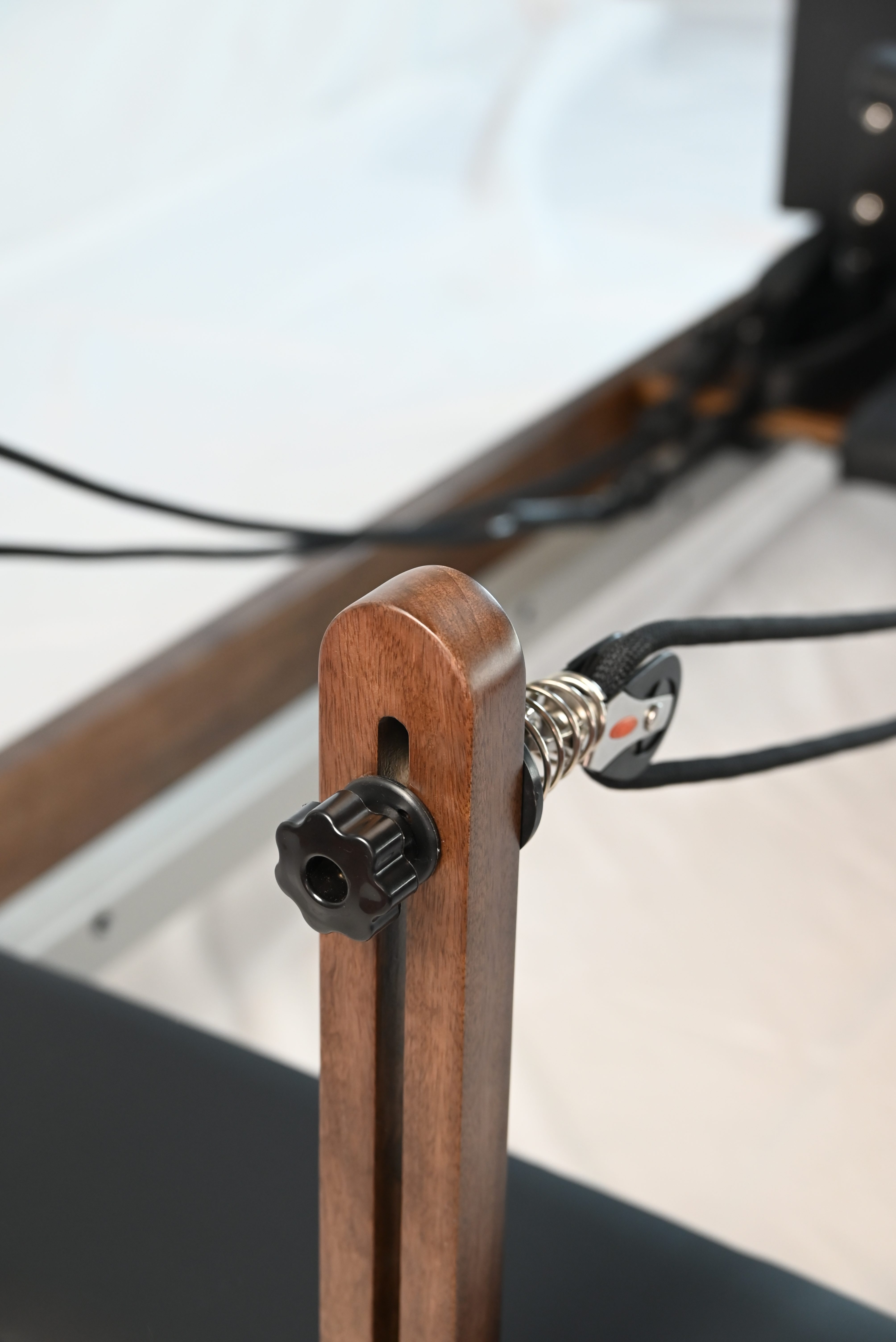
- Bearing and wheel quality: Cheap open plastic bushings or low-grade ball bearings wear quickly, rattle and generate gritty noise. Sealed cartridge bearings are the baseline for commercial silent glide, even on budget lines.
- Frame twist and leveling: Poor frame alignment, uneven leg heights or unstable base create lateral side load on the wheels. The carriage rubs against one rail during movement.
- Wheel fit and clearance: Too tight wheel preload causes binding; too loose clearance creates side-to-side wobble and rattling.
- Debris and assembly residue: Metal shavings, excess paint particles or leftover packaging dust trapped between wheels and rails produce scraping sounds that disappear temporarily after cleaning.
- Folding hinge seams (on folding reformers): Joint gaps in split rails create a noticeable bump as wheels cross the seam, a frequent issue on low-cost folding reformers.
Step-by-Step Silent Glide Validation Protocol
Use this repeatable test sequence for pre-shipment inspection, applicable for both fixed and folding budget commercial reformers. Always perform tests on a flat, level surface, with springs connected and the unit fully assembled as it will arrive at the studio.
Step 1: Static Visual and Dimension Check
First inspect the rail set before testing movement:
- Check rails for visible bending, dents, paint runs and rough edges.
- Confirm both rails are parallel and level along the full length.
- Verify wheel-to-rail clearance is consistent on left and right sides; no wheel touches the rail edge.
- For folding reformers, inspect the hinge seam alignment. The rail joint must sit flush with no step difference. Any vertical offset will create a bump noise.
Step 2: Unloaded Free Glide Test
Disconnect all springs and push the carriage slowly through its full travel range with one finger.
- The carriage should start and move without sticky resistance or sudden catch points.
- Once given a gentle push, it should continue rolling smoothly and stop gradually, not lock up halfway.
- Listen for consistent rolling sound only. Scraping, clicking or periodic bumping indicates a defect.
- Test multiple passes: slow, medium and fast speed, to catch noise that only appears at certain velocities.
Step 3: Loaded Dynamic Glide Test (Most Important for Commercial Validation)
This simulates real studio conditions and filters out “showroom quiet” units that fail under user weight. Place a test weight matching the model’s rated maximum load (typically 130–150 kg) centered on the carriage, attach standard commercial springs and run the full stroke repeatedly.
- Check for new noise that only appears under load: squeaking, grinding, side rubbing or frame creak transferring into the rail system.
- Watch for lateral carriage shift. Any wobble under load will worsen with daily class use.
- Test spring combinations from light to heavy tension, because high spring pull can pull the carriage off-center and trigger rail friction.
Step 4: Noise Measurement and Acceptance Benchmark
For objective records, use a calibrated sound meter positioned 1 meter from the carriage, at instructor ear height, in a quiet testing environment. While many budget suppliers do not publish formal decibel specs, practical commercial thresholds are widely adopted:
- Acceptable: Under 55 dB during active carriage movement, soft rolling sound only.
- Marginal: 55–60 dB, faint periodic noise; document and monitor for early wear.
- Reject: Over 60 dB, clear scraping, grinding or rhythmic clicking.
Record readings, test environment and spring configuration for each sampled unit. Video recording of the full loaded test is highly recommended for communication with factories and for dispute resolution.
Step 5: Continuous Cycle Fatigue Spot Check
For high-volume bulk orders, select sample units for accelerated cycle testing. Run the carriage through hundreds of repeated strokes. Some low-quality bearings stay quiet at first but develop noise after short cyclic wear. This helps identify early failure risks before the machines reach studios.
Sampling Rules for Bulk Shipments
You do not need to test every single unit one by one, but sampling must be strict for budget lines where quality variation is common:
- Orders of 1–10 units: 100% glide test.
- Orders of 11–50 units: Random sample of at least 20% of the batch.
- Orders over 50 units: Minimum 10% sampling, with extra samples if any unit fails the test.
If one sampled reformer fails the silent glide criteria, expand the sample size immediately. If two or more units fail, pause packing and ask the factory to recheck the production batch alignment, wheels and rails before shipment.
Acceptance Criteria and Common Corrective Actions
Define clear pass/fail rules with your supplier in writing before production starts:
✅ Pass: Smooth full-stroke travel, no sticking, no scraping, no rhythmic clicking; minor soft rolling sound only.
❌ Fail: Scraping, grinding, repeated squeaks, fixed-position bumping, visible wobble under load, catch points.
Common fixes the factory can apply before shipment:
- Realign frame legs and re-level the base.
- Adjust wheel bearing preload or replace low-grade wheels with sealed bearings.
- Sand and re-finish uneven rail surfaces or rework folding hinge seams.
- Clean all rails and wheels thoroughly to remove metal dust and paint residue.
- Reject units with bent rails or twisted frames, as these cannot be fixed reliably at low cost.
Contract and Documentation Tips for Distributors
Add silent glide performance clauses to your purchase order for budget reformer batches:
- Specify that carriage track noise and smoothness must meet the agreed loaded test standard before packing.
- Require the factory to provide test photos or short video clips for sampled units before loading into containers.
- Clarify warranty responsibility for premature track noise: many suppliers classify bearing wear as a wearable part, but noise caused by factory misalignment or defective rails should be covered.
- Keep spare wheel and bearing kits in your local after-sales inventory for budget reformers, as these are the most common replacement parts for glide issues.
Final Takeaway
Budget commercial Pilates reformers can deliver reliable, quiet performance for studios, but silent glide cannot be judged from photos or a quick unloaded push. The validation process hinges on dynamic loaded testing, consistent sampling and clear acceptance standards agreed with your manufacturer. By building this track performance check into your pre-shipment QC workflow, distributors can confidently sell budget reformers without facing avoidable complaints after delivery, and maintain trust with studio clients who rely on quiet, predictable equipment for their classes.