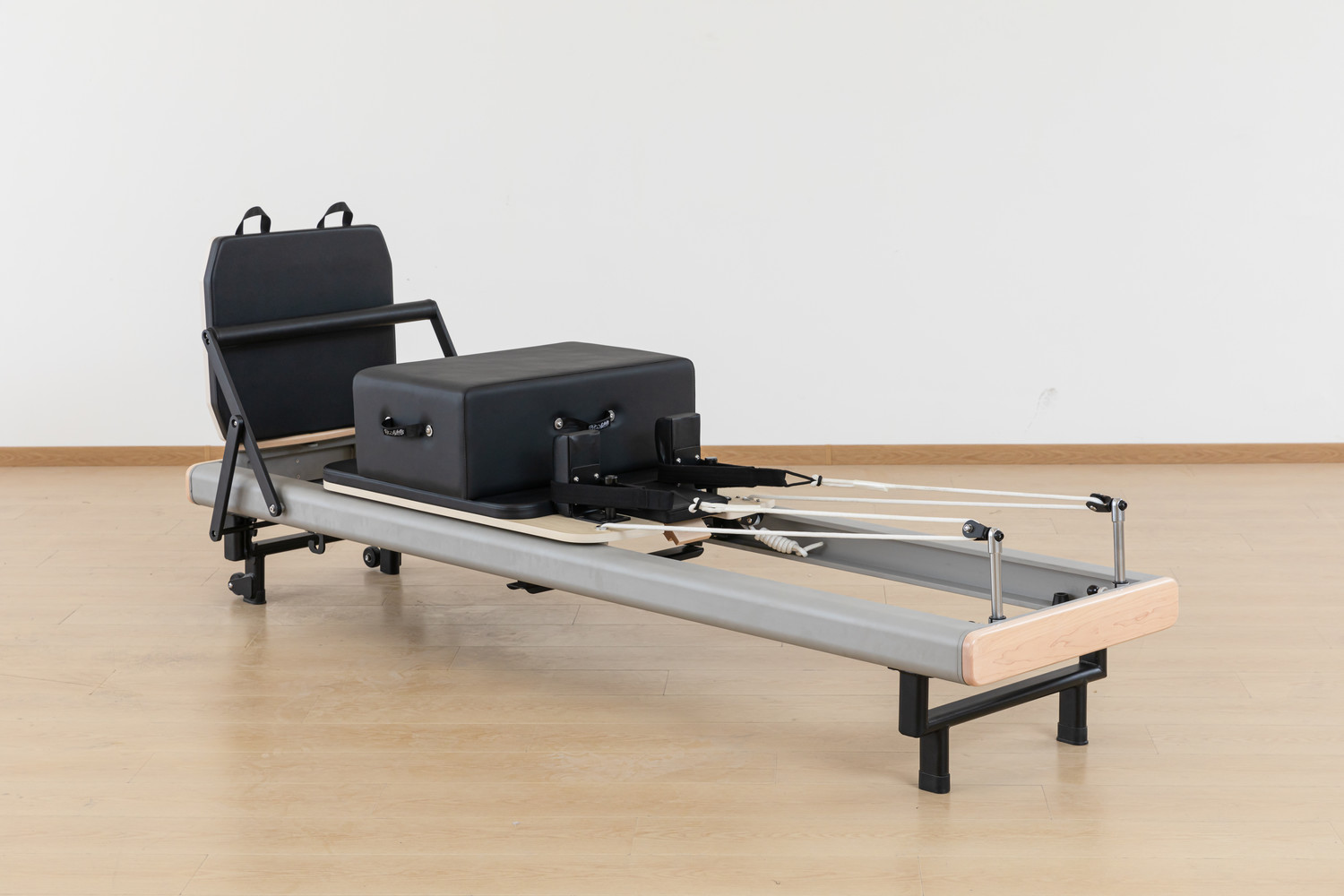
What Is a Pilates Reformer? Everything Beginners Need to Know Before Buying
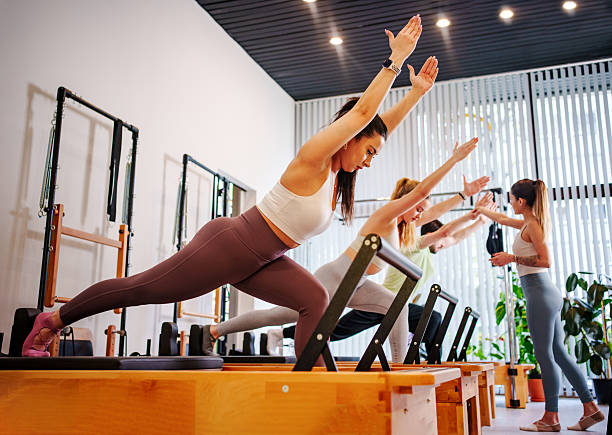
If you have taken a reformer class and are now considering bringing one home, you are not alone. The reformer is the most recognizable piece of Pilates equipment, and for good reason: it offers a versatility and feedback quality that mat work alone cannot replicate. But buying one is a significant decision, and the gap between a machine that supports your practice for years and one that becomes an expensive clothes rack is largely determined by what you understand before you purchase.
What a Reformer Actually Is
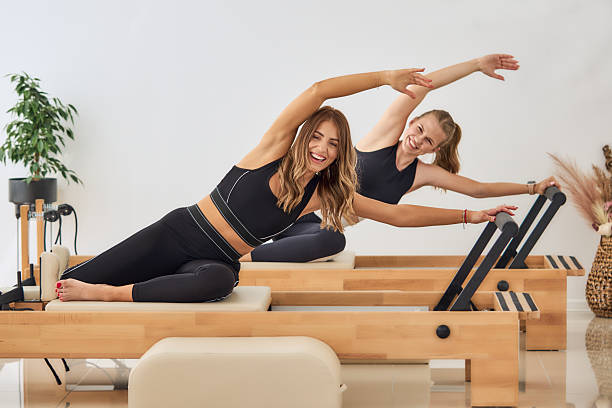
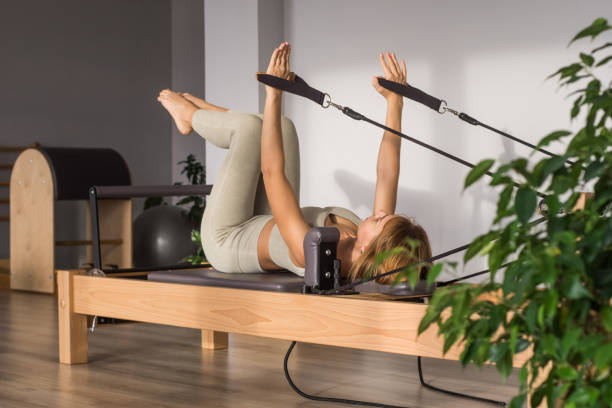
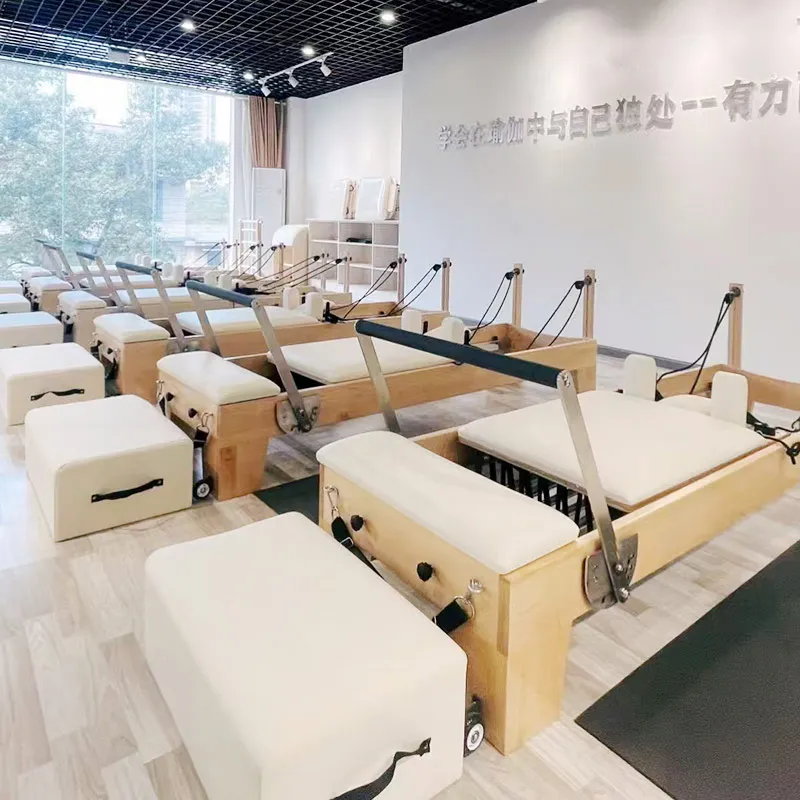
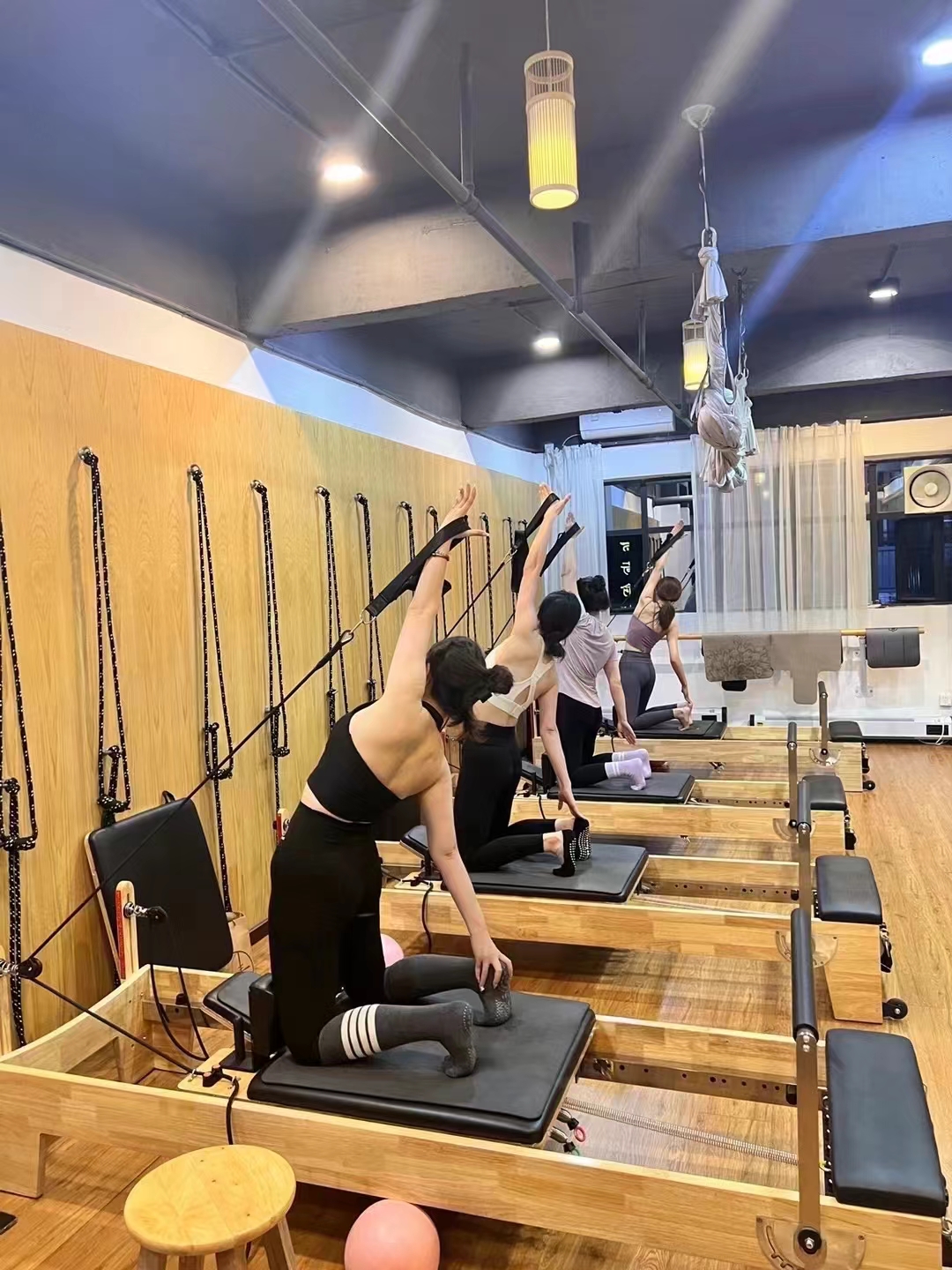
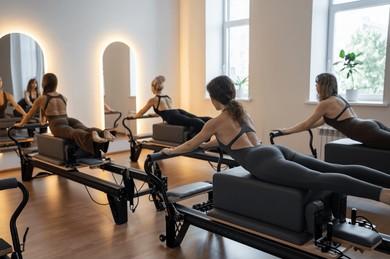
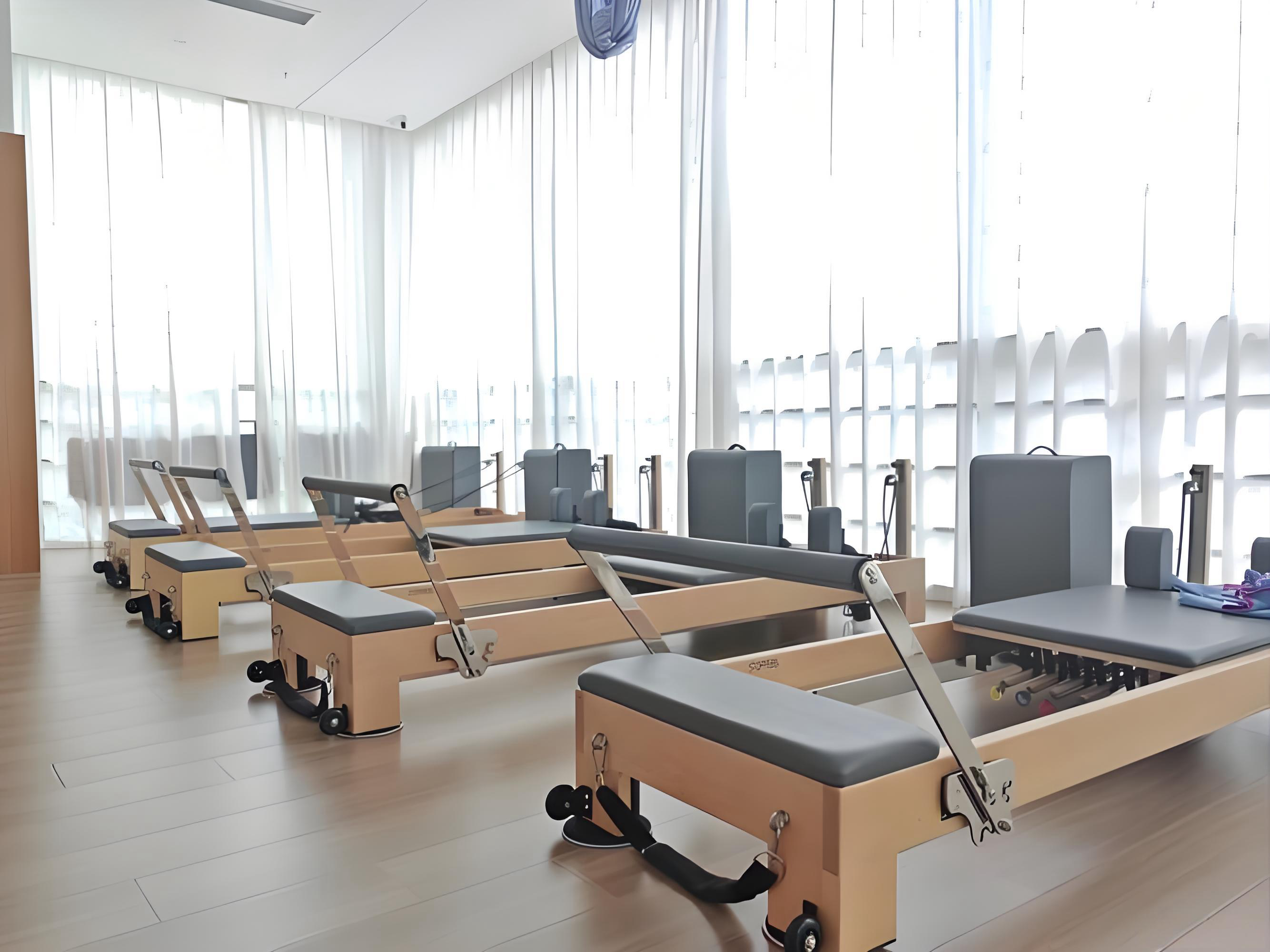
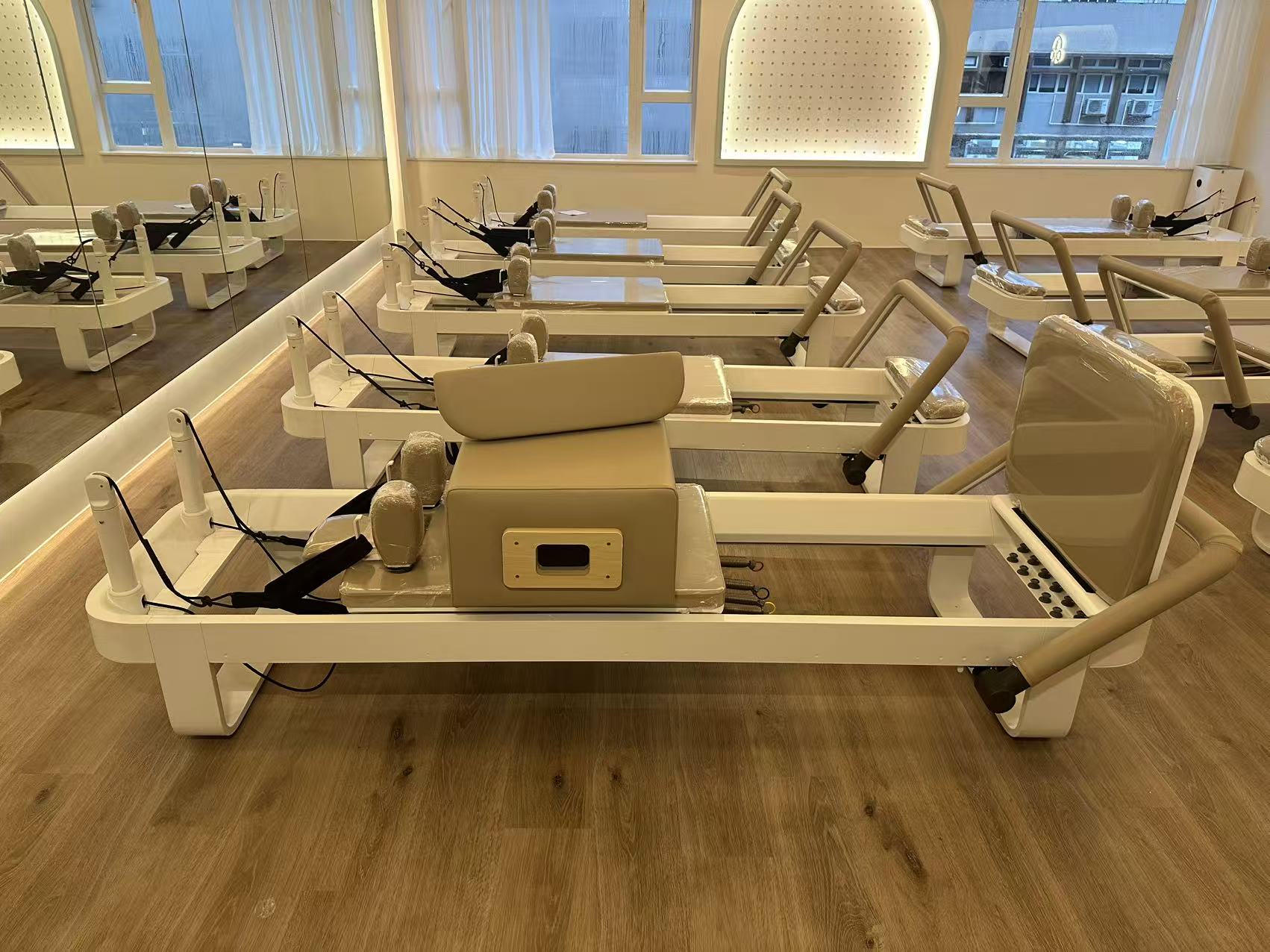
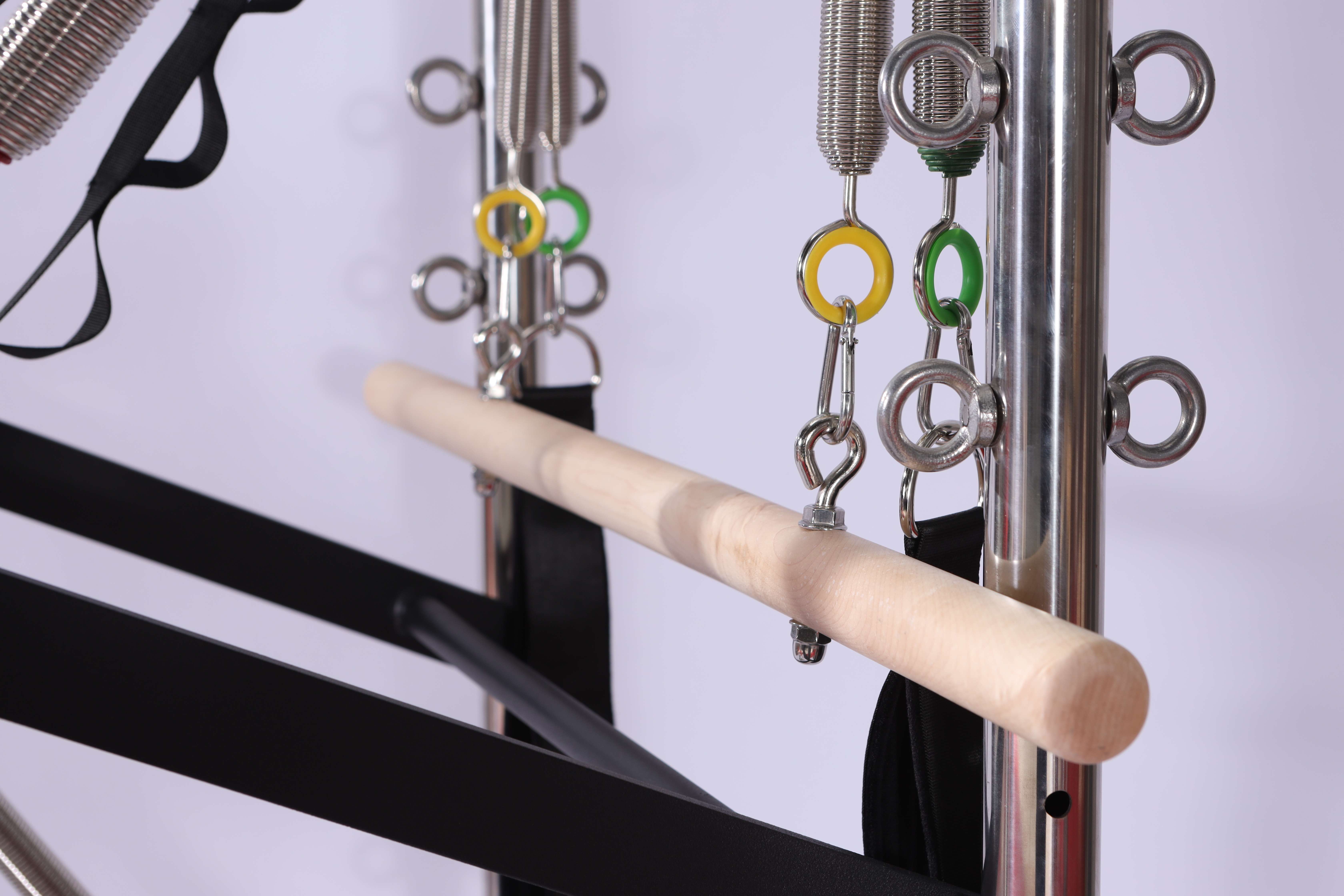
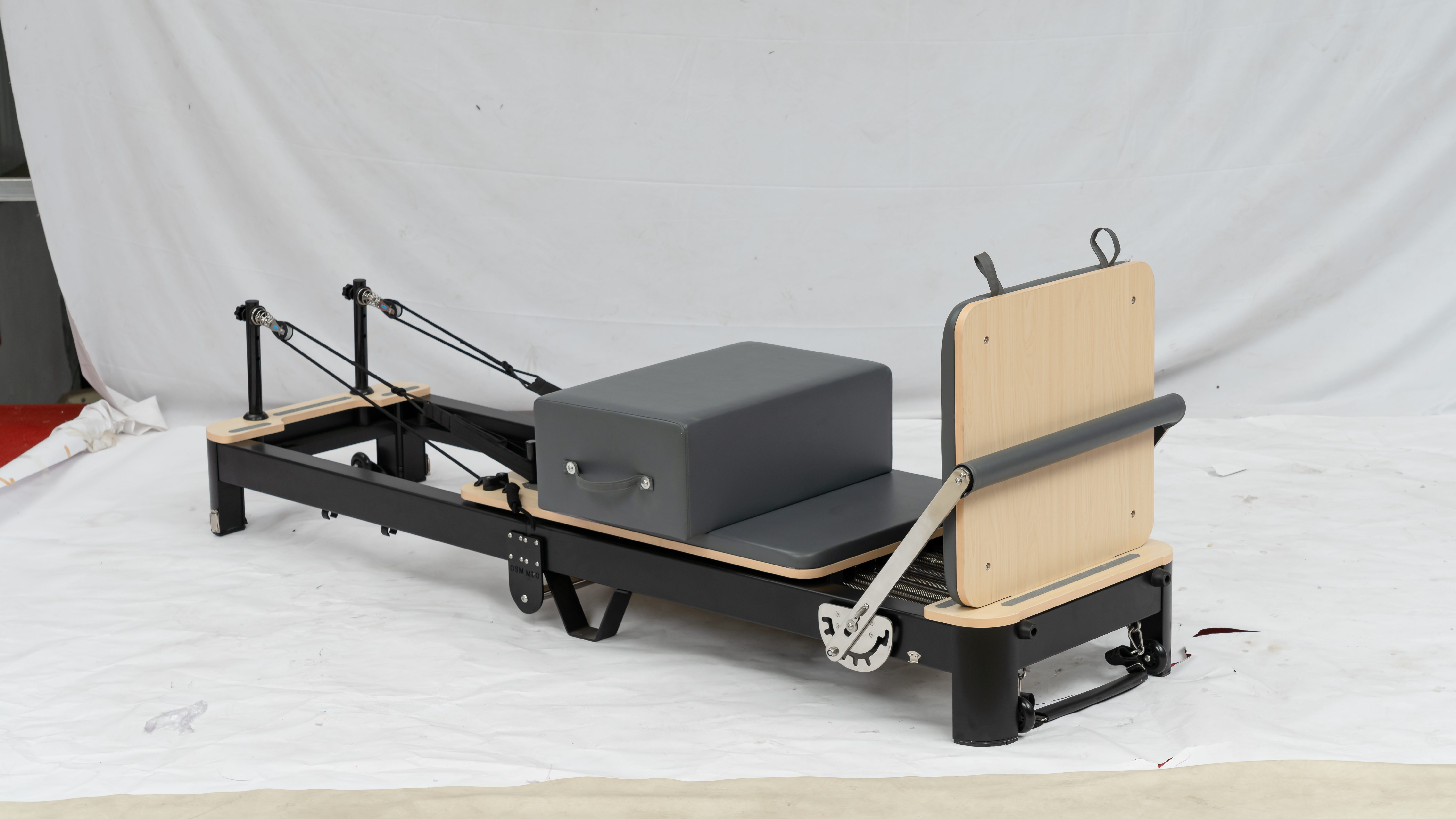
A Pilates reformer is a bed-like frame that holds a sliding platform called a carriage. You lie, sit, kneel, or stand on the carriage and move it along rails against resistance from springs attached at one end. Ropes and pulleys allow arm work, a footbar provides a pushing surface, and shoulder rests offer positioning feedback. Joseph Pilates developed the apparatus in the early twentieth century, originally using hospital bed springs to help bedridden soldiers rehabilitate. The core principle remains unchanged: springs provide variable resistance and continuous neuromuscular feedback throughout a movement, unlike weight-stack machines that offer a constant load.
Why Springs Matter More Than You Think
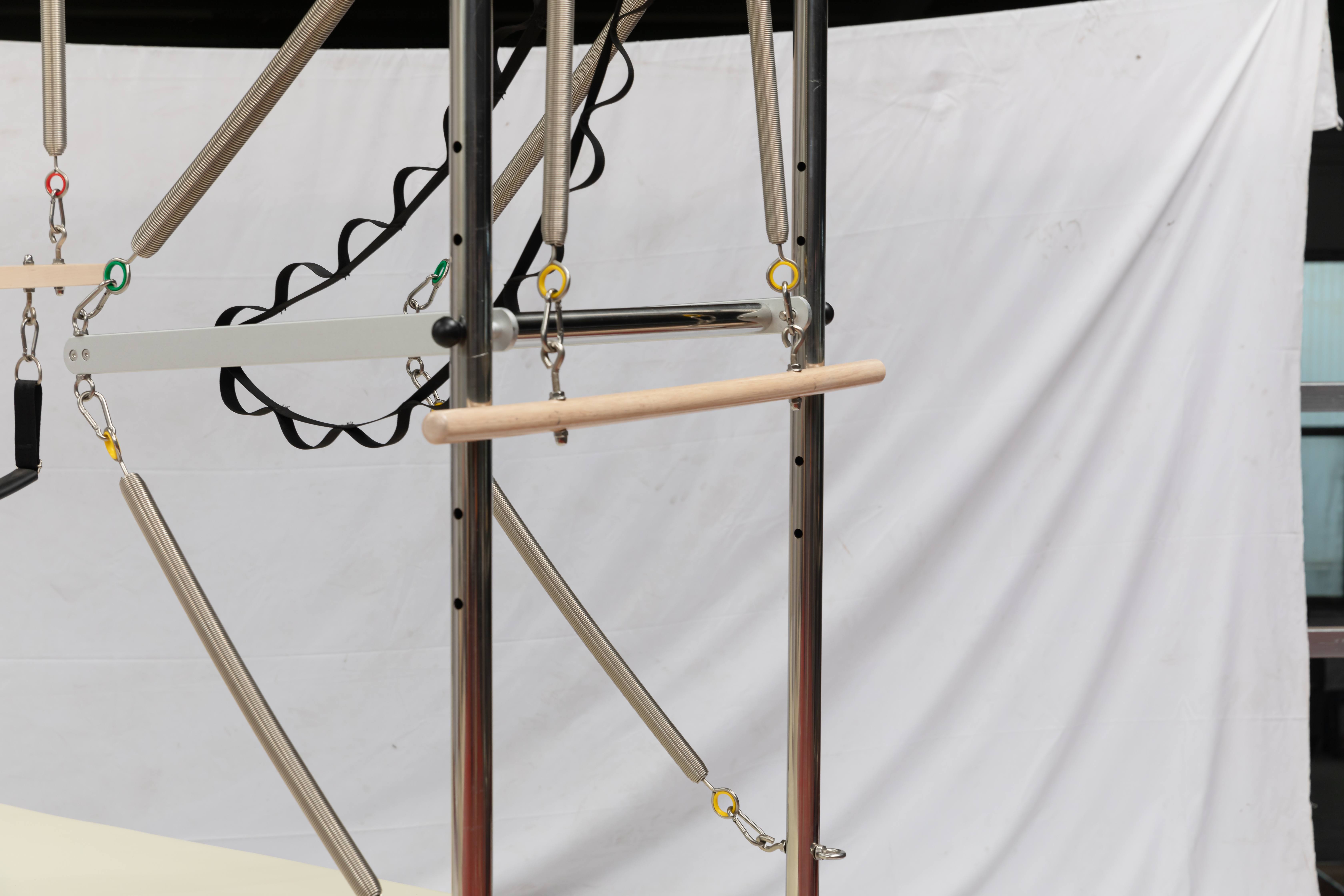
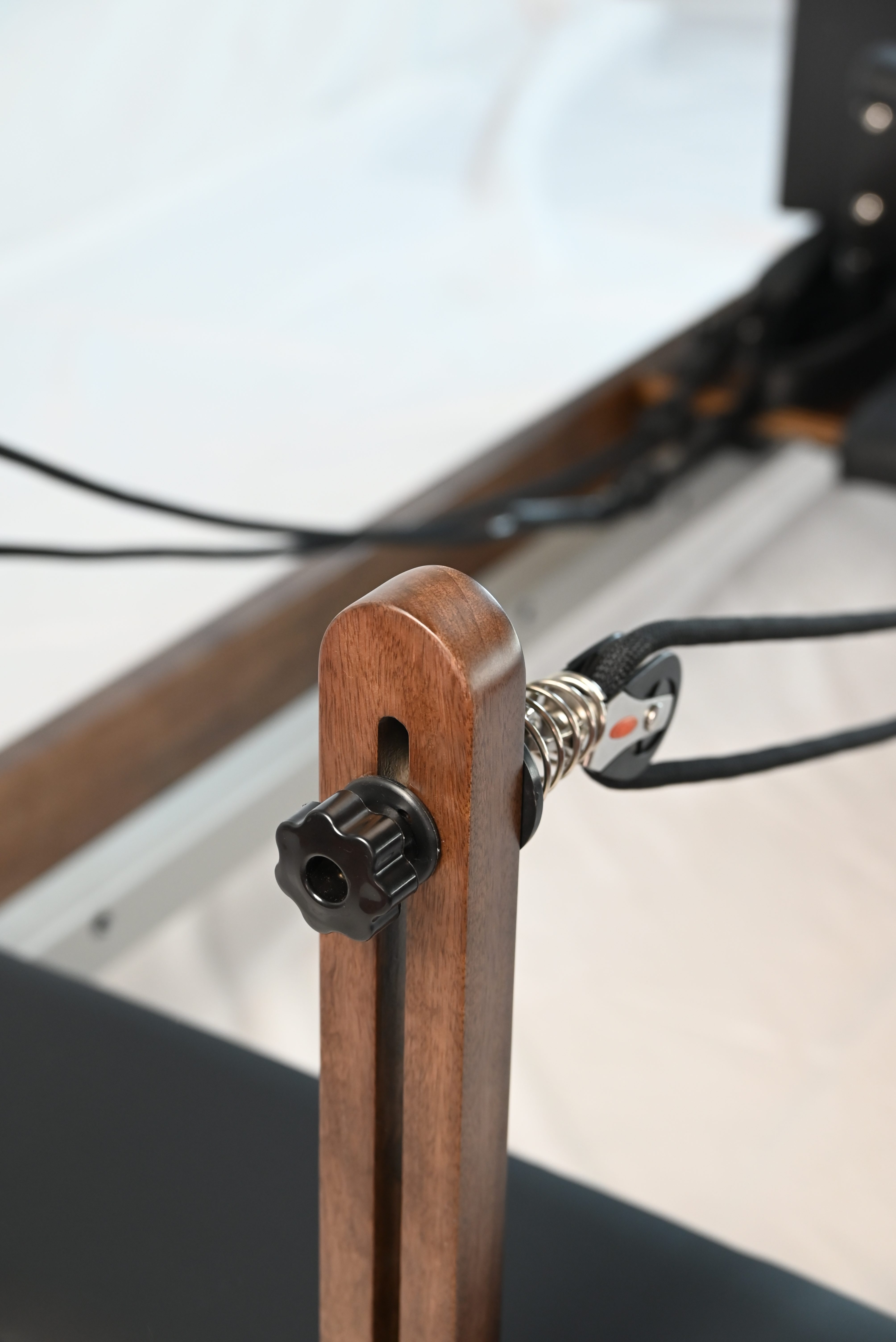
The spring system is the heart of the reformer. Traditional reformers use four to six springs of varying tensions. A wider range of spring options gives you more progression paths as your strength develops. When evaluating a machine, check whether springs are easily replaceable and whether the springbar allows adjustment for different body sizes. Consumables like springs and straps wear out long before the frame does, so serviceability is a practical concern, not a luxury.
Space Requirements: Measure Before You Commit
A typical full-size home reformer measures roughly 90 to 100 inches long and 24 to 28 inches wide. That is the machine’s footprint, not the space you need to train. A practical guideline is to allow about 10 feet by 4 feet of clear space for getting on and off and moving through common exercises. If you plan standing or jumpboard work, verify ceiling clearance—around 8 feet is usually comfortable for many users. Tape out the footprint on your floor before buying. Seeing the space marked in place removes guesswork and prevents the disappointment of a machine that feels cramped once it arrives.
Frame Material and Durability
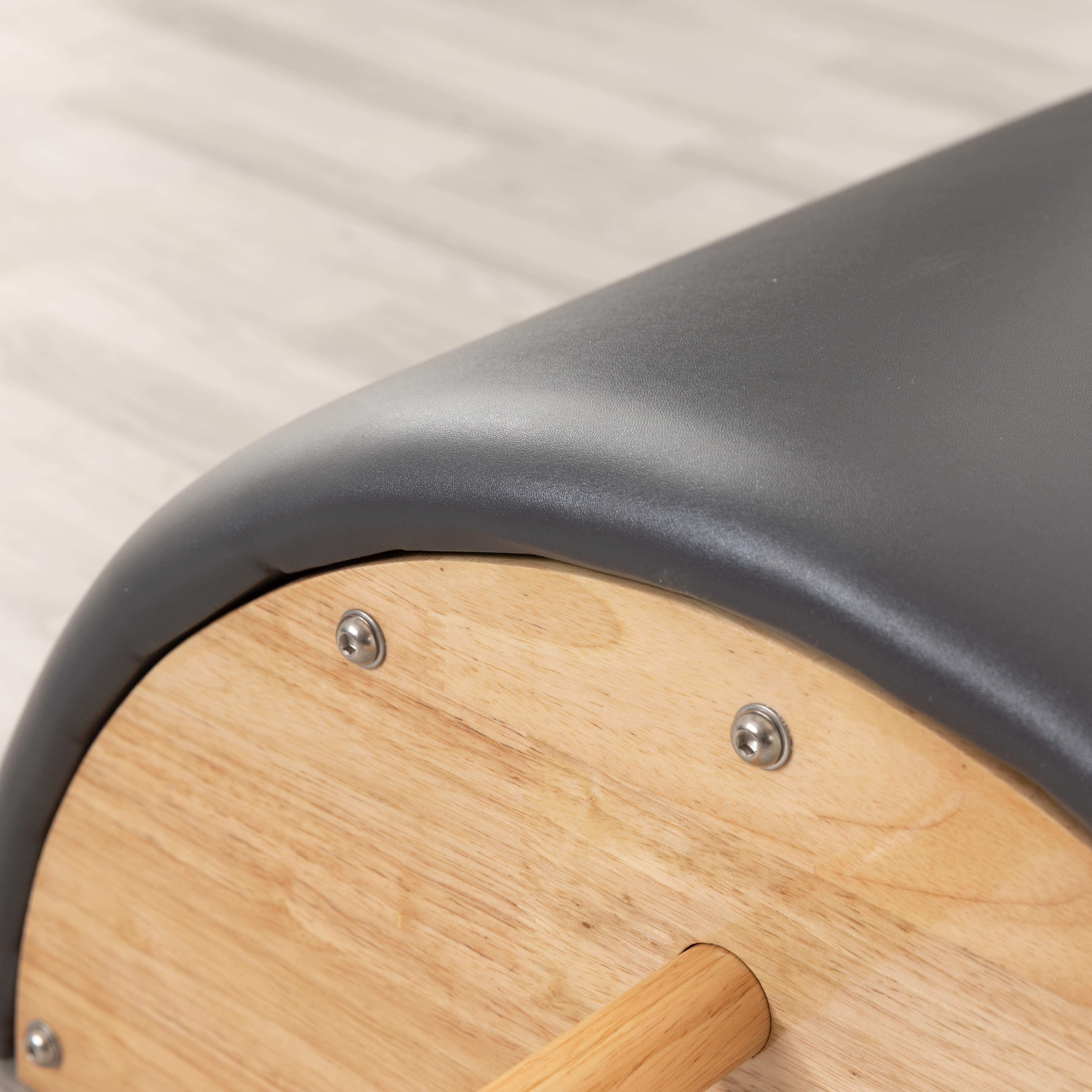
Wood and aluminum are the two dominant frame materials. Aluminum and steel resist warping better than wood and offer a more modern aesthetic. Wood frames provide a warmer, furniture-like presence and often excellent vibration dampening. Regardless of material, prioritize frame durability, carriage smoothness, and weight capacity as the most reliable indicators of long-term quality. A carriage that moves silently on its rails is a good sign; rough or noisy rails often indicate lower-quality components that will wear down. Check the manufacturer’s stated weight capacity and confirm that replacement parts—springs, wheels, upholstery—are available.
Budget Tiers and What They Mean
Verified marketplace pricing typically falls into three tiers. Budget or entry-level machines under roughly $1,200 often use lightweight plastic parts or elastic bands instead of steel springs, with narrow carriages designed for light, occasional use. Mid-range home reformers in the $2,000 to $3,200 range typically offer high-quality steel springs, smooth wheel tracking, and durable frames engineered for robust home use. Studio-grade or connected reformers at $4,000 and above replace ongoing studio costs with a one-time investment. The practical question is not which tier is best but which tier matches how often you will actually train and whether the machine can be serviced when components wear.
A Question Worth Asking Yourself
Before purchasing, be honest about your habits. Have you maintained a regular exercise routine in the past? How many times have you used the reformer in a studio setting, and do you understand its value from direct experience? Some experienced practitioners note that for many people, a home reformer risks becoming an unused large purchase, and that a mat plus small props like a resistance band, ball, and Pilates ring can accomplish a significant portion of the same work for a fraction of the cost and space. This is not an argument against buying—it is an argument for buying with clear eyes.
Conclusion
A reformer is a versatile, low-impact, and remarkably effective piece of equipment. It is also a substantial investment in money and floor space. Understanding what the machine does, how springs and frames differ, what space it truly requires, and whether your habits support regular home use will help you choose a reformer that earns its place in your home rather than gathering dust.