Common PU Upholstery Durability Issues for Commercial Pilates Machines and Fixes
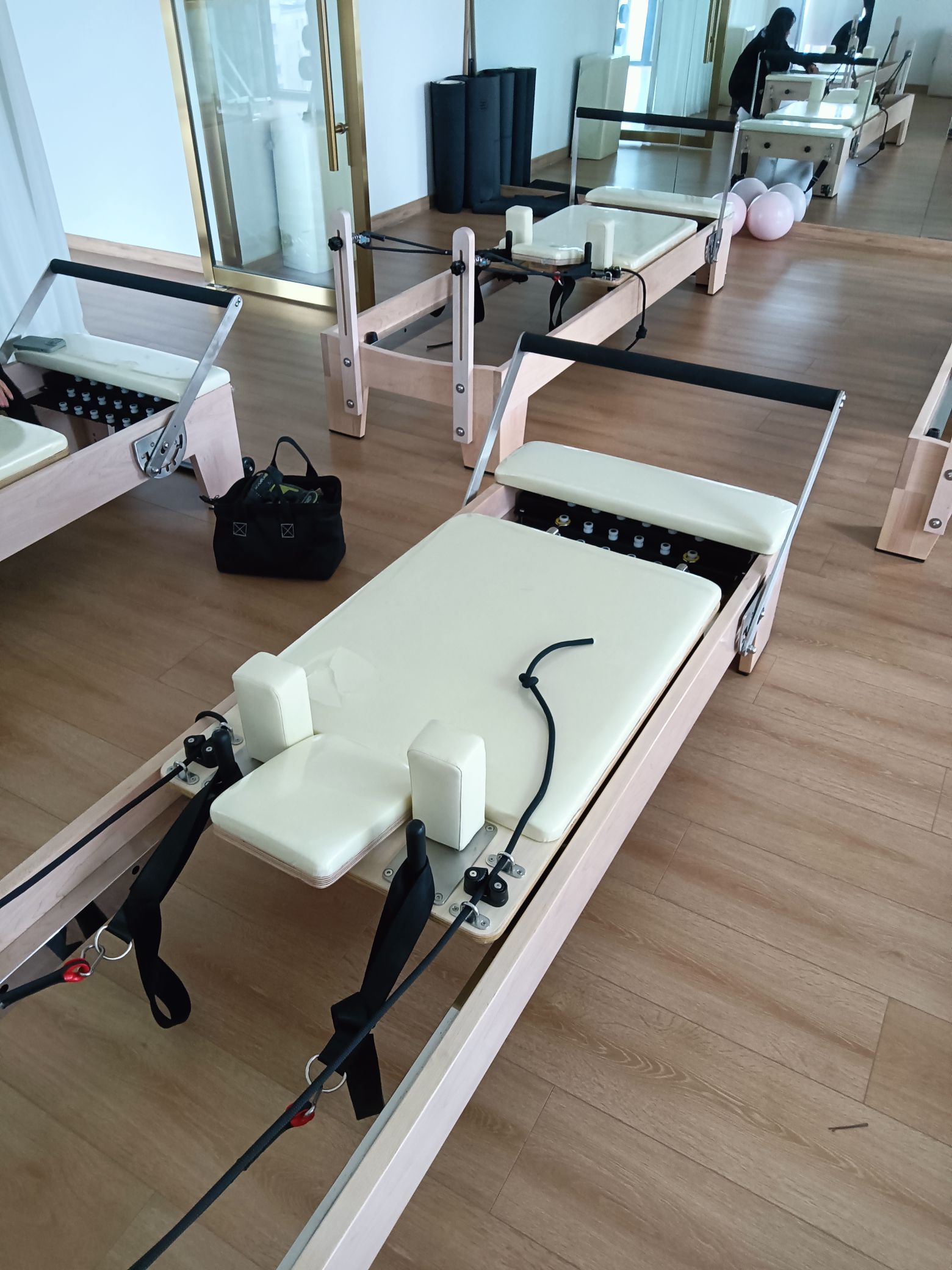
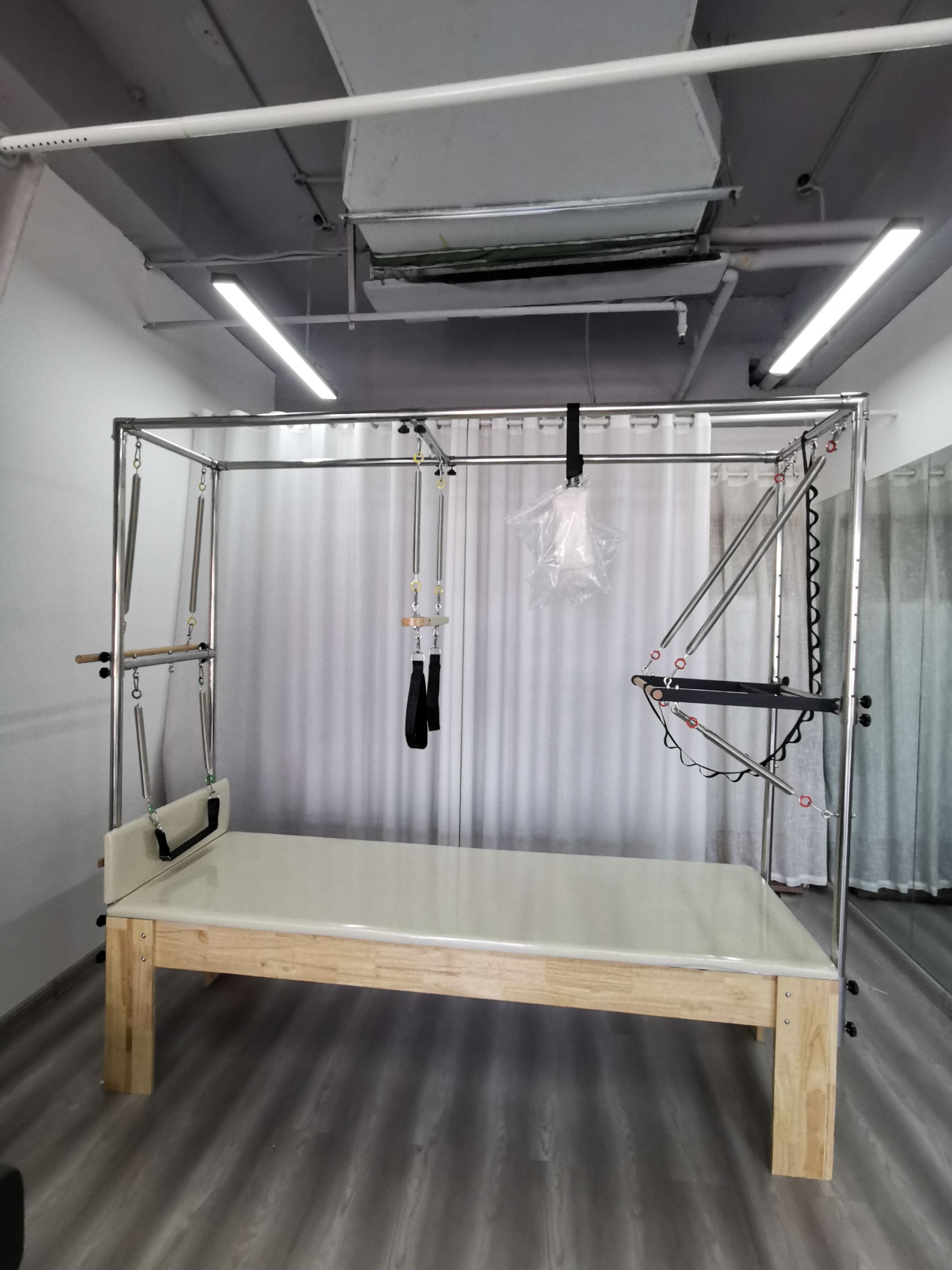
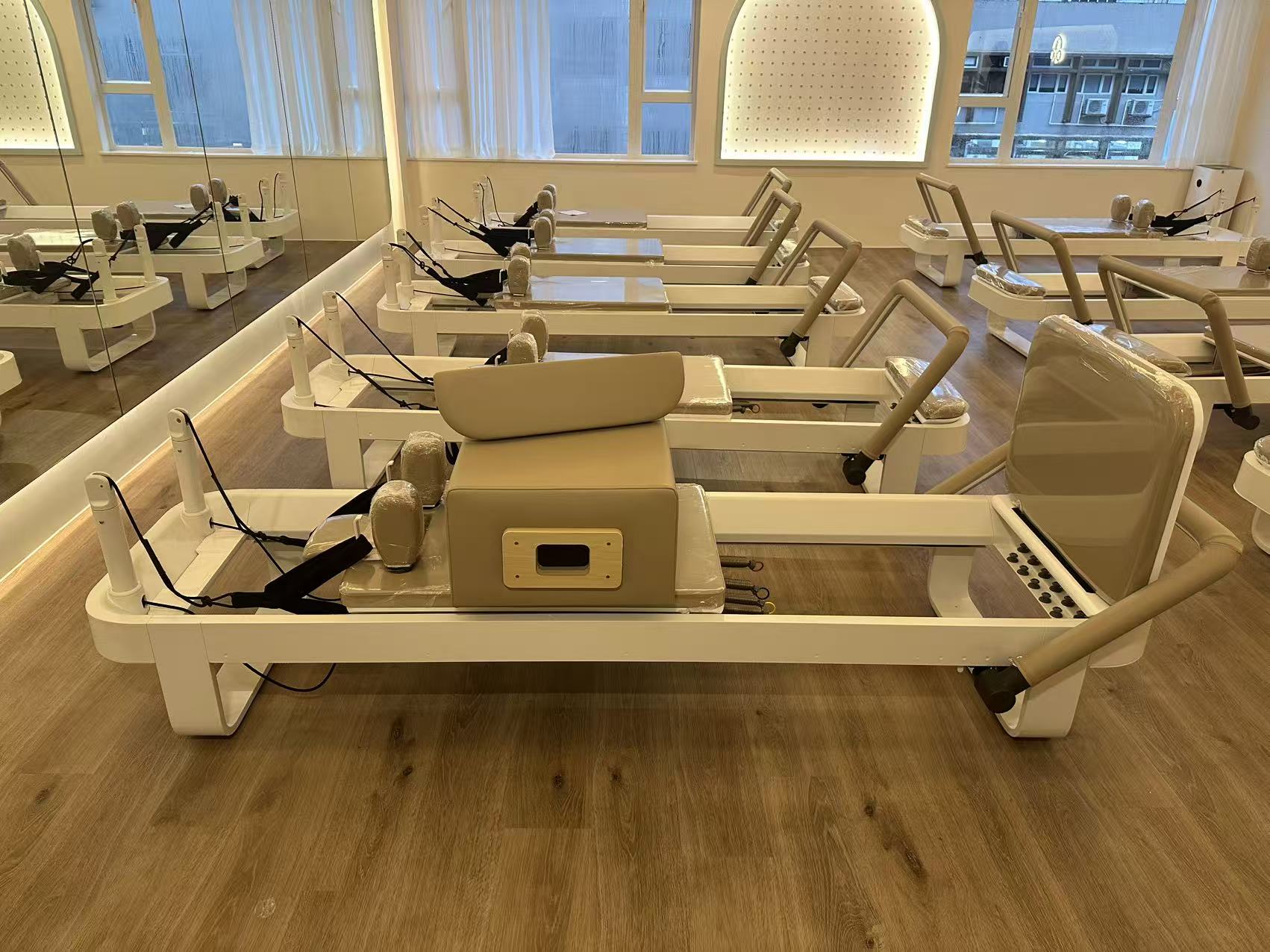
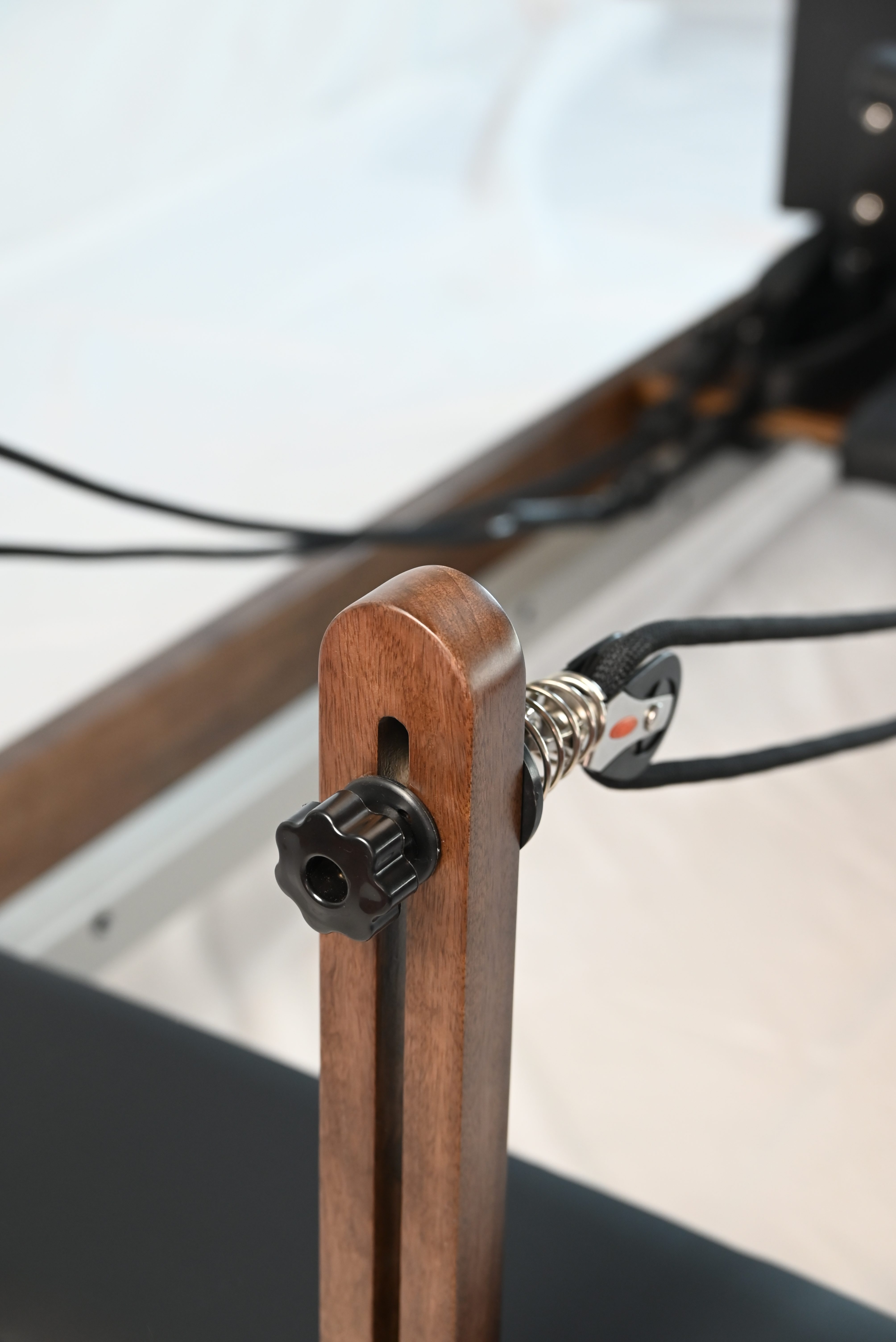
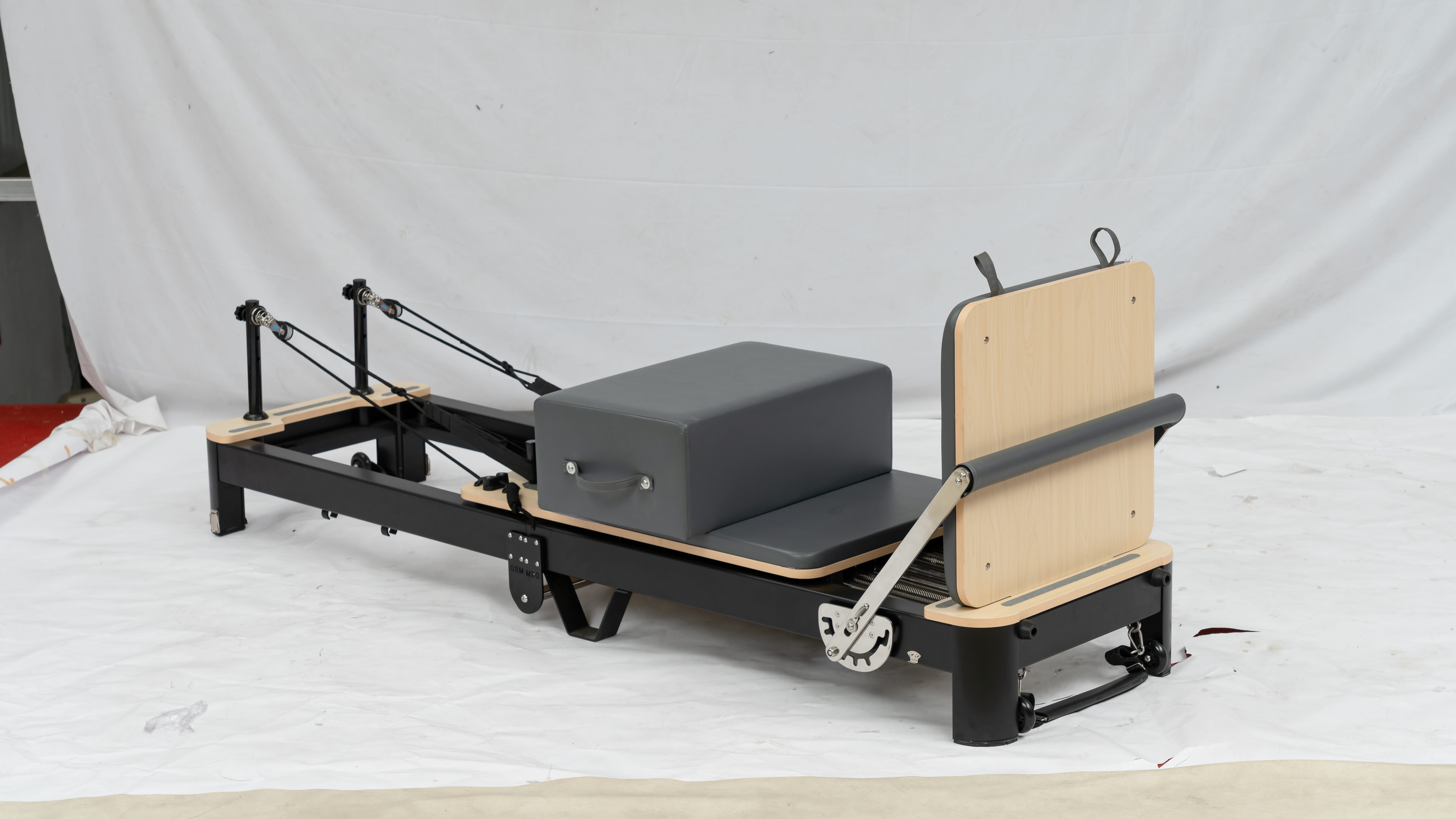
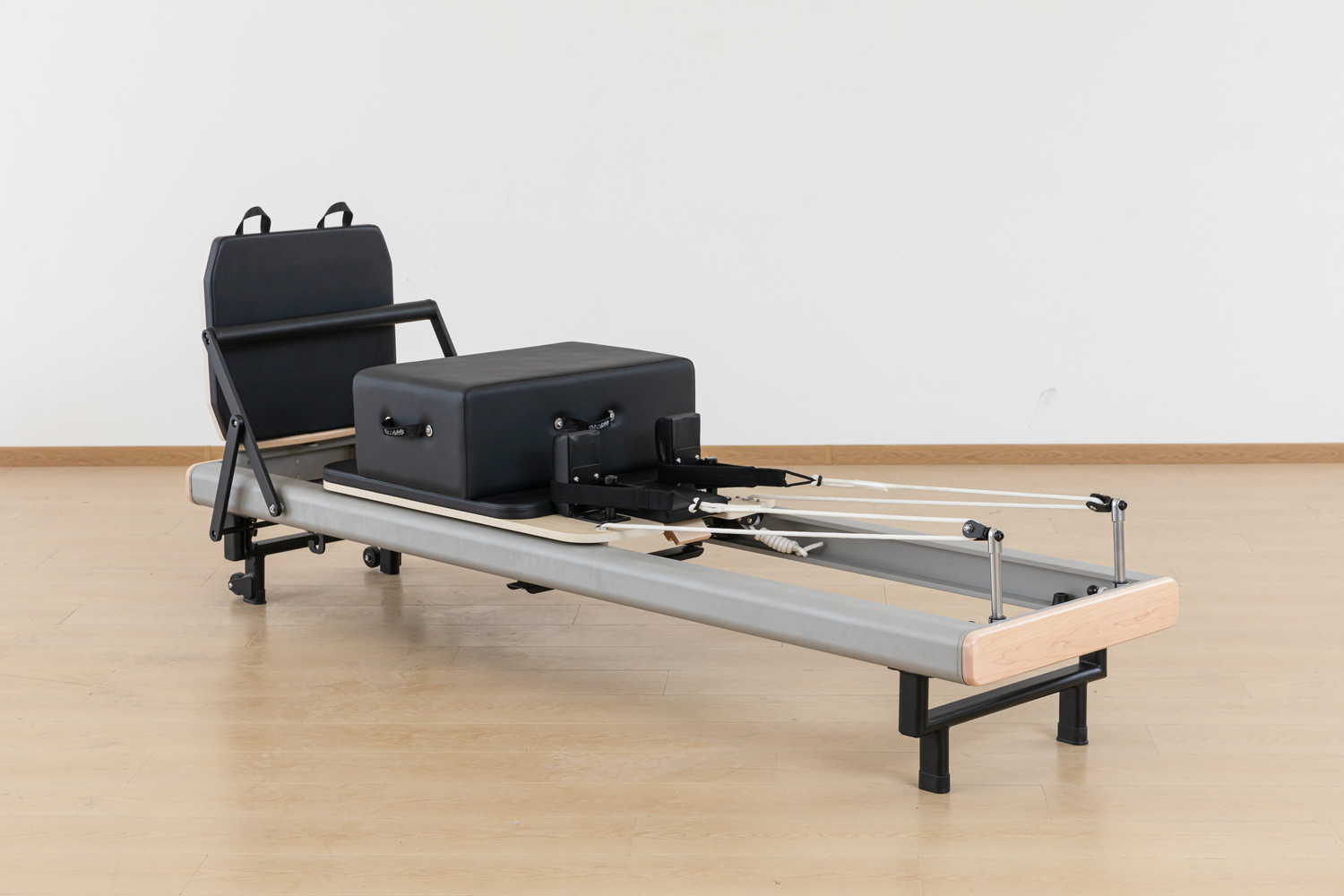
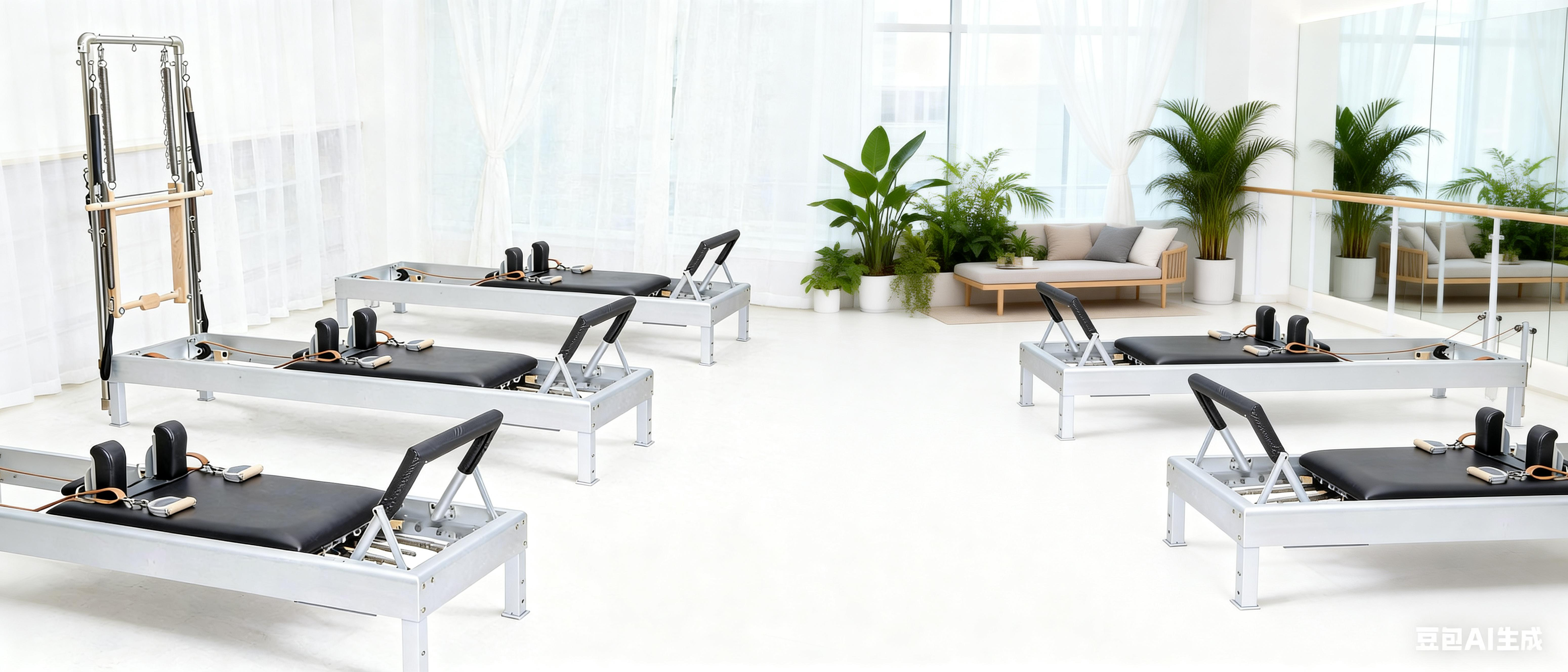
Pilates reformers, Wunda chairs and cadillac machines rely heavily on PU upholstery for padded support. For high-traffic commercial studios, the PU cover is the fastest-wearing component. Many distributors and studio owners underestimate PU degradation risks, leading to stained, cracked, peeling pads within 1–2 years, client complaints, warranty claims and unexpected re-upholstery costs. This article breaks down the most frequent PU upholstery durability problems on commercial Pilates equipment, explains their root causes, and shares practical short-term fixes and long-term prevention strategies for importers, distributors and studio operators.
1. Surface Peeling & Delamination
The issue
Peeling is the most widespread failure for low-grade PU upholstery. The thin PU top layer separates from its fabric backing, forming small flakes that rub off onto clothing. It usually starts at high-friction zones: carriage edges, headrests, shoulder supports and cushion corners. Once delamination begins, it spreads quickly across the pad surface.
Root cause
Standard PU uses a coated surface film bonded to a textile base. Sweat, body oils and high humidity break down the bonding layer. Poor manufacturing lamination, thin coating thickness and hydrolysis-prone PU material accelerate this damage. Harsh alcohol or bleach-based disinfectants will speed up delamination dramatically.
Fixes & prevention
- Minor peeling: Use professional vinyl/PU repair compound to seal small flaking areas, as a temporary cosmetic solution.
- Severe peeling: Full pad re-upholstery is required; partial patching will not stop further spreading.
- For bulk orders: Specify hydrolysis-resistant PU for commercial studio use. This grade resists sweat and moisture breakdown, the key upgrade for busy group class studios.
- Ban alcohol, bleach and strong disinfectants. Use only pH-neutral, PU-safe cleaners after every class.
2. Cracking & Brittleness
The issue
The PU surface loses flexibility and develops fine or deep cracks. Cracked upholstery traps bacteria and sweat, creating hygiene risks for clients. Cracks often appear in areas that bend and compress repeatedly.
Root cause
Plasticizers inside PU slowly evaporate over time, especially under heat, UV light and repeated compression. Low-quality PU has fewer plasticizers from the factory, turning rigid much faster. Direct sunlight on studio equipment also accelerates hardening and cracking.
Fixes & prevention
- Fine hairline cracks: Apply PU conditioner every 1–2 months to restore surface flexibility and slow further cracking.
- Deep cracks: Replacement is recommended, as cracks cannot be reversed.
- Studio layout: Keep Pilates machines away from direct sunlight and heating vents.
- Sourcing tip: Ask suppliers for PU material aging test reports before bulk purchase.
3. Staining & Discoloration
The issue
Dark spots, yellowing and permanent stains appear on PU pads from sweat, skincare oils, sunscreen, makeup and coloured clothing. Lighter upholstery colours show stains far more visibly.
Root cause
Body oils and sunscreen chemicals penetrate the PU surface over time. If pads are not wiped down after each session, residues build up and cause permanent discoloration. Some cheap PU has weak stain-resistant surface treatment.
Fixes & prevention
- Fresh stains: Clean immediately with pH-neutral PU cleaner and a soft microfiber cloth, then dry fully.
- Old, set-in stains: Most cannot be fully removed; this becomes a cosmetic replacement issue.
- Studio rule: Wipe all padded surfaces after every session. Choose darker upholstery colours for high-traffic studios to hide minor staining.
- When ordering: Select PU with enhanced anti-stain surface coating for commercial applications.
4. Friction Wear & Surface Scuffing
The issue
Matte PU becomes shiny, worn and scratched at contact points from constant rubbing against leggings, skin and towels. Heavy daily use in group studios wears away the top finish.
Root cause
Abrasive friction from repeated body contact. Thin PU coatings wear through quickly, exposing the base fabric underneath. Sharp jewellery, zippers and buttons also create scratches.
Fixes & prevention
- Light scuff marks: Use PU conditioner to refresh the surface finish.
- Heavy worn patches: Re-upholstery. Add client guidelines to remove sharp jewellery before training.
- Manufacturer selection: Choose thicker PU (1.0mm or above) with high abrasion resistance for commercial grade Pilates gear.
5. Stitching Failure & Corner Tearing
The issue
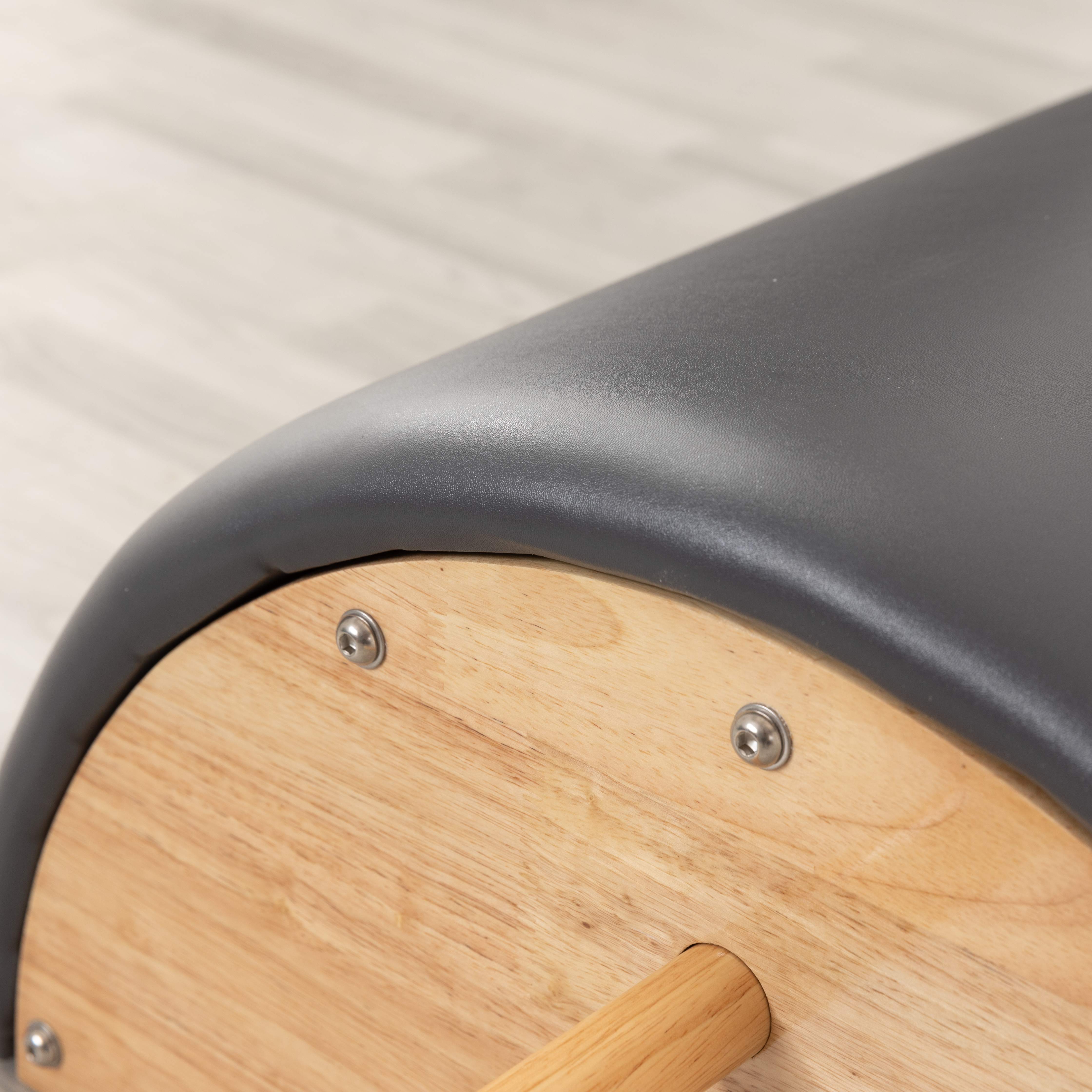
Seams split or PU tears at cushion corners, where the material is folded and stretched during upholstery assembly.
Root cause
Low tensile strength PU, weak thread, or tight stretching during the upholstery fitting process. Repeated compression and twisting during workouts puts constant stress on corners and seams.
Fixes & prevention
- Small seam openings: Re-stitch with heavy-duty UV-resistant polyester thread.
- Large tears at corners: Replace the pad.
- Quality inspection: During pre-shipment inspection, check all corners and seams for excessive tension and weak stitching.
6. Odour & Foam Contamination Linked to PU Barrier Failure
The issue
Persistent unpleasant odour from cushions. Many buyers assume the smell comes from foam, but often it is sweat penetrating through damaged PU into the underlying foam.
Root cause
When PU coating loses integrity, sweat and moisture pass through the PU layer and get trapped inside the foam padding, leading to bacterial growth and odour.
Fixes & prevention
- Early-stage odour: Deep clean and fully air-dry the pad.
- Strong, persistent odour: Replace the foam and upholstery together.
- Material upgrade: Hydrolysis-resistant PU acts as a better barrier, preventing sweat from reaching foam.
How to Choose Better PU for Wholesale Pilates Equipment
For distributors importing Pilates machines to EU and North American markets, material selection directly cuts after-sales complaints. Compare these specs with your manufacturer:
- Material grade: Hydrolysis-resistant PU (commercial grade) vs standard PU (home-use only)
- Thickness: 1.0mm+ recommended for studios
- Tests: Abrasion resistance test, hydrolysis aging test, stain resistance test
- Compliance: Low VOC, REACH & POPs compliant, no heavy metal additives
Studio Maintenance Checklist to Extend PU Upholstery Life
- Wipe all padded surfaces with pH-neutral cleaner after each class, dry completely.
- Apply PU conditioner every 4–8 weeks to maintain elasticity.
- Inspect pads weekly for peeling, cracks and seam damage.
- Keep equipment out of direct sunlight and high humidity zones.
- Avoid bleach, alcohol, acetone and abrasive scrubbing pads.
Conclusion
PU upholstery failures are one of the biggest hidden costs for commercial Pilates studios and equipment distributors. Peeling, cracking, staining and seam damage rarely happen by accident; they stem from poor material selection, improper manufacturing, or incorrect daily cleaning routines. Short-term repair kits can handle minor cosmetic damage, but heavily degraded PU pads need full replacement.
The most cost-effective solution is proactive: select hydrolysis-resistant, commercial-grade PU at the quoting stage, include upholstery quality checks in pre-shipment inspection, and share clear maintenance guidelines with your studio customers. Better PU upholstery reduces warranty claims, improves client satisfaction and protects your brand reputation in the competitive Pilates equipment wholesale market.