Can Pilates Manufacturers Provide Local Technical Support for European Studio Installations
When European studio owners and fitness distributors import bulk commercial Pilates equipment, most focus on CE certification, pricing, and shipping terms, while ignoring a critical post-delivery factor: local technical installation support. Many overseas manufacturers only offer remote online guidance, leaving European clients to handle complex assembly, calibration, adjustment, and fault debugging independently. Unprofessional installation leads to unstable machine operation, noisy sliding systems, uneven spring tension, and shortened equipment lifespan, directly affecting studio opening progress and customer experience. This article answers whether Pilates manufacturers can provide local European technical support, clarifies existing service models, and guides importers to select suppliers with reliable on-site service capabilities.
Why European Pilates Studios Need Local On-Site Technical Support
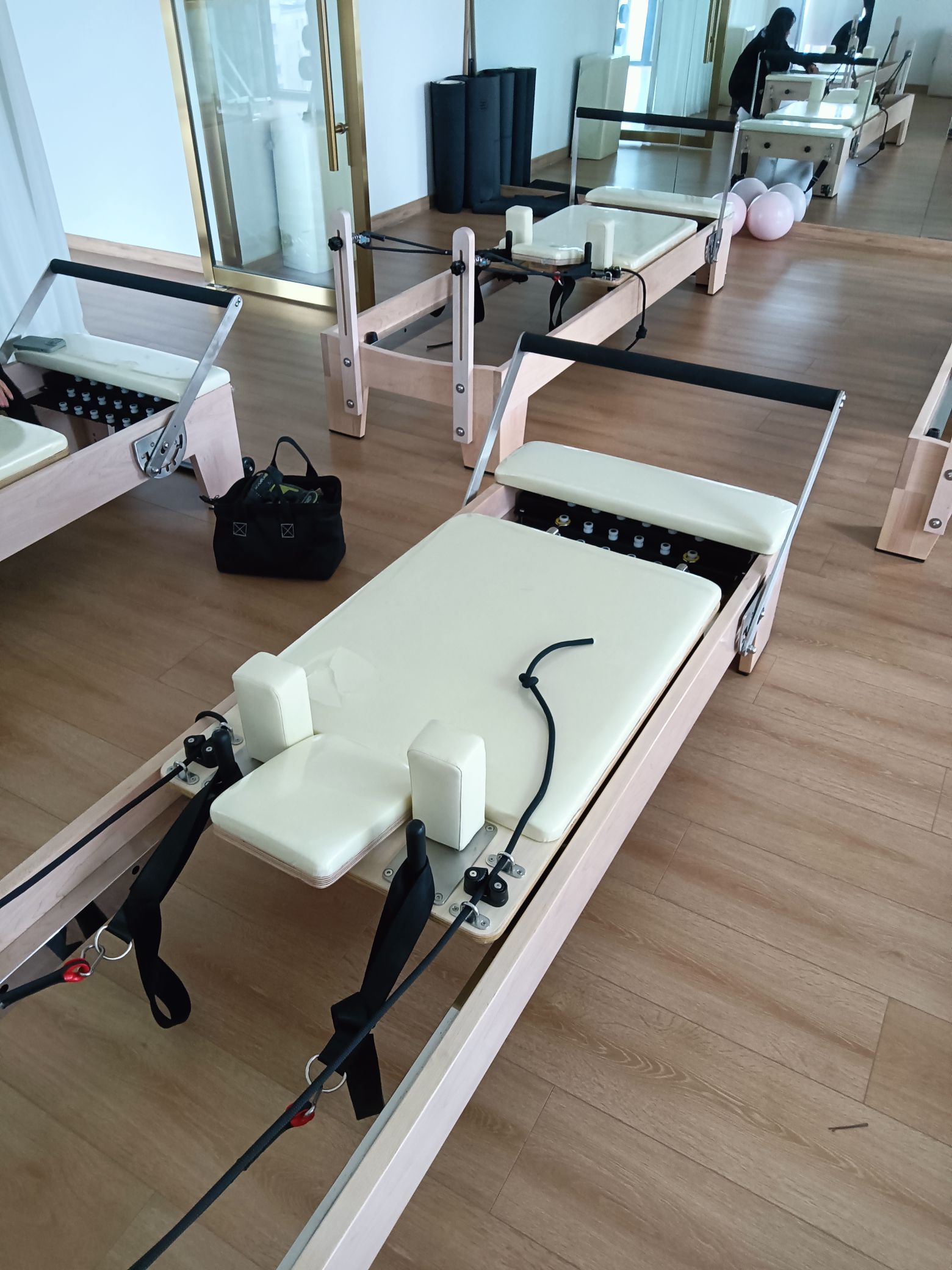
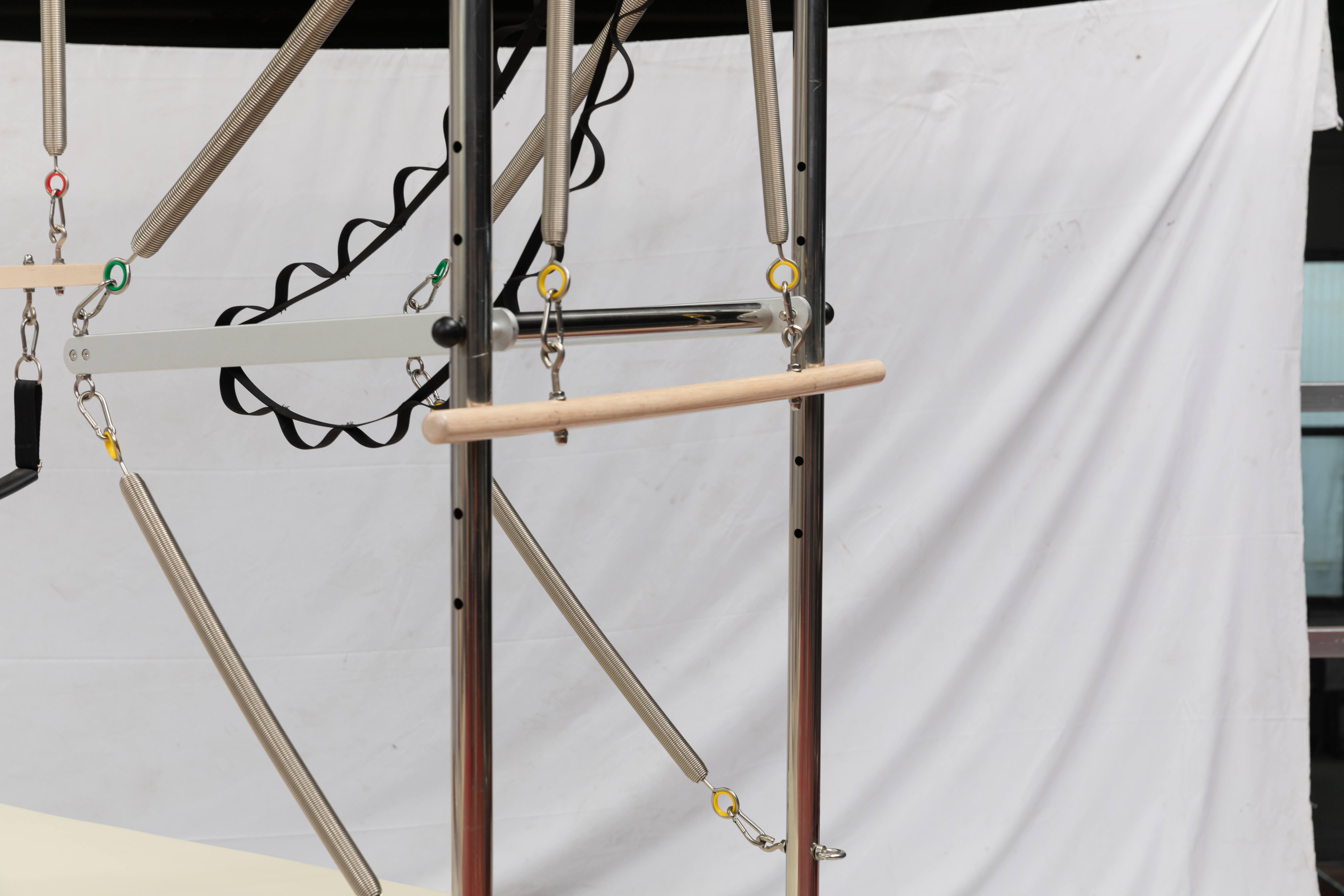
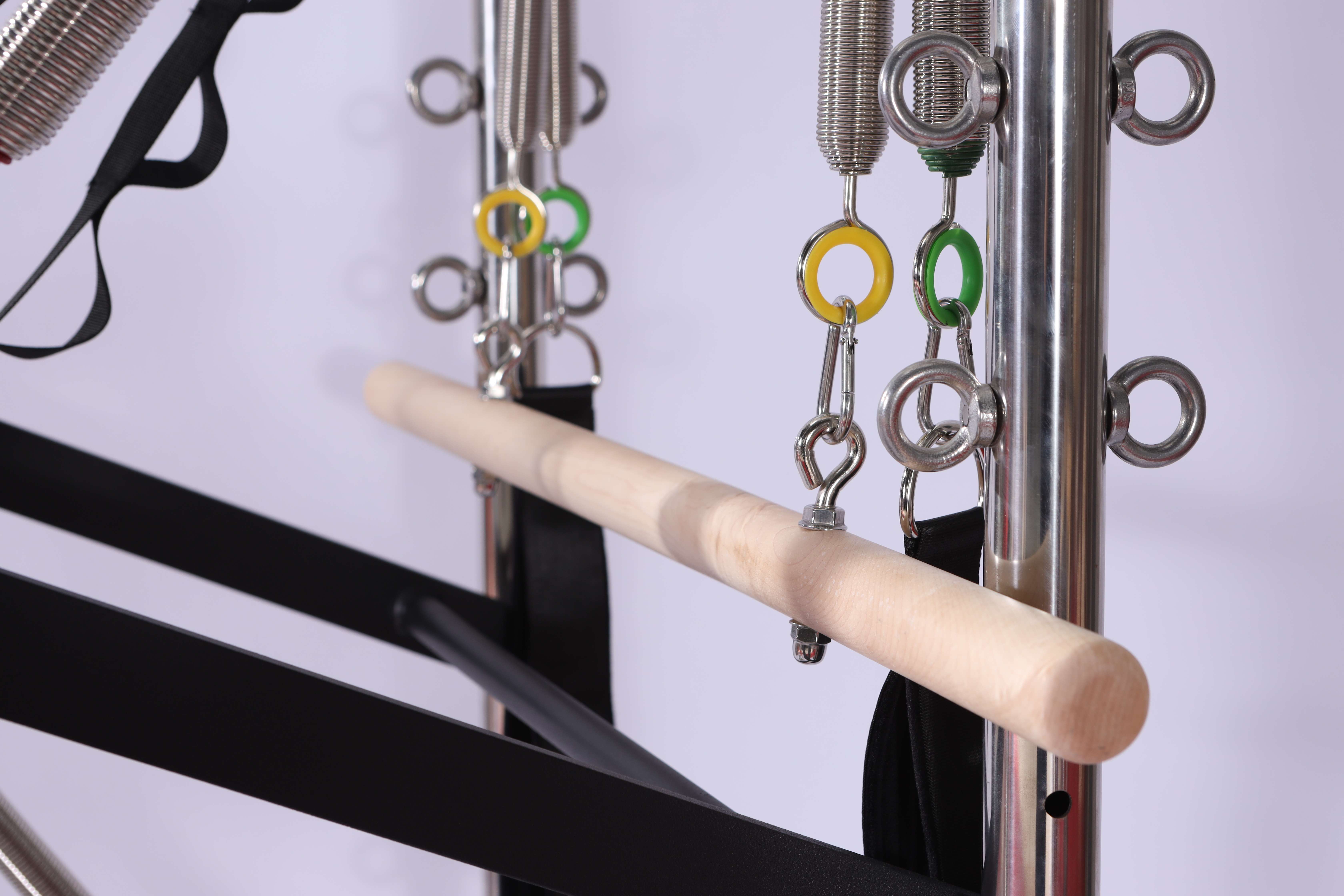
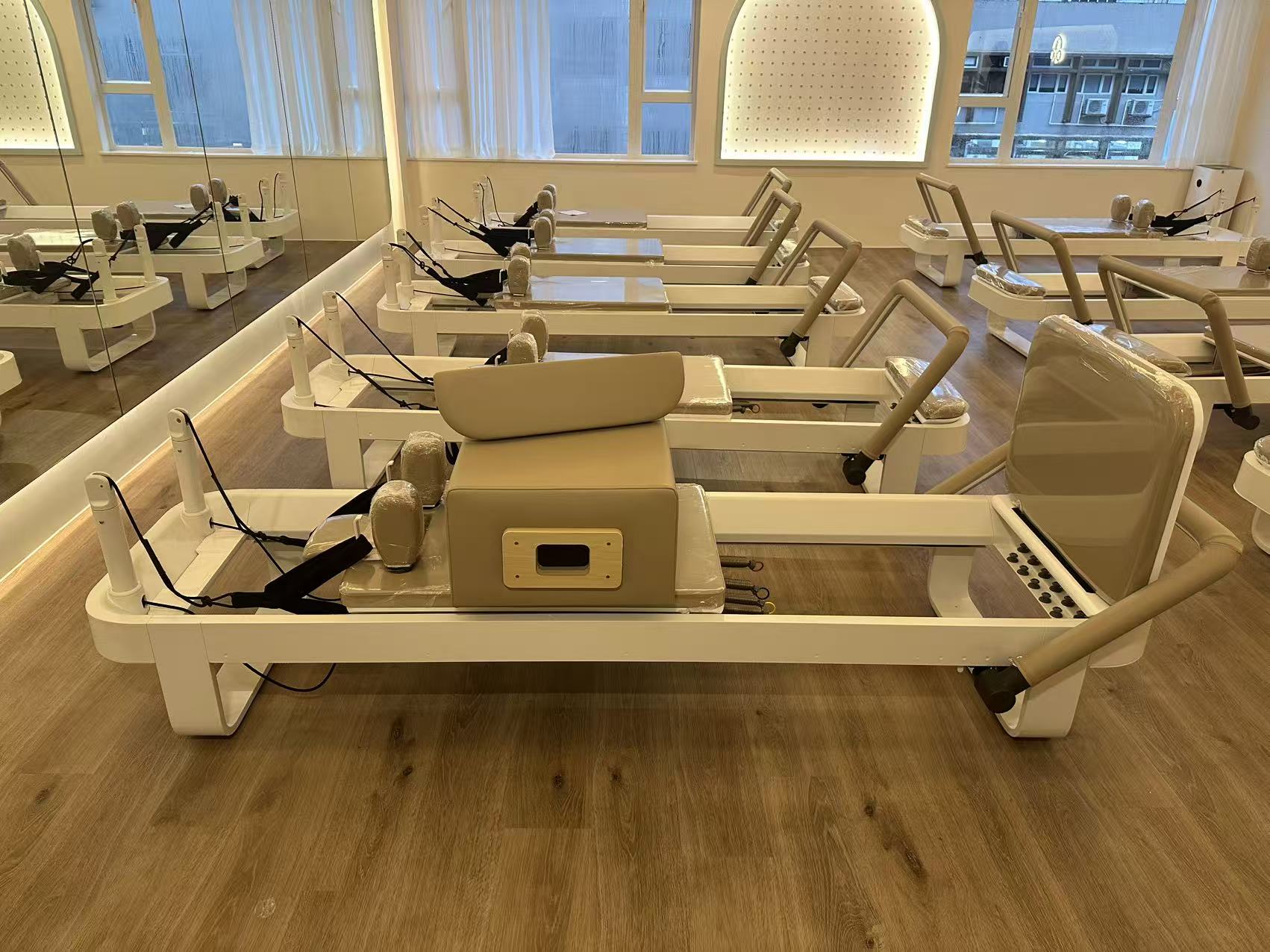
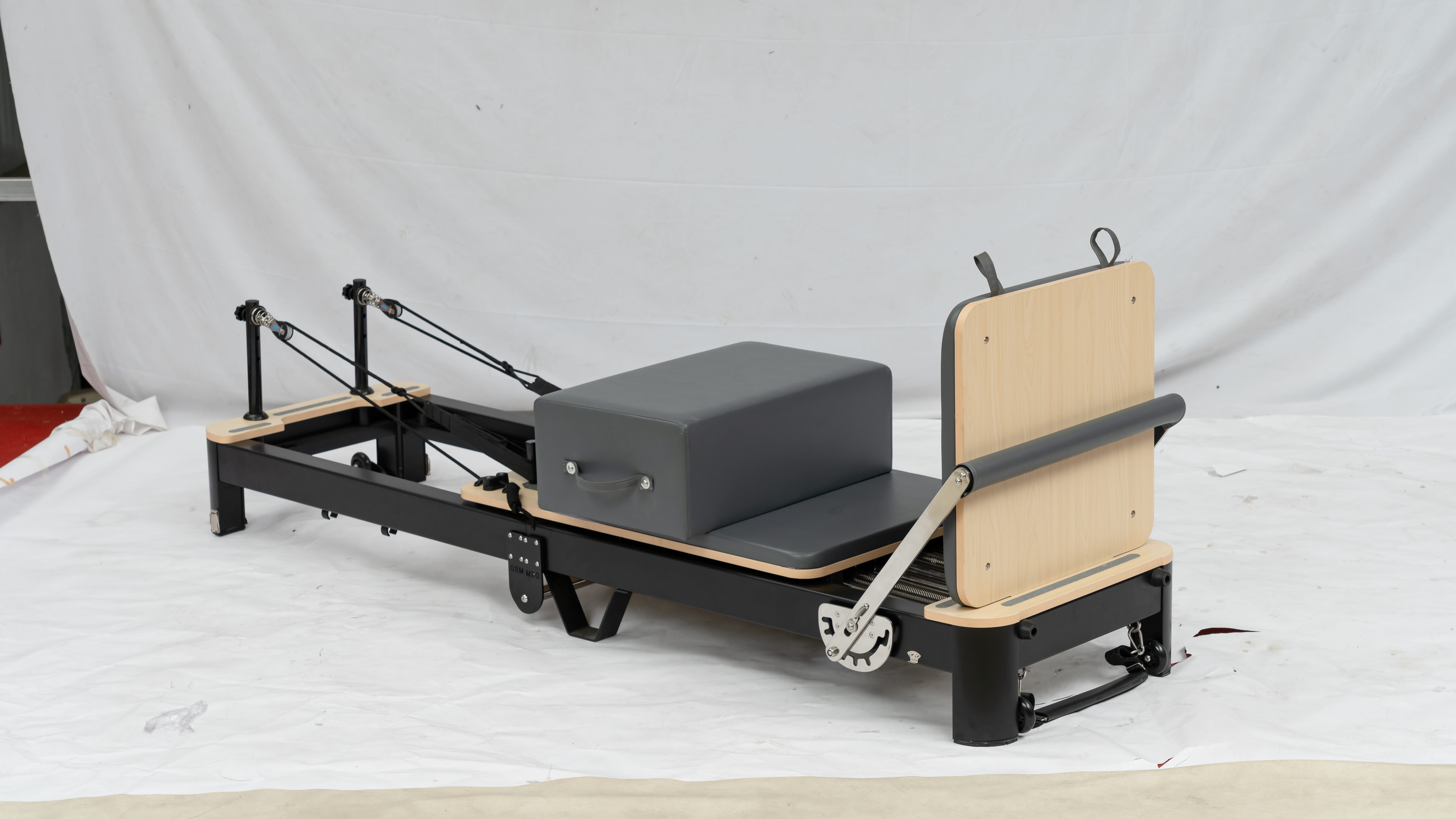
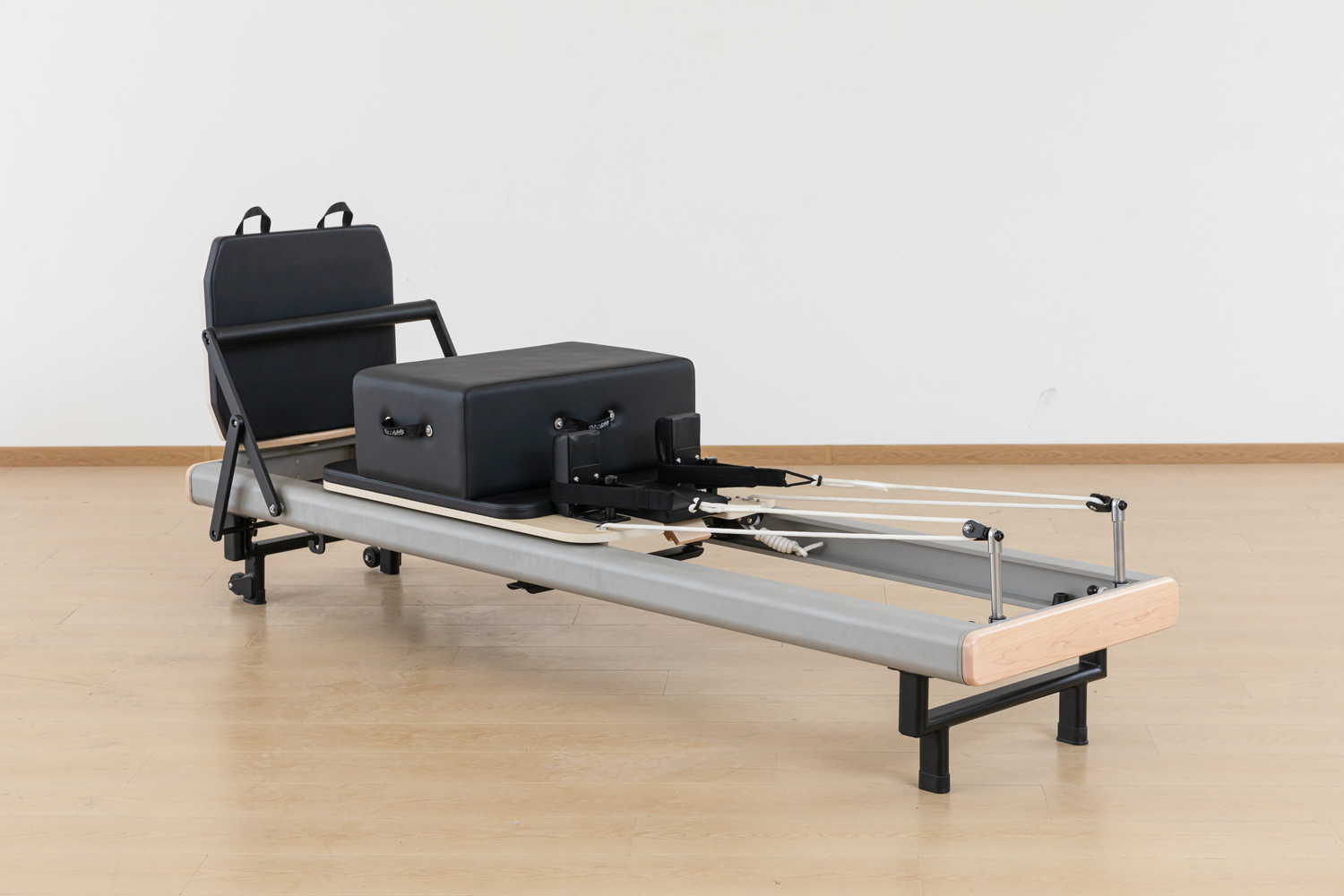
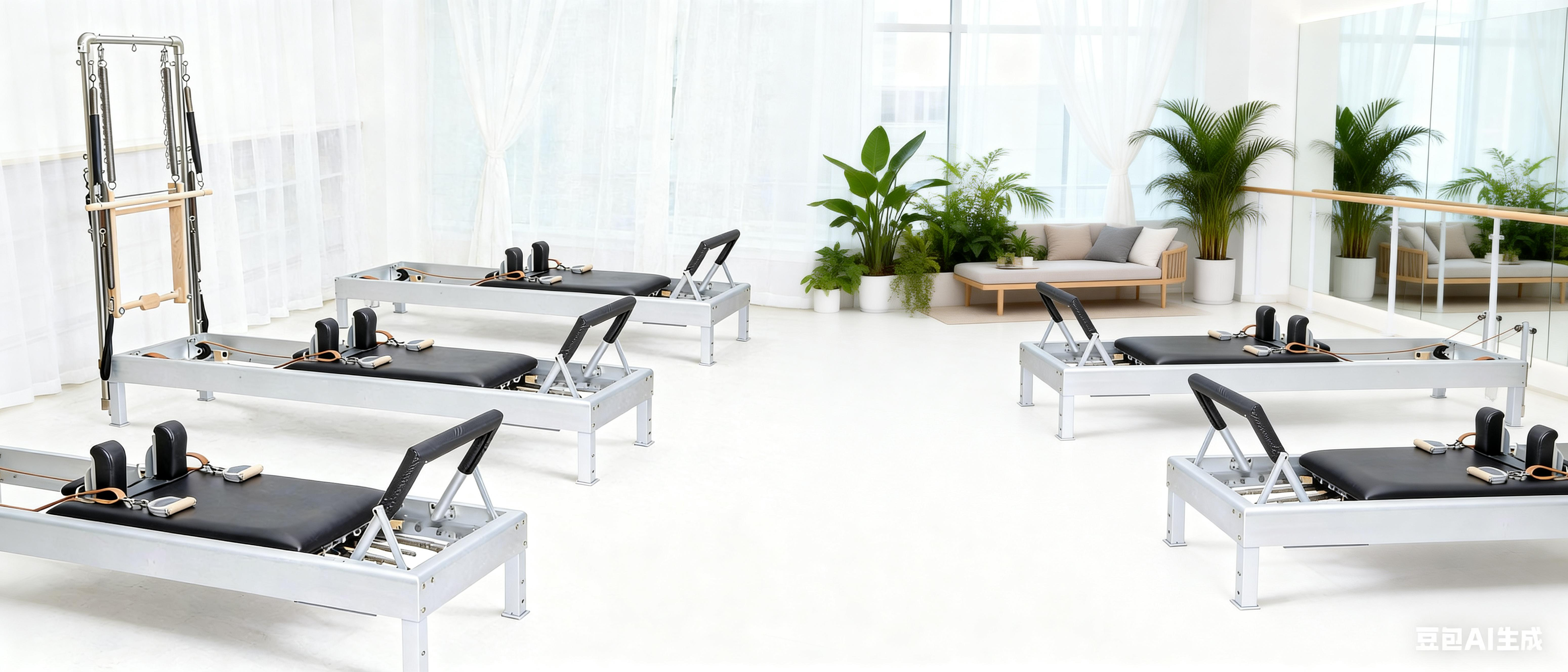
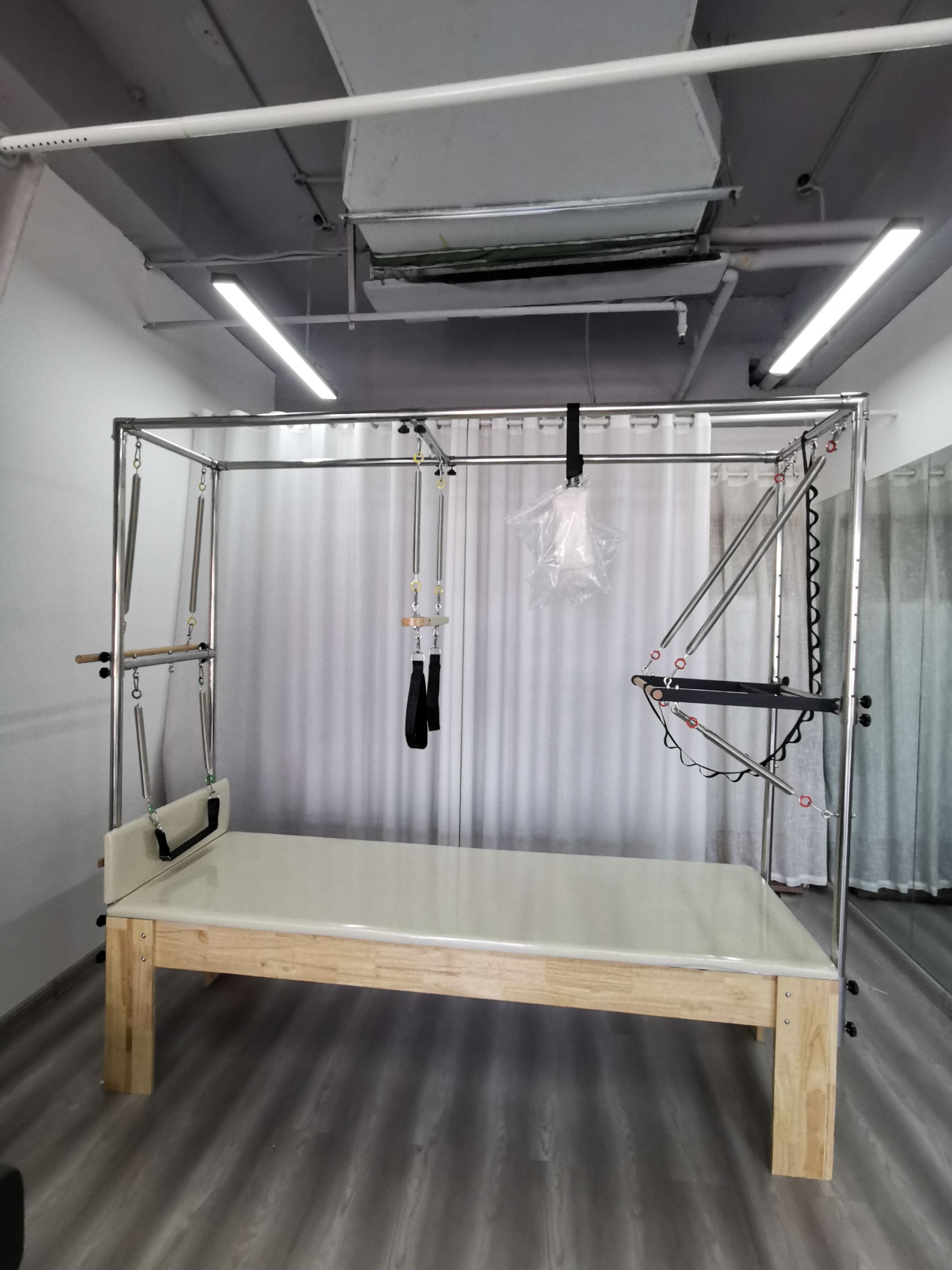
Commercial Pilates reformers, Cadillac towers, Wunda chairs, and arc barrels are precision mechanical fitness equipment, not simple assembled furniture. Professional installation and precise parameter calibration are essential to ensure standard training effects and long-term stability.
European commercial studios pursue high-standard classroom experience and standardized equipment operation. Non-professional self-installation often causes multiple hidden problems: unlevel carriage sliding, inconsistent spring tension, misaligned pulley tracks, loose structural screws, and abnormal operating noise. These issues cannot be completely solved through remote video guidance. For newly opened studios and chain brand upgrades, unqualified installation delays opening schedules, increases after-sales maintenance costs, and damages studio professional credibility.
In addition, EU commercial equipment has strict safety inspection standards. On-site technical debugging ensures equipment fully complies with EN 957-14 safety specifications, avoiding safety hazards and compliance risks caused by irregular assembly.
Current Local Technical Support Modes From Pilates Manufacturers in Europe
Most professional Pilates equipment manufacturers can provide targeted European local technical support, but service forms are divided into three mainstream modes with obvious differences in service scope, timeliness, and cost. Buyers need to distinguish service standards clearly during supplier evaluation and order negotiation.
- Local Partner On-Site Installation Service (Premium Official Support)
Top-grade Pilates manufacturers cooperate with long-term local technical teams and installation engineers in major European countries including Germany, France, the UK, Italy, and Spain. After goods arrive at the destination port, local professional engineers provide door-to-door unpacking, full equipment assembly, precision calibration, noise debugging, safety inspection, and on-site operation training.
This localized service mode features high professionalism and zero language barriers. Engineers are familiar with European studio space layout standards and commercial equipment safety requirements, ensuring every machine achieves factory-standard operating performance. It is the most reliable service solution for high-end studio projects, large-batch bulk orders, and chain brand unified renovation.
- Remote Guidance + Local Worker Cooperation (Cost-Effective Support)
This is the most common service mode for medium and large bulk orders. Manufacturers provide professional English installation manuals, detailed step-by-step installation videos, standard parameter debugging documents, and 24/7 online technical guidance. Meanwhile, manufacturers assist clients in recommending verified local European installation workers, guiding on-site assembly remotely in real time.
This mode balances service quality and cost, suitable for most small and medium-sized studio opening orders. Professional remote technical support can solve 95% of conventional installation and debugging problems, effectively avoiding installation errors caused by inexperienced studio staff.
- Pure Remote After-Sales Support (Basic Free Service)
Low-cost or small-batch trial orders usually only include free remote technical support: online problem answering, fault diagnosis, and after-sales problem solving. Manufacturers do not provide local on-site engineers or worker matching services. Clients need to complete installation and debugging independently or hire local personnel at their own expense.
This basic service is suitable for simple single equipment procurement and buyers with professional installation experience, but it cannot meet the standardized construction needs of commercial batch studio projects.
What Local Technical Support Includes for European Studio Projects
Formal manufacturer localized technical support covers the whole process from equipment landing to official studio operation, forming a closed-loop service system to ensure trouble-free equipment use.
- On-site unpacking and inspection: Check cargo integrity, count accessories, and confirm no transit damage after container arrival
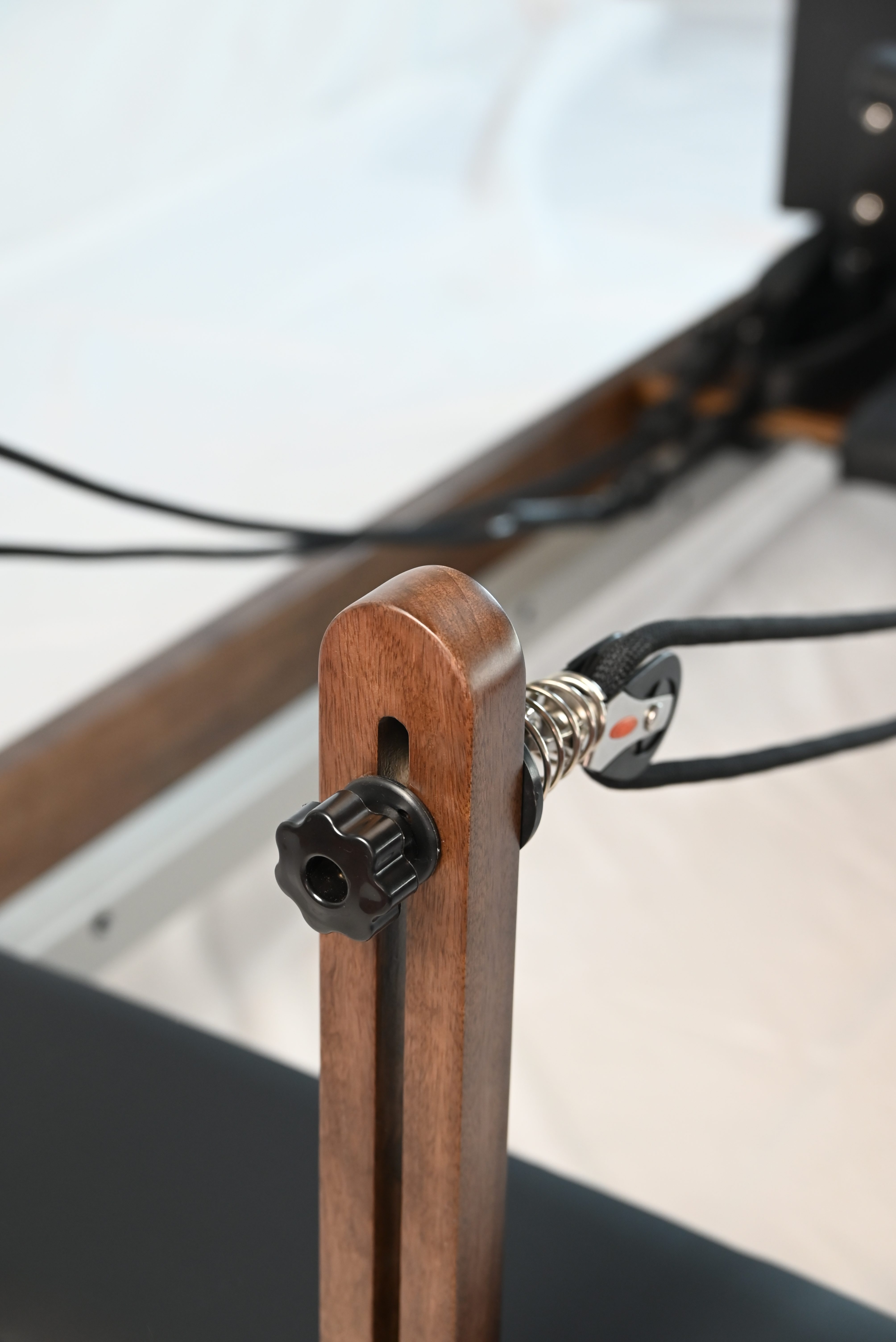
- Full professional assembly: Complete frame assembly, rail installation, spring debugging, and pulley system calibration
- Precision performance debugging: Adjust carriage sliding fluency, eliminate abnormal noise, unify spring tension standards, and ensure consistent equipment feel
- EU safety standard inspection: Verify equipment compliance with EN 957-14 commercial safety specifications
- On-site instructor training: Teach studio teams daily use skills, standard adjustment methods, and routine maintenance knowledge
- Local after-sales docking: Reserve local technical channels for subsequent equipment maintenance, accessory replacement, and fault repair
Key Benefits of Local European Technical Support for Importers
- Eliminate Cross-Border Service Delay Risks
Pure remote support faces time zone differences, communication delays, and unable-to-observe on-site problems, leading to low problem-solving efficiency. Local technical teams respond quickly, solve installation and debugging problems on the spot, and ensure the studio opens on schedule.
- Standardize Commercial Equipment Performance
Professional localized calibration ensures all Pilates machines maintain unified tension, sliding smoothness, and operating feel, which is crucial for standardized group class teaching and high-end private training services. Self-installed equipment often has inconsistent parameters, affecting teaching uniformity and professional experience.
- Reduce Long-Term After-Sales Costs
Standard one-time installation and debugging greatly reduce later equipment failure rates, noise problems, and part wear and tear. Local technical support also provides convenient subsequent maintenance and spare parts replacement services, cutting long-term studio operating costs.
- Improve Distributor Local Service Competitiveness
For European local fitness equipment distributors, providing matched local installation technical support is a core differentiated advantage. It helps distributors solve end-customer pain points, improve order satisfaction and repurchase rates, and build long-term stable cooperative relationships with local studios.
How to Confirm Manufacturer’s Local Technical Support Before Ordering
To avoid false service promises, European buyers must verify support capabilities in detail during quotation and negotiation stages.
- Confirm whether the manufacturer has long-term cooperative local engineering teams in target European countries
- Clarify service scope: installation, debugging, training, and after-sales response speed
- Confirm service charging standards and whether bulk orders include free local technical docking service
- Request real European local project installation cases and customer feedback
- Sign clear after-sales service clauses in the sales contract to guarantee localized service rights
Common Local Support Pitfalls to Avoid
Many manufacturers claim to provide European local support but only offer delayed remote guidance without real on-site service capabilities. Buyers need to avoid two typical traps: verbal commitment without written guarantee, and unified remote video guidance disguised as local on-site service. In addition, some suppliers charge high hidden fees for European on-site services, resulting in increased comprehensive procurement costs. Defining all service contents and fees in advance is the key to risk avoidance.
Conclusion
Professional Pilates manufacturers can provide complete localized technical support for European studio installations, including local on-site assembly, precision calibration, safety inspection, and after-sales maintenance services. Local technical support is no longer an optional extra service but a necessary guarantee for European commercial studio batch procurement. When selecting suppliers, distributors and studio owners should prioritize manufacturers with mature European local service networks, standardized service processes, and verifiable project cases. Reliable local technical support ensures equipment compliance, stable performance, on-time studio opening, and maximizes long-term investment value of Pilates equipment.