What Is the Difference Between FOB and DDP Terms for Pilates Equipment Imports
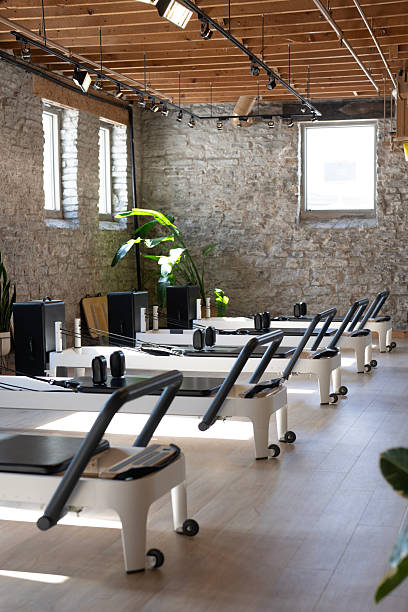
When importing commercial Pilates reformers, towers, Wunda chairs, and studio fitness equipment to Europe and North America, choosing the right shipping term directly determines your total landed cost, risk liability, customs compliance, and overall supply chain control. FOB and DDP are the two most common Incoterms 2020 used in Pilates equipment wholesale trade. Many new studio owners and distributors confuse these two terms, leading to unexpected hidden fees, customs delays, compliance risks, or profit margin losses. This article clearly explains the core differences between FOB and DDP, their respective pros, cons, and ideal application scenarios for Pilates equipment imports.
Basic Definition of FOB and DDP for Fitness Cargo
FOB (Free On Board)
Under FOB shipping terms, the Pilates equipment manufacturer is only responsible for completing export customs clearance, loading goods onto the designated vessel at the origin port, and covering all local charges before shipment. Once the cargo is loaded on board, all transportation risks, ocean freight fees, insurance costs, destination port charges, import duties, VAT, and inland delivery fees transfer completely to the buyer. The seller’s liability ends right after container loading.
DDP (Delivered Duty Paid)
DDP is the most buyer-friendly shipping term in international trade. The manufacturer or forwarder takes full responsibility for the entire shipping process: export clearance, ocean freight, cargo insurance, destination port handling, import customs declaration, duty and VAT payment, and final door-to-door delivery to the buyer’s warehouse. Under DDP terms, the buyer only needs to receive the goods, with almost no operational or cost liability during the whole import process.
Core Differences in Responsibility, Cost and Risk
- Cost Allocation
FOB Term: The buyer pays for all overseas logistics and import-related costs, including sea freight, cargo insurance, destination terminal handling fees, customs brokerage fees, import duties, local VAT, and inland trucking fees from the port to the warehouse. The quoted FOB price only covers product cost, factory packaging, and origin port loading charges. While the upfront product price looks lower, buyers need to budget for multiple variable shipping and tax expenses.
DDP Term: The quoted DDP price is an all-in landed cost, covering product value, shipping fees, insurance, duties, VAT, and delivery fees. No extra hidden charges are required from the buyer. This one-price model simplifies financial budgeting for small studio buyers and new importers.
- Risk Transfer Boundary
FOB: Risk transfers at the moment goods are loaded on the vessel. If sea freight congestion, container damage, water soaking, or cargo loss occurs during ocean transit, the buyer bears all losses and needs to claim compensation from the freight forwarder or insurance company independently.
DDP: The seller retains full risk throughout the entire transportation process until the Pilates equipment is successfully delivered to the buyer’s designated address. Any cargo damage, loss, or transit delay is the seller’s responsibility to handle and compensate.
- Customs Compliance Control
FOB (High Transparency & Safety): Buyers control import declaration data, customs value, and document submission. For commercial Pilates equipment requiring CE certification and fitness safety compliance, buyers can strictly supervise declaration standards to avoid under-declaration, misclassification, or customs inspection risks. This is the safest term for long-term bulk import business.
DDP (Potential Compliance Risks): The seller’s forwarder handles all customs declaration procedures independently. Some suppliers may under-declare cargo value to reduce tariffs, which brings huge hidden risks such as customs detention, fines, and record penalties for local importers. Once inspected, the buyer bears all legal and economic consequences.
- Operation & Workload
FOB: Buyers need to coordinate forwarders, track shipping schedules, arrange customs clearance, and settle various destination fees, requiring professional import operation experience and stable logistics resources.
DDP: Zero operation workload for buyers. After confirming the order and paying the full amount, buyers only need to wait for door-to-door delivery, which is extremely friendly for individual studio owners and first-time importers.
Pros and Cons for Pilates Equipment Imports
FOB Shipping Term – Pros & Cons
Advantages:
- Full control over freight channels and customs declaration standards, avoiding compliance risks
- Lower overall landed cost for bulk orders by cooperating with stable long-term forwarders
- Transparent cost breakdown, convenient for precise profit calculation and retail pricing
- Avoids supplier arbitrary markup on freight and tariff fees
Disadvantages:
- Complicated operational processes, requiring professional import logistics management
- Buyer needs to bear all transit risks and handle cargo claims independently
- Multiple variable fees make initial budget estimation more complex
DDP Shipping Term – Pros & Cons
Advantages:
- Ultra-simple procurement process, one-stop door-to-door delivery
- Fixed total cost with no unexpected hidden fees, easy budget control
- Seller bears all transit risks and handling responsibilities
Disadvantages:
- Higher overall landed cost, with suppliers adding service and risk premium fees
- Blind customs declaration process, prone to under-declaration and compliance risks
- No control over freight quality and shipping schedule, easy to encounter delayed delivery
- Difficult to verify whether tariffs and VAT are legally and fully paid
Which Term Should You Choose for Pilates Equipment?
Choose FOB If You Are:
- A professional fitness equipment distributor with long-term import business plans
- Importing bulk Pilates reformer orders with large order quantities
- Equipped with stable cooperative forwarders and customs clearance teams
- Pursuing maximum profit margins and standardized compliant import procedures
Choose DDP If You Are:
- A new boutique Pilates studio placing small trial orders
- A first-time importer without any logistics and customs resources
- Prioritizing time-saving and hassle-free procurement with low order frequency
- Importing customized single sets of studio equipment for renovation use
Common Mistakes Pilates Importers Need to Avoid
Many buyers mistakenly believe DDP is always more expensive and FOB is always cheaper. In fact, FOB will generate multiple uncertain additional fees such as peak-season freight surcharges, container detention fees, and customs handling fees. Without accurate cost calculation, the final FOB landed cost may exceed DDP.
Another critical mistake is ignoring DDP compliance risks. Unverified DDP customs declaration may lead to cargo detention, affecting studio opening schedules and resulting in huge economic losses. For European commercial fitness equipment imports with strict CE compliance standards, standardized FOB declaration is more secure for long-term business development.
Conclusion
FOB and DDP are applicable to different stages and scales of Pilates equipment import business. FOB features low cost, high transparency and strong compliance, ideal for professional bulk distributors; DDP features simple operation and zero risk, perfect for small studio trial orders and novice importers. Before confirming shipping terms with your Pilates equipment supplier, you need to comprehensively evaluate your order quantity, logistics capacity, budget plan and long-term business goals to select the most cost-effective and safe shipping solution.