How to Avoid Overbuying Pilates Machines When Opening a New Studio
Opening a new Pilates studio is an exciting investment, but many first-time studio owners fall into a common costly trap: overbuying Pilates machines and accessories. Eager to create a fully equipped, high-end studio, new operators often purchase excessive reformers, tower systems, Wunda chairs, and auxiliary equipment far beyond their actual space, client demand, and class capacity. Excessive equipment leads to high upfront costs, wasted floor space, tight cash flow, idle inventory depreciation, and lower overall return on investment. For new Pilates studios with limited startup budgets and unstable customer flow, reasonable and precise equipment procurement is the key to stable initial operation. This article shares practical and data-driven strategies to help new studio owners avoid overbuying Pilates equipment and build a cost-effective, revenue-friendly studio layout.
Understand Why New Studio Owners Overbuy Pilates Equipment
Most over-purchasing problems stem from optimistic market expectations and unclear operational planning, rather than actual business demand. Many new studio owners believe that complete equipment configurations equal professional studio strength, blindly stacking full sets of commercial Pilates machines to enhance studio appearance. However, they ignore three core limiting factors: limited initial client base, fixed studio floor area, and saturated class schedules in the early opening stage.
Idle Pilates machines cannot generate revenue; instead, they continuously depreciate, occupy usable activity space, increase cleaning and maintenance workload, and lock up large amounts of startup capital. Unlike mature chain studios with stable customer flow and multiple daily shifts, newly opened studios require a gradual customer growth cycle. Purchasing equipment based on future ideal demand rather than current real needs is the primary cause of wasted investment.
Calculate Equipment Quantity Based on Actual Studio Space
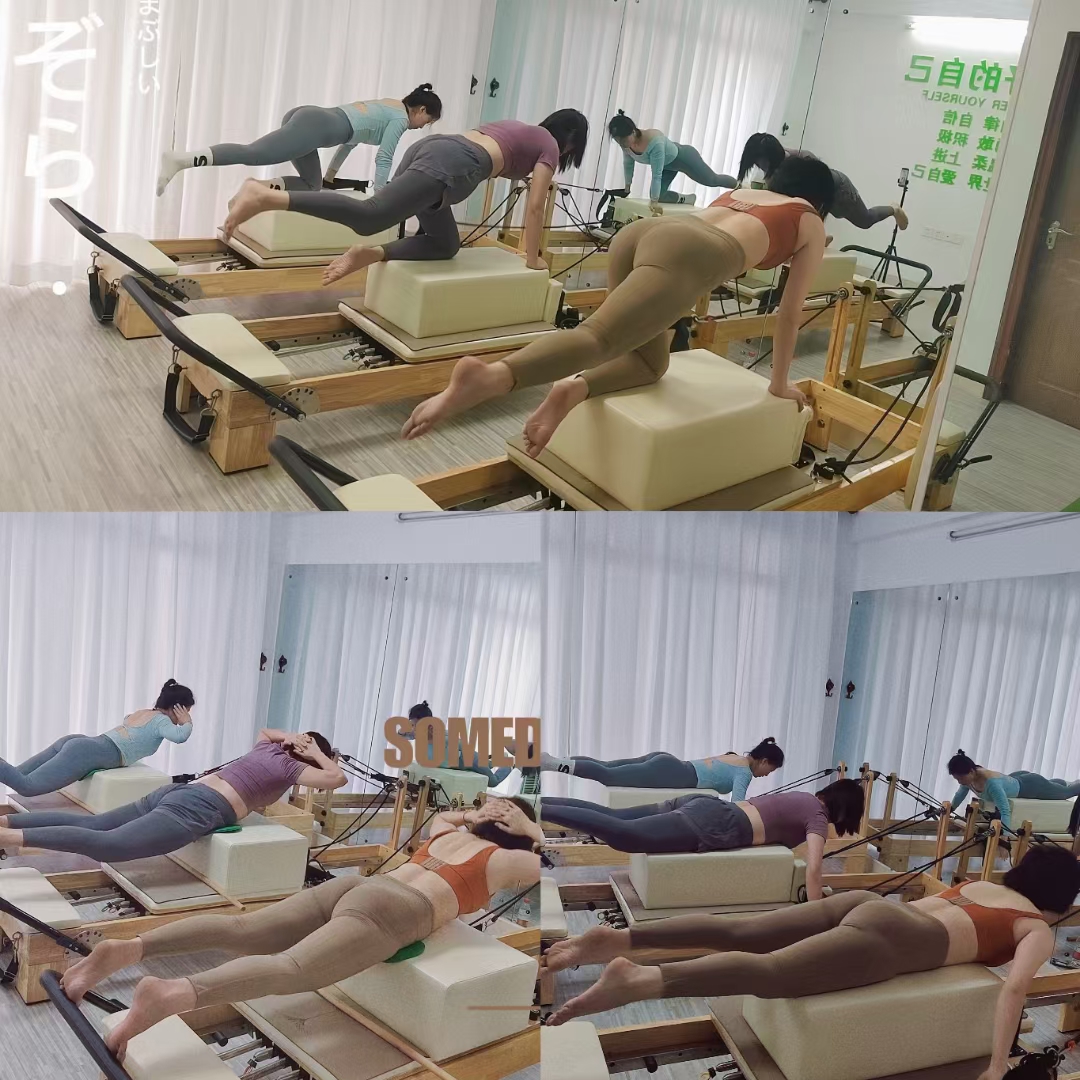
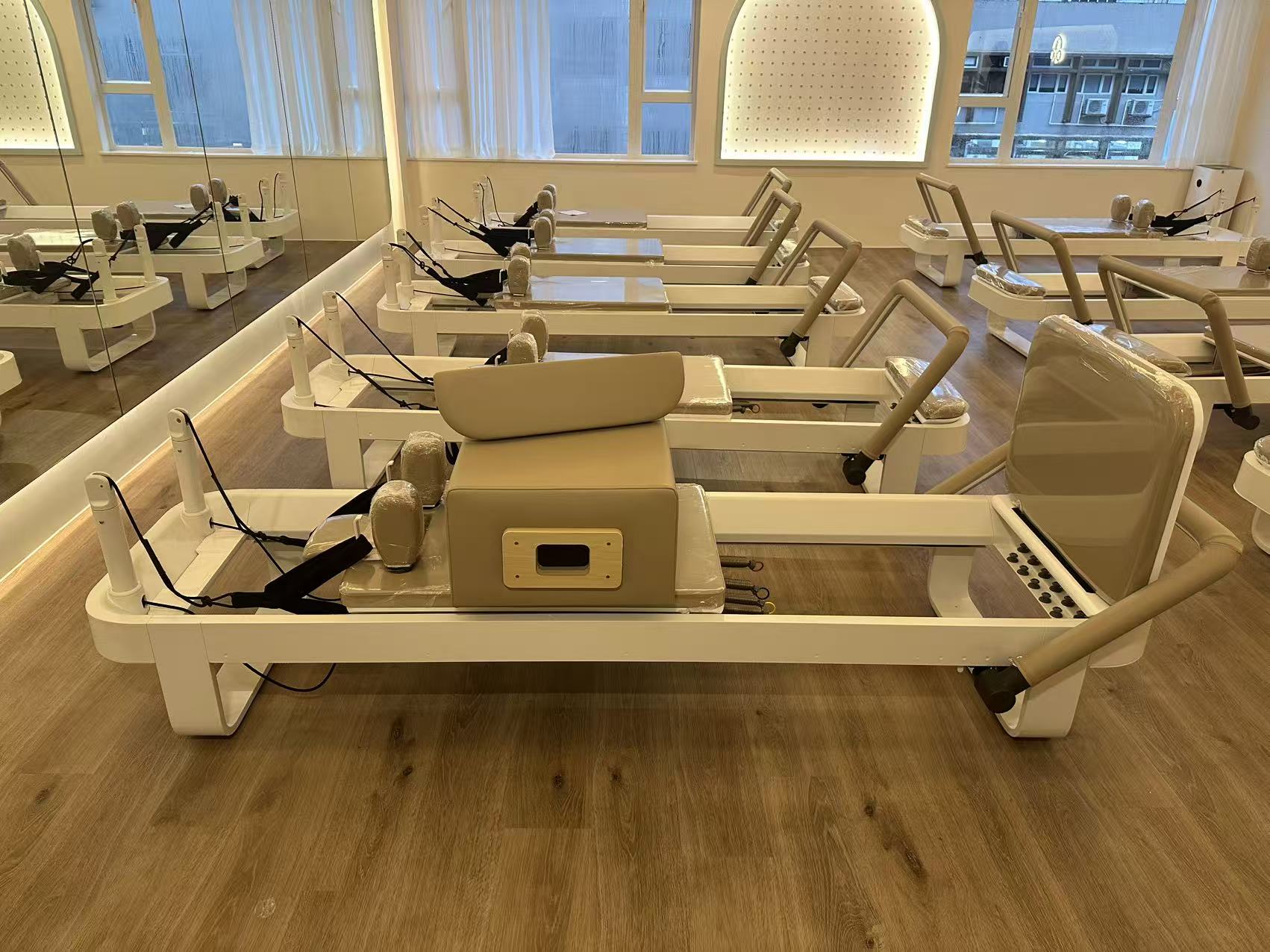
Studio floor area is the most objective and rigid standard to determine equipment quantity, leaving no room for blind expansion. A single commercial Pilates reformer requires not only the machine’s own placement space but also sufficient movable space for instructors to correct movements and clients to stretch freely during training. Professional industry standards show that each reformer needs about 10–12 square meters of effective usable space, including reserved walking gaps and teaching operation areas.
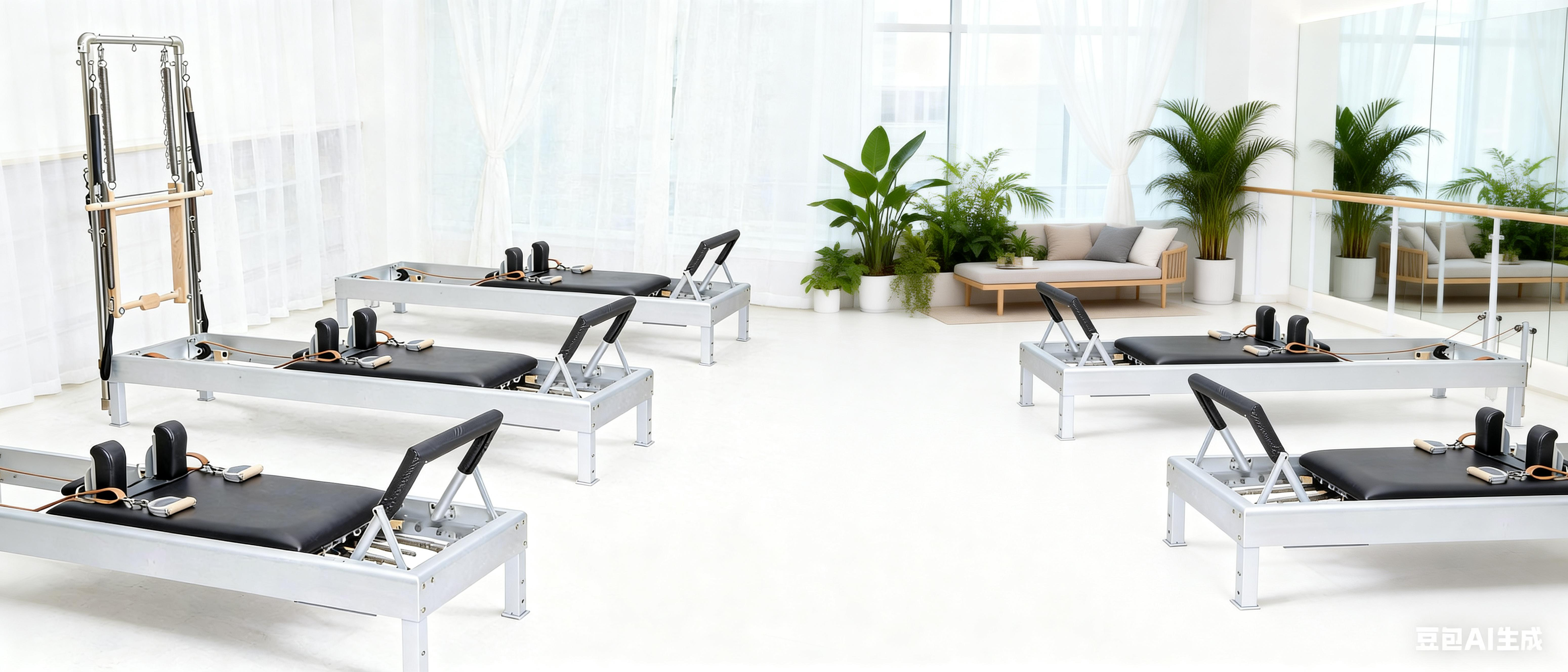
For small and medium-sized new studios under 500 square feet, 4–6 reformers are the most reasonable configuration, which ensures comfortable class experience without crowding. Studios of medium scale can start with 6–8 units. Excessively placing machines will compress activity space, affect teaching quality, and even cause safety hazards during group classes. New owners must first measure the effective equipment placement area, draw a reasonable layout plan, and confirm the maximum loadable equipment quantity before procurement, instead of purchasing first and arranging later.
Match Equipment Volume With Realistic Client Flow and Class Schedule
Never purchase equipment based on ideal customer expectations. New studios usually face a 3–12 month customer incubation period, with low class attendance and unstable booking rates. A scientific equipment purchasing rule is: equip according to current peak-hour customer capacity, not future expected traffic.
You can calculate the reasonable equipment quantity through core operational data: daily class arrangement, maximum number of students per group class, and peak-hour simultaneous reception capacity. If your studio only runs 3–4 classes per day with an average of 4–6 students per session, there is no need to purchase more than 6 reformers. Too many idle machines will not improve business but will increase fixed asset pressure.
In addition, new studios are recommended to adopt a phased opening strategy. Start with core group class equipment in the early stage, and supplement personalized rehabilitation equipment and auxiliary facilities after the daily booking rate stabilizes and peak-time classes are often fully scheduled. This demand-driven procurement model completely avoids idle equipment waste.
Prioritize Core Equipment and Delay Non-Essential Configurations
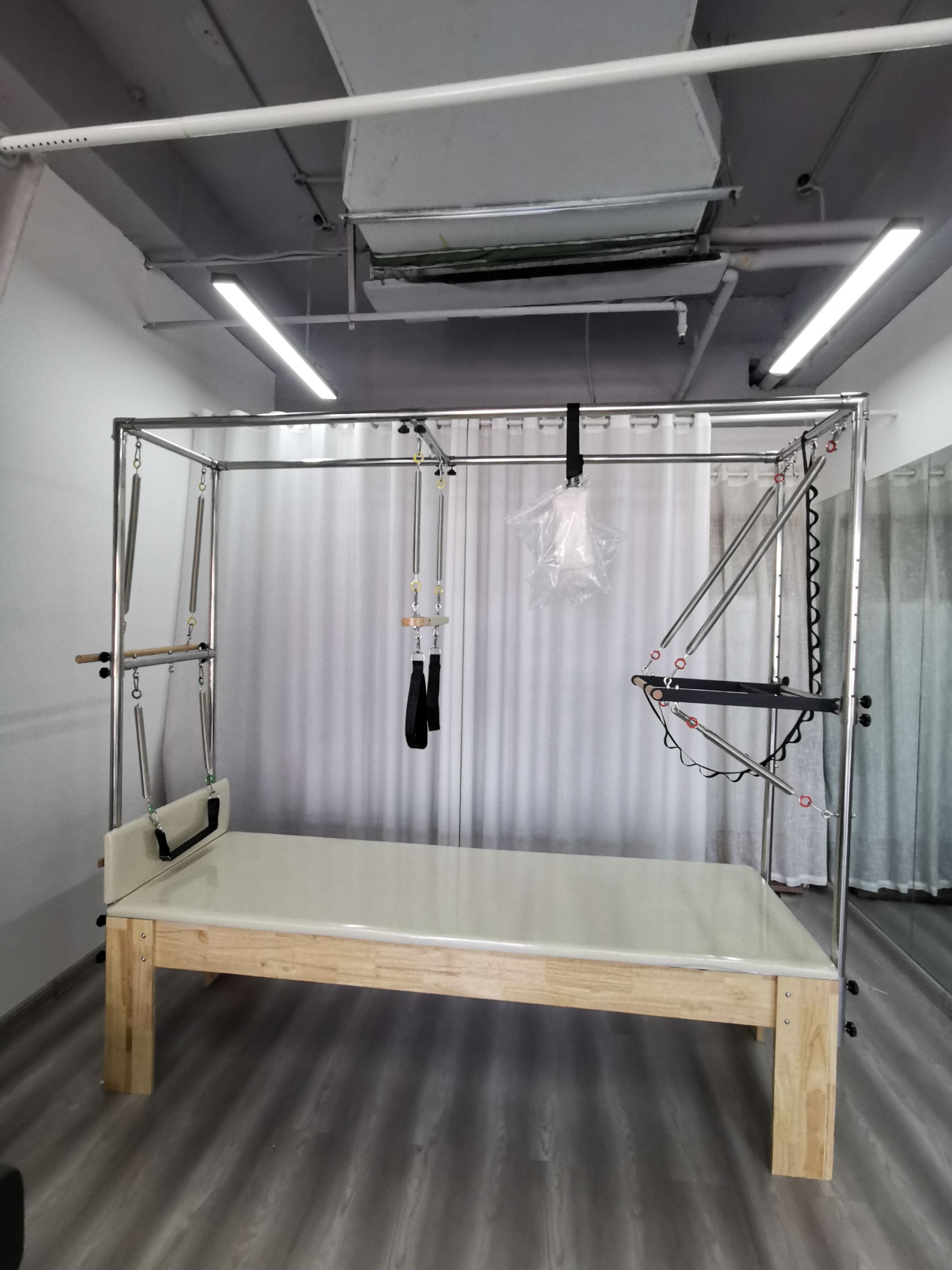
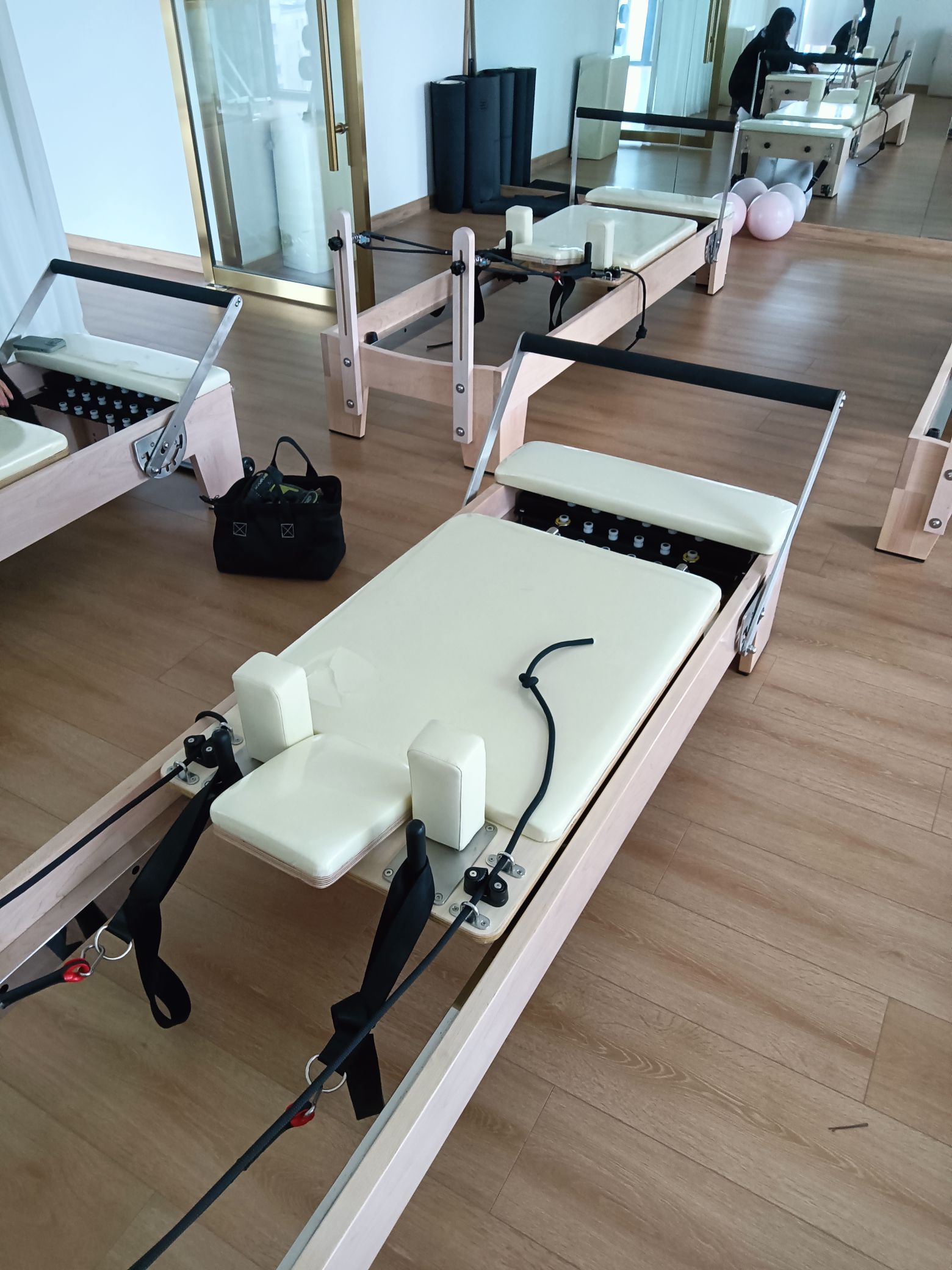
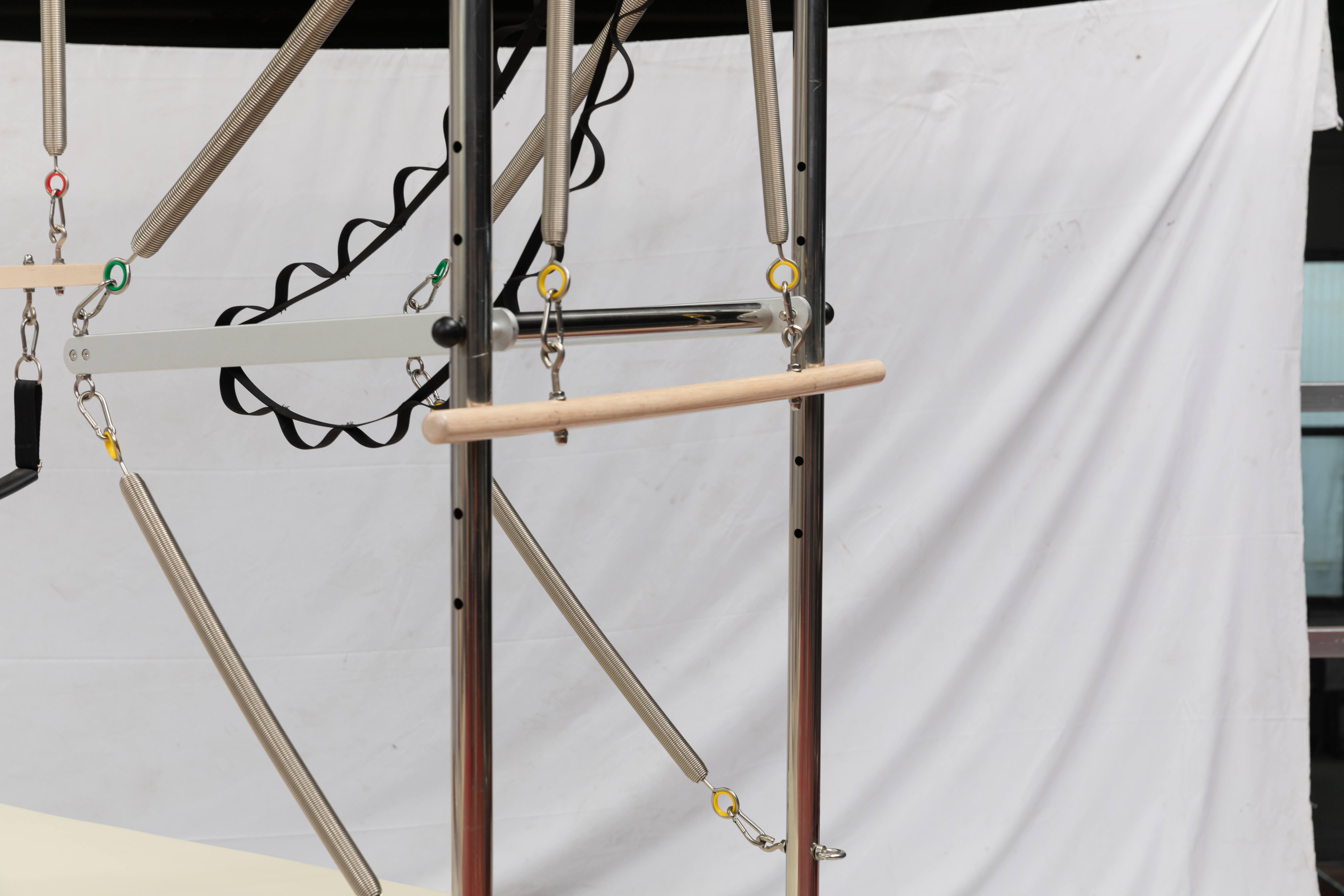
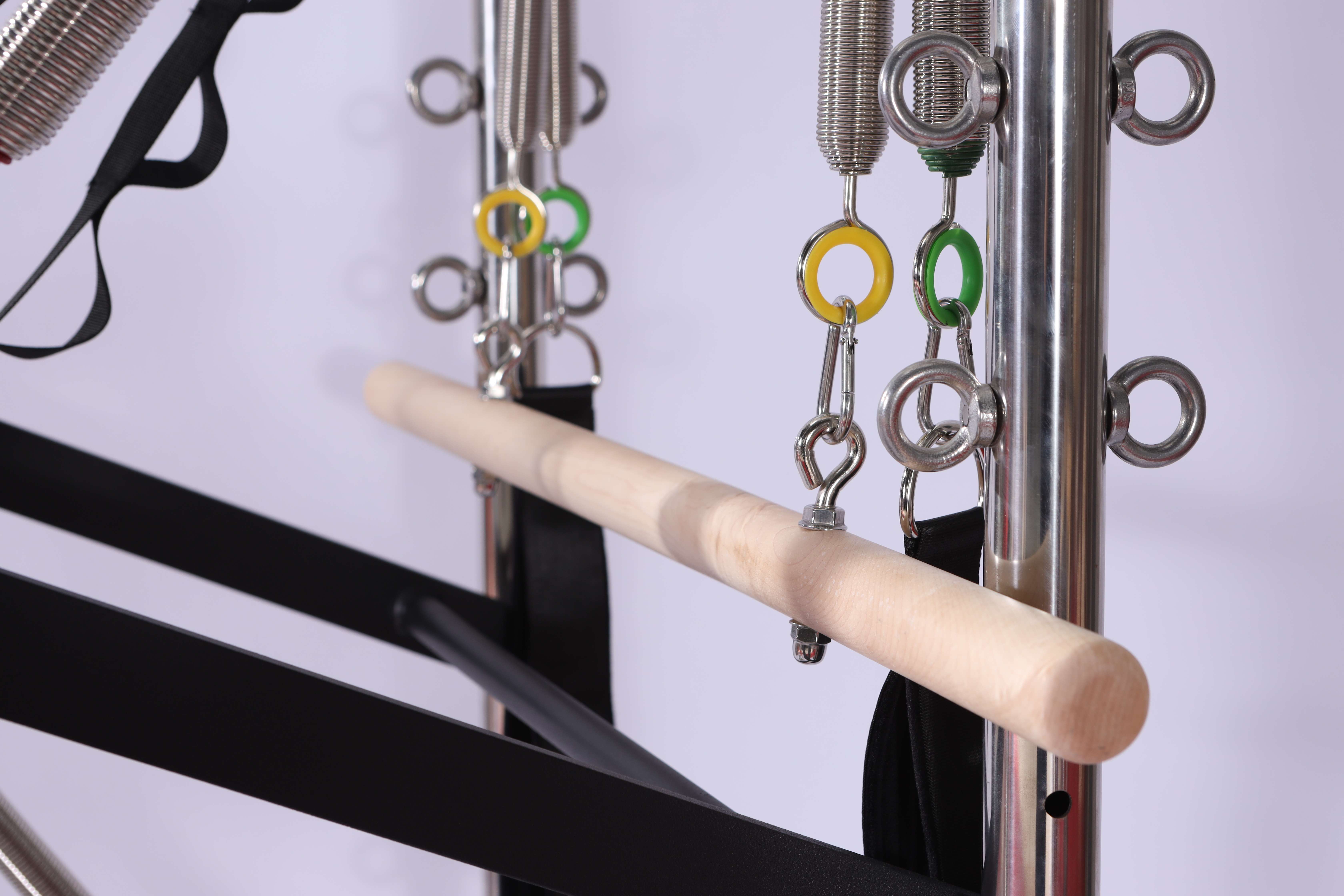
Complete Pilates studio equipment includes reformers, full tower cadillacs, Wunda chairs, spine correctors, barrels, and a variety of small auxiliary accessories. For newly opened studios, not all devices need one-time full procurement. Distinguish core profit-generating equipment and optional auxiliary equipment to optimize budget allocation.
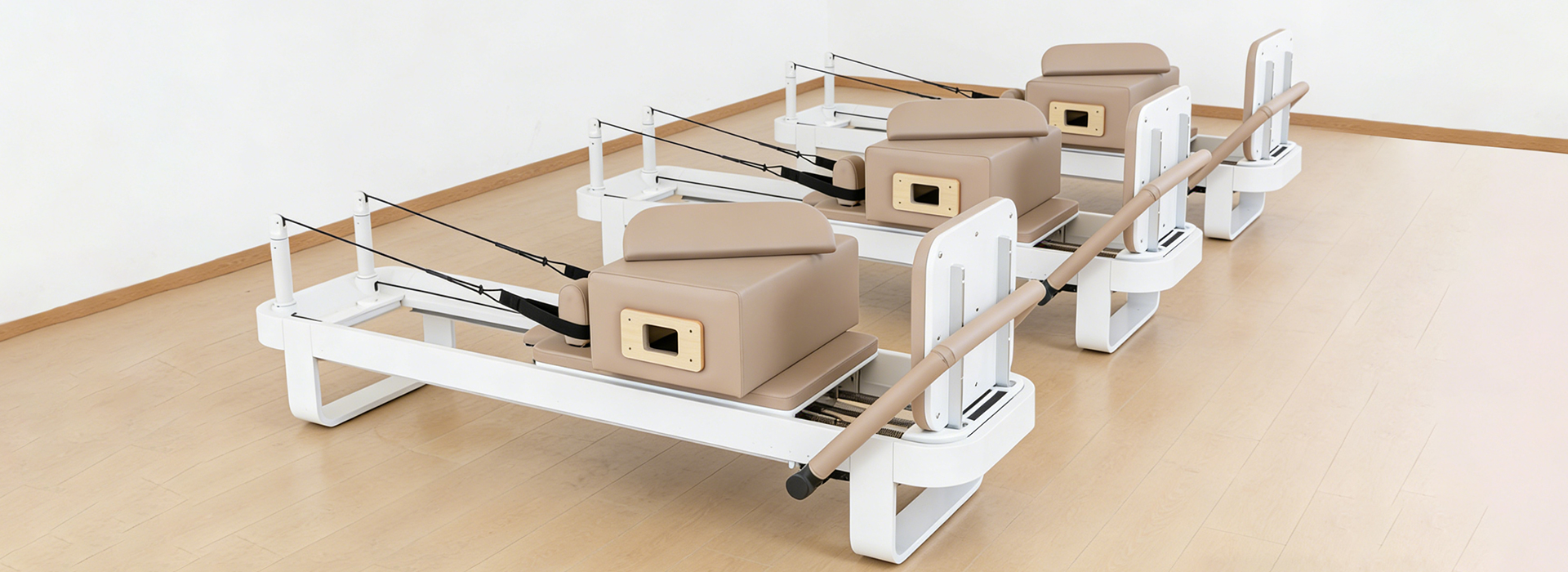
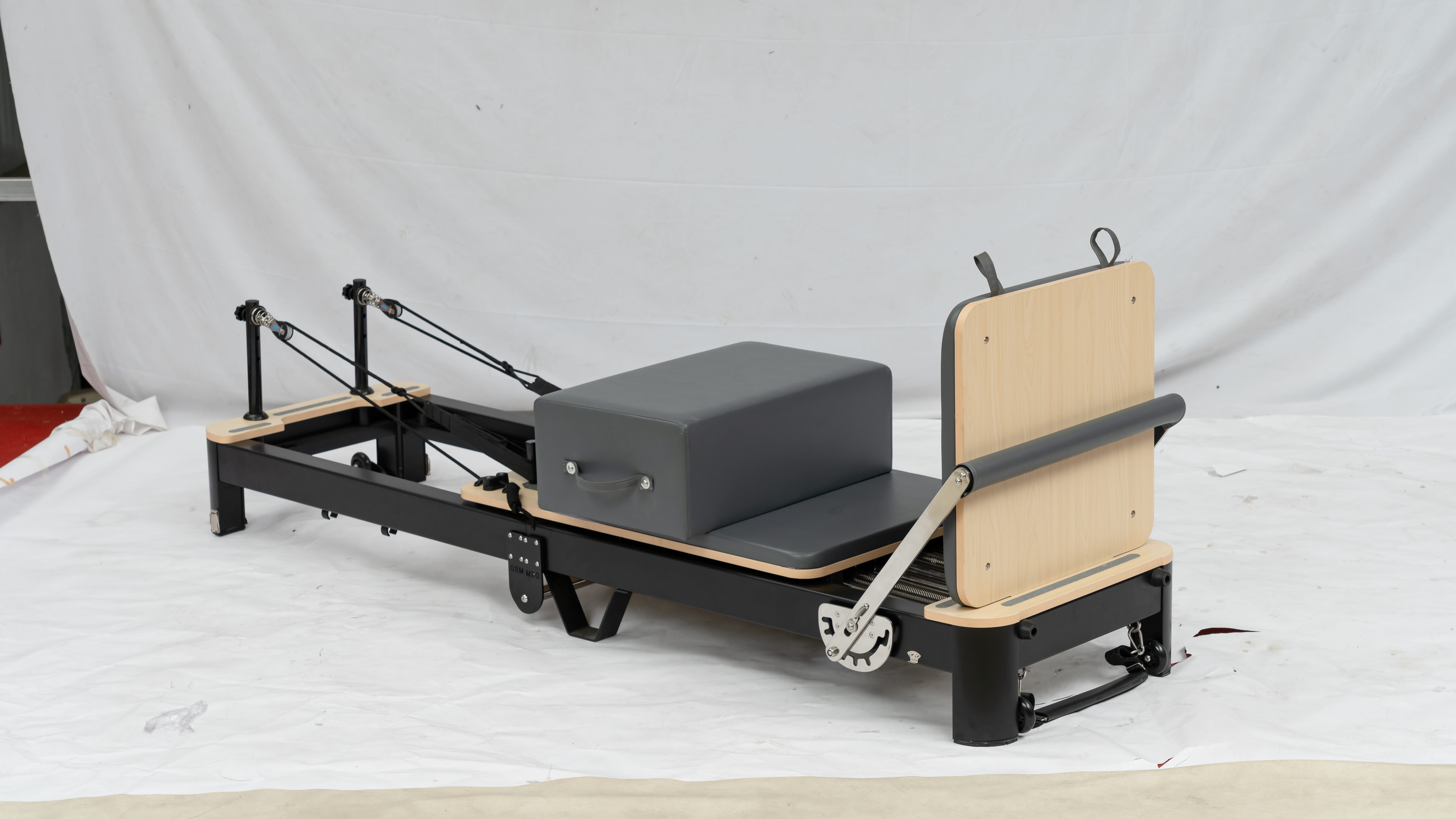
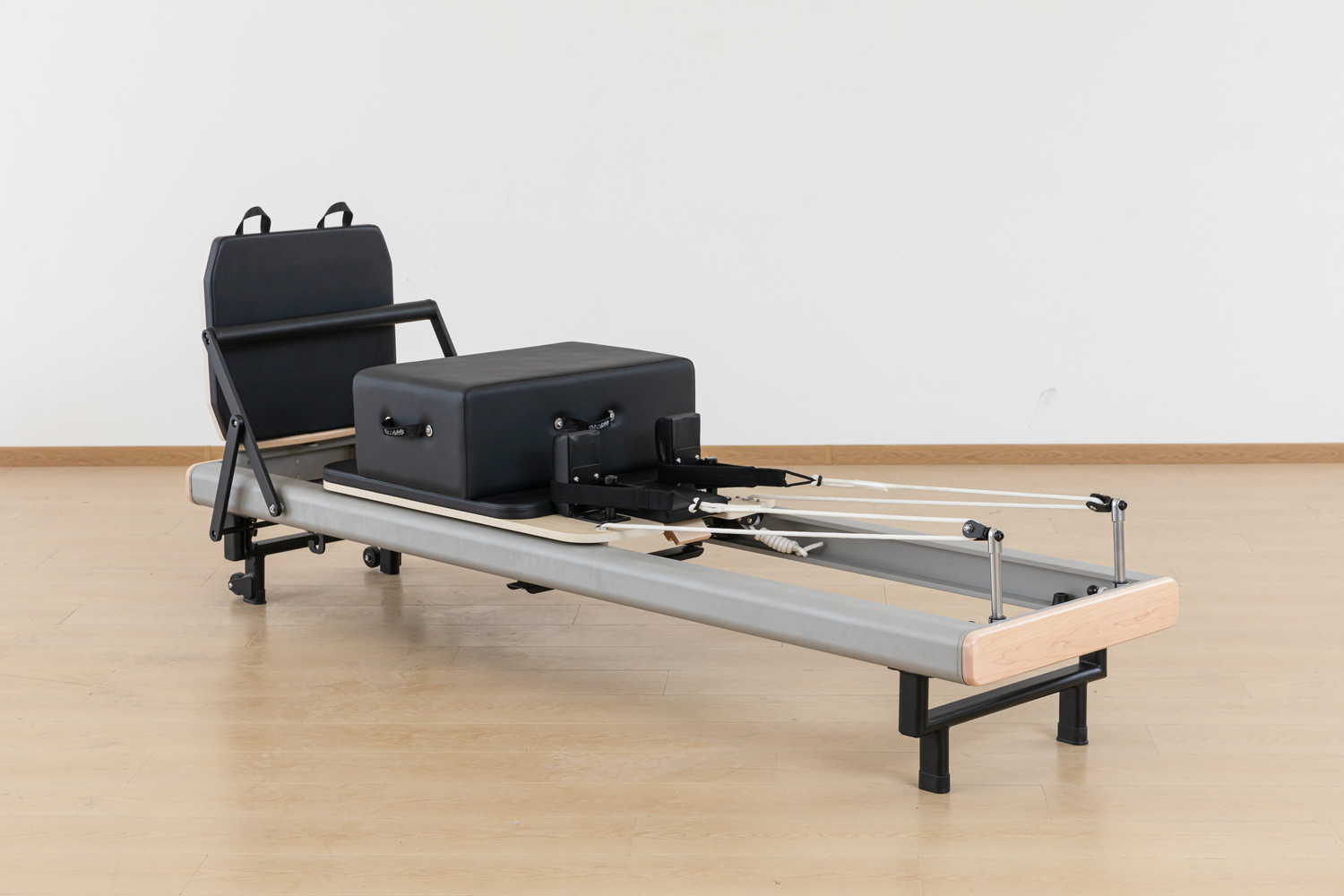
Mandatory core equipment (first-stage procurement): Commercial-grade reformers, which support 80% of group classes and private courses, are the absolute core of studio revenue. Investing limited budget in high-quality, durable reformers ensures stable daily operation and customer experience.
Delayed optional equipment (second-stage supplement): Cadillac towers, Wunda chairs, and professional rehabilitation barrels can be purchased in batches after the studio has stable high-end private class demand and sufficient customer groups. These devices are mainly for niche rehabilitation and advanced training courses, with low early-stage utilization rate, making one-time bulk purchase easy to cause long-term idleness.
Many new studios pursue a full range of equipment at the opening stage, resulting in insufficient cash flow, unable to invest in market promotion and instructor training, and ultimately slow customer growth, forming a vicious cycle of idle equipment and poor revenue.
Avoid Blind High-End Matching and Over-Grade Configuration
Another common overbuying behavior is excessive pursuit of high-spec full-config equipment. Some new owners blindly choose fully upgraded reformers with complete accessory packages, customized luxury upholstery, and multi-functional expanded parts, even though their early-stage courses only need basic core training functions.
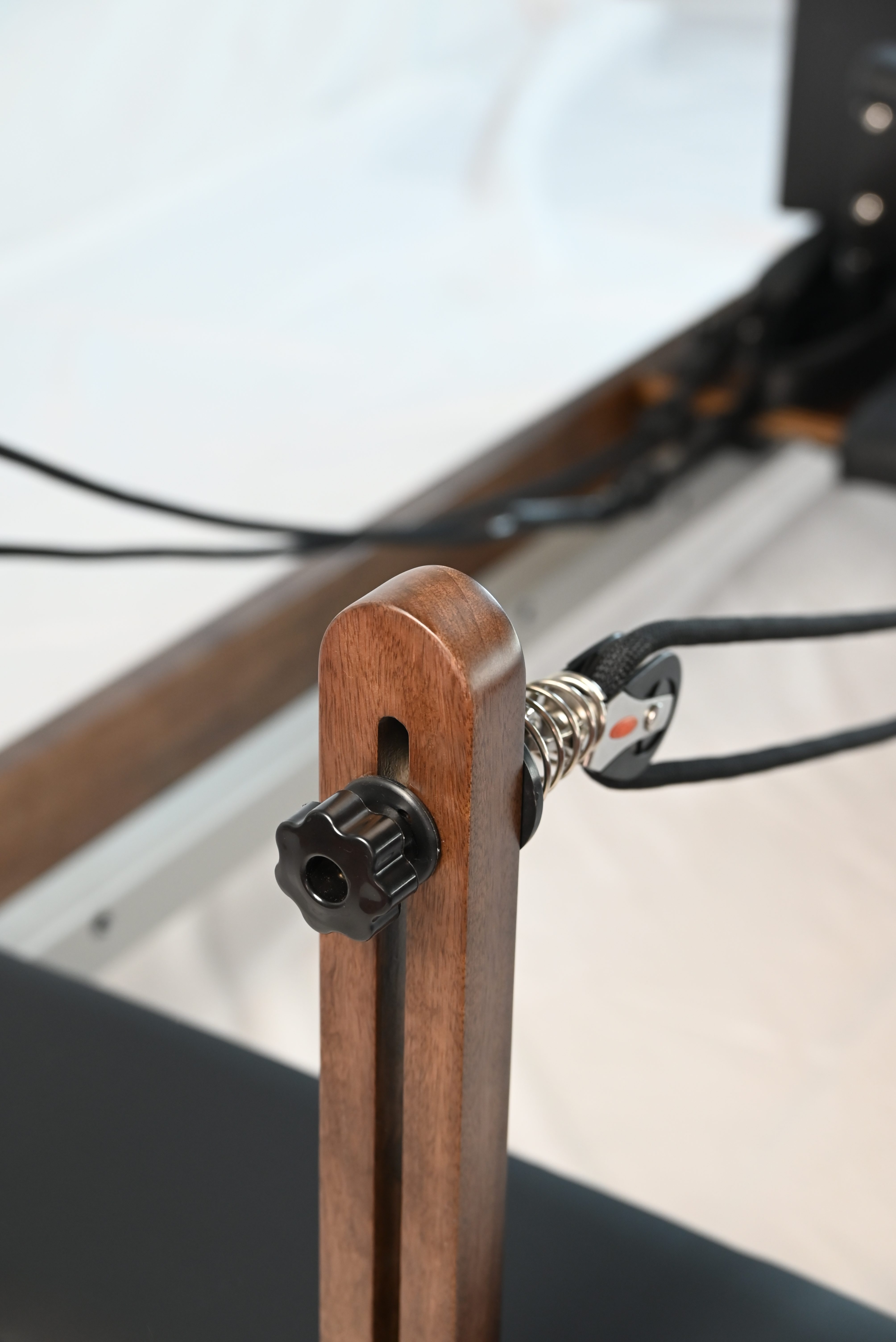
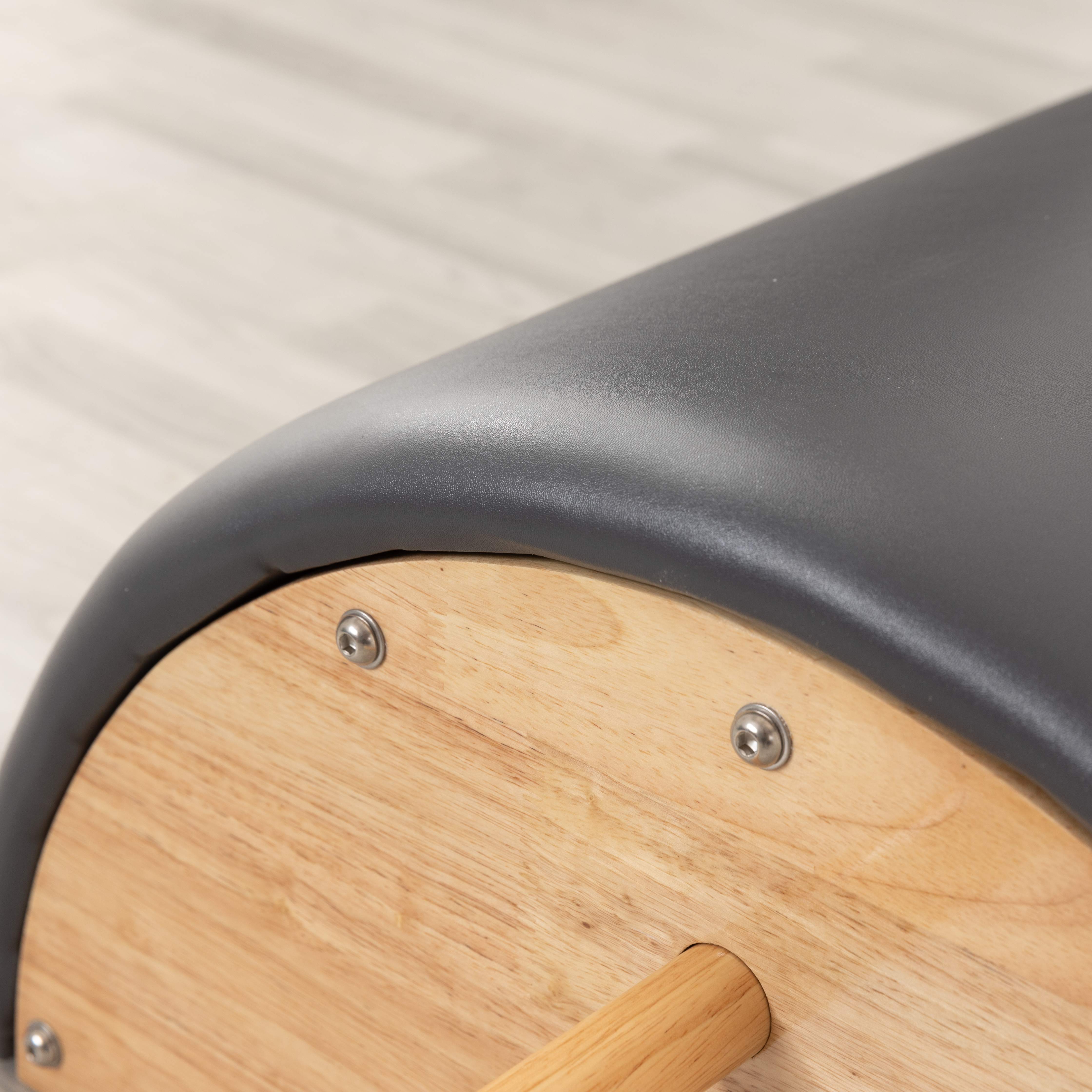
Excessive configuration does not bring substantial improvement in teaching effects and customer experience, but greatly increases unit equipment costs. The excess functional accessories will be idle for a long time, resulting in wasted premium investment. New studios should choose standard commercial basic models with stable quality, thickened rails, high-density foam, and low-odor accessories that meet daily teaching needs. Functional upgrades and accessory expansion can be carried out synchronously with course upgrading and customer demand iteration in the later stage.
Adopt Phased Procurement and Flexible Replenishment Strategy
The most scientific procurement strategy for new Pilates studios is phased investment and dynamic replenishment, which perfectly balances opening configuration and capital security. In the initial opening stage, only purchase core equipment required for daily opening, ensuring basic class operation and studio display effects. After 6–12 months of operation, according to actual class full-rate data, customer growth trend, and course expansion plan, gradually add supporting equipment and upgrade configurations.
This method allows studio operating revenue to cover subsequent equipment investment, avoids excessive upfront investment pressure, and ensures every newly added machine has corresponding customer demand and revenue support. Meanwhile, formal Pilates equipment manufacturers support flexible batch replenishment and consistent after-sales services, ensuring consistent equipment style and quality for subsequent supplementary orders, without affecting the overall studio decoration style.
Calculate Real ROI to Prevent Impulse Purchases
Before placing any equipment order, new studio owners need to simply calculate the return on investment cycle of each device. Idle equipment cannot create profits, and its depreciation cost will continue to squeeze studio profits. If a Pilates machine cannot achieve effective utilization more than 3 times a week in the early stage, it belongs to excessive configuration.
Many successful boutique Pilates studios maintain a high equipment utilization rate through refined configuration: moderate quantity, high-frequency use, and regular equipment maintenance. They use limited equipment to launch diversified courses through instructor skill upgrading and course system iteration, maximizing unit asset output value, instead of relying on excessive equipment quantity to support studio professionalism.
Final Conclusion
Overbuying Pilates machines is one of the biggest hidden risks for new studio profitability. To avoid unnecessary investment waste, new owners must abandon blind stacking thinking, and formulate procurement plans based on actual studio space, real customer flow, class schedule demand, and phased operation goals. Prioritizing core equipment, delaying non-essential configurations, and adopting demand-driven phased replenishment can effectively reduce startup costs, optimize cash flow, and ensure healthy and sustainable long-term operation of the Pilates studio. Professional studio competitiveness comes from standardized teaching and high customer satisfaction, not the quantity of idle equipment.