Top Things to Consider When Importing Pilates Equipment Overseas

Importing Pilates equipment involves more than comparing prices. From supplier verification and compliance certification to customs classification and after-sales support, each link can determine whether a shipment clears smoothly or gets stuck at port.
I. Supplier Verification and Quality Assurance
The first step is confirming whether you are dealing with a genuine manufacturer or a middleman. Trading companies add costs without adding quality control. Look for direct factory partnerships with verifiable production facilities, ideally exceeding 5,000 square meters, and confirmed quality management systems such as ISO 9001.
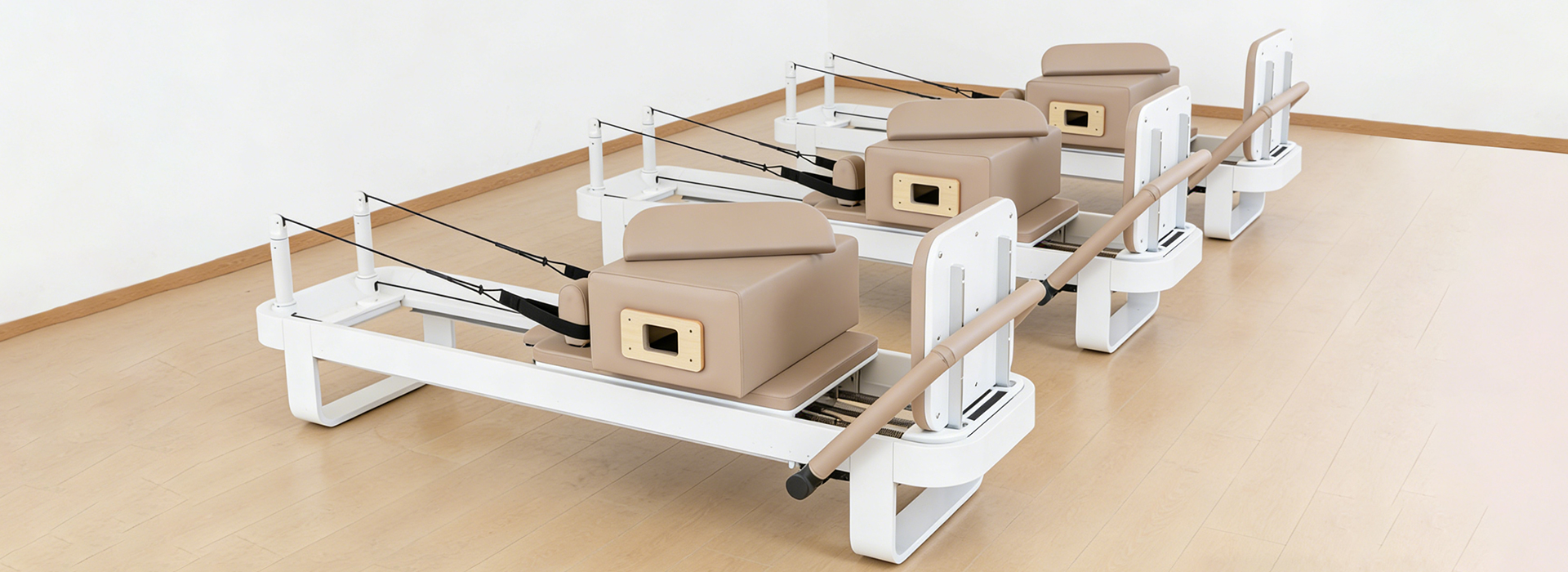
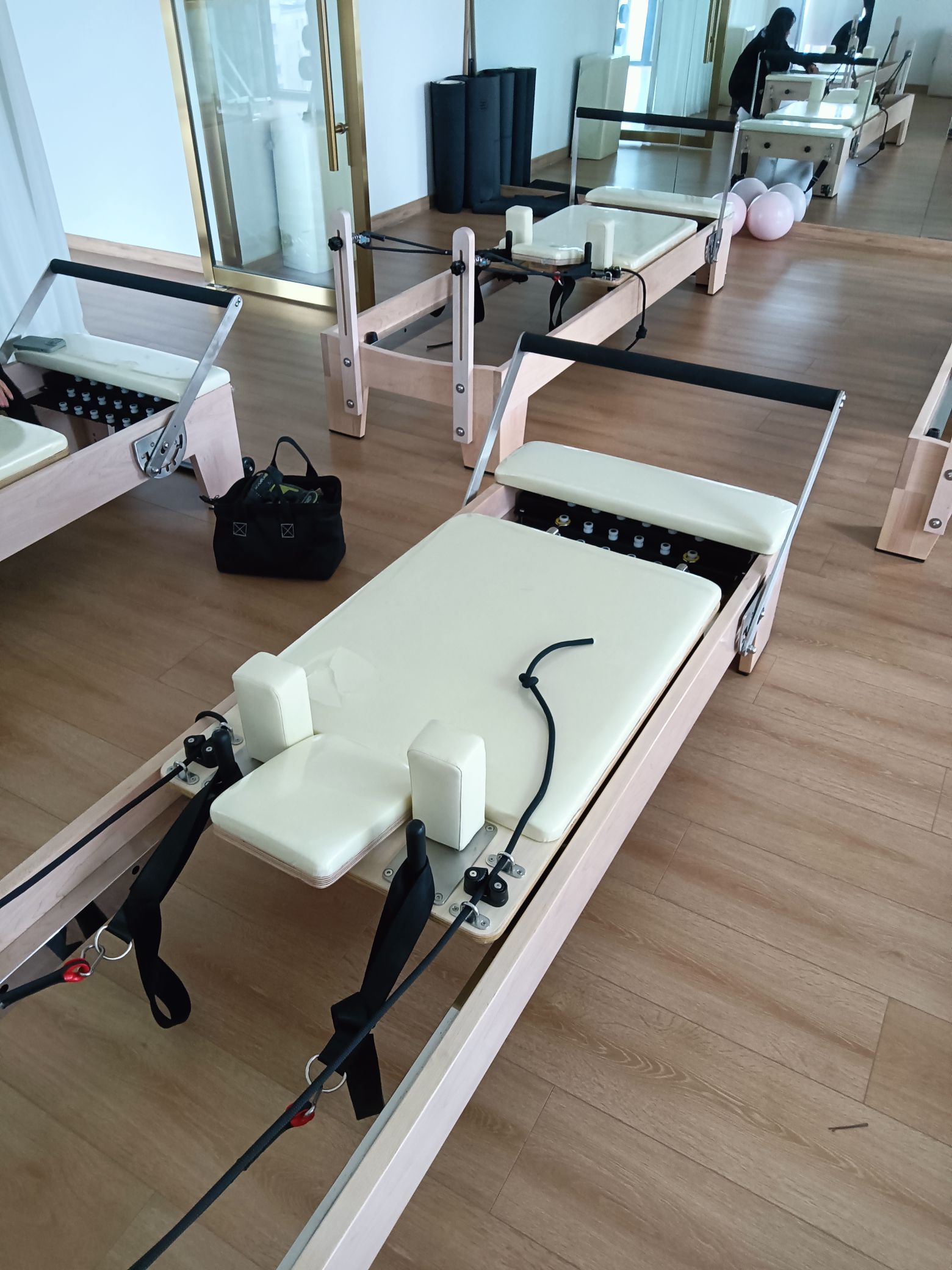
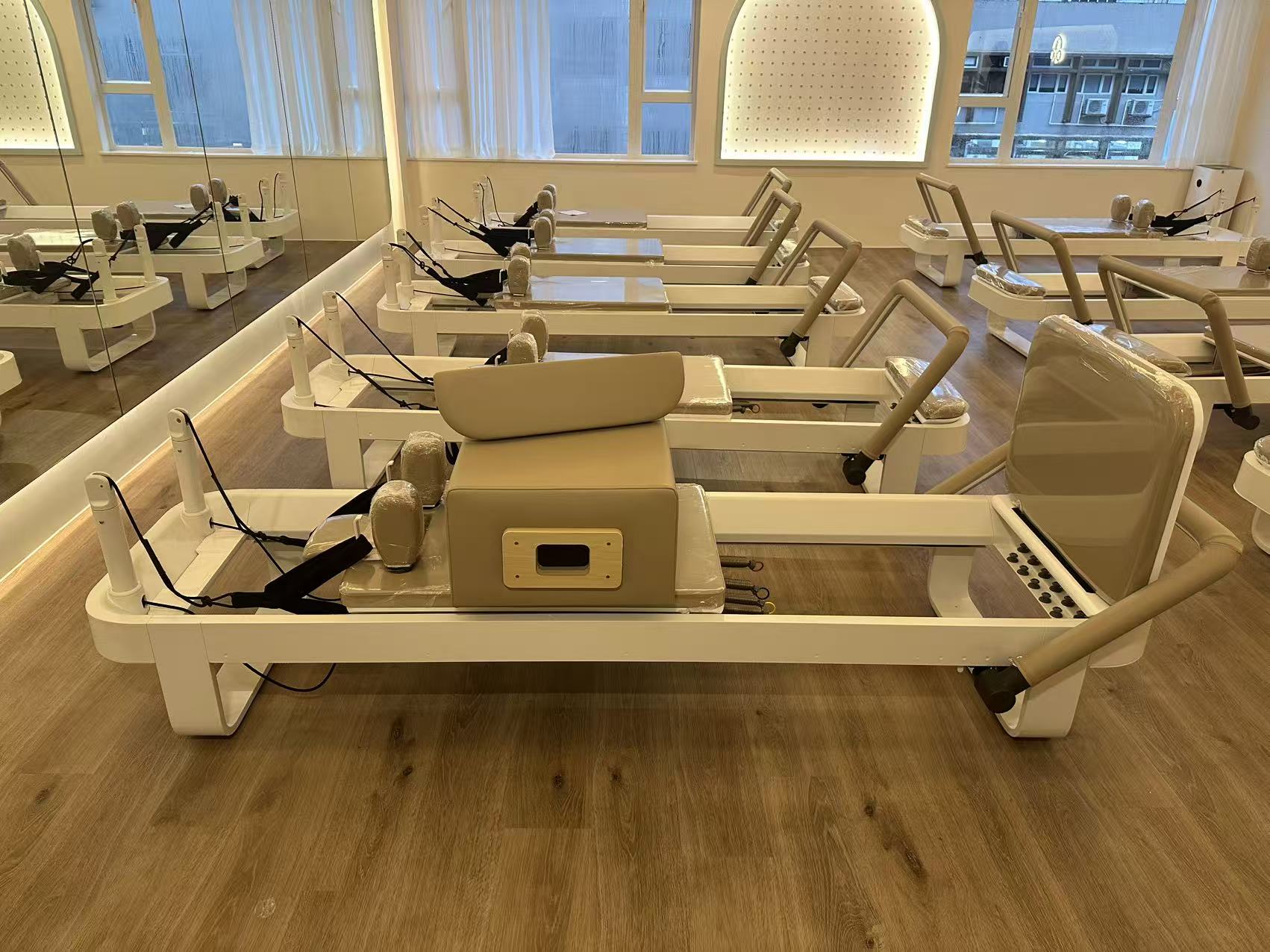
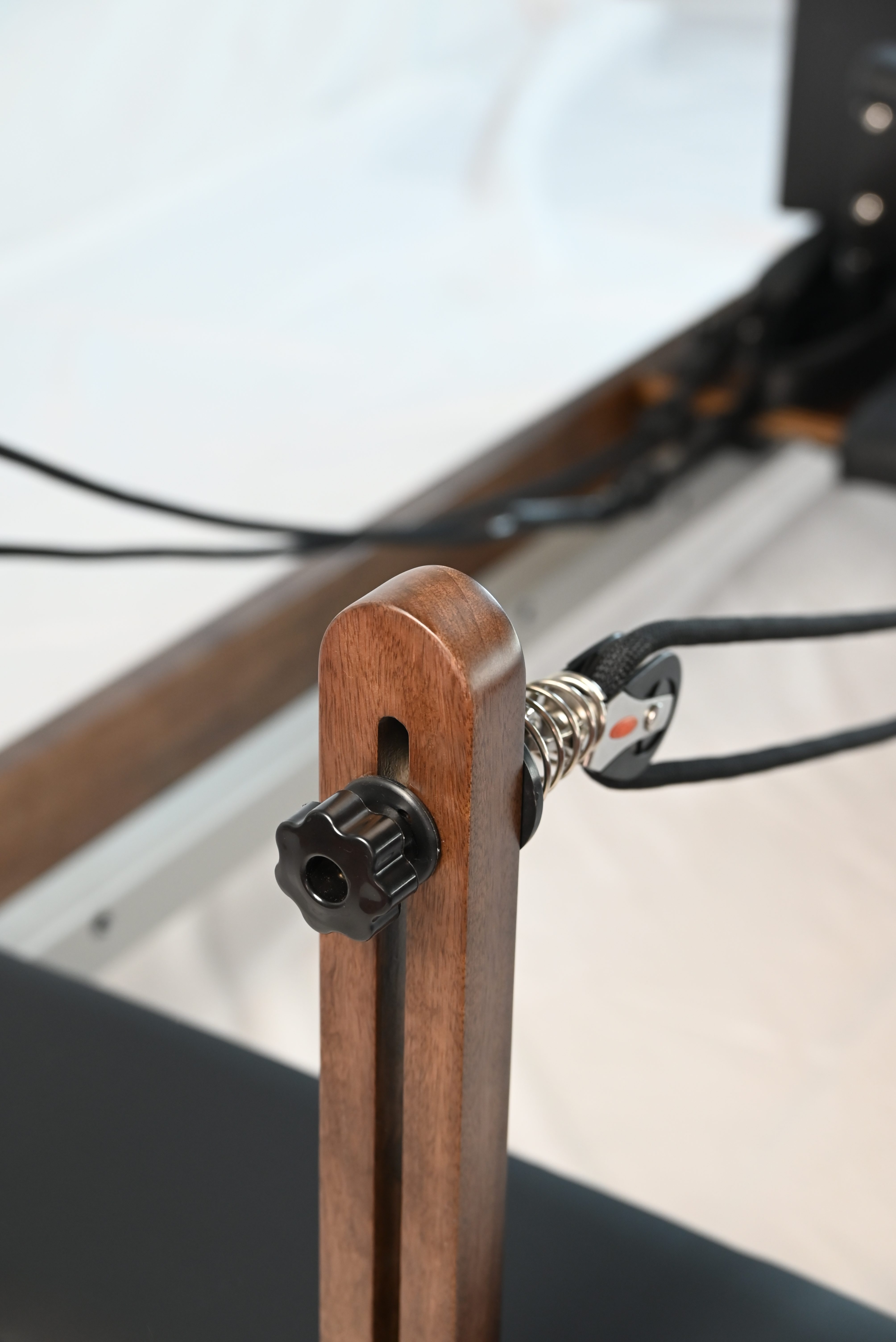
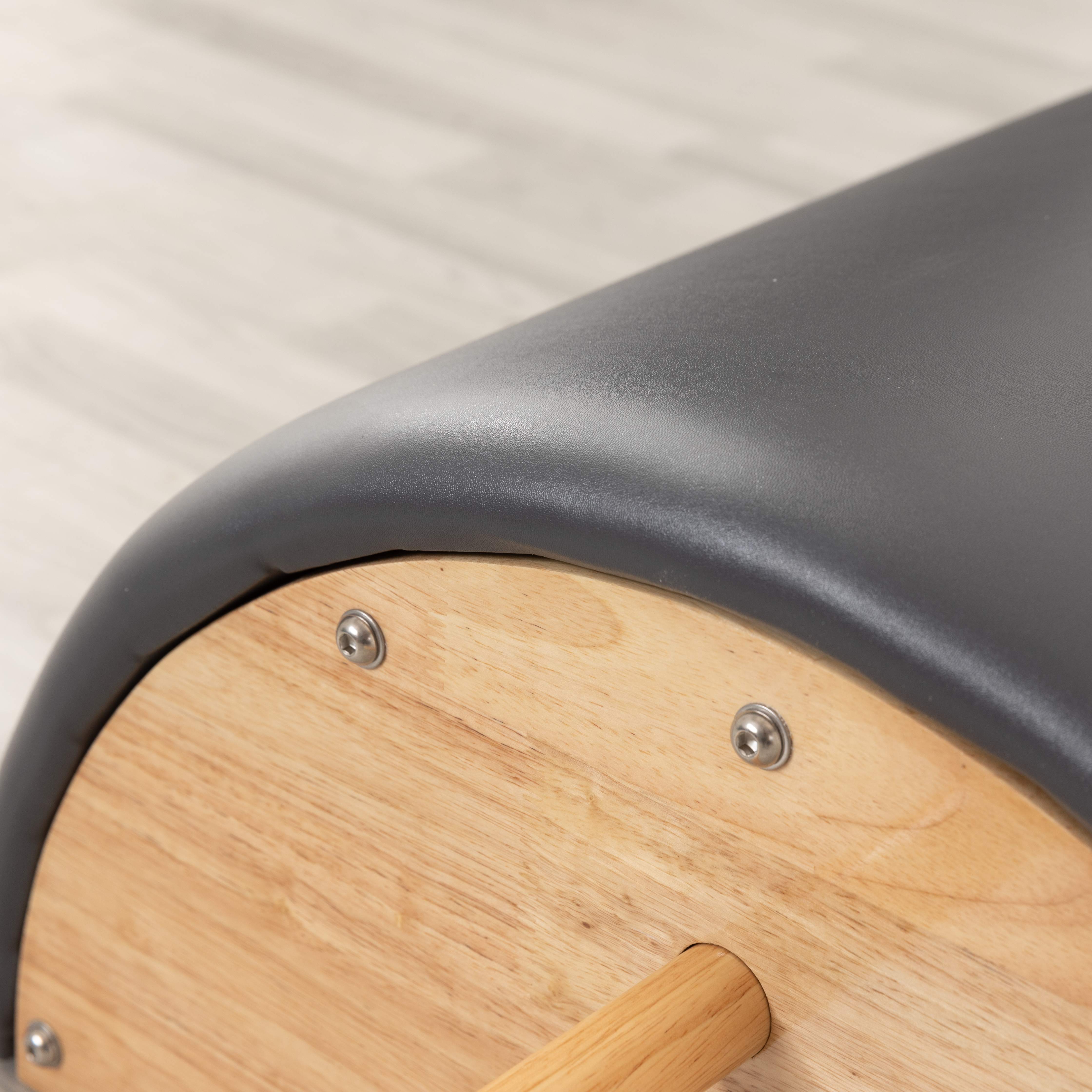
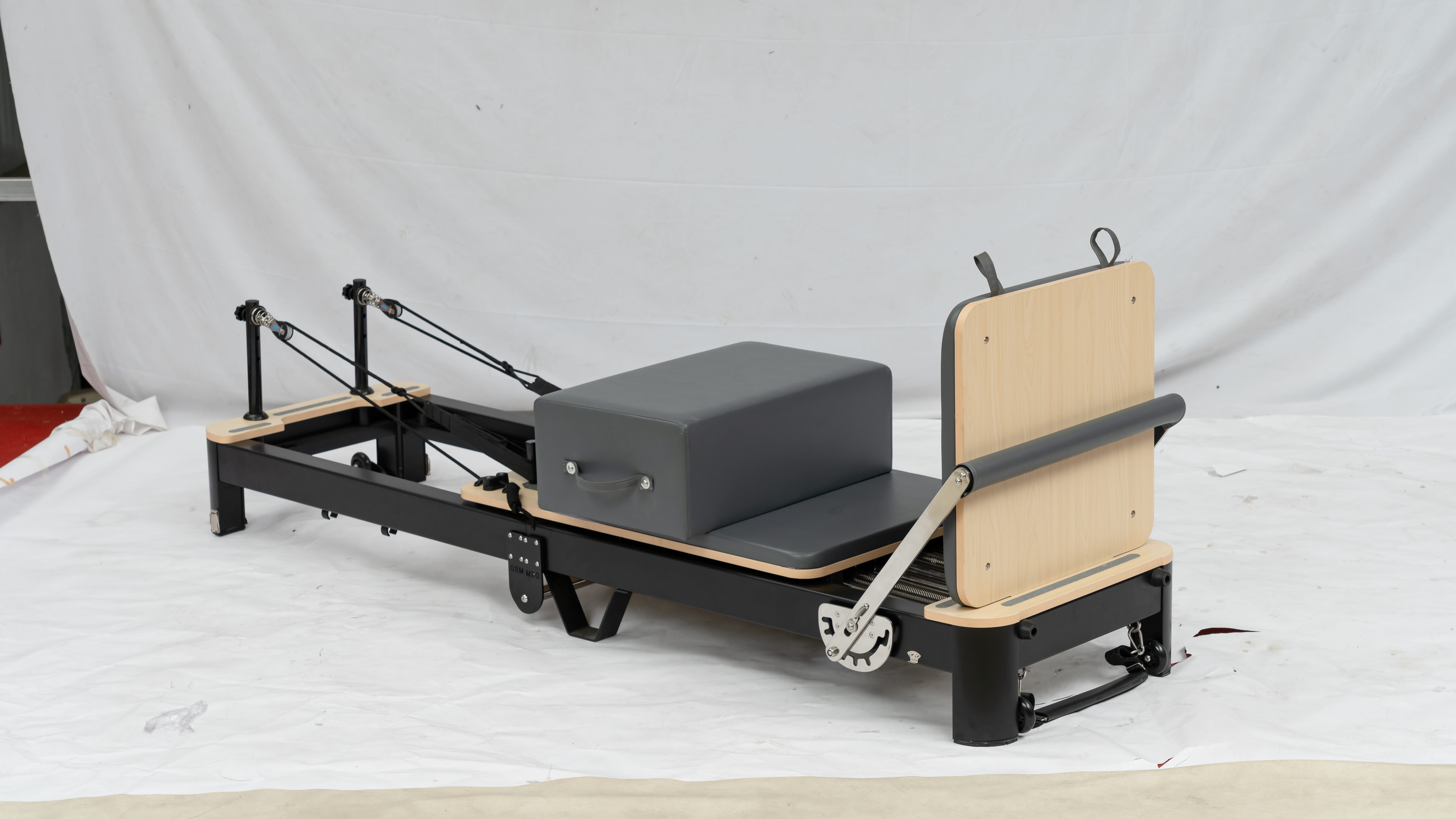
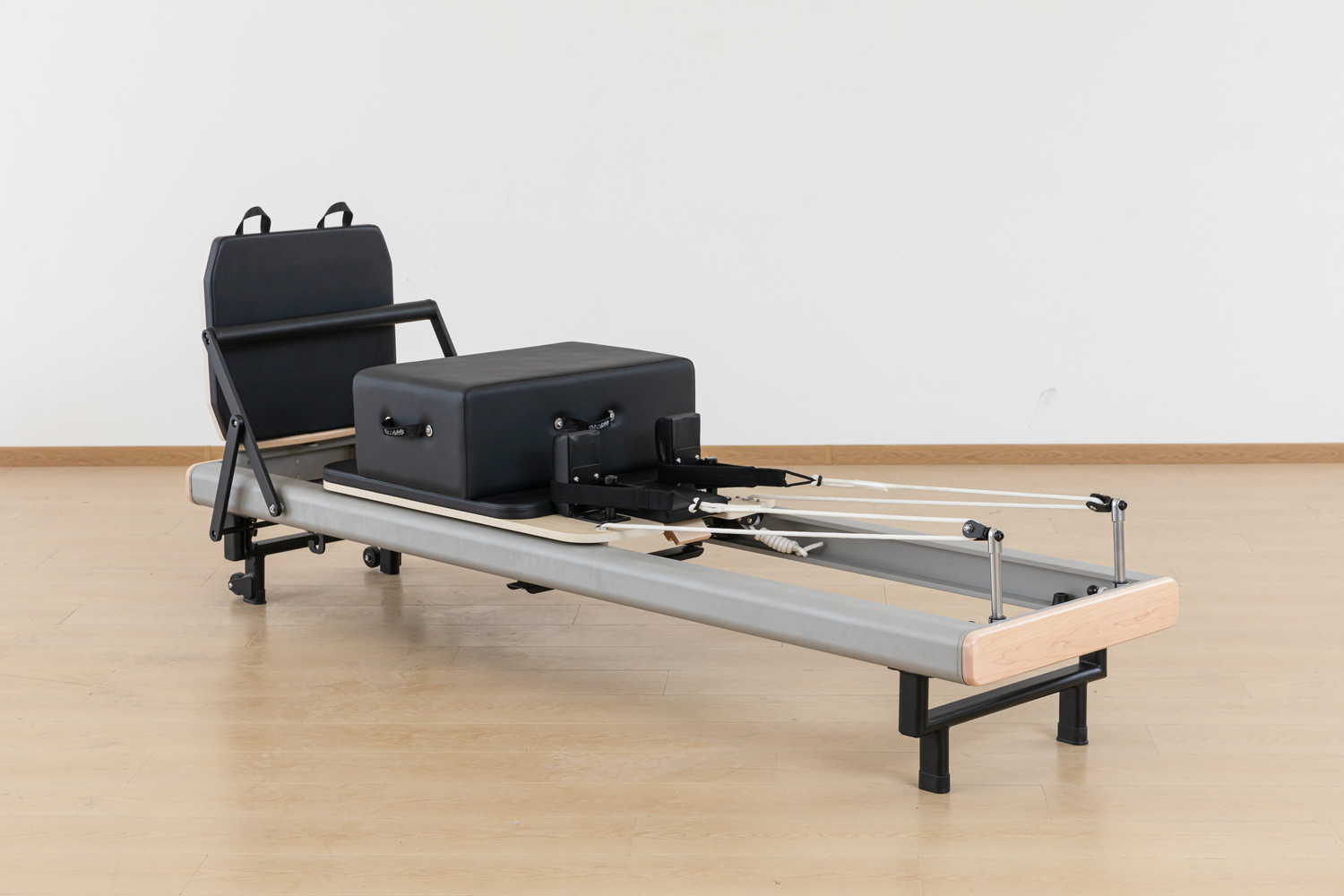
For Pilates reformers specifically, request test data on frame load capacity (minimum 1,000 lb), spring tension consistency, and welding integrity. The folding mechanism and carriage stability are frequent failure points that require stress-testing evidence before mass production begins.
II. Compliance and Certification Requirements
Pilates equipment straddles the line between general fitness gear and medical rehabilitation devices, and that distinction carries serious regulatory consequences. In China, devices with powered adjustment functions may fall under electrical product regulations, while equipment marketed with rehabilitation claims could be classified as Class I or II medical devices requiring NMPA registration.
For imports into the United States, the FDA and CPSC share jurisdiction. Any product claiming therapeutic benefits risks being pulled into FDA's medical device framework. Marketing language matters: calling a reformer a "rehabilitation training system" rather than a "fitness machine" can trigger entirely different compliance pathways.
III. Tariff Classification and Landed Cost
The HS code assigned to your equipment determines the duty rate, and misclassification is a common source of customs disputes. Pilates reformers with mechanical spring resistance may qualify under fitness equipment codes with lower duties, while powered or rehabilitation-labeled units can face higher rates and additional regulatory scrutiny.
For RCEP member countries, valid certificates of origin can reduce tariffs to zero or near-zero, provided the documentation meets verification standards. The difference between a properly documented RCEP shipment and a standard import can easily reach 10-15% of total landed cost.
IV. Packaging, Logistics, and Damage Prevention
Pilates equipment is heavy, awkwardly shaped, and frequently damaged in transit. Wooden packaging materials must carry IPPC heat-treatment markings or they will be rejected at port. This is not a formality: shipments without compliant wood packaging risk immediate return at the importer's expense.
For ocean freight, full-container loads are preferred for any order exceeding a few units. Shared-container arrangements save upfront cost but substantially increase handling damage risk, which is why some manufacturers no longer offer it for smaller shipments.
V. Installation, Space, and After-Sales Support
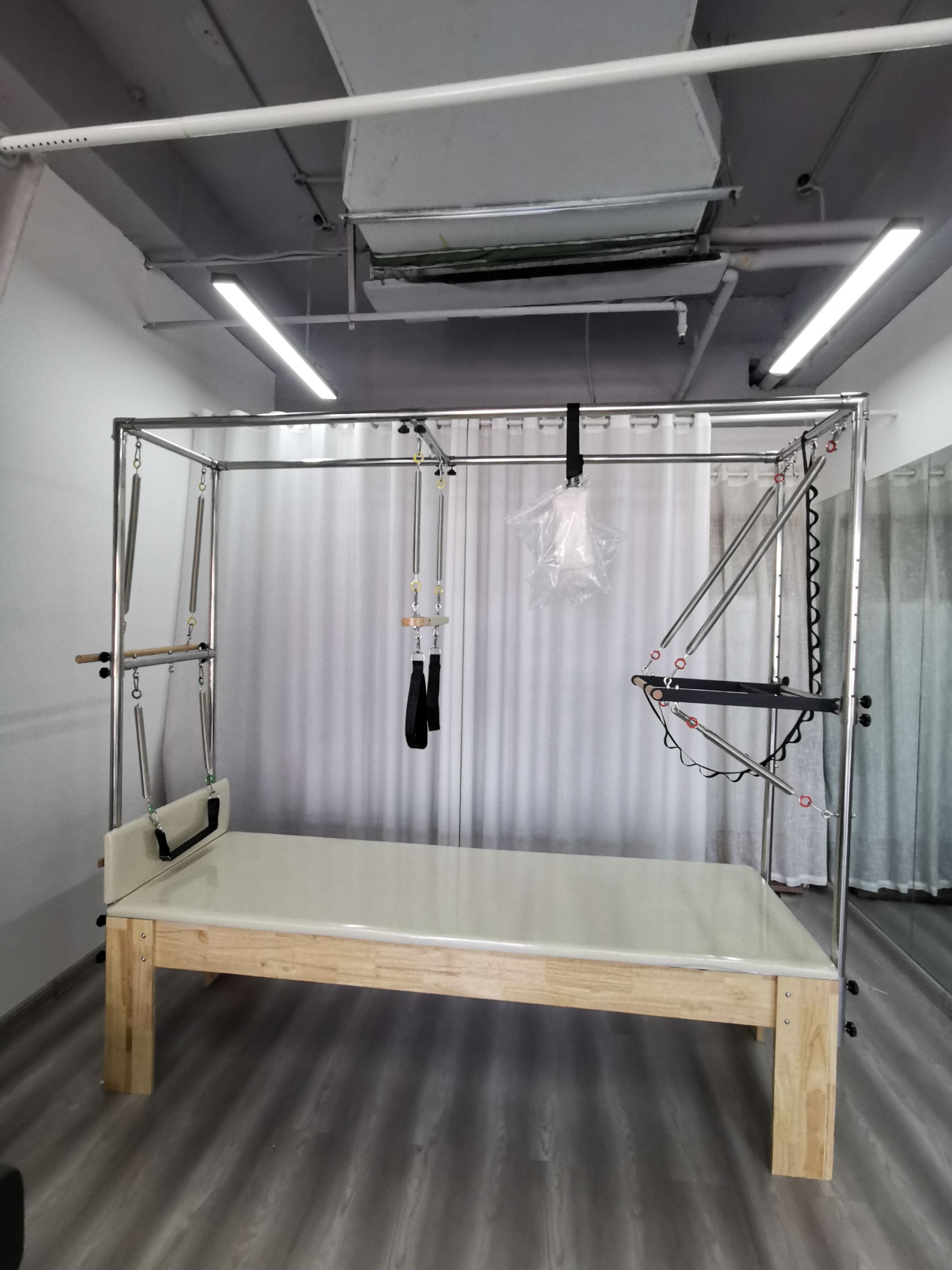
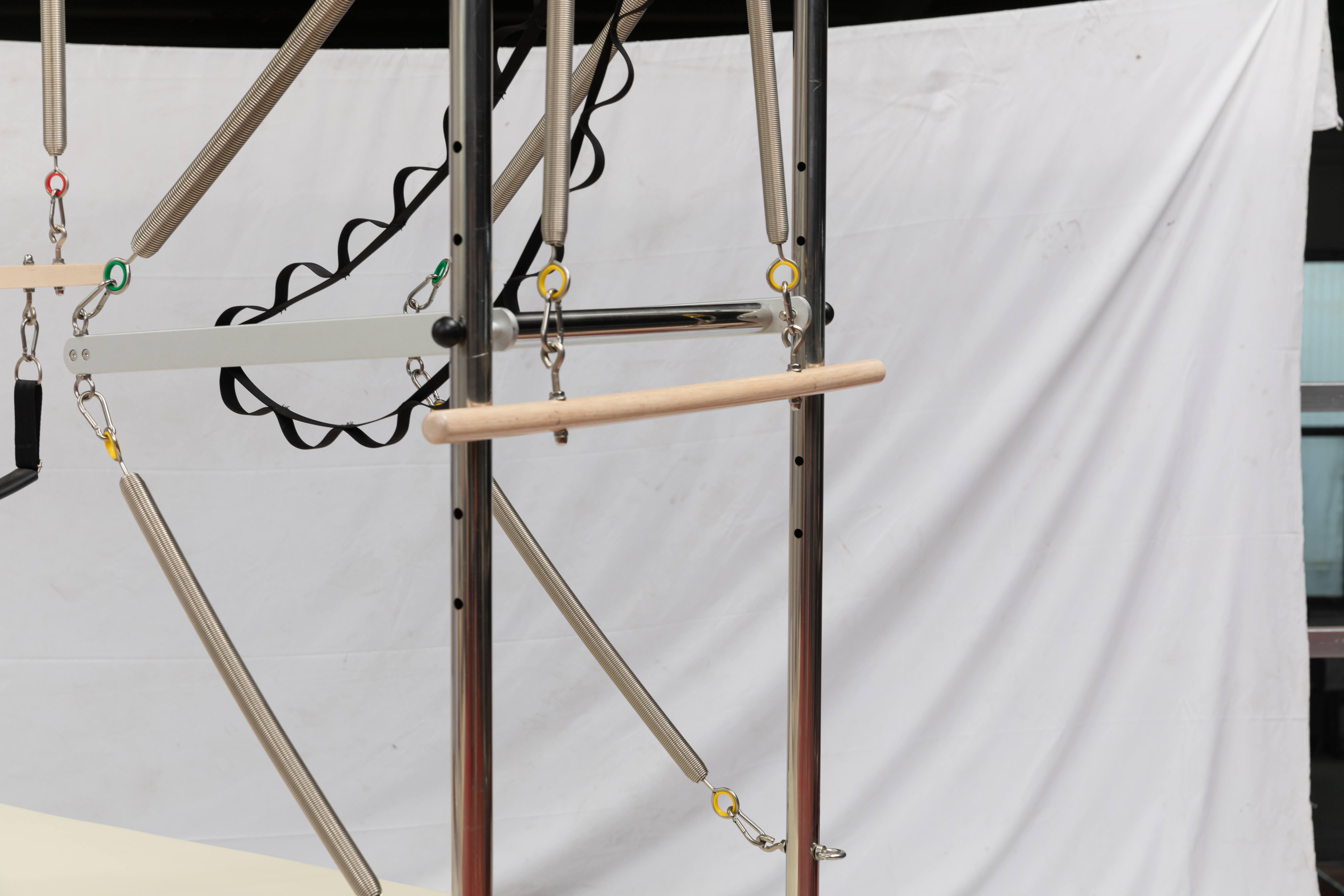
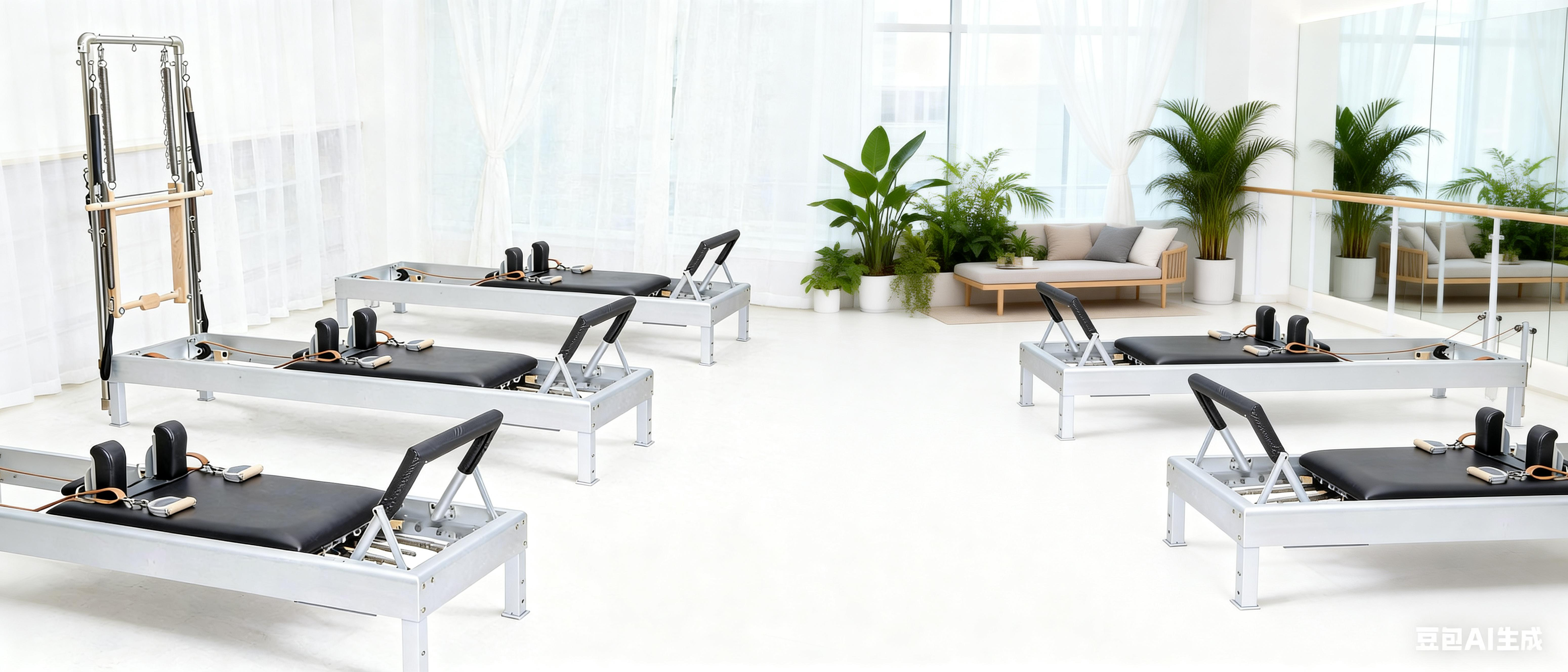
A Pilates reformer requires more than floor area. Users need clearance to mount and dismount, and instructors need room to move around the apparatus. Ceiling height matters for equipment with vertical frames or towers. Underestimating these spatial requirements leads to equipment that is technically functional but practically unusable in its intended setting.
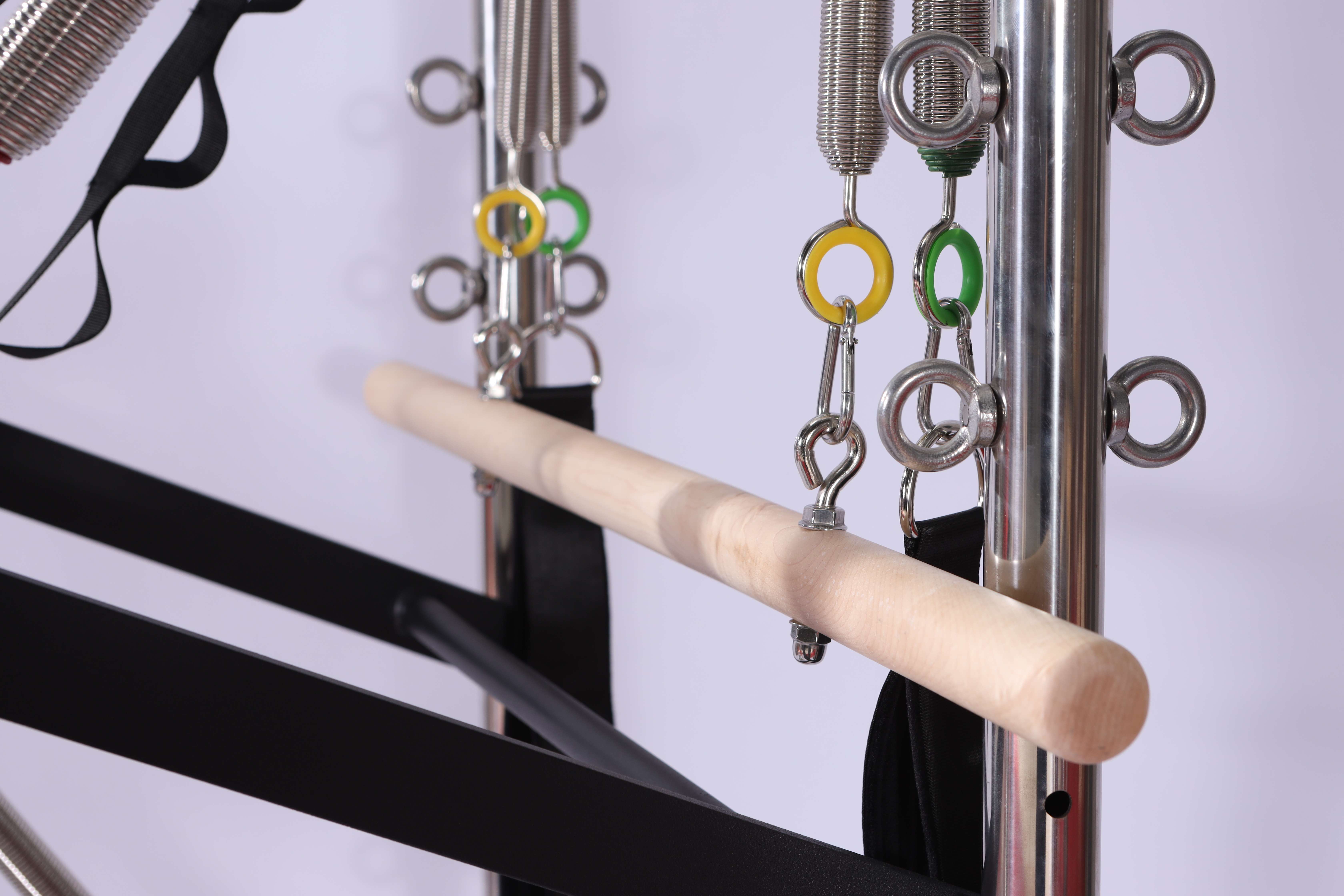
After-sales support is frequently the weakest link in cross-border equipment purchases. Springs need replacement every 12-24 months depending on usage intensity. Rollers wear down. Frame welds can develop play over time. Before committing to a supplier, confirm whether spare parts are stocked locally or must be shipped from the factory, and what turnaround time that implies.
Conclusion
The difference between a smooth import and a prolonged customs nightmare usually comes down to preparation before the first payment. Verify suppliers on-site where possible. Confirm compliance pathways for your specific product claims. Classify accurately. And never treat low-value shipments as low-risk shipments.