How Small Pilates Studios Can Negotiate Better Terms for Mixed Small-Batch Equipment Orders
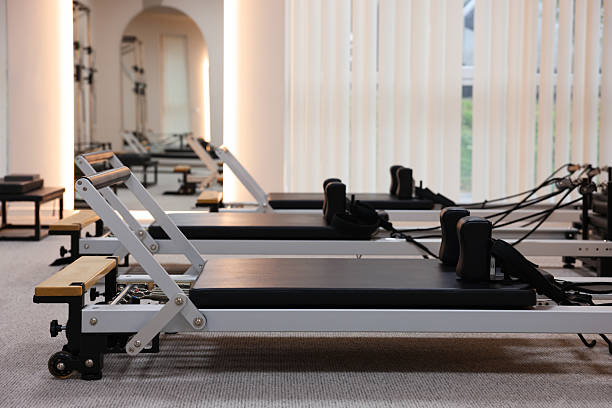
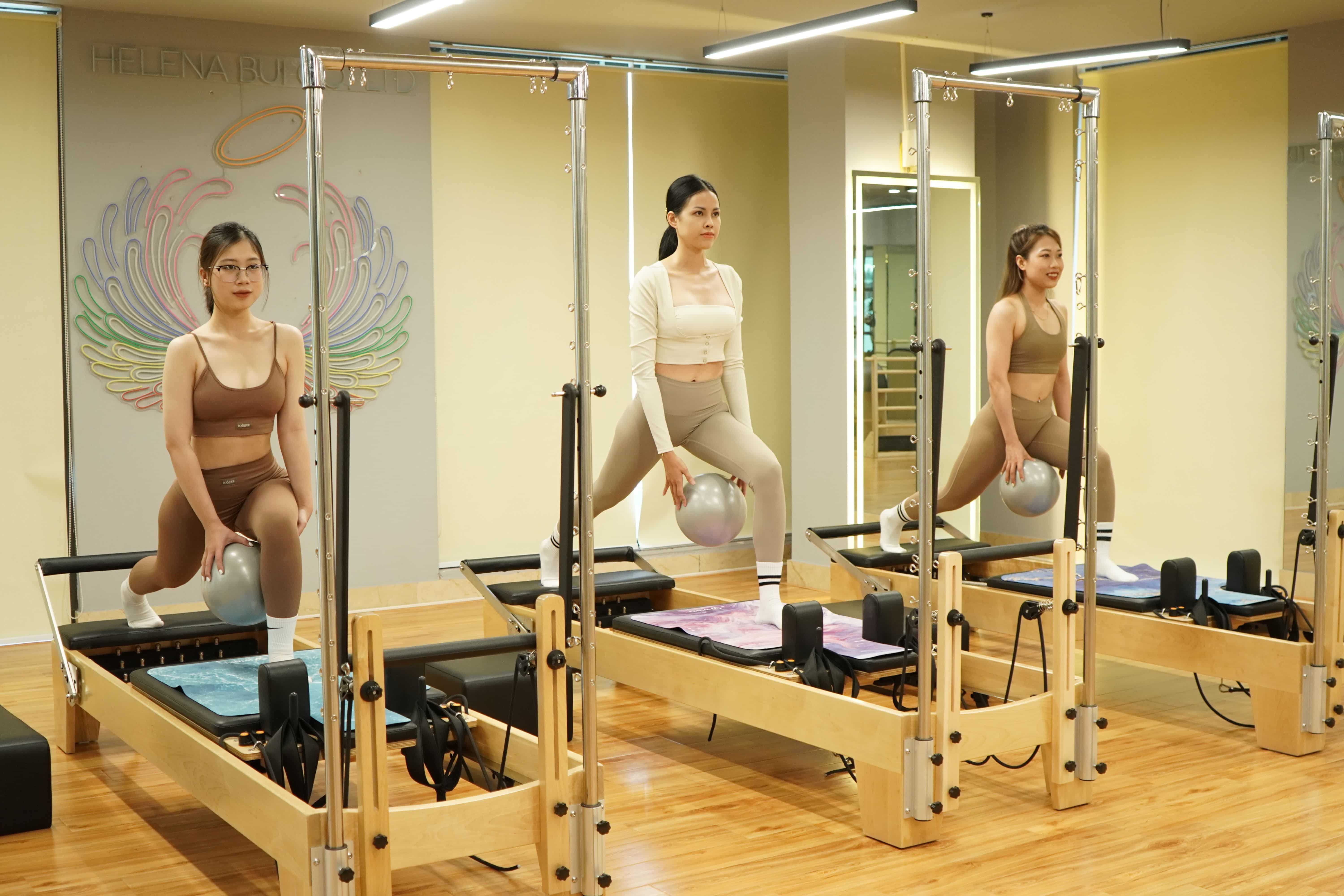
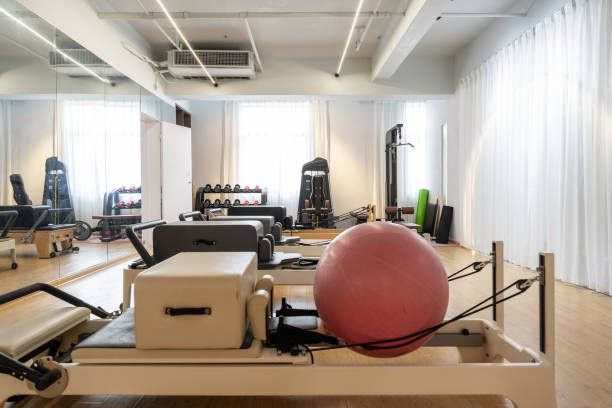
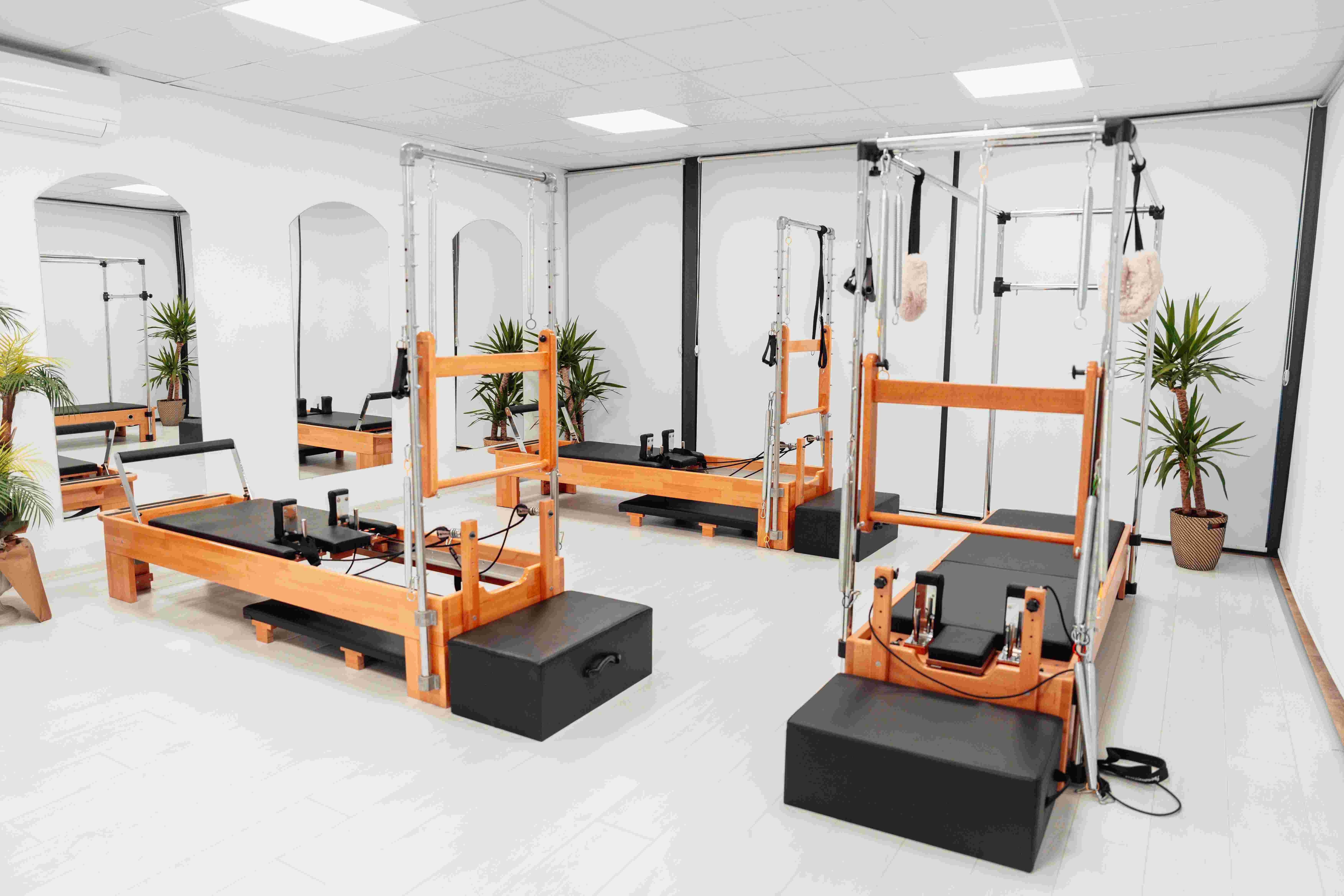
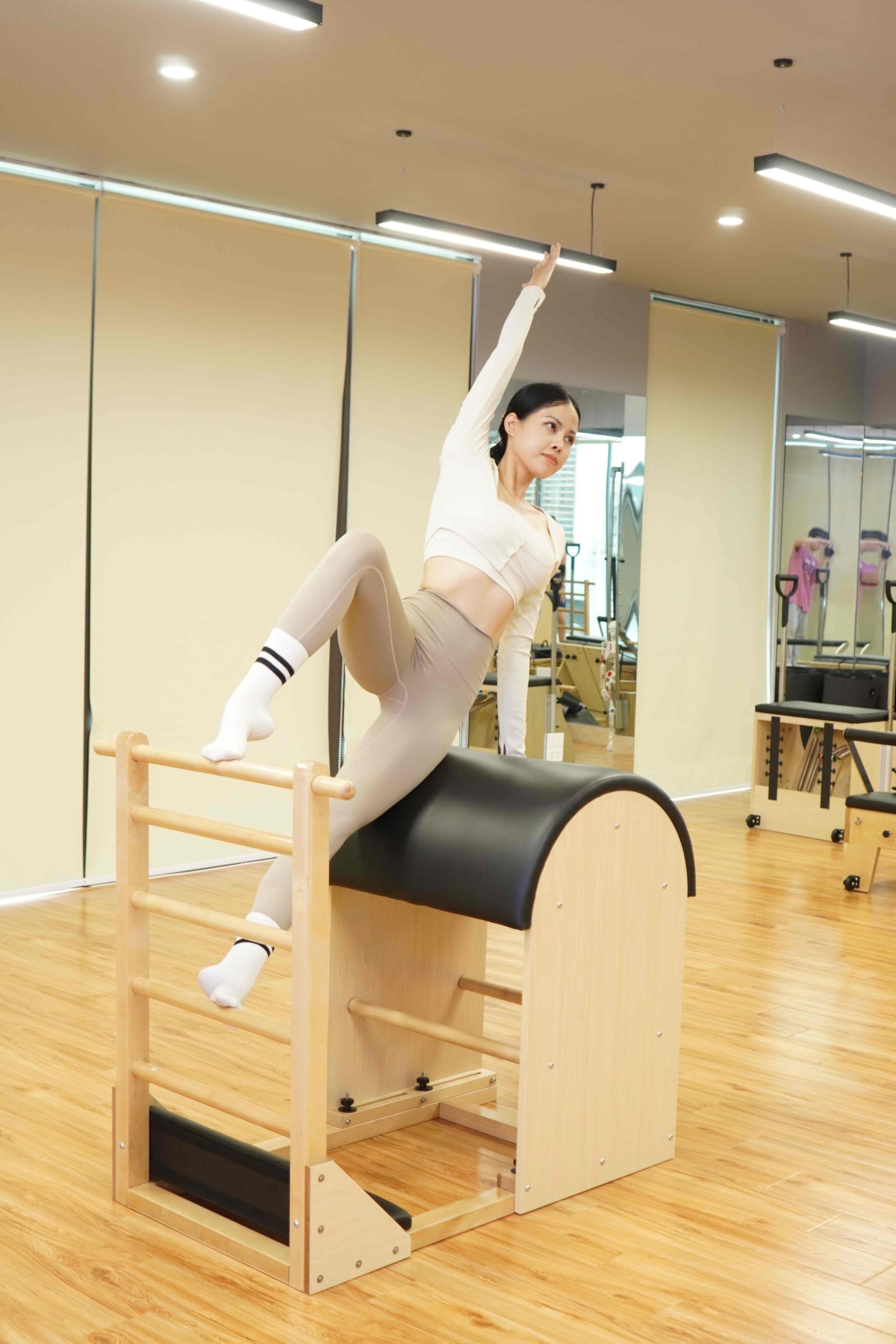
Small independent Pilates studios face unique procurement challenges compared to large commercial fitness chains and bulk distributors. Unlike big buyers that place full-container, single-model equipment orders with massive purchasing power, small studio owners typically require mixed small-batch orders — a few reformers, one or two cadillacs, several arc barrels, and customized wunda chairs in tailored colors.
Most fitness equipment factories prioritize large-volume orders, often offering higher unit pricing, stricter payment terms, and longer lead times for small mixed batches. Many new studio owners accept unfavorable terms simply because they believe small orders have no negotiation leverage. In reality, small Pilates studios can secure favorable pricing, flexible production rules, and better after-sales terms with strategic negotiation skills. This article shares practical, actionable tactics for small studios to negotiate better conditions for mixed small-batch equipment orders.
Understand Factories’ Pain Points for Mixed Small-Batch Orders
To negotiate effectively, studio owners first need to understand why manufacturers are reluctant to offer favorable terms for small mixed orders. Unlike unified bulk production, mixed batches force factories to disrupt standardized workflows. Switching between different equipment models, adjusting upholstery colors, sorting diverse accessories, and conducting separate quality checks greatly increase labor costs and production complexity.
Additionally, small mixed orders occupy production slots but generate lower profit margins, especially with custom color requirements. Factories also face extra packaging and shipping troubles, as mixed equipment needs classified packing and detailed manifest sorting for customs clearance. Recognizing these pain points allows small buyers to propose mutually beneficial solutions, rather than making one-sided demands during negotiations.
Leverage Long-Term Cooperation Potential as Core Negotiation Capital
The biggest advantage small studio owners hold — often overlooked — is long-term business value. Most fitness manufacturers prioritize stable recurring clients over one-time large orders, as long-term cooperation brings sustainable revenue and lower customer acquisition costs.
During negotiations, clearly communicate your development plan: mention your intention to expand studio scale, open branch stores, or upgrade equipment in batches every 2–3 years. You can also highlight your willingness to recommend the supplier to local studio peers, fitness trainers, and local distributors, bringing referral orders for the factory.
Even for your first small mixed order, explicitly state that favorable terms will lead to larger repeat orders in the future. Most suppliers are willing to compromise on pricing and service to cultivate a high-potential long-term partner, rather than only pursuing short-term profits from a single transaction.
Optimize Order Structure to Reduce Factory Production Costs
Factory cost reduction directly translates to better negotiation terms for buyers. Small studios can slightly adjust their mixed order structure to lower production difficulty, making suppliers more willing to offer discounts and flexible rules.
First, unify custom color schemes as much as possible. Mixed orders with multiple random colors require frequent fabric replacement and color calibration, raising factory costs significantly. Choosing 1–2 unified studio theme colors for all equipment can eliminate color-switching downtime, allowing you to negotiate lower unit prices and faster lead times.
Second, concentrate product categories appropriately. Avoid mixing overly complex equipment in one small batch, such as combining large cadillac machines with tiny auxiliary Pilates props. Classify core training equipment and accessories reasonably to simplify factory scheduling and packaging processes.
Third, tolerate minor unified batch details. For non-critical details like minor fabric texture differences or standard accessory replacements, allow factory standard configurations instead of overly personalized customization. This reduces rework risks and earns you concessions on pricing and after-sales services.
Negotiate Flexible Payment Terms to Lower Operational Pressure
Payment terms are the easiest negotiation breakthrough point for small studios. Most small independent studios face tight cash flow, while factories prefer high-deposit or full-prepayment terms for small orders to avoid production losses.
You can negotiate a balanced payment plan: a moderate deposit to lock the production slot, with the balance paid before shipment. For first-time cooperation, propose a reasonable deposit ratio instead of the factory’s standard full prepayment rule. For long-term cooperation clients, further negotiate installment terms or flexible payment deadlines for subsequent orders.
Meanwhile, promise stable payment efficiency — confirm that you will complete deposit payment and sample approval promptly without delaying production schedules. Factories are more willing to offer loose payment terms for buyers with reliable payment habits and clear communication efficiency.
Secure Customization and Quality Assurance Terms for Mixed Batches
Mixed small-batch orders are more prone to quality inconsistencies and missing accessories due to scattered production and complex sorting. Small studios must clarify detailed quality assurance terms during negotiation to avoid after-sales losses.
First, confirm unified quality standards for all mixed equipment. Explicitly require the same commercial-grade materials, frame thickness, spring quality, and upholstery durability for every product in the batch, avoiding shoddy workmanship for small-order products.
Second, clarify accessory completeness and batch consistency. Mixed orders often suffer from missing small accessories or mismatched parts. Negotiate for full original accessory sets, unified batch production, and complete pre-shipment inspection reports for all equipment.
Third, lock in after-sales warranty terms. Many factories offer shorter warranty periods for small orders. Negotiate for the same long-term commercial warranty as bulk orders, as well as free replacement policies for defective parts and shipping damage solutions.
Negotiate Cost-Effective Shipping and Packaging Solutions
Shipping and packaging costs are major extra expenses for small mixed orders. Full-container bulk orders enjoy low average shipping costs, while small batch shipments usually bear higher unit logistics fees. Small studios can negotiate targeted logistics optimization terms.
Communicate with suppliers to combine packing reasonably, optimize container space utilization, and reduce redundant packaging materials to cut down packaging and sea freight costs. For mixed orders that cannot fill a full container, negotiate for consolidated shipping with other factory orders to share logistics expenses.
In addition, ask the supplier to bear part of the export documentation fees, certification service fees, and customs declaration fees for small orders. Most factories can waive or reduce these auxiliary fees for cooperative and high-potential studio buyers.
Build Stable Supplier Relationships for Long-Term Preferential Terms
One-time negotiation can only bring temporary favorable terms, while stable supplier relationships can maintain long-term procurement advantages. Small Pilates studios can establish mutually beneficial partnerships with manufacturers to gain continuous preferential policies for subsequent mixed orders.
Maintain active and efficient communication during order production, provide timely feedback on samples and production progress, and avoid arbitrary order changes or last-minute custom modifications. Good cooperation records will make suppliers take your orders more seriously and prioritize your production schedule during peak seasons.
Moreover, share your studio’s operation results and customer feedback with suppliers regularly. When your studio gains a good local reputation, your successful case can serve as a market reference for the factory, making them more willing to offer exclusive discounts, priority production rights, and free customization services for your orders.
Final Conclusion
Small Pilates studios do not have to accept disadvantaged terms for mixed small-batch equipment orders. By understanding factory operational pain points, leveraging long-term cooperation value, optimizing order structure, and conducting targeted negotiations on payment, quality, shipping and after-sales terms, small buyers can successfully secure bulk-order-level favorable conditions.
The core of small-order negotiation is not demanding unilateral concessions, but building a win-win cooperation model. With reasonable communication and strategic adjustment, small independent studios can reduce procurement costs, guarantee equipment quality, and establish stable and high-quality supply channels for long-term studio development.