How to Evaluate Factory Production Capacity When Sourcing Pilates Apparatus
Pilates apparatus sourcing has become increasingly competitive as global boutique studios, rehabilitation clinics, and fitness retailers expand their businesses rapidly. For international buyers, importers, and brand distributors, price advantage is no longer the only core consideration. Evaluating factory production capacity accurately is the key to avoiding delayed shipments, inconsistent product quality, out-of-stock risks, and failed large-order cooperation.
Unlike standard fitness equipment, Pilates machines involve complex craftsmanship, customized configurations, multiple accessory combinations, and strict safety standards. A factory with insufficient production capacity may fail to fulfill bulk orders, miss peak sales seasons, or deliver defective products with unstable finishing and structural precision. This article systematically explains how professional buyers evaluate Pilates equipment factory production capacity from multiple practical dimensions, helping you screen reliable long-term manufacturing partners.
1. Daily and Monthly Output of Standard Pilates Products
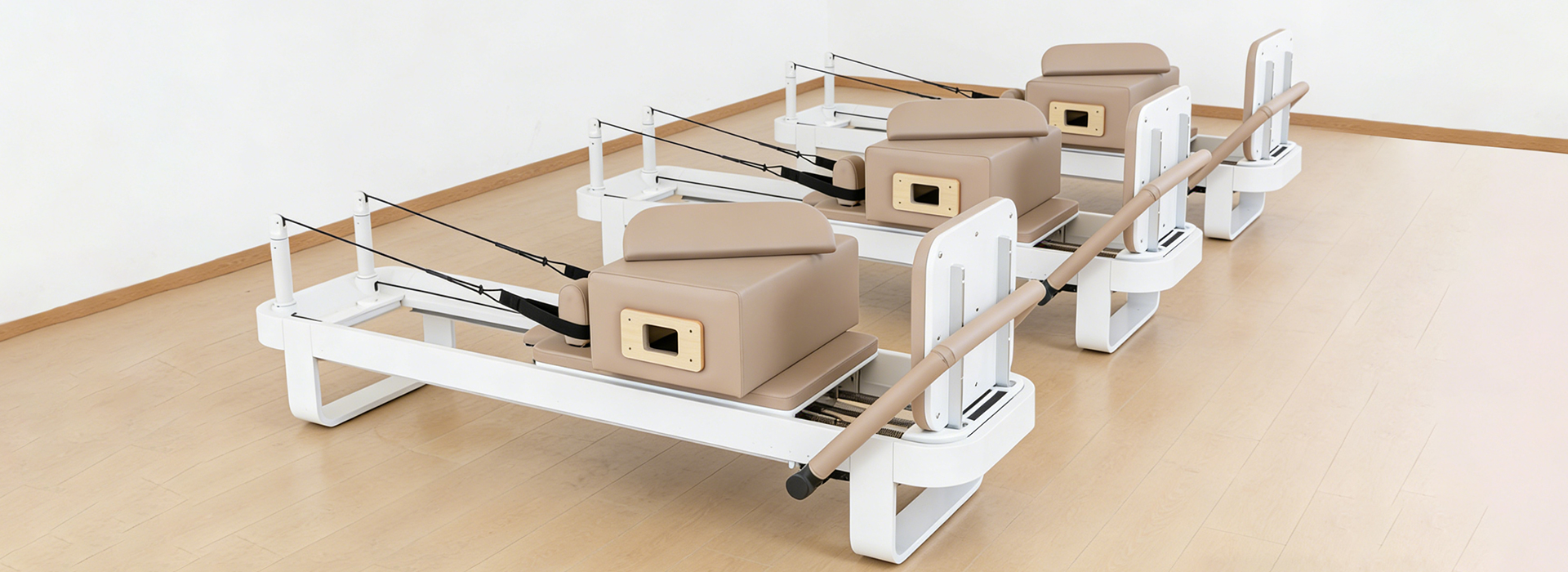
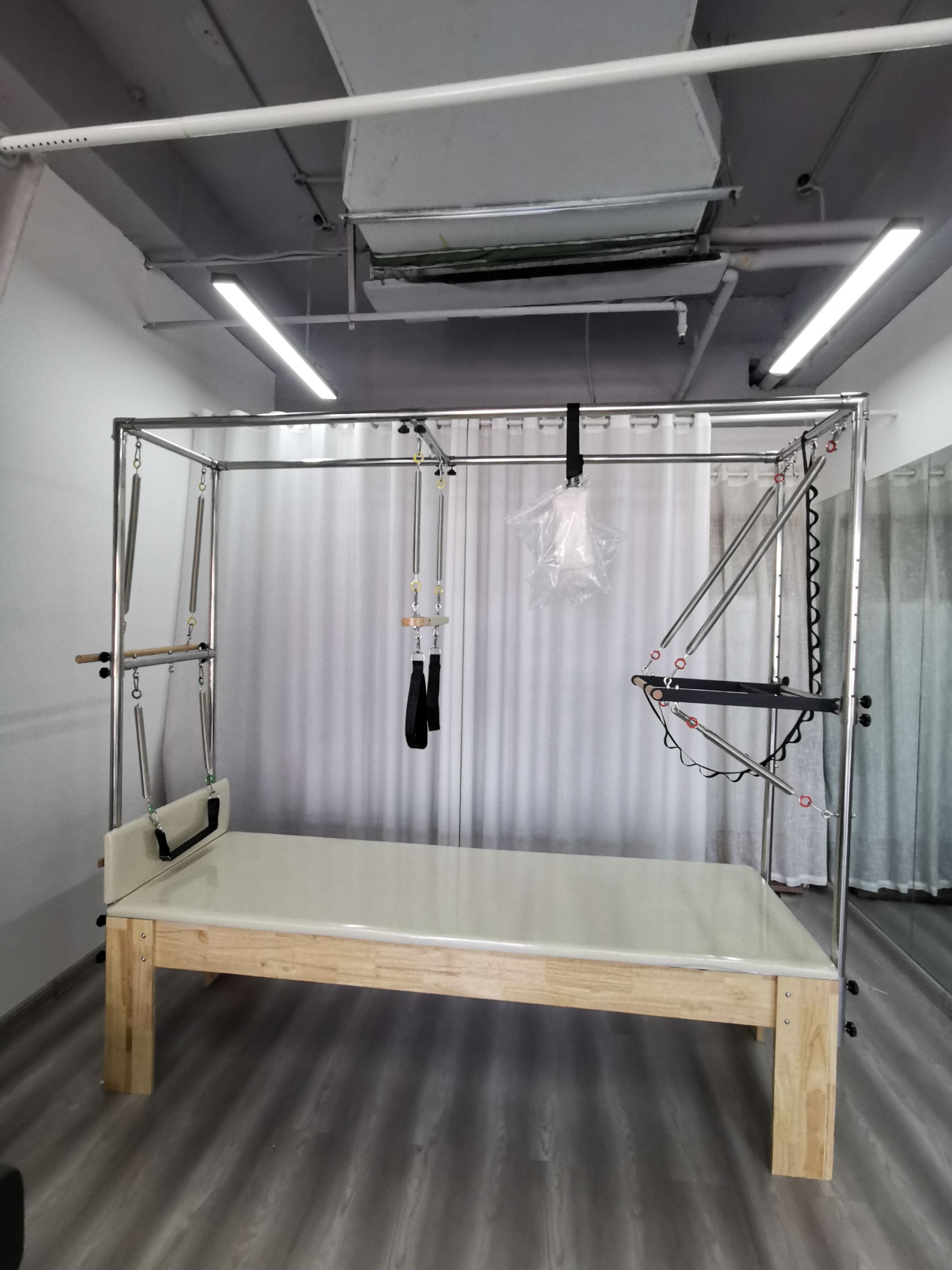
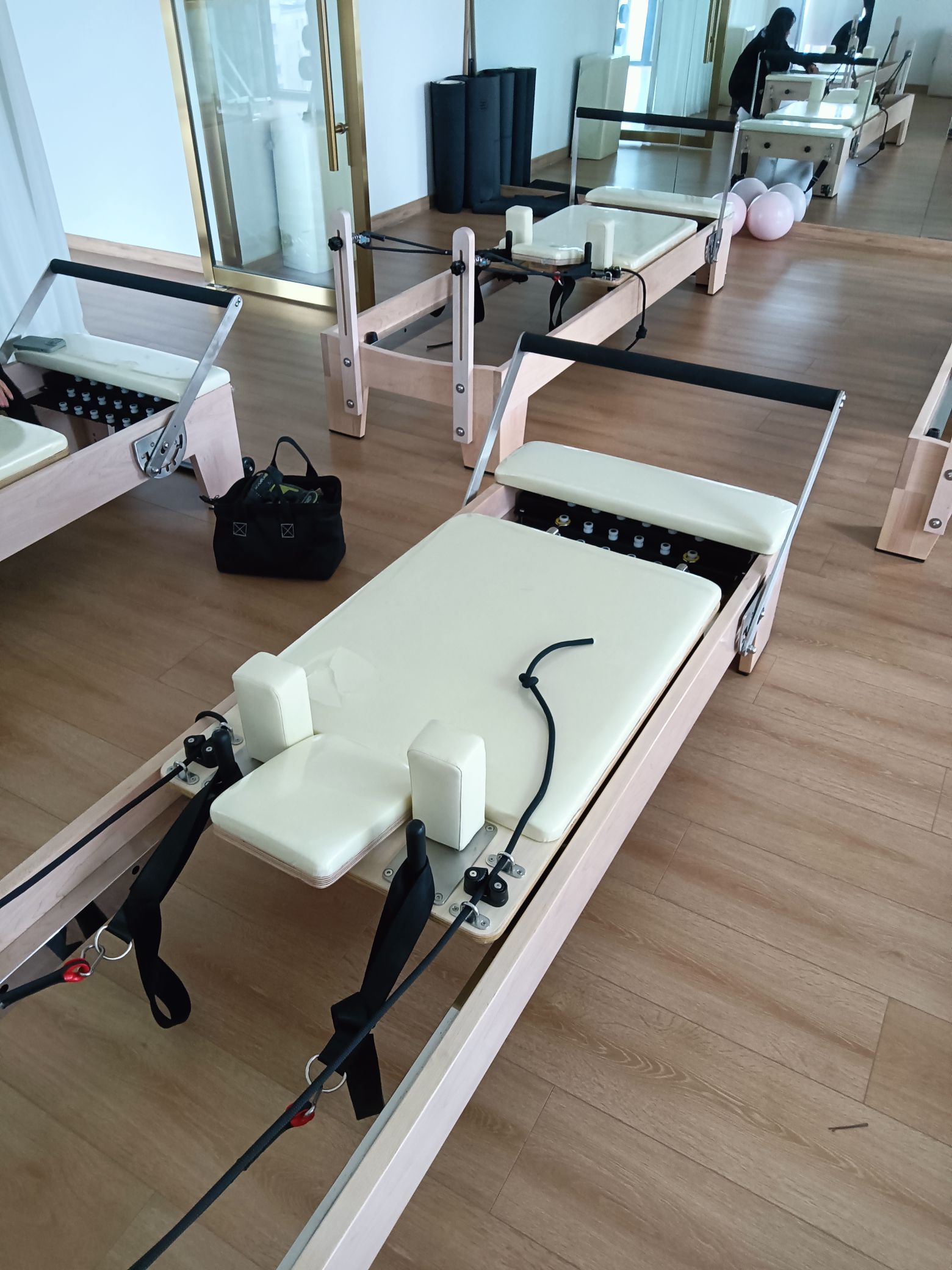
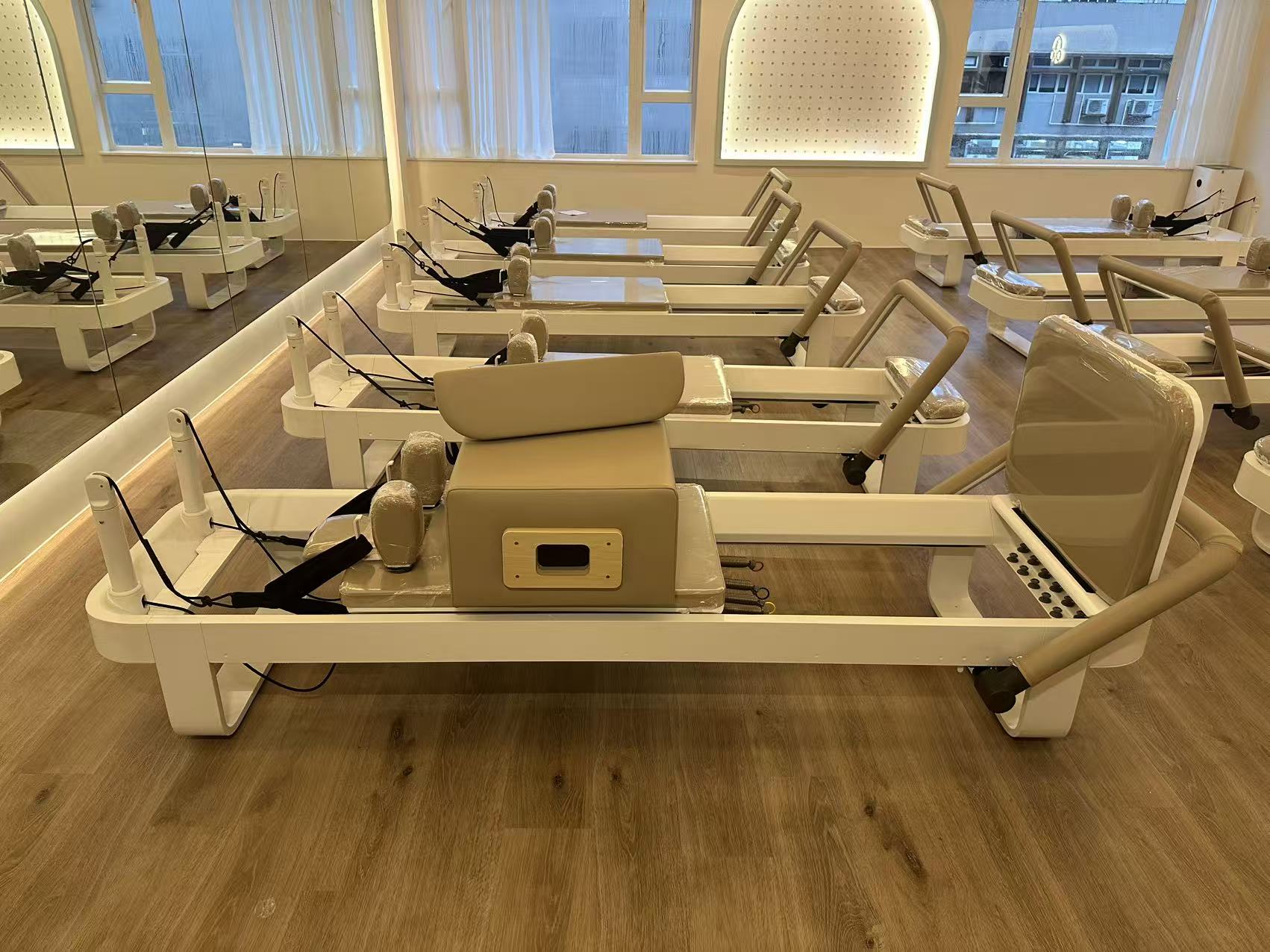
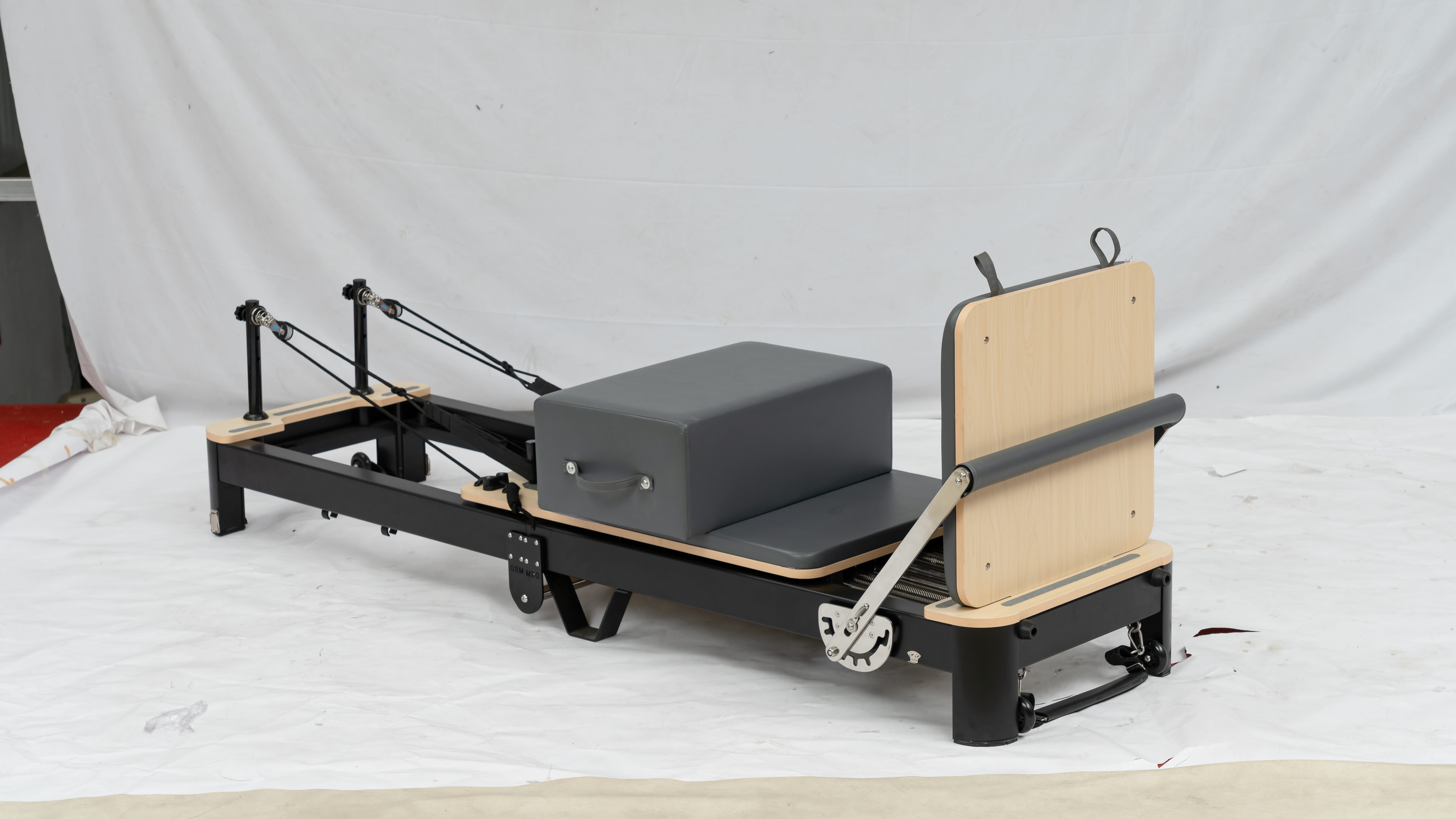
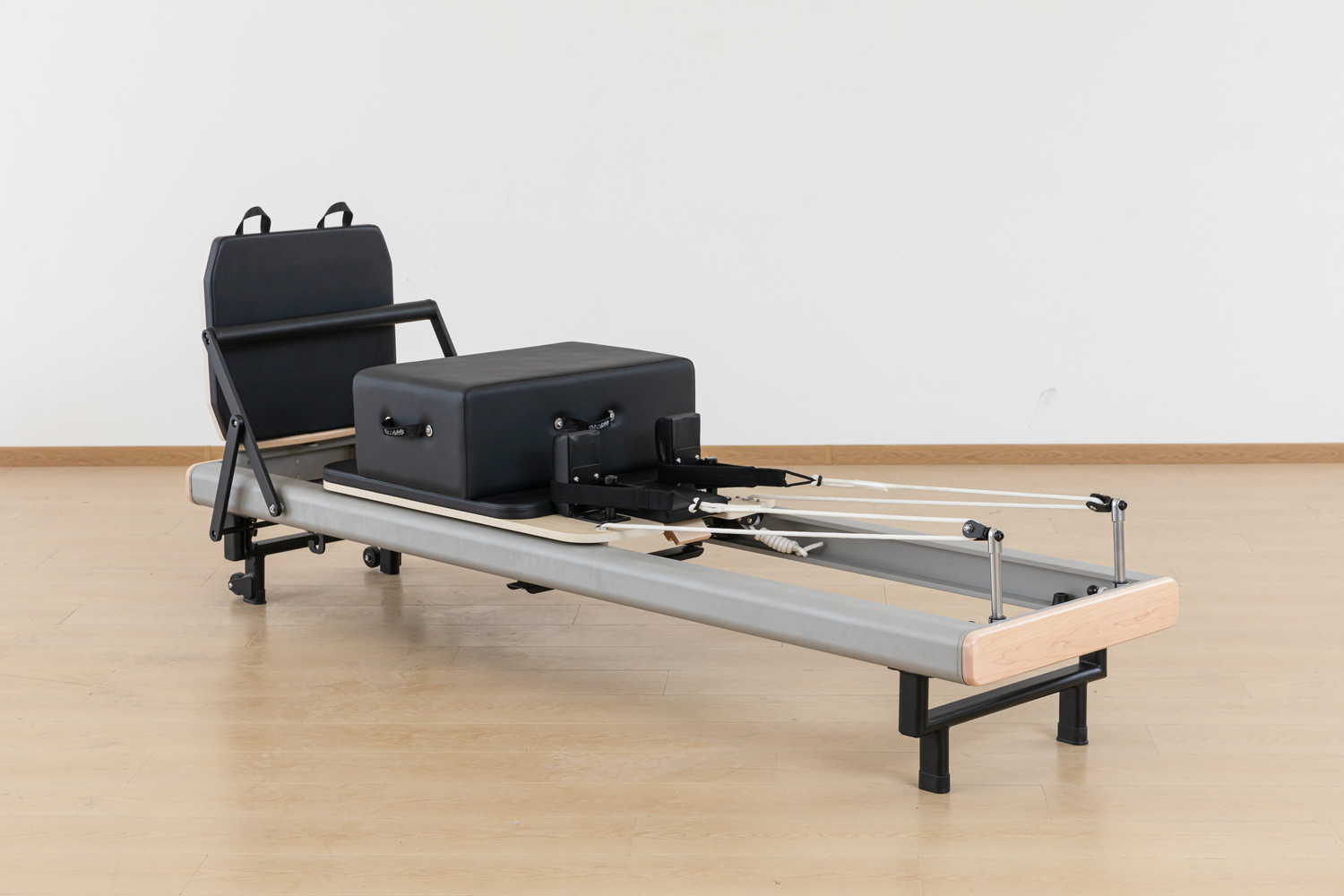
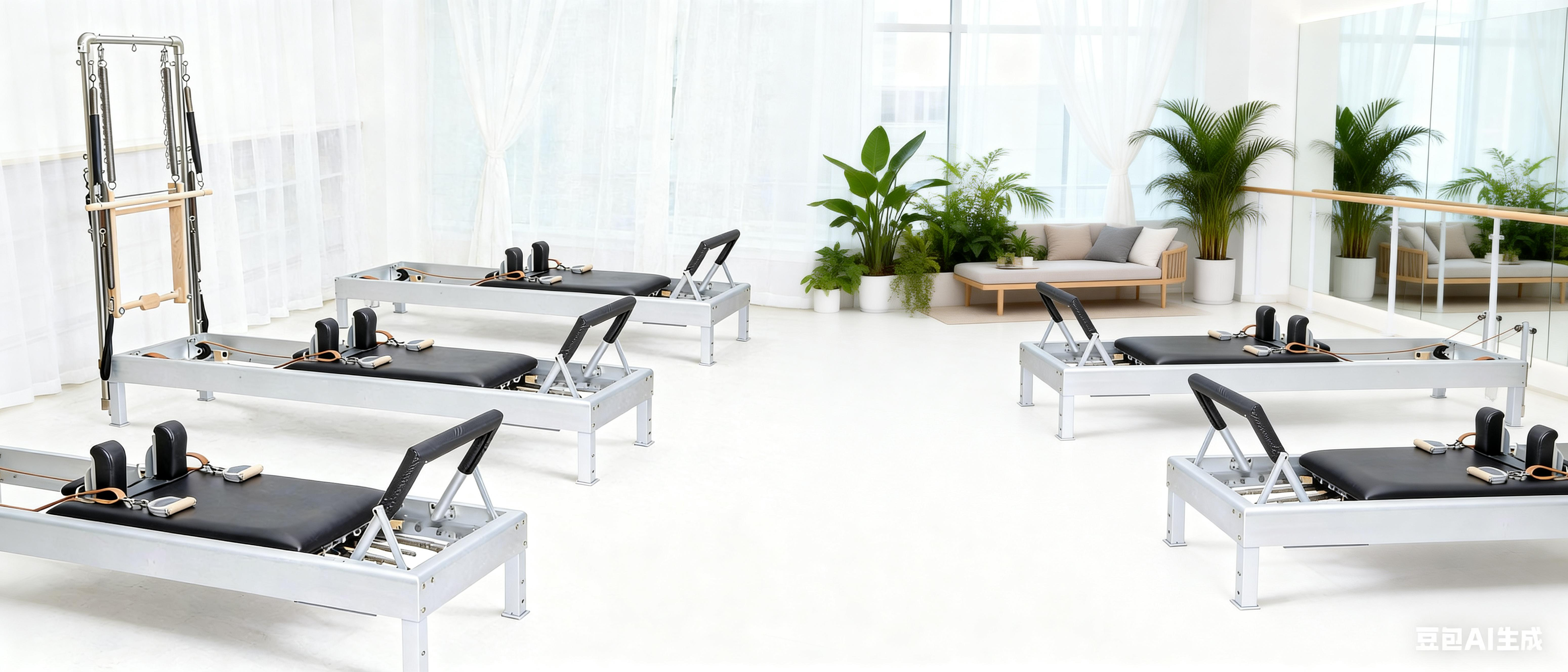
The most intuitive indicator of production capacity is the stable monthly output of mainstream Pilates apparatus, including reformers, half towers, full towers, wunda chairs, combo chairs, and spine correctors. Many small workshops claim strong capacity on paper but fail to support continuous bulk orders, especially during peak seasons from February to August every year.
Reliable medium and large-scale Pilates factories maintain a stable daily output of 20 to 50 sets of complete Pilates machines, with a monthly mass production capacity of 600 to 1200 sets. When evaluating capacity, buyers should verify actual shipped monthly data instead of theoretical maximum output. Factories with stable delivery records can guarantee consistent output even with overlapping orders and customized requirements.
In addition, confirm the factory’s maximum peak capacity. Professional manufacturers can increase production efficiency by 30%–50% through overtime arrangements and expanded assembly lines to meet seasonal order surges, which is critical for importers preparing holiday and peak-season inventory.
2. Complete Production Line Configuration and Independent Workshops
Pilates equipment production covers wood processing, metal cutting, welding, polishing, painting, spring debugging, upholstery sewing, final assembly, and quality inspection. A qualified factory must have independent full-process production workshops, instead of relying on external outsourcing processing.
Outsourced semi-finished products lead to unstable quality, inconsistent delivery cycles, and uncontrollable production schedules. Professional Pilates manufacturers own independent wood workshops, metal processing workshops, spray painting rooms, silent assembly areas, and finished product warehouses. Integrated in-house production ensures every process from raw material cutting to finished product packaging is controllable, greatly improving production stability and order flexibility.
Buyers can judge capacity authenticity by checking workshop equipment quantities, including CNC cutting machines, welding machines, polishing equipment, and professional debugging tools. Rich production equipment reserves represent stronger order undertaking capacity.
3. Inventory Reserves of Core Raw Materials and Accessories
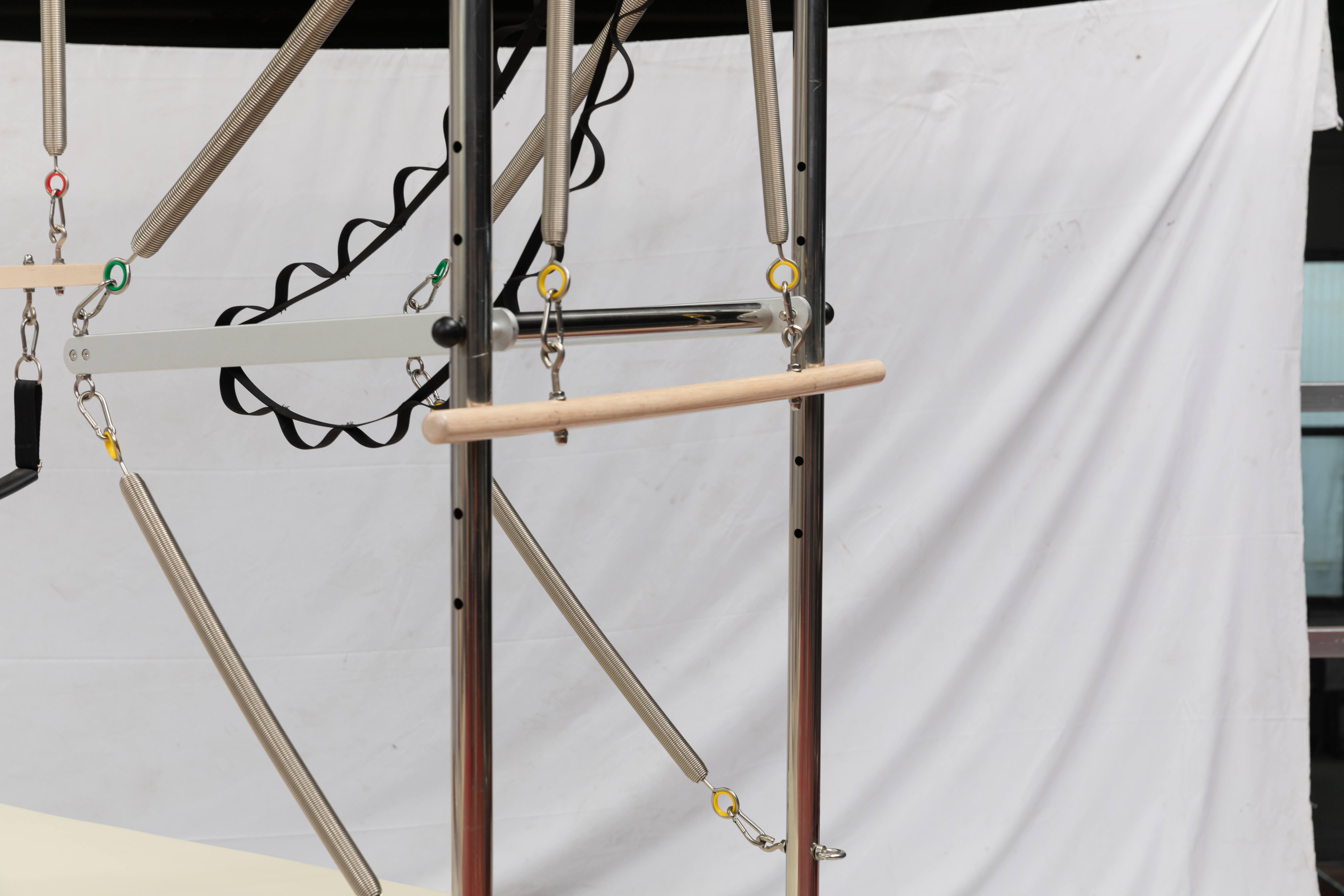
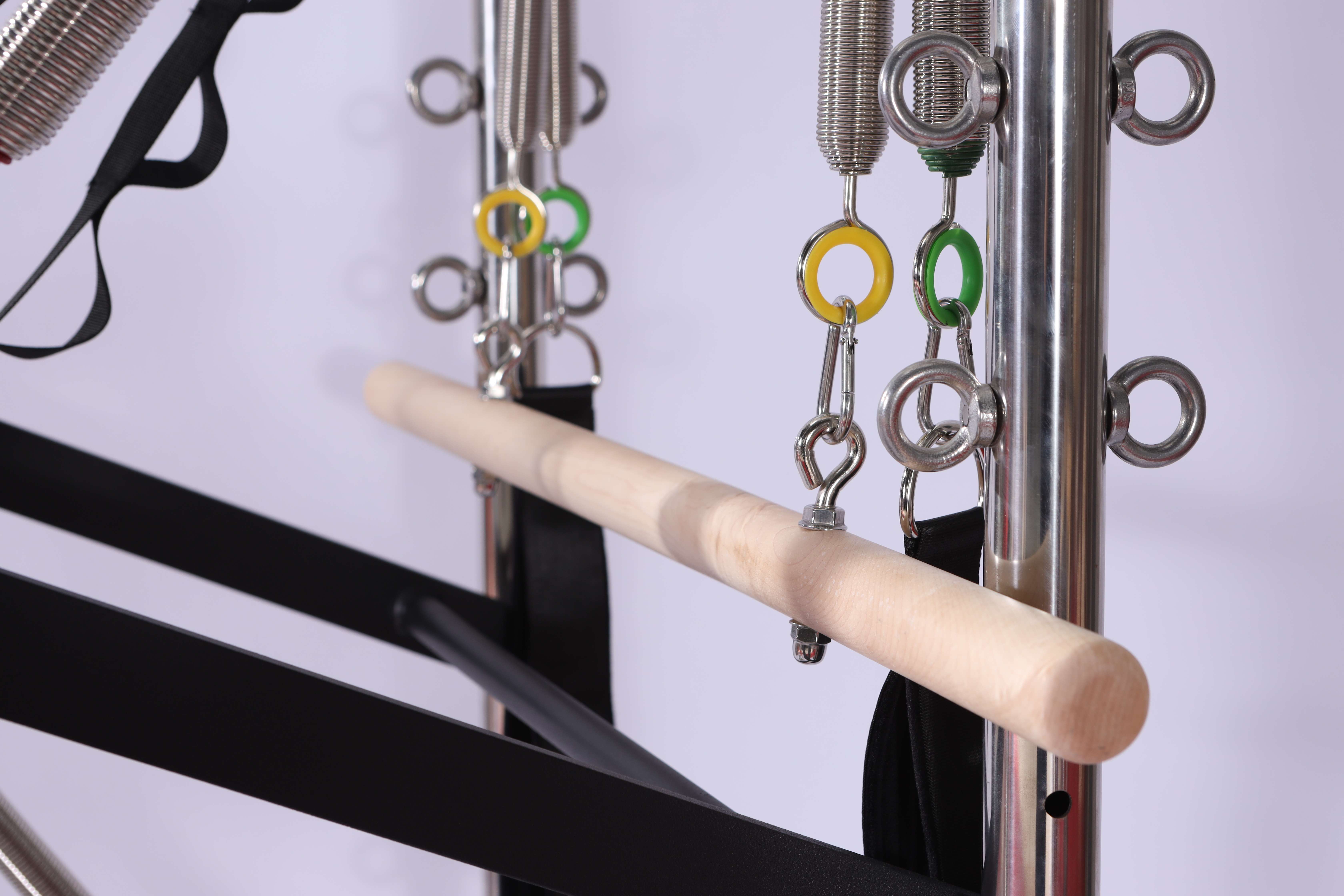
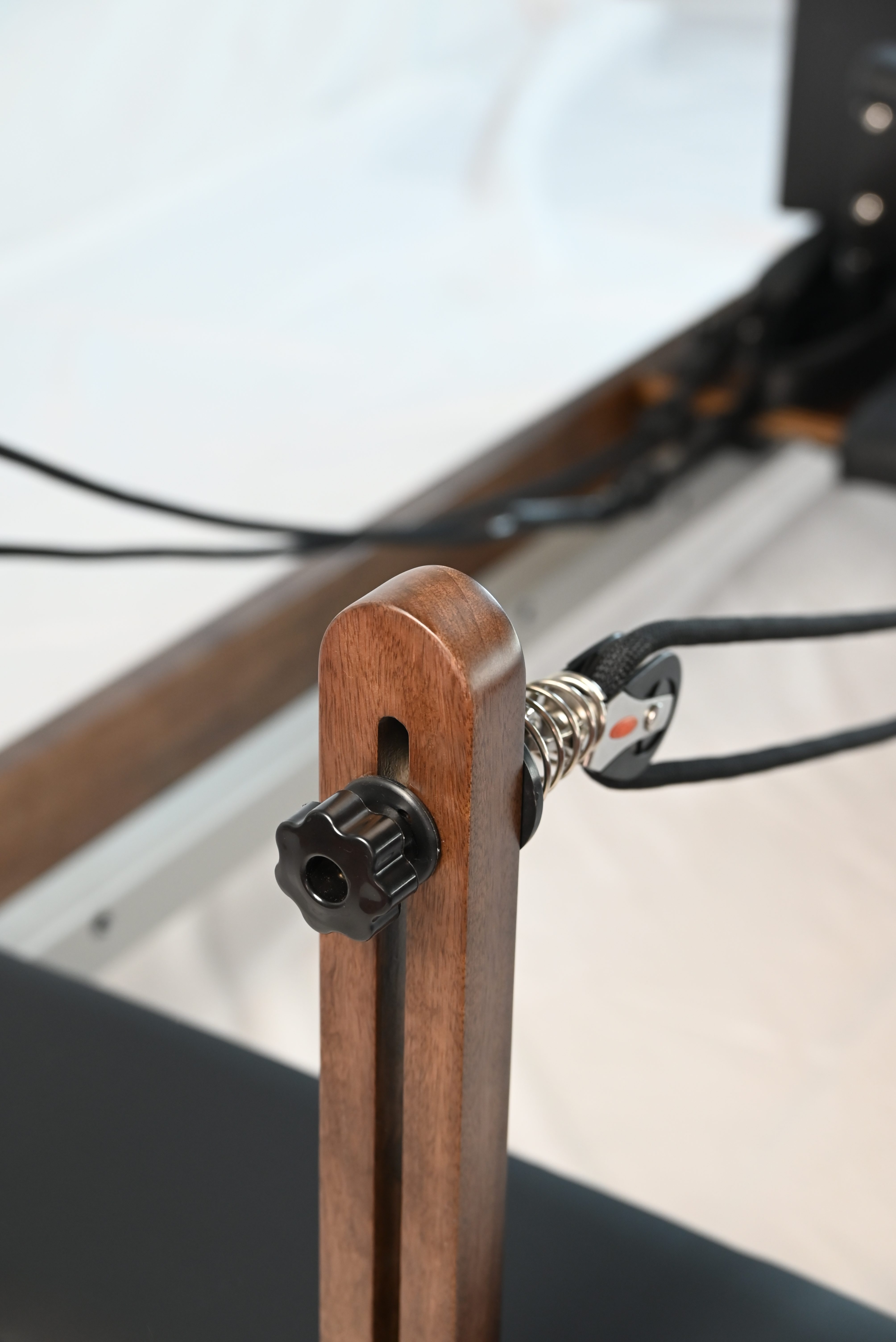
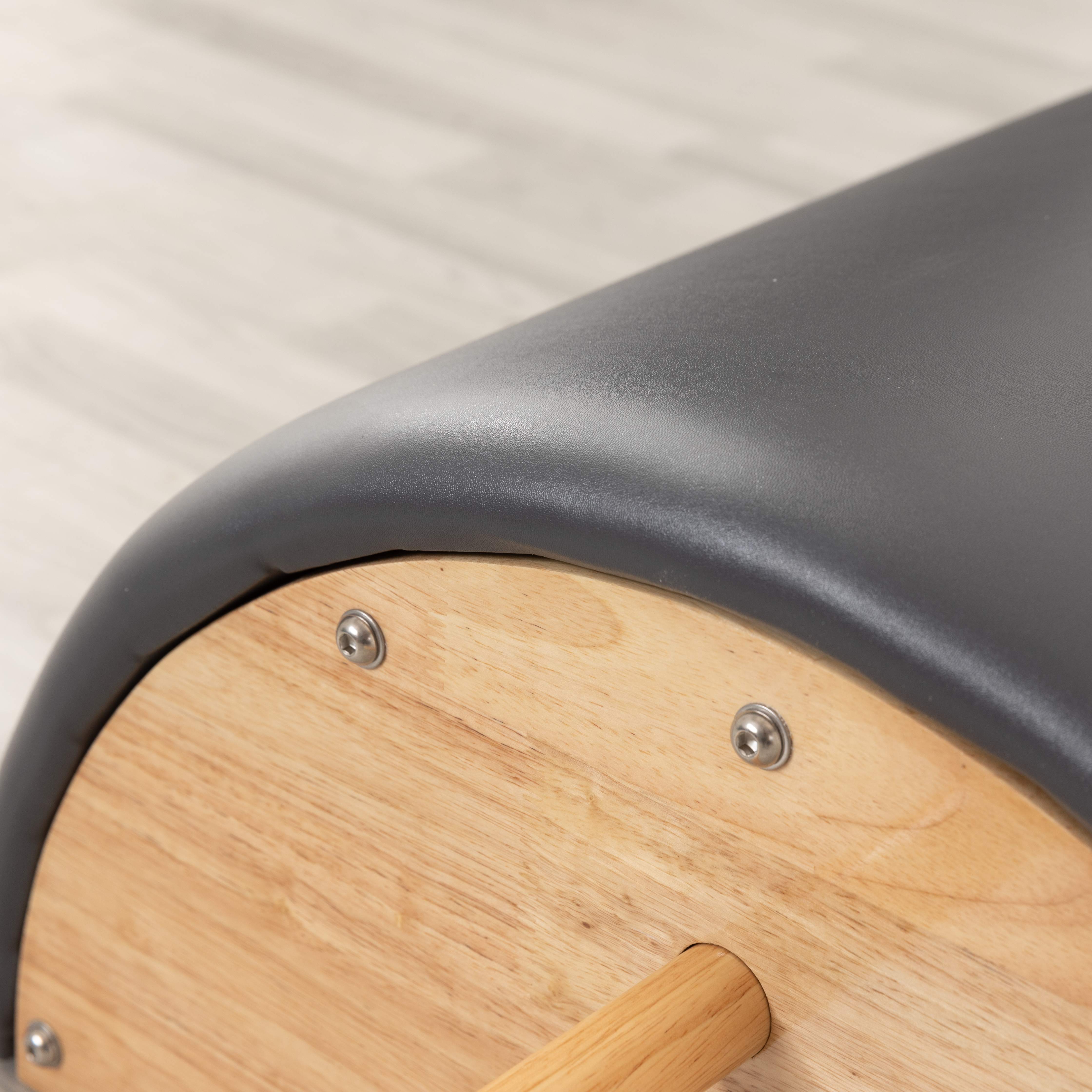
Raw material shortage is the biggest hidden cause of delayed Pilates equipment orders. Many factories fail to deliver on time not due to insufficient assembly manpower, but out-of-stock core materials such as maple wood, aluminum alloy frames, high-tension springs, professional upholstery leather, star knobs, vertical and horizontal guide wheels, and standard accessories.
High-capacity Pilates factories maintain long-term stable raw material inventory and establish cooperative relationships with high-quality upstream suppliers. They reserve sufficient standard accessories and raw materials in advance to avoid production suspension caused by material shortages, especially for customized color frames, personalized upholstery, and special tension spring configurations.
Stable raw material reserves mean the factory can respond quickly to urgent orders, support small-batch customized requirements, and ensure zero delay for bulk repeat orders, which is an essential standard for long-term cooperative factories.
4. Manpower Allocation and Professional Team Stability
Pilates equipment is a high-precision customized fitness product that relies heavily on skilled workers. Welding precision, assembly tightness, spring debugging accuracy, and upholstery fitting effects all depend on mature craftsmanship experience. Factories with high worker turnover cannot guarantee stable production efficiency and consistent product quality.
Reliable manufacturers have fixed professional production teams, including specialized welders, carpenters, painters, assembly workers, and quality inspectors. The stable team ensures standardized operation processes, effectively reduces defective rates, and improves overall production speed.
Meanwhile, professional factories are equipped with dedicated order scheduling teams, production supervisors, and after-sales service teams to arrange production reasonably according to order priority, avoiding order backlog and delivery confusion.
5. Customization Capacity and Flexible Order Adaptability
Most global Pilates importers have personalized customization needs, including frame color customization, logo printing, foam hardness adjustment, spring tension matching, and flat-pack or assembled packaging requirements. Many small factories can only produce standard models and cannot support diversified customized orders, limiting buyers’ market competitiveness.
High-capacity professional Pilates factories have mature customized production processes. They can flexibly respond to personalized modifications without affecting overall delivery cycles, supporting mixed batch production of standard and customized products. This flexible production capacity is an important indicator to distinguish professional large factories from ordinary workshops.
6. Strict Quality Control and Finished Product Inspection Mechanism
Production capacity is not only reflected in output quantity but also in stable qualified product rate. Blindly pursuing high output without quality control will lead to a large number of defective products, resulting in after-sales disputes, return costs, and reputation losses for buyers.
Excellent Pilates factories implement full-process quality inspection: raw material incoming inspection, semi-finished process inspection, finished product structural testing, spring tension calibration, safety performance testing, and packaging inspection. All products comply with EN ISO 20957 fitness equipment safety standards to ensure zero safety hazards in commercial studio use.
Stable quality control capacity ensures that large-batch orders maintain consistent workmanship and performance, reducing buyers’ after-sales risks and improving long-term order stability.
7. Verified Delivery Record and Peak Season Performance
The most authentic way to verify factory capacity is to check historical delivery records, especially delivery performance during peak seasons. Many factories exaggerate their capacity in off-seasons but fail to deliver on time when orders surge.
Professional manufacturers can provide complete bulk order delivery cases, including large-quantity export orders to Europe, Australia, the United States, and Southeast Asia. Stable on-time delivery rate in peak seasons proves the factory’s strong production scheduling and emergency response capabilities, which is the most practical guarantee for importers’ inventory planning.
8. Warehouse and Logistics Supporting Capacity
Complete production capacity also includes finished product warehousing and logistics supporting capabilities. Qualified Pilates factories have large standardized finished product warehouses to store completed orders, supporting batch centralized shipment and separate shipment arrangements.
In addition, mature factories cooperate with stable freight forwarders, proficient in flat-pack compression packaging, fumigation-free carton packaging, and pallet packaging standards. They can optimize packaging volume, reduce logistics costs, and provide complete customs clearance documents, further improving the overall efficiency of order delivery.
Core Tips for Sourcing Pilates Apparatus
When selecting a Pilates equipment manufacturer, buyers should avoid simply comparing unit prices. Low-cost factories with insufficient capacity will bring hidden costs such as delayed shipments, defective products, repeated communication, and customer complaints. Choosing a manufacturer with stable production capacity, standardized quality control, and flexible customization capabilities can maximize long-term profit margins and market stability.
It is recommended that buyers conduct factory inspections, verify real production data, check quality certification reports, and confirm peak-season delivery capabilities before placing bulk orders, so as to establish stable and reliable long-term cooperative relationships.
Conclusion
Evaluating Pilates apparatus factory production capacity requires comprehensive judgment from output scale, production lines, raw material reserves, team stability, customization flexibility, quality control, delivery records, and logistics supporting capabilities. A truly reliable Pilates manufacturing factory not only has sufficient output capacity to support bulk orders and peak-season demands but also ensures stable product quality, flexible customized services, and on-time delivery.
For global fitness importers and studio equipment suppliers, accurate capacity evaluation is the first step to risk-free sourcing and sustainable business growth.