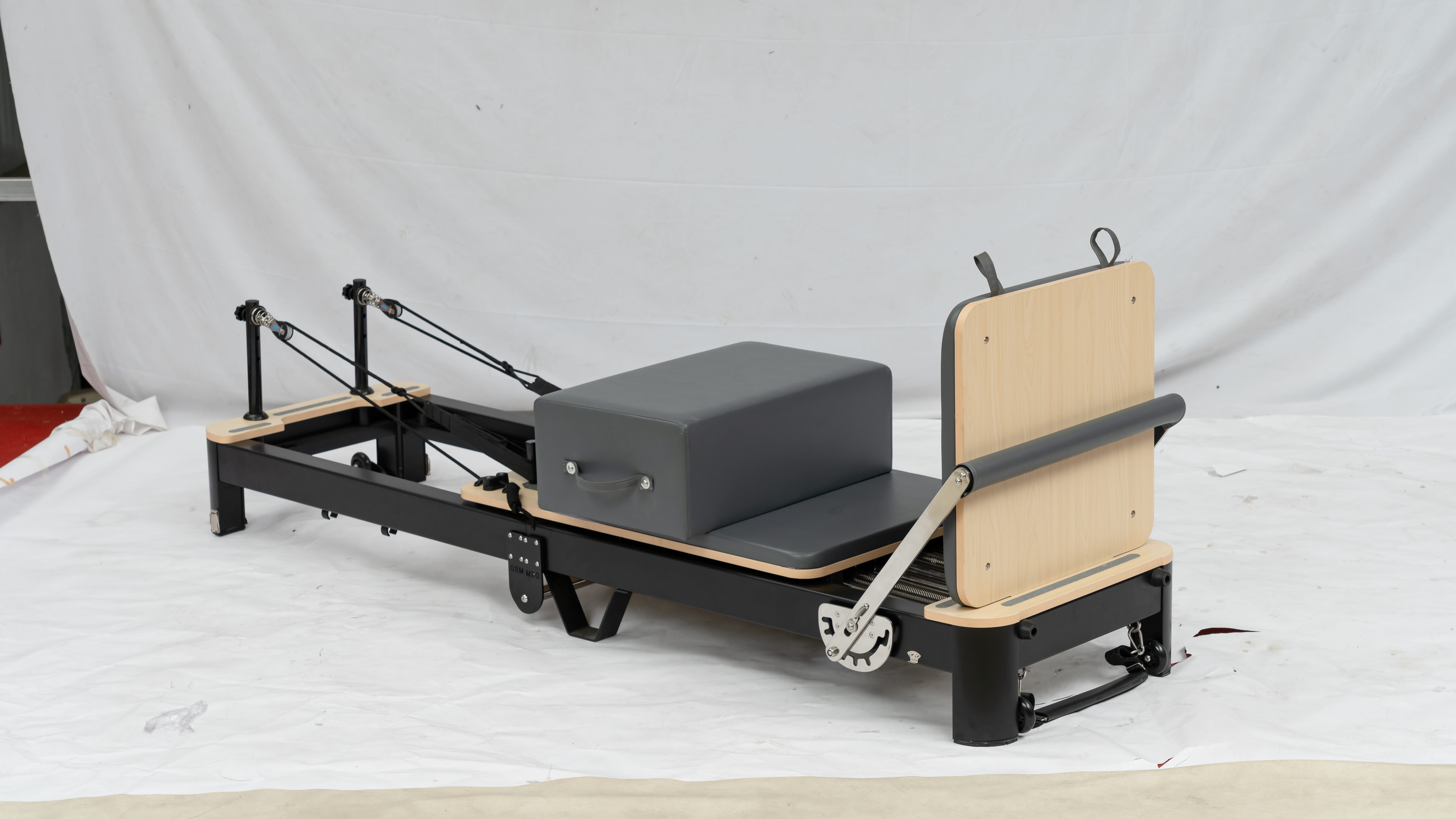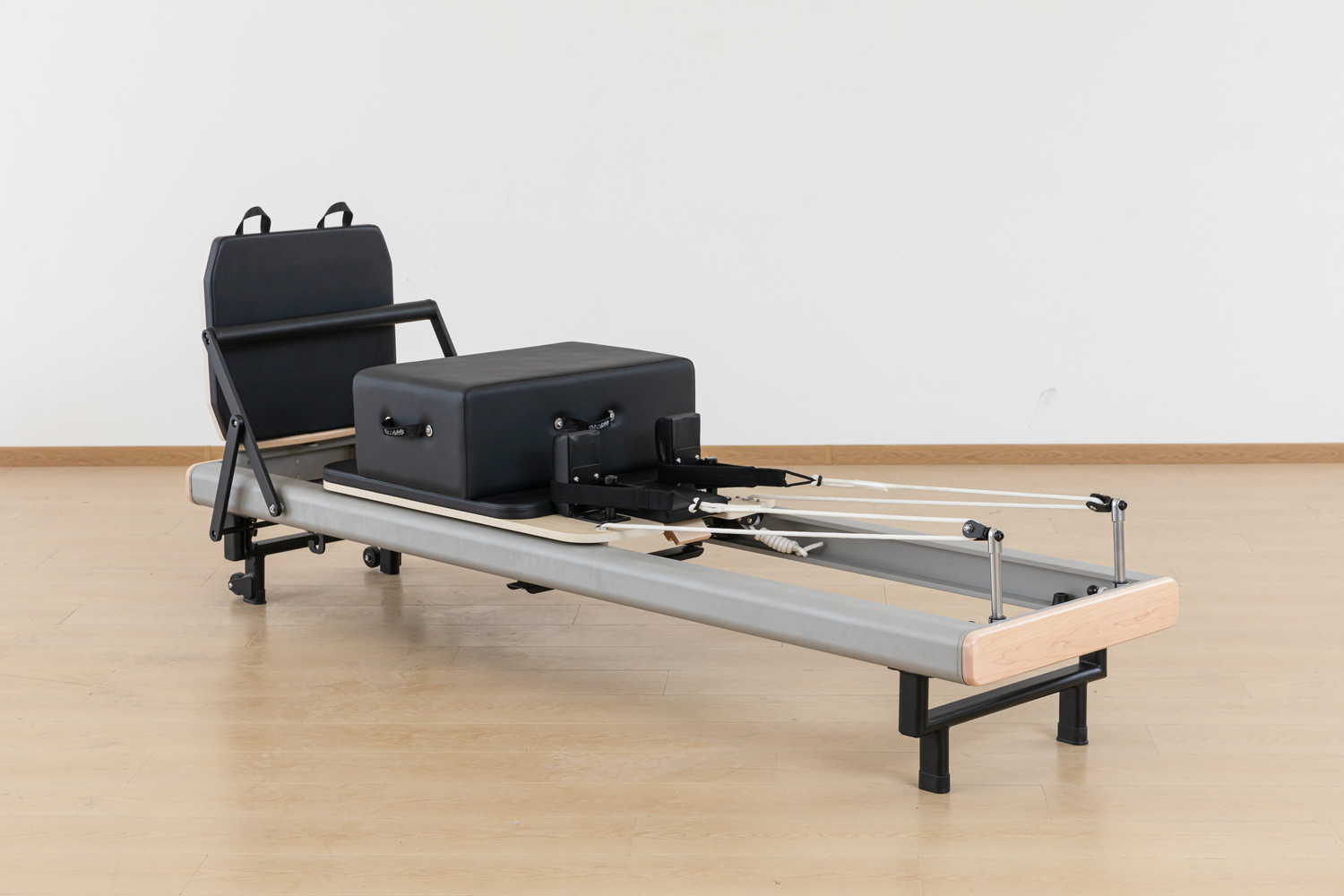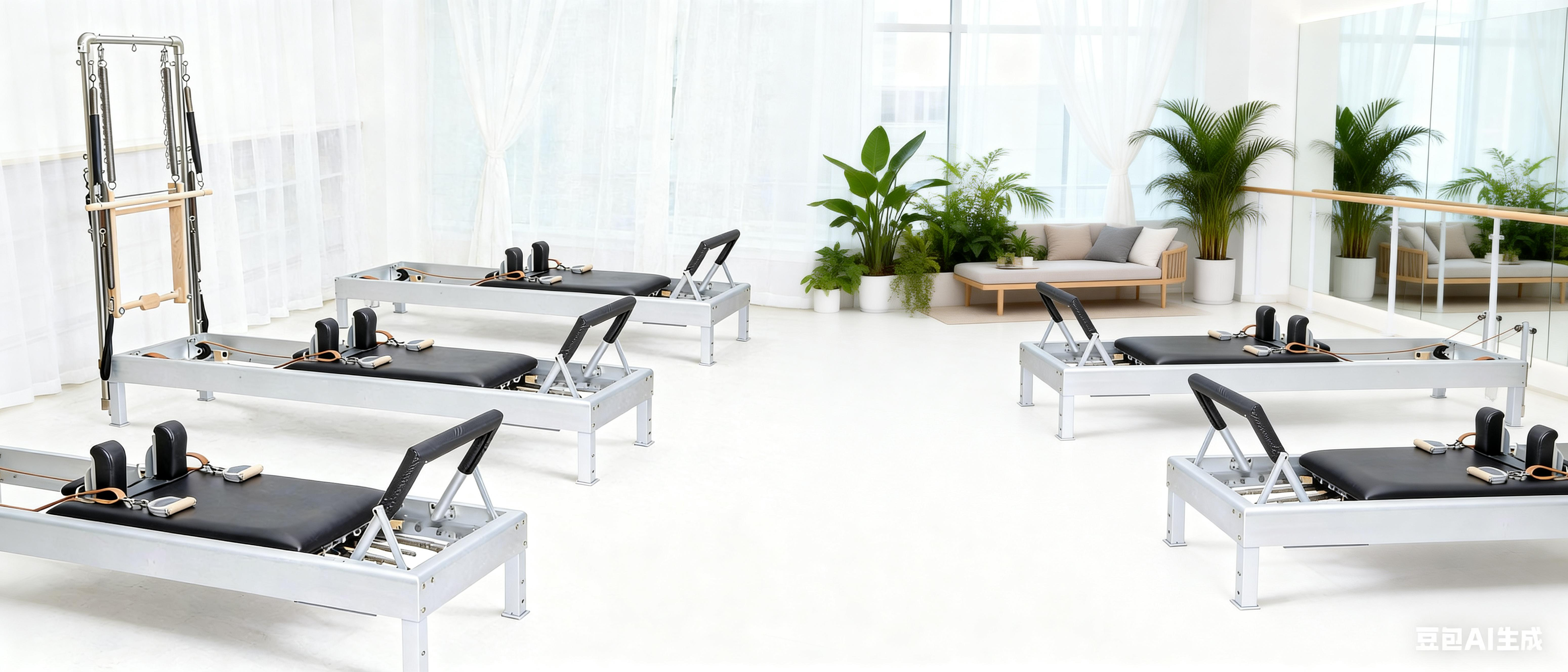
Anti-Slip and Shock-Absorbing Design of Pilates Machines: Why It Matters
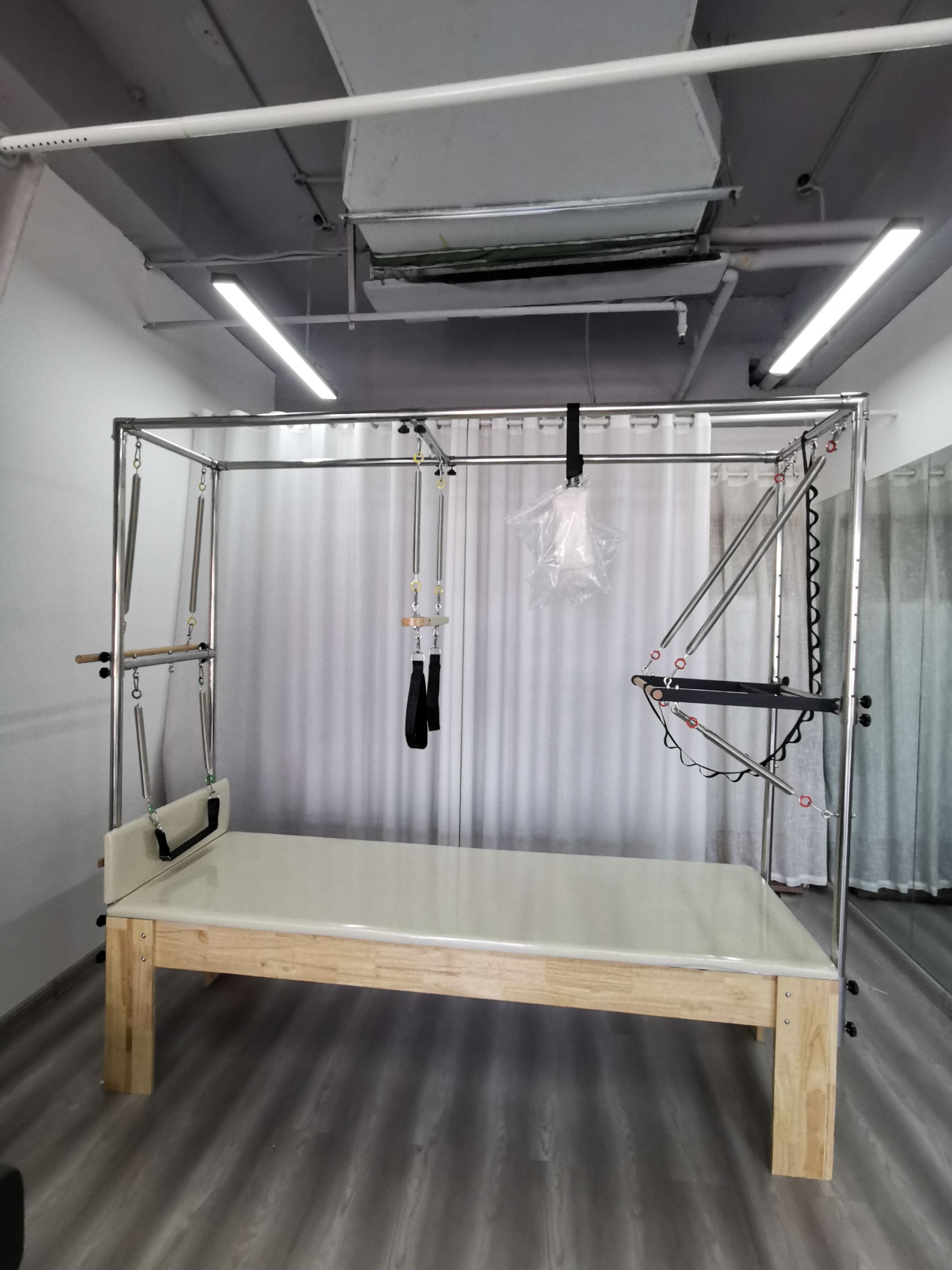
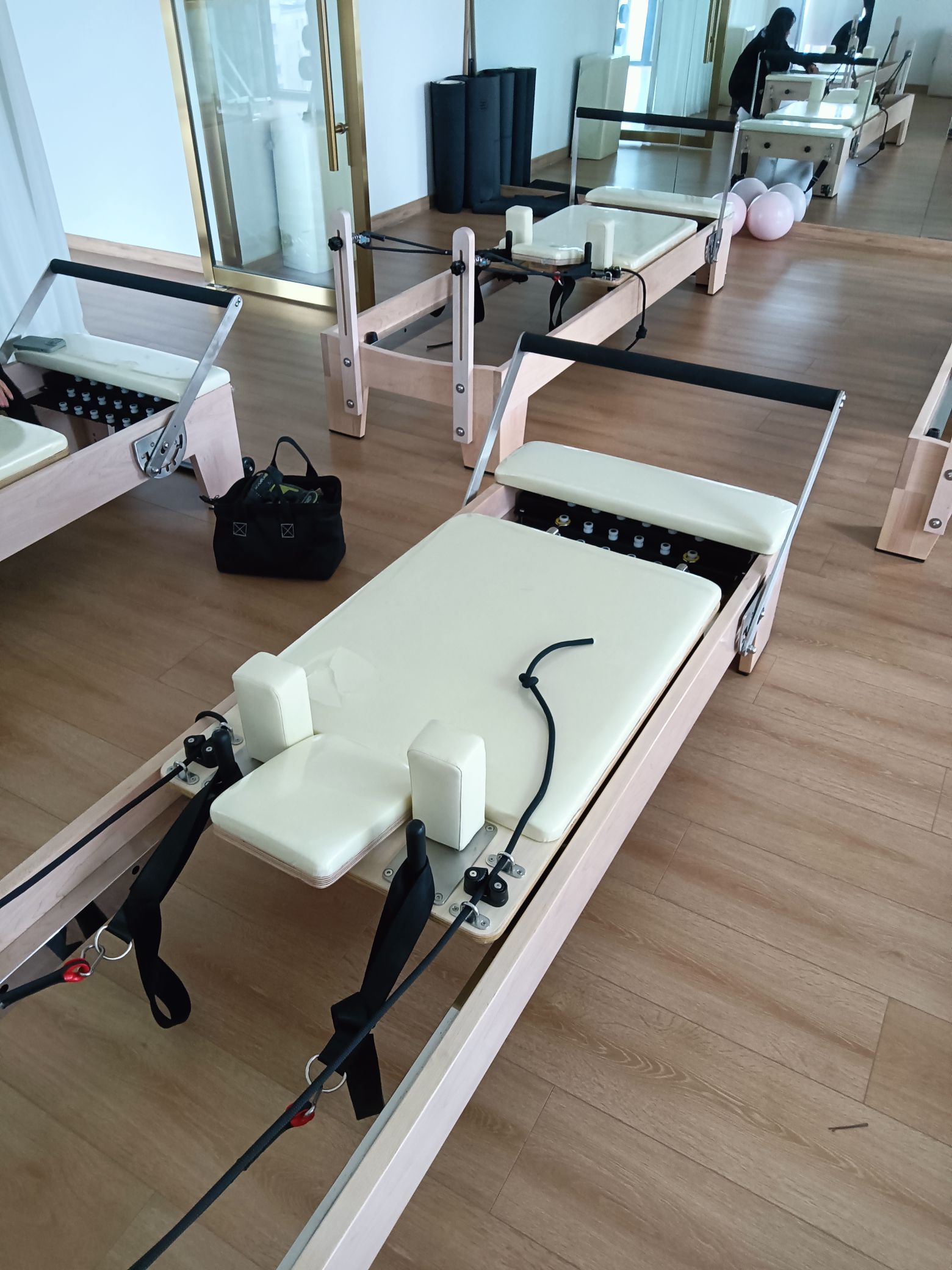
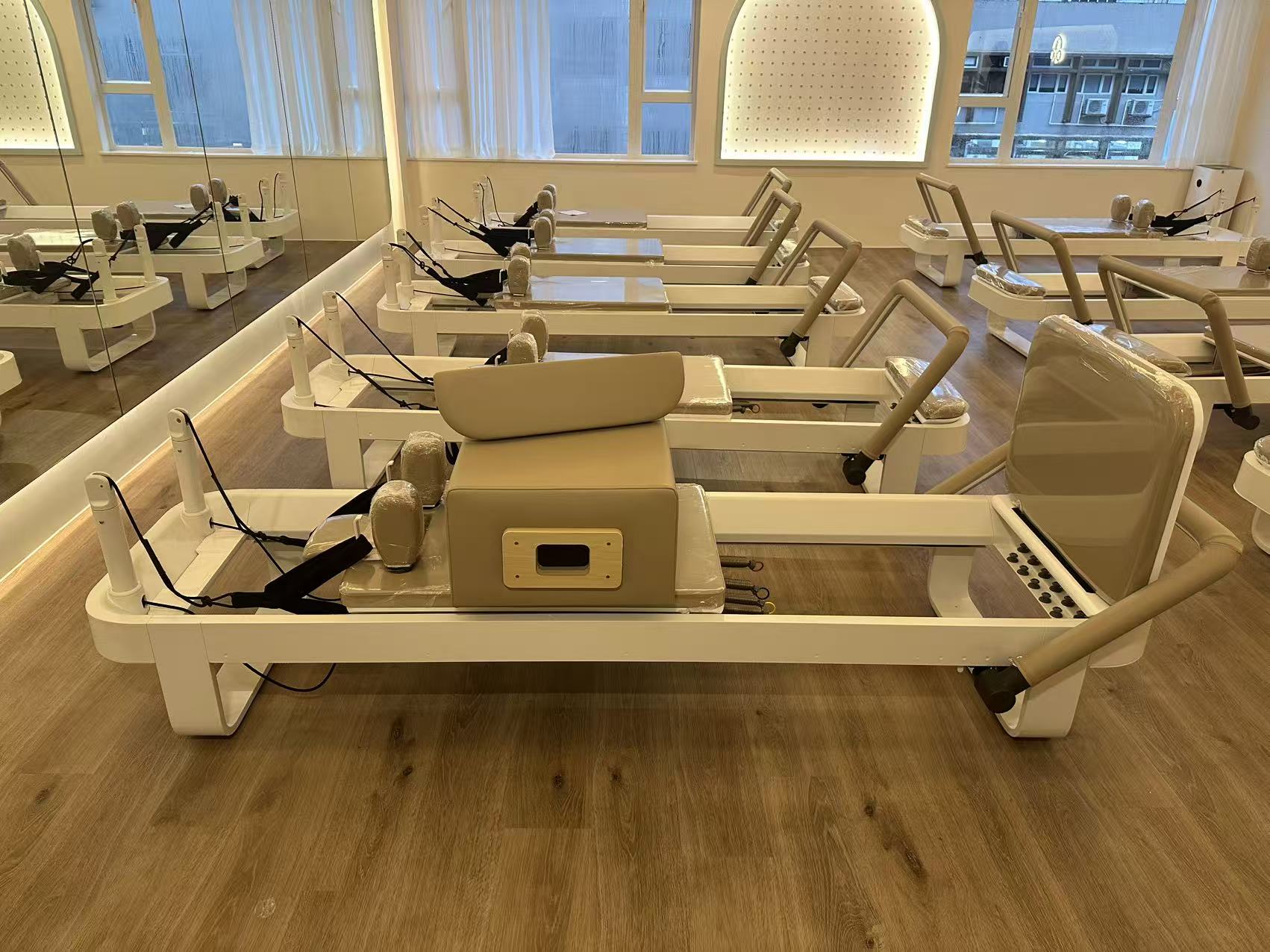
When purchasing Pilates reformers, Wunda chairs, and tower systems, most studio owners and fitness importers focus on frame material, spring tension, and exterior aesthetics. However, two often-overlooked features largely determine long-term user safety, class experience, equipment durability, and studio maintenance costs: anti-slip structure and shock-absorbing design.
High-quality anti-slip and shock-absorbing configurations are not trivial upgrades—they are core functional designs that differentiate commercial-grade Pilates apparatus from entry-level home-use machines. For boutique studios, rehabilitation clinics, and high-traffic fitness centers, these details reduce injury risks, extend equipment lifespan, lower noise complaints, and significantly improve client satisfaction and renewal rates. This article breaks down the importance, working principles, and commercial value of anti-slip and shock-absorbing design for professional Pilates machines.
The Hidden Risks of Poorly Designed Pilates Equipment
Budget Pilates machines with simplified base structures and non-buffered moving parts may seem cost-effective at first glance, yet they bring multiple hidden troubles for commercial scenarios.
Without professional anti-slip treatment, equipment is prone to shifting and sliding during dynamic training, especially on smooth studio floors, vinyl flooring, or wooden floors. Slight displacement during reformer sliding, pedal pressing, or balance exercises disrupts movement stability, breaks clients’ body control rhythm, and even causes accidental falls or sprains for beginners and rehabilitation users.
Meanwhile, the absence of shock-absorbing structures leads to harsh metal collision, rigid friction vibration, and loud mechanical noise during equipment operation. Long-term rigid impact not only wears down wheels, springs, and slide rails rapidly but also generates continuous noise pollution, disturbing neighboring shops and affecting the quiet, focused training atmosphere that Pilates emphasizes. In addition, unbuffered movement transmits strong pressure to users’ joints, increasing discomfort during long-duration training.
Core Functions of Professional Anti-Slip Design
Commercial Pilates equipment adopts systematic anti-slip solutions on the base, contact points, and moving structures, fully adapting to high-frequency studio use.
1.Stable Equipment Positioning
High-end Pilates machines are equipped with thickened non-slip rubber foot pads and integral fixed base frames. The high-friction rubber material closely fits various floor surfaces, effectively resisting lateral displacement and inertial sliding caused by repeated carriage movement and body weight shifts. Whether for fast dynamic shaping training or slow precise corrective movements, the equipment remains completely stable without offset or shaking.
2.Improved User Safety & Training Accuracy
Stable equipment foundation eliminates external interference factors, allowing clients to focus on core muscle control and spinal alignment. Instructors do not need to repeatedly adjust displaced equipment during classes, greatly improving teaching efficiency and movement standardization. For vulnerable groups including postnatal users, joint-injured clients, and seniors, anti-slip design eliminates the risk of sudden equipment sliding and ensures zero-risk training.
3.Floor Protection & Studio Maintenance
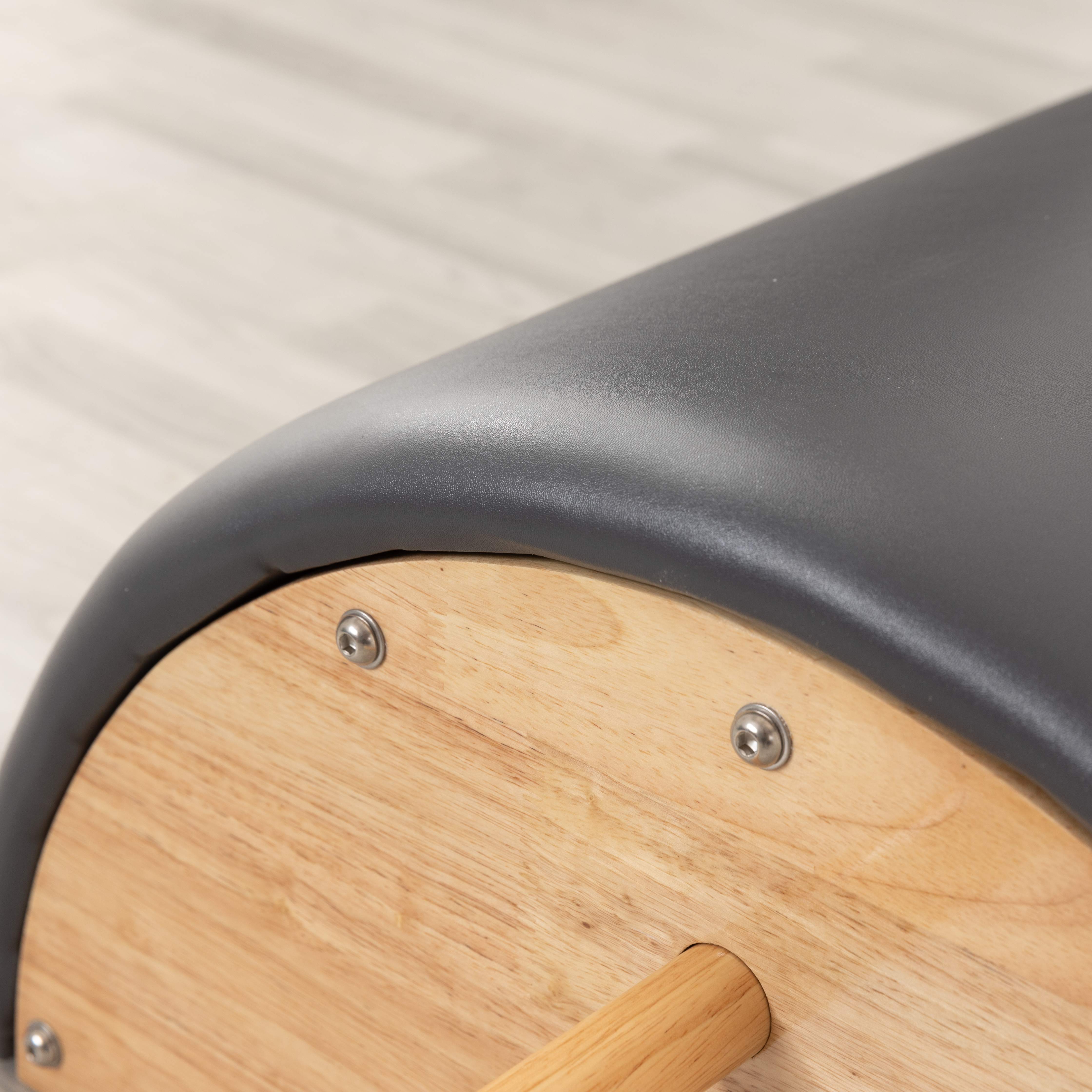
Original anti-slip foot pads avoid direct hard contact between the metal frame and the floor, preventing floor scratches, indentations, and wear caused by long-term equipment pressure and vibration. This protects studio floor decoration, reduces daily maintenance costs, and maintains the overall premium and tidy studio environment.
Key Advantages of Standard Shock-Absorbing Structure
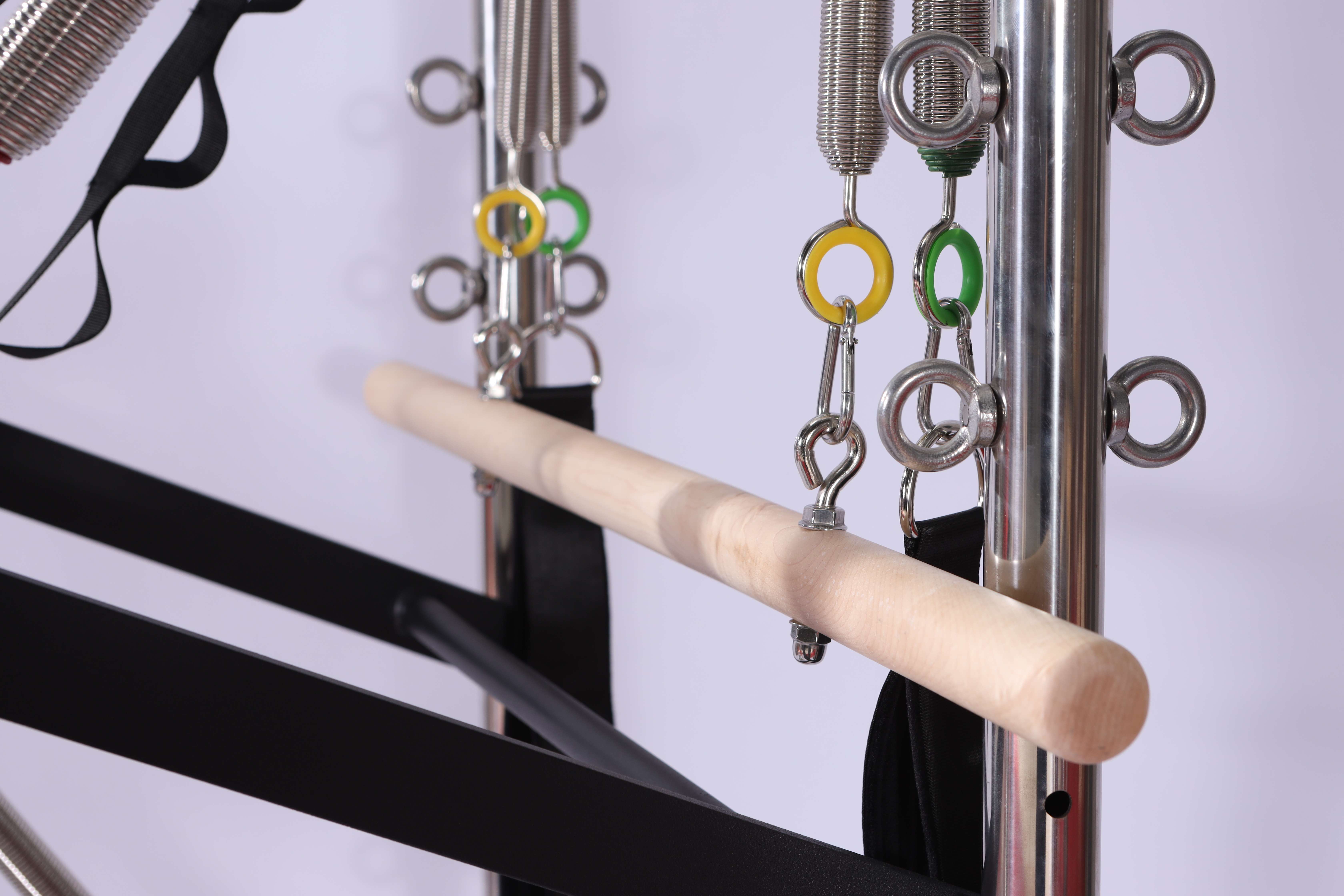
Professional shock-absorbing design covers sliding rails, wheel systems, limit contact points, and spring buffer structures, solving the core pain points of noise and rigid impact.
1.Noise Reduction for Quiet Studio Environment
Equipped with silent shock-absorbing vertical and horizontal wheels, buffer rubber gaskets, and silent limit stoppers, premium Pilates machines convert rigid collision into soft buffered contact. The whole training process produces almost no metal clashing or harsh friction noise, perfectly matching Pilates’ low-intensity, quiet, and healing training attributes. It effectively avoids neighbor complaints and adapts to high-end studio and rehabilitation clinic scene requirements.
2.Joint Protection for All-Level Clients
Shock-absorbing buffers offset the instantaneous inertial impact generated during equipment movement, forming a gentle force feedback for users. It reduces joint pressure on the knees, ankles, waist, and spine, enabling safer long-time training. This design is especially critical for rehabilitation training, post-surgical recovery, and beginner adaptive training, greatly lowering training discomfort and injury risks.
3.Extended Equipment Service Life
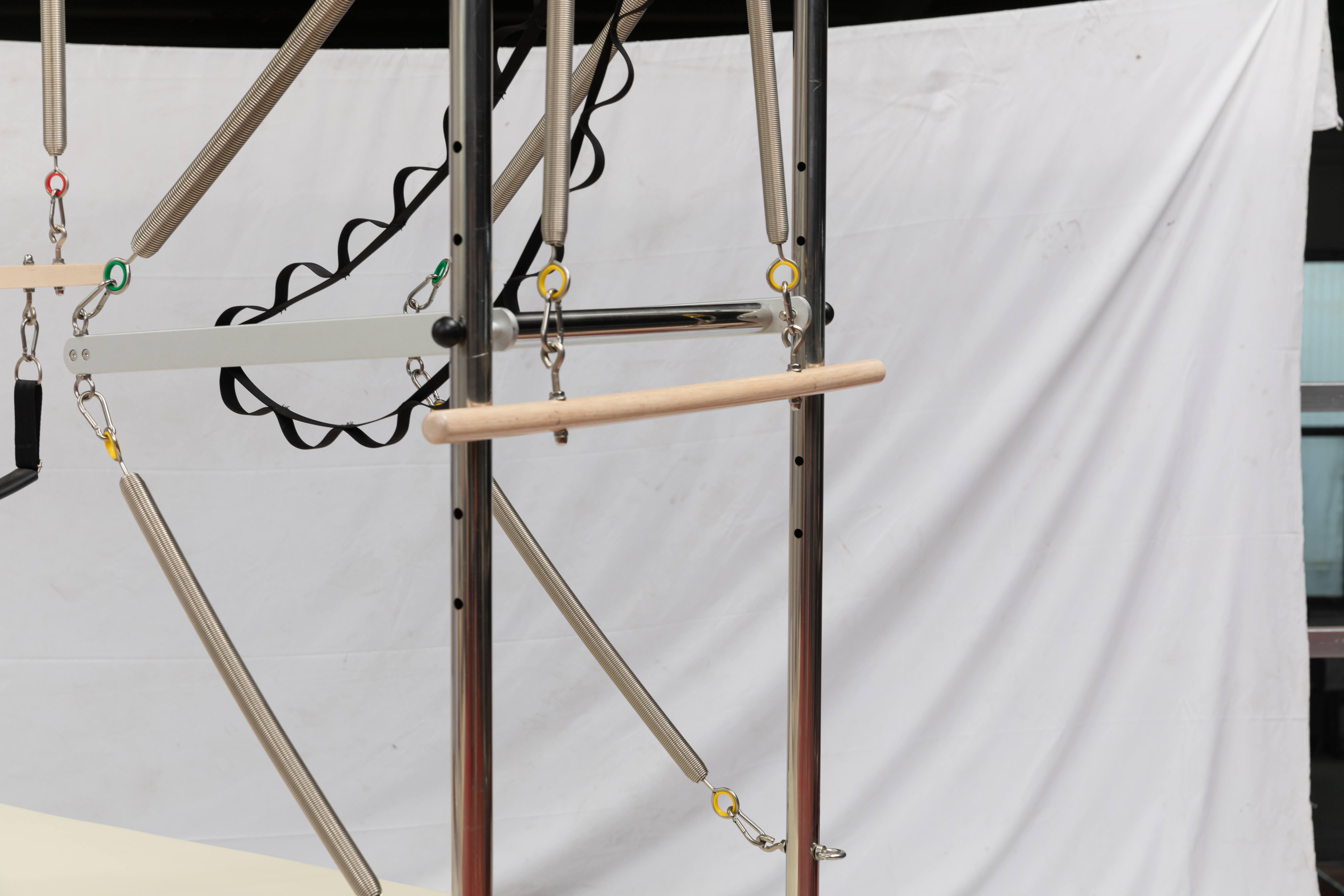
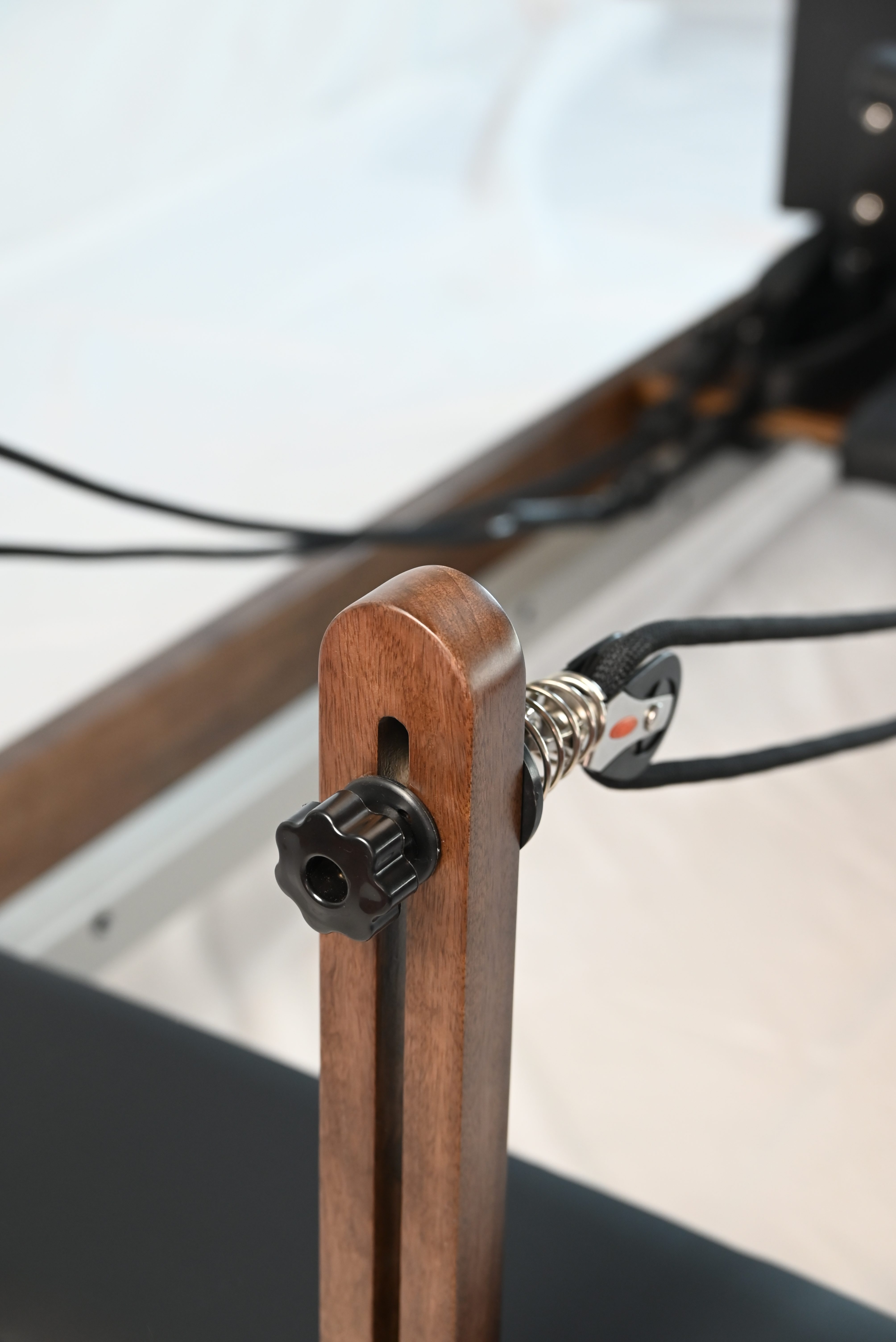
Long-term unbuffered rigid impact is the main cause of aging and damage to Pilates accessories, including loose star knobs, worn guide wheels, deformed slide rails, and fatigued springs. The shock-absorbing structure disperses vibration and impact force, reduces mechanical loss of core moving parts, stabilizes equipment operating accuracy, and effectively extends the overall service life of Pilates machines by more than 30%.
Commercial Value for Pilates Studios & Importers
Anti-slip and shock-absorbing design is a key invisible profit point for studio operation and equipment wholesale.
For studio owners, stable and silent equipment significantly upgrades client training experience. Comfortable, safe, and low-noise courses improve user satisfaction, increase membership renewal rates and word-of-mouth referrals, and help studios build a high-end professional brand image. Meanwhile, durable structures reduce after-sales maintenance frequency and replacement costs of accessories, cutting long-term operating expenses.
For fitness equipment importers and distributors, equipment with mature anti-slip and shock-absorbing configurations has lower defective rates, fewer after-sales complaints, and stronger market competitiveness. It adapts to strict commercial venue standards in Europe, America, and Australia, supports high-priced studio matching orders, and avoids customer returns and reputation losses caused by noise and safety problems.
Final Conclusion
Anti-slip and shock-absorbing design is not an optional accessory upgrade but an essential core standard for commercial Pilates equipment. It protects user safety, optimizes studio training atmosphere, reduces equipment loss and maintenance costs, and improves the overall professional grade of studio courses.
When sourcing Pilates machines, importers and studio owners should no longer ignore these detailed configurations. Choosing equipment with mature anti-slip positioning and silent shock-absorbing structures ensures long-term stable operation of studios, minimizes after-sales risks, and creates greater commercial value and user reputation.