The Difference Between Active and Passive Stretching in Pilates Training
Definition and core mechanics of passive stretching in pilates cool-downs
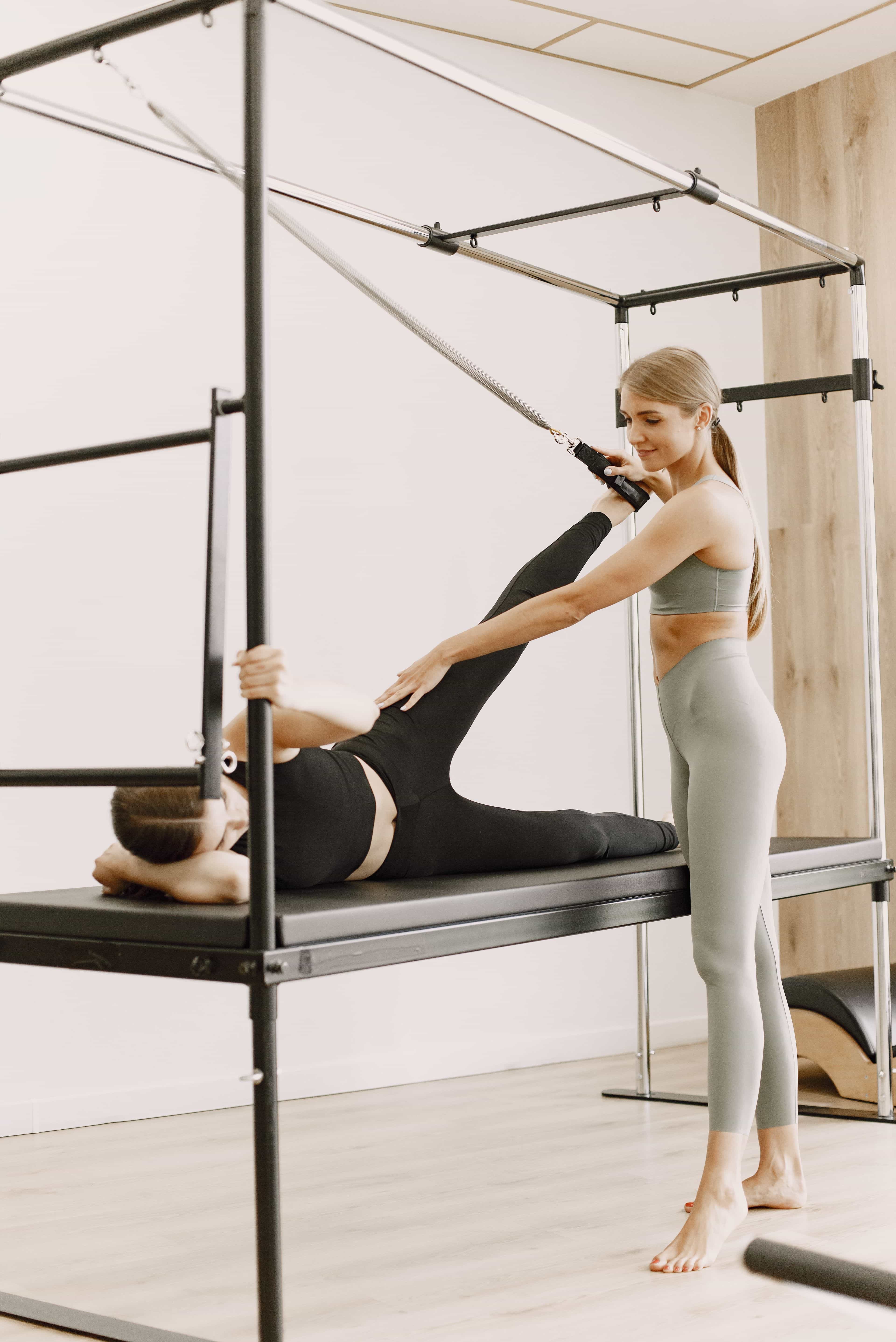
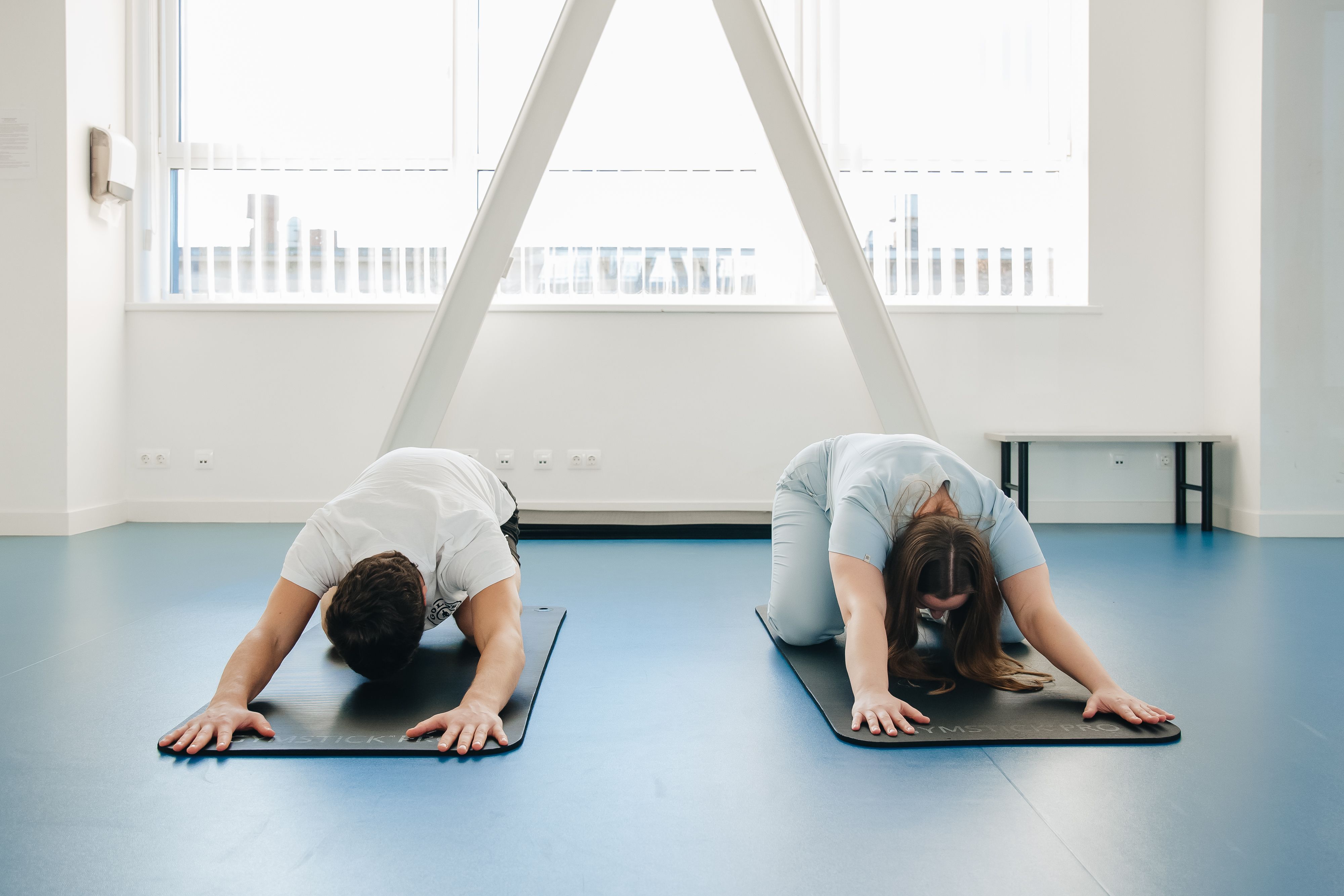
Passive stretching in pilates refers to relaxed, held stretches where external support, gravity, or equipment creates stretching force without active muscle contraction. This technique dominates pilates cool-down routines, allowing fatigued muscles to lengthen gradually while the body remains fully relaxed. Passive stretches target tight connective tissue, fascia, and overworked muscle groups, releasing accumulated tension after active training. They require minimal physical effort and focus purely on muscle relaxation and tissue lengthening rather than strength building.
How active stretching builds functional strength alongside flexibility
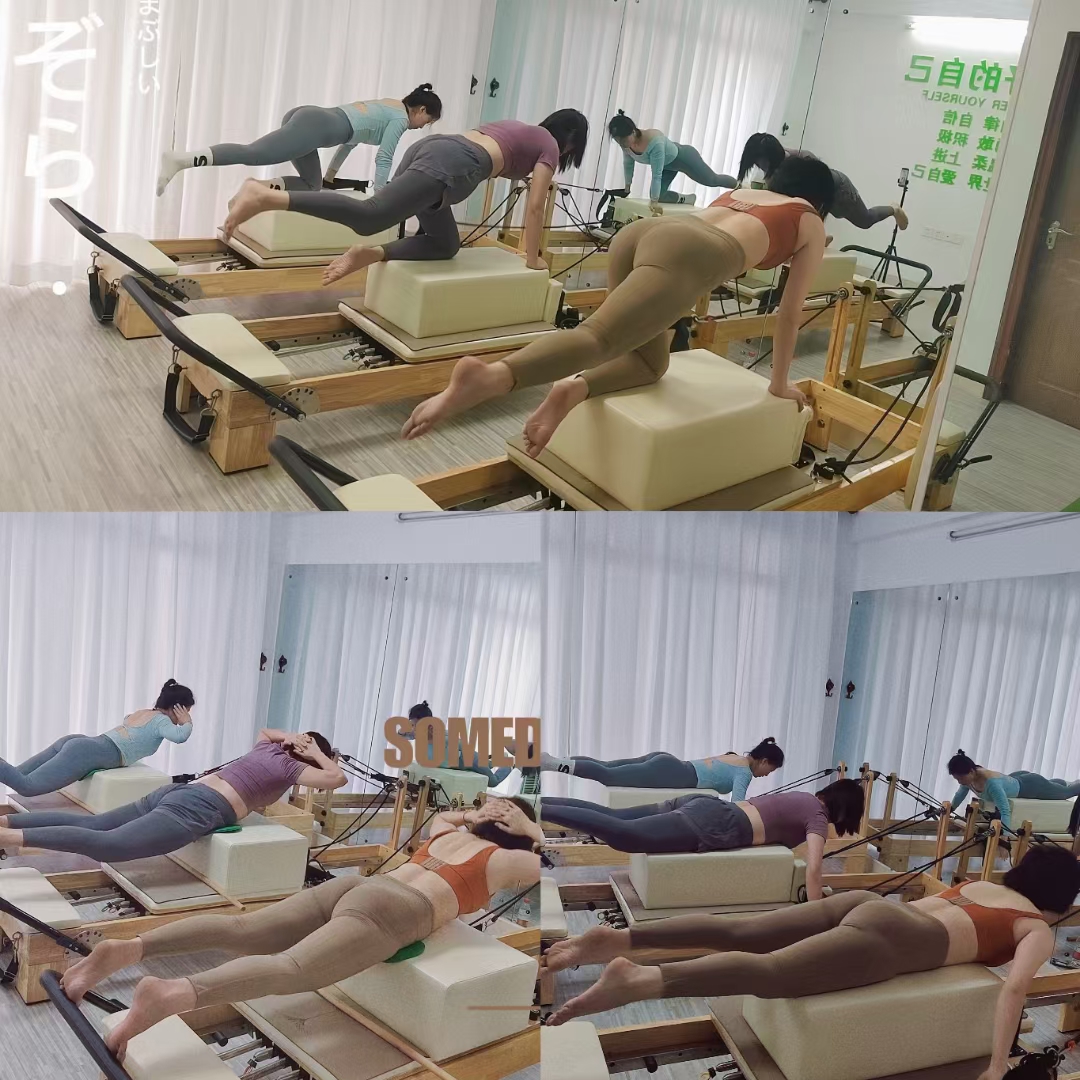
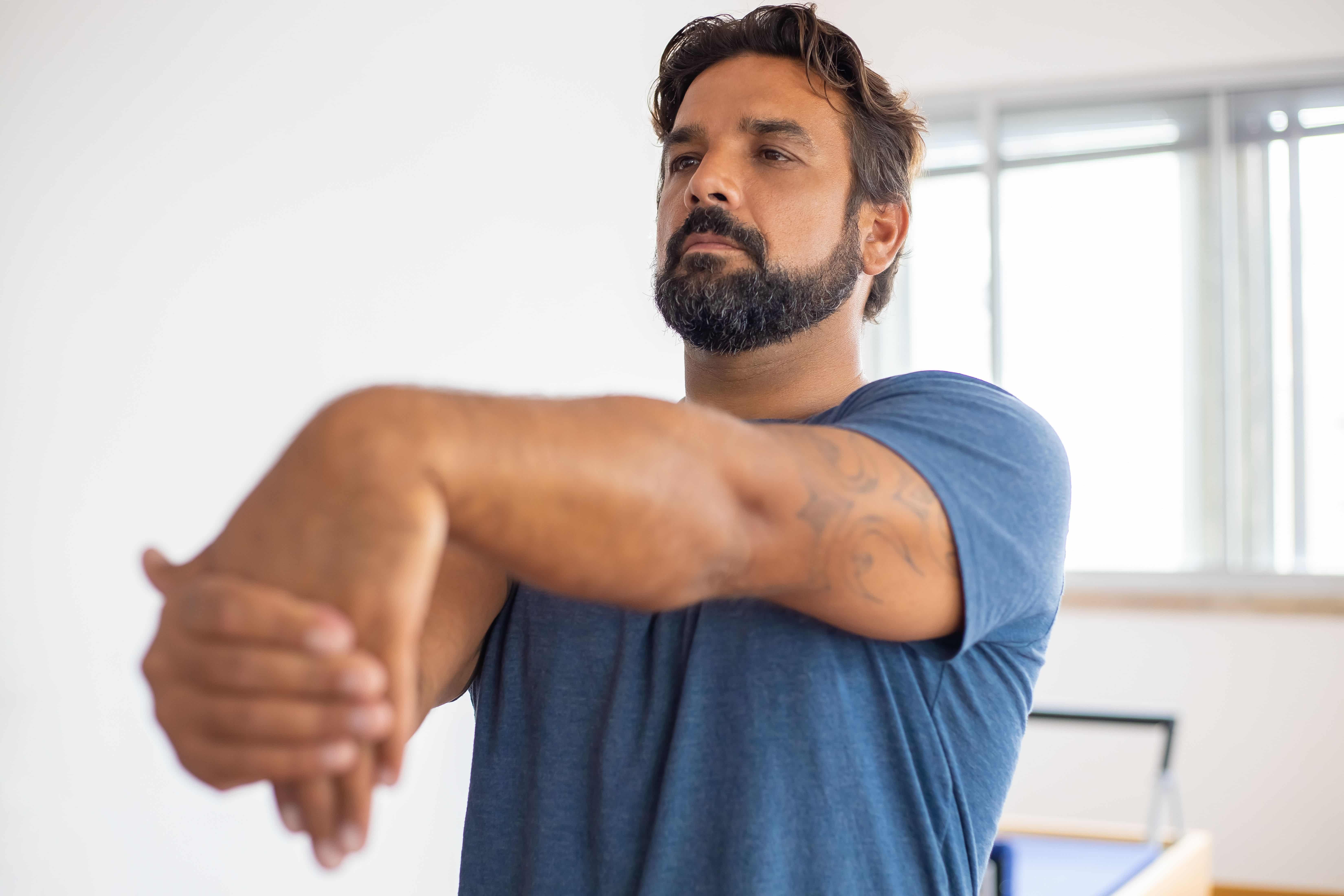
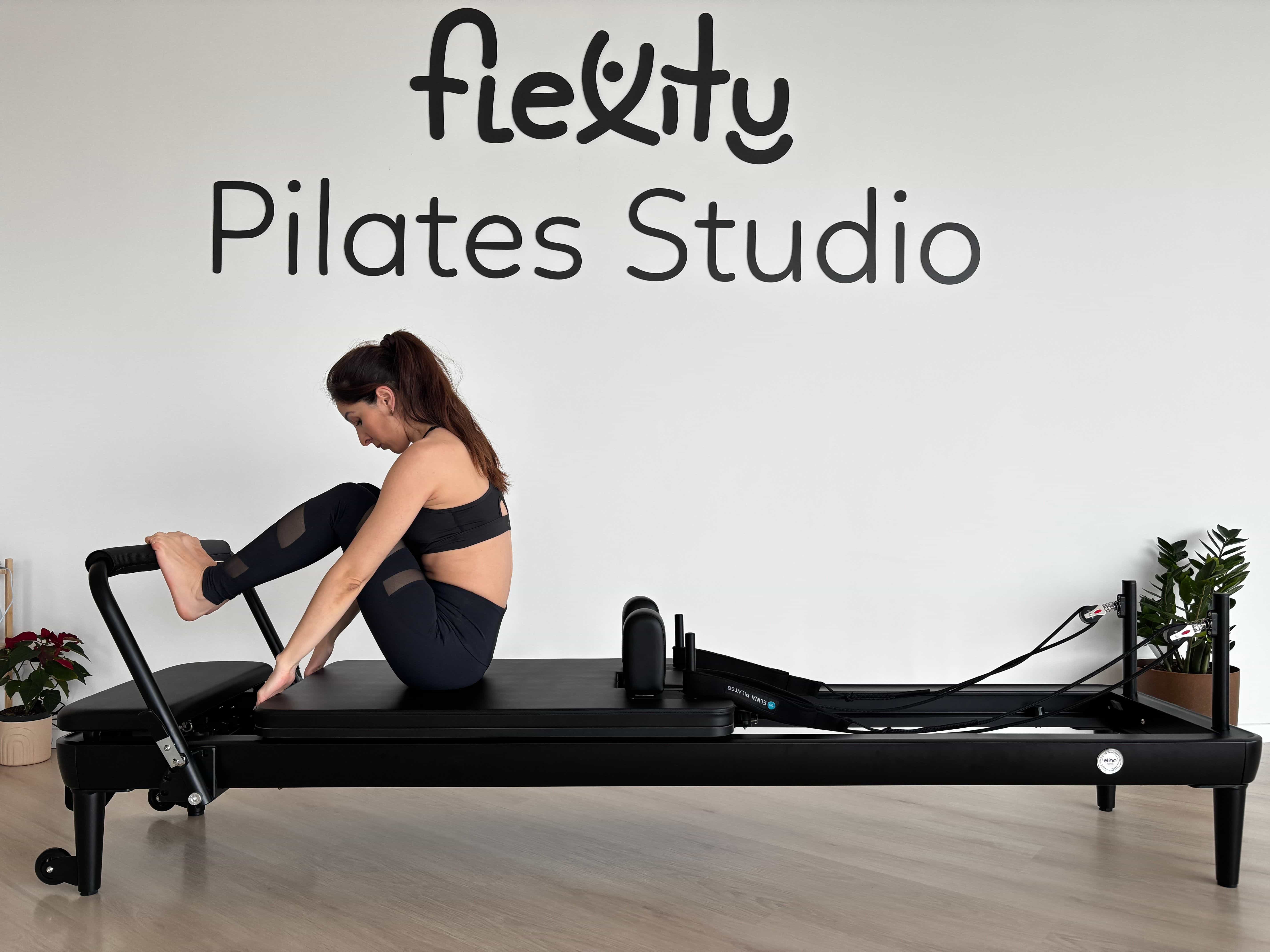
Active stretching in pilates involves intentional muscle contraction while moving through stretch ranges, combining flexibility training with core stabilization and muscle engagement. Every foundational pilates movement incorporates active stretching, requiring practitioners to brace their core, stabilize their torso, and actively control every lengthening motion. This dual-action training builds functional flexibility that translates to real-life movement, unlike passive stretching which only improves static flexibility. Balancing active training and passive cool-down stretching creates the balanced strength and mobility that defines professional pilates practice.