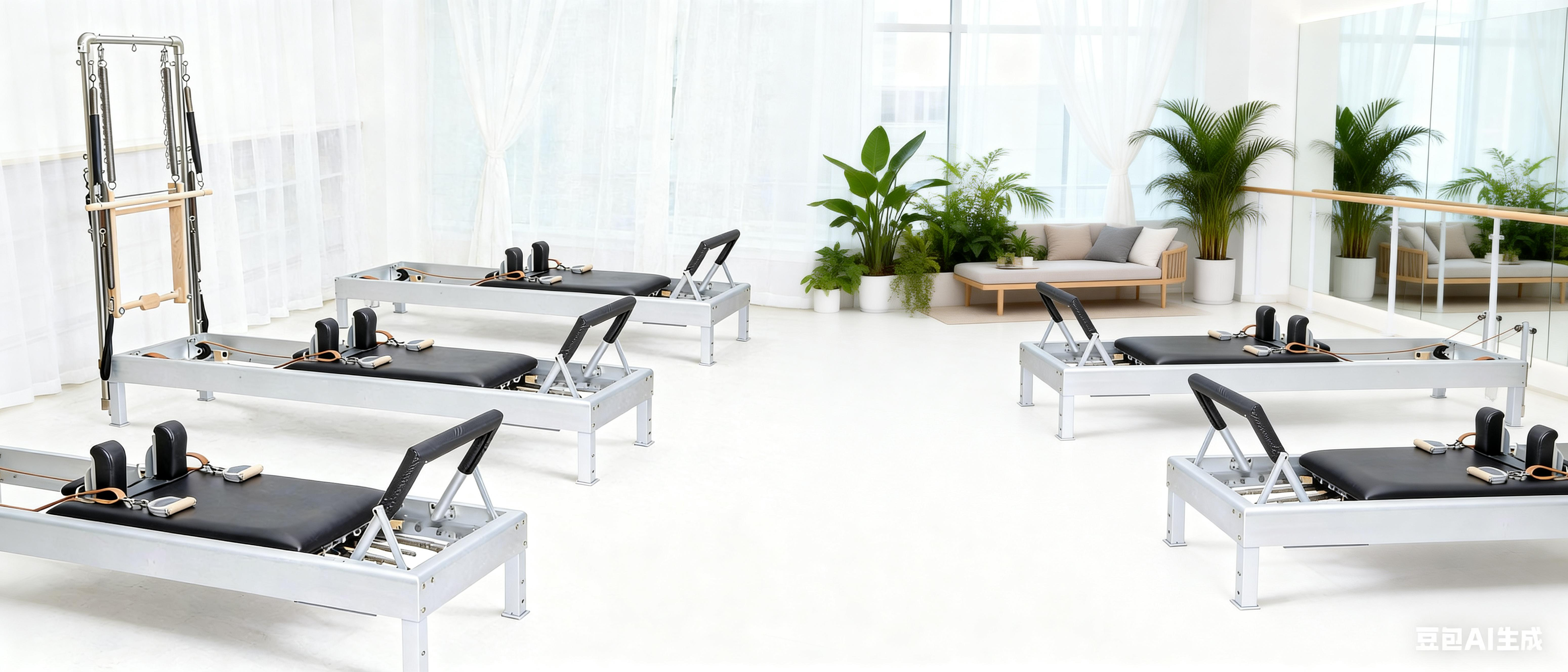
Customizable Pilates Reformer | Wholesale for Fitness Studios
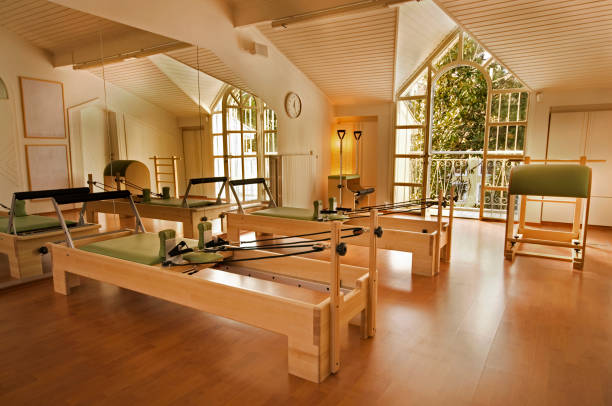
For fitness studios and chain brands, purchasing Pilates reformers is more than "buying equipment" — it's a strategic step in building brand identity and optimizing cost structure. Customizable, wholesale procurement models allow studios to obtain equipment that aligns with their brand positioning and programming needs at lower unit costs. This article provides a complete wholesale procurement reference across four dimensions: customization options, wholesale advantages, supplier selection, and procurement process.
I. Why Studios Need Customizable Reformers
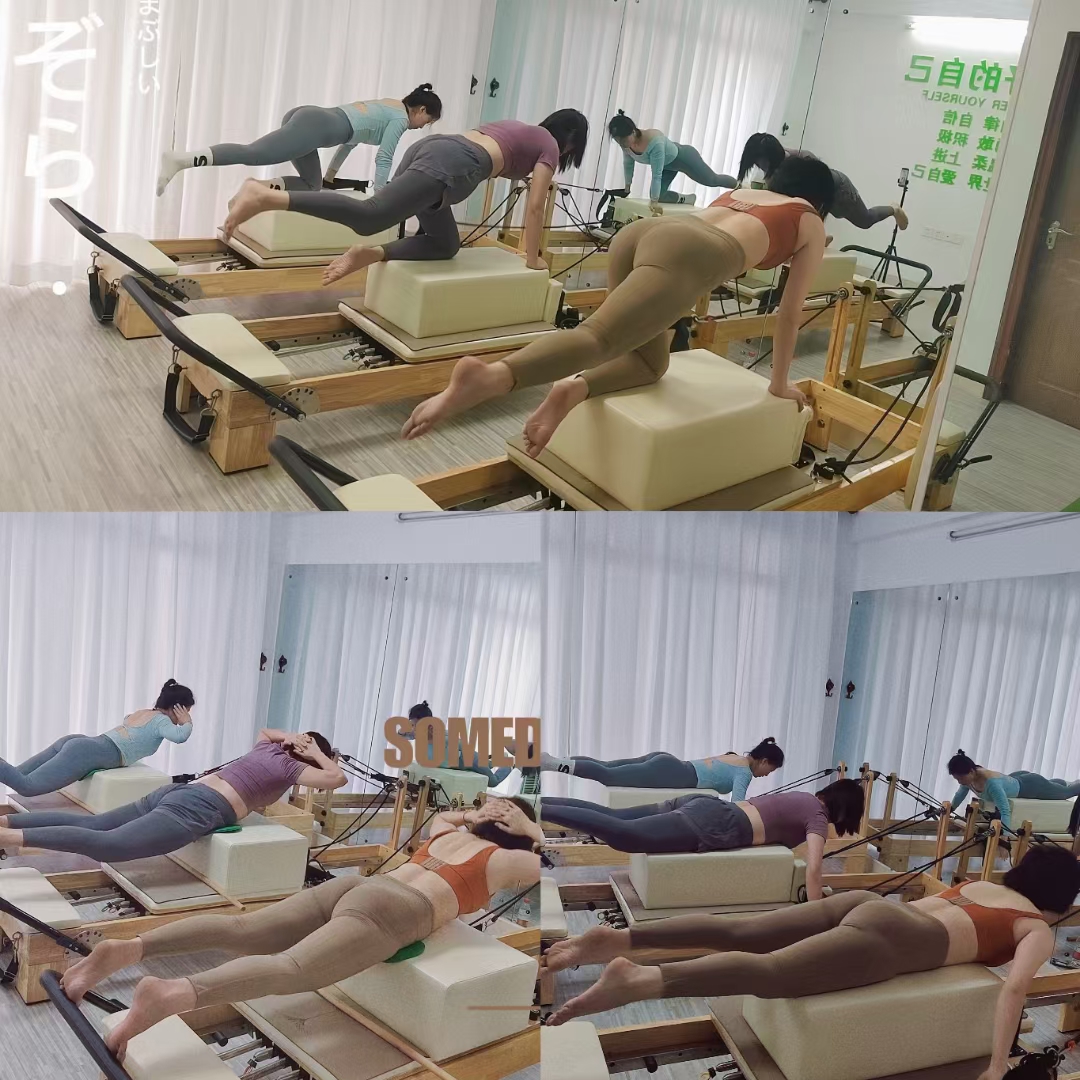
Brand consistency is the primary consideration. Equipment with unified branding delivers a consistent visual experience across every location. For chain brands, this is especially important — custom logos, uniform color schemes, and branded packaging become the physical carriers of brand experience.
Programming alignment is another key factor. Different studios have different curriculum priorities: rehabilitation-focused studios need more adjustment options and finer spring configurations; high-intensity group class studios need greater load capacity and more durable upholstery. Customized procurement lets equipment truly serve the curriculum, rather than forcing the curriculum to accommodate the equipment.
Cost structure optimization also matters. Bulk custom orders cost far less per unit than retail purchases. For chains planning multiple locations, wholesale procurement also locks in pricing, hedging against raw material cost increases.
II. What Can Be Customized?
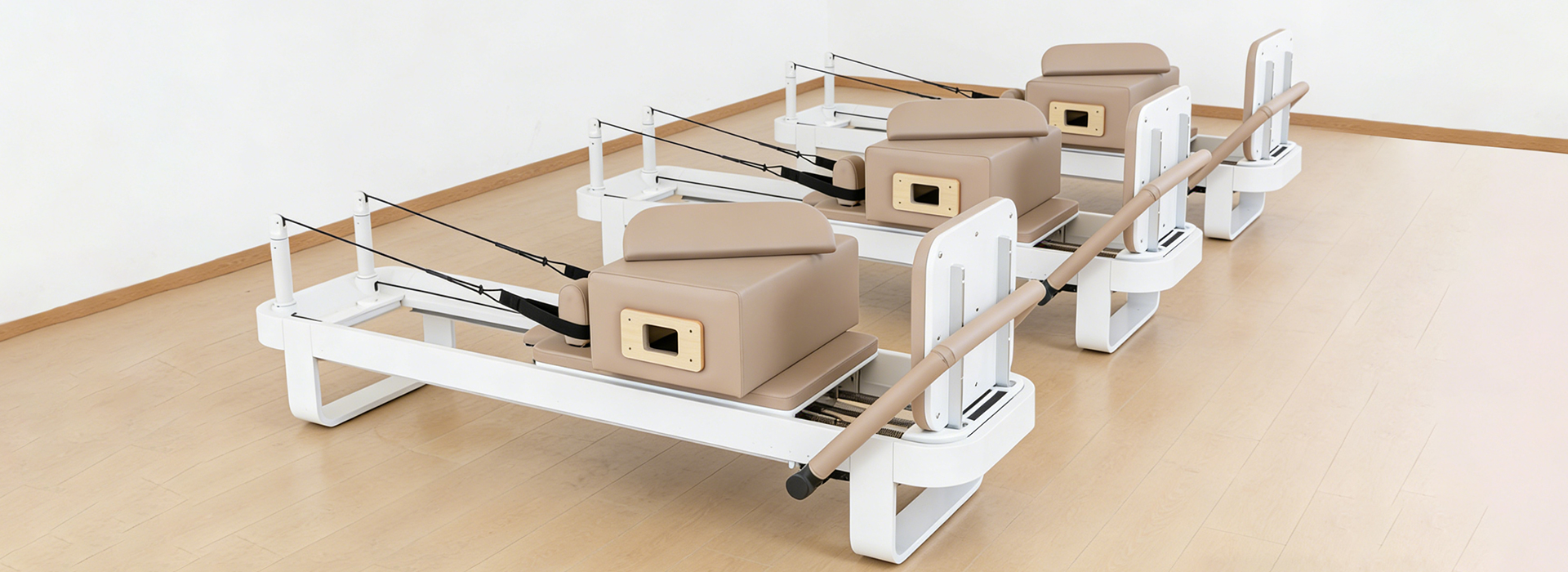
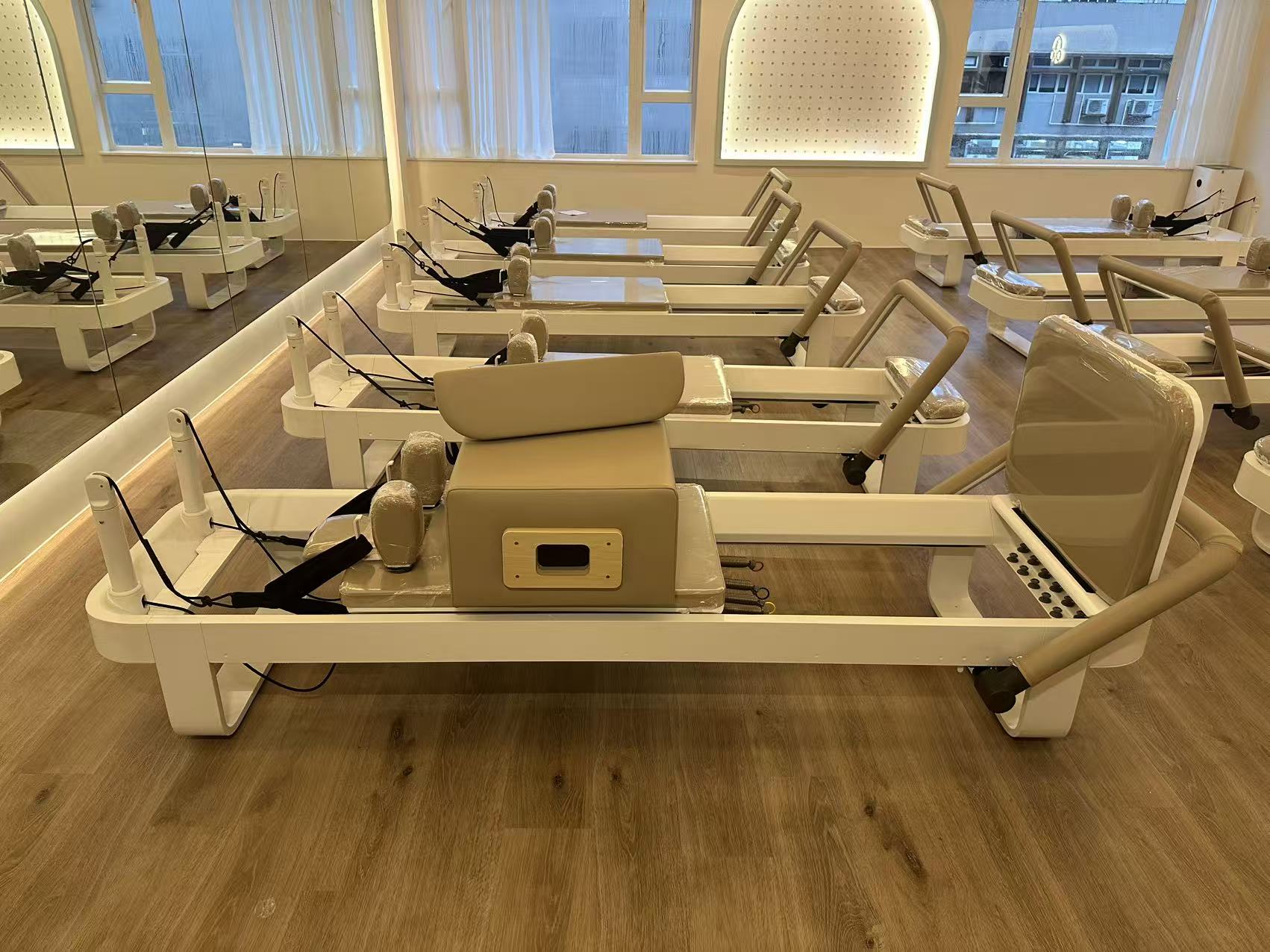
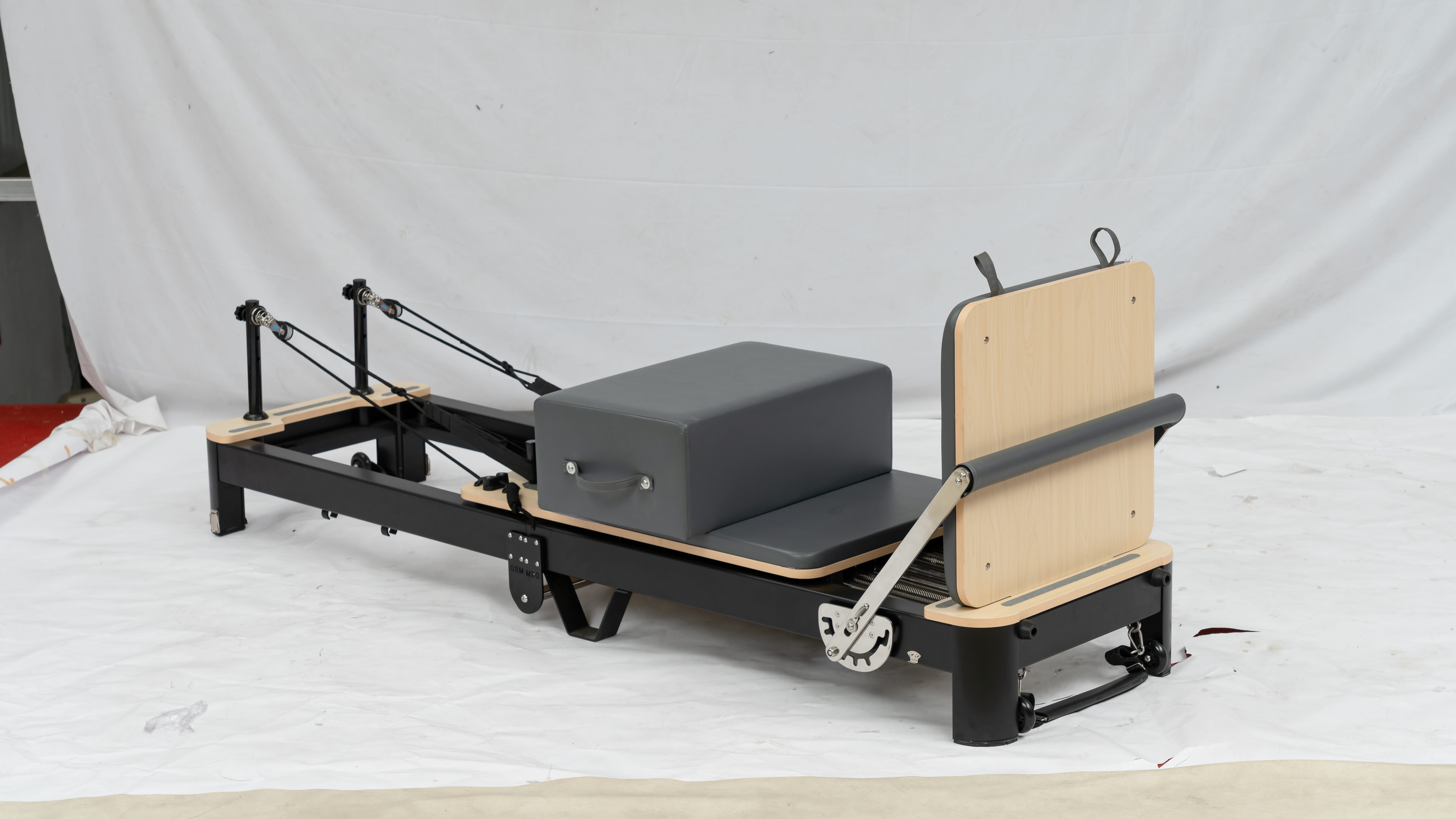
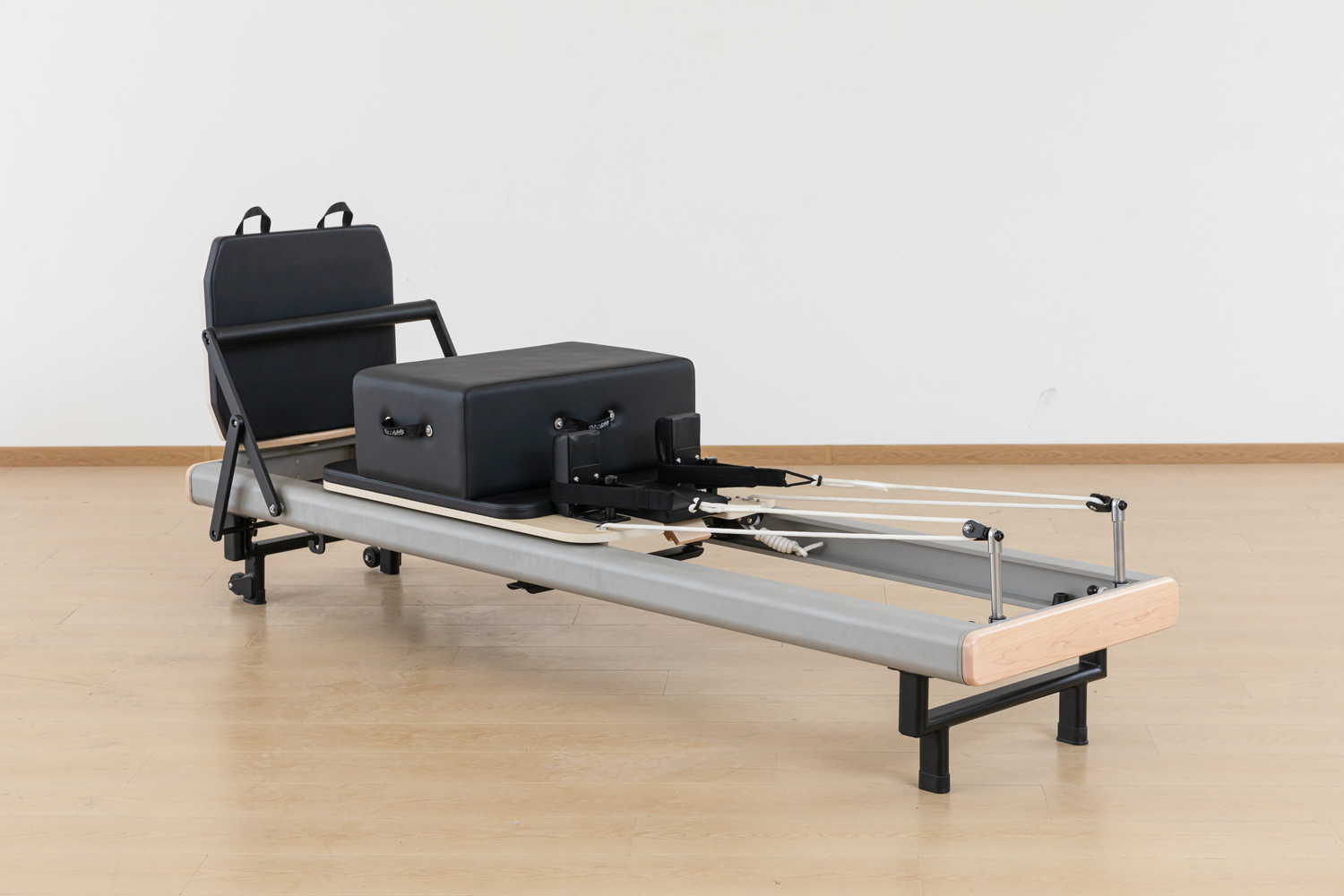
Appearance customization is the most common requirement. Upholstery colors: factories typically offer 50+ color options spanning classic and trending palettes; studios can specify brand-exclusive colors matched to Pantone codes. Frame colors: black, white, silver, natural wood, or custom colors. Branding: pad printing, laser engraving, embroidery, or metal nameplates applied to frames, leather, and straps.
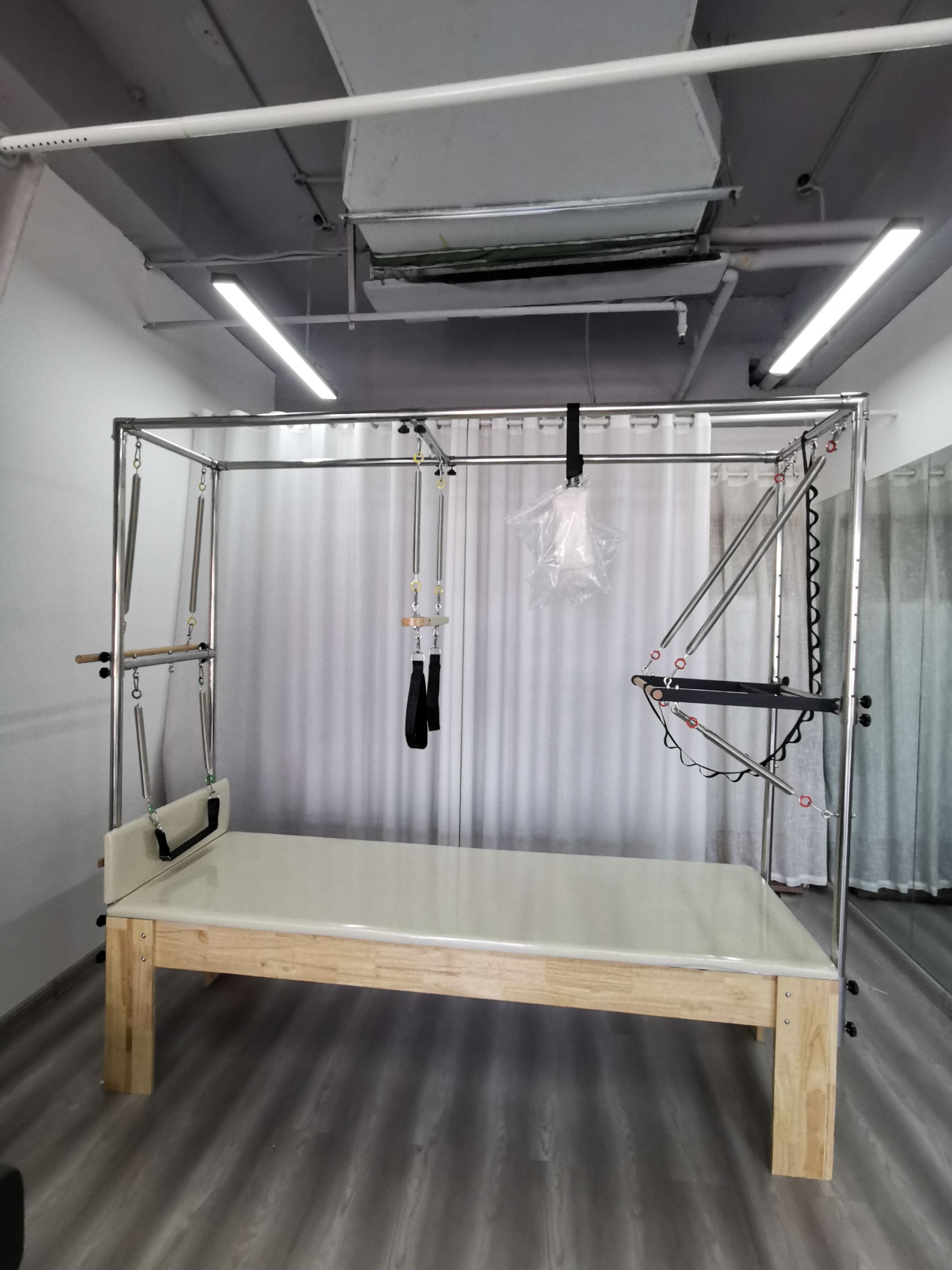
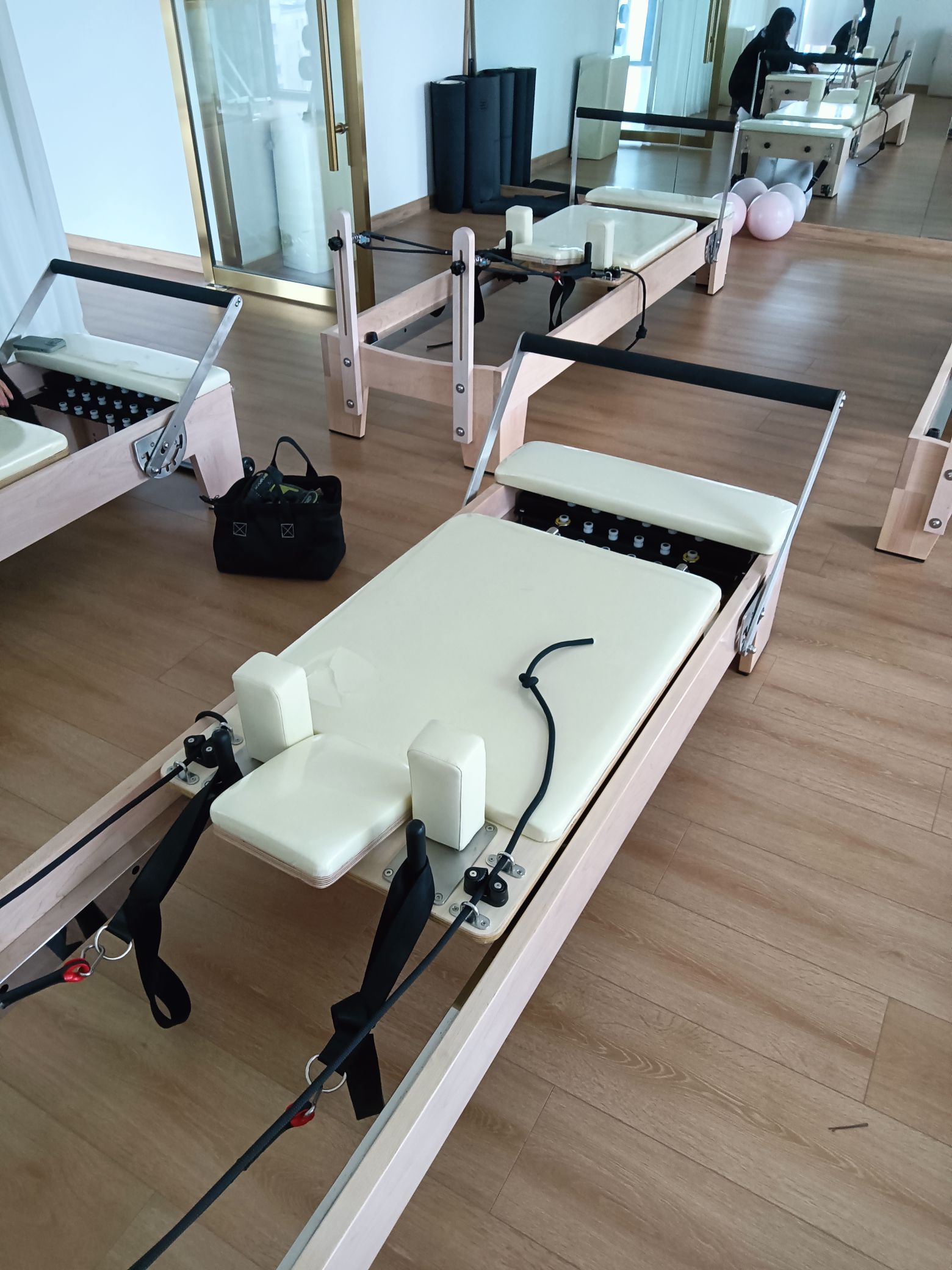
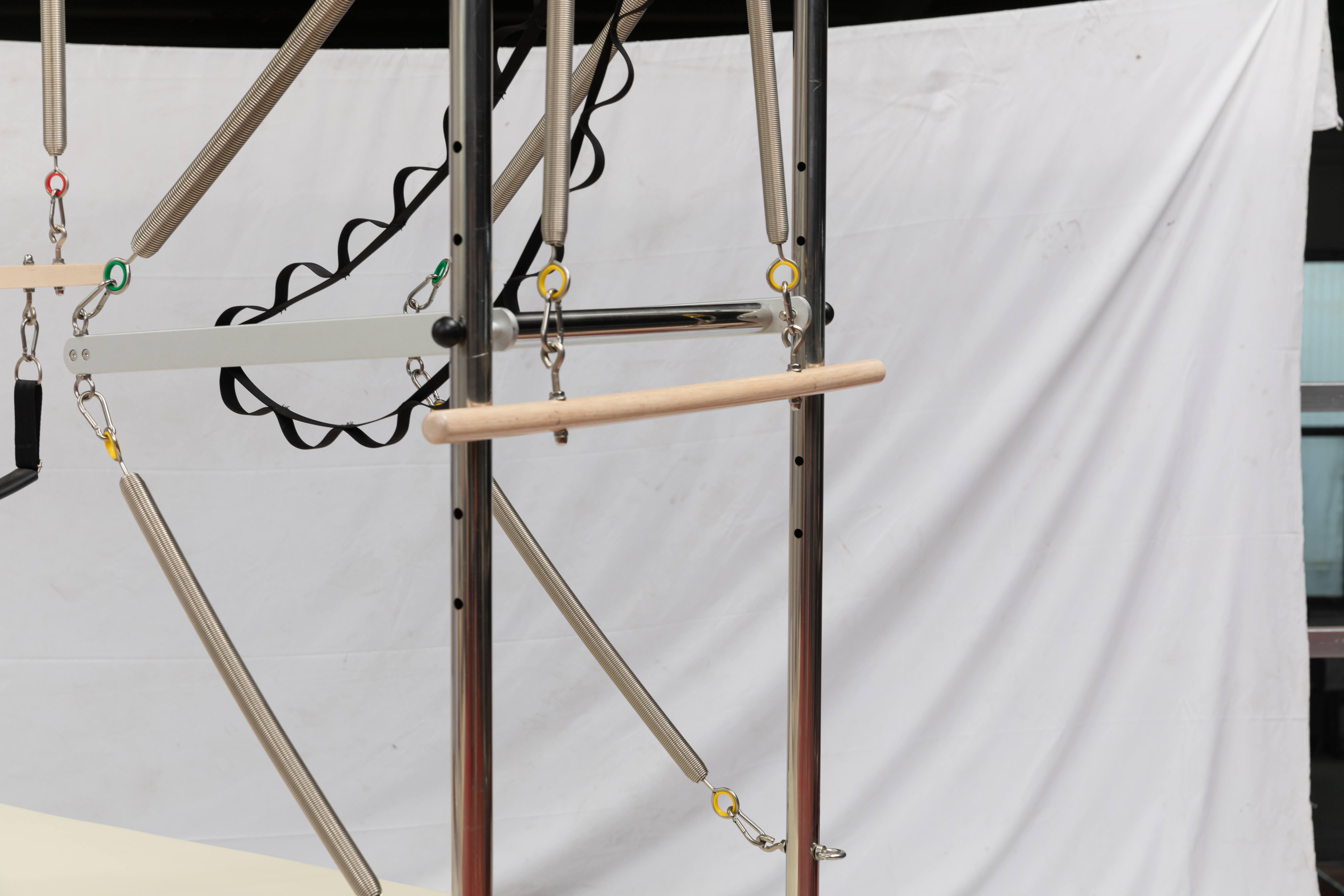
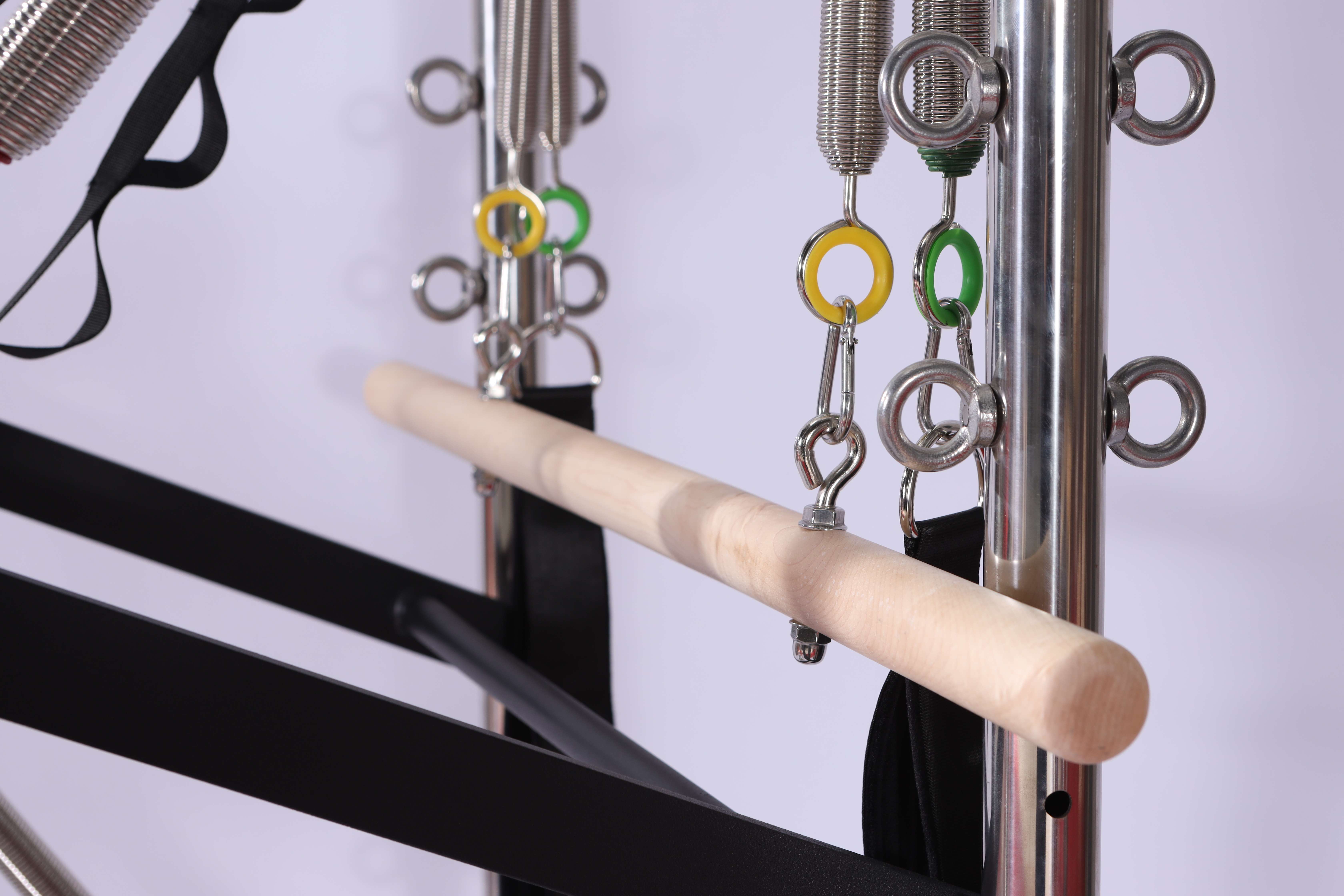
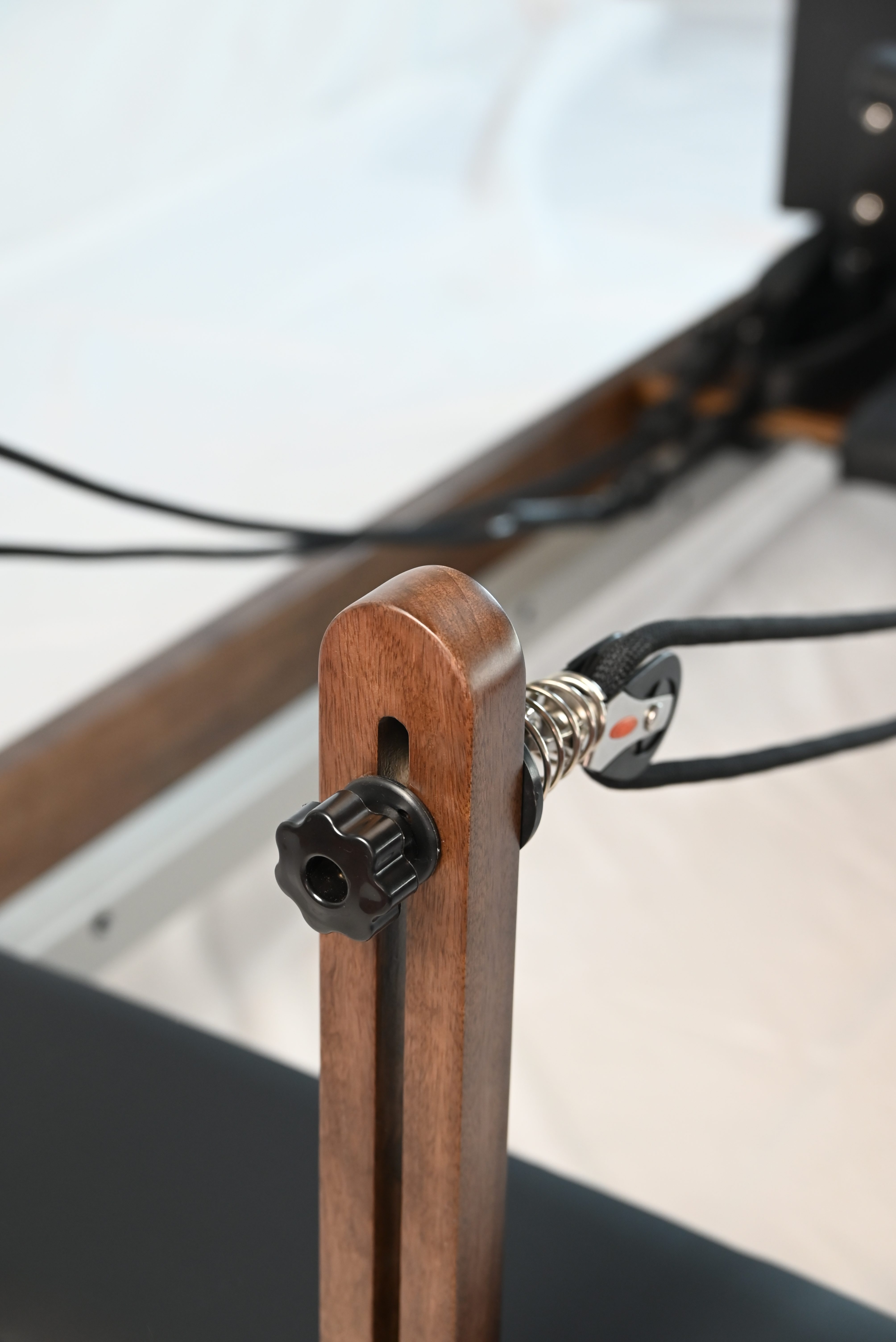
Functional configuration addresses deeper curriculum needs. Spring systems can be configured with different force combinations — e.g., 3 heavy + 1 medium + 1 light spring for different user populations. Accessory packages can include Jumpboards, Towers, rope systems, and Mat Converters. Adjustment systems: premium factories support customization of footbar angles, rope heights, and shoulder rest positions.
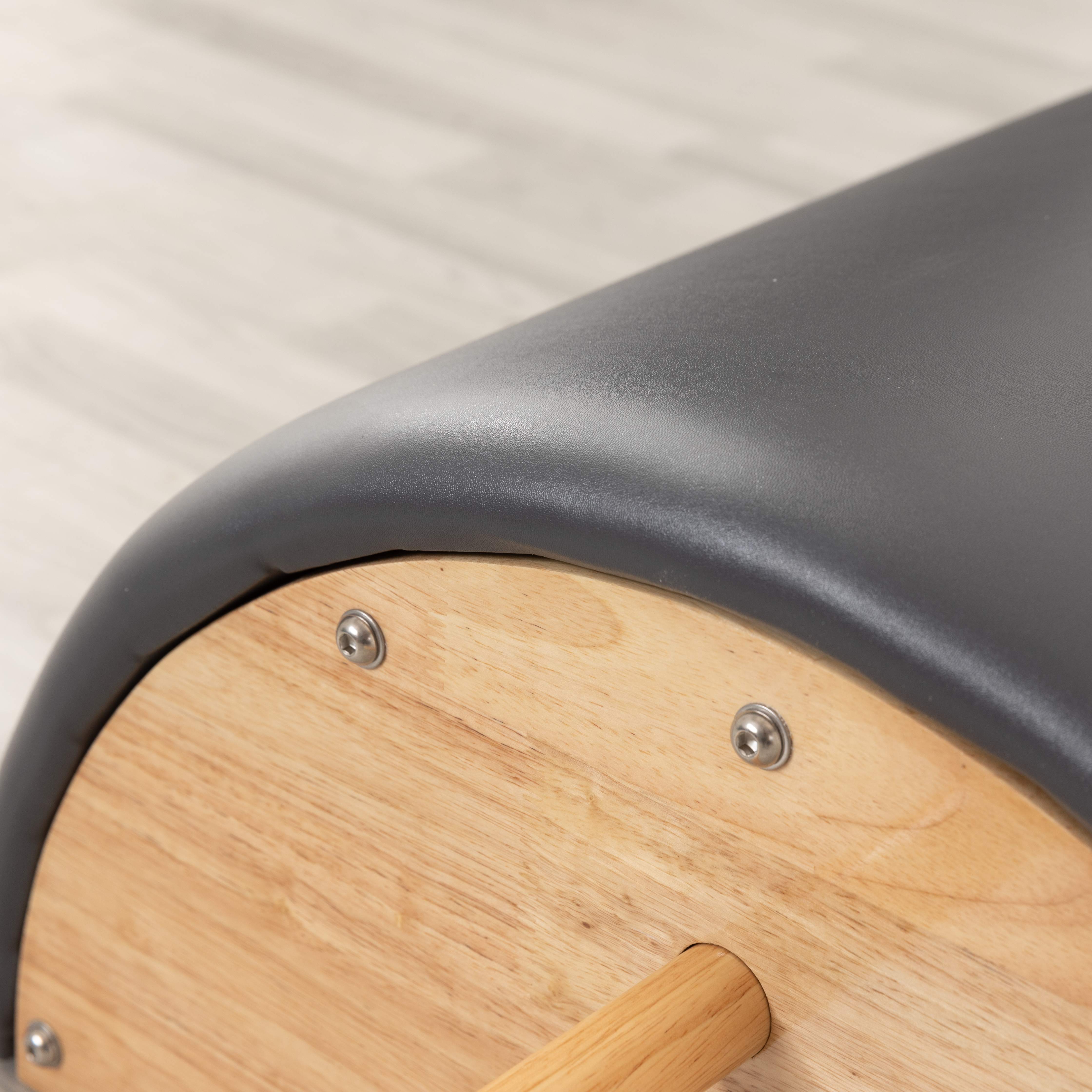
Material and craftsmanship customization covers frame materials (North American imported maple, oak, beech, aluminum alloy, or carbon steel), leather grades (standard PU to microfiber), and spring materials (Korean or German imported piano wire). Some factories also support powder coating color customization and anodizing grade selection.
Branding and packaging customization includes private label manufacturing (OEM/ODM), branded packaging boxes, multilingual manuals, and marketing materials (brochures, posters, instructional videos). These details transform equipment from "factory product" into "brand asset."
III. Core Advantages of Wholesale Procurement
Price advantage is the most direct return. Commercial-grade reformers retail between $2,400 and $5,000, while bulk pricing can be 30% to 50% lower, depending on order quantity. For orders exceeding 100 units, per-unit costs may fall below 50% of retail.
Logistics consolidation is equally important. Bulk orders enable full-container-load (FCL) shipping, reducing per-unit logistics costs by 20% to 40% compared to less-than-container-load (LCL). Factories can also assist with customs clearance, warehousing, and distribution.
Long-term price protection is critical for chain brands. Established partners often receive price-lock agreements — fixed pricing even if raw material costs rise during the contract period. This is significant for chains that purchase in phased batches.
IV. How to Choose a Wholesale Supplier
Manufacturing capacity is the baseline. Evaluate factory floor space, production line count, annual capacity, and current order backlog. ISO 9001 certification and export experience are important indicators. Factories with ODM capabilities can collaborate from the design stage.
Quality control transparency determines long-term confidence. A trustworthy factory should clearly demonstrate its IQC, IPQC, and OQC processes and records. Clearer inspection standards and more traceable records ensure better product consistency.
Customization flexibility reflects the factory's willingness to cooperate. Factories accepting 50-100 unit MOQs generally demonstrate higher commitment. Willingness to provide free sample proofing for bulk orders signals confidence in quality.
Delivery track record is the hard metric. Request past delivery records or check industry reputation for on-time delivery rates. 97%+ on-time delivery is an industry benchmark.
After-sales and warranty terms should be clearly specified in contracts — warranty periods, parts supply, response mechanisms — not left to verbal promises.
V. Wholesale Procurement Process
Requirements communication and feasibility assessment: Client provides model, quantity, customization requirements, and delivery timeline. Factory assesses feasibility and provides preliminary pricing.
Sample production and approval: Produce 1-2 samples for functional and visual confirmation. Mass production begins after sample approval is signed.
Contract and deposit: Specify specifications, quantity, unit price, delivery timeline, payment terms, and warranty. Mass production begins upon 30% to 50% deposit payment.
Production and process control: Factory schedules production with options for factory inspection or video verification. Critical process inspection records available for review.
Delivery and acceptance: Outgoing quality control (OQC) before sea or air shipment. Client inspects upon receipt and pays the balance.
Summary: Customizable, wholesale Pilates reformer procurement offers fitness studios and chains a solution that balances brand building with cost optimization. From appearance to functional configuration, from material selection to packaging design — the depth of customization determines whether equipment truly serves brand strategy. Wholesale procurement reduces unit costs through economies of scale and locks in pricing through long-term partnerships. Choosing a factory with scalable capacity, transparent quality control, flexible customization, and reliable delivery is the key to success. Before placing a formal order, verify quality through sample production first, then sign the bulk contract based on sample approval.