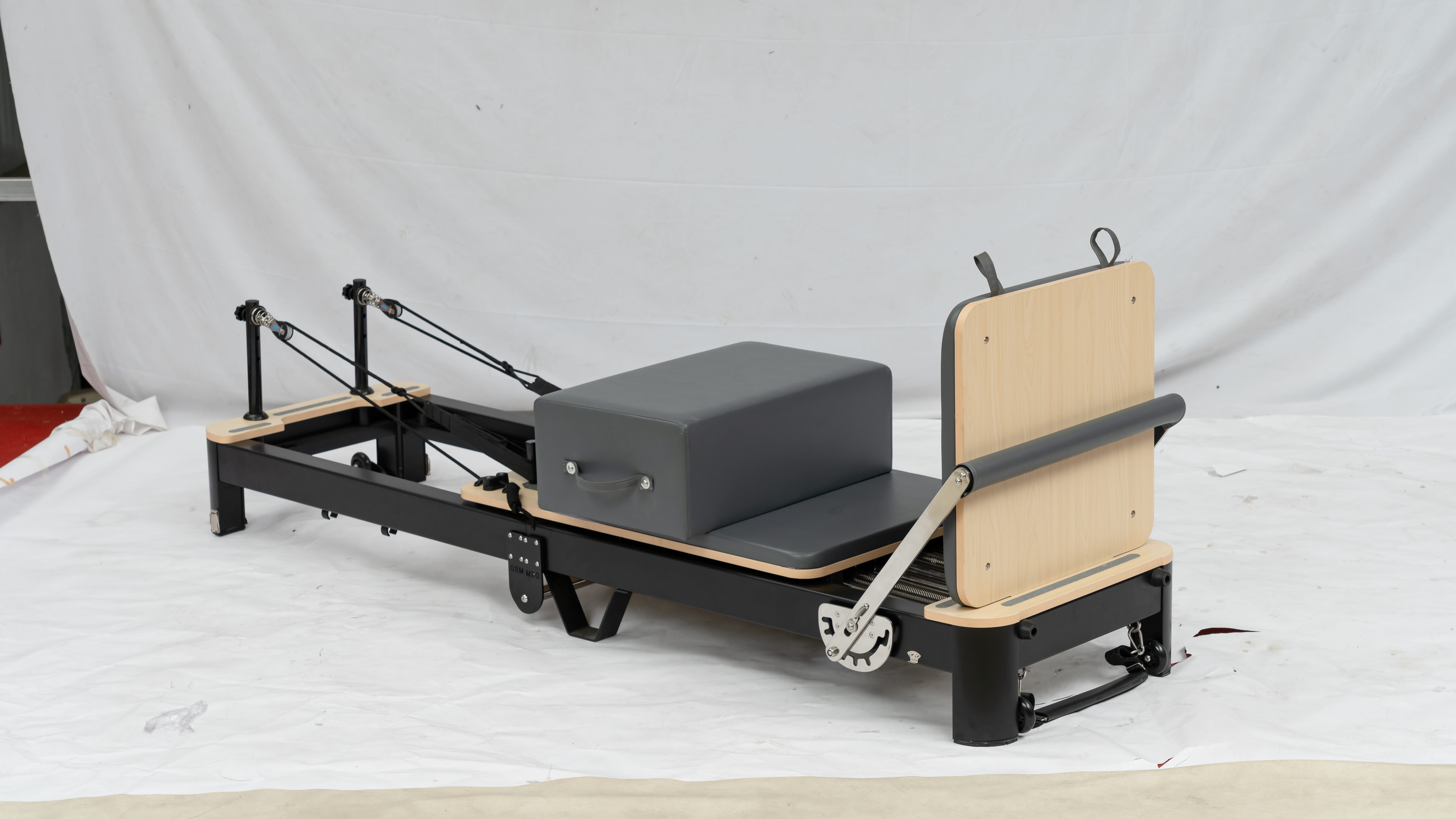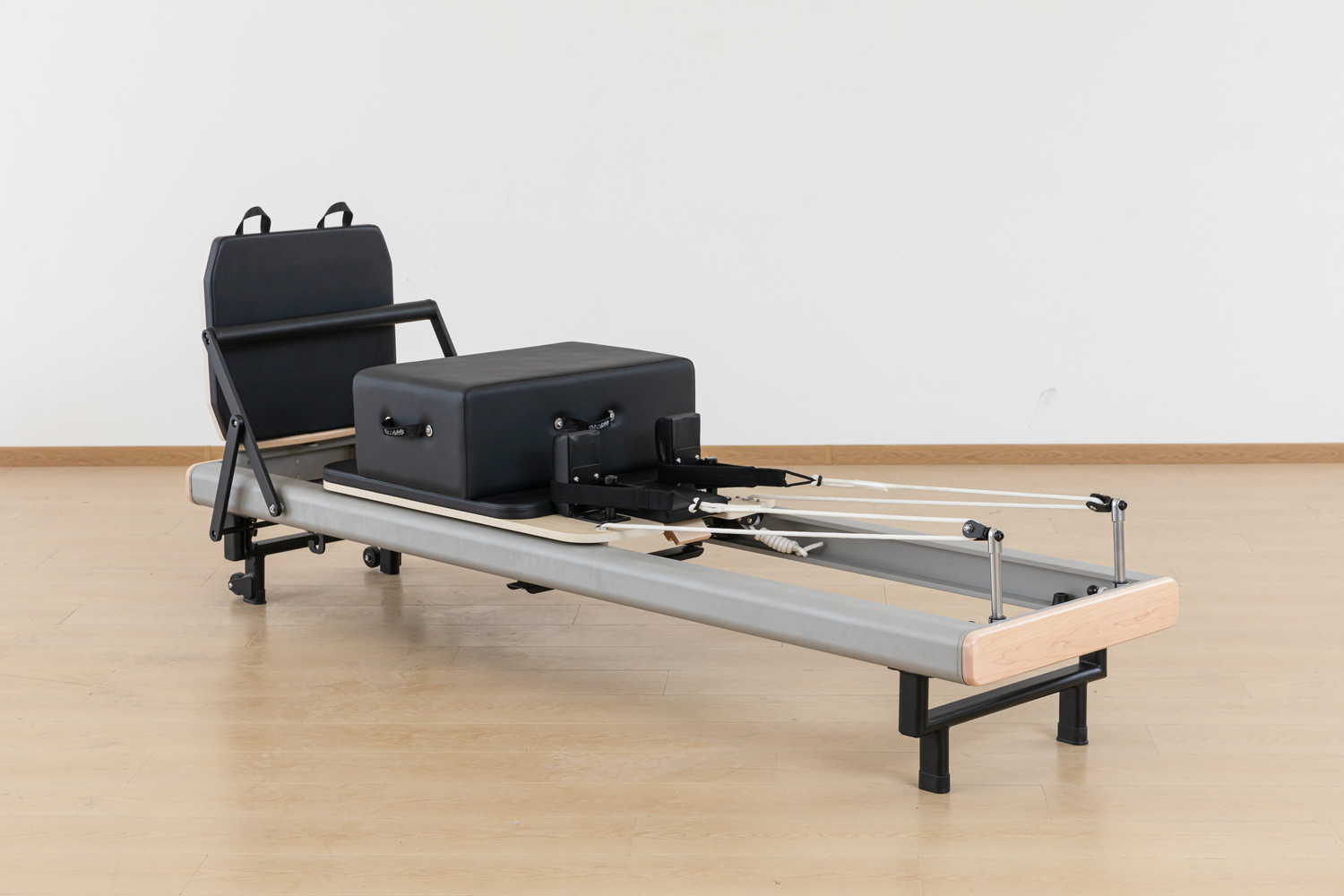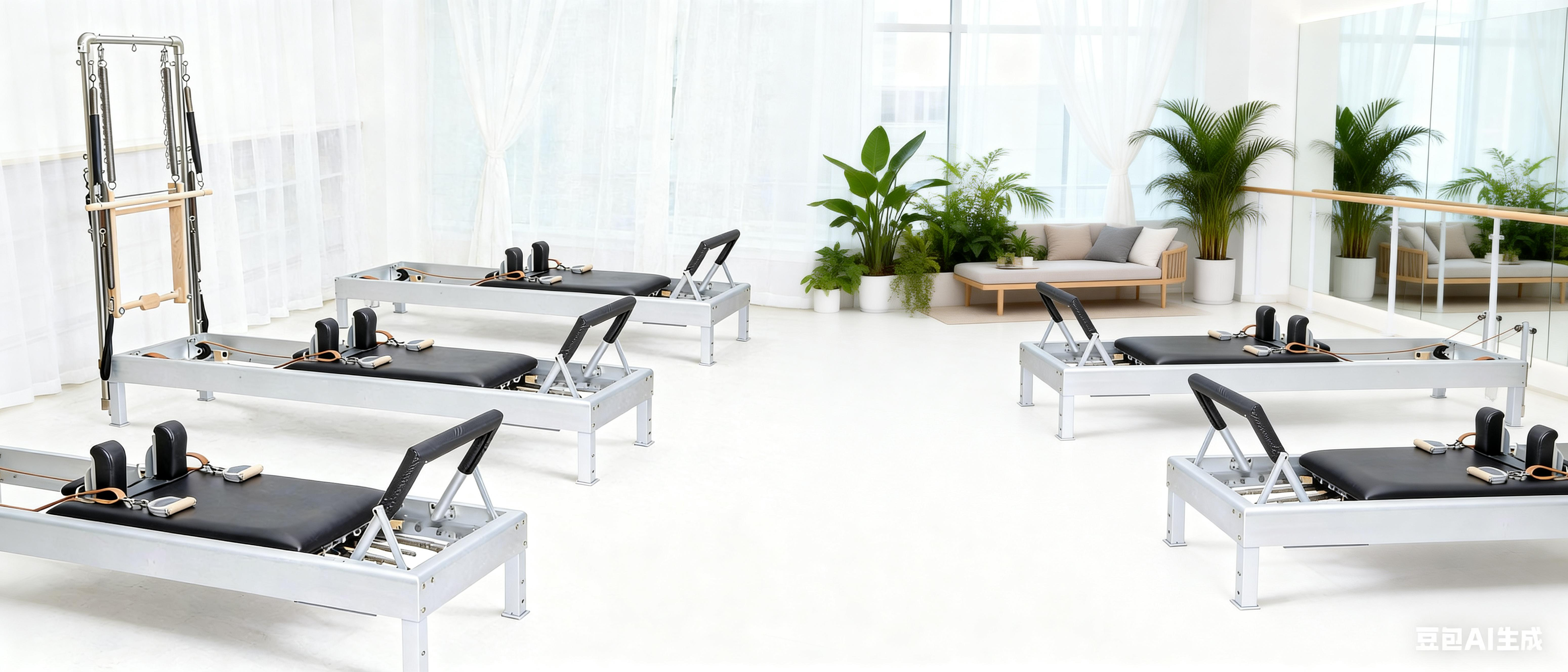
Elevate Your Practice with Premium Pilates Reformer Equipment
Pilates reformer prices range from a few hundred to over ten thousand dollars, and the difference between them is far more than "brand premium." The gap between a premium reformer and an entry-level product shows up in every glide, every spring stretch, and whether the frame remains rock-solid after years of use.
For studios and home users who take Pilates seriously, choosing premium equipment isn't "upgrading consumption" — it's a rational investment in training quality and long-term value.
I. The Core Value of Premium Equipment: A Qualitative Leap in Experience
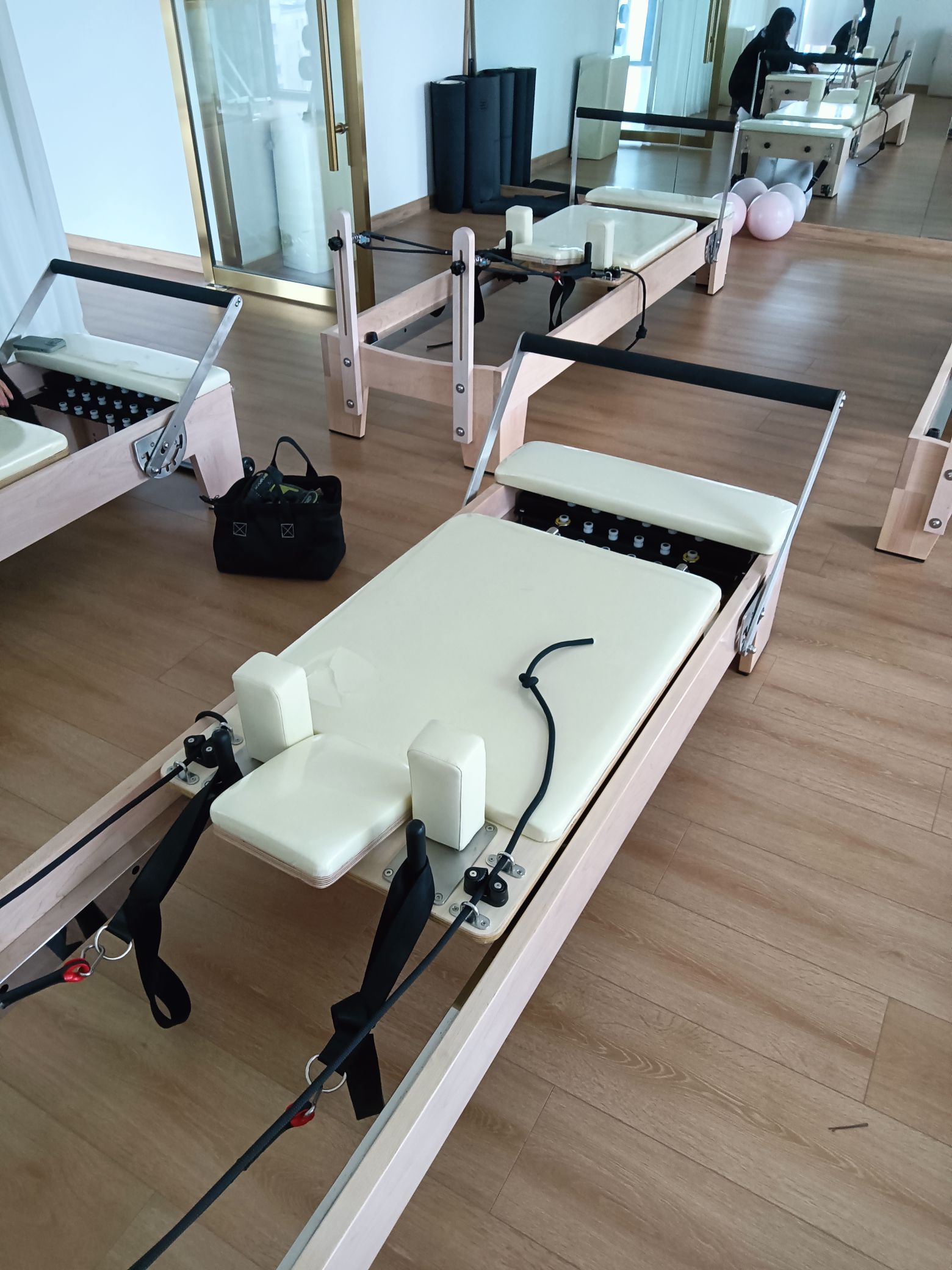
A world of difference in glide quality. A well-engineered commercial reformer glides almost silently, with consistent resistance throughout — no sticking, no step-like transitions. This smoothness comes from precision-machined aluminum rails, sealed-bearing silent wheels, and tightly controlled assembly tolerances.
Entry-level products often have noticeable friction or graininess during gliding, with "clunking" sounds at certain carriage positions. This difference gets amplified during practice — when you're trying to maintain core stability through a movement, any extra friction or noise disrupts your focus.
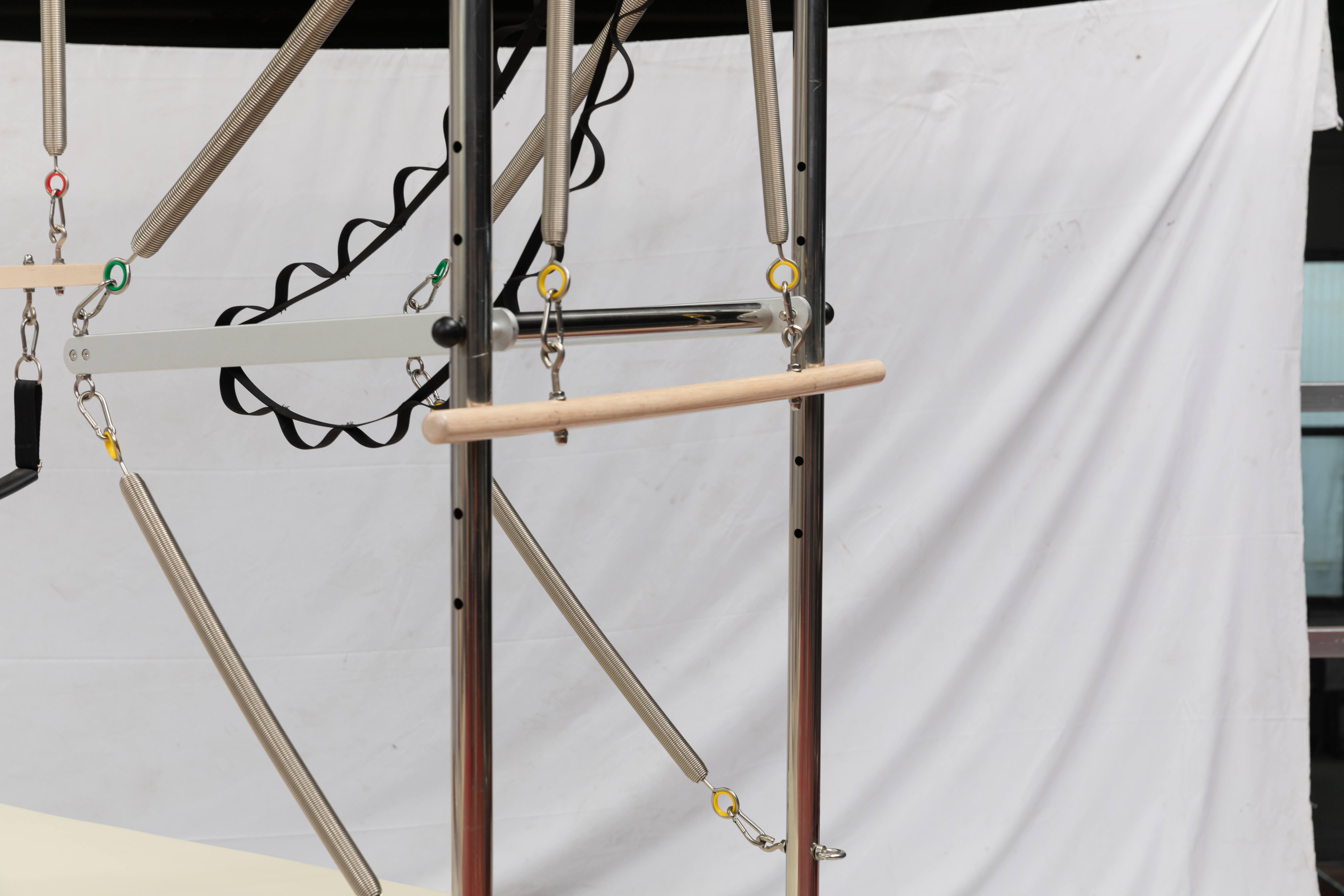
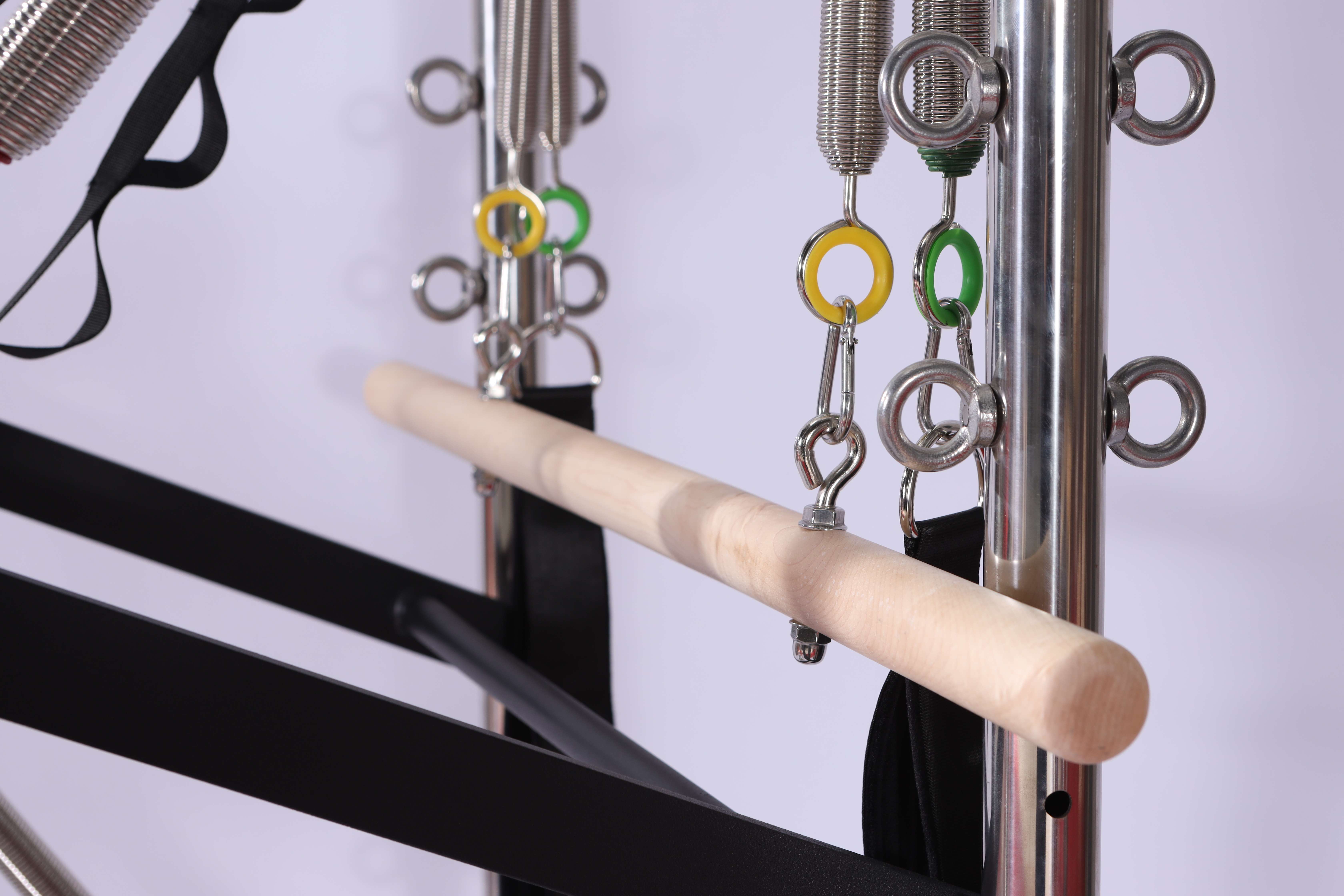
Precision differences in spring feel. Premium equipment uses German or Japanese imported piano wire springs, rigorously heat-treated to eliminate residual stress. Force consistency is extremely high — same-spec springs on the same machine feel virtually identical. From initial stretch to full extension, resistance increases in a smooth, linear curve — no sudden "snags" or "jumps."
Entry-level springs may have poor force consistency, with noticeably different feel between positions. After a few months, some springs may lose significant tension, compromising training effectiveness.
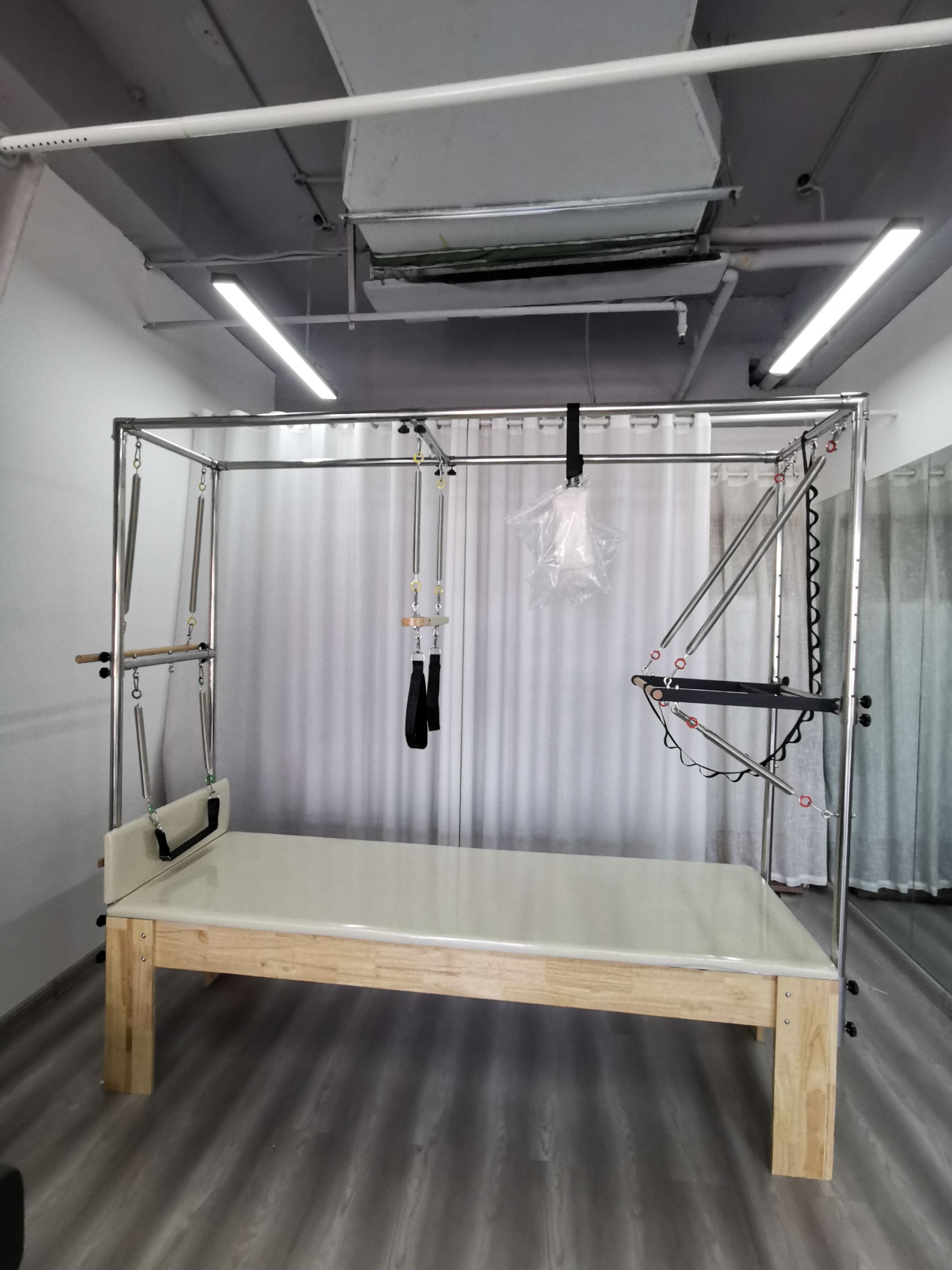
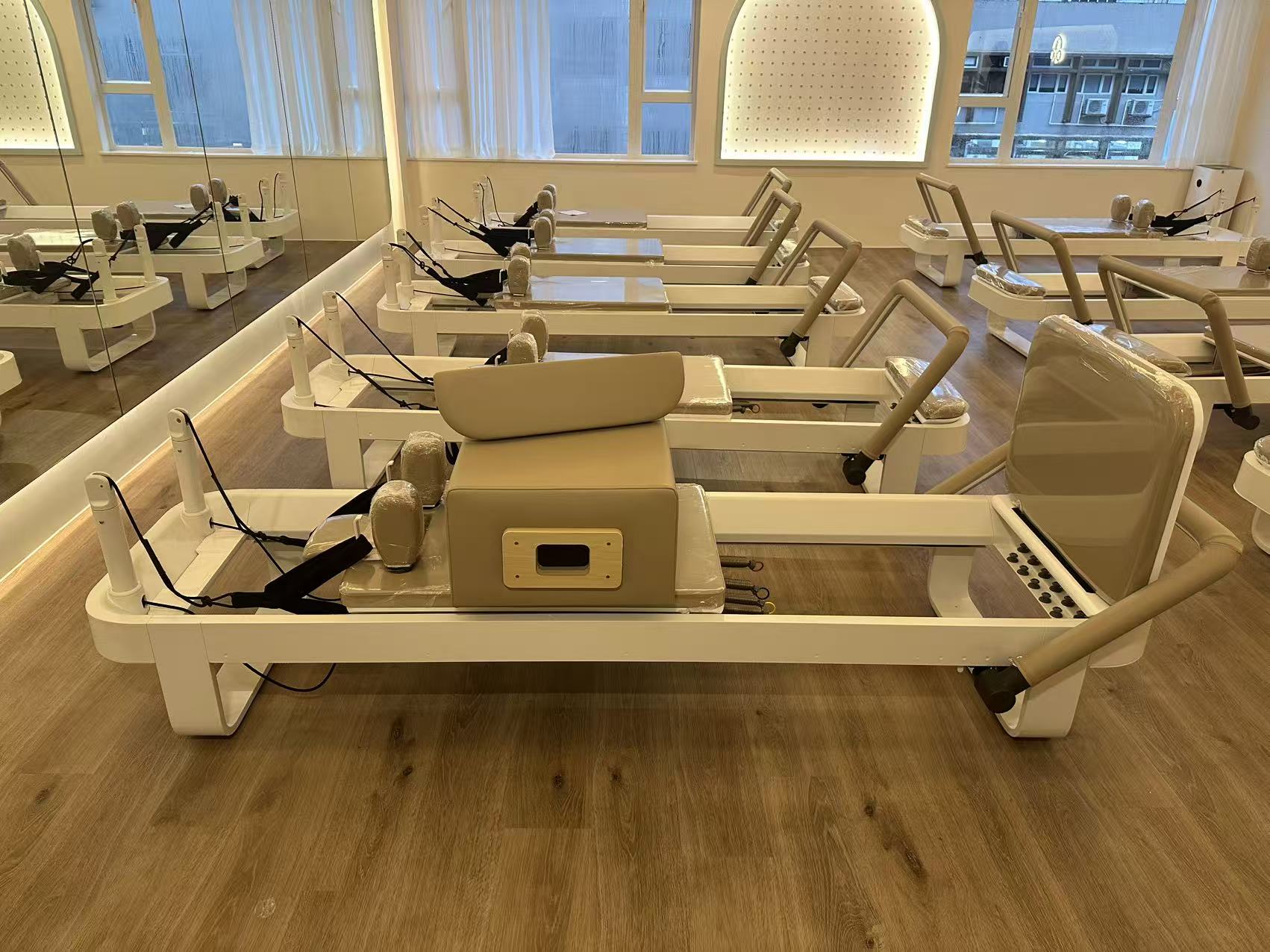
A frame that stays "like new" for a decade. Premium frames use heavy-gauge steel or aviation-grade aluminum with rigorous welding and surface treatment. Under daily multi-user conditions, the frame remains stable without elastic deformation or structural loosening. Quality solid wood frames use mortise-and-tenon joinery or precision assembly, maintaining dimensional stability through temperature and humidity changes.
II. Hallmarks of Premium Equipment
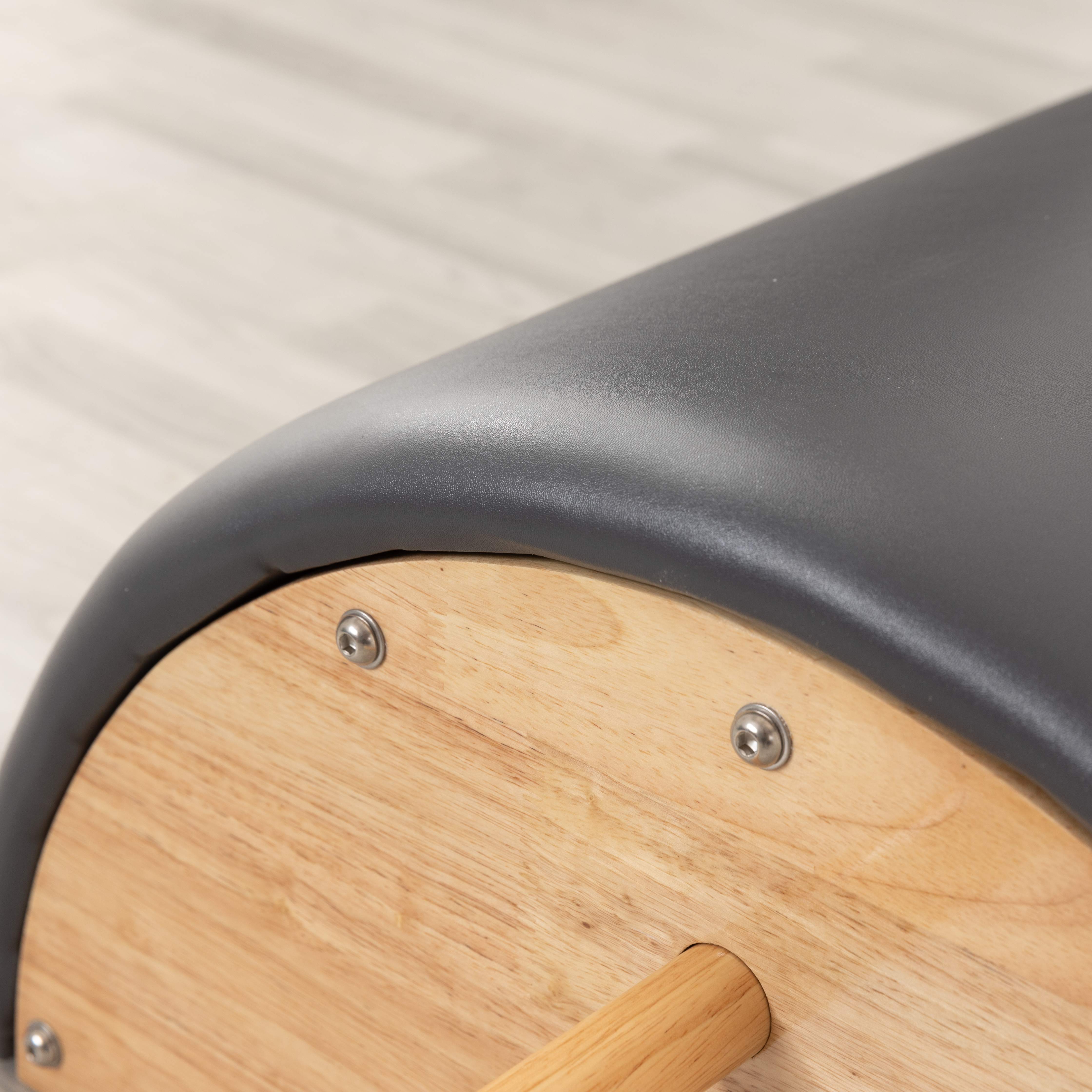
Material selection: Premium brands don't compromise on materials. Frames use aviation-grade aluminum or FSC-certified hardwood, leather uses high-wear PU (Martindale >50,000 cycles), and foam density is ≥45kg/m³. Every component undergoes rigorous material testing.
Manufacturing precision: Premium equipment features uniform, smooth welds; coating adhesion and uniformity are tested; assembly tolerances are controlled within extremely tight ranges. Brands like Gratz perform 50+ specification checks on every unit — including spring tension accurate to 0.01 lbs and wheel noise within specified limits.
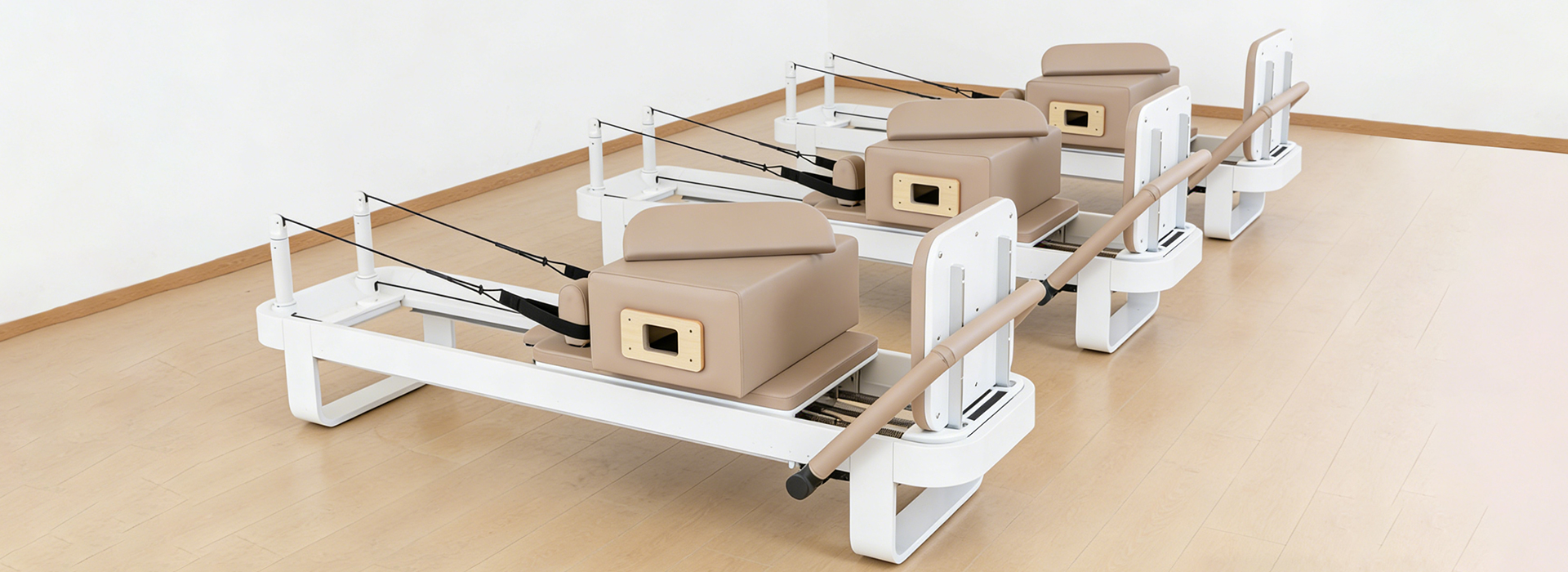
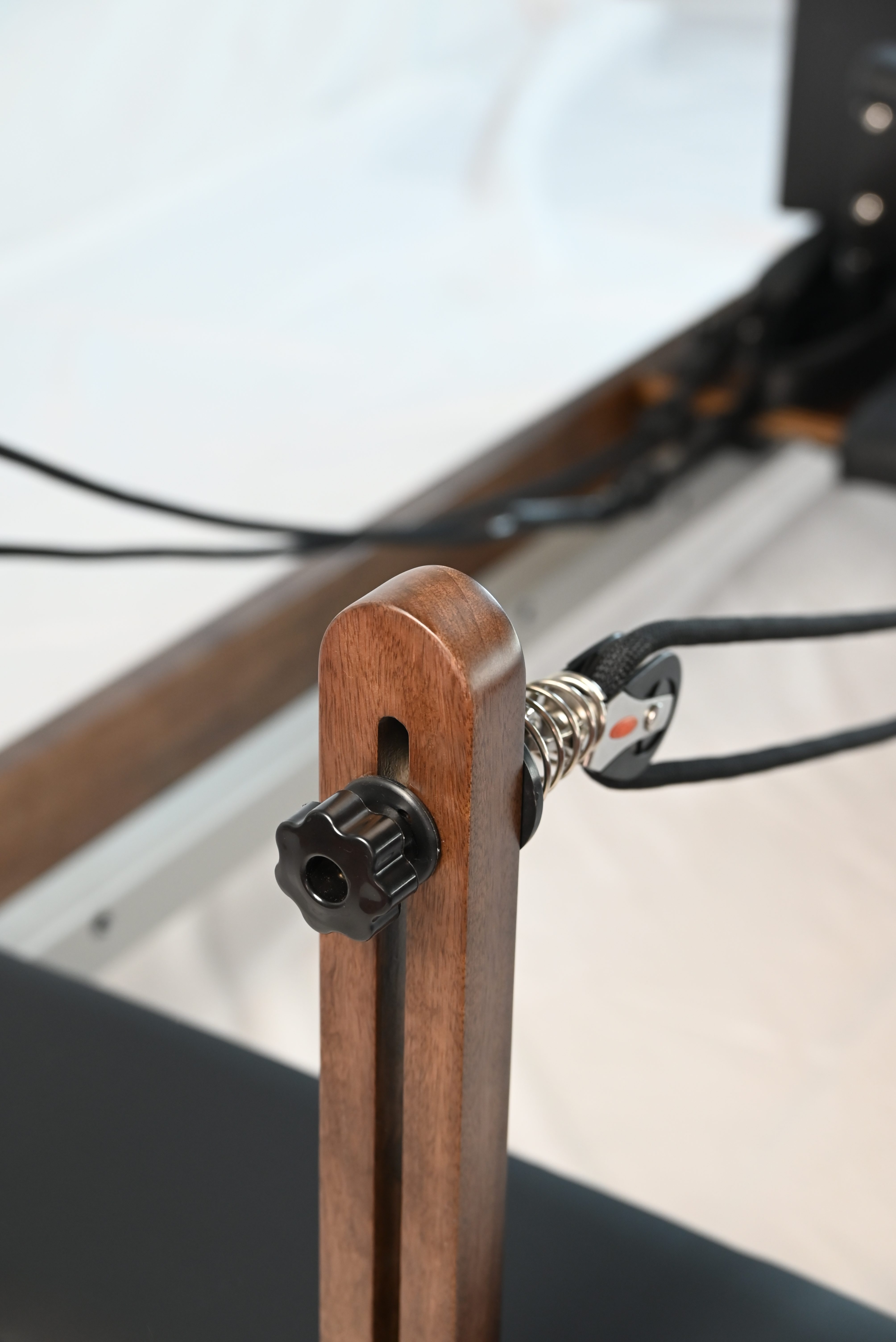
Detail design: Premium equipment shows quality in the details — footbar adjustment is smooth and locks securely, headrest has multiple angle settings, shoulder rests are precisely positioned, and rope and pulley systems run smoothly. These details accumulate into an overall "it just works" feeling.
Brand service: Premium brands typically offer lifetime frame warranties, 2-3 year coverage on moving parts, and comprehensive after-sales support. Brands like Balanced Body and Merrithew also provide studio design consultation, instructor training, and educational support.
III. The Real Returns of Premium Equipment
Improved training outcomes: The precise feedback of premium equipment helps practitioners more clearly sense their engagement points. When glide resistance is uniform and spring feel is linear, the body more easily finds correct movement patterns — critical for building deep core control and precise movement habits.
Elevated client experience: For studios, premium equipment directly impacts client experience and retention. Clients feel the difference — "this bed glides so smoothly" is often a reason they renew. Higher satisfaction translates directly into referrals and reputation.
Long-term cost optimization: While premium equipment costs more upfront, it's often more economical over its full lifecycle. A premium reformer can last over a decade, with lifetime frame warranty and moving parts replaced every two years. Budget equipment may need replacement within 2-3 years, with parts often hard to source.
Protected resale value: Premium equipment from recognized brands holds stable second-hand market value. Reselling after a few years typically recovers a significant portion of the purchase price — an advantage budget equipment can't match.
IV. When Premium Equipment Makes Sense
Core equipment for commercial studios: For studios with 8+ hours of daily use, premium durability and stability are essential. Frequent repairs and downtime not only impact revenue but damage brand reputation.
High-frequency home users: If you practice 4+ times weekly and plan to continue long-term, both the experience improvement and long-term economics of premium equipment are worth considering.
Rehabilitation and professional training: Rehab training demands higher precision and adjustment range. Premium equipment's multi-position adjustments and precise feedback better support professional rehabilitation and performance training.
Practitioners seeking the ultimate experience: For those who view Pilates as a long-term lifestyle, the "every practice is a pleasure" experience that premium equipment delivers is itself the value.
Summary: The value of premium Pilates reformer equipment ultimately comes down to three things — better training experience, longer service life, and higher resale value. It's not a "necessity," but for studios and practitioners who take Pilates seriously, it's an investment that delivers long-term returns. Choosing premium equipment is, in essence, voting for the focus of every practice, the quality of every class, and the stability of the next decade of operation.