Timeless Pilates Apparatus for Home & Professional Studios
In an era of rapid evolution for fitness equipment, Pilates apparatus possesses a rare kind of "durability"—referring not to the materials themselves, but to the underlying design philosophy. The Reformer, Cadillac, Wunda Chair, and Ladder Barrel—designed by Joseph Pilates in the first half of the 20th century—have remained virtually unchanged in their basic structure and functional principles for nearly a century. These "classic pieces" have endured because their designs address the very essence of human movement rather than chasing fleeting trends.
I. Where Does the "Timelessness" of Classical Apparatus Come From?
Design driven by function, not form. Joseph Pilates' design philosophy was "movement is medicine." The Reformer's spring resistance system mimics natural human movement patterns; the Cadillac's suspension system uses gravity to assist spinal traction; the Wunda Chair's pedal training awakens lower body and core coordination — every apparatus structure serves a clear bodily function. When design starts from function, it doesn't go out of style.
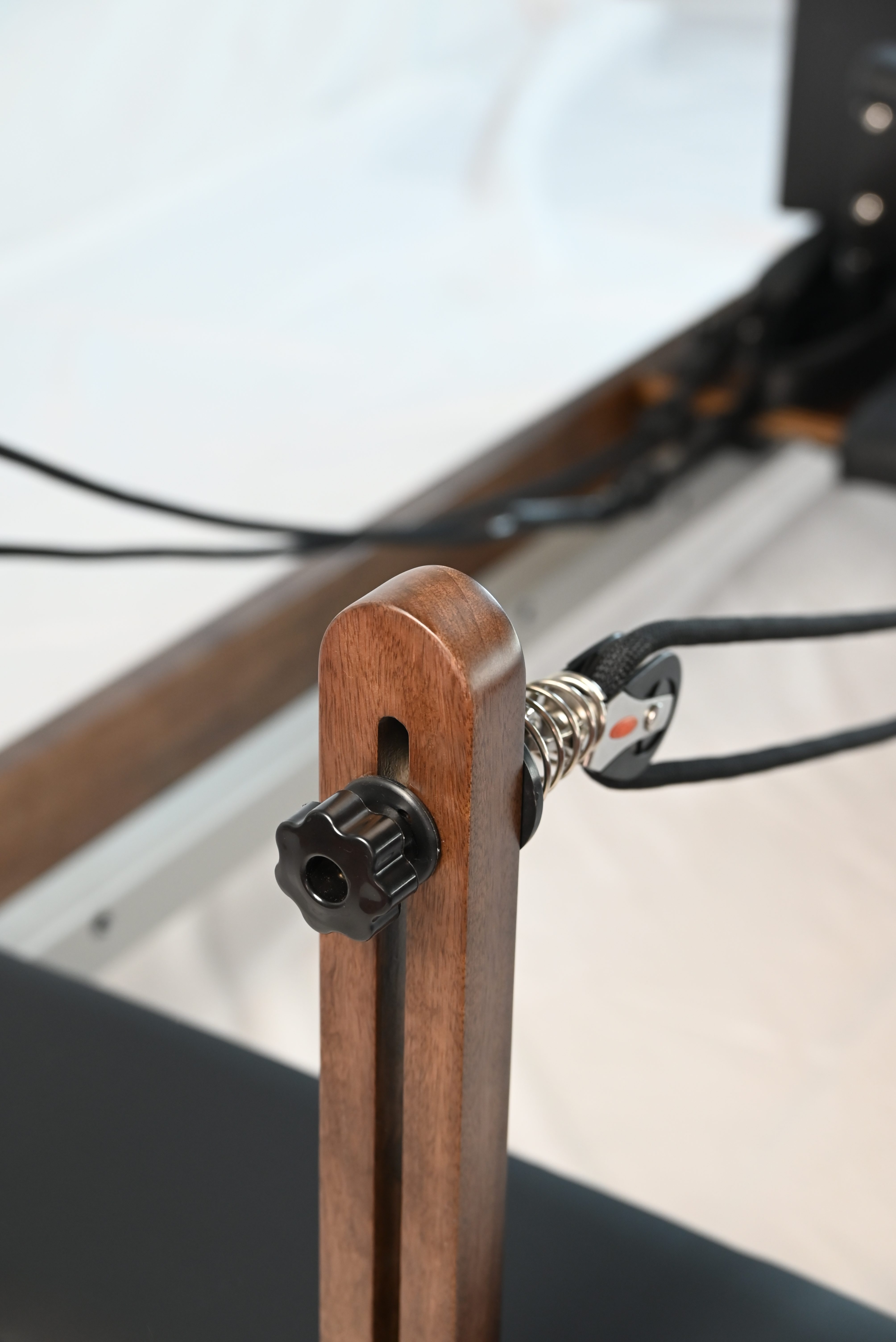
Adjustability that covers all populations. Another hallmark of classical apparatus is a high degree of adjustability. The same Reformer can accommodate virtually anyone from rehabilitation patients to professional athletes by adjusting springs, carriage position, footbar height, and shoulder rest settings. This "one machine serves a lifetime" design is the core of its long-term value.
Modularity and expandability. Classical apparatus systems are highly compatible — a Reformer can be fitted with a Tower to become a "half Cadillac," and the Wunda Chair can expand its functions with different attachments. This modular design allows studios to invest in stages and upgrade rather than scrap equipment after years of use.
II. The Modern Value of Classical Apparatus
Full-spectrum coverage from rehab to athletic performance. Classical apparatus was born in rehabilitation settings and remains a core tool in physical therapy and sports rehab today. Meanwhile, more and more professional athletes incorporate Reformers and Cadillacs into cross-training and injury prevention programs. One machine covering the full spectrum from rehab to athletic performance is something no single-function fitness equipment can achieve.
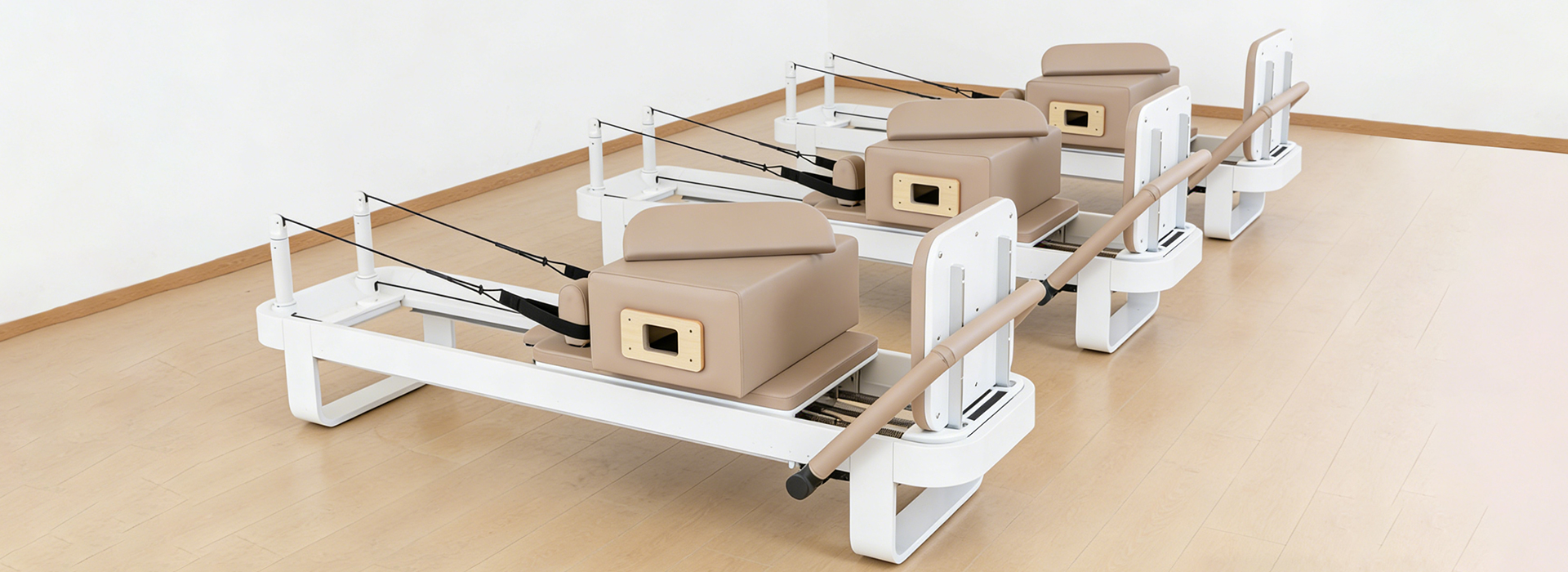
Adaptation for home settings. Traditionally considered "studio-only," classical apparatus is now accessible to home users with the emergence of foldable Reformers, compact Wunda Chairs, and portable Ladder Barrels. Premium home models retain commercial-grade core structures and adjustment functions, with optimizations in appearance and storage.
The economic logic of long-term investment. Classical apparatus typically costs more than ordinary fitness equipment, but over its full lifecycle, the cost-effectiveness is actually superior. A quality Reformer can last 10 to 20 years, with lifetime frame warranty. On resale, classical apparatus from recognized brands retains stable second-hand value. Amortized over years of use, the annual cost is often lower than frequently replaced budget equipment.
III. The Core Members of Classical Apparatus
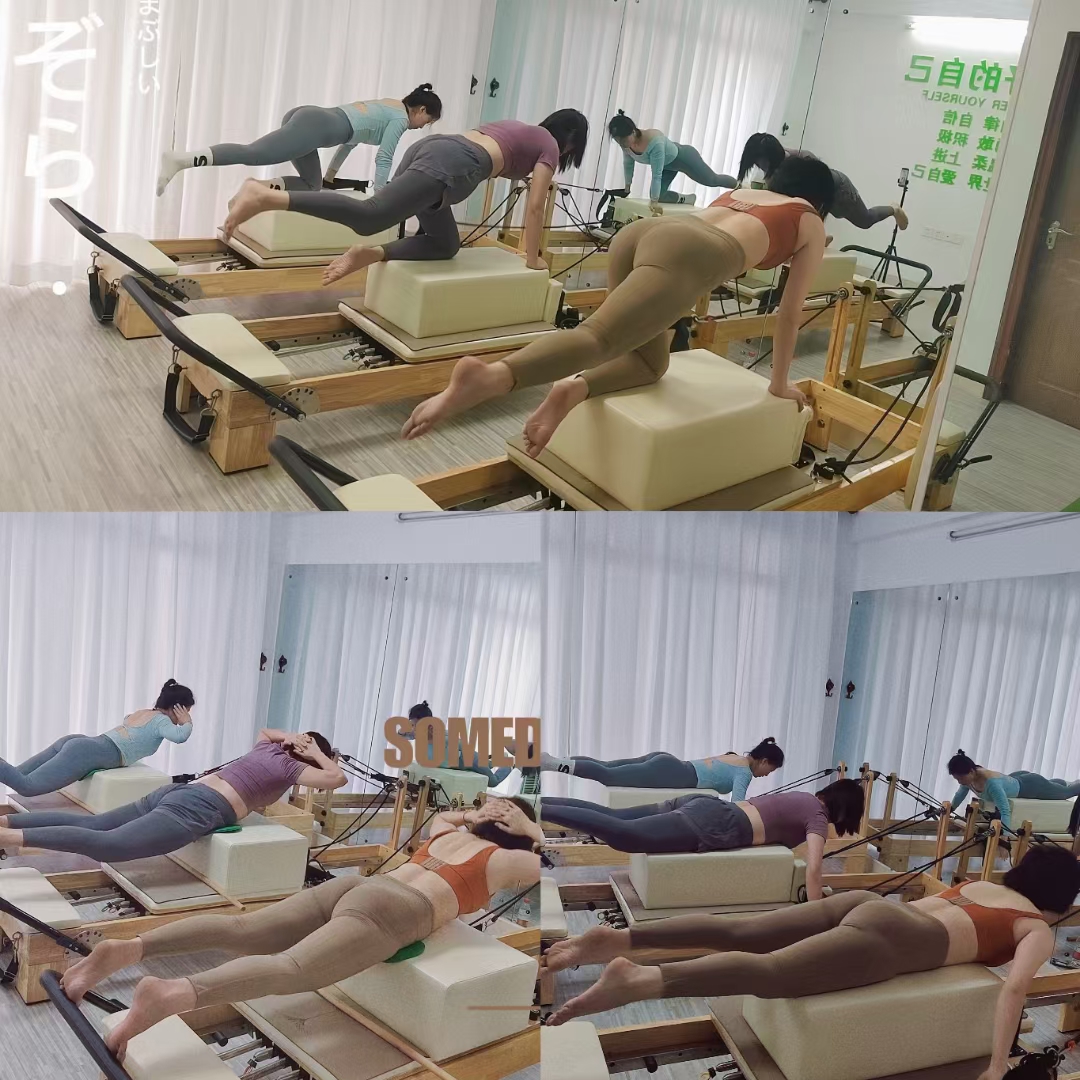
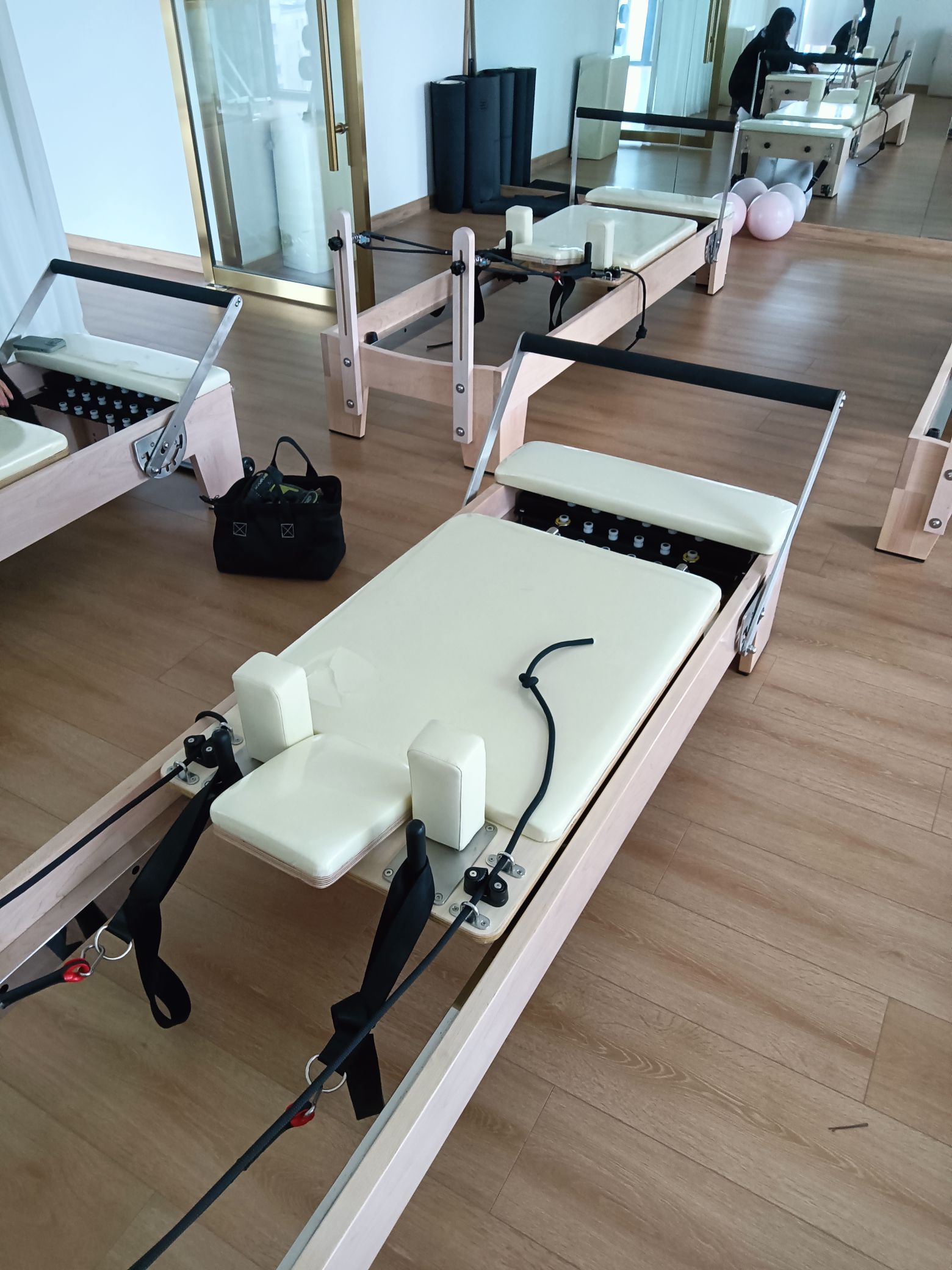
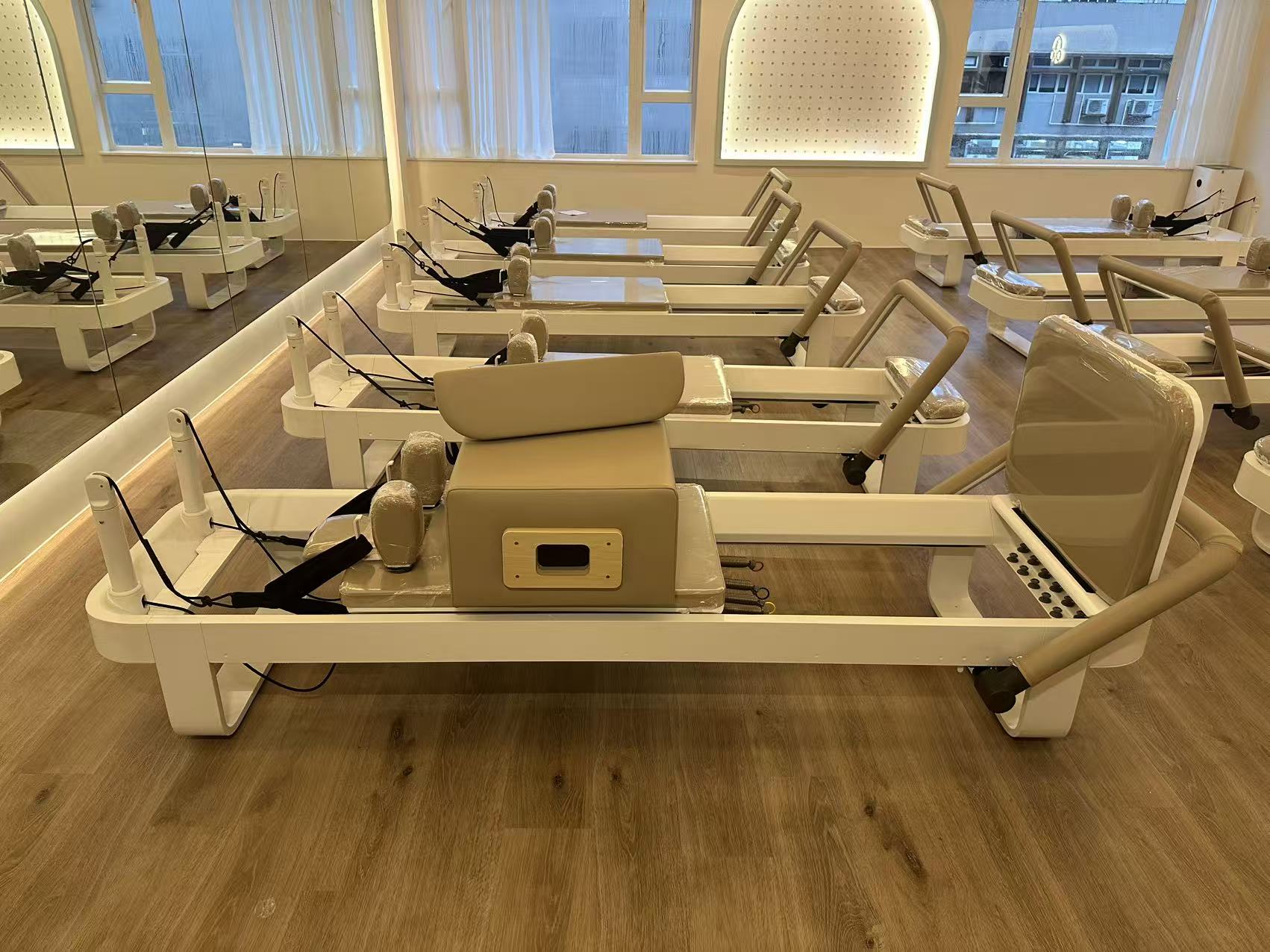
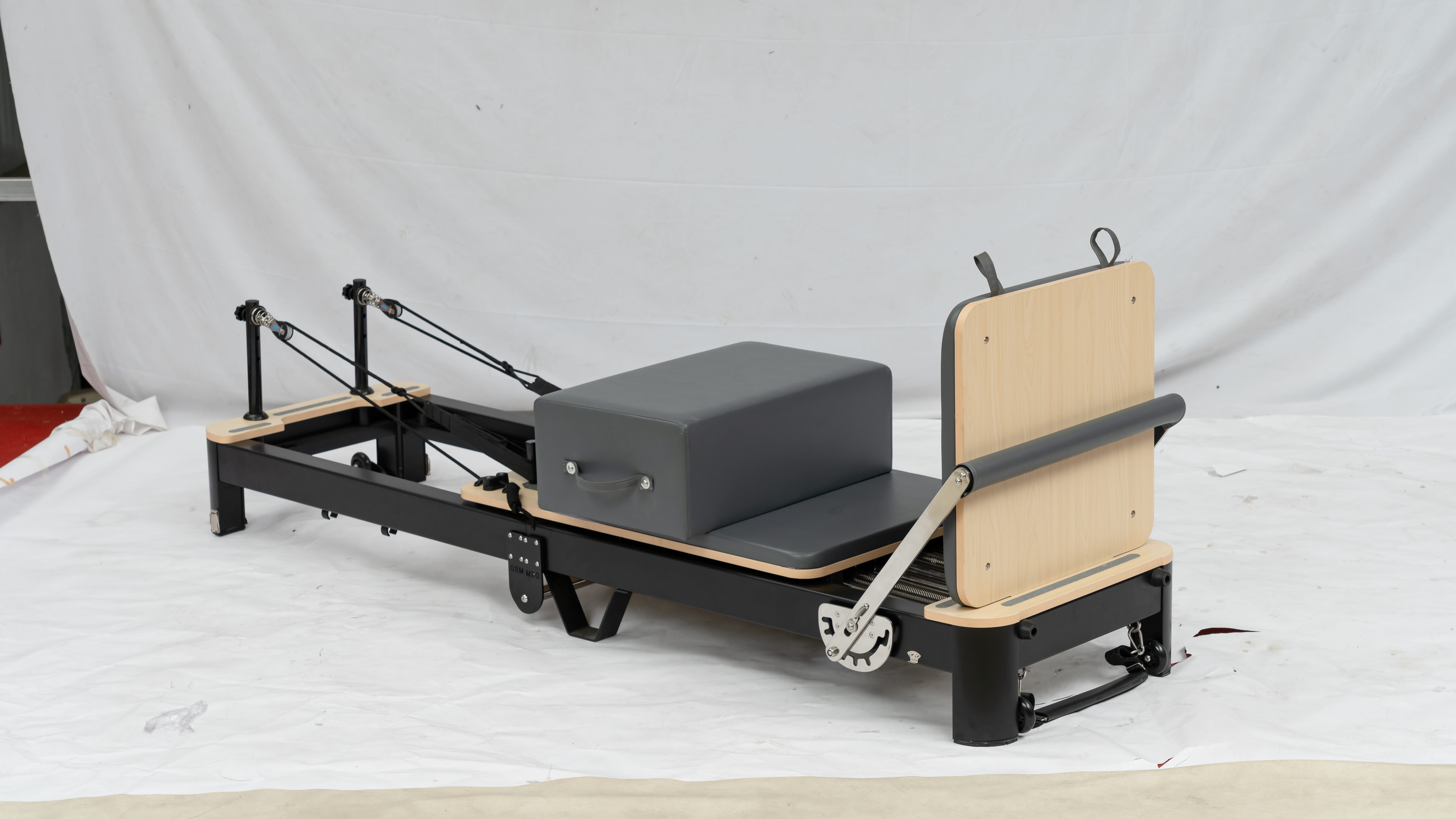
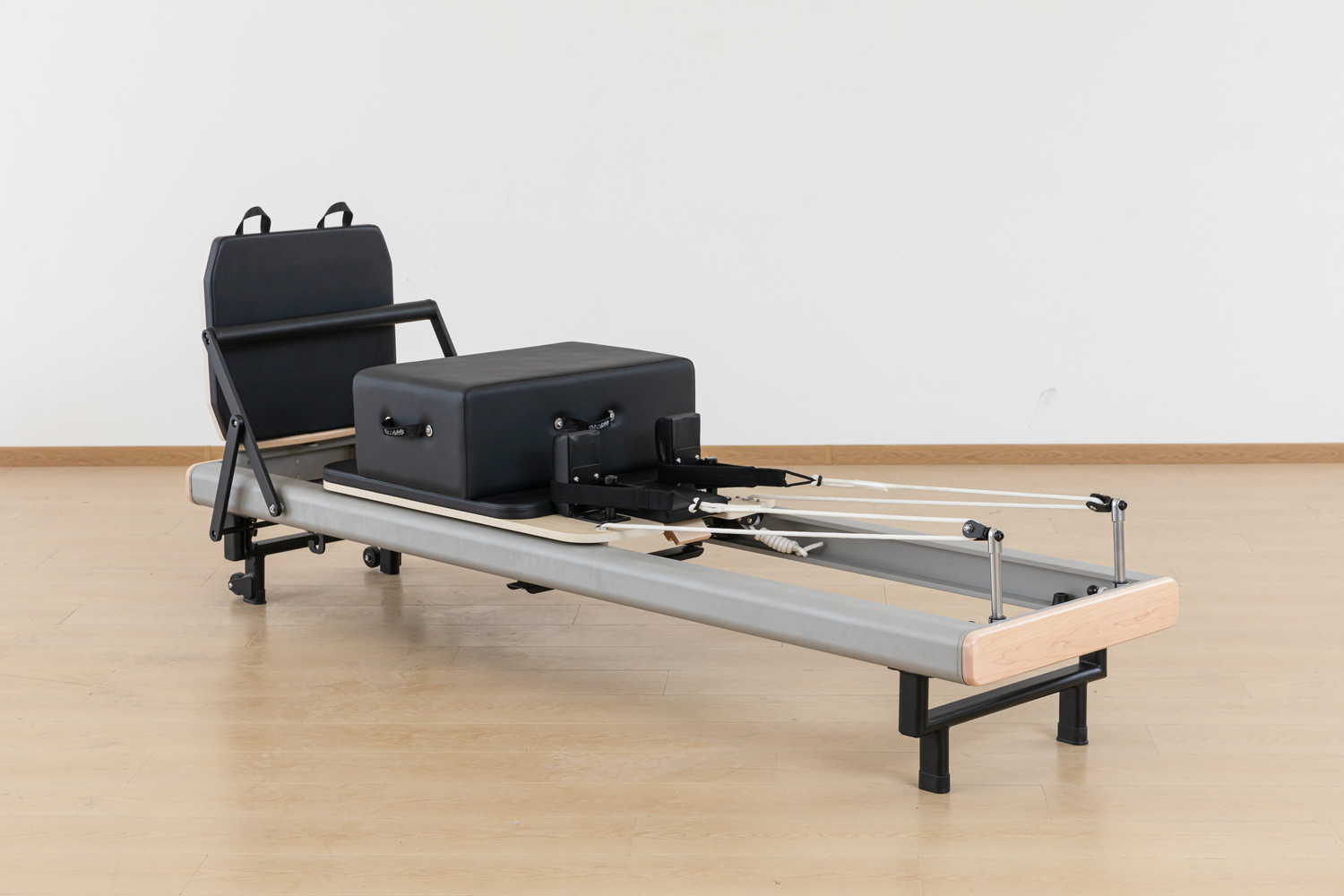
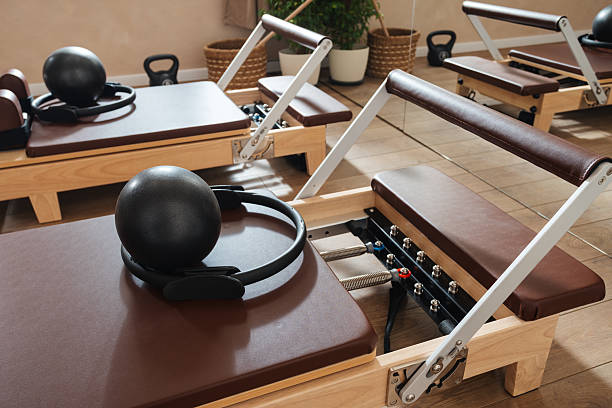
Reformer is the most iconic and widely used Pilates apparatus. Consisting of a carriage, spring resistance system, footbar, and shoulder rests, it enables hundreds of exercises. Modern Reformers retain the classical structure while adding foldable designs, Tower expansions, and digital accessories.
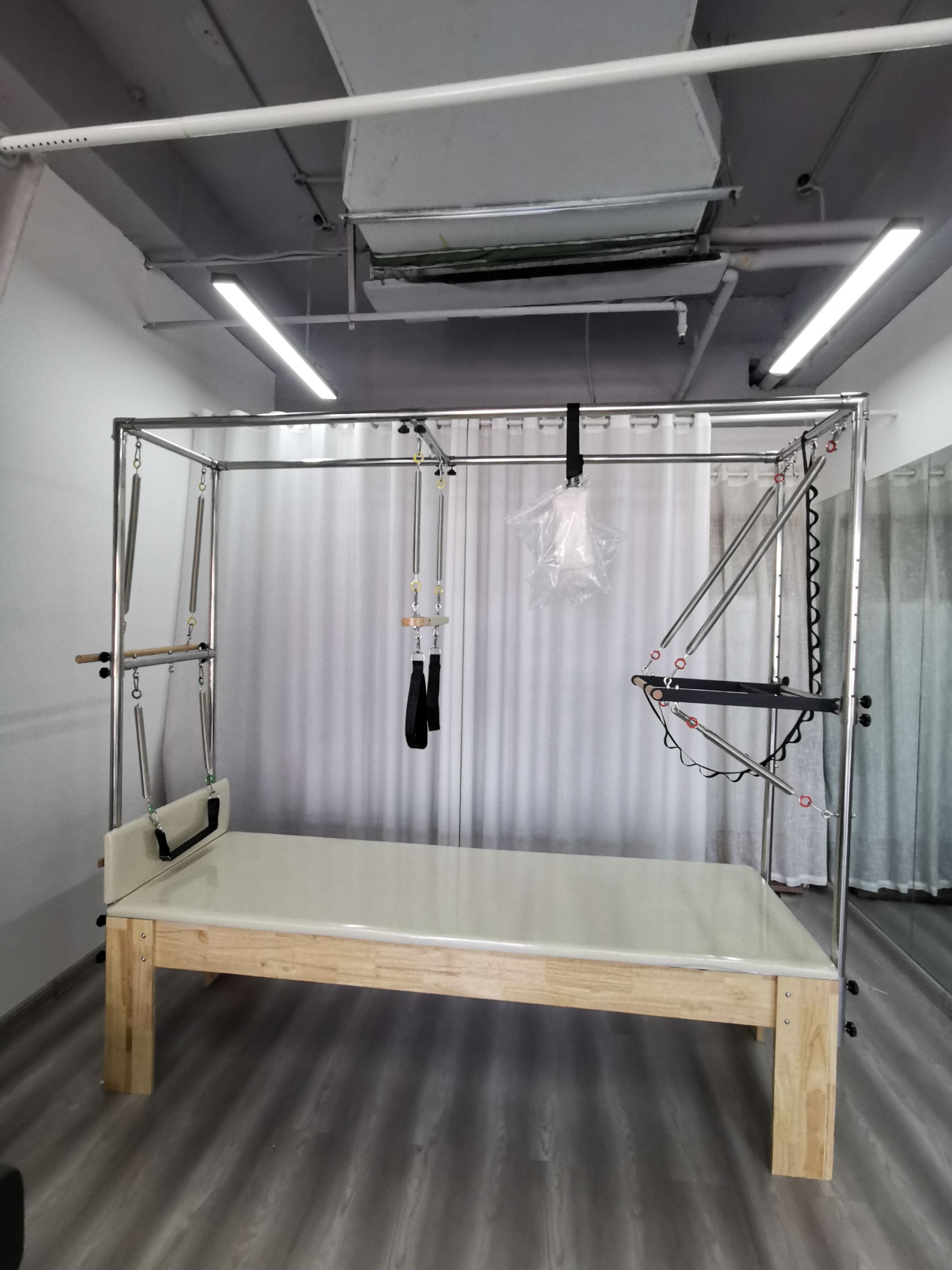
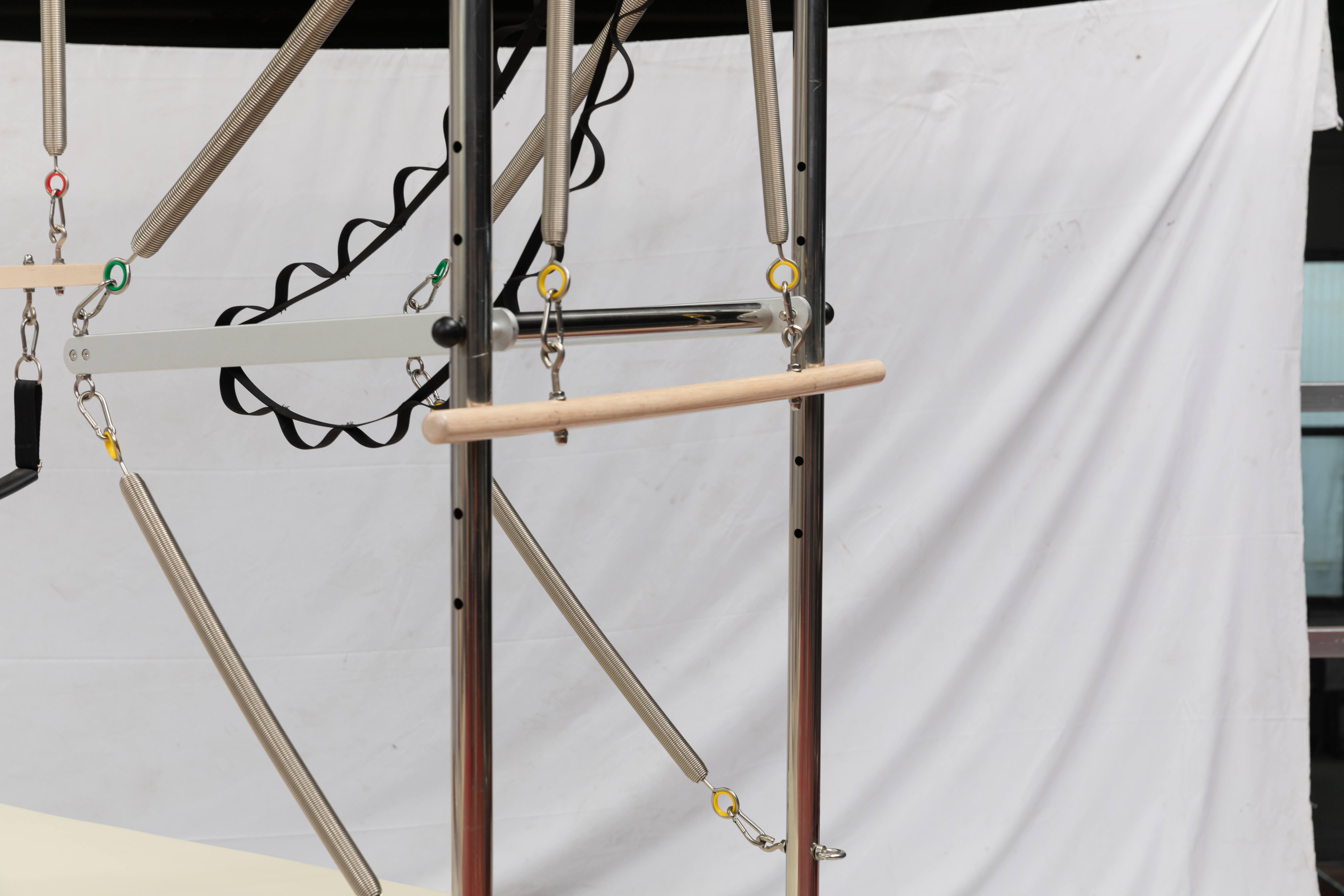
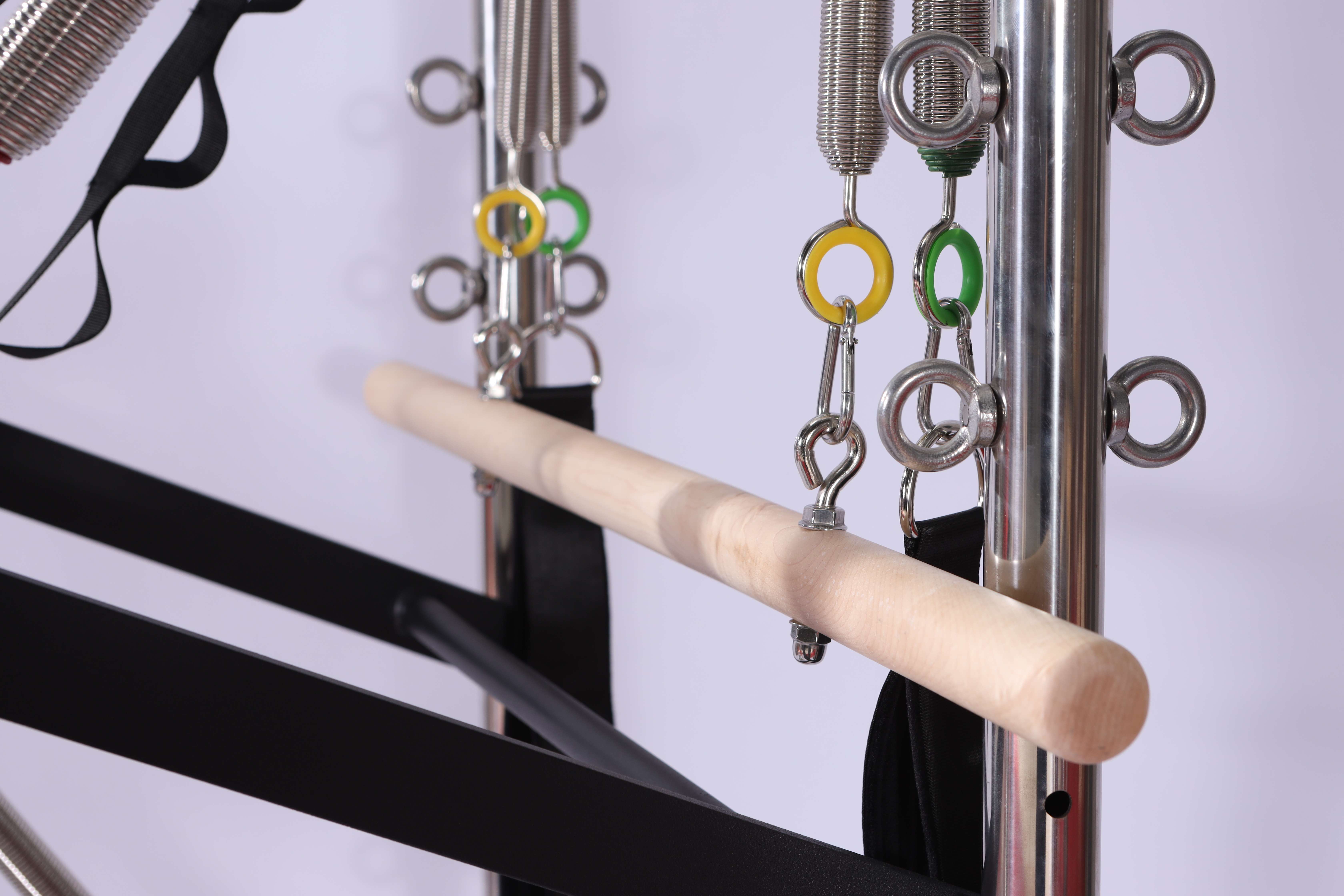
Cadillac (Trapeze Table) is the most versatile apparatus, featuring an elevated frame, hanging springs, straps, and push-through bars. It covers the full spectrum from gentle rehab to advanced suspension work — a core device for private sessions and rehabilitation programs.
Wunda Chair is compact yet powerful, focusing on seated and standing exercises. The split-pedal design allows unilateral training — an excellent tool for correcting muscle imbalances and lower body sculpting.
Ladder Barrel features an arched barrel and ladder-like frame, specializing in spinal mobility and postural correction. The barrel's curve matches the spine's natural contour, helping correct rounded shoulders and back stiffness.
Spine Corrector is lightweight and compact, focusing on segmental spinal movement and deep muscle activation. The curved design helps open the chest and improve spinal flexibility — particularly beneficial for desk workers.
IV. Choosing Classical Apparatus for Different Scenarios
Home studio: Prioritize a Reformer and Spine Corrector, then gradually add a Wunda Chair and Ladder Barrel based on space and budget. Choose foldable or compact designs to balance training quality and space efficiency.
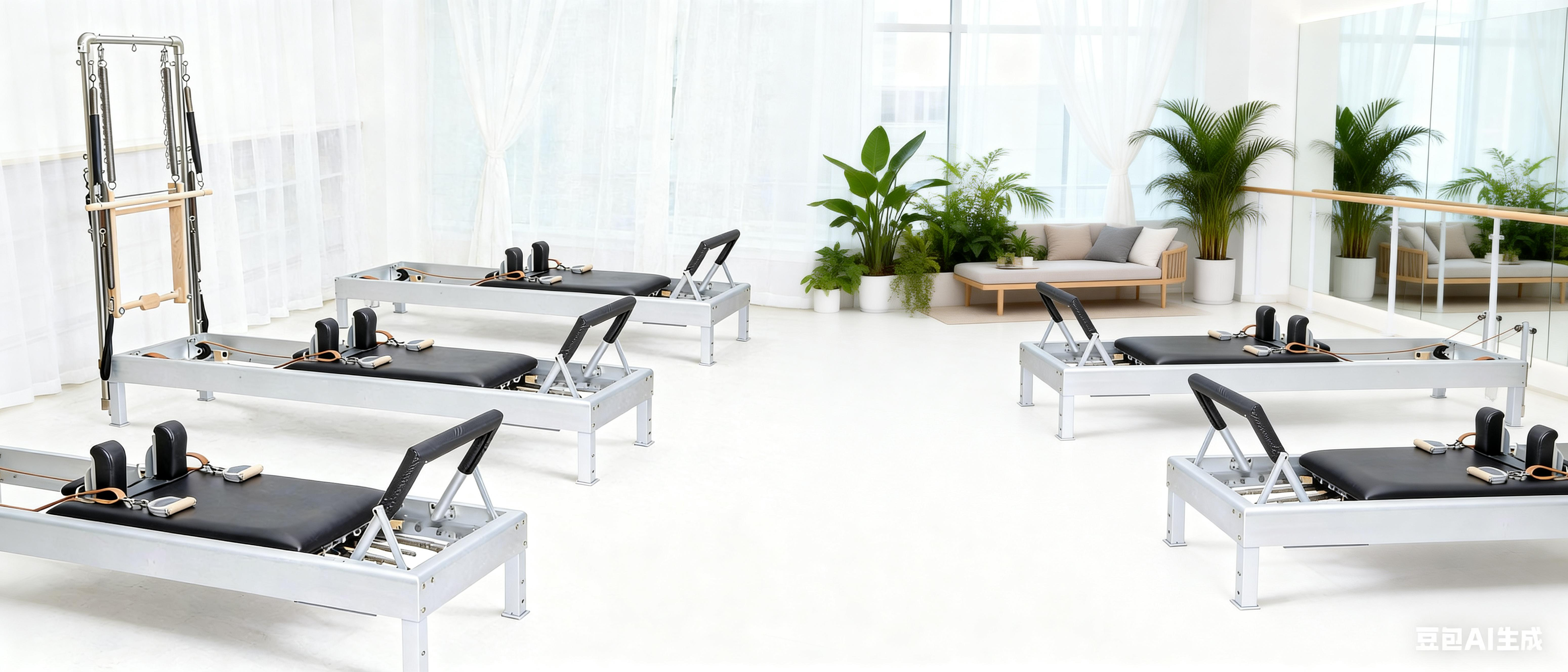
Boutique private studio: 4 to 6 Reformers plus 1 Cadillac, 2 to 3 Wunda Chairs, and 3 to 4 Spine Correctors form a complete program system. Prioritize commercial-grade durability and adjustment convenience.
Large group class studio: 8+ Reformers as the core configuration, with accessories like Jumpboards and Cardio-Tramp rebounders for class variety. Equipment must withstand high-frequency use — prioritize frame strength, spring life, and after-sales support.
Rehabilitation facility: Cadillac and Wunda Chair are core rehab devices, complemented by Reformers and Spine Correctors for a complete rehabilitation training system. Multi-position adjustments and precise feedback are especially important for rehab work.
Summary: The "timelessness" of classical Pilates apparatus is, at its core, a precise response to the essence of human movement. They are not "retro" — they are "time-tested." Whether for home users or professional studios, the core logic for choosing classical apparatus is the same — invest in long-term value, not pay for short-term features. A well-designed Reformer can accompany a family for over a decade, or support a studio through the growth journeys of hundreds of clients. That is the unique appeal of classical apparatus.