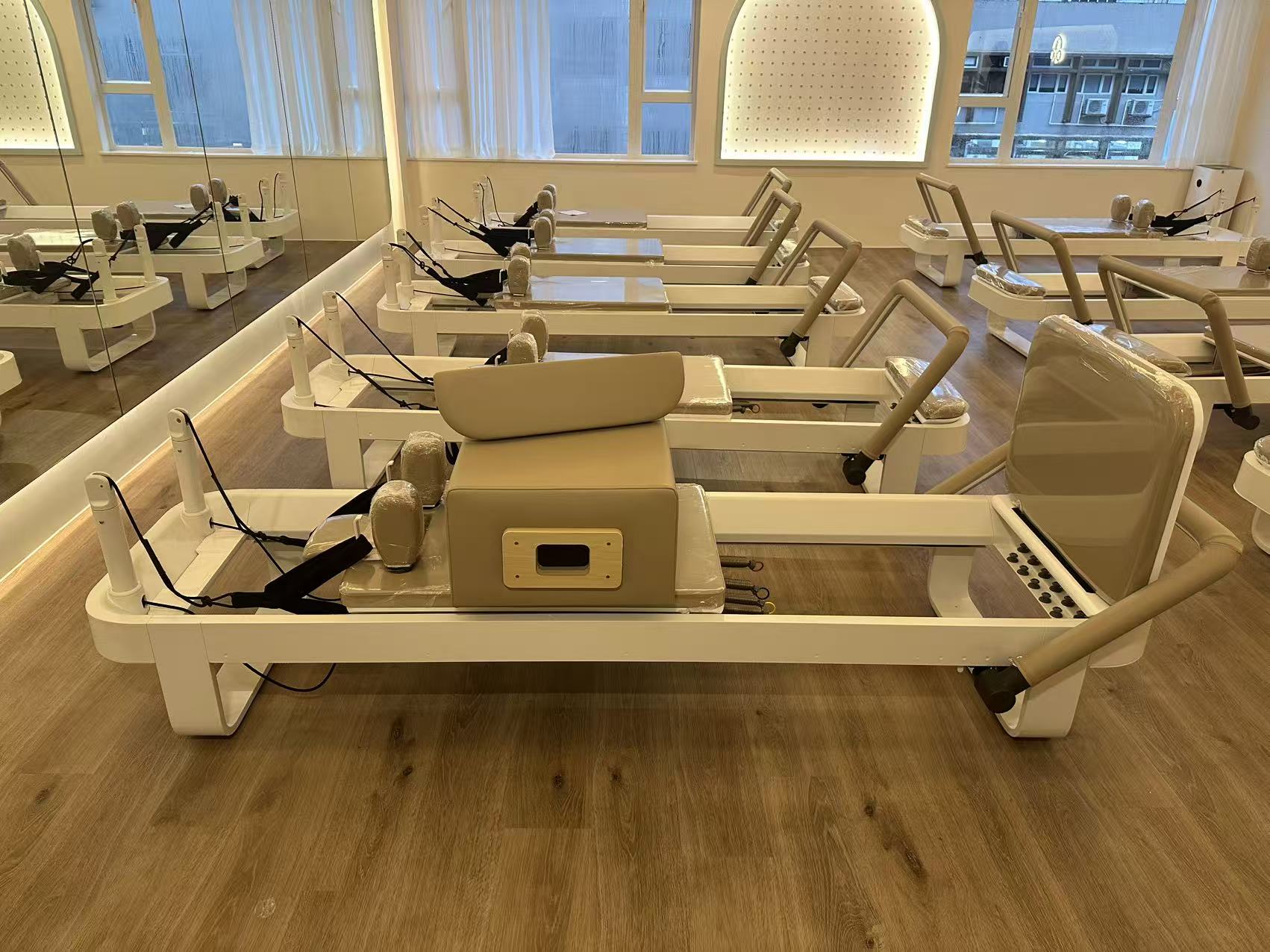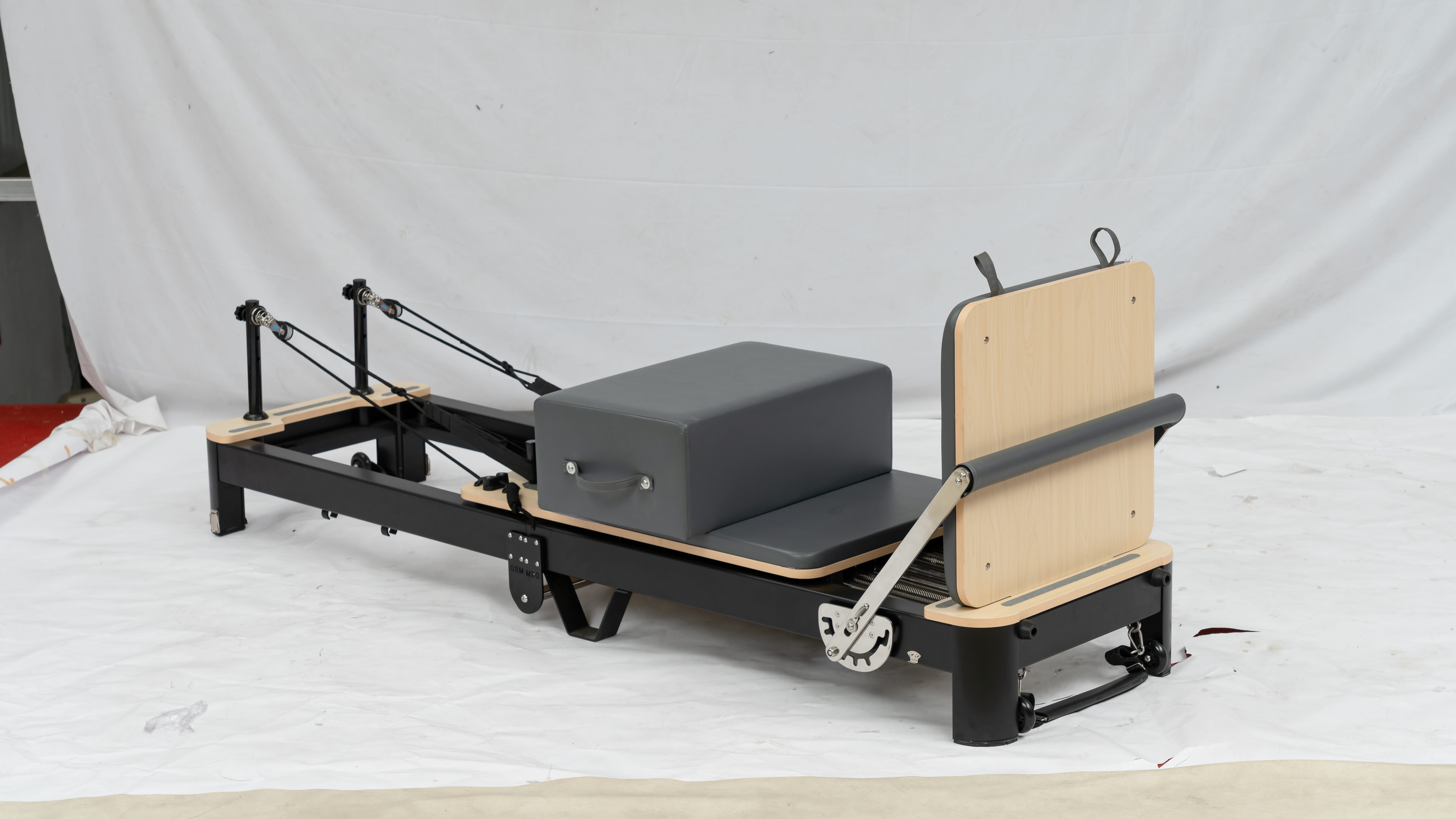
Crafted Pilates Reformer: Where Quality Meets Comfort
A truly exceptional Pilates reformer is not a sum of parts — it's a precise balance of quality and comfort. Quality determines how long it lasts and how stable it feels; comfort determines whether you want to step onto it every day. Both are essential — quality without comfort is a "cold, excellent machine"; comfort without quality is a "beautiful decoration that won't last."
A crafted Pilates reformer achieves excellence in both dimensions simultaneously.
I. Quality: Hidden in Plain Sight
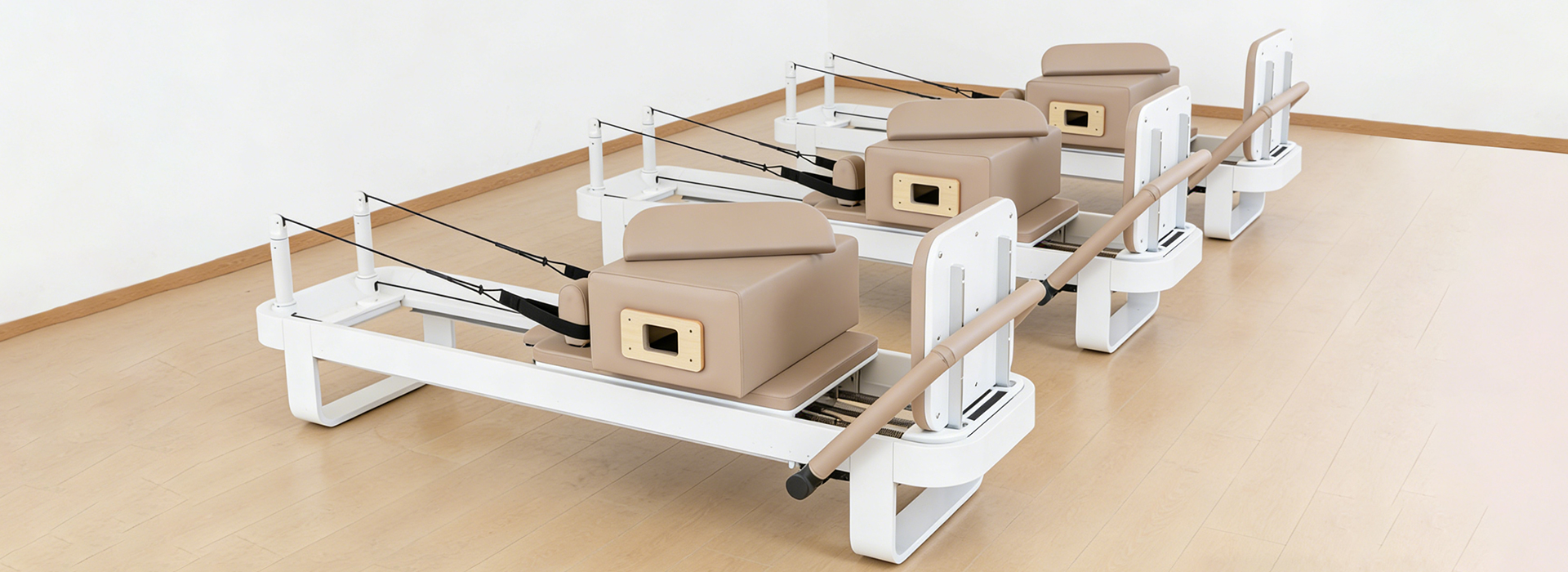
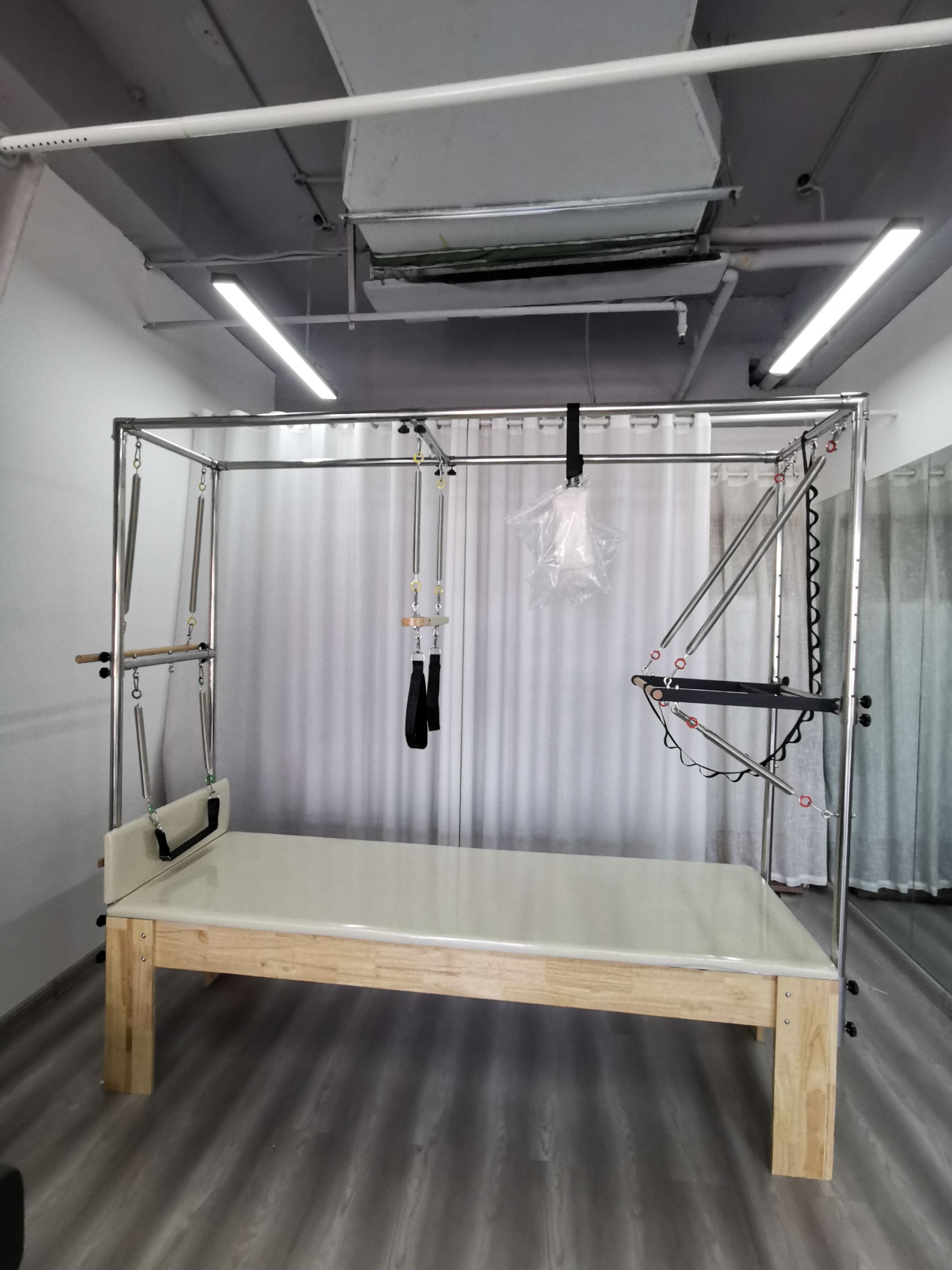
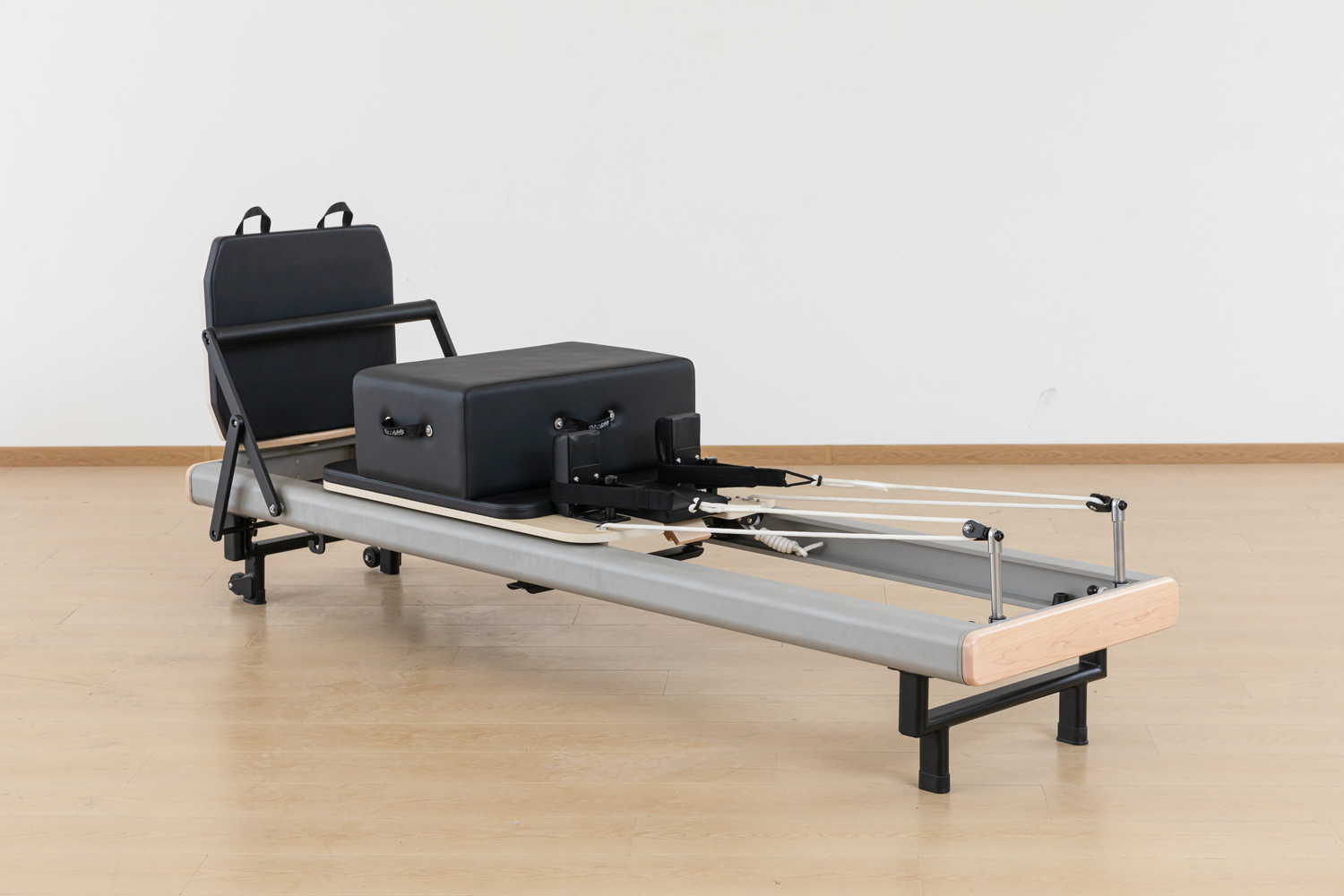
The "silent strength" of the frame. A crafted reformer's frame doesn't shout, but it determines everything. Premium models use heavy-gauge carbon steel or aviation-grade aluminum, with uniform, smooth welds and tested coating adhesion and uniformity. Shake the frame — the entire machine is rock-solid. This stability isn't achieved by piling on weight; it's the result of structural design and manufacturing precision.
Solid wood frames use North American maple, oak, or beech, rigorously kiln-dried (moisture content below 8%), assembled with mortise-and-tenon joinery or precision joints. Different woods offer different characters — maple is bright and fine-grained, oak is grounded and substantial, beech is warm and solid. Wood's natural damping properties also absorb vibration and noise during gliding.
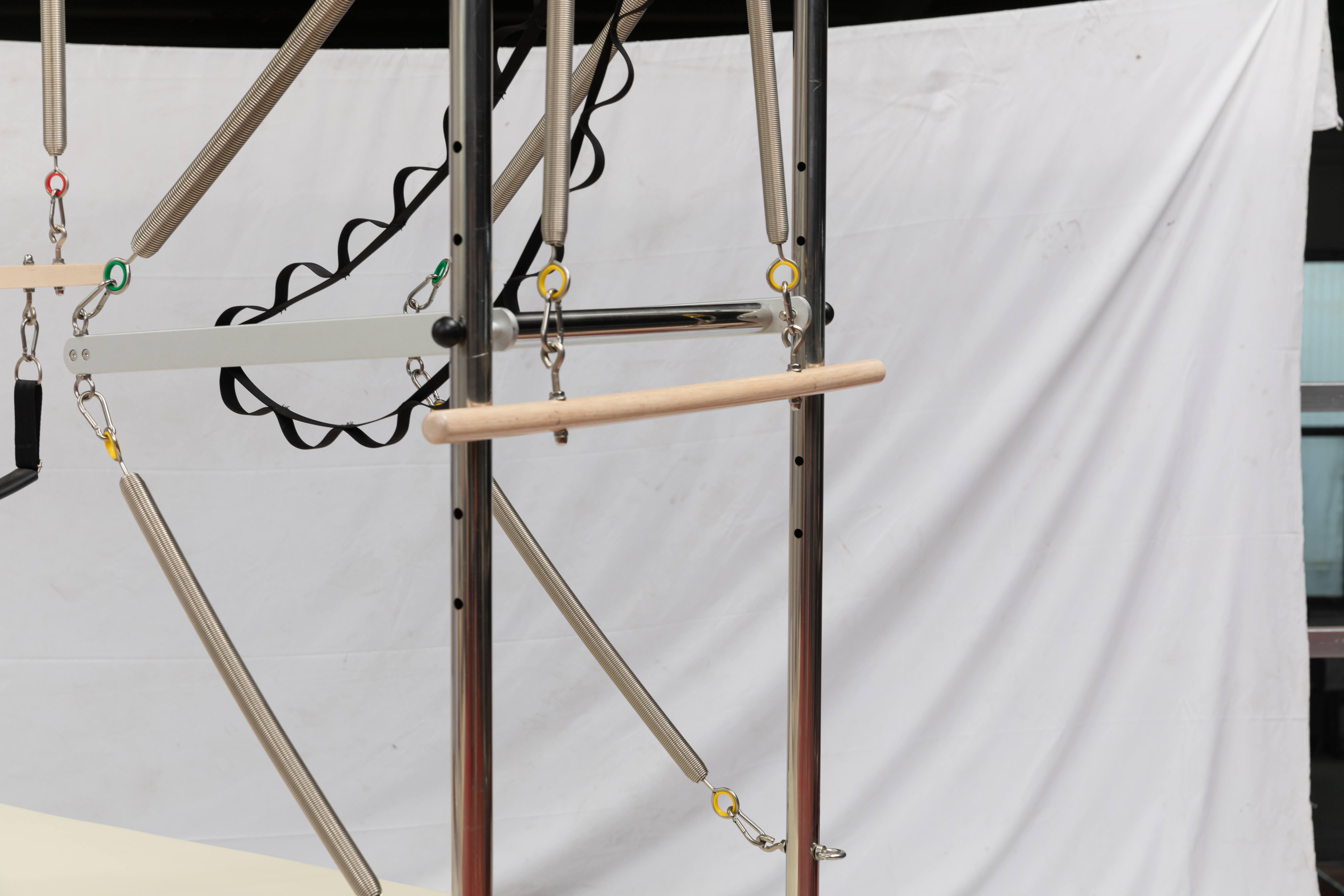
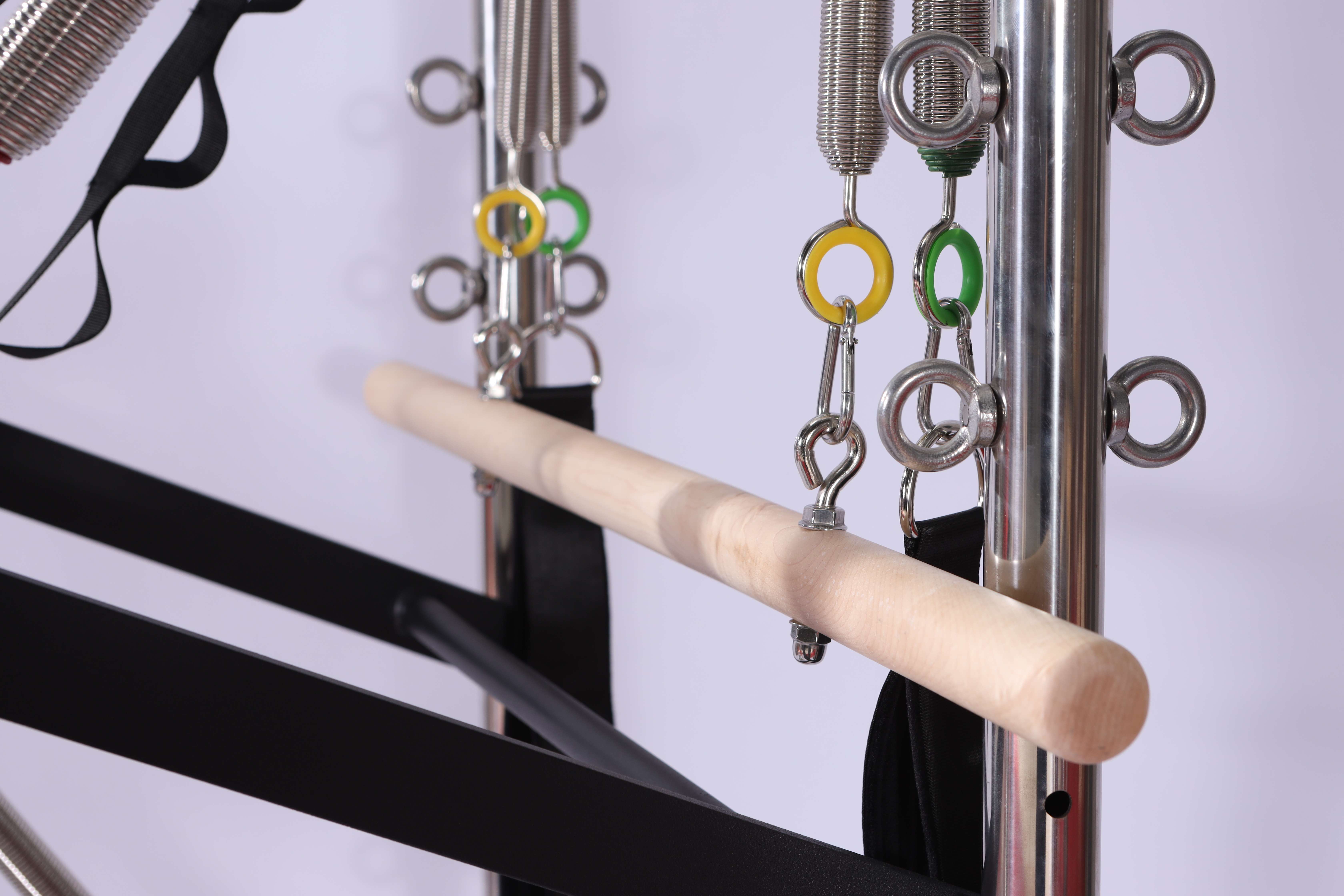
The "linear soul" of springs. Crafted reformers use German or Japanese imported piano wire springs, rigorously heat-treated to eliminate residual stress. Force consistency is extremely high — same-spec springs on the same machine feel virtually identical. From initial stretch to full extension, resistance increases in a smooth, linear curve — no sudden "snags," no "loose-then-tight" jarring. This linear feel is the foundation of precise training.
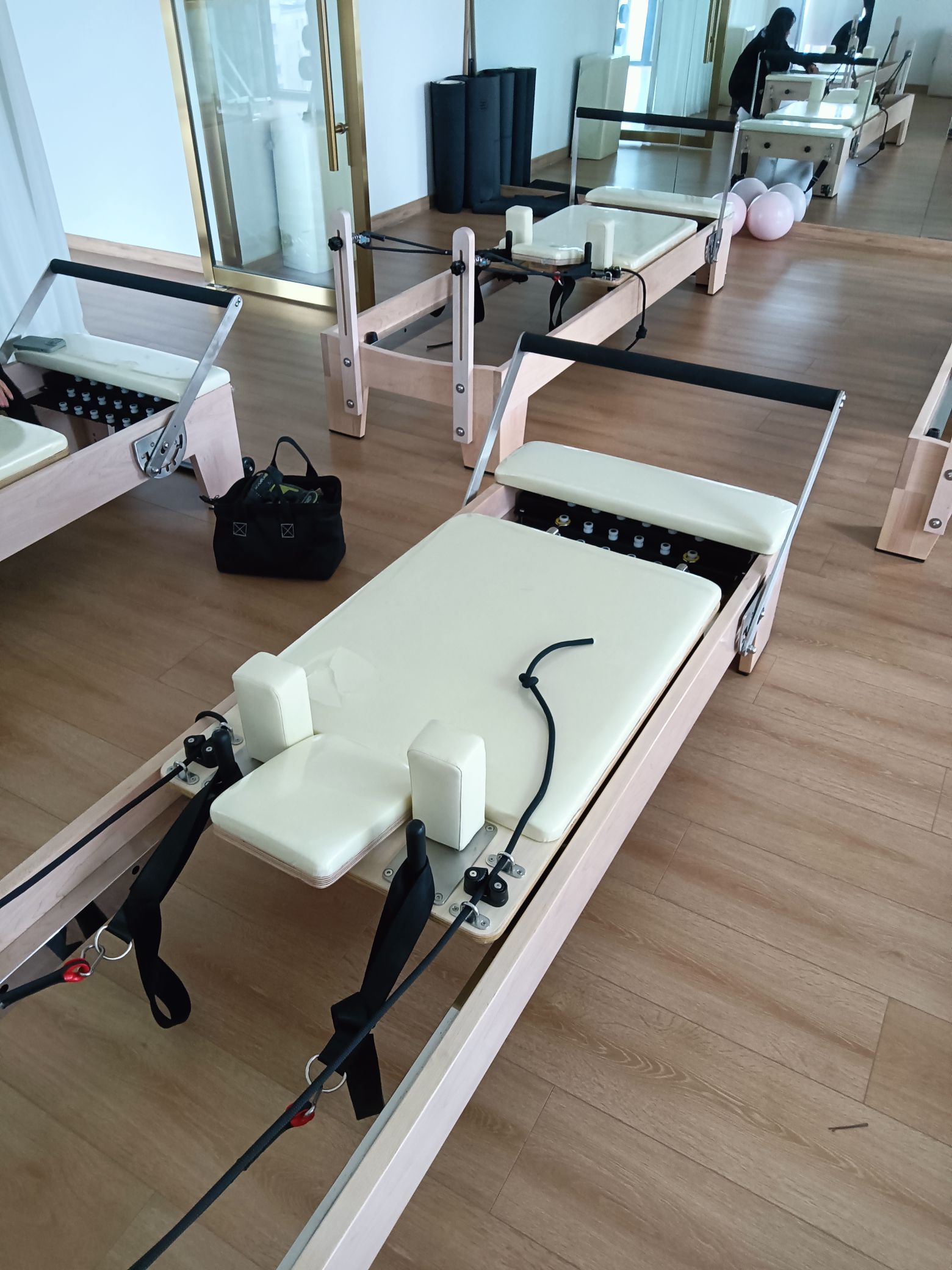
The "silent beauty" of glide. The glide experience of a crafted reformer can be summed up in one word: "imperceptible" — no gritty friction, no "clunking" at rail joints, no metal-on-metal wheel noise. This smoothness comes from precision-machined aluminum rails, sealed-bearing silent wheels, and tightly controlled assembly tolerances. In a quiet practice environment, you hear nothing but the natural sound of springs stretching.
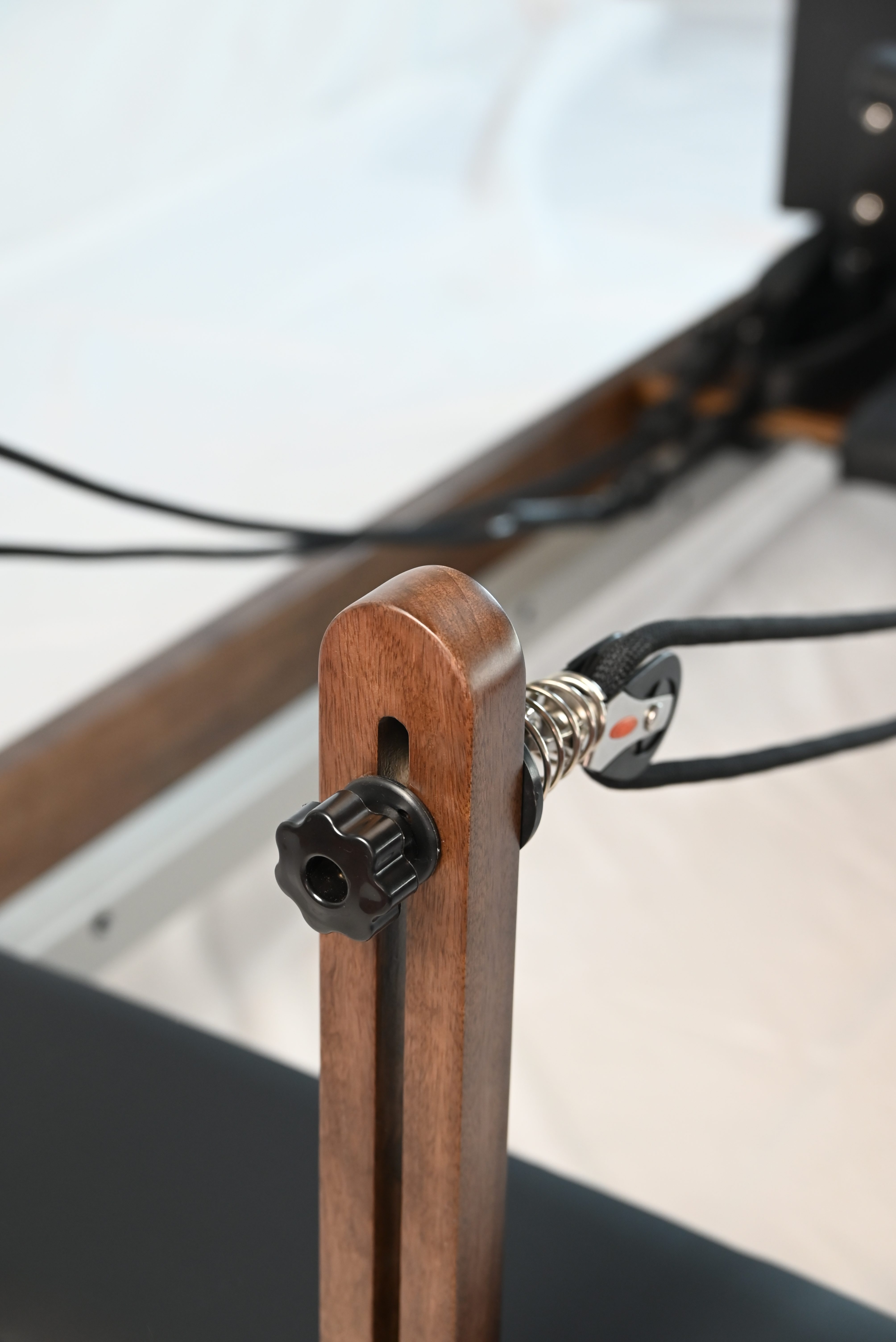
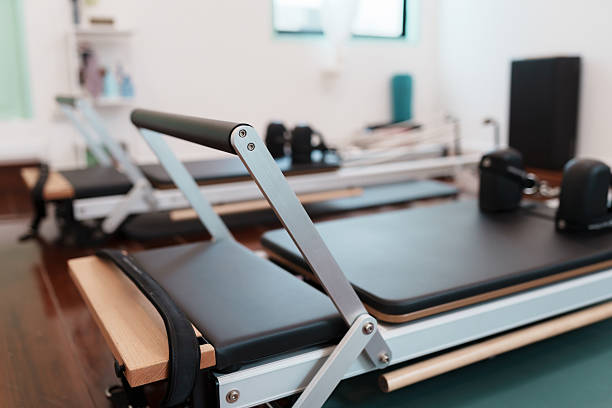
Obsessive attention to detail. Crafted quality shows in every detail — the footbar locks smoothly at every position, headrest angle adjustment is neither loose nor tight but "just right," shoulder rests are precisely positioned and stable, rope and pulley systems run smoothly without noise. These details seem insignificant individually, but together they represent the entire gap between "it works beautifully" and "it works okay."
II. Comfort: A Gentle Response to Every Contact
The "embrace" of upholstery. Crafted reformers use high-density foam (≥45kg/m³) that rebounds quickly without leaving indentations. Foam firmness is carefully calibrated — too soft loses support, too hard presses on bones. Crafted upholstery "supports" the body just right — neither sinking in nor digging in.
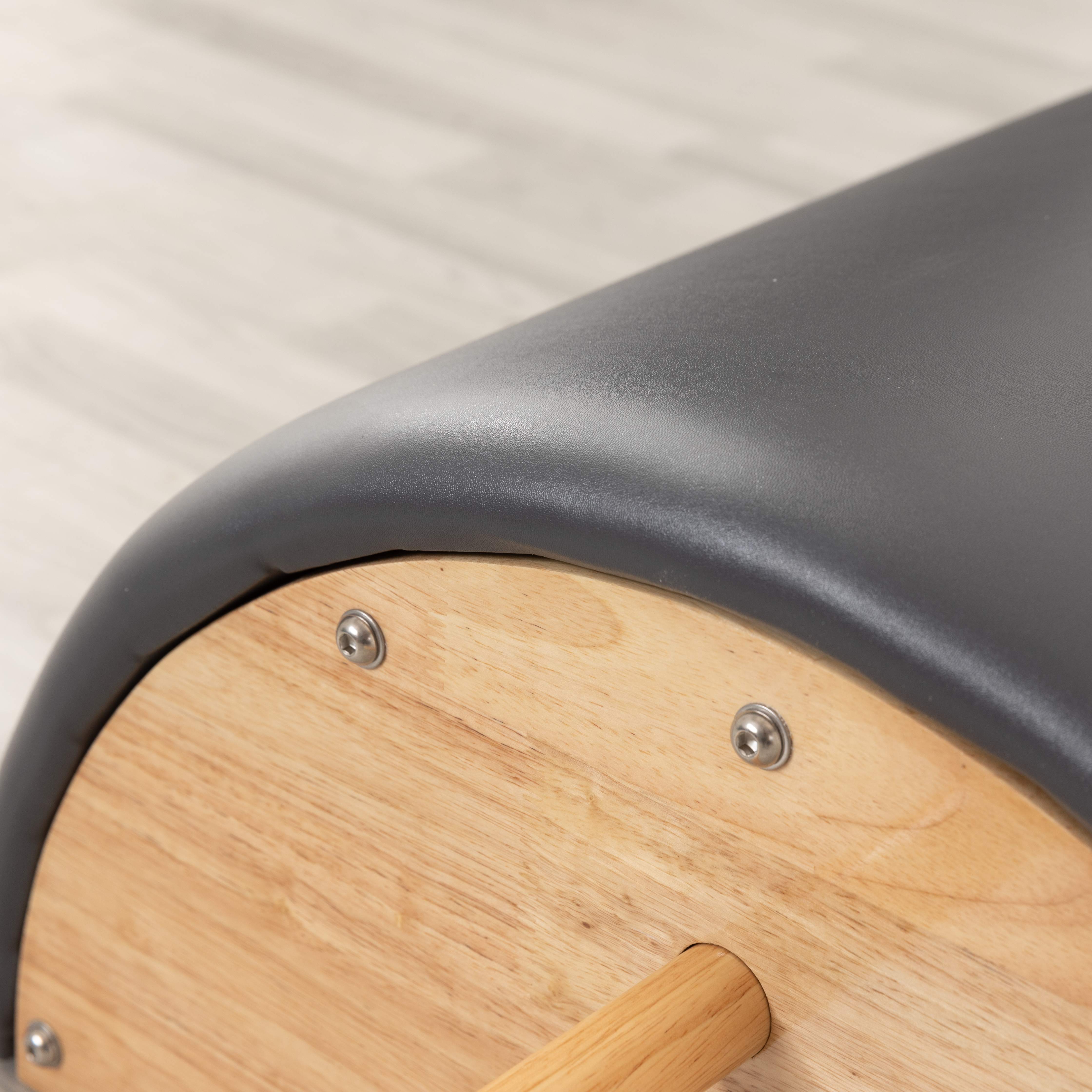
Leather uses high-wear PU (Martindale >50,000 cycles) with a smooth surface, natural texture, and warm touch. Stress-bearing seams are double-stitched with even, uniform stitching — not just for aesthetics, but to prevent splitting over years of use. Leather bonds tightly to foam with no looseness or hollow spots.
Invisible ergonomic care. Crafted reformers incorporate extensive ergonomic research — the headrest curve matches the cervical spine, shoulder rest position and angle reduce shoulder pressure, and footbar width and grip pattern ensure even foot pressure. These design elements are "unnoticeable" during practice — until you switch to a budget machine and immediately feel the difference.
The "effortless" feel of adjustment. Comfort isn't just physical contact — it's also operational ease. Crafted footbar adjustment is smooth and effortless, headrest angle adjustment is neither loose nor tight, shoulder rest removal and locking is crisp and clean. These operations may be repeated dozens of times per class — effortless adjustment lets both instructors and clients focus on the training itself.
III. The Balance of Quality and Comfort: Crafted "Long-Termism"
The design philosophy of a crafted reformer isn't about maximizing any single dimension — it's about finding the optimal balance between quality and comfort.
Quality ensures comfort lasts. Comfort without quality is temporary — cheap upholstery collapses within months, cheap springs lose tension within weeks, cheap rails start sticking soon after. Crafted quality ensures that comfort remains "like new" after years of use.
Comfort enhances the quality experience. Quality without comfort is cold — a machine that glides precisely but feels uncomfortable to sit on won't be used daily. Crafted comfort makes the high-quality training experience "approachable."
The value of long-termism. Crafted reformers are designed for a lifespan exceeding ten years. During that decade, they don't need frequent repairs, complete spring replacements, or worry about frame deformation affecting training. This "same as day one" stability is the ultimate expression of quality-comfort balance.
IV. Who Is a Crafted Pilates Reformer For?
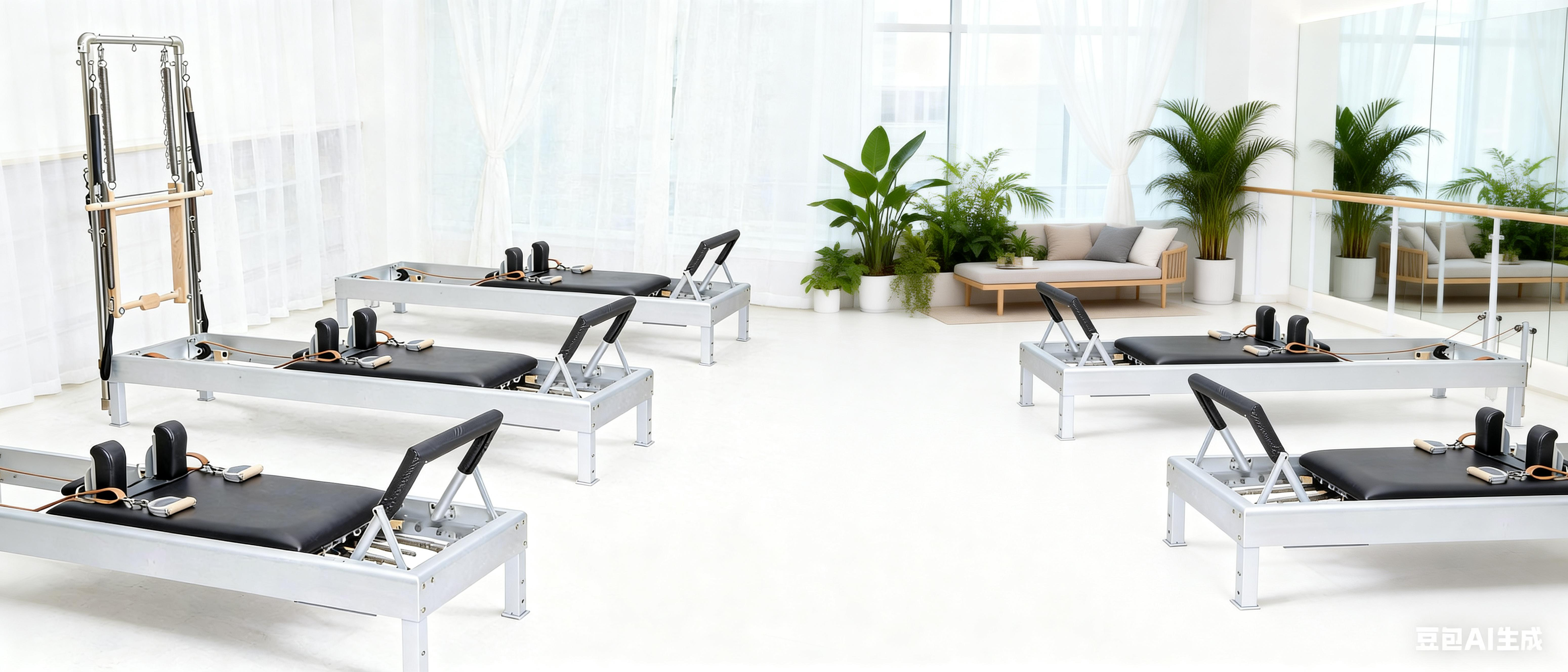
Studios that prioritize training quality: For commercial studios with 8+ hours of daily use, crafted durability and stability are essential. Frequent repairs and downtime impact revenue and damage brand reputation.
Home users who make Pilates part of life: If you practice 4+ times weekly and plan to continue long-term, both the experience improvement and long-term economics of crafted equipment are worth considering. A crafted reformer can accompany a practitioner through a decade-plus Pilates journey.
Practitioners who notice the details: If you can feel the subtle differences in glide, the linearity of spring feel, the support of upholstery — the crafted experience of "every practice feels just right" is exactly what you're looking for.
Summary: The value of a crafted Pilates reformer lies in fusing two seemingly opposing concepts — quality and comfort — into one. Quality makes equipment last; comfort makes practice enjoyable. Craftsmanship isn't a marketing phrase — it's embodied in the smoothness of welds, the linear feel of springs, the silence of glide, the support of upholstery, and the "effortless" feel of every adjustment position. A crafted reformer is a studio's promise to its clients and a practitioner's long-term investment in themselves.