Pros and Cons of OEM Pilates Equipment Branding for European Importers
For European fitness importers, distributors, and studio chain operators, OEM private labeling has become a mainstream strategy to compete in the booming Pilates equipment market. OEM branding allows buyers to customize logos, upholstery colors, packaging, and product details based on local market demands, instead of selling generic factory-branded products. While customized OEM Pilates lines bring higher profit margins and brand independence, they also come with hidden challenges including MOQ thresholds, quality control risks, and compliance pressure. This article comprehensively analyzes the core pros and cons of OEM Pilates equipment branding, helping European importers make rational and profitable sourcing decisions.
Core Advantages of OEM Pilates Equipment Branding
- Higher Profit Margins Without Intense Price Competition
Generic unbranded or factory-branded Pilates machines face severe homogenization and price wars across the European market. Most wholesale distributors can only compete on low prices, resulting in thin profit margins. With OEM private labeling, importers build their exclusive brand identity locally. Customers recognize the local brand rather than the overseas manufacturer, which effectively prevents cross-border price comparison and vicious competition. Private-label Pilates equipment supports premium pricing while maintaining stable sales volume, greatly improving overall profit space for distributors.
- Independent Brand Assets and Long-Term Local Market Barriers
Building an independent brand is the biggest long-term value of OEM cooperation. European importers who adopt OEM branding no longer rely on the popularity of Chinese factory brands. As local fitness studios, training institutions, and retail customers gradually recognize their private label, stable brand reputation and customer loyalty are formed. For long-term business development, independent brand assets help importers expand regional market share, develop chain studio clients, and even realize local brand iteration and market scaling in subsequent years.
- Customized Adaptation to European Local Market Preferences
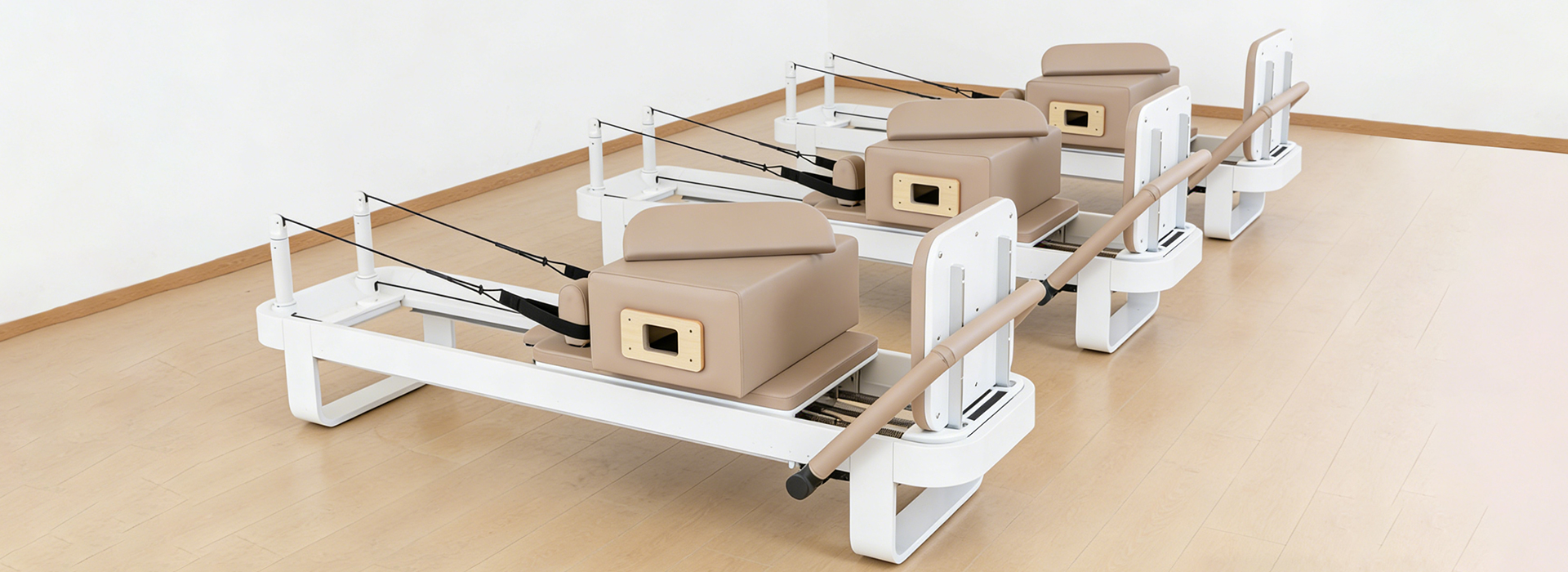
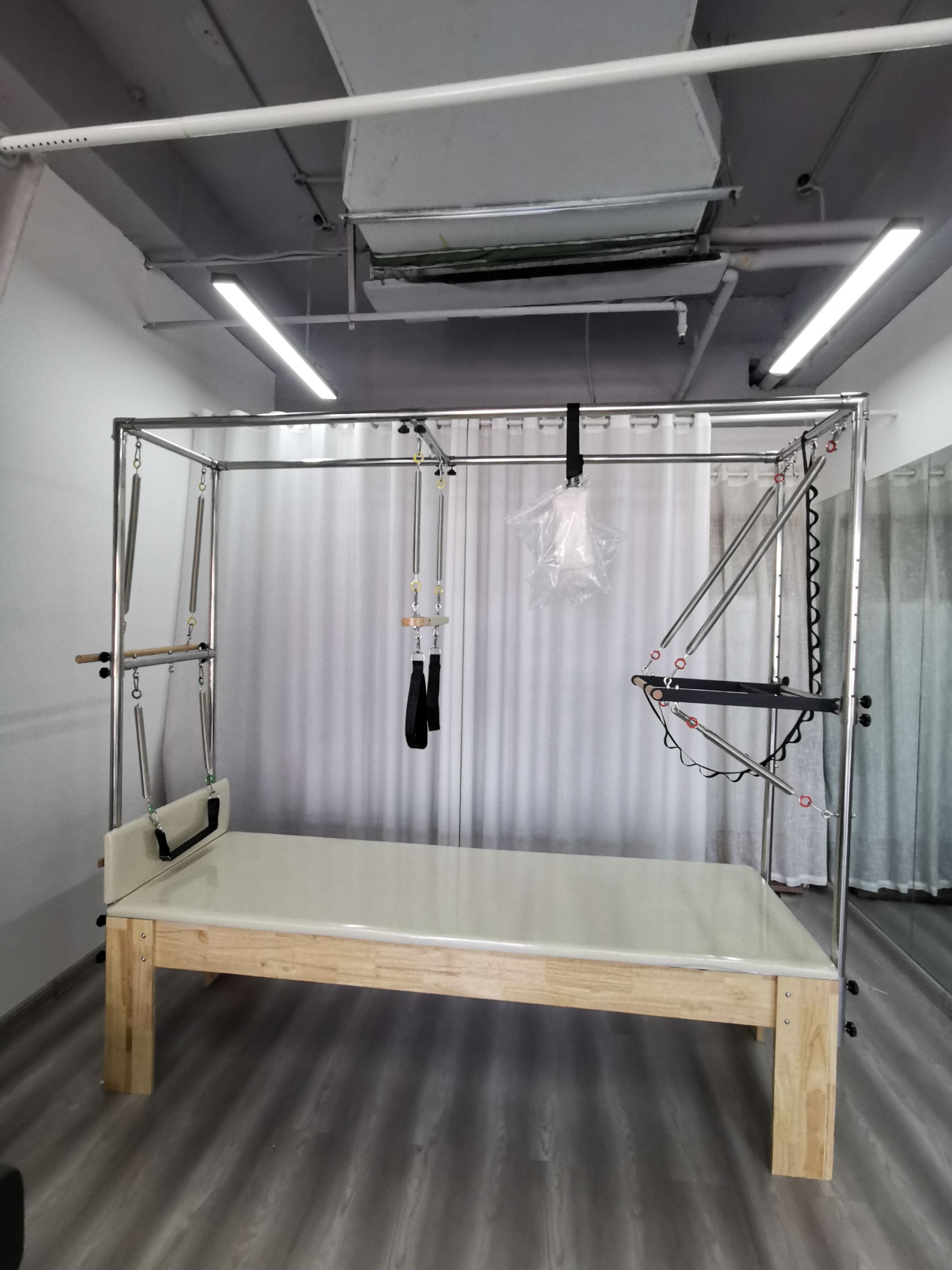
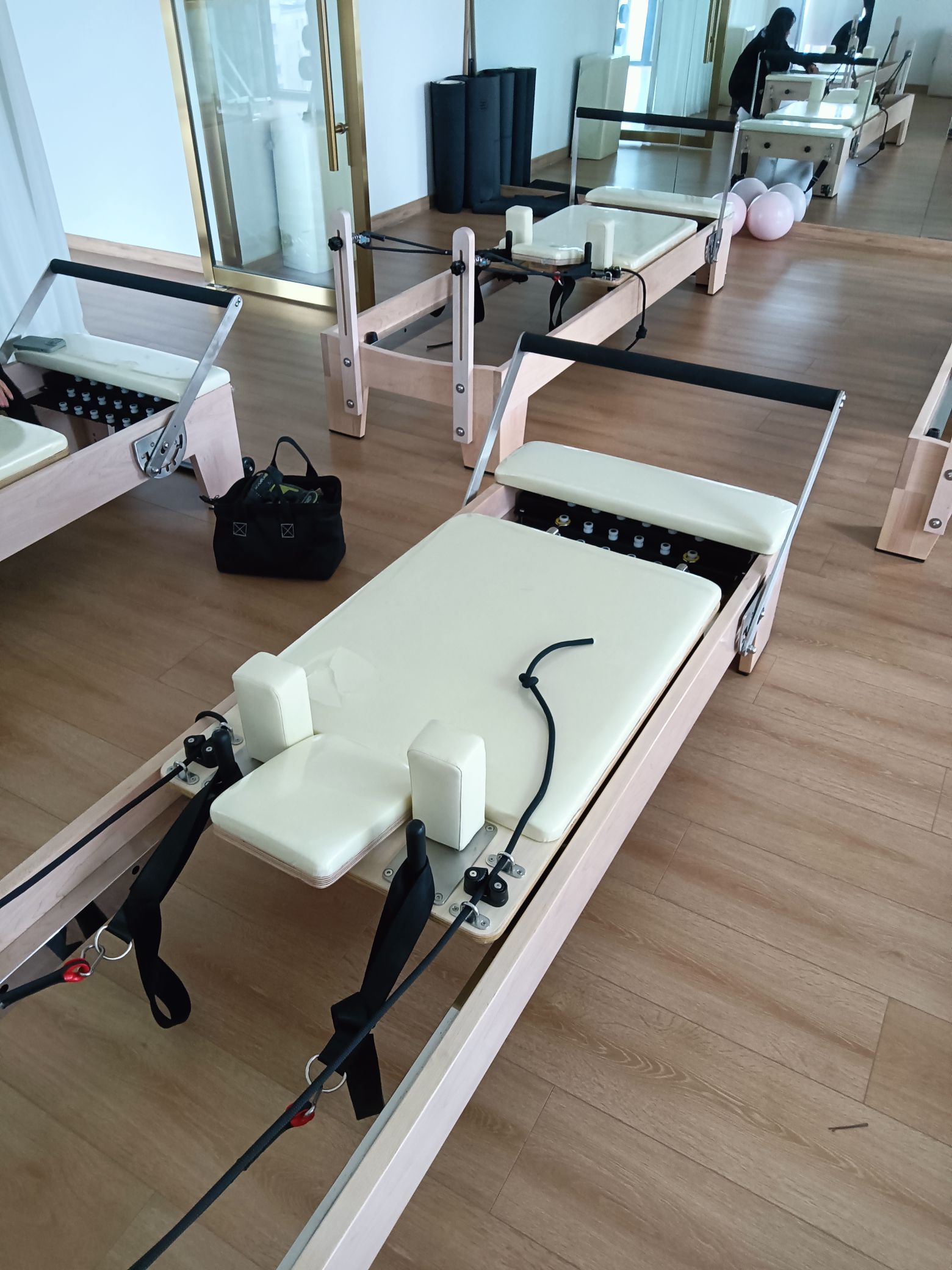
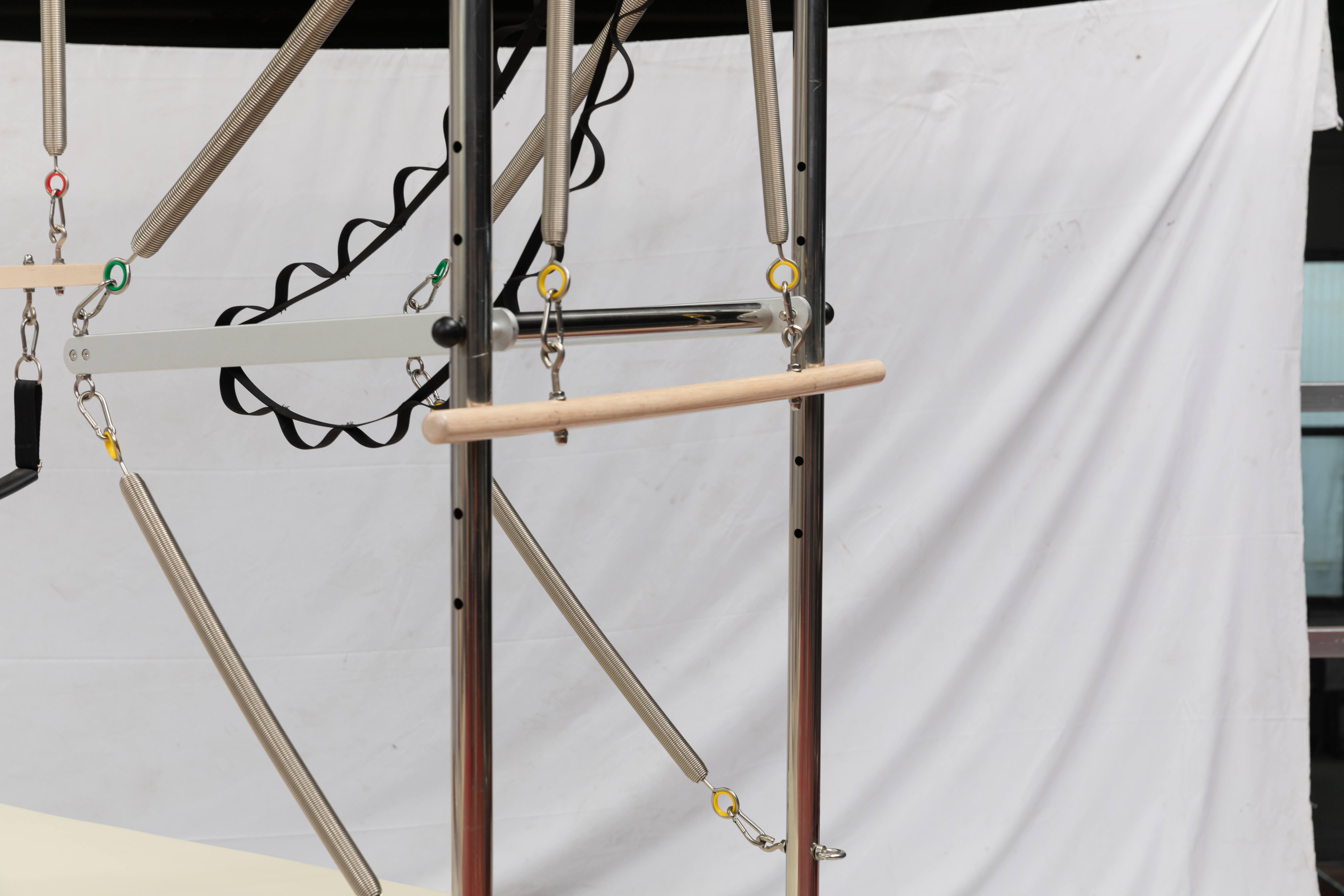
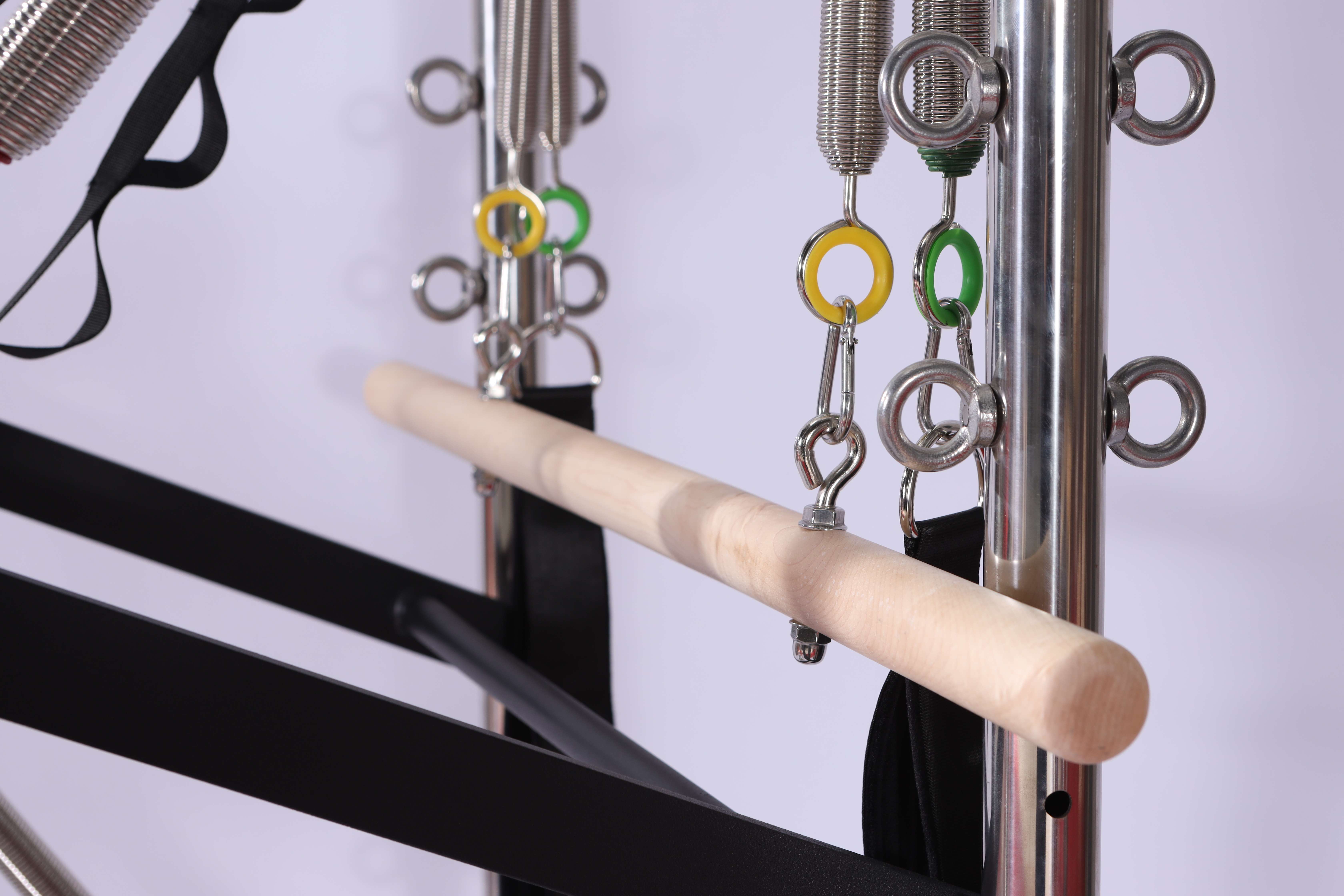
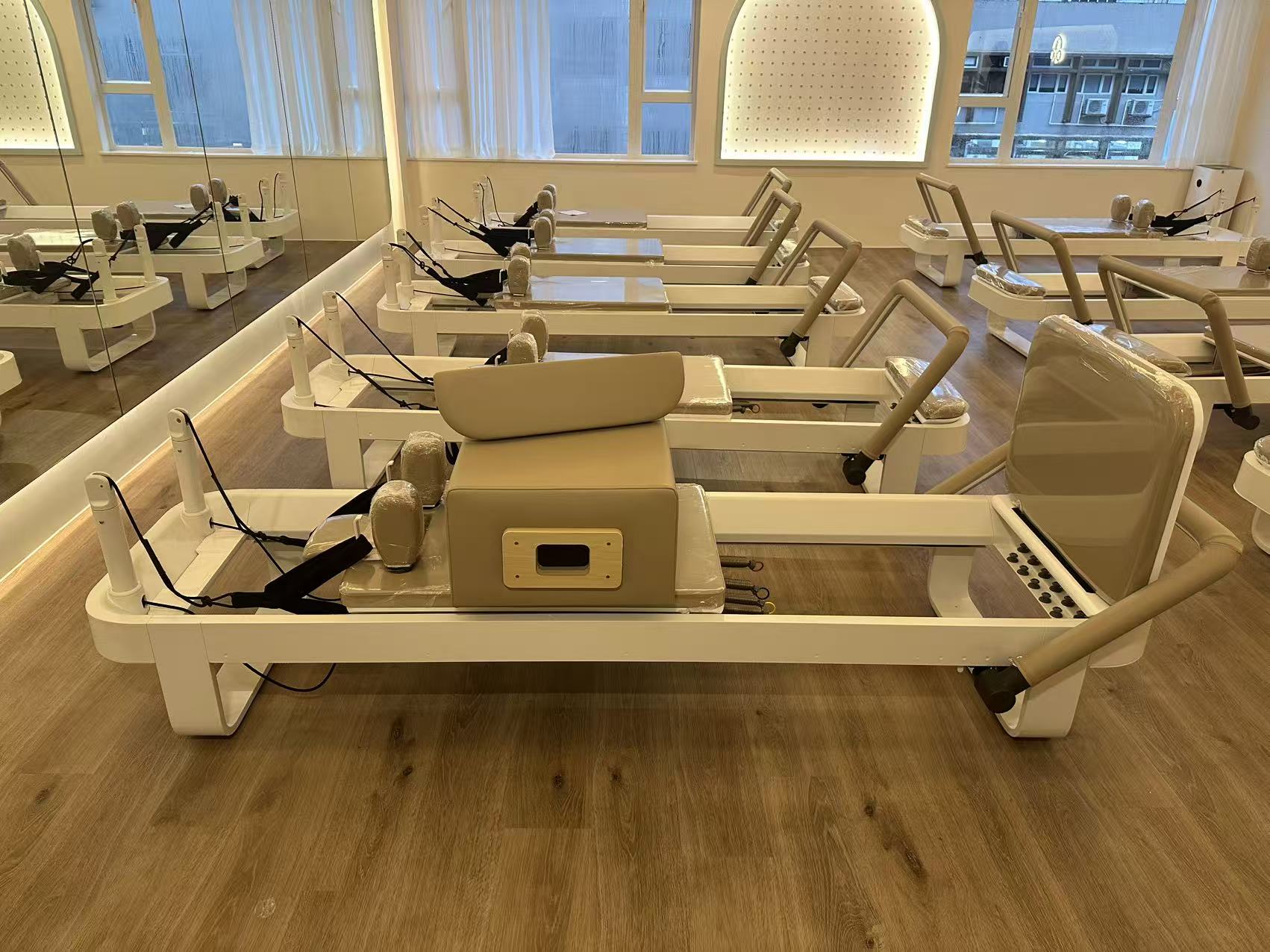
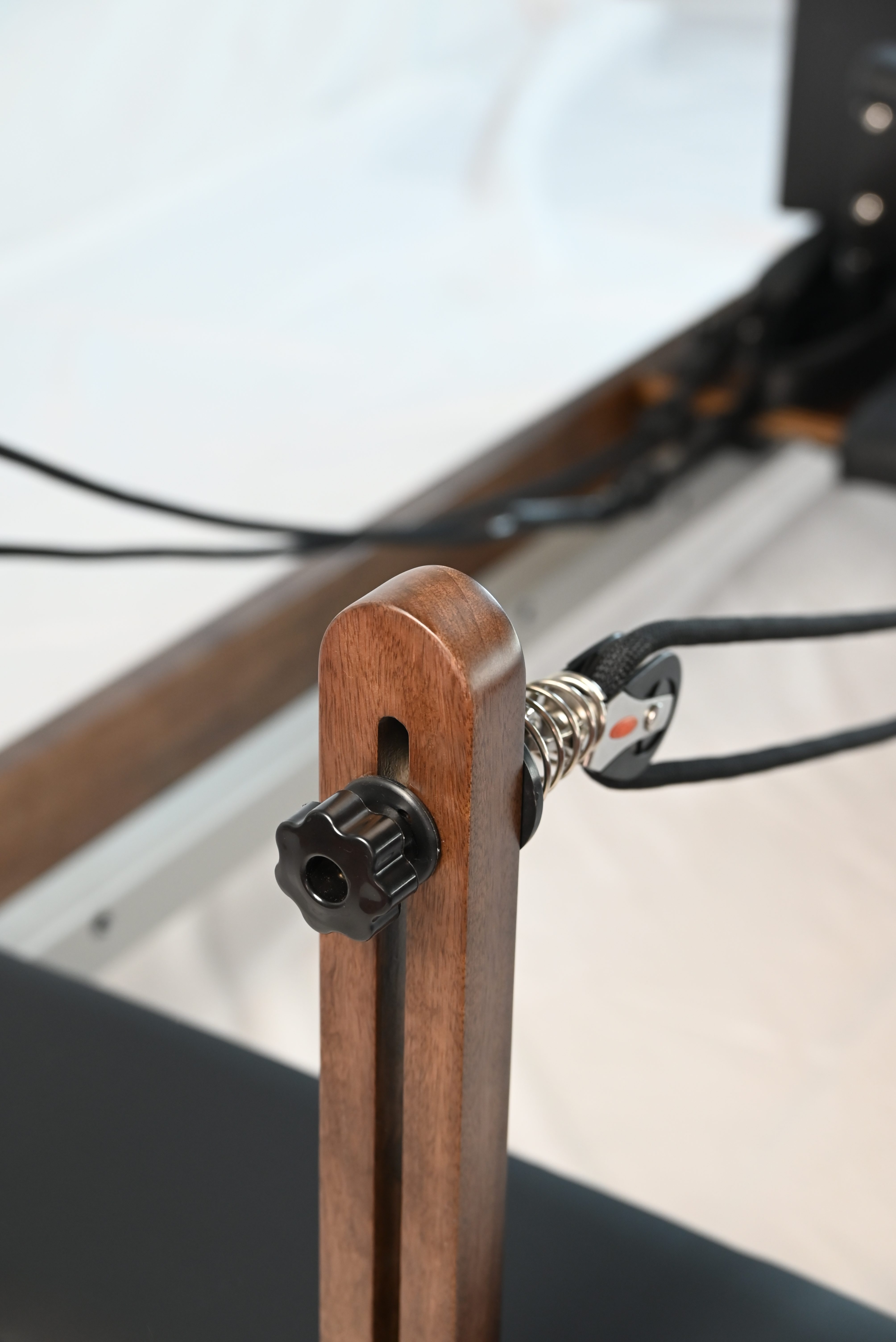
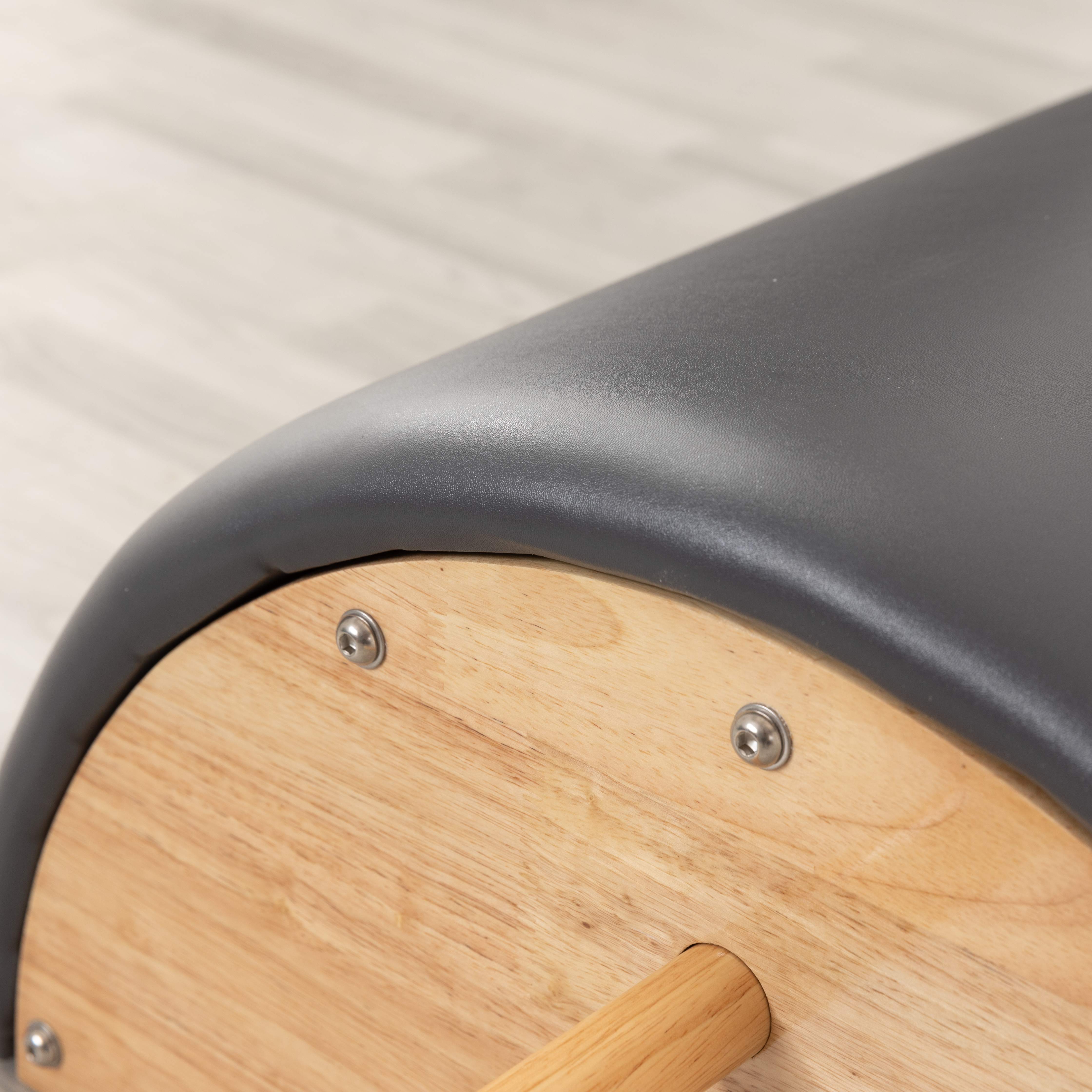
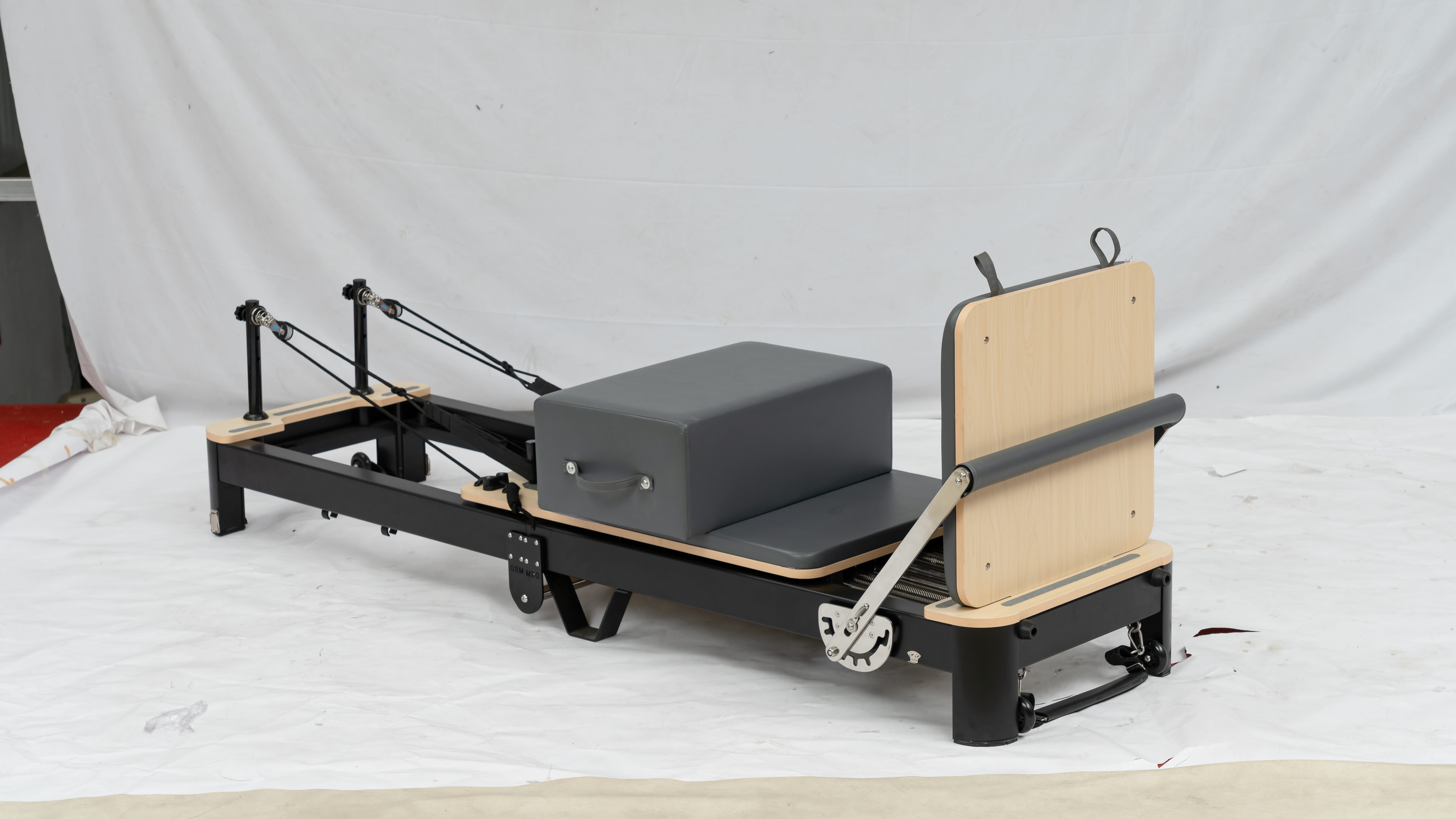
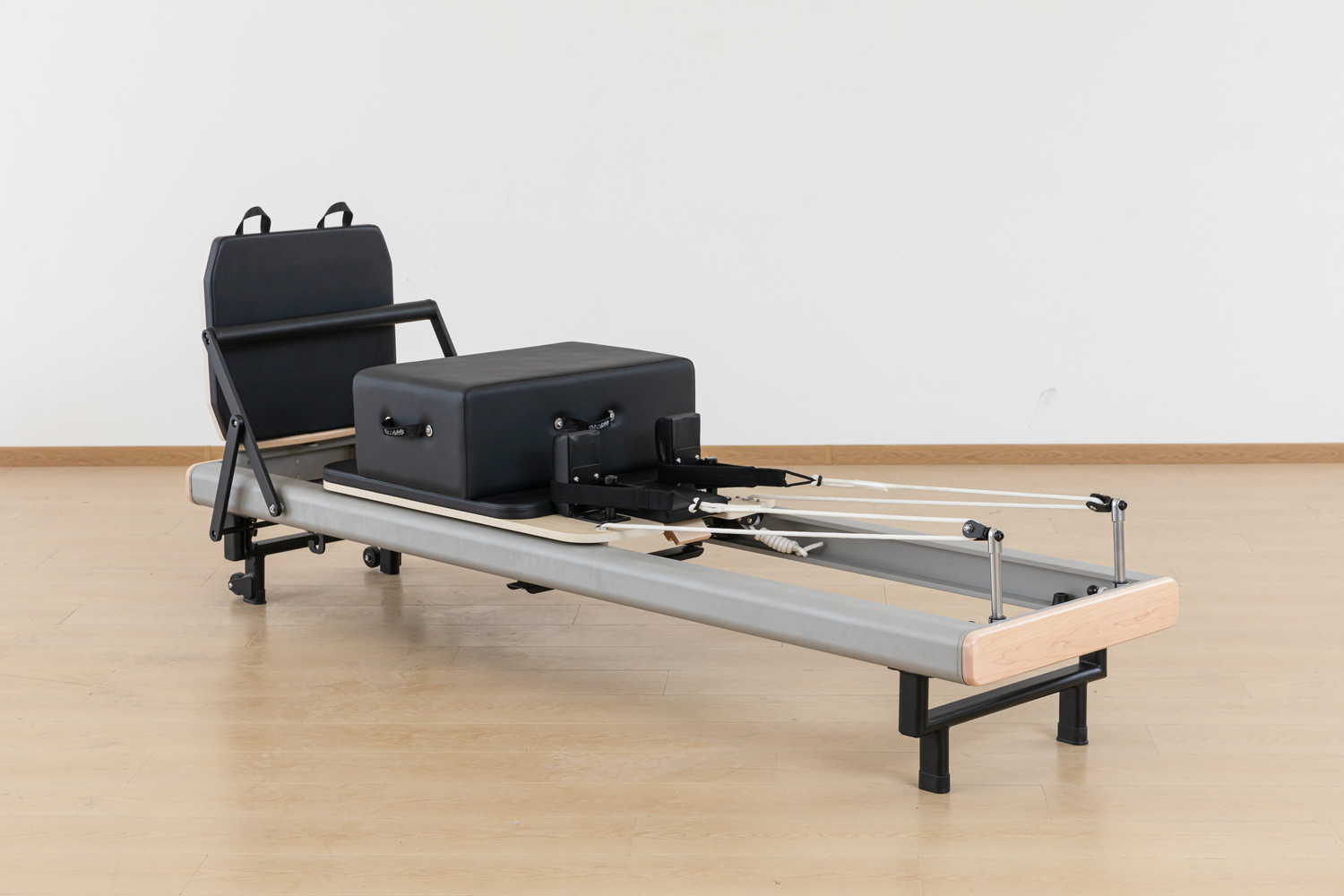
Different from unified standard factory products, OEM Pilates equipment supports full localized customization to fit European market aesthetics and usage habits. Importers can customize popular local frame colors, high-end matte finishes, classic black, gray, and beige upholstery, and exclusive accessory configurations. They can also adjust product details and packaging styles according to regional trends in EU countries, making products more in line with local studio decoration styles and consumer aesthetics. This localized differentiation significantly improves product conversion rates and market competitiveness.
- Flexible Marketing and Channel Expansion Capabilities
OEM private-label products allow European importers to freely arrange marketing plans and channel layouts. Distributors can independently set retail and wholesale prices, match exclusive marketing materials, and launch targeted promotional activities without being restricted by the factory’s unified pricing and brand promotion rules. Whether for offline studio group purchases, local fitness exhibition sales, or independent website and social media online sales, private-label brands have higher operational flexibility, helping importers quickly expand diversified sales channels.
- Complete Compliance Documentation for EU Customs Clearance
Reliable Pilates equipment manufacturers provide full-set OEM compliance support for European clients, including CE certification, EN ISO 20957 fitness equipment safety test reports, and customized brand packaging qualification documents. Professional OEM suppliers can modify product labels, instruction manuals, and batch certificates according to the importer’s brand information, fully meeting EU import supervision standards. This effectively avoids customs detention, inspection delays, and import failures caused by inconsistent brand information, ensuring smooth and efficient customs clearance.
Potential Disadvantages of OEM Pilates Equipment Branding
- Higher MOQ Thresholds for Customized Orders
The most obvious shortcoming of OEM branding is the minimum order quantity limit. Unlike standard in-stock products that support small-batch trial orders, customized logo, color, and packaging OEM orders usually require a certain MOQ. Most professional Pilates factories require higher order volumes for private label customization to offset mold adjustment, production line switching, and customized material costs. This increases the initial investment pressure for new European importers or small-scale distributors with unstable order volumes.
- Longer Production and Delivery Lead Times
OEM customized orders require additional processes including brand logo printing, color customization, personalized packaging production, and exclusive quality inspection, compared with ready-made standard products. These extra procedures extend the overall production cycle. In peak shipping seasons, customized OEM orders are more likely to be affected by production scheduling delays, resulting in longer lead times. For importers with urgent inventory replenishment needs, OEM branding may fail to meet short-term fast delivery requirements.
- Independent Quality Control and After-Sales Responsibilities
With OEM private labeling, the local importer’s brand is displayed on all products and packages. Once quality problems, assembly defects, or accessory missing issues occur, end customers will directly attribute the responsibility to the local importer brand rather than the overseas manufacturer. Importers need to undertake independent after-sales work including customer communication, problem handling, and accessory replacement. Compared with selling factory-branded products that share after-sales risks, OEM branding puts forward higher requirements for importers’ local service capabilities and quality pre-control awareness.
- Upfront Cost Investment and Trial Risk
OEM branding requires additional upfront investment, including logo customization fees, personalized packaging design and production fees, customized mold costs, and brand material production fees. For new market entrants without verified local sales channels, blind OEM customization may lead to inventory backlog and capital waste. Once the customized style fails to adapt to local market feedback, it will bring uncontrollable trial costs and inventory risks to importers.
- Brand Operation Pressure and Long-Term Promotion Costs
Factory-branded products come with basic brand popularity and official marketing endorsement, while OEM private-label brands start from zero popularity. European importers need to independently undertake local brand promotion, market publicity, customer education, and brand reputation maintenance work. Continuous investment in social media promotion, studio customer development, and brand image building is required to drive sales growth, bringing long-term operational cost and manpower pressure.
Who Should Choose OEM Pilates Branding? (Best Fit Scenarios)
OEM private label branding is not suitable for all European importers. It is the optimal choice for two types of buyers. First, mature distributors with stable local customer resources and long-term market layout plans, who need differentiated products and independent brand barriers to expand market share. Second, studio chain operators and high-end fitness retailers, who need exclusive customized products to match high-end studio positioning, improve customer experience, and form brand differentiation advantages.
For new importers with unstable order volume and unclear market positioning, it is more suitable to start with standard bulk products for market trial, then switch to OEM customized branding after verifying local market demand.
Conclusion
OEM Pilates equipment branding brings European importers high profit margins, independent brand assets, localized product differentiation, and flexible channel operation advantages, which is the core way to break market price involution and achieve long-term business growth. Meanwhile, it also brings challenges such as MOQ restrictions, longer lead times, independent quality risks, and upfront investment costs.
European importers should combine their order scale, customer resources, and long-term development plans to rationally choose OEM private label cooperation. Matching the right customization strategy can maximize brand value and profit returns in the competitive European Pilates equipment market.