How Pilates Improves Respiratory Function and Lung Capacity
The ribcage breathing technique exclusive to classical pilates training
Classical pilates is built upon a unique lateral ribcage breathing method that differs entirely from shallow chest breathing and deep belly breathing used in other fitness practices. This specialized breathing technique expands the ribcage outward laterally while keeping the abdomen braced and stable, allowing maximum lung expansion without compromising core stability. This method activates full lung capacity, oxygenates blood more efficiently, and trains the respiratory muscles to function at their full potential during both exercise and daily life.
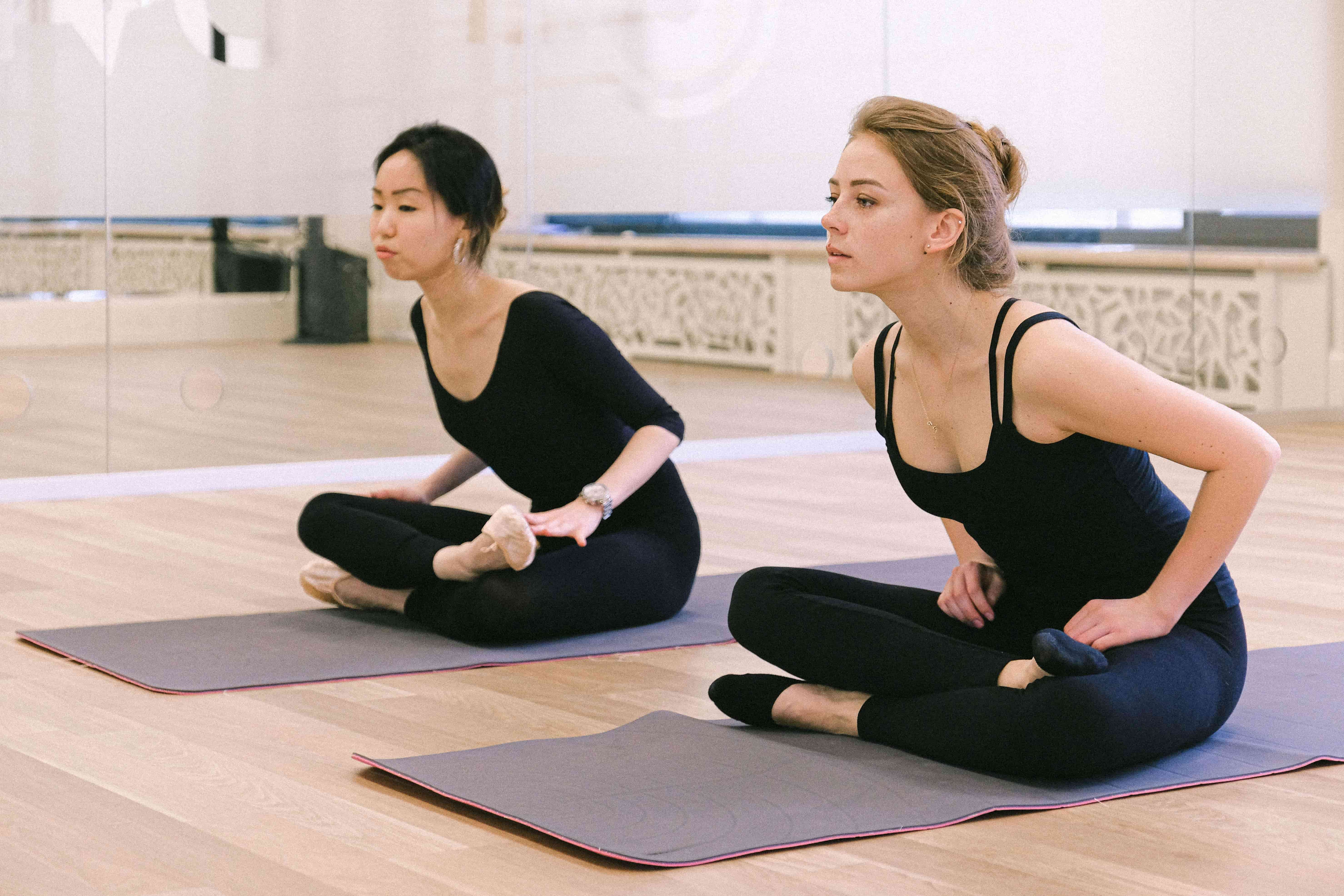
Long-term respiratory health benefits of consistent pilates breathing practice
Regular pilates breathing training strengthens the diaphragm and intercostal muscles responsible for healthy respiration, improving overall lung function and oxygen circulation throughout the body. Practitioners develop deeper, more efficient breathing patterns that reduce shortness of breath during physical activity and increase resting oxygen levels. Improved respiratory function boosts daily energy levels, enhances mental focus, and supports cardiovascular health. Over time, pilates breathing habits become automatic, improving overall respiratory wellness permanently.