Wholesale Pilates Reformer | OEM & ODM Pilates Equipment Supplier

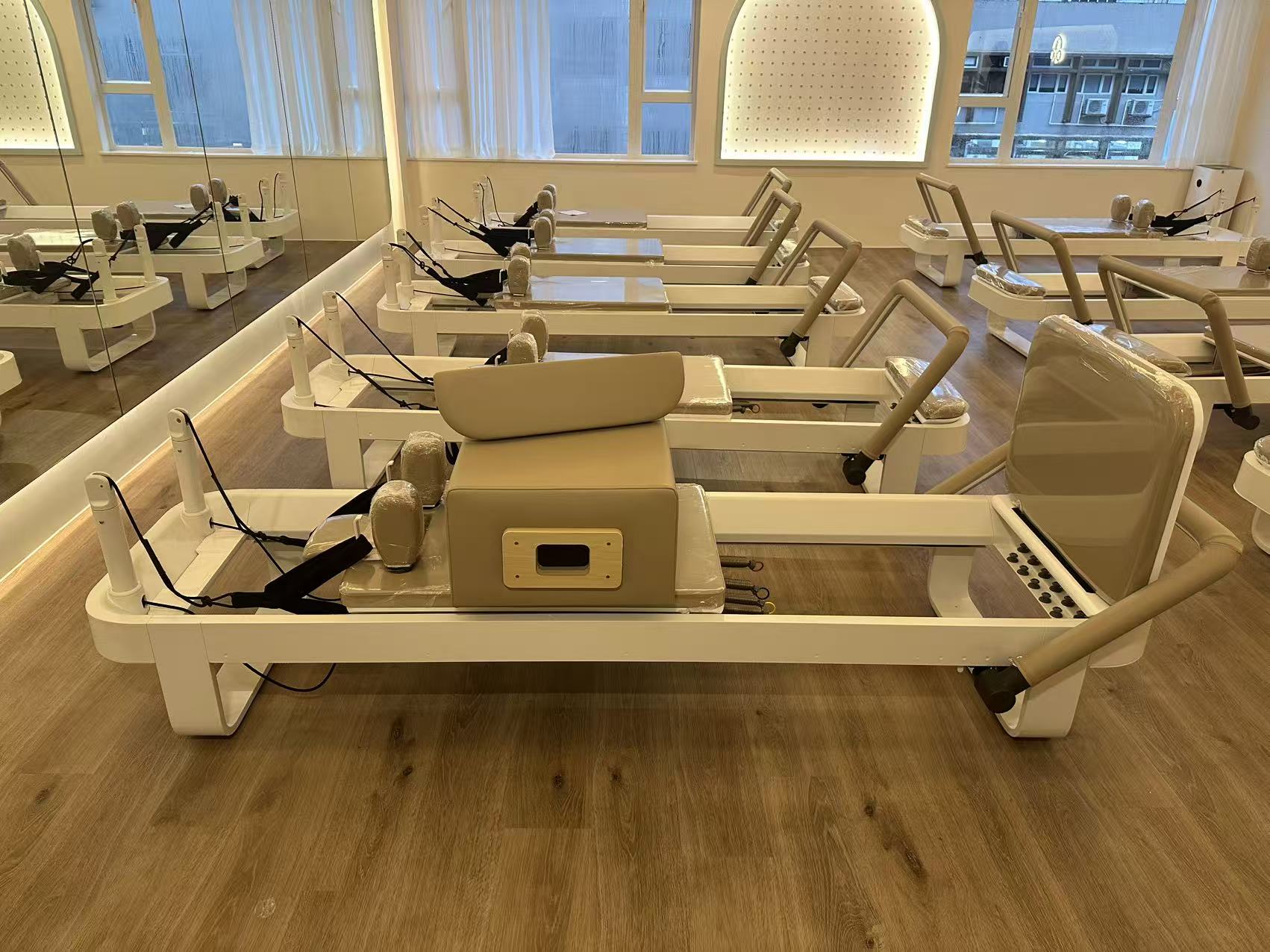
Against the backdrop of continued global Pilates market expansion, more fitness brands, studio chains, and distributors are seeking to wholesale Pilates reformers directly from source factories. Compared to retail purchasing, wholesale offers significantly lower per-unit costs and access to OEM and ODM customization — from branding to functional configuration, from packaging design to product development.
This article provides a systematic reference for wholesale buyers across four dimensions: wholesale advantages, OEM vs. ODM differences, supplier evaluation criteria, and partnership processes.
I. Core Advantages of Wholesale Procurement
Significant cost advantages. Direct factory wholesale eliminates brand premiums and intermediary markups. A commercial-grade reformer typically retails between $2,400 and $5,000, while wholesale pricing can be 30% to 50% lower, depending on order quantity. For orders exceeding 100 units, per-unit costs may fall below 50% of retail prices.
Consolidated logistics costs. Bulk orders allow full-container-load (FCL) shipping, further reducing per-unit logistics costs. Compared to less-than-container-load (LCL), FCL typically saves 20% to 40% in freight costs per unit.
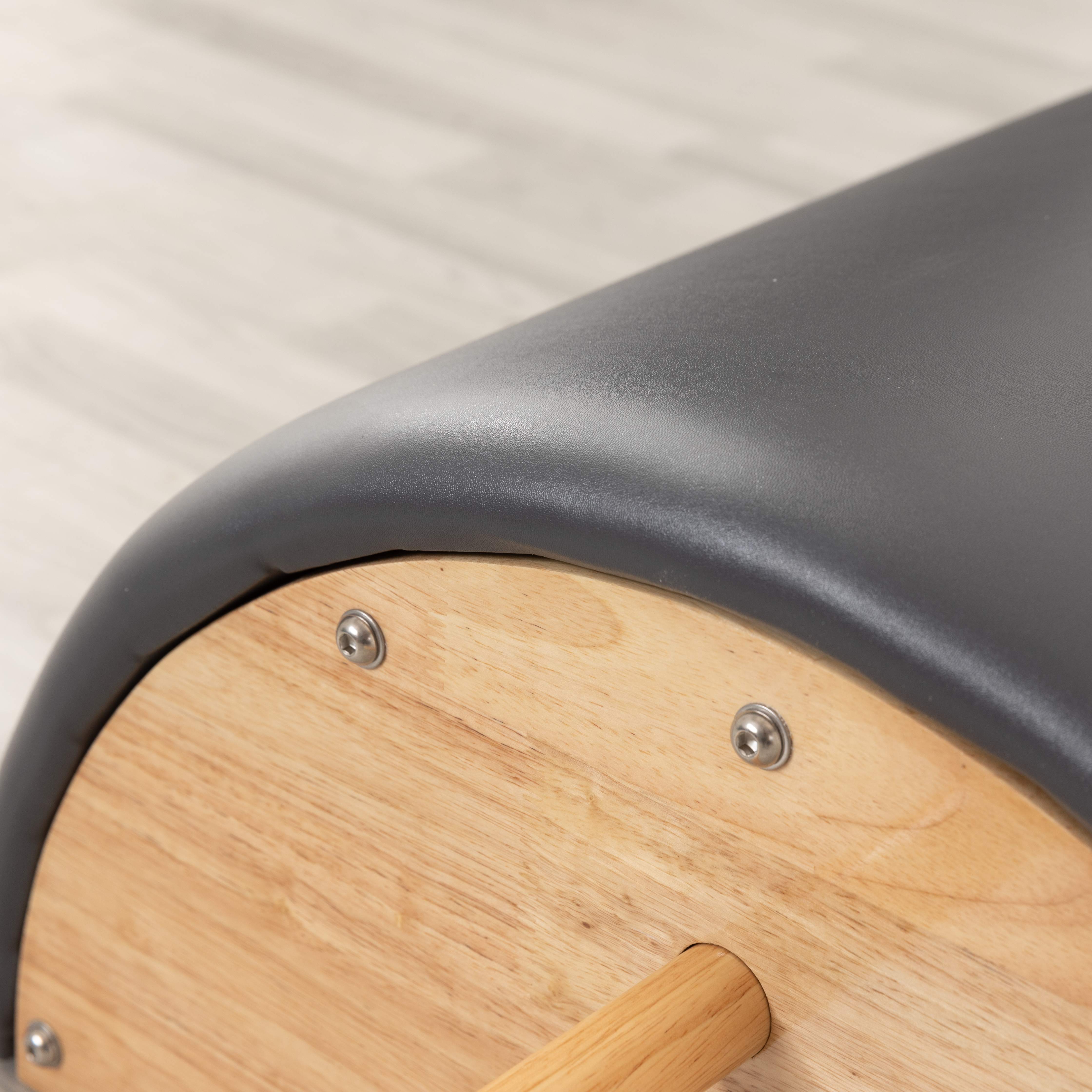
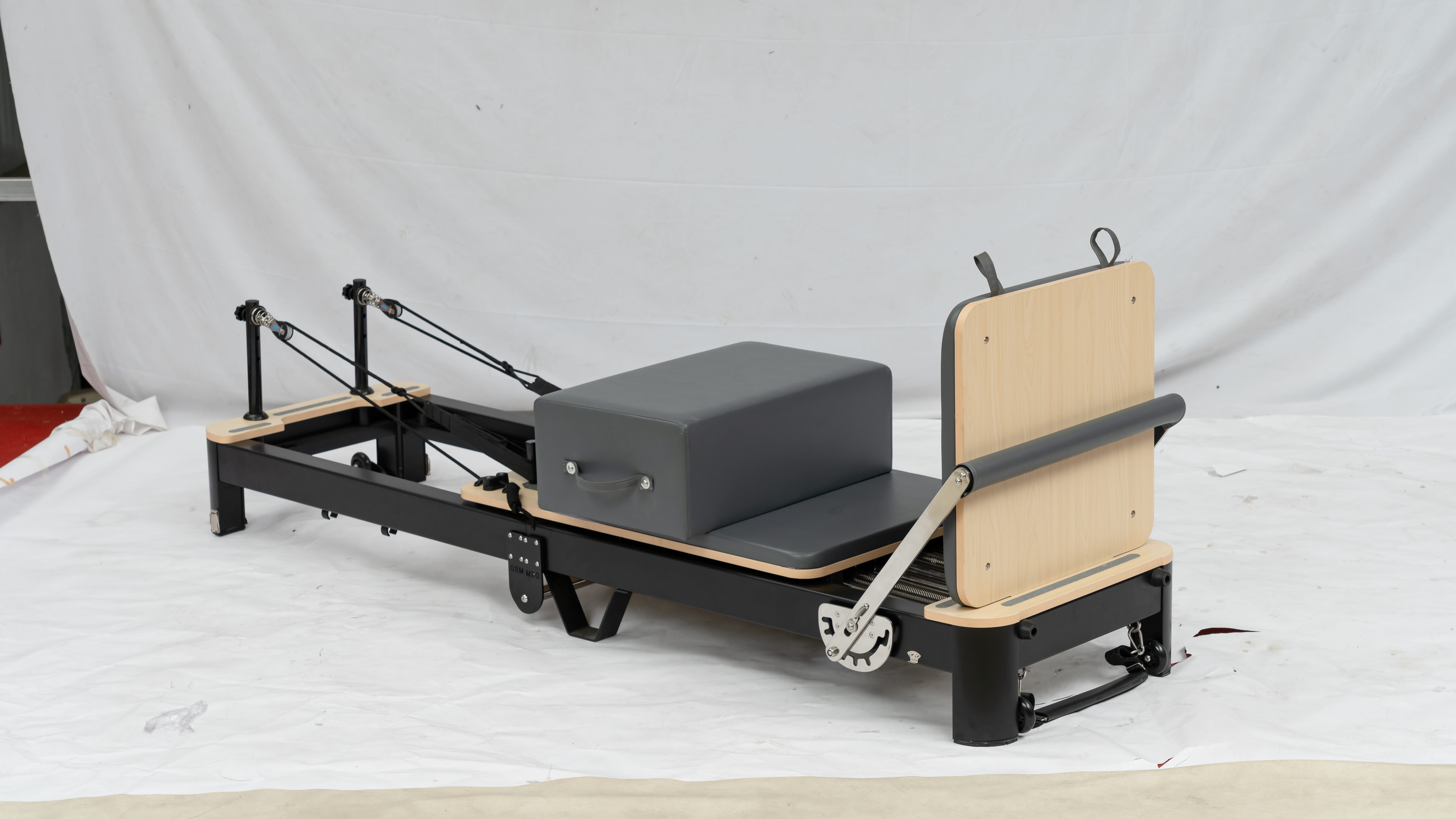
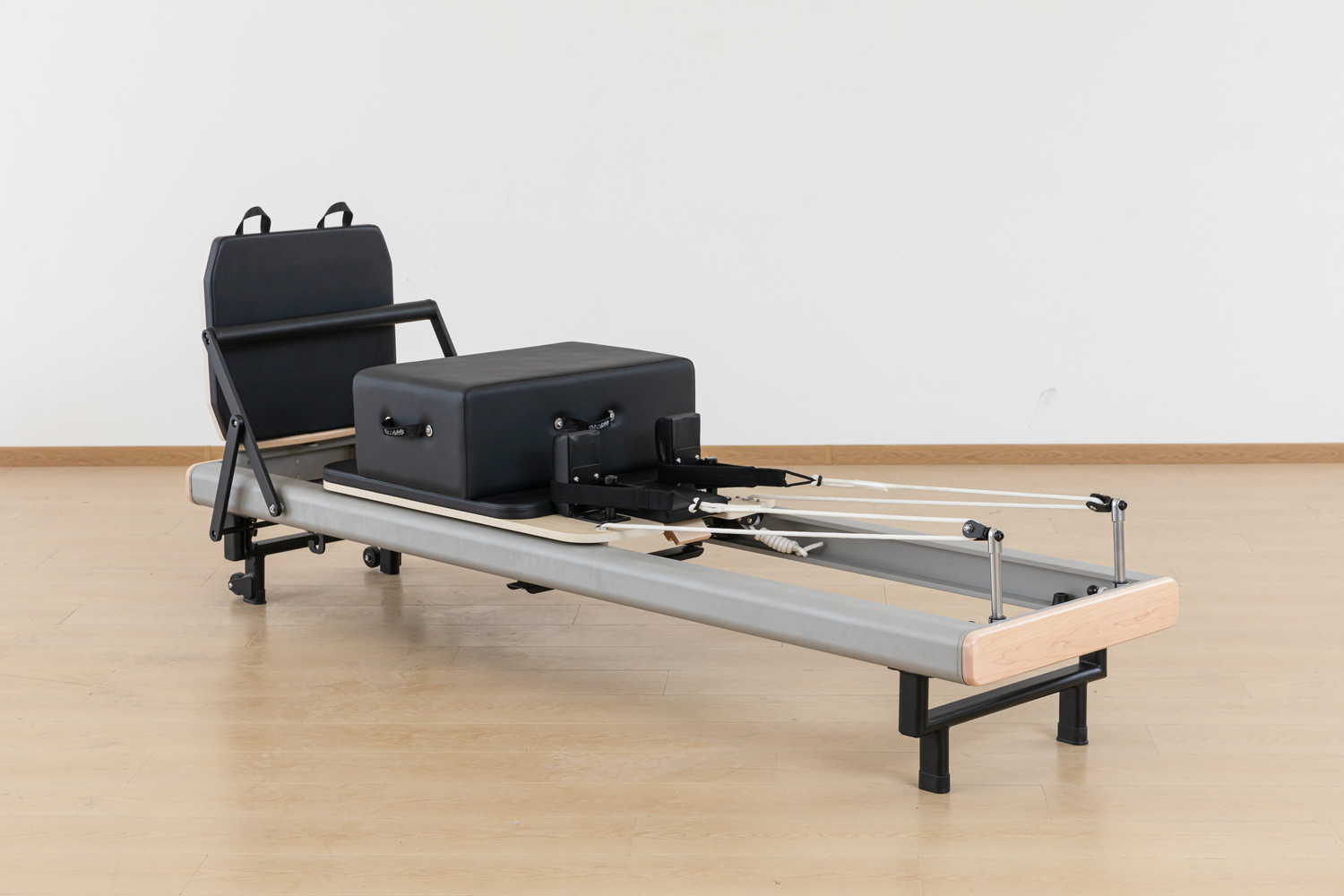
Customization services. Wholesale clients typically enjoy customization privileges — branding, upholstery colors, frame colors, and packaging design can all be tailored. For clients building private labels, this is core value that retail purchasing cannot provide.
Long-term pricing protection. For clients establishing long-term partnerships, factories often offer price-lock agreements — fixed pricing even if raw material costs rise during the contract period.
II. OEM vs. ODM: Two Collaboration Models
OEM (Original Equipment Manufacturing) : The client provides product specifications and design requirements, and the factory manufactures to the client's specifications. Branding, packaging, and manuals all use the client's brand. This model suits brands with clear product positioning and design capabilities.
ODM (Original Design Manufacturing) : The factory provides ready-made product designs, and the client selects one to sell under their own brand. Some factories also support modifications to existing designs — changing colors, configurations, or accessory packages. This model suits clients who want to launch a private label quickly but lack product development capabilities.
Selection advice: If you have clear product positioning and design drawings, OEM is the better choice. If you want to enter the market quickly and reduce development costs, ODM saves you the time and expense of developing from scratch. Some factories support both models and can switch flexibly based on client needs.
III. Five Core Supplier Evaluation Dimensions
Manufacturing capability and capacity. Evaluate factory floor space, production line count, workforce size, and annual capacity. Suppliers with 10,000+ square meter facilities and automated production lines typically offer more reliable delivery. Ask about current order backlog to assess whether they can meet your timeline.
Quality control system. A trustworthy factory should clearly demonstrate its IQC (Incoming Quality Control), IPQC (In-Process Quality Control), and OQC (Outgoing Quality Control) processes. Clearer inspection standards and more traceable records ensure better product consistency.
Certification and compliance. Confirm whether the factory holds ISO 9001 quality management certification, CE safety certification, and compliance with target market access standards. Products exported to the EU must meet RoHS/REACH environmental requirements.
Customization capability. Assess whether the factory supports small-batch customization (e.g., 50 to 100 units minimum), possesses ODM design capabilities, and can provide branded packaging and marketing materials. Factories accepting smaller MOQs generally demonstrate higher commitment to client needs.
After-sales and warranty. Clarify warranty periods, parts availability, and response mechanisms. Commercial equipment frames typically carry 5 to 10 year warranties, with moving parts covered for approximately 2 years. Specify warranty scope and after-sales response times in contracts.
IV. Wholesale Partnership Process
Requirements communication: Client provides purchase requirements — product model, quantity, customization specifications, and delivery timeline. Factory assesses feasibility and provides preliminary pricing.
Sample production and approval: Factory produces samples (typically 1-2 units) based on client specifications, followed by functional testing and visual inspection. After sample approval, preparation for mass production begins.
Contract and deposit: Contract specifies product specifications, quantity, unit price, delivery timeline, payment terms, and warranty conditions. Mass production begins upon deposit payment (typically 30% to 50%).
Production and quality control: Factory schedules production with client-inspection or video inspection options. Inspection records for critical processes are available for review.
Delivery and acceptance: Finished products undergo outgoing quality control before sea or air shipment. Client performs acceptance inspection upon receipt and pays the balance.
V. Key Considerations for Wholesale Procurement
Clarify minimum order quantity (MOQ) : MOQs vary widely across factories, from 1 unit to 100+ units. Complex customizations (e.g., new mold development) typically require higher MOQs.
Confirm lead times and capacity: Factories are prone to delays during peak season — specify late delivery penalties in contracts. Sample lead time is typically 15-20 days; production lead time is 25-40 days.
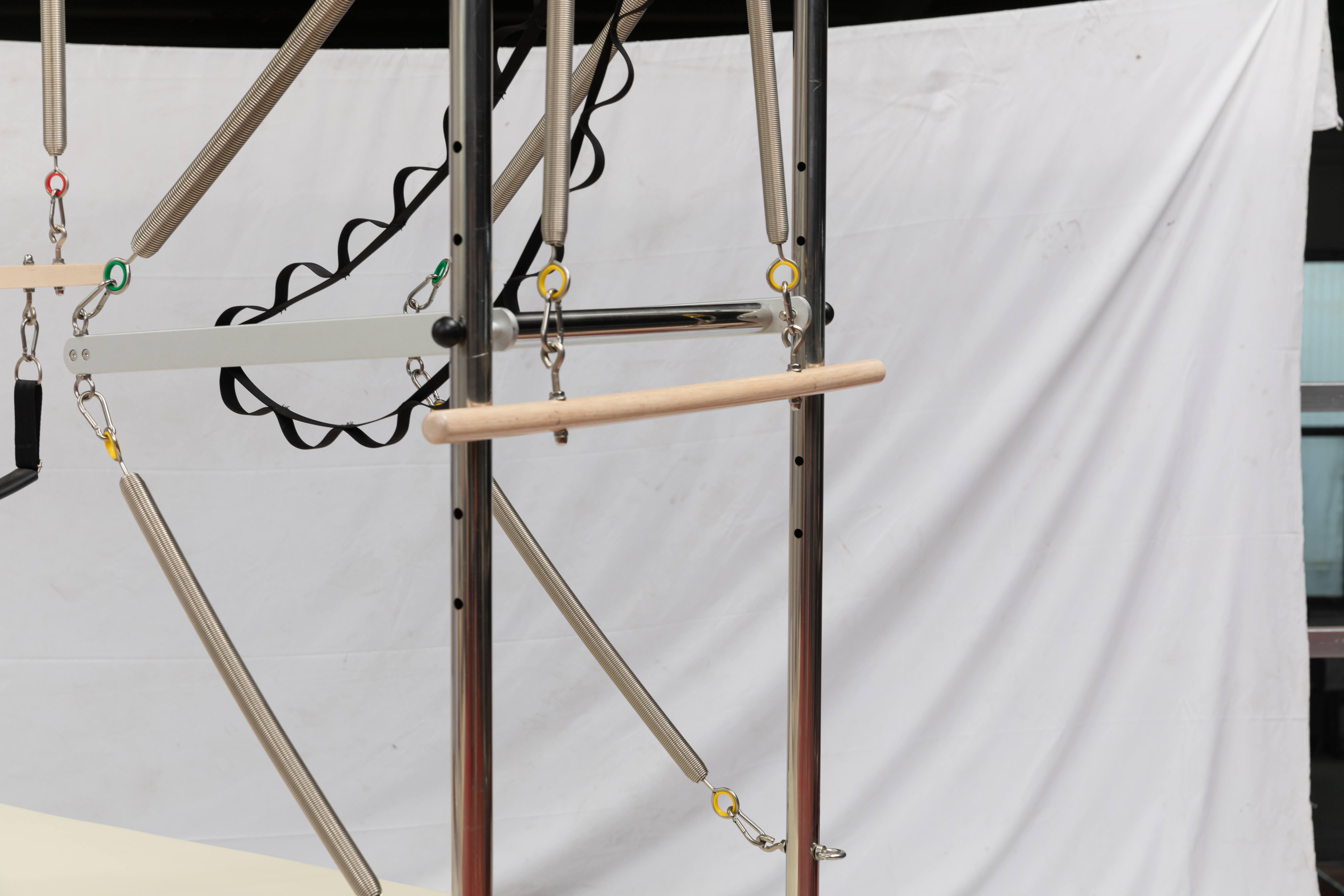
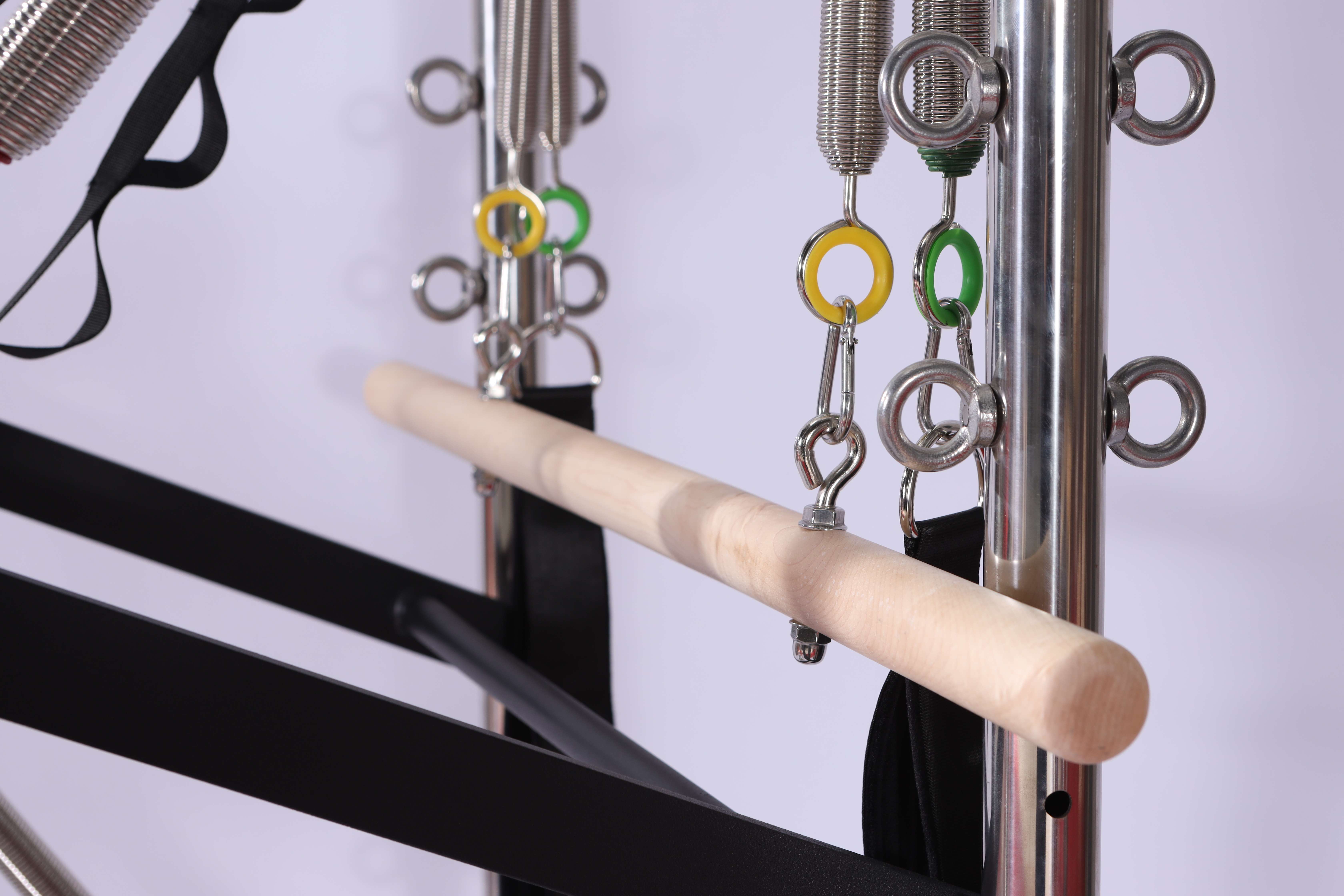
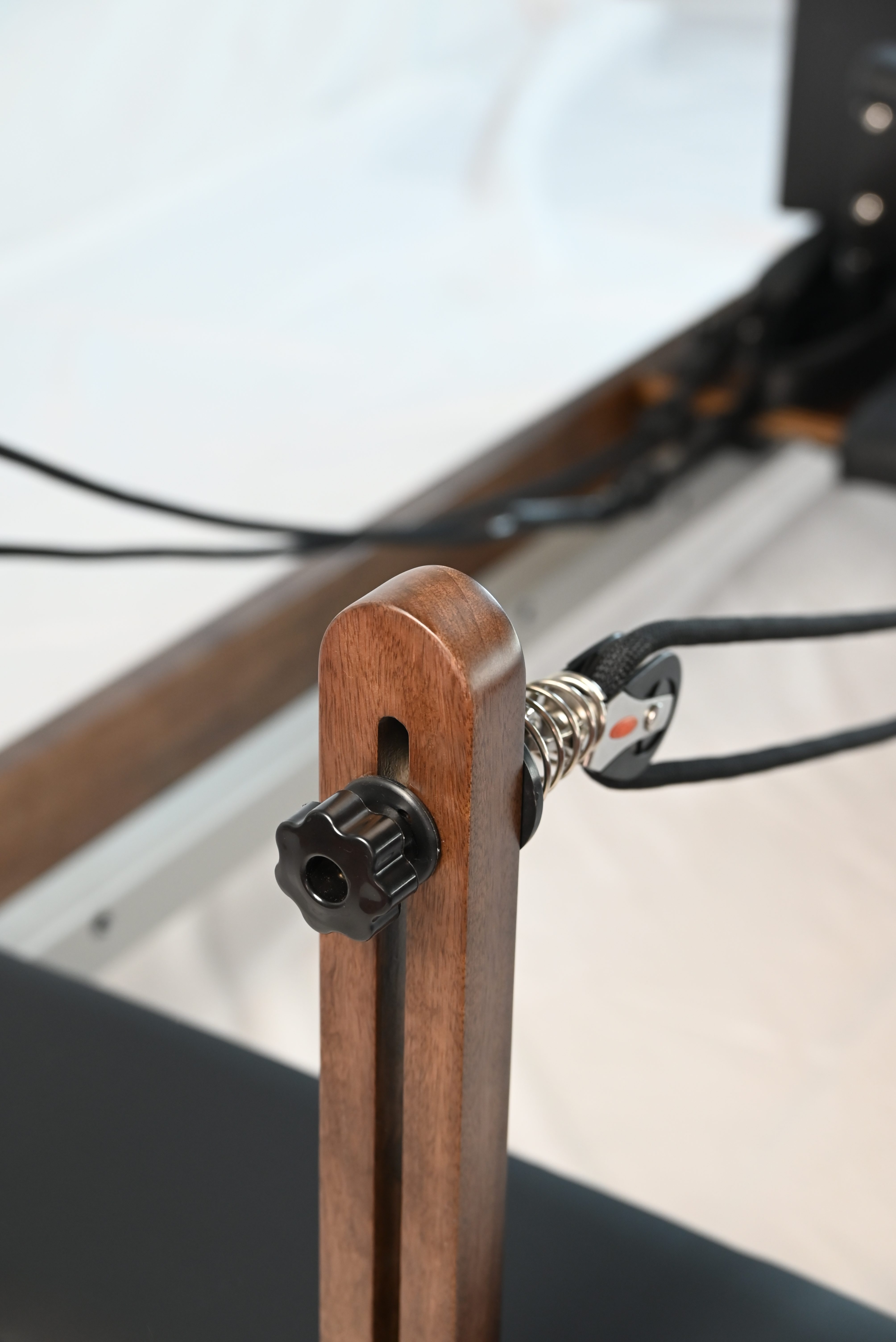
Verify parts availability: Confirm supply cycles and pricing for springs, wheels, ropes, and other wear parts — avoid high freight costs and long lead times from separate later orders.
Retain inspection rights: Specify inspection standards and processes in contracts. Schedule a mid-production inspection for bulk orders to identify and correct issues early.
Summary: Wholesale Pilates reformer procurement is a systematic purchasing decision involving cost control, quality assurance, and brand building. Choosing an OEM/ODM supplier with scalable capacity, transparent quality control, flexible customization, and reliable delivery is key to wholesale success. Before placing a formal order, verify factory quality and responsiveness through sample production first — then sign the bulk contract based on sample approval. This measured approach may take slightly longer but effectively avoids larger downstream risks.