What Pre-Shipment Inspection Steps Should Importers Require for Pilates Gear
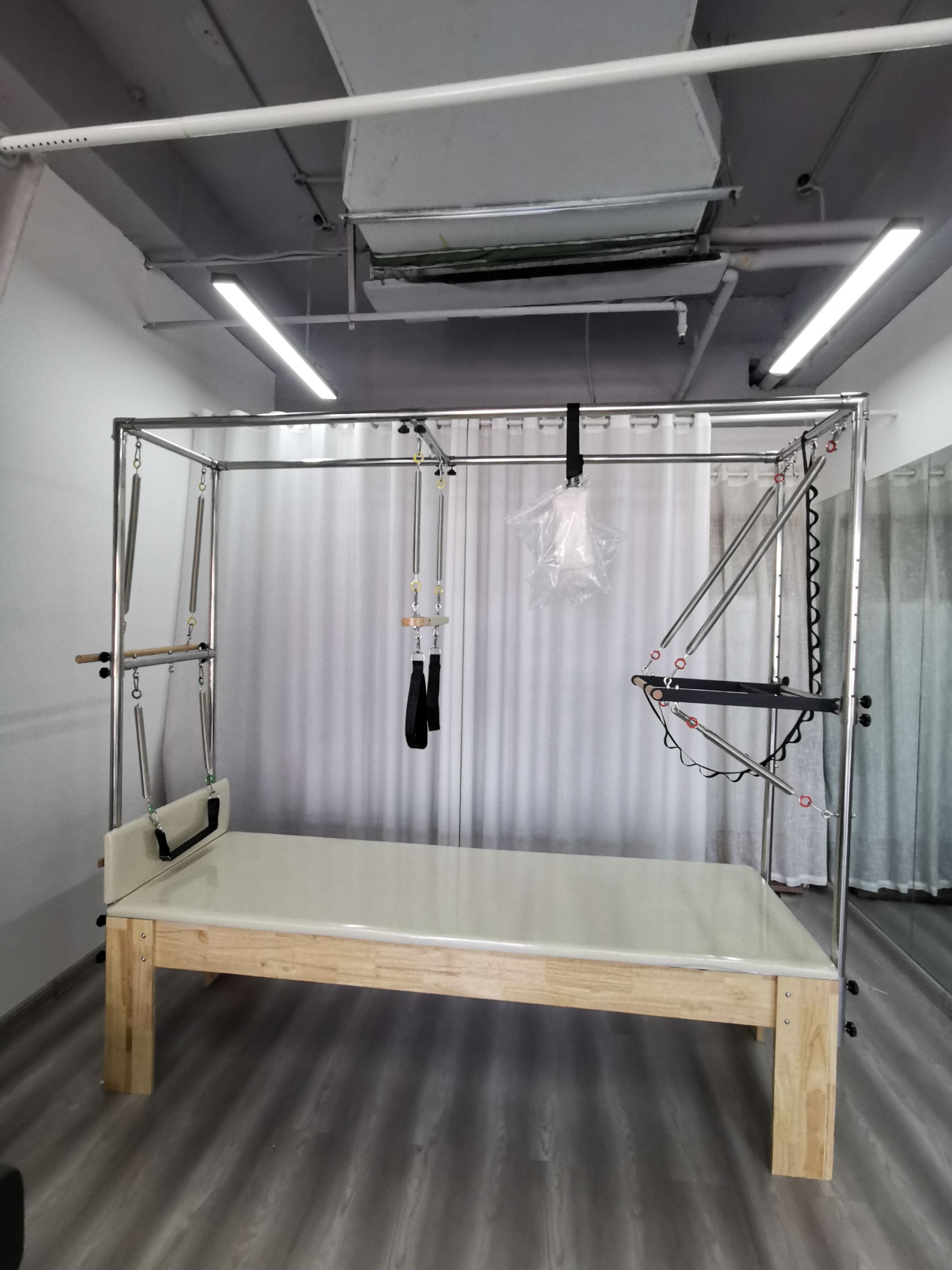
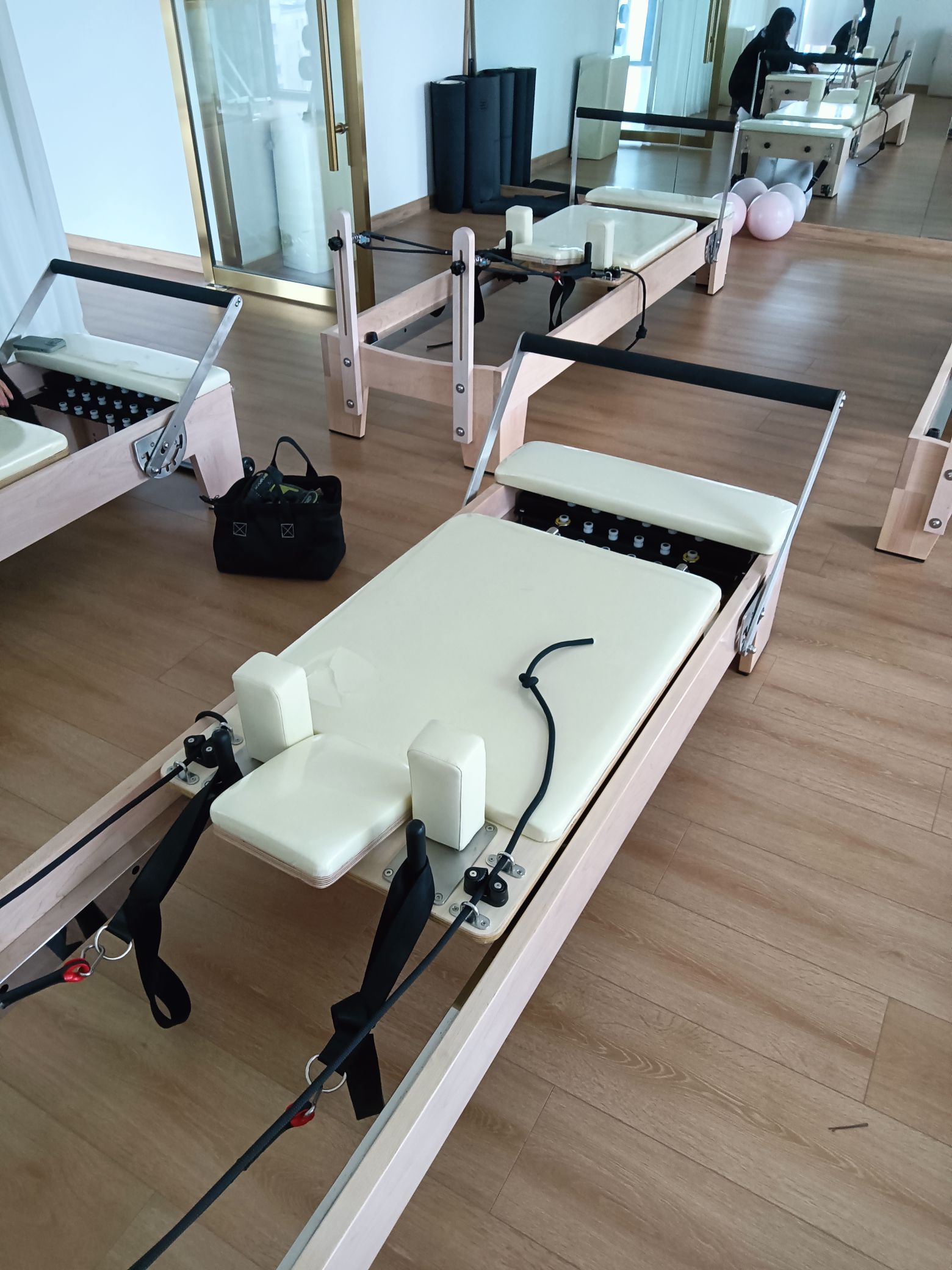
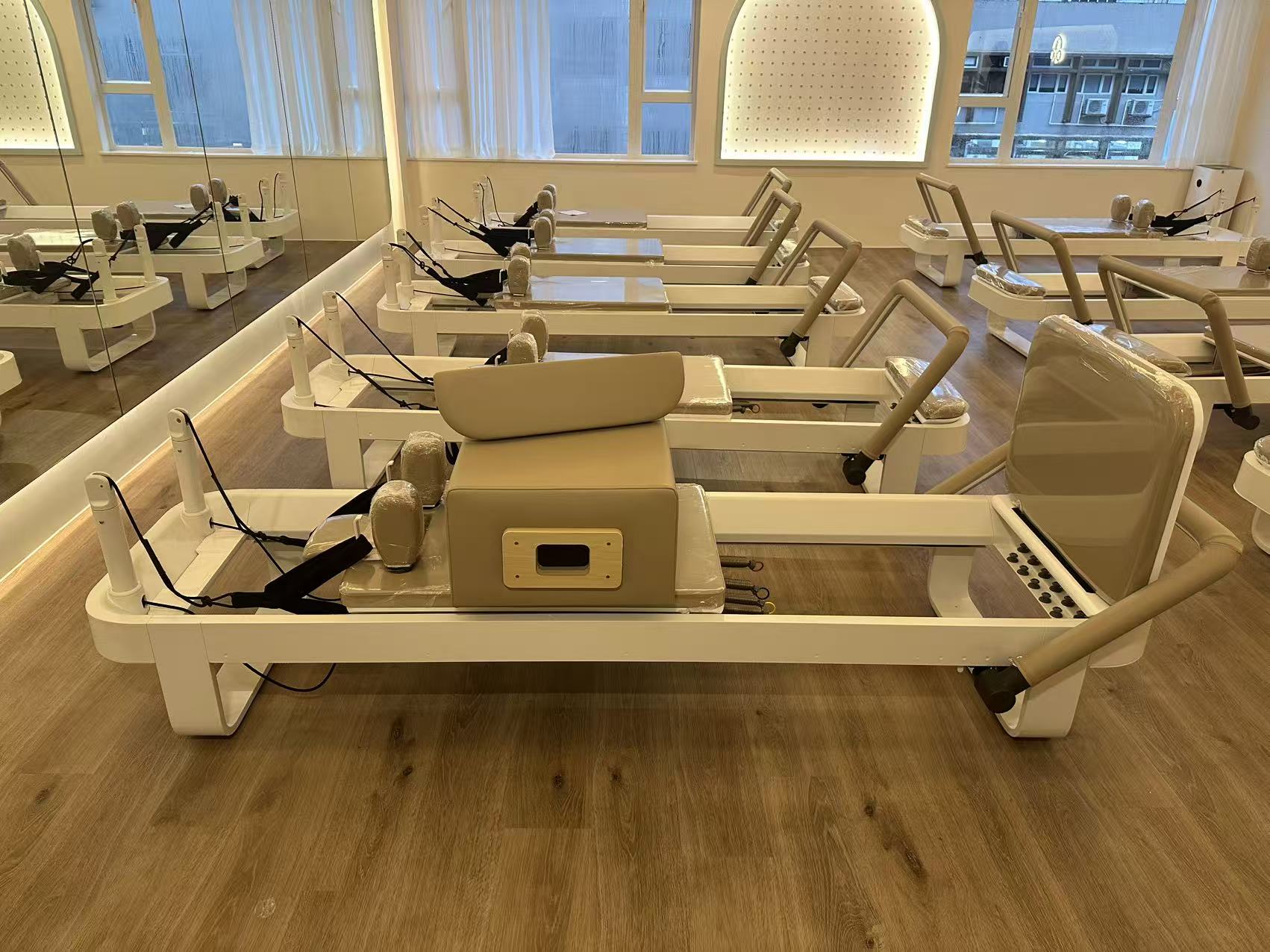
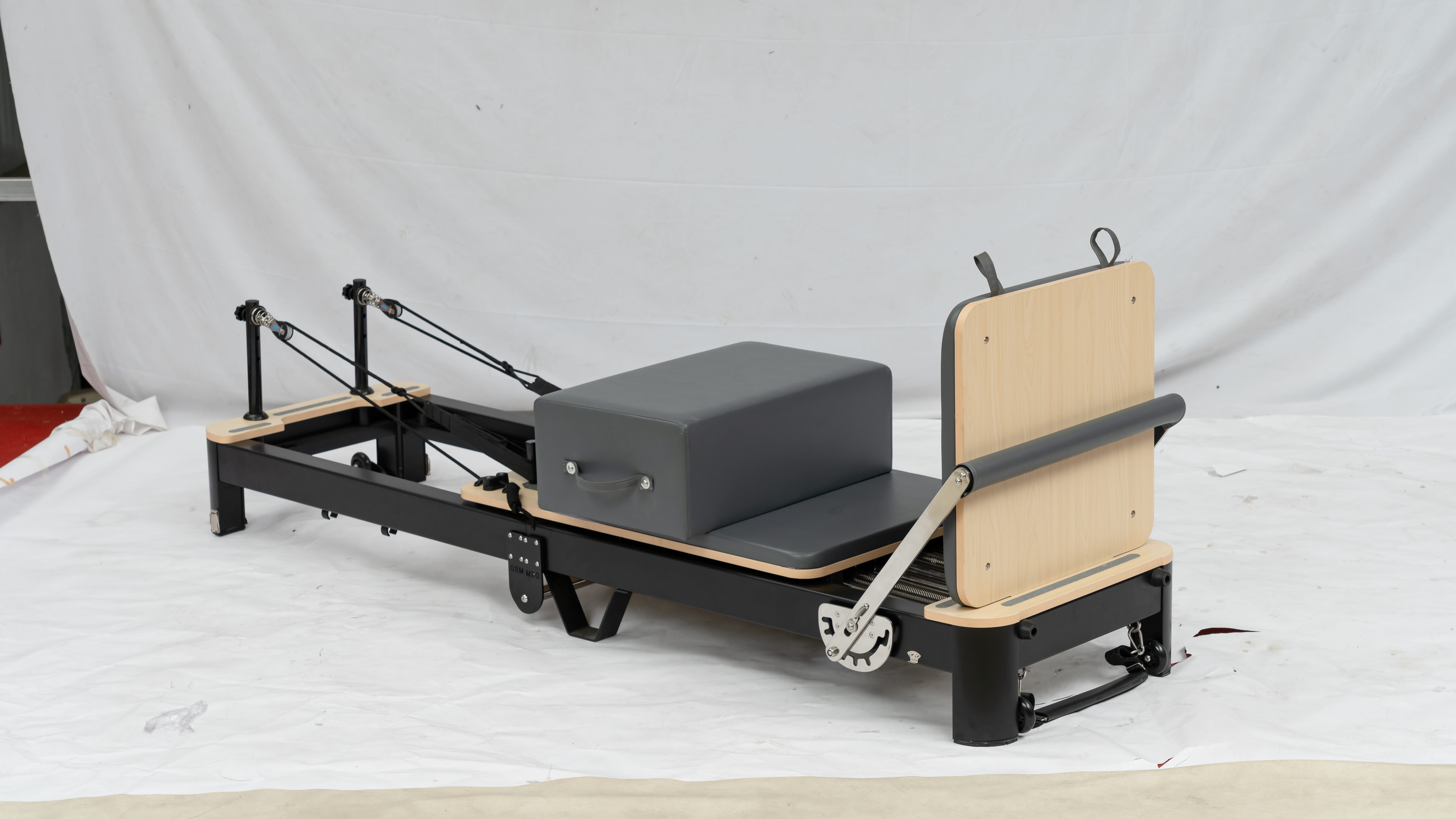
Pilates equipment is high-value, structurally precise commercial fitness gear with strict safety and durability standards. For European and global fitness importers, skipping standardized pre-shipment inspection (PSI) often leads to costly issues: cosmetic defects, unstable frame structures, inconsistent OEM customization, missing accessories, and even non-compliant products blocked by customs. Unlike generic gym equipment, Pilates reformers, Wunda chairs, towers, and cadillacs require targeted functional and structural checks. Below are the essential pre-shipment inspection steps every importer should require from Pilates suppliers to eliminate after-sales risks and ensure container-ready quality.
1. Quantity & Order Specification Verification
The first mandatory inspection step is full order data verification against the official purchase order (PO). Many mixed-container orders involve multiple Pilates models, custom colors, accessory packages, and logo branding, making manual errors common during mass production and packaging.
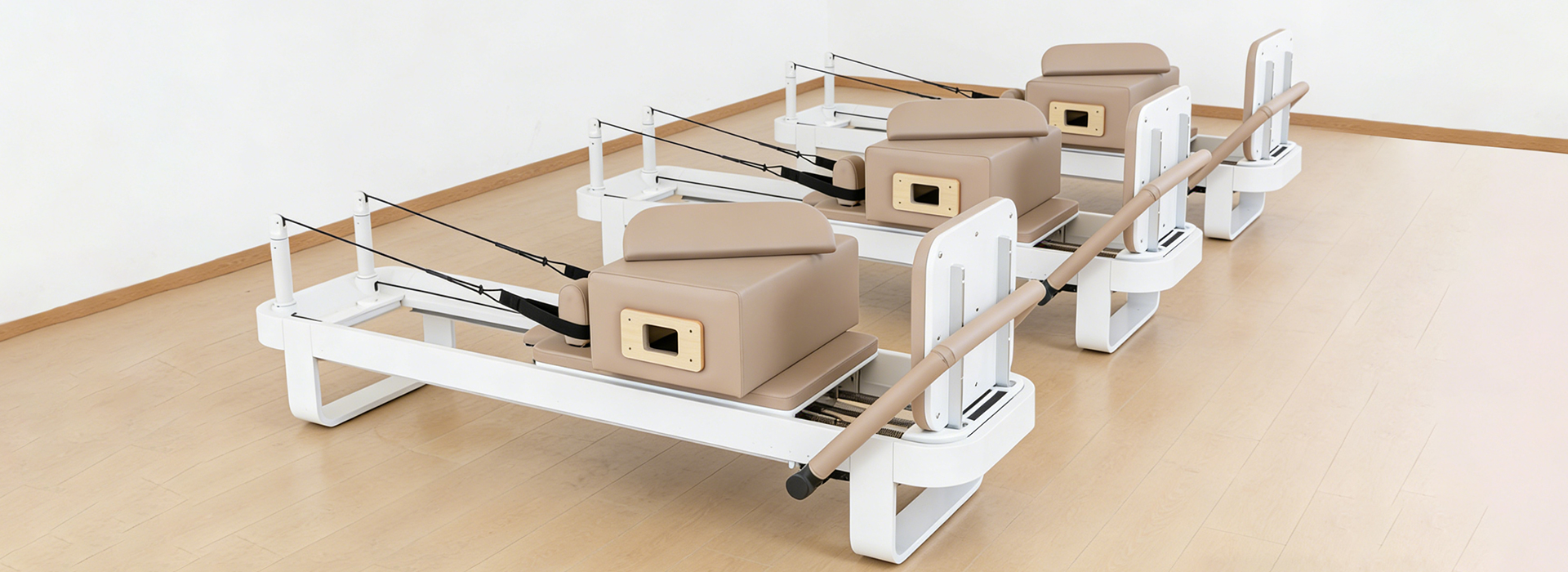
Inspectors must confirm the exact quantity of each model, including standard reformers, aluminum reformers, hollow-frame Wunda chairs, and tower systems. They also need to cross-check customized parameters: upholstery color, frame finish, printed brand logos, base height adjustment configurations, and accessory matching quantities. All details must strictly match the confirmed sample and PO requirements to avoid wrong shipments, model mismatches, or quantity shortages that disrupt local inventory and studio delivery schedules.
2. Visual Workmanship & Cosmetic Defect Inspection
Boutique Pilates studios and high-end fitness retailers pursue premium product appearance, so cosmetic quality directly determines market sales and customer satisfaction. This step covers full visual checks of all finished units based on AQL sampling standards for commercial fitness equipment.
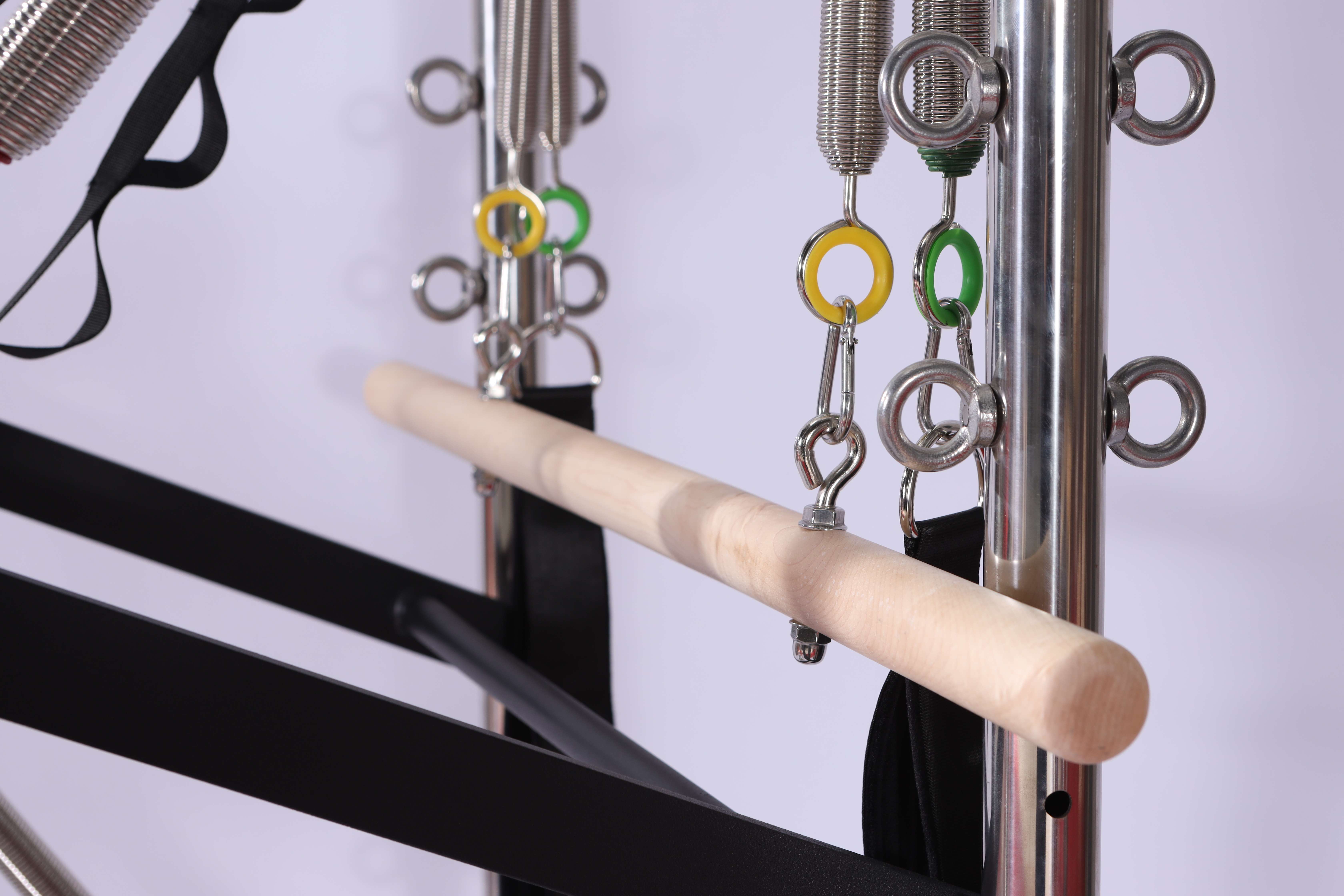
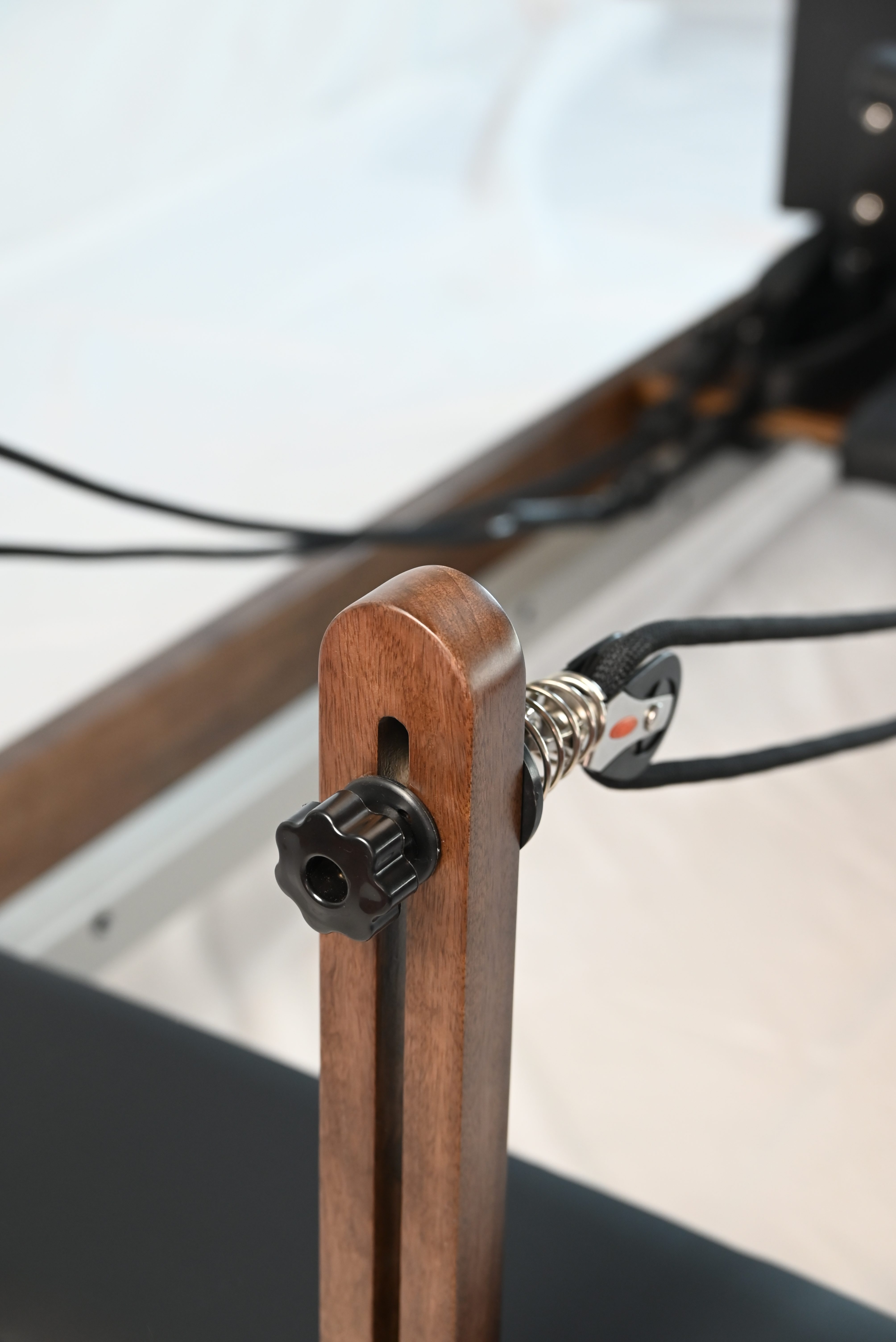
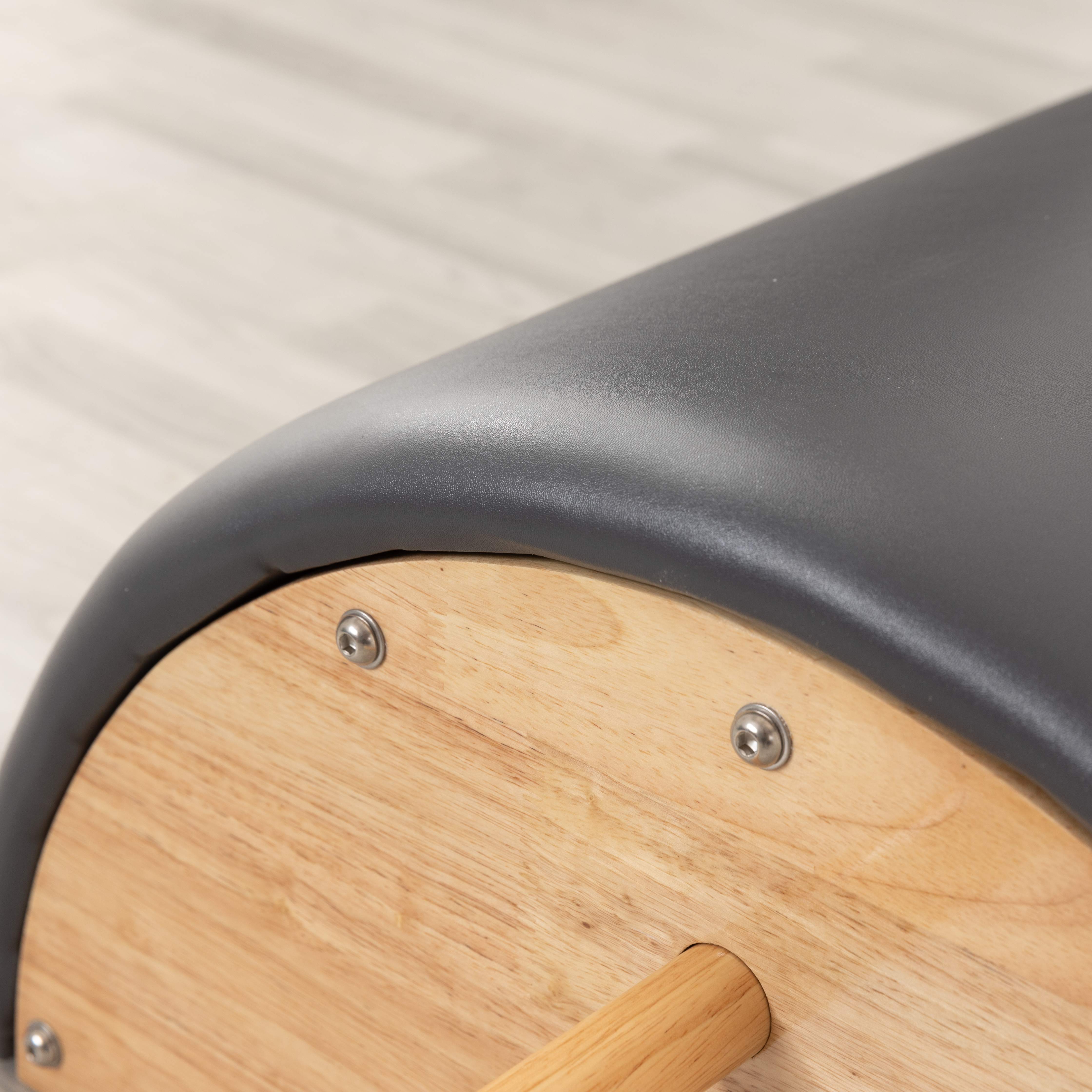
Key inspection items include smooth frame welding with no pores, cracks, or uneven solder joints, uniform powder coating without peeling, scratches, or color difference, and flawless upholstery with no wrinkles, stains, or stitching errors. For wooden Pilates gear, inspectors check for no wood grain cracking, edge chipping, or deformed splicing. All hardware parts such as star knobs, foot bars, and limiters must be complete and consistent in color and specification.
3. Structural Stability & Load-Bearing Testing
Structural stability is the core safety standard for commercial Pilates equipment, directly affecting long-term high-frequency studio use. Importers must require on-site load-bearing and stability testing during pre-shipment inspection.
Inspectors conduct static pressure tests and simulated human load tests to verify frame deformation resistance. They check all reinforced support beams and connection joints for firmness, ensuring no shaking or loose gaps under rated load. For height-adjustable base reformers, every lifting and locking position must be tested repeatedly to confirm stable positioning and no slipping. This step effectively filters out unqualified products with hidden structural hazards that may cause safety accidents during studio operation.
4. Core Functional Performance Testing
Pilates equipment relies on precise sliding, stretching, and resetting systems. Static appearance inspection cannot identify functional hidden dangers, so full functional testing is indispensable before shipment.
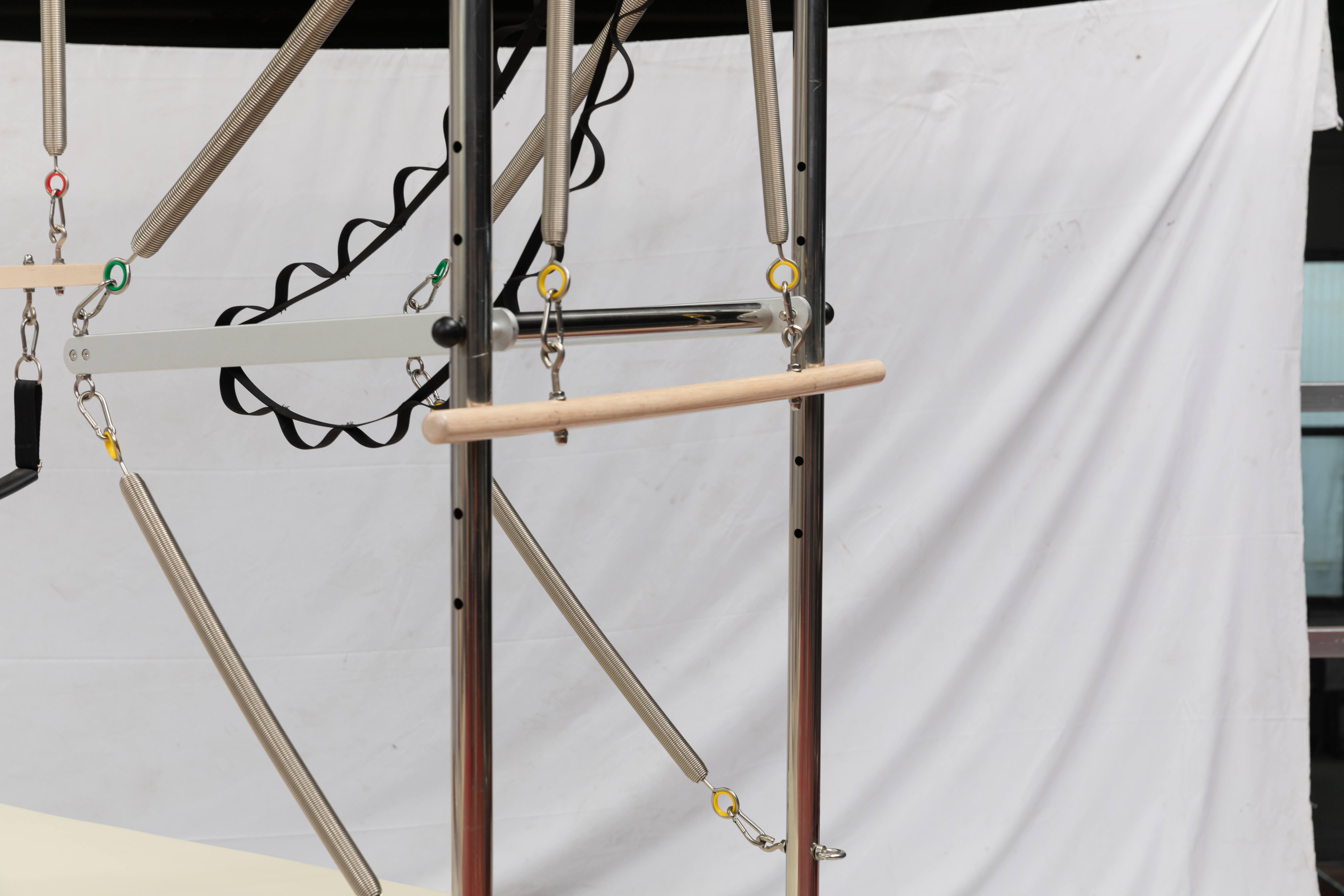
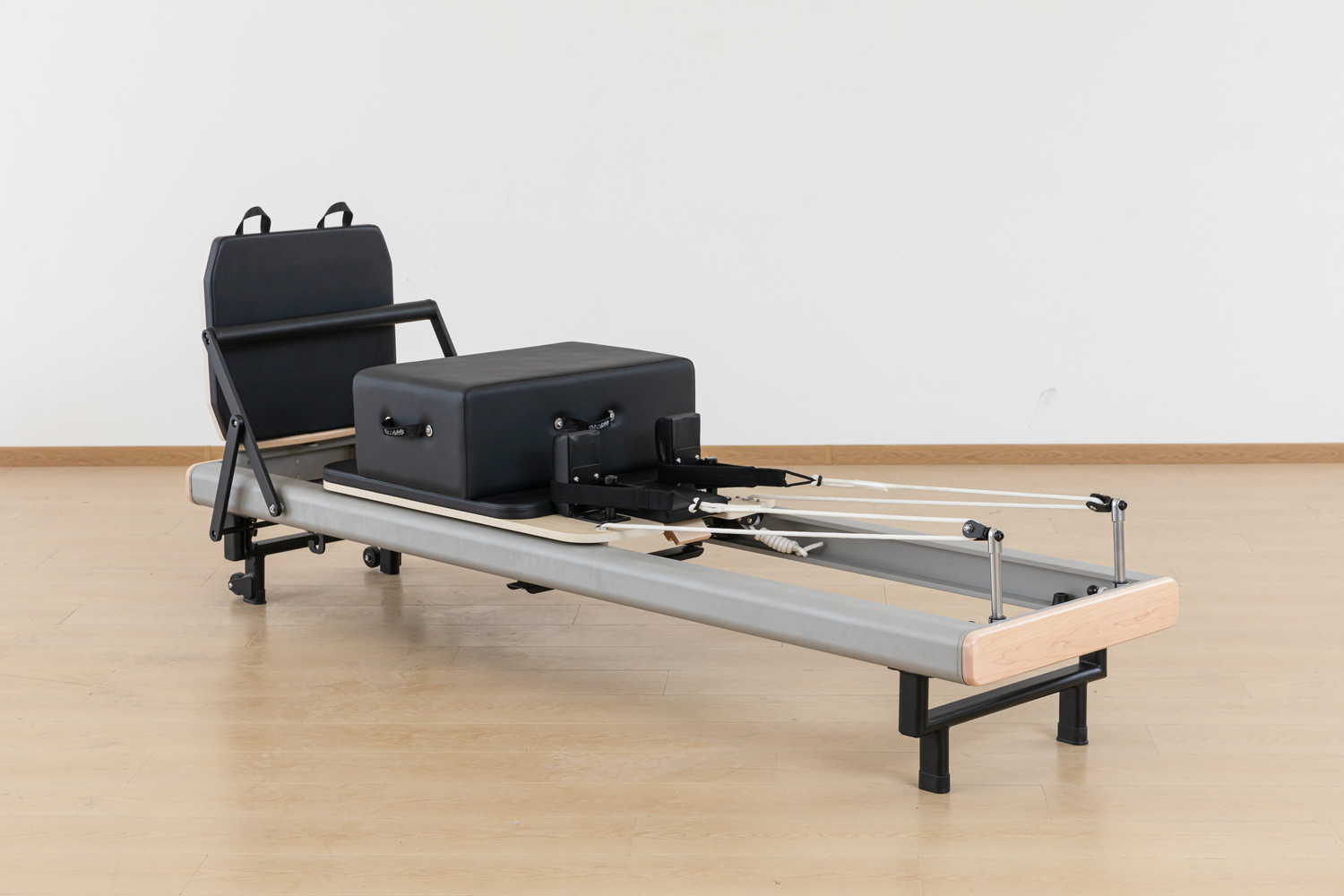
Inspectors test the entire sliding system of reformers, including silent guide wheels and carriage sliding tracks, ensuring smooth, jitter-free, and noise-free sliding throughout the whole stroke. All tension springs undergo repeated stretching tests to verify stable elasticity, no attenuation, and no abnormal friction. For tower and chair equipment, every movable pulley, traction cable, and adjustable part is operated multiple times to confirm flexible adjustment and accurate reset. Only products with 100% qualified functions can enter the packaging stage.
5. Accessory Completeness & Classification Check
Missing or mismatched accessories are one of the most common after-sales complaints for Pilates equipment imports. In mixed container orders, accessories of different models are easily confused or omitted, so independent classification inspection is required.
Suppliers must provide a detailed accessory checklist for inspection verification, including standard spare parts, replacement wheels, backup springs, adjustment tools, assembly manuals, and customized supporting kits. Inspectors classify and count accessories by model, confirm complete matching with each main machine, and avoid mixed placement of different specifications. This step ensures that every delivered unit has complete supporting parts, reducing importers’ subsequent supplementary shipping costs and customer complaints.
6. OEM Customization & Branding Accuracy Check
For private-label importers, OEM customization accuracy determines brand consistency and market premium capability. Pre-shipment inspection must focus on verifying all personalized custom details.
Inspectors check logo printing position, clarity, and firmness to ensure no offset, blurring, or peeling. They confirm customized frame colors, upholstery tones, and packaging styles are consistent with the approved golden sample. For customized labels, instruction manuals, and outer box markings, all brand information and parameter data must be accurate and unified. Unqualified customized products will be corrected before shipment to ensure consistent brand presentation in local markets.
7. Export Packaging & Stacking Safety Inspection
Long-distance sea freight faces vibration, extrusion, and humidity risks. Professional export packaging and container stacking inspection are key to zero-damage delivery.
Qualified Pilates suppliers adopt thickened export wooden crates with shockproof foam filling for all machines. Inspectors check whether the corners and edges of wooden boxes are reinforced, whether internal fixing straps are firm, and whether moisture-proof and dust-proof measures are complete. Meanwhile, they verify outer box marking clarity, including product model, quantity, weight, and shipping marks. For mixed container shipments, inspectors confirm the scientific stacking sequence: heavy equipment at the bottom, light accessories on top, and gap filling to prevent shaking and collision during transportation.
8. Compliance Document Verification
European and American markets have strict import access standards for commercial fitness equipment. Pre-shipment document inspection ensures smooth customs clearance and avoids detention or fines.
Importers must require suppliers to provide complete and valid documents for inspection, including CE certificates, EN ISO 20957 commercial fitness equipment test reports, factory qualification certificates, detailed packing lists, and commercial invoices. All document data must be consistent with actual shipment products, and certification scope must cover all mixed-order models. Complete compliance documents are the core guarantee for importers to expand local commercial sales channels.
Why Strict Pre-Shipment Inspection Matters for Importers
Many overseas distributors ignore PSI and only check goods after container arrival, resulting in uncontrollable losses. Unqualified Pilates equipment cannot be sold commercially, while returned goods bear extremely high international logistics costs. Standard pre-shipment inspection screens defective products, corrects customization errors, standardizes packaging, and ensures document compliance. It effectively reduces after-sales pressure, protects brand reputation, and maximizes the profit margin of each batch of orders.
Conclusion
A complete pre-shipment inspection process for Pilates gear covers order verification, cosmetic workmanship, structural safety, functional testing, accessory matching, OEM customization, packaging safety, and document compliance. As a professional fitness equipment importer, formulating standardized PSI requirements for suppliers is the most cost-effective way to control quality risks, stabilize supply chain quality, and maintain long-term competitive advantages in the local commercial Pilates market.