Custom Pilates Reformer Manufacturer | Home & Commercial Equipment
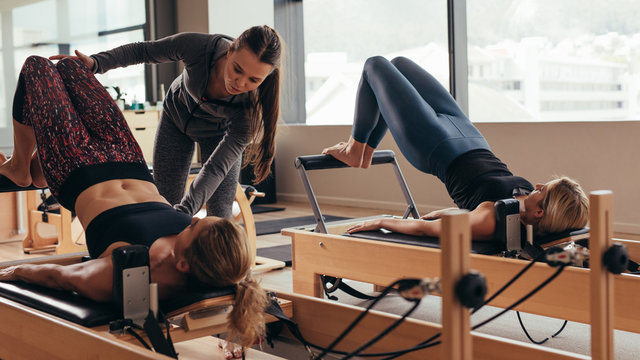
As the Pilates equipment market matures, more brand owners, distributors, and studio operators are no longer satisfied with standard products — they want equipment that carries their brand identity, matches their specific curriculum, and even offers unique functional configurations. This is where custom Pilates reformer manufacturers come in.
This article systematically covers the two collaboration models for custom Pilates reformers, customization dimensions, key criteria for selecting manufacturers, and the differences in customization strategy between home and commercial equipment.
I. Two Customization Models: OEM and ODM
OEM (Original Equipment Manufacturing) is the most common customization model. The brand provides design drawings or specifications, the manufacturer produces accordingly, and the product bears the brand's identity. In the Pilates equipment industry, OEM typically means "customization based on existing models" — selecting a base model from the manufacturer's product library and adjusting colors, logos, accessory packages, and packaging per client requirements. This model has lower barriers and shorter lead times, suitable for clients wanting to quickly establish a private label without needing entirely new designs.
ODM (Original Design Manufacturing) represents deeper collaboration. The manufacturer has an in-house R&D team that can design entirely new products from scratch based on the client's market positioning and functional requirements. In ODM partnerships, design IP ownership must be clearly specified in contracts — typically the brand buys out the design or obtains exclusive usage rights. ODM suits brands with clear positioning and a desire for differentiated competitive products.
The two models are not mutually exclusive. Many clients start with OEM, then move to co-develop ODM products with the manufacturer once the partnership stabilizes and market validation is complete.
II. What Can Be Customized?
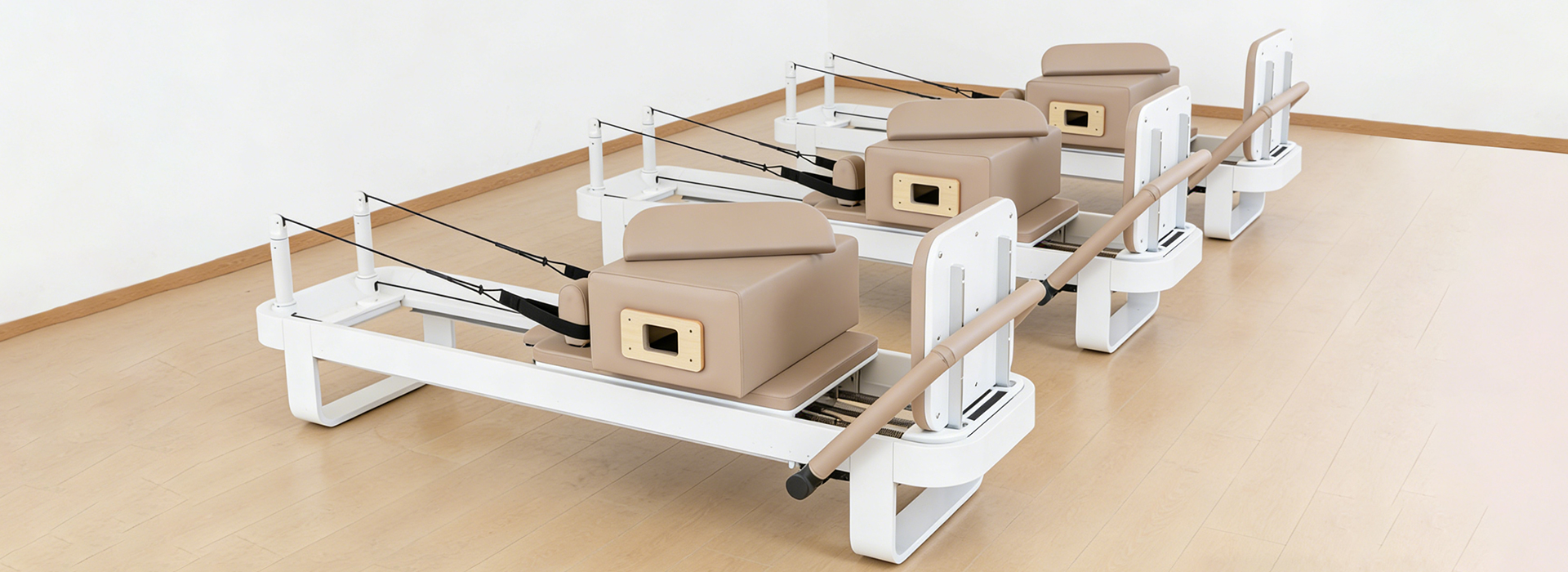
Appearance customization is the most basic and common requirement. Upholstery colors: manufacturers typically offer 50 to 100+ options, covering classic neutrals and seasonal trends. Branding: logos can be applied via pad printing, laser engraving, embroidery, or metal nameplates on frames, leather, or straps. Frame colors: wood frames can use different woods (maple, oak, beech) and finishes; metal frames offer black, white, silver, or powder-coated colors.
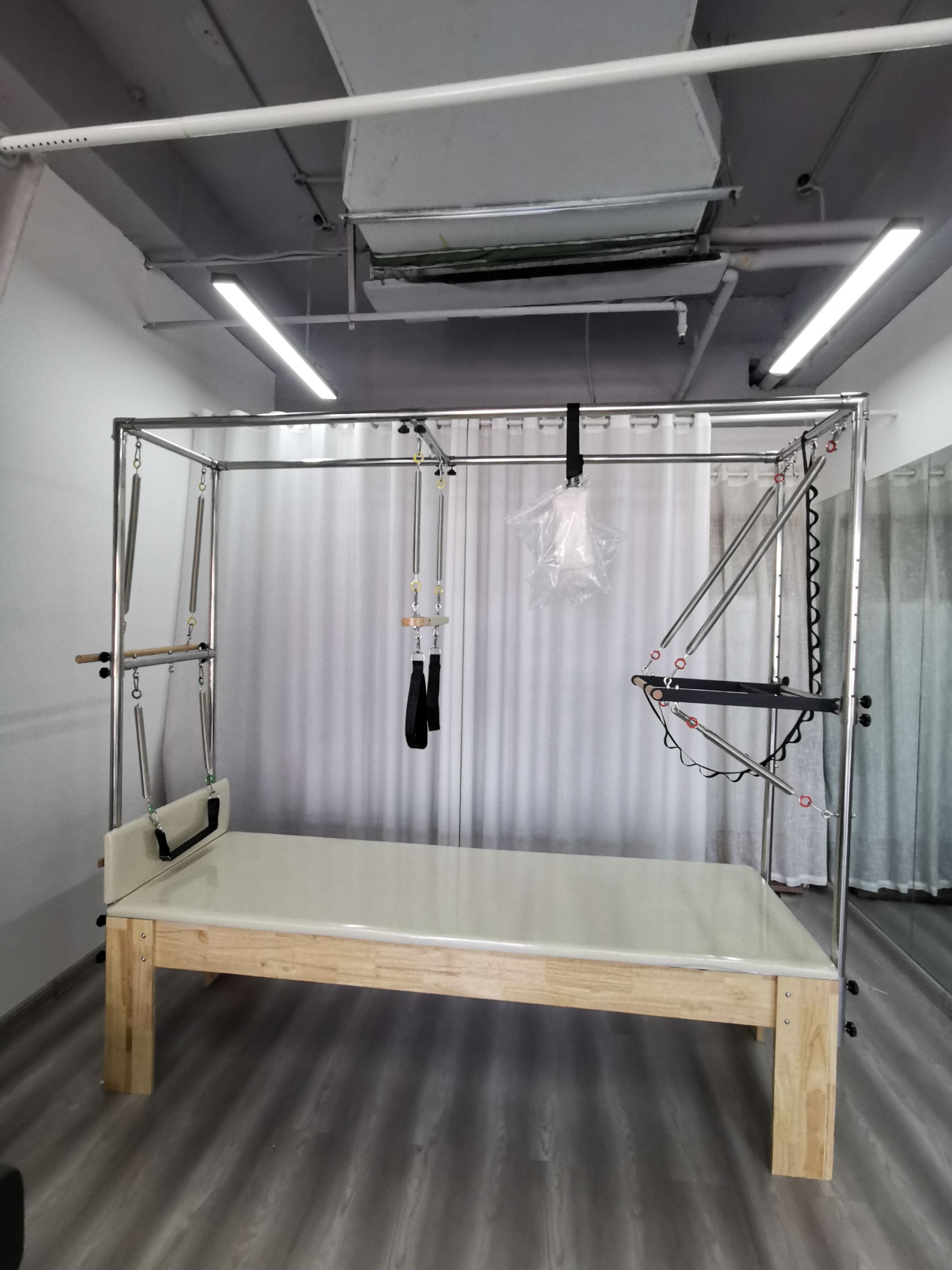
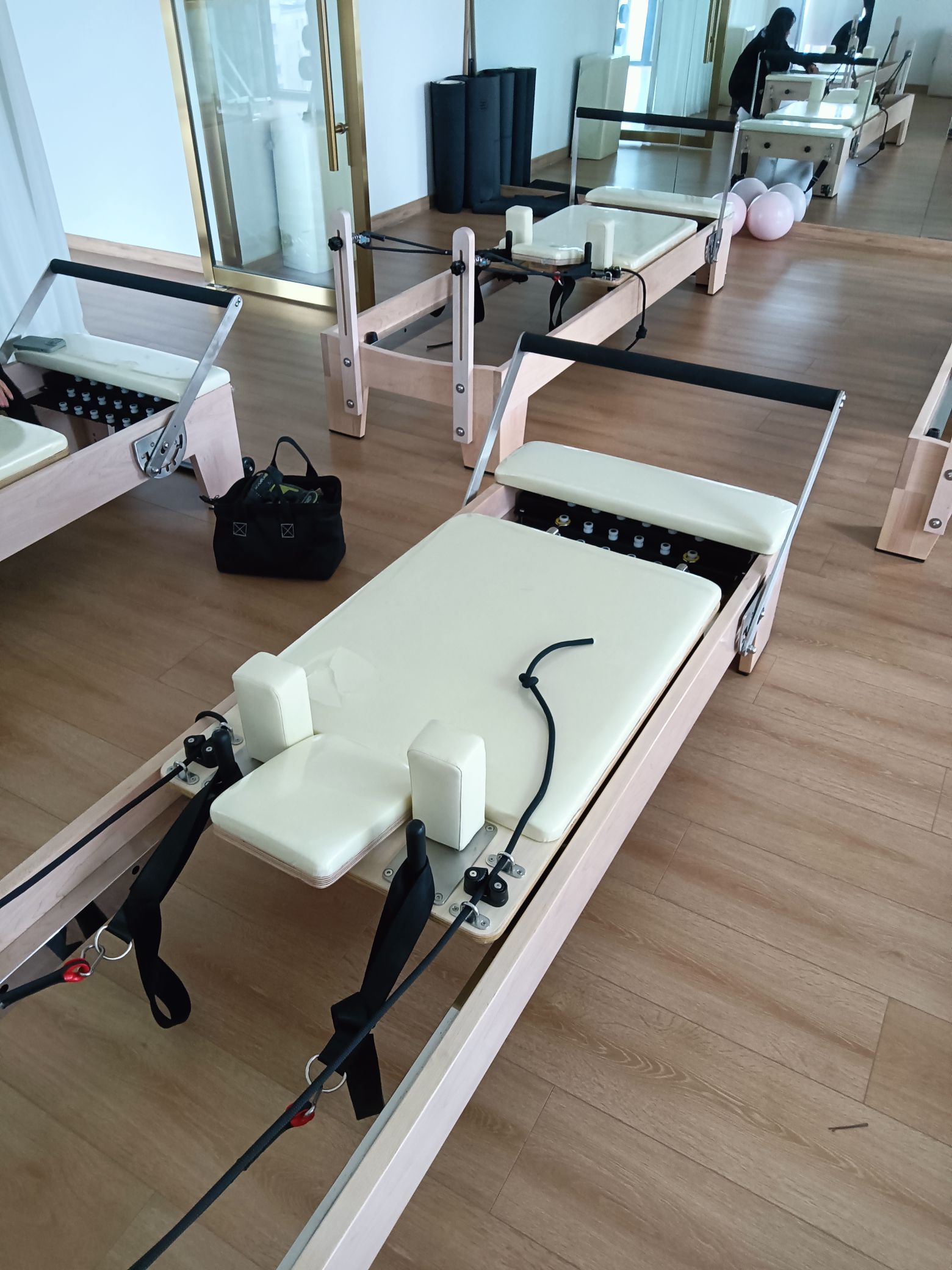
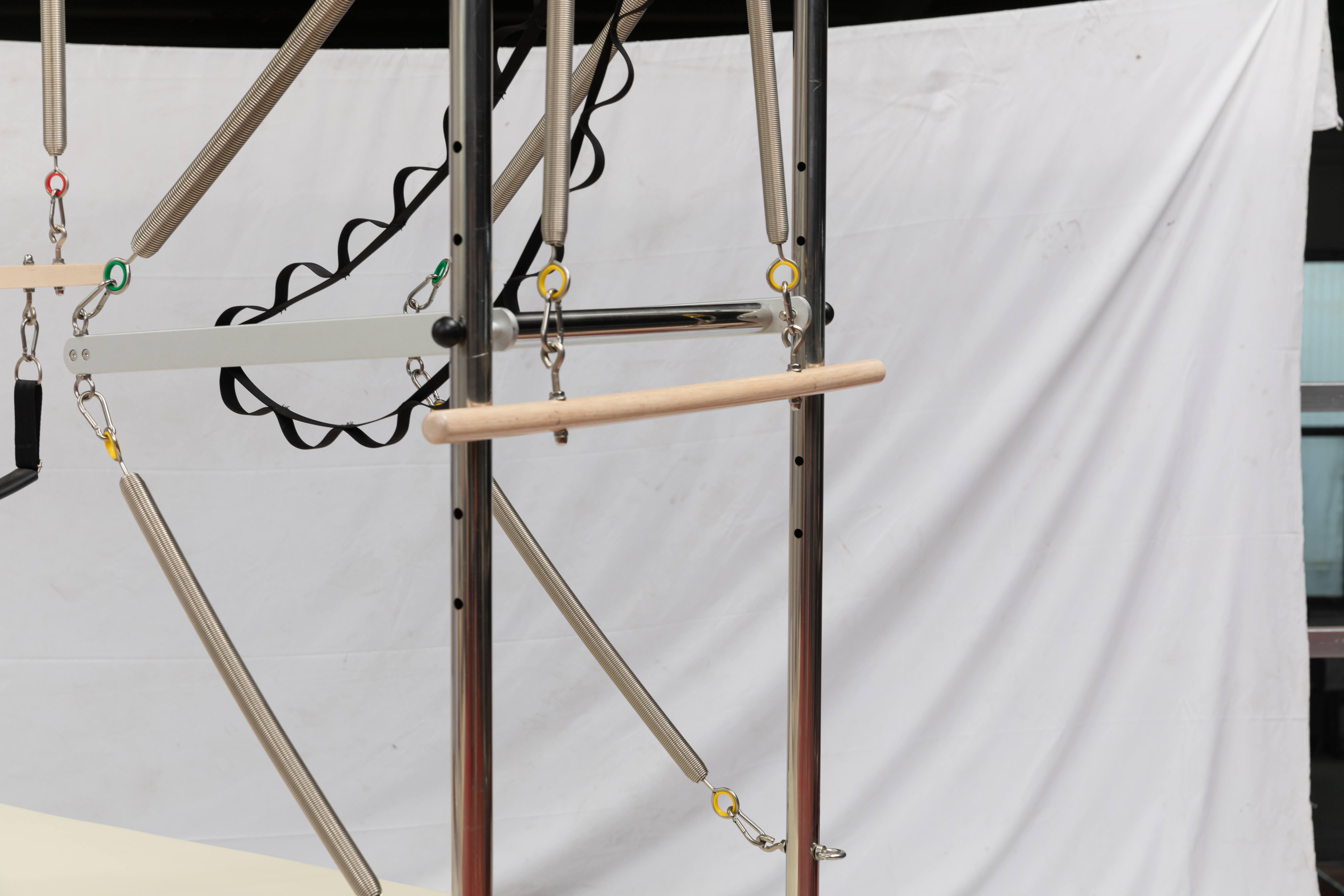
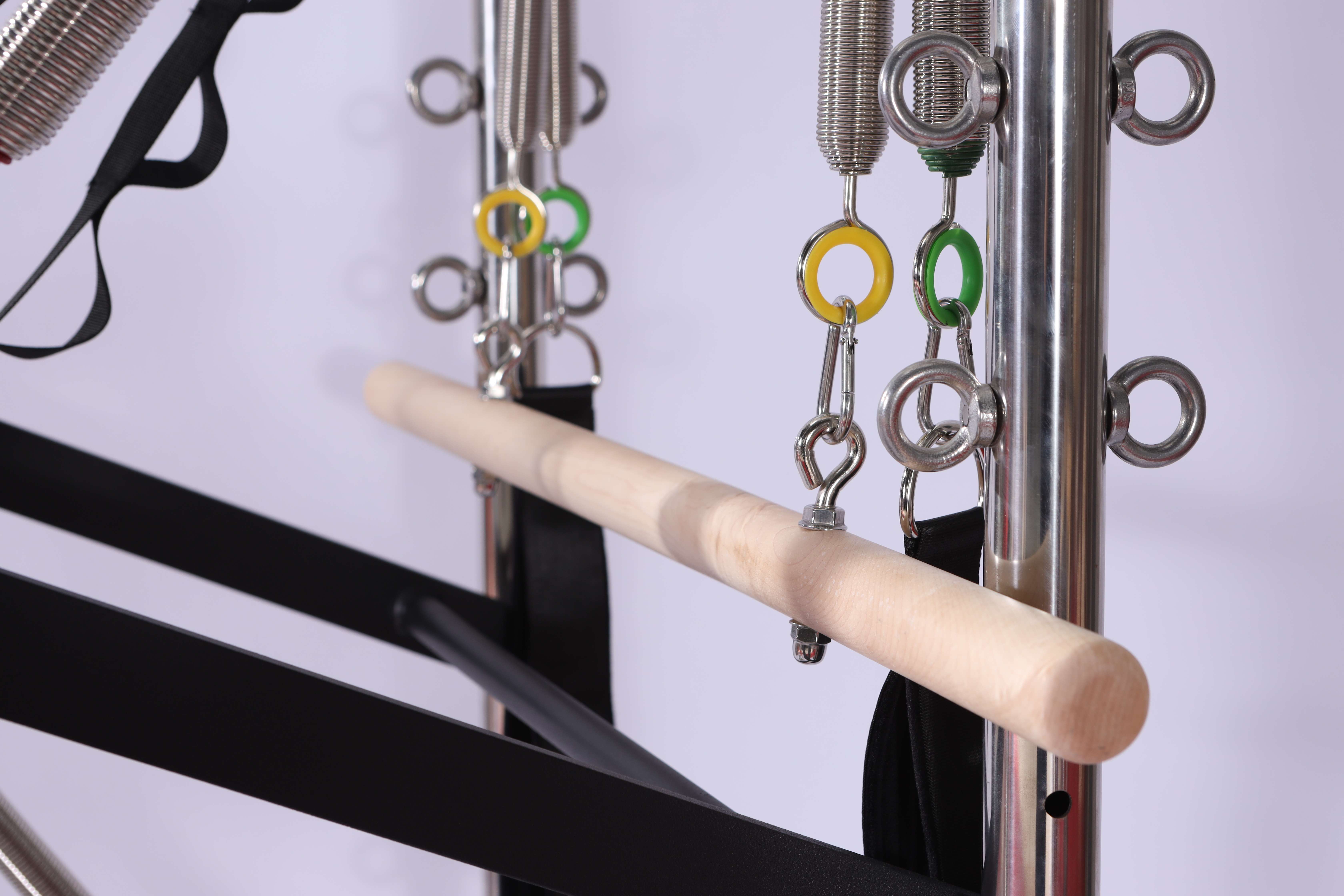
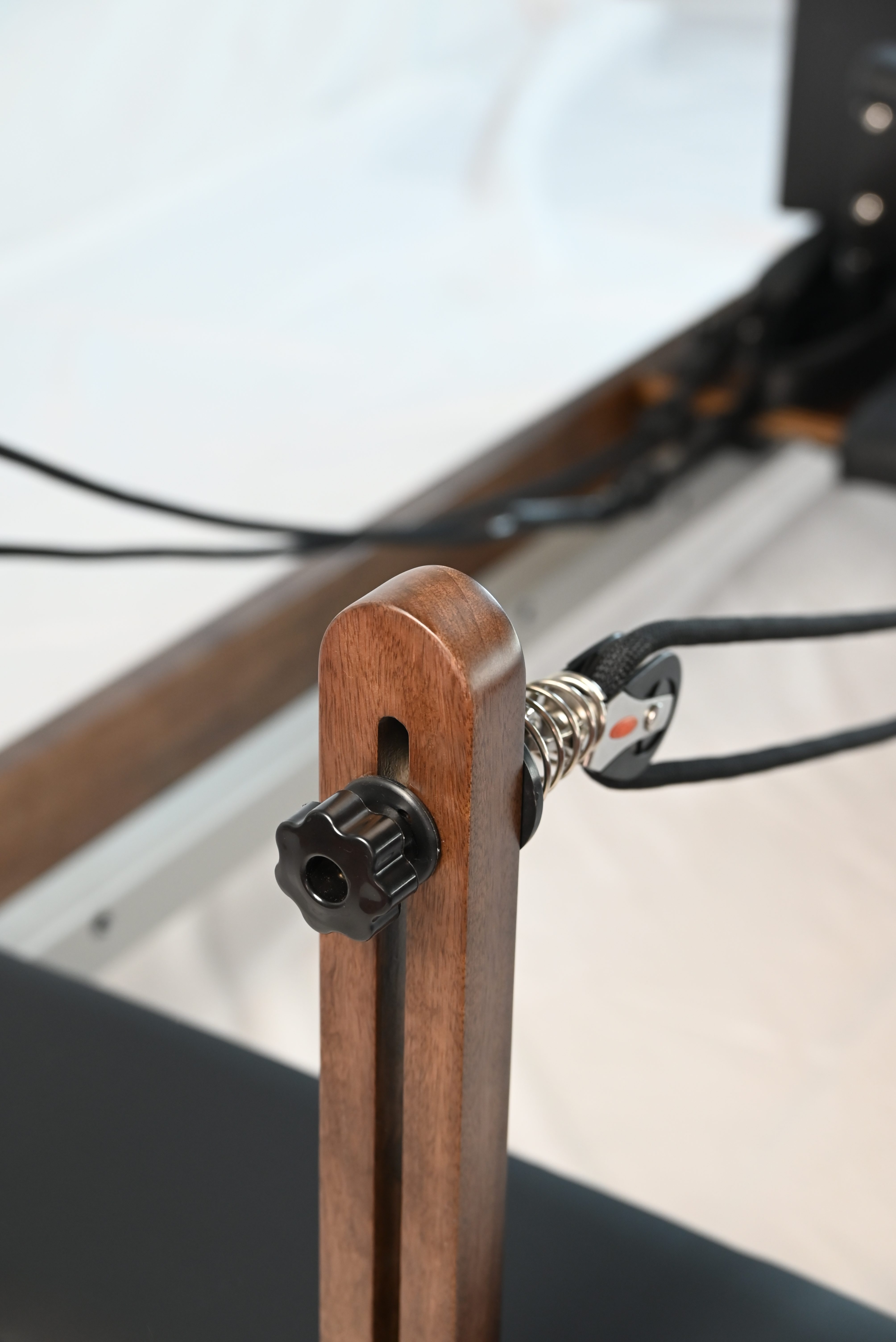
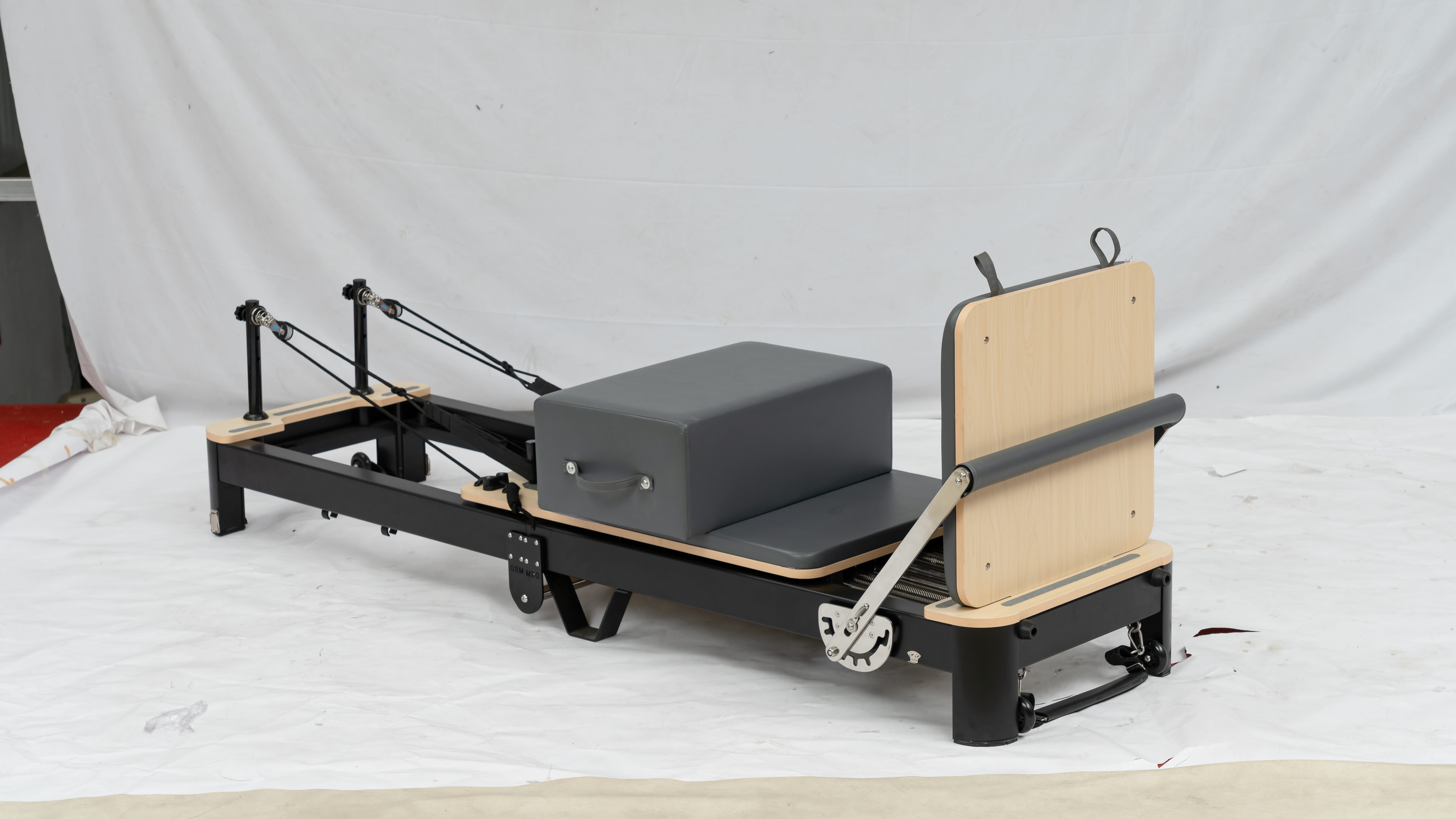
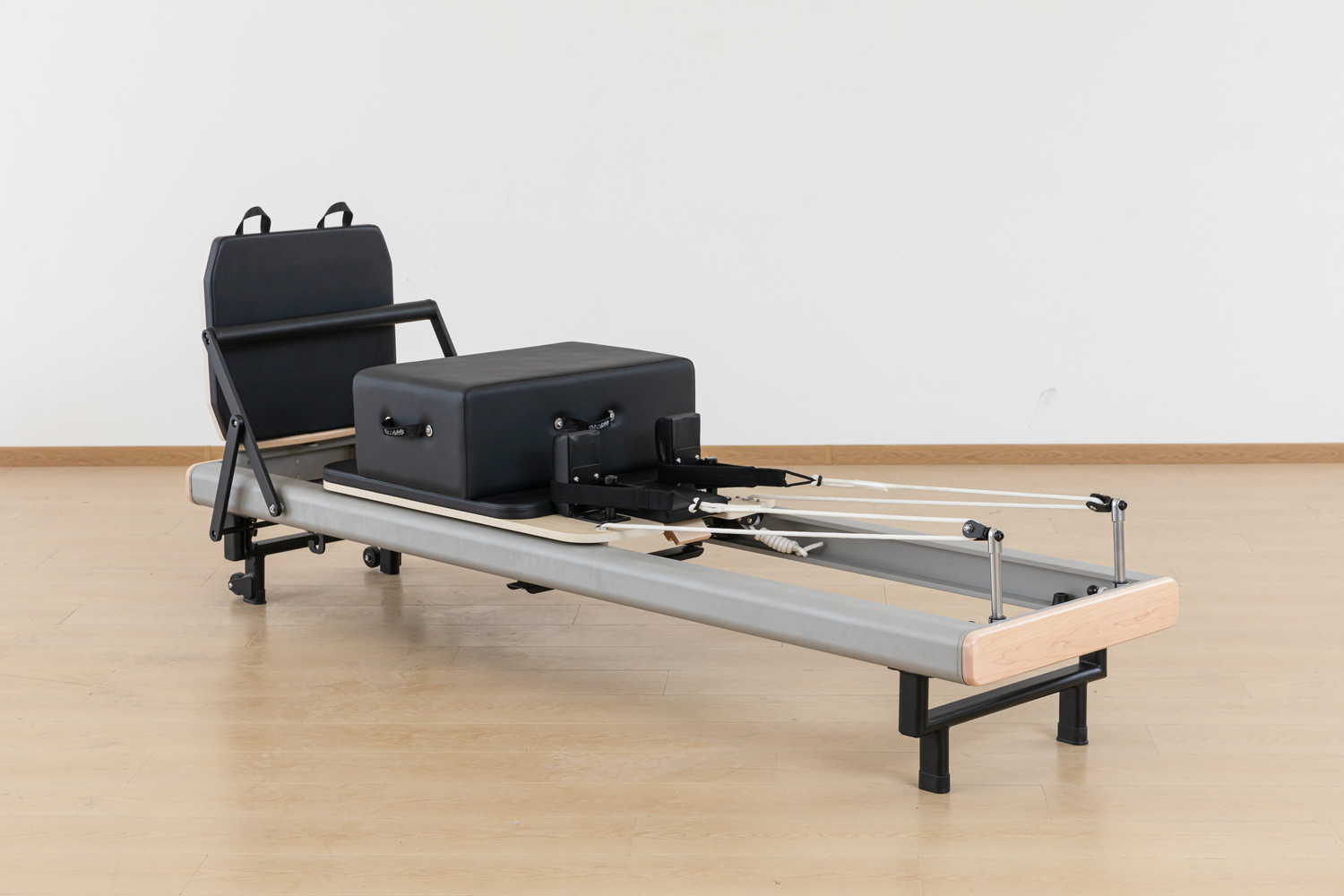
Functional and structural customization is the core of differentiation. Spring systems can be configured with different force combinations — e.g., 3 heavy + 1 medium + 1 light. Accessory packages can add or remove Jumpboards, Towers, Mat Converters, and rope systems. Adjustment systems can optimize footbar positions, headrest angles, and shoulder rest placement. Dimensional adjustments can accommodate special spaces or user heights.
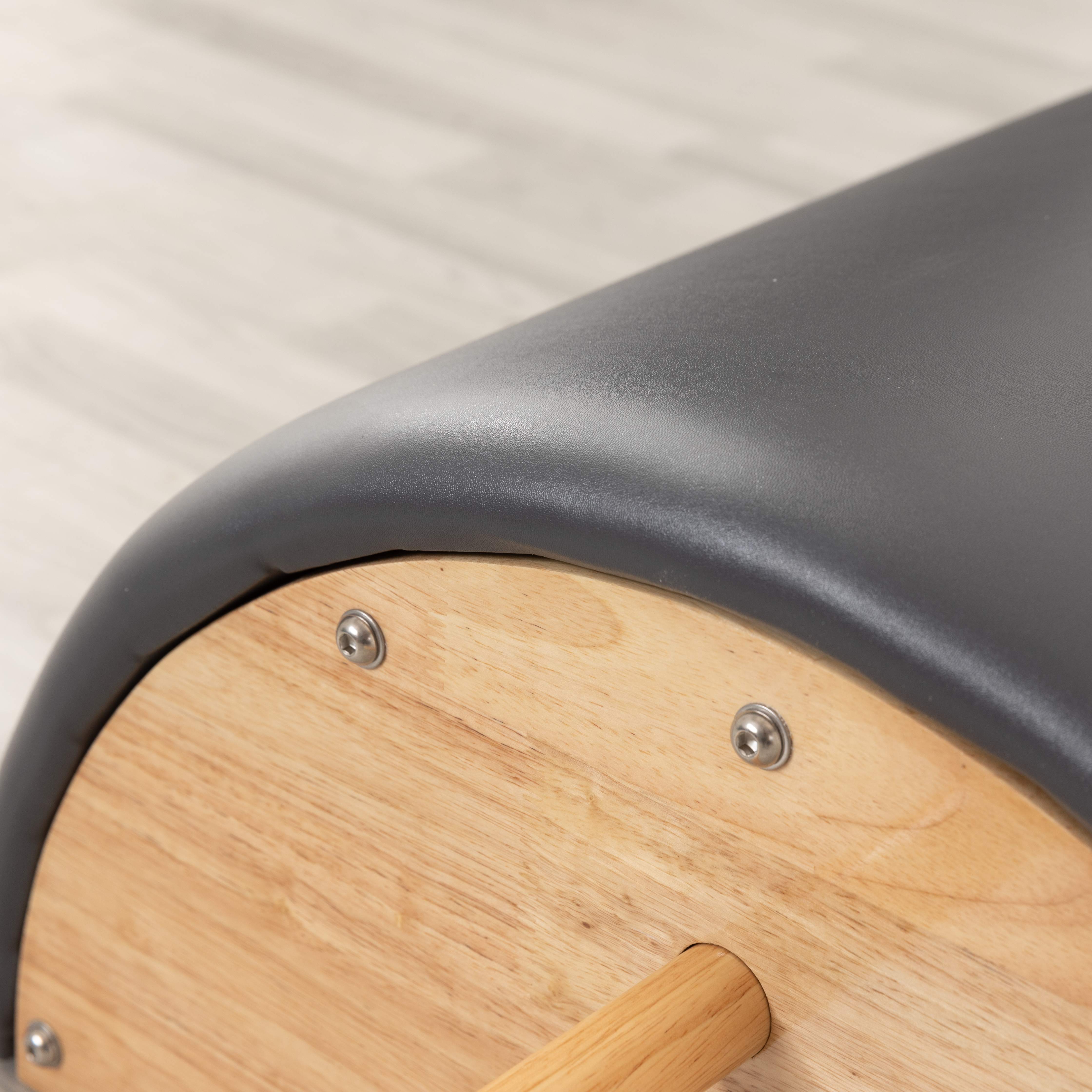
Material and process customization covers frame materials (solid wood, aluminum alloy, carbon steel), leather grades (standard PU to microfiber), and spring materials (imported piano wire, etc.). Some manufacturers also support specialty finishes, such as anodizing grade selection and mortise-and-tenon joinery.
Branding and packaging customization includes branded packaging boxes, multilingual manuals, marketing materials (brochures, posters, instructional videos), and product serial number management systems.
III. Customization Differences: Home vs. Commercial Equipment
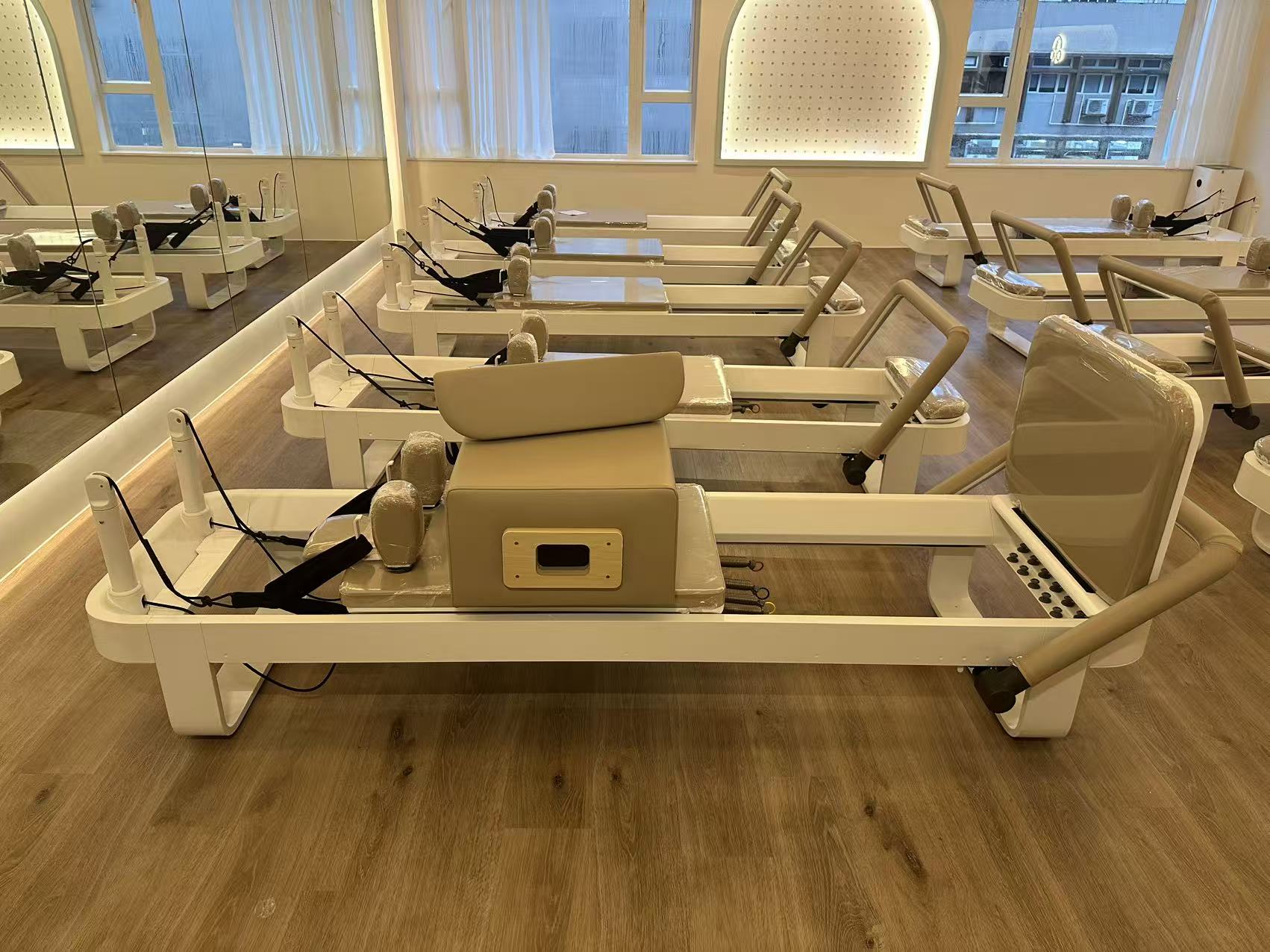
Home equipment customization focuses on spatial adaptation and aesthetic integration. Small-space users need foldable, compact, or upright-storable designs. For appearance, home users tend to choose colors and materials that harmonize with their interior — natural wood, white, and light gray are popular choices. Functionally, home equipment typically doesn't require commercial-grade heavy frames, but places higher demands on noise performance and storage convenience.
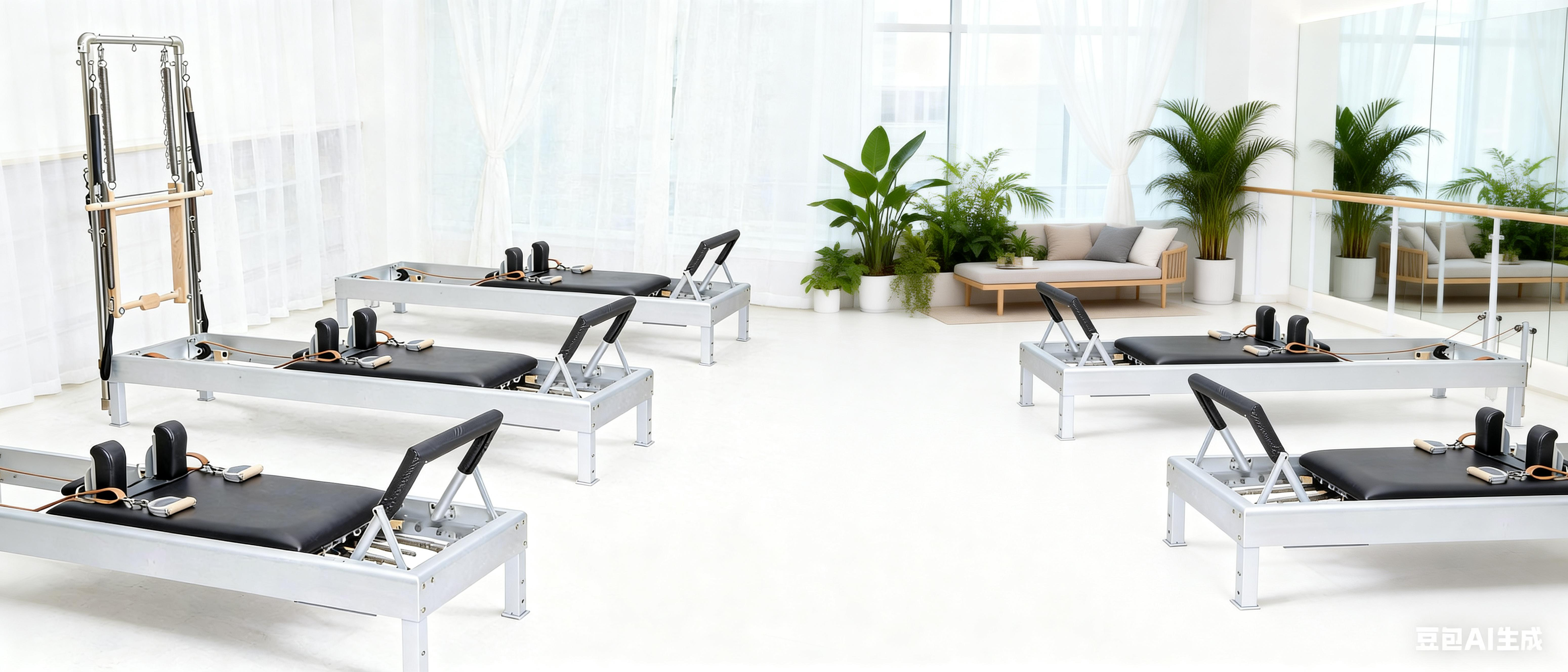
Commercial equipment customization focuses on durability and operational efficiency. Studios and franchise brands need equipment that withstands 8-12 hours of daily use, so frame thickness, spring life, and leather abrasion resistance must meet commercial standards. For appearance, commercial customization emphasizes brand recognition — consistent colorways and logos help build a professional image. Functionally, quick-adjustment mechanisms, easy-clean surfaces, and replaceable component designs are common commercial customization requirements.
IV. Five Key Criteria for Selecting a Custom Manufacturer
Manufacturing capacity is foundational. Evaluate factory floor space, production line count, workforce size, annual capacity, and current order backlog. Factories with export experience and ISO 9001 certification are generally more reliable. For brands requiring large-scale customization, flexible production lines and rapid changeover capabilities are especially important.
Quality control transparency is critical. A trustworthy manufacturer should clearly demonstrate its IQC, IPQC, and OQC processes and records. Clearer inspection standards and more traceable records ensure better consistency in custom products.
Customization flexibility and MOQ directly affect partnership feasibility. Manufacturers accepting smaller MOQs (50-100 units) generally demonstrate higher commitment to client needs. For ODM projects requiring entirely new designs, the manufacturer's R&D team capability and design communication efficiency are core considerations.
Sample production capability and lead time are the litmus test of manufacturer strength. The speed of converting design drawings into functional samples directly reflects technical capability and willingness to collaborate. Always validate quality and customization results through samples before placing bulk orders.
After-sales and warranty commitments determine long-term partnership confidence. Warranty periods (typically 5-10 years on frames), parts availability, and response mechanisms should be clearly specified in contracts.
V. Typical Customization Collaboration Process
Requirements communication: Client provides product type, quantity, customization requirements, and delivery timeline. Manufacturer assesses feasibility and provides preliminary pricing and sample plans.
Design and sampling: Drawings are created or existing designs adjusted per client requirements. 1-2 samples are produced for functional testing and appearance confirmation.
Sample approval and contract signing: Client evaluates samples and provides feedback. Both parties sign sample approval documents specifying product specifications, quantity, unit price, delivery timeline, payment terms, and warranty conditions.
Mass production and process control: Production begins after deposit payment. Client factory inspections or video verification can be arranged during production, with inspection records available for review.
Delivery and acceptance: Finished products undergo outgoing quality control before shipment. Client performs acceptance inspection upon receipt and pays the balance.
Summary: The value of custom Pilates reformer manufacturers lies in transforming "standard products" into "brand assets." Whether it's OEM rapid private-labeling or ODM deep co-creation, the core of customization partnership is finding a manufacturer with solid manufacturing capability, transparent quality control, flexible customization, and reliable delivery. For home clients, customization means harmonious integration of equipment with living spaces; for commercial clients, customization means enhanced brand recognition and optimized operational efficiency. Before placing formal orders, validate manufacturer capability and responsiveness through sample production — this step adds a few weeks but effectively avoids major risks in bulk collaboration.