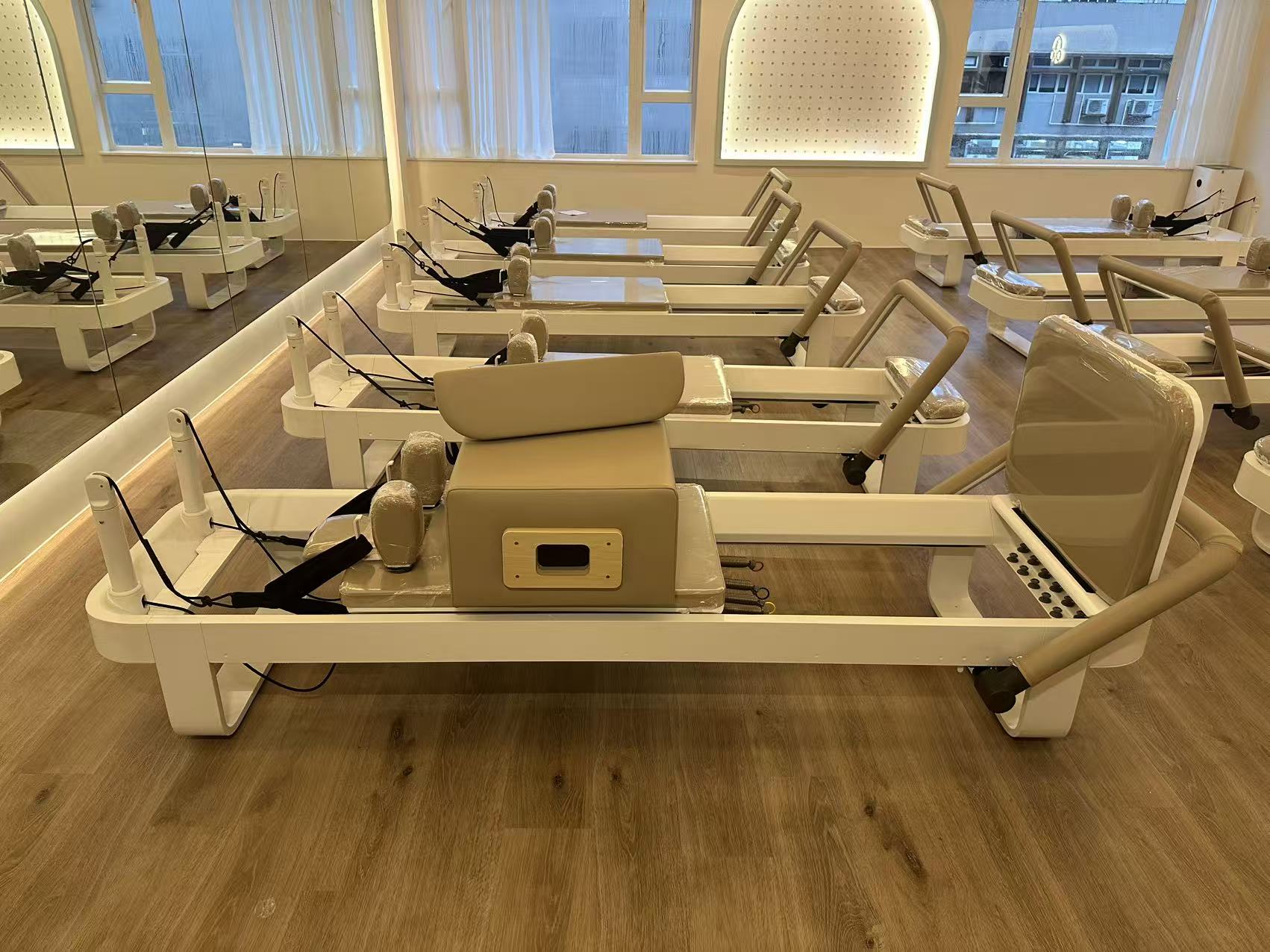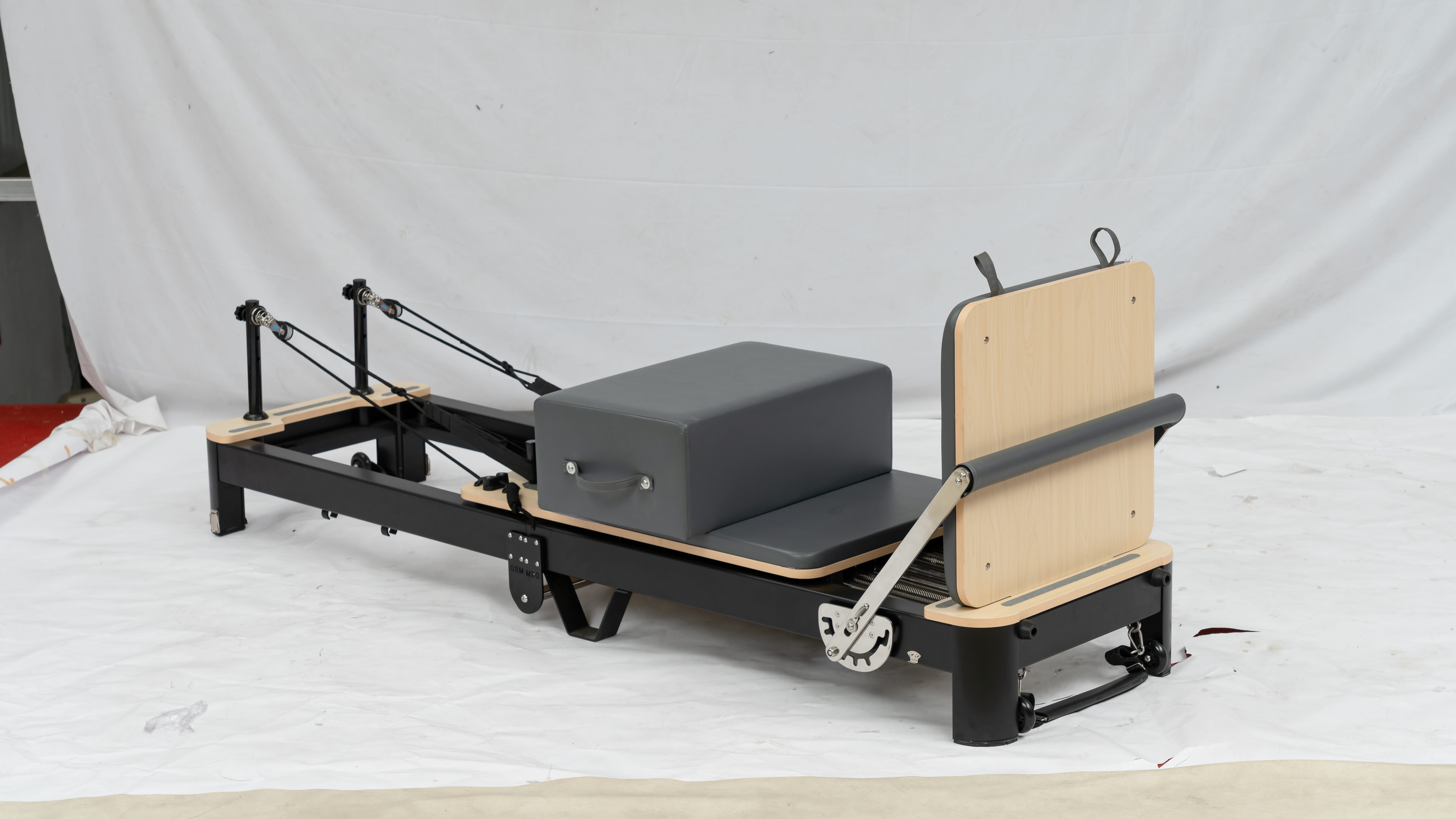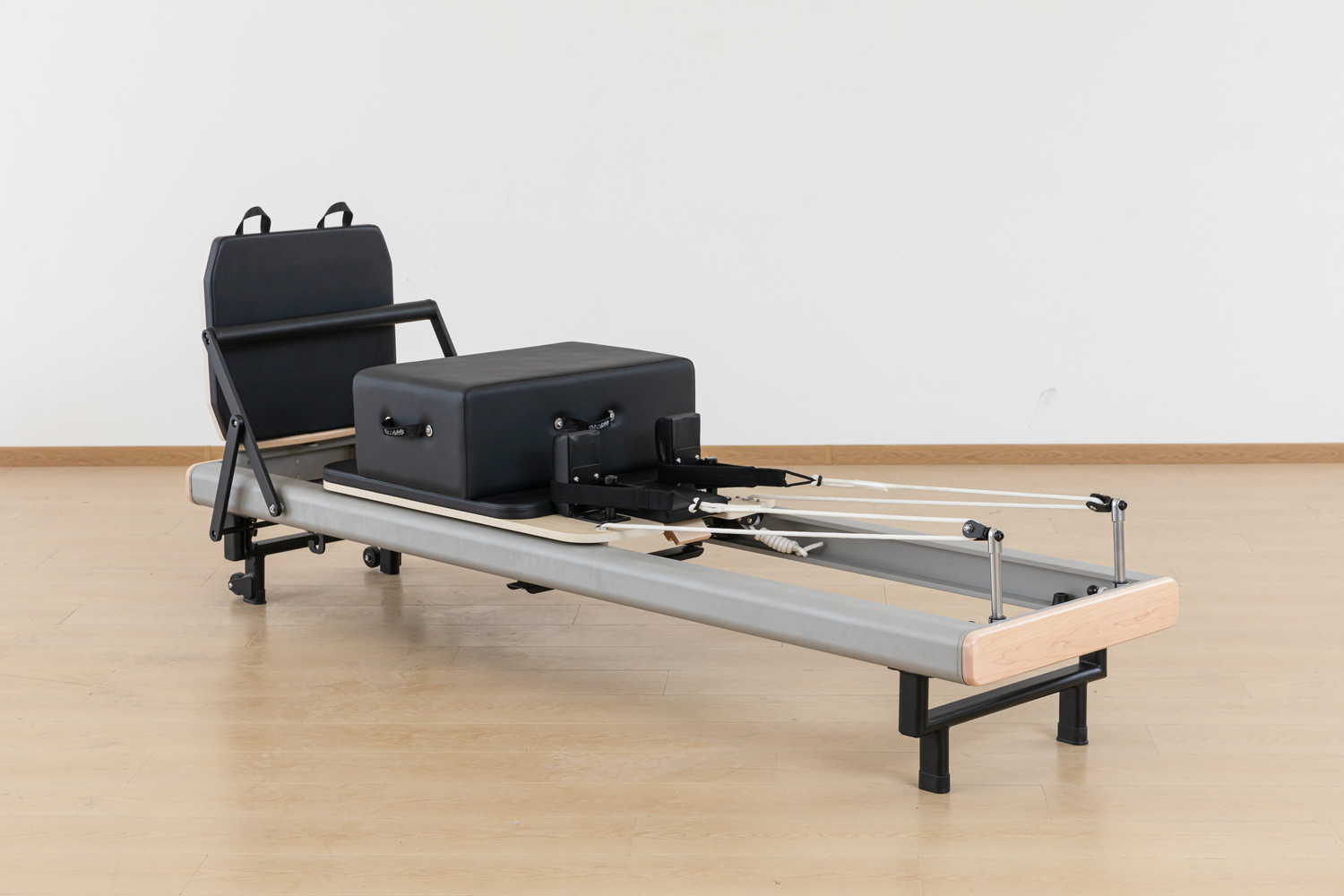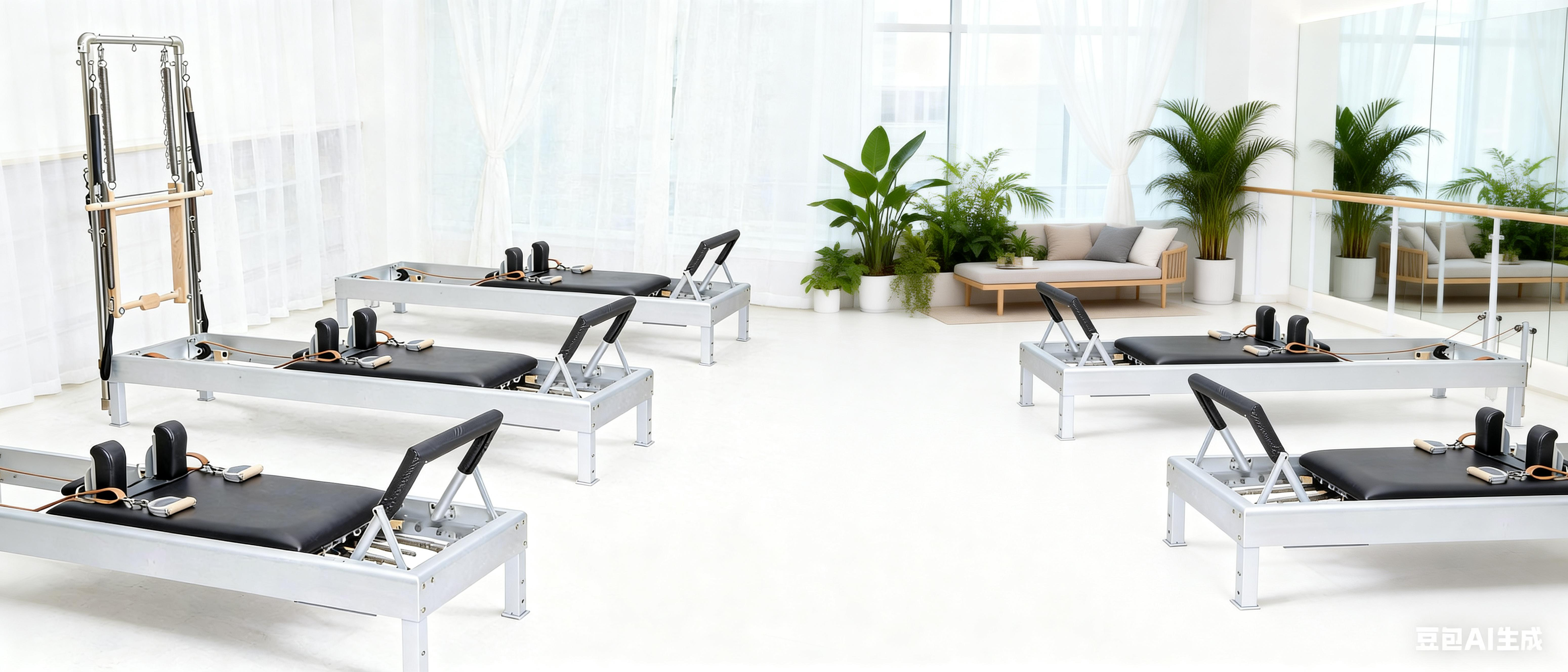
Why Choose Our Premium Pilates Equipment for Your Studio Business
Opening a Pilates studio means equipment is your largest single investment — and the hardest decision to reverse. Buy too expensive, and cash flow suffers. Buy too cheap, and problems surface within two years. Worse, once equipment is in use, replacement costs are enormous — downtime, disassembly, re-procurement, re-familiarization. Every step drains your time and client trust.
Choosing our premium Pilates equipment isn't about "spending more" — it's about "taking fewer detours." Here are five reasons, distilled from real partnerships with studio owners.
I. Quality Consistency: Every Machine Feels the Same
For studios with multiple reformers, the biggest nightmare is "this bed feels different from that one." When clients practice on different machines, variations in spring resistance, glide smoothness, and footbar locking feel don't just affect training — they make clients question your studio's professionalism.
Our equipment undergoes rigorous quality control before leaving the factory — from IQC (Incoming Quality Control) to IPQC (In-Process Quality Control) to OQC (Outgoing Quality Control). Every process has defined inspection standards and records. Within the same production batch, spring force tolerance is controlled within ±5%, carriage glide resistance is consistent, and adjustment mechanisms feel uniform.
This means: Your first reformer and your tenth reformer feel the same to clients. Franchise brands opening in different cities deliver consistent client experiences.
II. Durability: Not Just "Works," But "Keeps Working Well"
The essential difference between commercial-grade and home-grade equipment isn't "whether it works" — it's "how long it keeps feeling good."
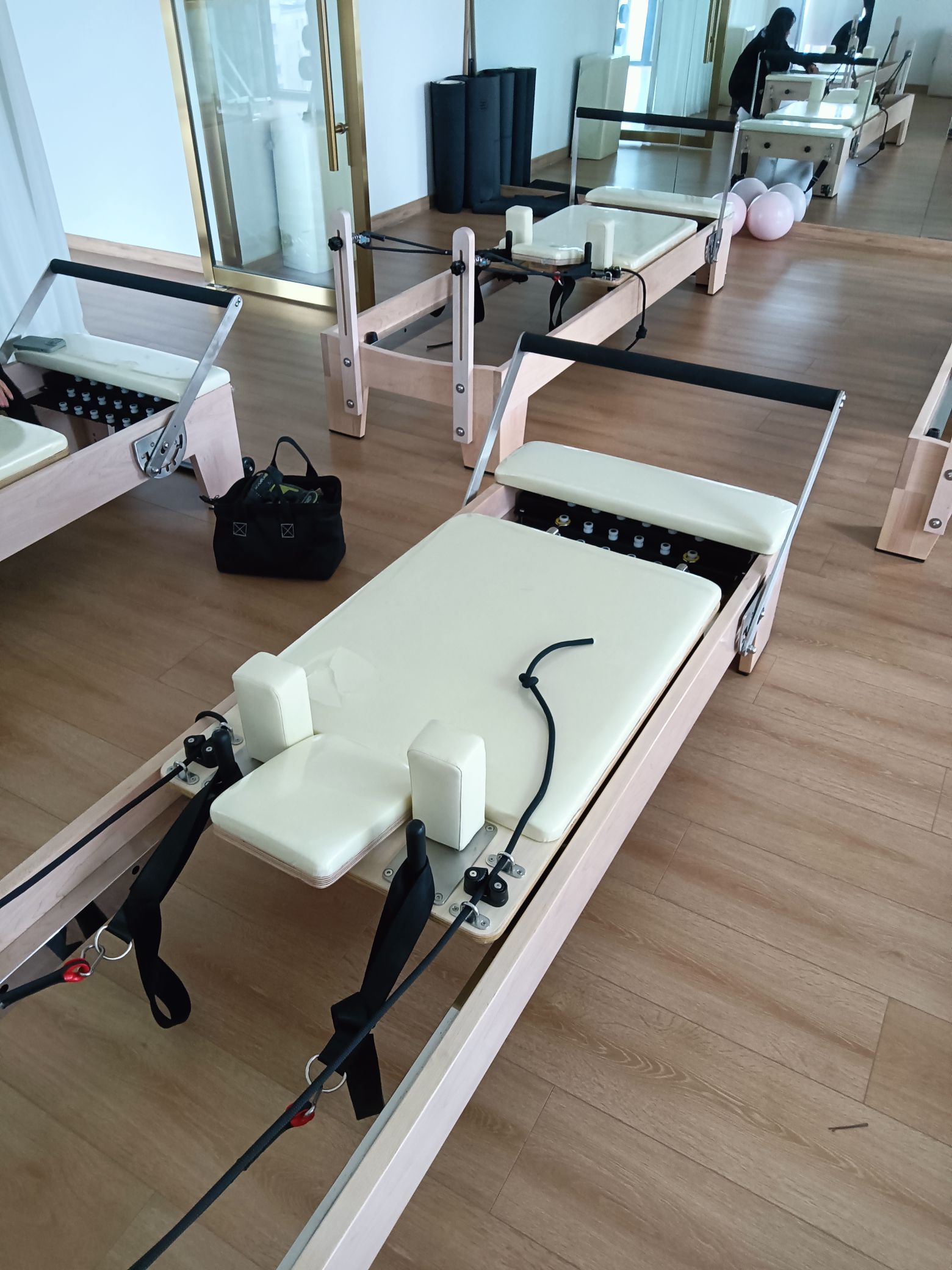
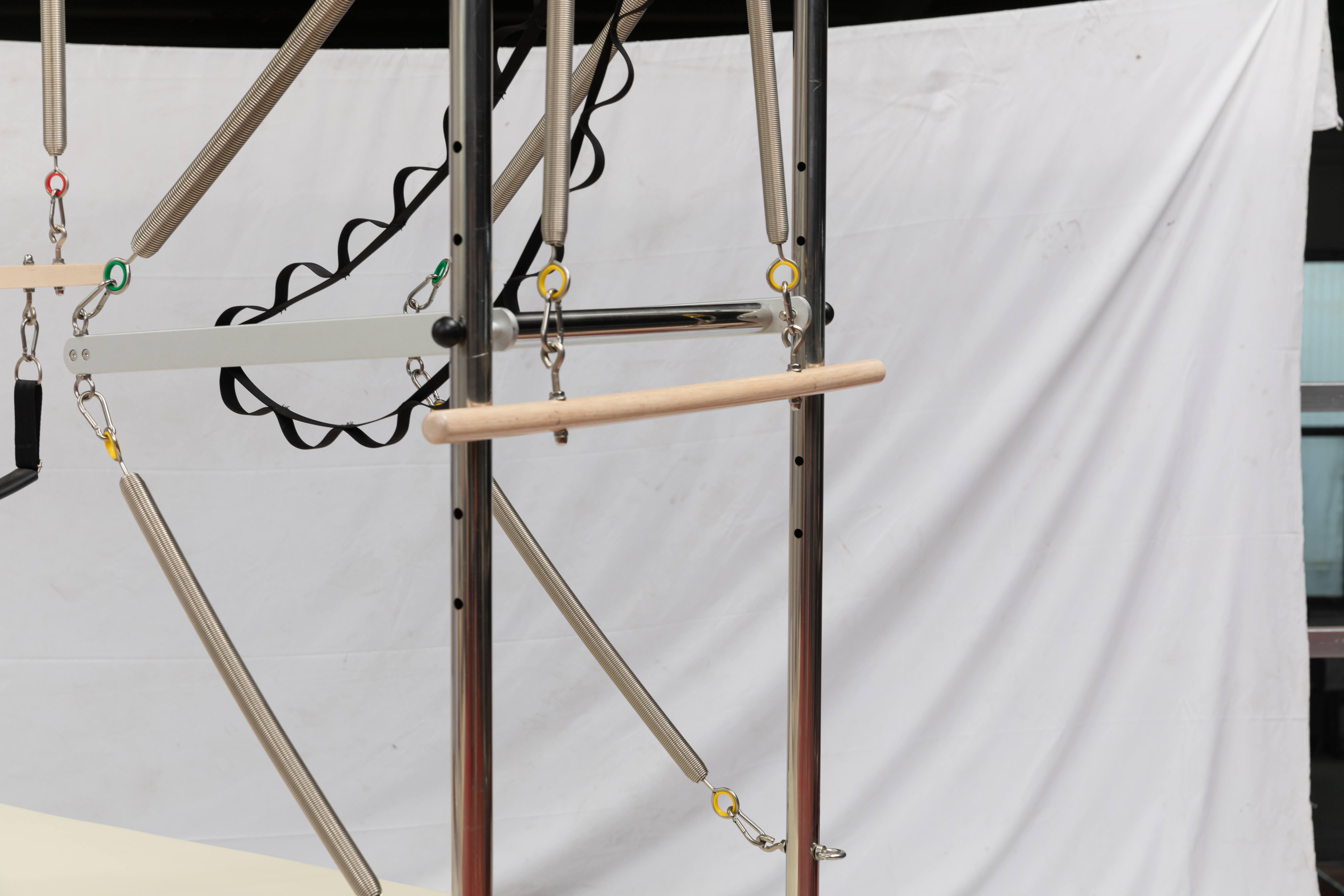
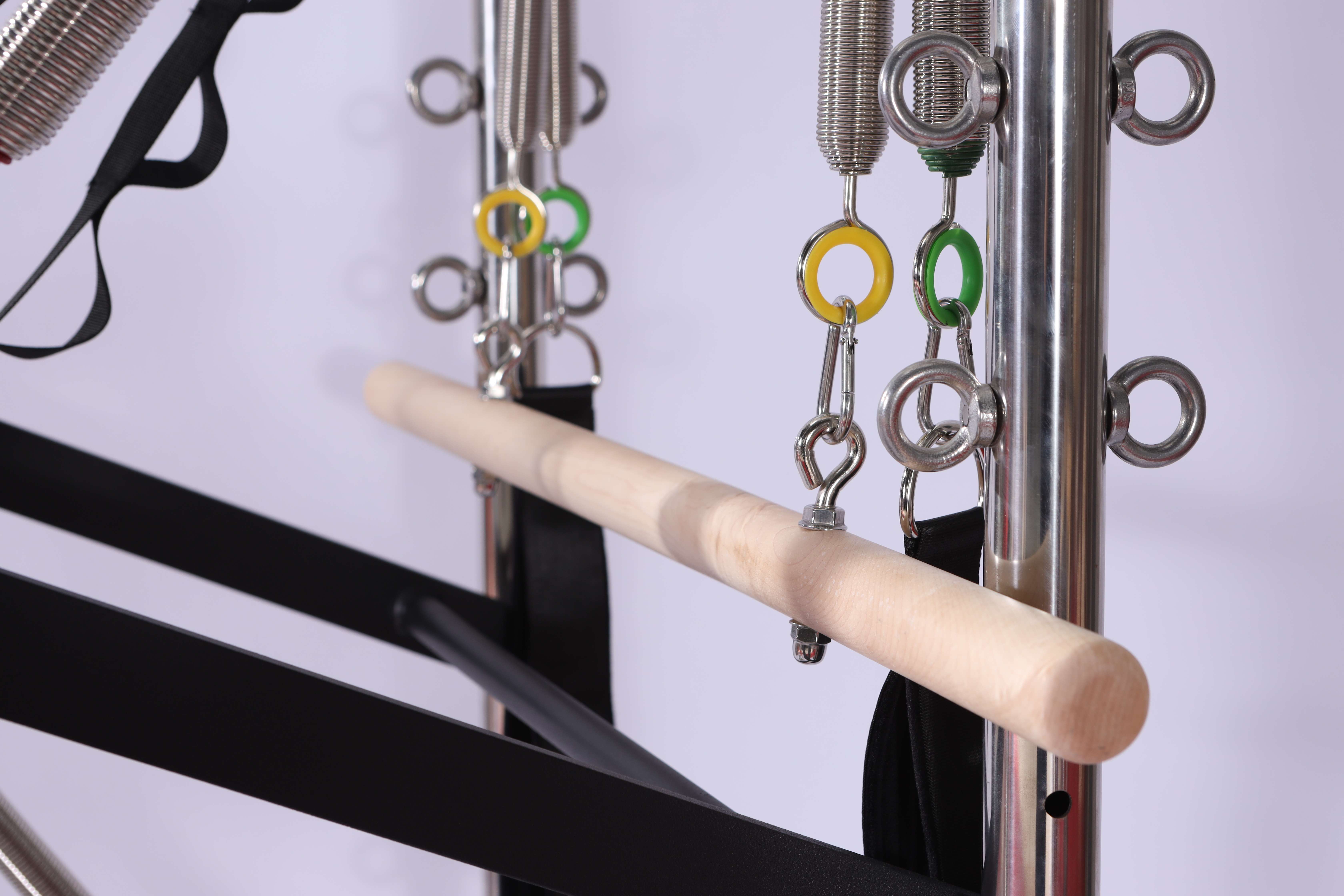
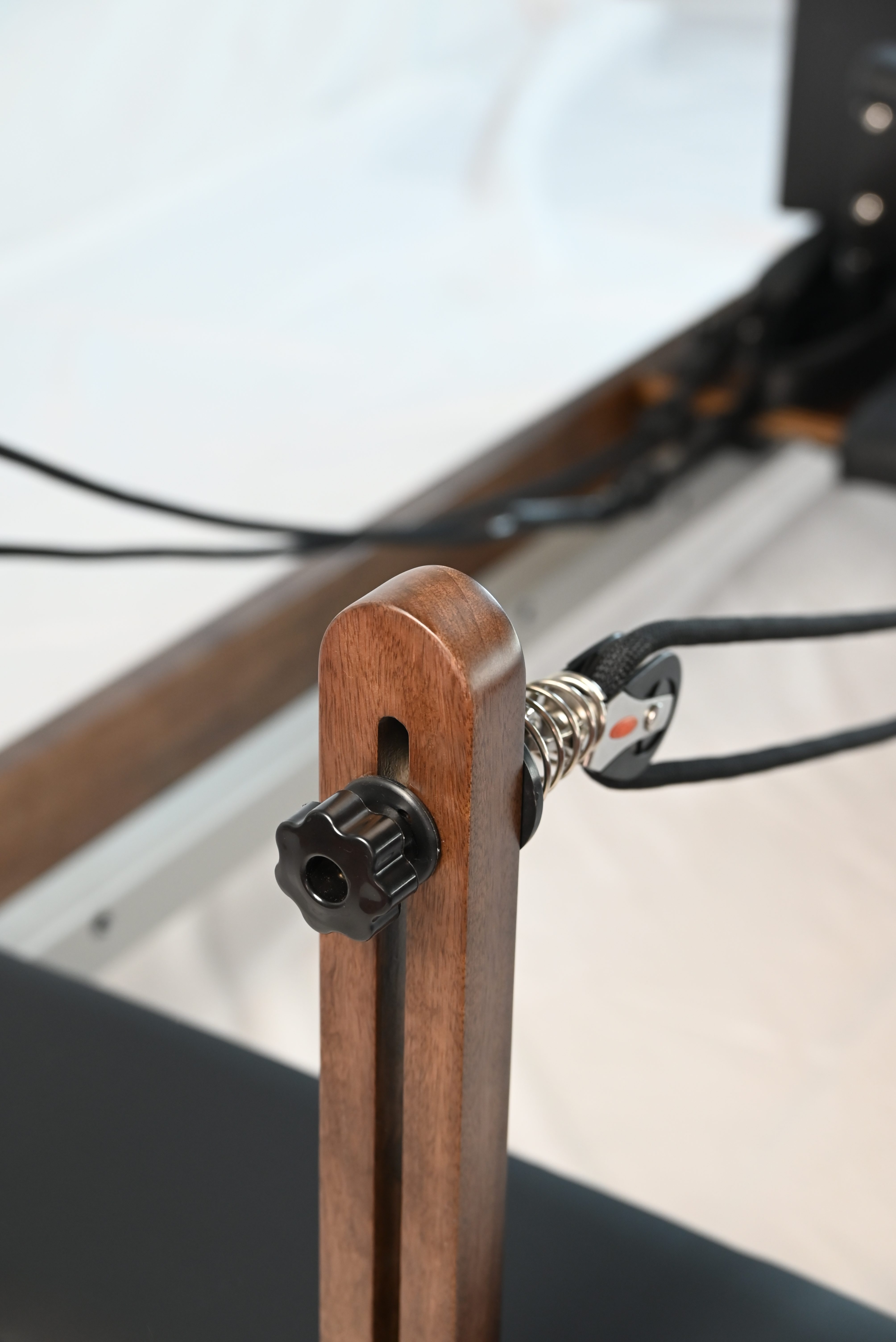
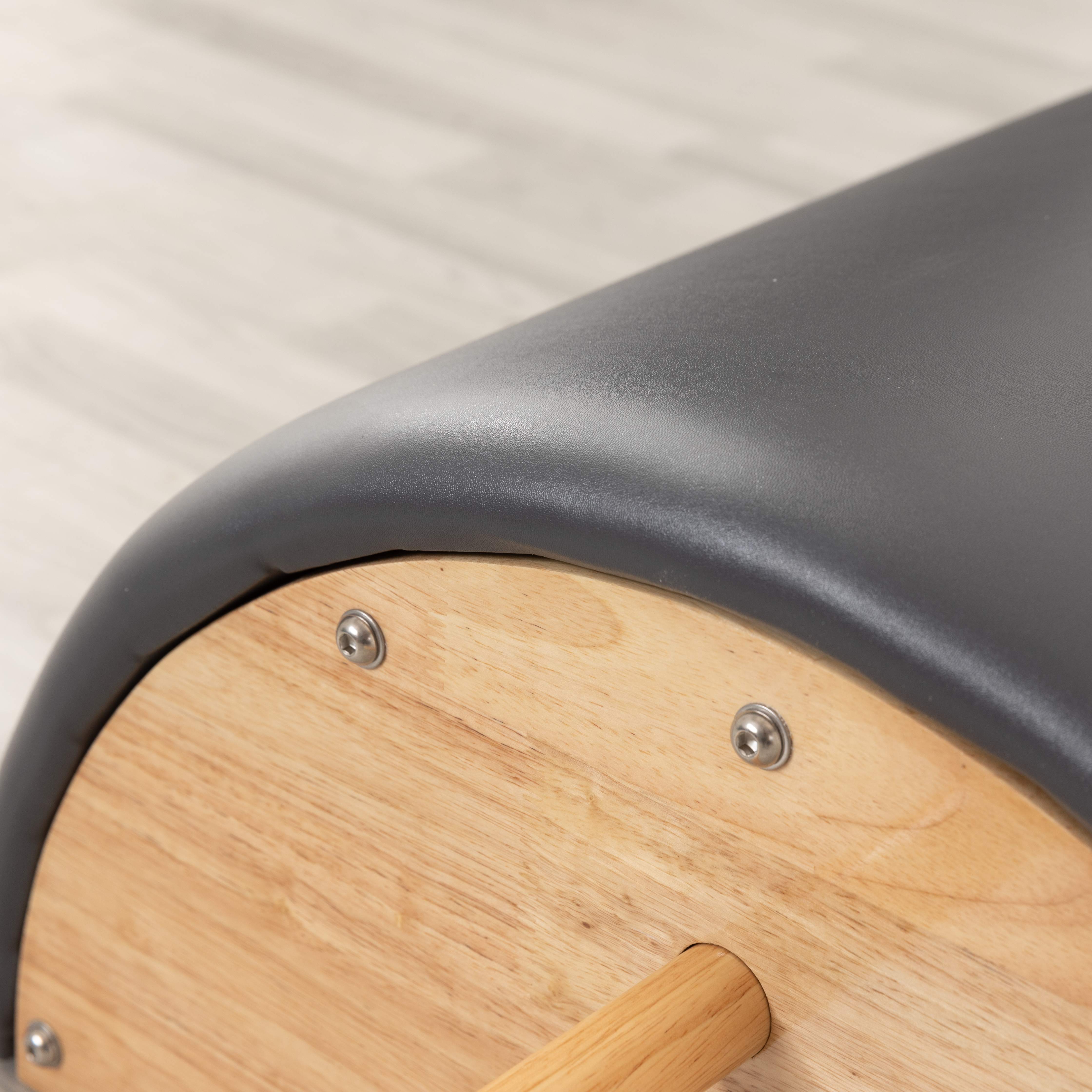
Our premium equipment uses heavy-gauge steel or aviation-grade aluminum frames with 150kg+ load capacity, handling 8-12 hours of daily high-frequency use. Spring systems use imported piano wire with rigorous heat treatment, rated for 500,000+ stretch cycles. Carriage systems feature precision bearings and self-lubricating rails, maintaining smooth, quiet operation under full load.
This means: You don't need annual spring replacements. You don't need equipment replacement every two years. You don't need to cancel classes due to equipment failure. Revenue loss from downtime far exceeds the price difference — one reformer down for 3 days, at 3 classes daily and $40 per class, loses $360, not counting hidden client churn costs.
III. Customization: Make Your Equipment a Brand Asset
Standardized equipment can only be "functional." Customized equipment becomes "yours."
We offer comprehensive customization for studio clients:
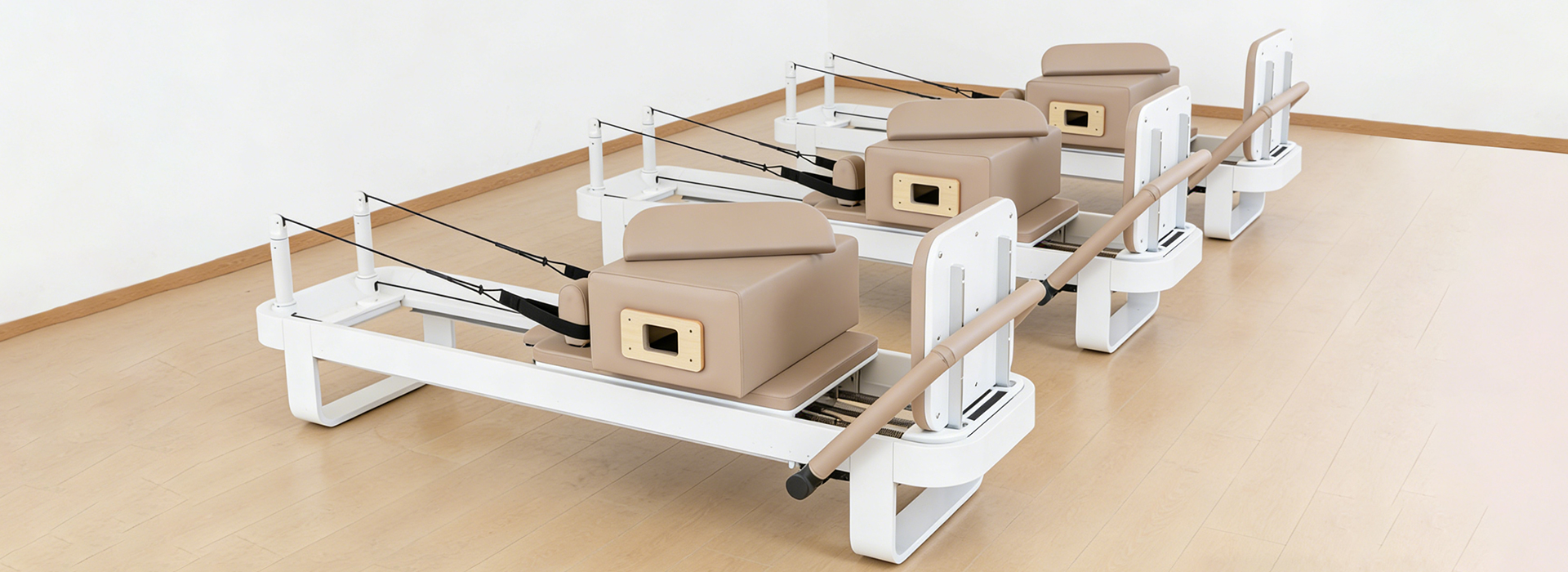
·Brand identity: LOGO applied via laser engraving, pad printing, metal nameplates, or leather embossing
·Color schemes: Upholstery colors from 50+ swatches; frame colors matched to Pantone codes
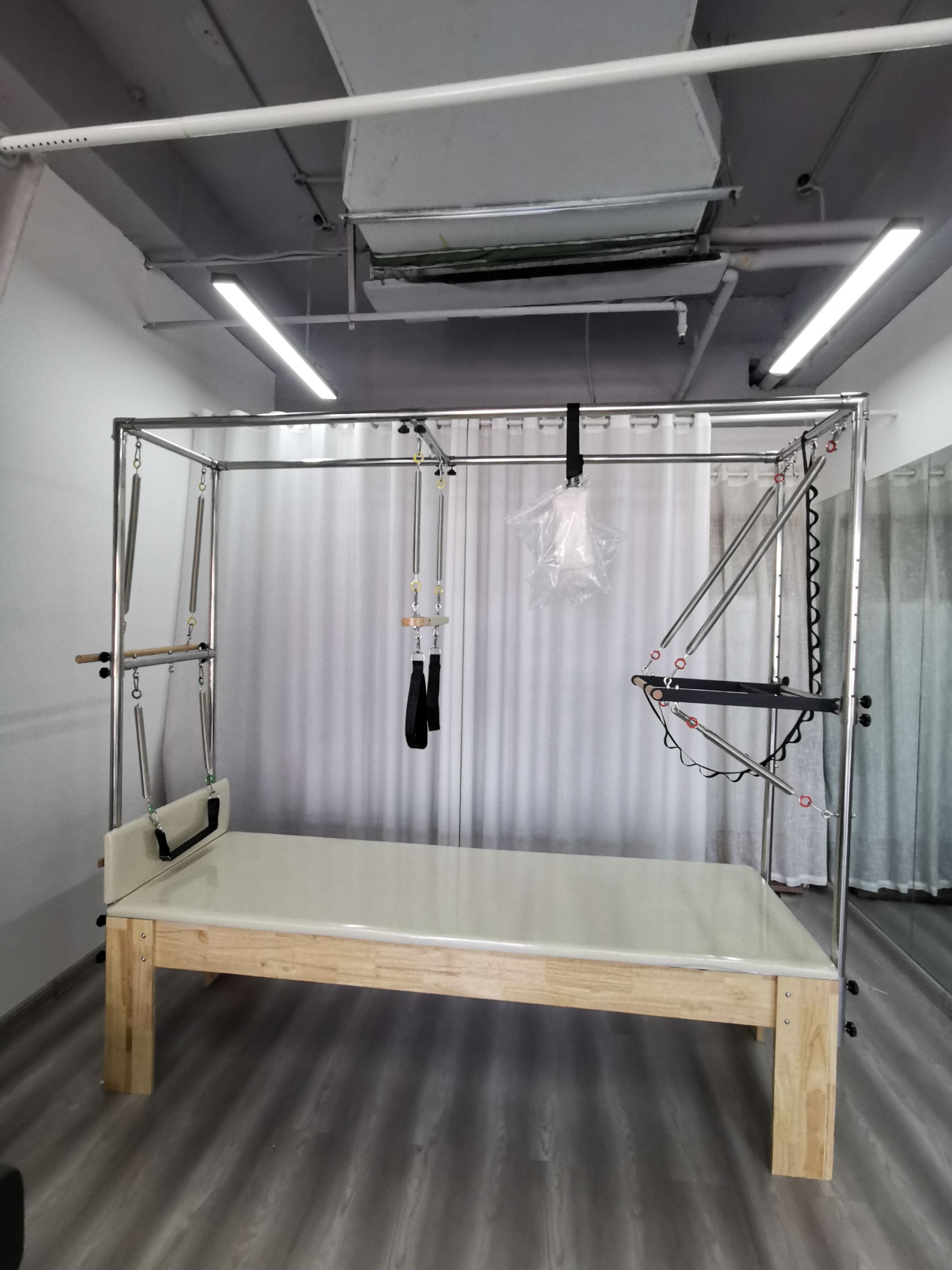
·Functional configuration: Spring force combinations and accessory packages (Jumpboards, Towers, Mat Converters) tailored to your curriculum
·Packaging: Branded boxes, multi-language manuals, marketing materials
This means: When clients walk into your studio, they see not "a Pilates reformer" but "your Pilates reformer." This level of brand recognition is something standardized equipment can't provide.
IV. Full-Cycle Support: Not a One-Time Transaction
Many equipment suppliers "disappear" after receiving payment. Equipment issues arise — no one to contact. Parts need replacing — no source. Instructors need training — no resources.
Our partnership model is "full-cycle companionship":
·Selection stage: Equipment configuration recommendations based on your floor space, class positioning, and budget
·Delivery stage: Installation guidance, commissioning support, and operation training
·Operations stage: Instructor training resources, curriculum development advice, and marketing asset support
·After-sales stage: Clear warranty terms, parts supply guarantees, and rapid response mechanisms
This means: You're not buying a machine — you're gaining a partner who walks through the startup phase with you.
V. Long-Term Value: Calculate the Total, Not the Unit Price
Many buyers focus only on "unit price" while ignoring "total cost of ownership" — including repair costs, downtime losses, replacement frequency, and resale value.
Take a commercial reformer as an example:
·Budget equipment: Unit price ~$2,000, but may need replacement within 2-3 years, with frequent repairs and significant downtime losses. 5-year total cost: ~$4,000-$6,000.
·Our premium equipment: Unit price ~$4,500, but lasts 10+ years with lifetime frame warranty and moving parts replaced every 2 years. 10-year total cost: ~$5,500-$6,500.
This means: Over the long run, premium equipment is actually more economical — and across those 10 years, you enjoy better feel, fewer breakdowns, and higher client satisfaction.
Summary: Choosing Pilates equipment for your studio is fundamentally a decision about the next 3 to 10 years of operations. Choosing our premium equipment gives you not just better quality and durability, but also branding possibilities, full-cycle service support, and long-term economics. We don't just sell you a machine — we partner with you to build your studio.